
Traceable Food Systems: Blockchain's Impact on Food Safety and Sustainability

Welcome to Blockchain Trends, your source for understanding the revolutionary impact of blockchain technology.
Are you curious about how blockchain is moving beyond cryptocurrencies and reshaping industries? Dive in to discover its potential in DeFi, enterprise solutions, and more. This week, we're serving up a fascinating exploration of blockchain food traceability solutions and how they're transforming food safety and sustainability. Ready to see how blockchain is cultivating a more transparent and secure food future? Let's explore!
Traceable Food Systems: Blockchain's Impact on Food Safety and Sustainability
- Introduction: The Need for Enhanced Food Traceability
- Blockchain Food Traceability Solutions: A Detailed Overview
- Improving Food Safety with Blockchain Technology
- Enhancing Sustainability in the Food Industry with Blockchain
- Case Studies: Blockchain Food Traceability Success Stories
- Implementing Blockchain Food Traceability: Challenges and Considerations
- The Future of Food: Blockchain, IoT, and AI Integration
- Conclusion: Blockchain as a Catalyst for a Safer and More Sustainable Food Future
-
Frequently Asked Questions
- How can blockchain technology improve food safety?
- What are some benefits of using blockchain for food traceability?
- What are the challenges to implementing blockchain-based food traceability solutions?
- How does blockchain contribute to food sustainability?
- What regulations are being developed to govern the use of blockchain in the food industry?
- Final Reflection: Cultivating Trust Through Transparency
- Empower Change: Reimagine Your Food Future!
Introduction: The Need for Enhanced Food Traceability
The Growing Concerns Around Food Safety and Supply Chain Transparency
Consumers today are increasingly concerned about the origin, safety, and ethical production of their food. High-profile incidents of foodborne illnesses, contamination, and fraudulent labeling have eroded public trust in traditional supply chains. The complexity and opacity of global food networks, involving numerous intermediaries from farm to fork, make it difficult to pinpoint the source of issues quickly when they arise. This lack of transparency not only poses significant health risks but also obscures important information about sustainability practices, labor conditions, and product authenticity, driving the demand for more robust and verifiable traceability systems.
Traditional food traceability methods often rely on paper records, centralized databases, or fragmented digital systems that are prone to errors, tampering, and delays. When a food safety crisis occurs, tracing affected products back to their origin or forward to consumers can take days or even weeks. For example, a recall involving contaminated produce might struggle to identify specific farm batches or distribution paths efficiently.
This slow response time exacerbates health risks, increases economic losses for businesses, and further diminishes consumer confidence. The global nature of food trade means that these challenges are amplified, necessitating innovative solutions that can provide end-to-end visibility and verifiable data across international borders.
How Blockchain Technology Addresses Food Traceability Challenges
Blockchain technology offers a fundamentally new approach to addressing the challenges inherent in traditional food supply chains. At its core, a blockchain is a distributed ledger that records transactions in a secure, transparent, and tamper-resistant manner. Each transaction, representing a step in the food's journey (e.g., harvesting, processing, shipping, sale), is added as a "block" to a chain of previous transactions.
Once a block is added and validated by the network participants, it is extremely difficult to alter, creating an immutable record of the product's history. This inherent security and transparency are key to building trust in the food supply chain.
Implementing Blockchain food traceability solutions allows stakeholders across the supply chain – farmers, processors, distributors, retailers, and even consumers – to access a shared, real-time, and verified history of a food item. This eliminates the reliance on siloed, potentially conflicting records.
For instance, when a product is scanned at different points, the data (location, temperature, handler) is recorded on the blockchain, creating a digital trail. This comprehensive and accessible history means that in the event of a problem, the origin and path of the affected product can be traced back in minutes, not days, dramatically improving response times for recalls and investigations, and ultimately enhancing food safety and supply chain integrity.
Blockchain Food Traceability Solutions: A Detailed Overview
What are Blockchain Food Traceability Systems?
Blockchain food traceability systems are technological frameworks designed to track and verify the journey of food products through every stage of the supply chain, from production to consumption. They leverage the core principles of blockchain technology – decentralization, immutability, transparency, and security – to create a shared, verifiable record of each product's history. These systems typically involve participants in the supply chain recording relevant data points onto a blockchain ledger as the product moves through different hands and processes.
These specialized Blockchain food traceability solutions capture a wide range of data, including but not limited to, origin farm details, harvest dates, processing information, transportation routes and conditions (like temperature and humidity), storage locations, and retail distribution. Each piece of data is timestamped and cryptographically linked to the previous entry, forming a secure chain of custody. This digital passport for each food item provides an unprecedented level of detail and authenticity, offering stakeholders a single source of truth about the product's lifecycle, which is crucial for ensuring safety, quality, and compliance with various standards.
Key Features and Benefits of Blockchain in Food Supply Chains
One of the primary benefits of using blockchain in food supply chains is enhanced transparency. Unlike traditional systems where information is often hidden within individual company databases, a blockchain ledger can be designed to allow permissioned access to relevant data for all authorized participants. This shared visibility fosters collaboration and accountability across the network. Another key feature is the immutability of records; once data is added to the blockchain, it cannot be changed or deleted, preventing tampering and ensuring data integrity.
Furthermore, Blockchain food traceability solutions significantly improve efficiency and speed. Manual data entry and reconciliation across disparate systems are reduced, streamlining operations. In the event of a food safety issue, the ability to trace a product's journey in near real-time drastically cuts down the time required for investigations and targeted recalls. For example, tracing a package of produce from a store back to the farm could take seconds instead of days. This speed not only protects consumers but also minimizes the economic impact of recalls by allowing businesses to isolate affected batches more precisely, reducing waste and operational costs.
Understanding Immutable Records and Distributed Ledgers
At the heart of blockchain technology are the concepts of immutable records and distributed ledgers, which are fundamental to the effectiveness of Blockchain food traceability solutions. A distributed ledger is a database that is shared and synchronized across multiple sites, countries, or institutions. Instead of having a single central authority managing the data, copies of the ledger are maintained and updated independently by each network participant. This distribution makes the system highly resilient to failures or attacks on a single point, as the data is replicated across the network.
Immutability means that once data is written to the blockchain, it cannot be altered or deleted. Each block of transactions is cryptographically linked to the previous block using a hash function. If any data in a block were to be tampered with, the block's hash would change, breaking the chain and making the alteration immediately obvious to all participants on the network.
This cryptographic security ensures the integrity and trustworthiness of the historical data recorded on the ledger. In the context of food traceability, this guarantees that the recorded history of a food item – its origin, handling, and movements – is genuine and hasn't been falsified, providing a high level of assurance for consumers and regulators alike.
How Blockchain Ensures Data Integrity in Food Tracking
Data integrity is paramount in food tracking, as inaccurate or falsified information can have severe consequences for public health. Blockchain technology ensures data integrity through its inherent structure and consensus mechanisms. When a new transaction (like a shipment arriving at a warehouse) is added to the ledger, it is validated by multiple participants in the network according to predefined rules.
Only after reaching a consensus is the transaction added to a new block, which is then appended to the chain. This distributed validation process makes it virtually impossible for a single entity to unilaterally add or alter data without the consent of the network.
Moreover, the cryptographic linking of blocks ensures that any attempt to tamper with historical data would require recalculating the hashes for that block and all subsequent blocks, a computationally intensive task that is easily detected by other network participants. This makes the ledger highly resistant to fraud and manipulation. By providing a secure, verifiable, and immutable audit trail for every step of the food supply chain, Blockchain food traceability solutions build a foundation of trust in the data, allowing businesses, regulators, and consumers to rely on the information provided regarding a product's provenance and journey.
Improving Food Safety with Blockchain Technology
Reducing Foodborne Illness Outbreaks Through Rapid Traceability
One of the most significant impacts of Blockchain food traceability solutions is the potential to dramatically reduce the scale and impact of foodborne illness outbreaks. In traditional systems, tracing the source of contamination during an outbreak can be a slow, manual, and complex process involving sifting through countless paper records and disparate databases. This delay means that contaminated products may remain on shelves longer, potentially infecting more people before a recall is initiated and effectively executed.
With a blockchain-based system, the journey of each product is recorded digitally and immutably. When an illness is reported and linked to a specific food item, investigators can use the blockchain ledger to instantly trace the product back through the supply chain to its origin – identifying the specific farm, processing plant, or distribution center responsible.
For example, Walmart's pilot with IBM's Food Trust blockchain reduced the time to trace a package of mangoes from the store back to the farm from seven days to just 2.2 seconds. This rapid traceability allows for much faster identification of the source, quicker isolation of contaminated batches, and more efficient, targeted recalls, thereby limiting the exposure of consumers to harmful pathogens and reducing the overall number of illnesses.
Real-Time Monitoring and Alert Systems for Contaminated Products
Blockchain technology, when integrated with other technologies like IoT sensors, can enable real-time monitoring and proactive alert systems that enhance food safety. IoT sensors placed in shipping containers or storage facilities can monitor critical conditions such as temperature, humidity, and location. This data can be automatically recorded onto the blockchain, providing a continuous, verifiable record of the product's environmental conditions throughout its journey.
If conditions deviate from acceptable parameters (e.g., a temperature spike that could indicate spoilage or pathogen growth), the system can automatically trigger alerts to relevant stakeholders recorded on the blockchain. This allows for immediate investigation and intervention before the product reaches consumers. Such proactive monitoring capabilities, powered by robust Blockchain food traceability solutions, enable businesses to identify potential safety issues early in the supply chain, isolate affected products, and prevent them from moving forward, significantly reducing the risk of contaminated food reaching the market and causing harm.
Enhanced Recall Management Using Blockchain-Based Tracking
Food recalls are a critical aspect of food safety, but their effectiveness is often hampered by inefficient tracking systems. Identifying exactly which products are affected, where they are located in the supply chain, and which consumers might have purchased them is challenging with traditional methods. This can lead to over- широ recalls that are costly and damage consumer confidence, or under-inclusive recalls that fail to remove all hazardous products.
Blockchain food traceability solutions streamline the recall process by providing precise, item-level tracking data. When a recall is necessary, companies can query the blockchain to instantly identify the exact batch, shipment, or even individual package numbers affected, along with their current location (in transit, at a specific store, etc.). This granular visibility allows for highly targeted recalls, minimizing the scope and associated costs.
Furthermore, retailers and distributors can use the blockchain data to quickly locate and remove affected products from shelves, and potentially even notify consumers who purchased the specific items if loyalty program data is linked. This speed and accuracy in recall management are vital for protecting public health and maintaining brand reputation.
Enhancing Sustainability in the Food Industry with Blockchain
Reducing Food Waste Through Improved Supply Chain Visibility
Food waste is a major global issue, contributing significantly to economic losses and environmental impact. A substantial portion of waste occurs within the supply chain due to inefficiencies, spoilage, and difficulties in managing inventory and logistics. Poor visibility into the location and condition of products means that items can expire in warehouses or transit, or that excess quantities are shipped to locations without sufficient demand.
Blockchain food traceability solutions provide end-to-end visibility across the supply chain, offering real-time data on inventory levels, product locations, and environmental conditions (via IoT integration). This enhanced transparency allows businesses to better manage stock, optimize transportation routes, and predict potential delays or issues that could lead to spoilage. By having accurate, shared data on the blockchain, stakeholders can make informed decisions to reroute shipments, adjust orders, and ensure products reach their destination efficiently and in good condition, thereby significantly reducing food waste throughout the supply chain.
Promoting Sustainable Farming Practices and Ethical Sourcing
Consumers are increasingly demanding food that is produced sustainably and ethically. However, verifying claims about farming practices, labor conditions, and sourcing origins can be challenging in complex supply chains. Traditional certification processes can be costly, time-consuming, and sometimes lack transparency, making it difficult for consumers to trust the labels they see on products.
Blockchain food traceability solutions offer a powerful tool for verifying and promoting sustainable and ethical sourcing. Data about farming methods (e.g., water usage, pesticide application), labor practices (e.g., fair wages, working conditions), and geographical origin can be recorded immutably on the blockchain at the source.
As the product moves through the supply chain, this verified data travels with it digitally. This creates a transparent and verifiable record of the product's journey and how it was produced, allowing brands to credibly demonstrate their commitment to sustainability and ethical sourcing, and enabling consumers to make informed purchasing decisions based on trusted information.
Verifying Organic and Fair Trade Certifications with Blockchain
Certifications like "Organic" or "Fair Trade" are designed to assure consumers that products meet specific standards regarding environmental impact, social responsibility, or production methods. However, instances of fraud or mislabeling can undermine the credibility of these certifications. Ensuring that every entity in a complex supply chain adheres to the required standards and that the final product genuinely comes from certified sources is a significant challenge.
Blockchain food traceability solutions can enhance the integrity of certification processes. Instead of relying solely on periodic audits and paper trails, the details of certifications, audit reports, and compliance checks can be recorded directly onto the blockchain.
Furthermore, the system can track the physical flow of certified ingredients or products, ensuring that they are kept separate from non-certified items and that the final product contains only what is claimed. This provides a transparent, auditable, and immutable record that verifies the authenticity of organic, fair trade, or other sustainability claims from origin to point of sale, building greater trust in these certifications for both businesses and consumers.
The Role of Blockchain in Reducing Carbon Footprint in Food Production
While blockchain doesn't directly reduce carbon emissions from farming or transportation, Blockchain food traceability solutions can indirectly contribute to reducing the carbon footprint of the food industry by improving efficiency and transparency. By providing granular data on supply chain movements, storage, and handling, businesses can identify inefficiencies that lead to increased energy consumption or unnecessary emissions.
For example, optimizing transportation routes based on real-time location data from the blockchain can reduce fuel consumption. Better inventory management, enabled by clear visibility into stock levels and demand, can minimize the need for rush shipments or reduce spoilage, which in turn reduces the energy wasted in producing, transporting, and disposing of food that never reaches a consumer. Furthermore, by promoting ethical sourcing and sustainable farming practices through verifiable data, blockchain encourages practices that often have lower environmental impacts, such as reduced pesticide use or more efficient resource management on farms.
Case Studies: Blockchain Food Traceability Success Stories
Bumble Bee Foods: Implementing Blockchain for Tuna Traceability
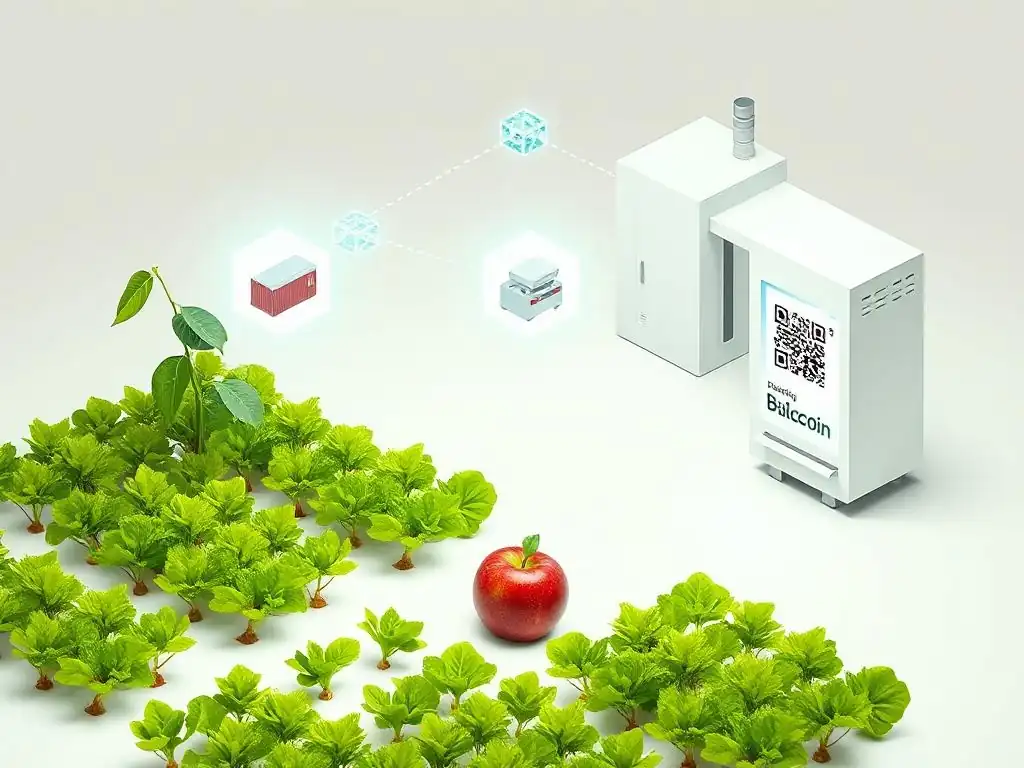
Bumble Bee Foods, one of North America's largest seafood companies, implemented Blockchain food traceability solutions to track their yellowfin tuna. Working with SAP, they launched a system that allows consumers to trace their can of tuna back to the specific vessel that caught the fish, the location of the catch, and even information about the fishing community. This project aimed to provide consumers with confidence in the sustainability and ethical sourcing of their seafood.
By scanning a QR code on the product packaging, consumers can access the immutable data stored on the blockchain. This information includes details like the date and location of the catch, the name of the fishing vessel, and processing information. The system provides unprecedented transparency into the tuna's journey. While specific metrics on reduced food safety incidents are still emerging, the project successfully demonstrated the feasibility of using blockchain to create a transparent and verifiable supply chain for a complex global product like seafood, setting a precedent for others in the industry.
Walmart: Traceable Mango Supply Chain using Blockchain
Walmart is a pioneering adopter of Blockchain food traceability solutions, notably through its work with IBM Food Trust. One of their early and often-cited pilots involved tracing mangoes sold in their stores. Before using blockchain, tracing a package of mangoes back to its farm of origin could take days, involving numerous phone calls and manual data lookups across different company systems.
Using the blockchain-based system, Walmart demonstrated that they could trace a package of mangoes from the shelf back to the specific farm in Mexico in just 2.2 seconds. This dramatic reduction in traceability time is crucial for rapid response during food safety events.
Following the success of pilots with mangoes and leafy greens, Walmart mandated that its suppliers of leafy green vegetables use the IBM Food Trust network by September 2019, demonstrating confidence in the platform's ability to enhance food safety and supply chain efficiency at scale. This case highlights the practical benefits and potential for widespread adoption of Blockchain food traceability solutions by major retailers.
Lessons Learned from Early Adopters of Blockchain Food Systems
The experiences of early adopters like Walmart and Bumble Bee Foods offer valuable insights for others considering Blockchain food traceability solutions. A key lesson is the importance of collaboration; successful implementation requires buy-in and data sharing from all participants in the supply chain, from the smallest farmer to the largest retailer. This necessitates building consortia and establishing clear governance models for the blockchain network.
Another critical learning is the need for data standardization. Different companies use different systems and formats for recording data. For blockchain to work effectively, there must be agreement on common data standards and mechanisms for integrating disparate systems. Furthermore, while the technology offers significant benefits, the initial investment in infrastructure, integration, and training can be substantial. However, the long-term benefits in terms of reduced recall costs, improved brand reputation, enhanced consumer trust, and increased operational efficiency often outweigh these initial costs, reinforcing the value proposition of robust Blockchain food traceability solutions.
Implementing Blockchain Food Traceability: Challenges and Considerations
Addressing Interoperability Issues Across Diverse Supply Chains
One of the significant hurdles in implementing widespread Blockchain food traceability solutions is the issue of interoperability. The food supply chain is incredibly diverse, involving a vast array of businesses of different sizes, technological capabilities, and existing data systems. Getting these disparate entities, often using incompatible software and hardware, to connect and share data seamlessly on a single blockchain network or across different networks is complex.
Achieving true end-to-end traceability requires data to flow smoothly from one participant to the next, regardless of the specific systems they use. This necessitates developing common standards, APIs, and middleware that can translate and transfer data between different platforms and blockchain networks. Without effective interoperability, the blockchain ledger risks becoming fragmented, preventing the creation of a complete and continuous history for a food item. Industry-wide collaboration and the development of open standards are crucial to overcoming this challenge and enabling scalable Blockchain food traceability solutions.
Overcoming Data Silos and Ensuring Data Standardization
Related to interoperability is the challenge of breaking down existing data silos within and between organizations. Many companies maintain their own databases that do not easily communicate with external systems. Extracting data from these legacy systems and standardizing it into a format suitable for recording on a blockchain requires significant effort. Data about origin, processing steps, quality checks, and transportation conditions must be captured accurately and consistently by all participants.
Ensuring data quality and standardization is paramount. Inaccurate or inconsistent data entered at any point can compromise the integrity of the entire blockchain record. This requires establishing clear data input protocols, investing in data capture technology (like sensors and scanning systems), and potentially using technologies like AI to validate and clean data before it is added to the ledger. Overcoming these data challenges is fundamental to building reliable and trustworthy Blockchain food traceability solutions that can deliver on the promise of enhanced transparency and safety.
The Importance of Collaboration Among Stakeholders
Successful implementation of Blockchain food traceability solutions is inherently dependent on collaboration among all stakeholders in the food supply chain. Unlike implementing a system within a single company, a traceability network requires participation from farmers, aggregators, processors, manufacturers, distributors, retailers, and potentially even logistics providers and certification bodies. Each participant must be willing to share relevant data and invest in the necessary technology and processes.
Building trust and fostering cooperation among entities that may have historically operated independently or even competitively is a significant undertaking. It often requires establishing consortia, defining clear rules of governance for the blockchain network, outlining data ownership and access rights, and demonstrating the tangible benefits for each participant. Without a collaborative spirit and a shared understanding of the value proposition – from improved efficiency to enhanced brand reputation and consumer trust – widespread adoption of Blockchain food traceability solutions will remain challenging.
Cost Analysis: Initial Investment vs. Long-Term Benefits of Blockchain Implementation
Implementing Blockchain food traceability solutions involves significant initial investment. Costs include developing or subscribing to a blockchain platform, integrating existing IT systems, purchasing necessary hardware (like IoT sensors and scanners), training personnel, and potentially redesigning business processes. For smaller businesses, these upfront costs can be a major barrier to adoption.
However, it is crucial to consider the long-term benefits, which can offer a strong return on investment. These benefits include reduced costs associated with manual tracking and data reconciliation, faster and more targeted recalls that minimize losses from spoiled or unsaleable products, lower insurance premiums (in some cases), improved supply chain efficiency, and enhanced brand reputation and consumer loyalty built on trust and transparency.
Studies and pilot programs have shown that the potential savings from avoided losses during recalls alone can quickly outweigh the initial investment. A thorough cost-benefit analysis, considering both tangible savings and intangible benefits like increased trust, is essential when evaluating the feasibility of adopting Blockchain food traceability solutions.
The Future of Food: Blockchain, IoT, and AI Integration
Combining Blockchain with IoT Sensors for Enhanced Monitoring
The true power of Blockchain food traceability solutions is unleashed when combined with other cutting-edge technologies like the Internet of Things (IoT). IoT sensors can be deployed throughout the food supply chain – on farms, in storage facilities, during transportation – to collect real-time data on critical parameters such as temperature, humidity, light exposure, and location.
This sensor data can be automatically and securely transmitted to the blockchain ledger. By linking the physical product (monitored by sensors) with its digital twin on the blockchain, the system creates a dynamic and verifiable record of the product's condition and environment throughout its journey. This integration allows for continuous, objective monitoring, enabling proactive interventions if conditions become unfavorable and providing an indisputable history of the product's handling, significantly enhancing both food safety and quality assurance within Blockchain food traceability solutions.
Leveraging AI and Machine Learning for Predictive Analytics in Food Safety
Integrating Artificial Intelligence (AI) and Machine Learning (ML) with Blockchain food traceability solutions opens up possibilities for predictive analytics that can further enhance food safety and supply chain efficiency. The vast amounts of data collected and stored on the blockchain – including origin details, handling history, environmental conditions (from IoT), processing data, and even historical recall information – can be analyzed by AI algorithms.
These algorithms can identify patterns and correlations that are not immediately obvious to humans. For instance, AI could predict the likelihood of spoilage or pathogen growth based on a combination of temperature fluctuations during transport, the product's origin, and the time elapsed since harvest. Predictive analytics can also optimize logistics, forecast demand more accurately, and identify potential points of risk in the supply chain before issues occur. By leveraging AI to derive insights from the secure and transparent data provided by Blockchain food traceability solutions, the industry can move from reactive problem-solving to proactive risk management.
The Potential of Smart Contracts in Automating Food Supply Chain Processes
Smart contracts, self-executing contracts with the terms of the agreement directly written into code, represent another powerful integration point for Blockchain food traceability solutions. These contracts reside on the blockchain and automatically execute predefined actions when specific conditions are met, based on the verifiable data on the ledger.
In the food supply chain, smart contracts can automate various processes, reducing the need for manual intervention and increasing efficiency. For example, a smart contract could automatically trigger payment to a farmer once a shipment of produce is verified as received and meeting quality standards, based on data recorded on the blockchain.
Another example could be an automated alert and rerouting protocol triggered by a smart contract if IoT data indicates a temperature excursion during transit. Smart contracts can streamline transactions, ensure compliance with contractual obligations, and automate workflows based on trusted, real-time data from the Blockchain food traceability solutions, leading to a more efficient, transparent, and reliable food supply chain.
Conclusion: Blockchain as a Catalyst for a Safer and More Sustainable Food Future
Recap of Blockchain's Impact on Food Traceability
Blockchain technology is proving to be a transformative force in enhancing food traceability. By providing a decentralized, immutable, and transparent ledger, it addresses the fundamental weaknesses of traditional, fragmented systems. We've seen how Blockchain food traceability solutions enable rapid tracing of products from farm to fork, dramatically reducing the time required to identify the source of contamination during food safety crises, as demonstrated by companies like Walmart.
Beyond safety, these solutions foster greater transparency regarding product origins, handling, and certifications, building much-needed trust between consumers and producers. They also contribute to sustainability efforts by improving supply chain visibility, which helps reduce waste, and by providing verifiable proof of ethical sourcing and sustainable practices. The foundational principles of blockchain – security, immutability, and shared visibility – are uniquely suited to the challenges of modern food supply chains, laying the groundwork for a more reliable and trustworthy global food system.
The Path Forward: Scaling Blockchain Food Traceability Solutions
While significant progress has been made, scaling Blockchain food traceability solutions across the entire food industry presents ongoing challenges. Widespread adoption requires overcoming hurdles related to interoperability between different systems and networks, standardizing data formats across diverse participants, and securing the active collaboration of all stakeholders, from small family farms to multinational corporations. The initial investment costs can also be a barrier, particularly for smaller players.
The path forward involves continued collaboration among industry players, technology providers, and regulatory bodies to develop common standards and accessible platforms. Pilot projects need to expand into full-scale implementations, demonstrating clear return on investment and tangible benefits for all participants. Government support and regulatory frameworks that encourage or mandate enhanced traceability can also accelerate adoption. As the technology matures and becomes more accessible, the network effects of broader participation will further enhance the value and effectiveness of Blockchain food traceability solutions.
The Importance of Industry Adoption and Regulatory Support
The full potential of Blockchain food traceability solutions can only be realized through widespread industry adoption. While early adopters have demonstrated the technology's capabilities, a critical mass of participation is needed to create truly end-to-end visibility across complex, multi-party supply chains. When all or most participants in a specific supply chain segment are contributing data to the blockchain, the network becomes exponentially more valuable and reliable.
Furthermore, regulatory support can play a crucial role in driving adoption and ensuring consistency. Clear guidelines or mandates from food safety authorities regarding the use of verifiable digital traceability systems could incentivize companies to invest in blockchain technology. Collaboration between regulators and the industry can also help define necessary data points and technical standards for compliance. With strong industry buy-in and supportive regulatory environments, Blockchain food traceability solutions can move from niche applications to becoming the standard for ensuring the safety, sustainability, and integrity of the global food supply.
Frequently Asked Questions
How can blockchain technology improve food safety?
Blockchain offers immutable records of the food supply chain, allowing for faster identification and isolation of contaminated products, leading to quicker recalls and reduced consumer risk. This provides greater transparency and accountability throughout the process.
What are some benefits of using blockchain for food traceability?
Benefits include enhanced supply chain visibility, improved consumer trust, and reduced food fraud. Blockchain also enables efficient data sharing among stakeholders, leading to better coordination and responsiveness in the event of issues.
What are the challenges to implementing blockchain-based food traceability solutions?
Challenges include the cost of implementation, the need for stakeholder collaboration, and the integration with existing systems. There's also the issue of data standardization across different platforms to ensure interoperability.
How does blockchain contribute to food sustainability?
By providing detailed information about the origin and production methods of food, blockchain empowers consumers to make more informed and sustainable choices. This can drive demand for ethically and environmentally responsible food products.
What regulations are being developed to govern the use of blockchain in the food industry?
While specific regulations are still evolving, many jurisdictions are exploring data privacy, security standards, and liability frameworks related to blockchain. These regulations aim to ensure responsible and ethical use of the technology in the food supply chain.
Final Reflection: Cultivating Trust Through Transparency
The journey through the landscape of blockchain food traceability solutions reveals a powerful truth: transparency is no longer a luxury, but a necessity in ensuring food safety and sustainability. From farm to fork, the implementation of blockchain technology offers an unprecedented level of accountability, addressing critical concerns about foodborne illnesses, ethical sourcing, and environmental impact. This shift towards traceable food systems represents a fundamental change in how we interact with our food supply chain.
The ripple effect of blockchain adoption extends far beyond mere efficiency; it fosters a deeper connection between consumers and the origins of their food. Witnessing the growing demand for ethically sourced and sustainably produced goods underscores the profound impact of informed consumer choices. The future of food is traceability. Consumers want to know where their food comes from, how it was produced, and that it's safe.
- Cathy Burns, CEO of the Produce Marketing Association. This quote encapsulates the essence of the movement, highlighting the power of information in shaping a more responsible and resilient food system.
As we stand at the cusp of this technological revolution, let us embrace the potential of blockchain food traceability solutions to cultivate a future where trust is not just an ideal, but a tangible reality. Consider the power you hold as a consumer, a producer, or a policymaker to champion transparency and accountability in the food industry. What steps can you take today to support and advocate for blockchain-enabled food systems, ensuring a safer, more sustainable, and more equitable future for all?
Empower Change: Reimagine Your Food Future!
Thank you for exploring how blockchain technology can revolutionize food traceability. Now that you understand its potential to improve food safety and promote sustainability, you can take steps to contribute to a more transparent and trustworthy food system:
- Demand Transparency: Support food brands that are committed to using blockchain for traceability. Your purchasing choices have a powerful impact.
- Explore Blockchain Platforms: Learn about applications of blockchain in the food industry. Investigate leading platforms and initiatives that showcase real-world implementations.
- Share Your Thoughts: Talk about the benefits of blockchain-based food traceability with friends, family, and your community. Help spread awareness and encourage others to choose safer, more sustainable food options.
What is one small step you can take today to support transparent and secure food systems? Share your ideas in the comments below!
Leave a Reply