
Tokenization of RealWorld Assets: Advanced Strategies and Challenges


Welcome to Blockchain Trends, your guide to navigating the evolving landscape of blockchain technology. Beyond the hype, we delve into the real-world applications and transformative potential of this groundbreaking innovation.
Are you ready to unlock the secrets of real-world asset tokenization? This article explores advanced strategies and critical challenges in bringing tangible assets onto the blockchain. Discover how this innovative process is reshaping industries and creating new opportunities. Read on to explore the future of finance and decentralized systems!
Tokenization of Real-World Assets: Advanced Strategies and Challenges
- Introduction to Real-World Asset (RWA) Tokenization
- Advanced Strategies for Real-World Asset Tokenization
- Key Benefits of Real-World Asset Tokenization
- Challenges and Risks Associated with RWA Tokenization
- Real-World Examples of Successful RWA Tokenization
- Technological Infrastructure for RWA Tokenization
- Future Trends in Real-World Asset Tokenization
- Overcoming Barriers to Widespread RWA Tokenization Adoption
- Conclusion: The Future of Real-World Assets on the Blockchain
-
Frequently Asked Questions
- What are the primary benefits of tokenizing real-world assets (RWAs)?
- What are some examples of real-world assets that can be tokenized?
- What are the main challenges associated with RWA tokenization?
- How can businesses effectively integrate RWA tokenization into their existing operations?
- What are some advanced strategies for maximizing the value of tokenized RWAs?
- Final Reflection: Unlocking Potential Through Tokenization
- Unlock the Potential: Transform Assets with Tokenization!
Introduction to Real-World Asset (RWA) Tokenization
Understanding Asset Tokenization: A Digital Representation of Ownership
Asset tokenization is the process of representing rights to a physical or intangible asset on a blockchain. This digital representation, often referred to as a token, allows for the fractionalization of ownership, increased liquidity, and greater accessibility to various asset classes. Imagine a traditional certificate of ownership for a piece of real estate or a share of stock. Tokenization takes this concept and digitizes it, embedding it within a blockchain's immutable and transparent ledger. This transformation unlocks new possibilities for how assets are managed, traded, and interacted with.
The underlying technology behind asset tokenization leverages the properties of blockchain, primarily its security, transparency, and efficiency. Each token represents a specific unit of ownership of the underlying asset and its history is permanently recorded on the blockchain. This offers a significant advantage over traditional systems that often rely on paper-based processes and intermediaries, which can be slow, costly, and less transparent. For example, instead of needing a complex legal process to transfer ownership of a fraction of a property, tokenization can enable near-instantaneous transfers through blockchain transactions.
The Rise of RWA Tokenization: Bridging Traditional Finance and Blockchain
The emergence of Real-World Asset (RWA) tokenization is a significant evolution in the blockchain space, moving beyond purely digital assets like cryptocurrencies to encompass tangible assets like real estate, commodities, and even intellectual property. This trend signifies a growing recognition of blockchain's potential to revolutionize traditional finance and asset management. Early blockchain applications primarily focused on cryptocurrencies, but the industry is now recognizing the immense potential in bringing real-world value onto the blockchain.
This rise is driven by several factors, including the increasing maturity of blockchain technology, a greater understanding of its benefits by traditional financial institutions, and the demand for more efficient and accessible investment opportunities. For instance, the global real estate market, valued at trillions of dollars, remains largely illiquid. Tokenization offers a pathway to unlock this liquidity by allowing smaller investors to participate and enabling faster, cheaper transactions. Similarly, in supply chain management, tokenization can enhance transparency and traceability of commodities, reducing fraud and increasing efficiency.
Advanced Strategies for Real-World Asset Tokenization
Fractionalization: Democratizing Access to High-Value Assets
Fractionalization is a cornerstone strategy in RWA tokenization, enabling the division of high-value assets into smaller, more affordable units represented by tokens. This process significantly lowers the barrier to entry for investors, allowing individuals to own a fraction of assets that would otherwise be inaccessible due to their high price tags. Consider fine art, for example. Masterpieces often trade for millions of dollars, making them exclusive to ultra-high-net-worth individuals. Through tokenization, a valuable painting can be divided into thousands or even millions of tokens, allowing smaller investors to own a piece of a Picasso or a Van Gogh.
This democratization of access extends beyond art. Real estate, private equity, and even luxury goods can be fractionalized. For instance, a prime commercial property could be tokenized, and investors could purchase tokens representing a percentage of ownership, receiving a proportional share of rental income. This not only broadens investment opportunities but also enhances liquidity in markets that were previously characterized by illiquidity. Fractionalization through tokenization is thus reshaping investment landscapes, making them more inclusive and efficient.
Legal and Regulatory Considerations for Security Token Offerings (STOs)
When tokenizing real-world assets, especially those representing equity or debt, the resulting tokens often fall under the regulatory definition of securities. This necessitates navigating complex legal and regulatory frameworks, primarily through Security Token Offerings (STOs). STOs are token sales that are compliant with securities laws, designed to protect investors and ensure market integrity. Unlike utility tokens, which grant access to a service or product, security tokens represent ownership or rights to an underlying asset and are therefore subject to securities regulations in most jurisdictions.
The legal landscape for STOs is still evolving globally, with varying approaches across different countries. In the United States, for example, STOs must comply with regulations set by the Securities and Exchange Commission (SEC), often requiring registration or exemptions like Regulation D or Regulation A+. In Europe, frameworks like MiCA (Markets in Crypto-Assets) are being developed to provide a harmonized regulatory approach for crypto-assets, including security tokens. Navigating these regulations is crucial for the success and legality of RWA tokenization projects, requiring expertise in securities law and ongoing monitoring of regulatory developments.
DeFi Integration: Unlocking New Financial Instruments and Opportunities
The integration of Real-World Asset tokens into Decentralized Finance (DeFi) protocols opens up a plethora of new financial instruments and opportunities. DeFi platforms offer services like lending, borrowing, and yield farming without traditional intermediaries, and incorporating RWAs into this ecosystem can bridge the gap between traditional and decentralized finance. For example, tokenized real estate or commodities can be used as collateral in DeFi lending platforms, allowing token holders to access liquidity without selling their assets.
This integration also facilitates the creation of novel financial products. Imagine decentralized exchanges (DEXs) listing tokenized stocks or bonds, enabling 24/7 trading with potentially lower fees and faster settlement times compared to traditional stock exchanges. Furthermore, DeFi protocols can enable the creation of synthetic assets pegged to the value of real-world assets, expanding investment options and hedging strategies. The synergy between RWA tokenization and DeFi has the potential to create a more efficient, accessible, and innovative financial system, blurring the lines between the traditional and decentralized worlds.
Key Benefits of Real-World Asset Tokenization
Liquidity Enhancement: Converting Illiquid Assets into Tradeable Tokens
One of the most significant benefits of RWA tokenization is its ability to enhance the liquidity of traditionally illiquid assets. Assets like real estate, art, and private equity are notoriously difficult to quickly convert to cash due to lengthy transaction processes and limited buyer pools. Tokenization transforms these assets into digital tokens that can be traded on exchanges, often with greater ease and speed than their physical counterparts. Consider a commercial real estate property that might take months to sell through traditional channels. Tokenized fractions of this property can be traded near-instantly on a blockchain-based exchange, significantly increasing liquidity.
This improved liquidity unlocks value for asset owners and broadens market access for investors. Owners can access capital more quickly and efficiently, while investors can enter and exit positions more easily, reducing the risks associated with illiquidity. Furthermore, the fractional nature of tokens also contributes to liquidity, as smaller denominations make assets more accessible to a wider range of investors, increasing trading volume and market depth. This liquidity enhancement is a key driver behind the growing adoption of RWA tokenization across various asset classes.
Transparency and Auditability: Leveraging Blockchain for Enhanced Trust
Blockchain technology inherently provides a high degree of transparency and auditability, benefits that are directly transferred to tokenized real-world assets. Every transaction involving RWA tokens is recorded on the immutable blockchain ledger, creating a permanent and verifiable record of ownership and transfers. This contrasts sharply with traditional systems, which often rely on fragmented and opaque record-keeping, making it difficult to track asset provenance and ownership history.
This enhanced transparency fosters greater trust and reduces the potential for fraud and disputes. For example, in supply chain tokenization, tracking the provenance of goods from origin to consumer becomes significantly easier and more reliable, verifying authenticity and ethical sourcing. Similarly, in real estate tokenization, the blockchain provides a transparent record of property ownership and transaction history, reducing the need for extensive due diligence and title searches. The inherent transparency and auditability of blockchain underpin the credibility and security of RWA tokenization, building confidence among participants.
Efficiency Gains: Streamlining Asset Management and Reducing Costs
RWA tokenization offers substantial efficiency gains in asset management, streamlining processes and significantly reducing costs associated with traditional methods. Traditional asset management often involves numerous intermediaries, paper-based documentation, and lengthy settlement times, leading to inefficiencies and higher operational expenses. Tokenization, by leveraging blockchain's automation and disintermediation capabilities, can simplify these processes.
Smart contracts, self-executing agreements coded on the blockchain, can automate many aspects of asset management, from dividend distribution to compliance checks. This automation reduces manual work, minimizes errors, and accelerates transaction settlement. For instance, distributing rental income from tokenized real estate can be automated through smart contracts, eliminating the need for manual processing and reducing administrative overhead. Furthermore, by reducing the reliance on intermediaries such as brokers and custodians, tokenization can significantly lower transaction fees and overall operational costs, making asset management more efficient and cost-effective.
Challenges and Risks Associated with RWA Tokenization
Despite the immense potential, RWA tokenization faces significant challenges, particularly in navigating the complex and often fragmented global regulatory landscape. As mentioned earlier, security tokens are subject to securities laws, and compliance requirements can vary significantly across jurisdictions. This regulatory uncertainty and complexity can pose a significant barrier to adoption, especially for projects aiming for cross-border operations. The lack of harmonized global regulations necessitates careful legal analysis and tailored compliance strategies for each jurisdiction of operation.
Furthermore, the evolving nature of regulations in the crypto space means that legal frameworks are constantly being updated and interpreted. This requires ongoing monitoring of regulatory developments and proactive adaptation to ensure continued compliance. For RWA tokenization to achieve widespread adoption, greater regulatory clarity and potentially international cooperation are essential to create a more predictable and supportive legal environment for these innovative financial instruments. Engaging with policymakers and participating in industry discussions are crucial steps towards shaping favorable regulatory outcomes.
Security and Custody: Protecting Tokenized Assets from Cyber Threats
Security and custody are paramount concerns in the realm of RWA tokenization. While blockchain itself is inherently secure, the infrastructure surrounding tokenized assets, including exchanges, wallets, and custodial solutions, are still vulnerable to cyber threats. Protecting tokenized assets from hacking, theft, and fraud requires robust security measures and secure custody solutions. The value represented by RWA tokens makes them attractive targets for malicious actors, necessitating a strong focus on cybersecurity.
Implementing best practices in cybersecurity, such as multi-factor authentication, encryption, and regular security audits, is crucial. Furthermore, choosing secure custodial solutions is vital. Custodial solutions range from self-custody, where token holders manage their own private keys, to third-party custodians, who provide secure storage and management services. For institutional adoption, regulated and insured custodial services are often preferred to ensure the safety and security of large holdings of tokenized assets. Continuously evolving security protocols and proactive risk management are essential to mitigate cyber threats and build trust in RWA tokenization.
Scalability and Interoperability: Ensuring Seamless Integration Across Platforms
Scalability and interoperability are crucial for the long-term success and widespread adoption of RWA tokenization. Blockchain networks need to be able to handle increasing transaction volumes as RWA tokenization gains traction. Scalability limitations can lead to network congestion, higher transaction fees, and slower processing times, hindering user experience and potentially limiting the practicality of tokenization for high-volume asset classes. Different blockchain platforms have varying scalability capabilities, and choosing the right blockchain infrastructure is essential for ensuring efficient and scalable RWA tokenization solutions.
Interoperability, the ability for different blockchain networks and systems to communicate and interact with each other, is equally important. In a fragmented blockchain landscape, the lack of interoperability can create silos and limit the potential for cross-platform trading and utilization of RWA tokens. Developing standardized protocols and bridges between different blockchains is crucial to enable seamless integration and facilitate the free flow of tokenized assets across the broader blockchain ecosystem. Addressing scalability and interoperability challenges is essential to unlock the full potential of RWA tokenization and create a truly interconnected and efficient digital asset landscape.
Real-World Examples of Successful RWA Tokenization
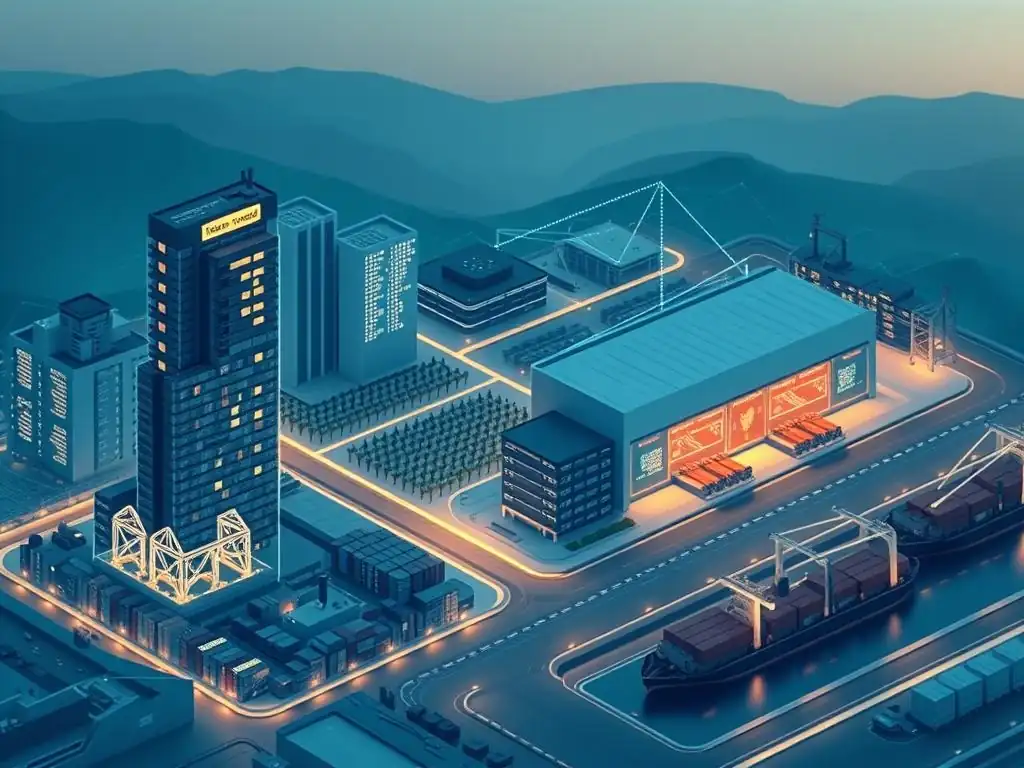
Real Estate Tokenization: Platforms Facilitating Property Ownership
Real estate tokenization is emerging as a prominent use case, with platforms like RealT and MERJ Exchange pioneering the fractionalization of properties. RealT, for example, tokenizes real estate properties in the US, allowing investors to purchase fractions of rental properties for as little as $50. These tokens represent fractional ownership and entitle holders to a share of the rental income, paid out in cryptocurrency. This model democratizes real estate investment, making it accessible to a wider range of investors, regardless of their geographical location or financial capacity.
MERJ Exchange, a regulated securities exchange, lists tokenized real estate assets, providing a secondary market for trading these tokens. These platforms demonstrate the practical application of real estate tokenization, showcasing its potential to enhance liquidity and accessibility in a traditionally illiquid market. While still in its early stages, real estate tokenization is gaining momentum, with increasing numbers of properties being tokenized and platforms emerging to facilitate investment and trading. These examples highlight the transformative potential of tokenization in reshaping real estate investment.
Tokenized Commodities: Enhancing Transparency in Supply Chains
Tokenization is also being applied to commodities, particularly in supply chain management, to enhance transparency and traceability. Companies like Open Mineral are tokenizing physical commodities like metals, creating digital representations that track the provenance and ownership of these commodities throughout the supply chain. This allows for greater transparency and reduces the risk of fraud and counterfeit goods. For instance, tokenizing gold can ensure its ethical sourcing and track its journey from mine to consumer, providing verifiable proof of origin and authenticity.
This application of tokenization is particularly relevant in industries where supply chain transparency is critical, such as food, pharmaceuticals, and precious metals. By recording key information about commodities on a blockchain, tokenization can create a tamper-proof and auditable record, building trust and efficiency across the supply chain. The use of tokenized commodities is growing, driven by increasing consumer demand for ethical and transparent sourcing and the need for businesses to enhance supply chain resilience and efficiency.
Tokenization of Fine Art: Democratizing Access to Art Investment
The fine art market, traditionally exclusive and illiquid, is also being disrupted by tokenization. Platforms like Masterworks and ArtTokenize are fractionalizing ownership of high-value artworks, allowing investors to purchase tokens representing shares in masterpieces. Masterworks, for example, purchases blue-chip artworks and then offers fractional ownership through security tokens, registered with the SEC. This model democratizes access to art investment, allowing individuals to participate in a market previously reserved for the wealthy elite.
ArtTokenize focuses on tokenizing a broader range of art pieces and collectibles, providing a platform for artists, galleries, and collectors to tokenize and trade art. Tokenization of fine art not only democratizes investment but also addresses issues of illiquidity and provenance in the art market. Tokens can represent verified ownership and authenticity of artworks, reducing the risk of forgery and facilitating easier trading. While still a nascent market, fine art tokenization is gaining traction, attracting both art enthusiasts and investors seeking alternative investment opportunities.
Technological Infrastructure for RWA Tokenization
Blockchain Selection: Choosing the Right Platform for RWA Management
Selecting the appropriate blockchain platform is a critical decision for RWA tokenization projects. Different blockchains offer varying features, capabilities, and trade-offs in terms of scalability, security, transaction costs, and regulatory compliance. For instance, public blockchains like Ethereum offer decentralization and a large ecosystem but may face scalability challenges and higher transaction fees. Private or permissioned blockchains, on the other hand, can offer greater control, scalability, and potentially lower transaction costs, but at the expense of decentralization.
The choice of blockchain should be aligned with the specific requirements of the RWA being tokenized and the project's objectives. For security-sensitive applications, blockchains with robust security features and established track records are preferred. For applications requiring high transaction throughput, scalable blockchains are necessary. Furthermore, regulatory considerations may influence blockchain selection, as some blockchains may be perceived as more compliant with existing regulations than others. Careful evaluation of blockchain platforms based on these factors is essential for building a robust and successful RWA tokenization infrastructure.
Smart Contract Security: Auditing and Best Practices for RWA Tokens
Smart contracts are the backbone of RWA tokenization, automating the management and transfer of tokenized assets. However, vulnerabilities in smart contracts can pose significant security risks, potentially leading to loss of funds or unauthorized access. Ensuring the security of smart contracts is therefore paramount. Rigorous auditing by independent security firms is a crucial step in identifying and mitigating potential vulnerabilities before deployment. These audits involve thorough code reviews, penetration testing, and vulnerability analysis.
In addition to auditing, following best practices in smart contract development is essential. This includes using secure coding patterns, implementing access controls, and conducting thorough testing throughout the development lifecycle. Regular monitoring of deployed smart contracts and proactive incident response plans are also necessary to address any security issues that may arise post-deployment. Prioritizing smart contract security is fundamental to building trust and ensuring the integrity of RWA tokenization systems.
Custodial Solutions: Ensuring Secure Storage of Tokenized Assets
Secure custody of private keys, which control access to tokenized assets, is a critical aspect of RWA tokenization infrastructure. Loss or theft of private keys can result in the irreversible loss of the underlying assets. Various custodial solutions are available, ranging from self-custody to third-party custodians. Self-custody involves users managing their own private keys, offering greater control but also greater responsibility for security. Third-party custodians, on the other hand, provide secure storage and management services, often employing institutional-grade security measures and regulatory compliance.
The choice of custodial solution depends on factors such as the value of assets being custodied, the risk tolerance of the token holders, and regulatory requirements. For institutional investors and large-scale RWA tokenization projects, regulated and insured custodial services are typically preferred to ensure the highest levels of security and compliance. These custodians often employ hardware security modules (HSMs), multi-signature schemes, and robust operational procedures to protect private keys from unauthorized access and cyber threats. Selecting the appropriate custodial solution is crucial for safeguarding tokenized assets and building trust in the RWA tokenization ecosystem.
Future Trends in Real-World Asset Tokenization
The Convergence of DeFi and RWAs: Creating New Financial Ecosystems
The convergence of Decentralized Finance (DeFi) and Real-World Assets (RWAs) is poised to be a major trend shaping the future of finance. As discussed earlier, integrating RWA tokens into DeFi protocols unlocks new financial instruments and opportunities, bridging the gap between traditional and decentralized finance. This convergence is expected to accelerate, leading to the creation of new financial ecosystems that are more efficient, accessible, and transparent than traditional systems.
We can anticipate seeing more DeFi platforms incorporating RWA tokens as collateral, enabling lending, borrowing, and yield farming opportunities for tokenized assets. Furthermore, the development of decentralized exchanges (DEXs) specifically designed for trading RWA tokens is likely to emerge, providing liquidity and price discovery for these assets. This convergence has the potential to democratize finance, enabling broader participation in asset ownership and investment opportunities, and fostering innovation in financial products and services.
Institutional Adoption: The Role of Traditional Finance in RWA Tokenization
Institutional adoption is a key driver for the mainstream acceptance and growth of RWA tokenization. Traditional financial institutions, including banks, asset managers, and investment firms, are increasingly exploring the potential of tokenization to enhance efficiency, reduce costs, and create new revenue streams. As regulatory clarity improves and technology matures, institutional adoption is expected to accelerate significantly.
We can anticipate seeing traditional financial institutions launching their own RWA tokenization platforms, offering tokenized versions of traditional assets to their clients. Furthermore, these institutions are likely to invest in and partner with existing RWA tokenization platforms and projects, bringing their expertise, capital, and client base to the space. Institutional adoption will bring credibility, scale, and maturity to the RWA tokenization market, paving the way for wider mainstream adoption and integration into the global financial system.
Impact of CBDCs: Exploring the Intersection with RWA Tokenization
Central Bank Digital Currencies (CBDCs) are another emerging trend that could significantly impact RWA tokenization. CBDCs are digital forms of fiat currency issued and backed by central banks. The intersection of CBDCs and RWA tokenization could create new synergies and efficiencies in the financial system. CBDCs could potentially be used as a settlement layer for RWA token transactions, providing faster, cheaper, and more secure settlement compared to traditional payment systems.
Furthermore, CBDCs could facilitate the issuance and trading of RWA tokens, potentially lowering transaction costs and increasing efficiency. The programmability of CBDCs through smart contracts could also enable automated and more complex financial transactions involving RWA tokens. While the exact impact of CBDCs on RWA tokenization is still unfolding, the potential for synergy and mutual reinforcement between these two trends is significant, and warrants close observation as both technologies continue to develop.
Overcoming Barriers to Widespread RWA Tokenization Adoption
Building Regulatory Clarity: Collaborating with Policymakers
Overcoming regulatory uncertainty is paramount for the widespread adoption of RWA tokenization. Collaborating with policymakers and regulatory bodies is crucial to establish clear and supportive legal frameworks for tokenized assets. This involves engaging in constructive dialogues, providing education about the benefits and risks of RWA tokenization, and advocating for regulations that foster innovation while protecting investors and maintaining market integrity.
Industry associations and consortia play a vital role in coordinating these efforts, bringing together stakeholders to develop best practices and advocate for favorable regulatory outcomes. Proactive engagement with regulators is essential to shape the regulatory landscape in a way that supports the growth of RWA tokenization and fosters confidence among market participants. Clear and well-defined regulations will reduce legal risks, attract institutional investment, and pave the way for wider mainstream adoption.
Fostering Interoperability: Developing Standardized Protocols
Interoperability is key to unlocking the full potential of RWA tokenization and creating a truly interconnected digital asset ecosystem. Developing standardized protocols for RWA tokens and blockchain platforms is crucial to enable seamless integration and interoperability. This includes standardization of token formats, data structures, and communication protocols to facilitate cross-chain transactions and data sharing.
Industry initiatives and open-source projects are working towards establishing these interoperability standards. Collaboration among blockchain platforms, technology providers, and industry stakeholders is essential to drive the development and adoption of these standards. Greater interoperability will reduce fragmentation, enhance liquidity, and enable the seamless flow of tokenized assets across different platforms and systems, creating a more efficient and interconnected RWA tokenization ecosystem.
Educating Stakeholders: Promoting Awareness and Understanding of RWA Benefits
Educating stakeholders, including investors, regulators, and the general public, is crucial for promoting awareness and understanding of the benefits of RWA tokenization. Many potential users are still unfamiliar with the concept of tokenization and its potential applications. Addressing this knowledge gap through educational initiatives is essential to drive adoption.
This includes creating educational content, organizing workshops and conferences, and engaging with media outlets to disseminate information about RWA tokenization. Highlighting real-world examples of successful tokenization projects and showcasing the tangible benefits, such as increased liquidity, efficiency, and transparency, can help build trust and encourage adoption. Effective education and communication are essential to demystify RWA tokenization and unlock its transformative potential.
Conclusion: The Future of Real-World Assets on the Blockchain
Transforming Finance: The Potential of RWA Tokenization
Real-World Asset (RWA) tokenization holds immense potential to transform the financial landscape. By bridging the gap between traditional finance and blockchain technology, it offers a pathway to create a more efficient, accessible, and transparent financial system. Tokenization can unlock liquidity in traditionally illiquid markets, democratize access to high-value assets, and streamline asset management processes. From real estate and commodities to art and intellectual property, the applications of RWA tokenization are vast and continue to expand.
As the technology matures and regulatory frameworks evolve, the transformative potential of RWA tokenization is becoming increasingly apparent. This trend is not merely a technological upgrade; it represents a fundamental shift in how assets are owned, managed, and traded. The future of finance is increasingly intertwined with blockchain technology, and RWA tokenization is at the forefront of this revolution, poised to reshape the financial world as we know it.
While the opportunities presented by RWA tokenization are significant, it is crucial to acknowledge and address the challenges associated with its implementation. Navigating regulatory complexities, ensuring security and custody, and fostering interoperability are key hurdles that need to be overcome for widespread adoption. Collaboration among industry stakeholders, policymakers, and technology providers is essential to address these challenges and unlock the full potential of RWA tokenization.
Embracing a proactive and collaborative approach to navigate these challenges will pave the way for a future where real-world assets seamlessly integrate with the blockchain ecosystem. By fostering regulatory clarity, promoting interoperability, and prioritizing security, we can harness the transformative power of RWA tokenization to create a more efficient, inclusive, and innovative financial future. The journey of RWA tokenization is still unfolding, but its trajectory points towards a fundamental reshaping of the financial world, offering unprecedented opportunities and demanding careful navigation to realize its full promise.
Frequently Asked Questions
What are the primary benefits of tokenizing real-world assets (RWAs)?
Tokenization allows for fractional ownership, increased liquidity, and greater accessibility to a broader range of investors, which were previously difficult to obtain. This opens up new avenues for capital formation and investment.
What are some examples of real-world assets that can be tokenized?
Many assets are suitable, including real estate, commodities (like gold or oil), art, and even intellectual property. The possibilities are vast and growing as the technology matures.
What are the main challenges associated with RWA tokenization?
Challenges include regulatory uncertainty, the need for robust security measures to prevent fraud, and the complexities of legal compliance depending on the jurisdiction and asset type.
How can businesses effectively integrate RWA tokenization into their existing operations?
Successful integration requires careful strategic planning, collaboration with legal and technology experts, and a thorough understanding of the relevant regulatory landscape. A phased approach is often recommended.
What are some advanced strategies for maximizing the value of tokenized RWAs?
Advanced strategies involve leveraging DeFi protocols for yield generation, creating dynamic pricing models based on market demand, and building strong community engagement around the tokenized asset.
Okay, here's a final reflection section for your article, "Tokenization of Real-World Assets: Advanced Strategies and Challenges," optimized for the keyword "Real-World Asset Tokenization Strategies" and following the structure you outlined:
Final Reflection: Unlocking Potential Through Tokenization
The exploration of Real-World Asset Tokenization Strategies reveals not just a technological advancement, but a fundamental shift in how we perceive and interact with value. The strategies discussed, from fractional ownership to enhanced liquidity, are no longer theoretical; they are actively reshaping industries and creating new investment opportunities in a rapidly evolving digital landscape.
The power of tokenization lies in its ability to democratize access and unlock previously illiquid assets. This potential to transform traditional markets and empower individuals is profoundly impactful, and it's a journey we are only just beginning. The future of finance is decentralized, and tokenization is the key to unlocking that future.
This quote encapsulates the transformative potential of tokenization, highlighting its ability to reshape the financial landscape and empower individuals in unprecedented ways.
As you consider the advanced strategies and challenges presented, I invite you to reflect on the role you can play in this exciting evolution. How can you leverage the power of Real-World Asset Tokenization Strategies to create new opportunities, foster innovation, and contribute to a more inclusive and accessible financial future? The possibilities are vast, and the time to explore them is now.
Unlock the Potential: Transform Assets with Tokenization!
Thank you for exploring the possibilities of real-world asset tokenization. We hope you've gained valuable insights into the strategies and challenges involved. Now, it's time to take action!
Consider the following steps:
- Analyze at least three different types of real-world assets that could be suitable for tokenization in your industry. This practical approach will help deepen your understanding and reveal new opportunities.
- Share this article with a colleague or friend interested in blockchain technology, and discuss your key takeaways. Learning together can be very rewarding.
- Visit our community forum and share your thoughts on the biggest challenges faced in asset tokenization. Your insights are important!
Which real-world asset are you most excited to see tokenized, and what makes it stand out to you?
Leave a Reply