
Regulating the Interoperable Metaverse: Blockchain's Role in Shaping Policy


Welcome to Blockchain Trends, your guide to understanding the revolutionary impact of blockchain beyond just cryptocurrencies. Ever wondered how regulators are grappling with the complexities of virtual worlds built on decentralized ledgers? Delve into the intricate blockchain metaverse regulation challenges explored in our featured article and discover how blockchain technology is poised to shape the future of policy in the interoperable metaverse. Explore the possibilities and potential pitfalls of this exciting frontier.
Regulating the Interoperable Metaverse: Blockchain's Role in Shaping Policy
- Introduction: Navigating the Regulatory Landscape of the Metaverse
- Blockchain's Potential Solutions for Metaverse Governance
- Key Metaverse Regulation Challenges and Opportunities
- Exploring Different Approaches to Metaverse Regulation
- The Role of Blockchain Technology in Fostering Metaverse Interoperability and Regulatory Compliance
- Case Studies: Blockchain Initiatives Addressing Metaverse Regulation
- The Future of Metaverse Regulation: Trends and Predictions
- Conclusion: Blockchain as a Catalyst for Responsible Metaverse Development
-
Frequently Asked Questions
- What are the key blockchain metaverse regulation challenges currently being faced by policymakers?
- How can blockchain technology assist in addressing blockchain metaverse regulation challenges?
- What role does interoperability play in exacerbating or mitigating blockchain metaverse regulation challenges?
- How are DeFi and enterprise applications within the metaverse impacting the discourse around blockchain metaverse regulation challenges?
- What is the future outlook for blockchain metaverse regulation challenges, and what steps are needed to establish effective policy?
- Final Reflection: Navigating the Decentralized Frontier
- Shape the Metaverse: Your Voice Matters!
The Rise of Interoperable Metaverses and the Need for Regulation
The metaverse, once a concept confined to science fiction, is rapidly materializing into a network of interconnected, immersive digital worlds. Fueled by advancements in virtual reality (VR), augmented reality (AR), and blockchain technology, these metaverses promise to redefine social interaction, commerce, entertainment, and even governance. The vision of an interoperable metaverse, where users can seamlessly move between different virtual platforms with their avatars, assets, and identities, is particularly compelling.
However, this burgeoning ecosystem presents a complex web of regulatory challenges that demand careful consideration. As user numbers grow and economic activity within these virtual realms escalates, the absence of clear regulatory frameworks risks hindering innovation, undermining user trust, and potentially replicating or even amplifying existing societal inequalities in these new digital frontiers. The pressing need for metaverse regulation is becoming increasingly evident as these digital spaces transition from nascent experiments to integral parts of our daily lives.
The expansion of metaverse experiences brings forth a new paradigm that current legal and regulatory structures are ill-equipped to handle. Traditional jurisdictional boundaries become blurred in these decentralized, globally accessible environments. Issues like data privacy, digital asset ownership, cross-border transactions, and user safety take on entirely new dimensions within the metaverse. Moreover, the inherent nature of interoperability, while desirable for user experience, introduces further complexities.
If different metaverses operate under disparate regulatory regimes, how can consistency and user protection be ensured across the entire ecosystem? This nascent stage of metaverse development presents a critical window of opportunity for proactive regulatory discussions and the establishment of principles that foster responsible growth and mitigate potential risks. Ignoring the need for thoughtful and adaptive regulation could lead to a fragmented and ultimately less beneficial metaverse landscape, hindering its transformative potential.
Understanding the Unique Challenges of Metaverse Regulation
Regulating the metaverse presents a unique set of challenges distinct from those encountered in traditional internet governance or even the regulation of specific technologies. One fundamental hurdle lies in the metaverse's decentralized and often borderless nature. Unlike centralized platforms with clear points of control, many metaverse initiatives leverage decentralized technologies like blockchain, making it difficult to pinpoint a single entity responsible for governance or compliance.
This decentralization complicates jurisdictional issues, as users and assets can exist and move across virtual spaces that transcend geographical boundaries. Defining the scope and reach of national or regional regulations within a decentralized metaverse environment requires innovative approaches and international cooperation.
Furthermore, the very nature of interactions within the metaverse introduces novel regulatory considerations. Avatars, virtual identities, and digital assets create new forms of economic and social activity that do not neatly fit into existing legal categories. For instance, how should virtual land ownership be regulated, and what legal recourse do users have in cases of virtual property disputes? Similarly, the immersive and interactive nature of metaverse experiences raises concerns about user safety, mental health, and the potential for harmful content or behaviors.
Traditional content moderation strategies may prove inadequate in these dynamic and user-generated virtual worlds. The challenge lies in crafting regulations that are flexible, adaptable, and technologically informed, capable of addressing the evolving complexities of the metaverse without stifling innovation and user empowerment. Understanding these unique challenges is paramount to developing effective and future-proof blockchain metaverse regulation.
Blockchain's Potential Solutions for Metaverse Governance
Enhancing Transparency and Accountability in Metaverse Interactions with Blockchain
Blockchain technology offers a compelling toolkit for enhancing transparency and accountability within metaverse interactions, addressing some of the core blockchain metaverse regulation challenges. At its heart, blockchain provides an immutable and auditable record of transactions and events. Applied to the metaverse, this characteristic can be leveraged to create transparent logs of virtual asset ownership, user interactions, and even governance decisions.
Imagine a metaverse where every transaction, from purchasing a virtual item to participating in a decentralized vote, is recorded on a public blockchain. This level of transparency can significantly reduce fraud, build trust among users, and provide regulators with a clear audit trail to monitor activities within these virtual economies.
Consider the example of virtual land ownership. Currently, proving ownership of digital assets within some metaverses can be opaque and reliant on centralized platform operators. By utilizing blockchain-based Non-Fungible Tokens (NFTs) to represent virtual land parcels, ownership becomes verifiable and transparently recorded on the blockchain. This not only empowers users with verifiable digital property rights but also provides a clear and immutable record for regulatory oversight.
Furthermore, blockchain can facilitate transparent governance mechanisms within metaverses. Decentralized Autonomous Organizations (DAOs), powered by blockchain, can enable community-driven decision-making processes, with all proposals, votes, and outcomes recorded transparently on the blockchain. This fosters accountability and reduces the potential for opaque or centralized control within these virtual environments, contributing to a more trustworthy and regulated metaverse ecosystem.
Utilizing Smart Contracts for Automated Compliance in the Metaverse
Smart contracts, self-executing agreements encoded on a blockchain, present a powerful mechanism for automating compliance and streamlining regulatory processes within the metaverse. These contracts can be programmed to automatically enforce rules and regulations, reducing the need for manual oversight and intervention.
For instance, smart contracts can be used to automate royalty payments for creators of virtual assets, ensuring that intellectual property rights are respected and that creators are fairly compensated for their work. This automated compliance can significantly reduce the administrative burden and potential for disputes related to intellectual property in the metaverse, a key area of blockchain metaverse regulation challenges.
Beyond intellectual property, smart contracts can facilitate automated compliance in various other areas. Consider age verification for access to age-restricted metaverse content or experiences. A smart contract could be designed to verify a user's age based on a decentralized identity solution before granting access, ensuring compliance with age-related regulations without requiring centralized gatekeepers.
Similarly, smart contracts can be used to enforce trading limits or KYC/AML (Know Your Customer/Anti-Money Laundering) procedures in metaverse marketplaces, automatically flagging suspicious transactions and ensuring compliance with financial regulations. The programmability and automation capabilities of smart contracts offer a proactive and efficient approach to embedding regulatory compliance directly into the fabric of metaverse interactions, moving beyond reactive enforcement and towards a more inherently compliant metaverse environment.
Blockchain-Based Identity Management for Secure Metaverse Transactions
Secure and reliable identity management is paramount for fostering trust and security in metaverse transactions, and blockchain technology offers robust solutions in this domain. Traditional identity systems often rely on centralized authorities, raising concerns about data privacy, security vulnerabilities, and single points of failure. Blockchain-based Decentralized Identity (DID) solutions offer a user-centric alternative, empowering individuals with greater control over their digital identities and enhancing security for metaverse interactions. With DIDs, users can control their own identity data, selectively sharing verified credentials with different metaverse platforms and applications without relying on centralized identity providers.
This self-sovereign identity approach significantly enhances user privacy and security. Users can prove their identity and credentials without revealing unnecessary personal information, reducing the risk of data breaches and identity theft. For metaverse transactions, blockchain-based identities can provide verifiable proof of identity and reputation, fostering trust in virtual marketplaces and interactions.
Imagine a metaverse where users can securely verify their age, qualifications, or reputation using their DID, enabling safer and more trustworthy interactions. Furthermore, DIDs can facilitate regulatory compliance by enabling users to securely share verified credentials required for KYC/AML procedures or age verification, while maintaining control over their personal data. Blockchain-based identity management is therefore a crucial component in addressing blockchain metaverse regulation challenges related to security, privacy, and compliance within the metaverse.
Key Metaverse Regulation Challenges and Opportunities
Data Privacy and Protection in Decentralized Metaverse Environments
Data privacy and protection stand as significant blockchain metaverse regulation challenges in decentralized metaverse environments. The metaverse, by its immersive and interactive nature, generates vast amounts of user data, ranging from biometric information and behavioral patterns to social interactions and financial transactions. In decentralized metaverses, where data may be distributed across multiple nodes and platforms, ensuring user data privacy and compliance with regulations like GDPR (General Data Protection Regulation) or CCPA (California Consumer Privacy Act) becomes particularly complex. Traditional centralized data governance models may not be directly applicable, necessitating novel approaches to data protection in these decentralized contexts.
Blockchain and related technologies offer potential solutions for enhancing data privacy in the metaverse. Privacy-preserving technologies like zero-knowledge proofs and homomorphic encryption can enable data processing and analysis without revealing the underlying data itself. Decentralized data storage solutions, combined with user-controlled data access permissions, can empower individuals with greater control over their personal data within the metaverse.
Furthermore, blockchain-based identity management, as discussed earlier, allows users to selectively share verified credentials, minimizing data exposure and enhancing privacy. The opportunity lies in leveraging these technologies to build privacy-centric metaverse architectures and governance frameworks that prioritize user data protection while fostering innovation and interoperability. Striking the right balance between data utility and user privacy is crucial for the sustainable and responsible development of the metaverse.
Intellectual Property Rights and Blockchain-Based Verification in the Metaverse
Intellectual Property (IP) rights and their effective enforcement pose another significant set of blockchain metaverse regulation challenges within virtual worlds. The metaverse is becoming a vibrant hub for digital content creation, virtual goods, and immersive experiences, raising complex questions about IP ownership, infringement, and enforcement. Traditional IP frameworks, designed for the physical world, may struggle to adequately address the unique characteristics of digital assets and decentralized metaverse environments.
For example, how can copyright be effectively enforced for virtual designs or music created and distributed within a metaverse? And how can users verify the authenticity and provenance of virtual goods in decentralized marketplaces?
Blockchain technology offers powerful tools for addressing these IP challenges. NFTs, as unique and verifiable digital tokens, can be used to represent ownership of virtual assets, providing a transparent and immutable record of IP rights. This can simplify the process of tracking and managing digital IP, and facilitate the verification of authenticity and provenance.
Furthermore, smart contracts can automate royalty payments to creators based on the usage or resale of their virtual assets, ensuring fair compensation and incentivizing content creation. Decentralized registries of digital assets, powered by blockchain, can provide a publicly accessible and verifiable record of IP ownership, aiding in the detection and prevention of IP infringement. The opportunity lies in leveraging blockchain-based solutions to build robust and efficient IP management systems within the metaverse, fostering a thriving ecosystem for digital creators and innovators while respecting IP rights.
Addressing Anti-Money Laundering (AML) and KYC Compliance in Metaverse Economies
As metaverse economies grow and virtual assets gain real-world value, addressing Anti-Money Laundering (AML) and Know Your Customer (KYC) compliance becomes crucial for preventing illicit activities and ensuring the integrity of these virtual financial systems. The pseudonymity and cross-border nature of many metaverse transactions present unique blockchain metaverse regulation challenges in this area. Traditional KYC/AML procedures, often reliant on centralized intermediaries, may be less effective or practical in decentralized metaverse environments. Balancing the need for regulatory compliance with user privacy and the decentralized ethos of the metaverse requires innovative approaches.
Blockchain-based solutions offer potential pathways for enhancing AML/KYC compliance in metaverse economies. Decentralized Identity (DID) solutions can facilitate user-controlled identity verification, enabling users to securely share verified KYC credentials with metaverse platforms and applications while maintaining control over their personal data. Privacy-preserving KYC solutions, leveraging technologies like zero-knowledge proofs, can allow for identity verification without revealing sensitive personal information, enhancing user privacy while meeting regulatory requirements.
Furthermore, blockchain analytics tools can be used to monitor on-chain transactions for suspicious patterns and potential money laundering activities, providing regulators with enhanced visibility into metaverse financial flows. The challenge lies in developing and implementing AML/KYC frameworks that are effective, privacy-preserving, and adaptable to the evolving nature of metaverse economies, fostering a secure and compliant environment for virtual financial activities.
Exploring Different Approaches to Metaverse Regulation
Self-Regulation and Community-Driven Governance Models
Given the nascent and rapidly evolving nature of the metaverse, self-regulation and community-driven governance models are emerging as potentially crucial components of the regulatory landscape. In the early stages of technology development, prescriptive, top-down regulation can stifle innovation and fail to adapt to unforeseen challenges. Self-regulation, where metaverse platforms and communities establish their own rules and standards, can offer a more flexible and agile approach.
Community-driven governance, often facilitated by DAOs, empowers users to participate directly in shaping the rules and policies that govern their virtual environments. These bottom-up approaches can foster a sense of ownership and responsibility among metaverse participants, leading to more effective and organically adopted regulations.
Several metaverse platforms are already experimenting with self-regulatory mechanisms, including community guidelines, codes of conduct, and dispute resolution processes. DAOs are being used to govern virtual land ownership, treasury management, and even content moderation within some metaverses. These initiatives demonstrate the potential of decentralized governance to address blockchain metaverse regulation challenges in a more participatory and adaptable manner. However, self-regulation and community governance are not without limitations.
Concerns about fairness, accountability, and the potential for capture by vested interests need to be addressed. A balanced approach, combining self-regulation with government oversight and clear legal frameworks, may be the most effective way to foster responsible innovation and user protection in the metaverse. The opportunity lies in exploring and refining these decentralized governance models, learning from early experiments, and establishing best practices for community-driven regulation.
Government Regulation and the Role of Regulatory Sandboxes
While self-regulation and community governance play a vital role, government regulation remains essential for establishing baseline standards, protecting consumer rights, and ensuring accountability within the metaverse. Governments around the world are beginning to grapple with the regulatory implications of the metaverse, exploring how existing laws and regulations might apply and where new frameworks are needed. Areas such as data privacy, consumer protection, financial regulation, and intellectual property rights are all subject to government oversight and require careful consideration in the metaverse context. However, imposing rigid and outdated regulations could stifle innovation and hinder the growth of this nascent technology.
Regulatory sandboxes offer a promising approach to navigate this challenge. Sandboxes provide a controlled environment for companies and developers to test innovative metaverse technologies and business models under regulatory supervision but with some flexibility. This allows regulators to gain a better understanding of the technology's potential risks and benefits, while providing innovators with a space to experiment and refine their offerings without facing immediate regulatory hurdles.
Regulatory sandboxes can facilitate dialogue between regulators, industry players, and the blockchain community, fostering a collaborative approach to blockchain metaverse regulation. By observing real-world experiments within sandboxes, regulators can develop more informed and adaptable regulations that promote responsible innovation and protect user interests. The challenge lies in designing sandboxes that are effective in fostering innovation while providing sufficient oversight and safeguards.
International Cooperation and Harmonization of Regulatory Frameworks
The metaverse, by its inherently global and borderless nature, necessitates international cooperation and harmonization of regulatory frameworks. Fragmented and inconsistent regulations across different jurisdictions could create confusion, hinder interoperability, and potentially lead to regulatory arbitrage, where companies seek out the least regulated jurisdictions. International cooperation is crucial for addressing blockchain metaverse regulation challenges that transcend national borders, such as data privacy, cross-border transactions, and the enforcement of intellectual property rights. Harmonizing regulatory frameworks can create a level playing field for metaverse platforms and businesses, fostering innovation and user trust on a global scale.
International organizations and bodies, such as the OECD, the G20, and standards-setting organizations, can play a key role in facilitating dialogue and cooperation on metaverse regulation. Sharing best practices, developing common principles, and working towards interoperable regulatory frameworks are essential steps towards a globally harmonized approach. This does not necessarily imply a single, monolithic global regulator, but rather a framework of coordinated and compatible regulations across different jurisdictions.
International cooperation can also address issues of regulatory enforcement across borders, ensuring that bad actors cannot exploit jurisdictional loopholes to evade regulation. The opportunity lies in fostering a collaborative and multilateral approach to metaverse regulation, ensuring that the metaverse develops in a way that benefits all of humanity, regardless of geographical location.
The Role of Blockchain Technology in Fostering Metaverse Interoperability and Regulatory Compliance
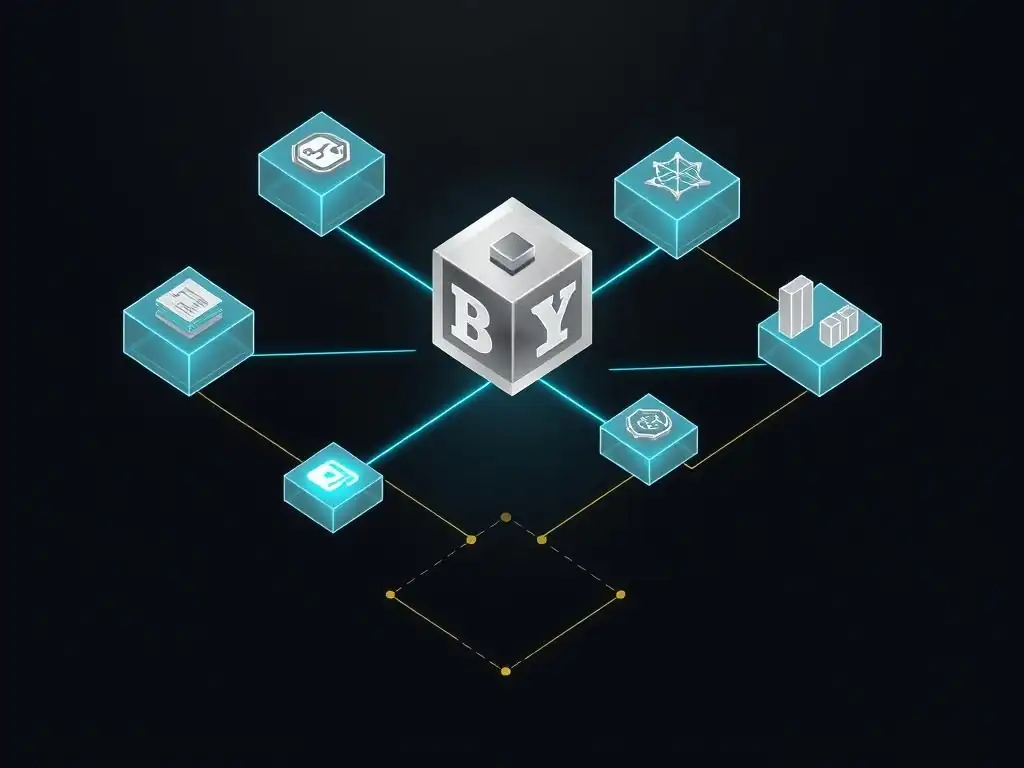
Enabling Seamless Asset Transfers and Data Sharing Across Metaverses
Blockchain technology plays a pivotal role in enabling seamless asset transfers and data sharing across different metaverses, which is crucial for fostering interoperability and facilitating regulatory compliance. In a truly interoperable metaverse, users should be able to move their avatars, digital assets, and even data seamlessly between different virtual platforms. Blockchain, with its inherent capabilities for secure and transparent asset tracking and data management, provides the foundational infrastructure for achieving this vision.
NFTs, representing ownership of virtual assets on a blockchain, enable verifiable and portable digital ownership across metaverses. Users can prove ownership of their virtual items regardless of the specific platform they are using, fostering true digital ownership and interoperability.
Furthermore, blockchain-based decentralized identity solutions can facilitate secure and user-controlled data sharing across metaverses. Users can selectively grant access to their verified credentials and data to different platforms, enabling personalized and interoperable experiences while maintaining control over their privacy. This seamless data sharing, facilitated by blockchain, can also enhance regulatory compliance.
For example, verified user identities and transaction histories, securely stored and shared using blockchain, can streamline KYC/AML procedures across different metaverse platforms, reducing regulatory friction and enhancing user experience. Blockchain, therefore, acts as the connective tissue that enables both interoperability and regulatory compliance within the metaverse, addressing key blockchain metaverse regulation challenges related to asset portability and data governance.
Promoting Standardized Protocols for Interoperable Metaverse Experiences
The development and adoption of standardized protocols are essential for achieving true interoperability in the metaverse, and blockchain technology can play a catalytic role in this process. Without common standards for data formats, communication protocols, and asset representations, different metaverses will remain siloed and fragmented, hindering user experience and limiting the potential of the metaverse ecosystem. Blockchain-based decentralized governance mechanisms, such as DAOs, can provide a neutral and transparent platform for developing and promoting these standardized protocols. DAOs can bring together diverse stakeholders, including metaverse developers, users, and regulators, to collaboratively define and adopt interoperability standards.
By leveraging blockchain's transparency and immutability, the process of developing and adopting standards can become more open, inclusive, and auditable. Proposals for new standards can be openly debated and voted upon by the DAO community, ensuring broad consensus and legitimacy. Once standards are adopted, they can be immutably recorded on the blockchain, providing a verifiable and publicly accessible record for all metaverse participants.
Furthermore, blockchain-based identity solutions can facilitate the verification of compliance with these standards, ensuring that metaverse platforms adhere to agreed-upon interoperability protocols. Blockchain, therefore, can not only facilitate the development of standardized protocols but also provide the mechanisms for their transparent governance and enforcement, crucial for building a truly interoperable and regulated metaverse. This standardization is key to overcoming blockchain metaverse regulation challenges related to fragmentation and lack of coordination.
Ensuring Trust and Security in Cross-Metaverse Interactions
Trust and security are paramount for fostering user adoption and enabling seamless cross-metaverse interactions. Users need to be confident that their identities, assets, and data are secure when moving between different virtual worlds. Blockchain technology, with its inherent security features and cryptographic foundations, offers robust solutions for building trust and security in interoperable metaverse environments. Blockchain's decentralized and tamper-proof nature provides a strong foundation for secure asset ownership and transaction verification across metaverses. NFTs, secured by blockchain cryptography, ensure the authenticity and ownership of virtual assets, regardless of the platform they are used on.
Furthermore, blockchain-based decentralized identity solutions enhance user security by empowering individuals with control over their digital identities and data. Users can selectively share verified credentials and control access to their data when interacting with different metaverses, reducing the risk of data breaches and identity theft. Smart contracts, executed on a blockchain, can automate secure and transparent transactions across metaverses, reducing the need for intermediaries and minimizing the potential for fraud or manipulation.
By leveraging these blockchain-based security mechanisms, the metaverse can become a more trustworthy and secure environment for cross-platform interactions, fostering user confidence and driving wider adoption. Building this trust and security is essential for addressing fundamental blockchain metaverse regulation challenges and realizing the full potential of an interoperable metaverse.
Case Studies: Blockchain Initiatives Addressing Metaverse Regulation
Case Study 1: Decentralized Identity (DID) Solutions for Metaverse Avatars
SpruceID, with its product Kepler, exemplifies a real-world blockchain initiative addressing metaverse regulation through Decentralized Identity (DID) solutions for metaverse avatars. Kepler is a browser extension and SDK that allows users to manage their DIDs and verifiable credentials, enabling them to control their digital identities across different Web3 applications, including metaverses. By using Kepler, users can create and manage their metaverse avatars’ identities in a self-sovereign manner, proving ownership and attributes without relying on centralized platforms. This approach aligns with the principles of privacy and user empowerment, addressing key blockchain metaverse regulation challenges related to identity management.
For instance, a user could utilize Kepler to prove their age or verified skills to access age-restricted metaverse content or participate in specific virtual events, without revealing unnecessary personal data. This selective disclosure of verified credentials enhances user privacy and security while still enabling regulatory compliance.
SpruceID's Kepler is not merely a theoretical concept; it is actively being used by various Web3 projects, showcasing the practical applicability of DID solutions for metaverse identity management. This case study demonstrates how blockchain-based DIDs can empower users with greater control over their metaverse identities, fostering a more secure, private, and user-centric virtual world, while providing tools for potential regulatory compliance related to identity verification.
Case Study 2: Smart Contract Systems for Royalty Distribution in Virtual Music Events
YellowHeart is a blockchain-based ticketing and NFT platform that provides a compelling case study of smart contract systems addressing metaverse regulation in the context of royalty distribution for virtual music events. YellowHeart utilizes NFTs as tickets for both physical and virtual events, including metaverse concerts. Crucially, they leverage smart contracts to automatically distribute royalties to artists and rights holders whenever a ticket or related NFT is resold in the secondary market. This automated royalty distribution mechanism directly addresses blockchain metaverse regulation challenges related to intellectual property and creator compensation in virtual environments.
In a traditional virtual music event scenario, tracking secondary ticket sales and ensuring royalty payments to artists can be complex and often inefficient. YellowHeart's smart contract system automates this process, ensuring that artists receive a percentage of each resale, creating a more equitable and transparent ecosystem for virtual music experiences.
This case study demonstrates how smart contracts can be practically applied to automate regulatory compliance and ensure fair compensation for creators within the metaverse. By embedding royalty distribution logic directly into the smart contract governing the NFT tickets, YellowHeart provides a transparent and auditable system that benefits both artists and users, showcasing the potential of blockchain for fostering a more regulated and creator-friendly metaverse economy.
Case Study 3: Decentralized Autonomous Organizations (DAOs) for Metaverse Land Management
Decentraland DAO provides a real-world example of a Decentralized Autonomous Organization (DAO) effectively addressing metaverse regulation challenges related to land management within a virtual world. Decentraland is a user-owned virtual world built on the Ethereum blockchain, and its DAO governs key aspects of the platform, including land policies, content moderation, and treasury management. The DAO's governance is transparent and community-driven, with LAND holders (virtual land owners in Decentraland) voting on proposals that shape the metaverse's direction. This decentralized governance model offers a unique approach to regulating virtual land and community standards within a metaverse.
For instance, the Decentraland DAO can vote on proposals related to land usage policies, ensuring that development within the virtual world aligns with community values and avoids harmful or inappropriate content. The DAO also manages the Decentraland treasury, allocating funds for development grants and community initiatives in a transparent and accountable manner.
This case study demonstrates how DAOs can empower metaverse communities to self-regulate and govern their virtual environments, addressing blockchain metaverse regulation challenges through decentralized and participatory mechanisms. While DAOs are still evolving governance models, Decentraland DAO showcases their potential for fostering responsible and community-driven regulation within the metaverse, particularly in areas like virtual land management and content moderation.
The Future of Metaverse Regulation: Trends and Predictions
The Evolution of Regulatory Frameworks for Decentralized Virtual Worlds
The regulatory frameworks for decentralized virtual worlds, including metaverses powered by blockchain, are poised for significant evolution in the coming years. Current regulations, largely designed for centralized platforms and physical-world interactions, are increasingly inadequate to address the unique challenges and opportunities presented by decentralized metaverses. We can anticipate a shift towards more adaptable and principles-based regulatory approaches, focusing on outcomes and risk mitigation rather than rigid, prescriptive rules. Regulators will likely move towards frameworks that promote innovation while ensuring user safety, data privacy, and fair competition within these virtual environments.
One key trend will be the increasing recognition of digital assets and virtual property rights. As virtual economies grow in scale and complexity, legal frameworks will need to adapt to recognize and protect digital ownership, potentially drawing inspiration from blockchain-based NFT systems for establishing verifiable digital property rights. Furthermore, we can expect greater emphasis on international cooperation and harmonization of regulatory frameworks, given the borderless nature of the metaverse.
Organizations like the OECD and international regulatory bodies will likely play a crucial role in facilitating dialogue and developing common principles for blockchain metaverse regulation. The future will likely see a blend of self-regulation, community-driven governance, and government oversight, working in concert to create a balanced and effective regulatory ecosystem for decentralized virtual worlds.
The Convergence of Blockchain, AI, and Metaverse Governance
The future of metaverse governance will be significantly shaped by the convergence of blockchain, Artificial Intelligence (AI), and metaverse technologies themselves. Blockchain provides the foundation for transparency, security, and decentralized governance mechanisms within the metaverse. AI can enhance content moderation, detect fraudulent activities, and personalize user experiences within these virtual worlds. The metaverse itself, as it evolves, will provide the very space for governance processes to unfold, with virtual meeting spaces, voting mechanisms, and community forums integrated directly into the metaverse experience.
This convergence offers the potential for more efficient, proactive, and user-centric governance models. AI-powered tools can assist in identifying and addressing regulatory violations in real-time, while blockchain ensures transparency and accountability in governance processes. Decentralized Autonomous Organizations (DAOs), combining blockchain and AI, could evolve into sophisticated governance entities capable of dynamically adapting regulations to the evolving needs of the metaverse community.
However, this convergence also raises new blockchain metaverse regulation challenges. Ensuring responsible AI development and deployment within metaverse governance, and addressing potential biases or algorithmic discrimination, will be crucial. The future of metaverse regulation will likely be characterized by this dynamic interplay of blockchain, AI, and the metaverse itself, requiring careful consideration of both the opportunities and the risks.
Preparing for the Challenges and Opportunities of a Regulated Interoperable Metaverse
Preparing for the challenges and opportunities of a regulated interoperable metaverse requires proactive engagement and collaboration from all stakeholders, including regulators, developers, users, and the blockchain community. Regulators need to develop a deeper understanding of blockchain and metaverse technologies, engaging in dialogue with industry experts and participating in regulatory sandboxes to explore innovative regulatory approaches.
Developers should prioritize building privacy-preserving and security-focused metaverse platforms, incorporating decentralized identity solutions and robust security protocols from the outset. Users need to become more informed about their rights and responsibilities within the metaverse, actively participating in community governance and advocating for responsible metaverse development.
The blockchain community has a crucial role to play in shaping the future of metaverse regulation. By developing and promoting open-source tools, standardized protocols, and decentralized governance frameworks, the blockchain community can contribute to building a more interoperable, secure, and regulated metaverse ecosystem. Addressing blockchain metaverse regulation challenges requires a multi-stakeholder approach, fostering collaboration and knowledge sharing across different disciplines.
Proactive preparation, informed by ongoing research and real-world experimentation, is essential to ensure that the metaverse evolves in a way that benefits society as a whole, maximizing its transformative potential while mitigating potential risks. The opportunity lies in building a regulated interoperable metaverse that is both innovative and responsible, fostering economic growth, social connection, and user empowerment within these new digital frontiers.
Conclusion: Blockchain as a Catalyst for Responsible Metaverse Development
Embracing Blockchain for a Secure, Transparent, and Interoperable Metaverse Future
Embracing blockchain technology is paramount for building a secure, transparent, and interoperable metaverse future. Blockchain's inherent characteristics – decentralization, transparency, immutability, and security – directly address many of the regulatory challenges inherent in the metaverse.
From enhancing transparency and accountability in metaverse interactions to enabling seamless asset transfers and secure identity management, blockchain offers a powerful toolkit for fostering a more trustworthy and regulated virtual world. By leveraging blockchain-based solutions, we can move towards a metaverse where users have greater control over their data and digital assets, where transactions are transparent and verifiable, and where governance is more participatory and accountable.
The journey towards a fully realized metaverse is still in its early stages, but the potential of blockchain to shape its development is undeniable. As we navigate the evolving regulatory landscape of the metaverse, blockchain should be viewed not just as a foundational technology, but as a catalyst for responsible innovation and user empowerment.
By strategically integrating blockchain into metaverse architectures and governance frameworks, we can unlock the transformative potential of these virtual worlds while mitigating potential risks and ensuring a secure, transparent, and interoperable metaverse future for all. The key is to proactively address blockchain metaverse regulation challenges by leveraging the very technology that underpins these virtual environments.
Call to Action: Fostering Collaboration Between Regulators, Developers, and the Blockchain Community
The responsible development and effective regulation of the metaverse require concerted collaboration between regulators, developers, and the blockchain community. Regulators need to engage in ongoing dialogue with technology experts, industry players, and users to develop informed and adaptable regulatory frameworks. Developers should prioritize building privacy-preserving, secure, and interoperable metaverse platforms, incorporating blockchain-based solutions and adhering to emerging standards. The blockchain community, as pioneers in decentralized technologies, must actively contribute to shaping the future of metaverse governance, developing open-source tools, promoting best practices, and fostering community-driven regulatory initiatives.
This call to action emphasizes the need for a multi-stakeholder approach. Siloed efforts will be insufficient to address the complex blockchain metaverse regulation challenges. Open communication, knowledge sharing, and collaborative experimentation are essential to navigate the uncharted territory of metaverse regulation.
By working together, regulators, developers, and the blockchain community can pave the way for a metaverse that is not only innovative and immersive but also secure, transparent, equitable, and ultimately beneficial for society. The future of the metaverse hinges on our collective commitment to responsible development and collaborative regulation, ensuring that this transformative technology realizes its full potential for good.
Frequently Asked Questions
What are the key blockchain metaverse regulation challenges currently being faced by policymakers?
The primary challenges revolve around jurisdictional complexities, data privacy concerns, and establishing clear accountability within decentralized environments.
How can blockchain technology assist in addressing blockchain metaverse regulation challenges?
Blockchain can provide transparency and auditability through its immutable ledger, potentially aiding in identity management and proving ownership of digital assets.
What role does interoperability play in exacerbating or mitigating blockchain metaverse regulation challenges?
Interoperability complicates regulation by spanning multiple platforms and jurisdictions, but it also offers opportunities for standardized regulatory frameworks and cross-platform compliance.
How are DeFi and enterprise applications within the metaverse impacting the discourse around blockchain metaverse regulation challenges?
DeFi introduces concerns about financial stability and anti-money laundering, while enterprise applications raise questions regarding data governance and intellectual property rights in virtual spaces.
What is the future outlook for blockchain metaverse regulation challenges, and what steps are needed to establish effective policy?
The future requires international collaboration, adaptive regulatory frameworks, and a focus on user education to navigate the complexities of the blockchain metaverse.
The exploration of blockchain's role in shaping metaverse regulation is not merely an academic exercise; it's a critical imperative for navigating the nascent digital frontier. As the metaverse evolves from a futuristic concept to a tangible reality, the challenges of interoperability, data privacy, and governance become increasingly urgent, demanding innovative regulatory frameworks that balance innovation with user protection.
The ongoing debate surrounding blockchain's integration into the metaverse profoundly influences the cultural and social landscape, shaping our perceptions of ownership, identity, and community in virtual spaces. This shift necessitates a deeper understanding of decentralized technologies and their potential to empower individuals while mitigating risks. The metaverse is coming, and we need to be thoughtful about how we build it, so that it reflects our values and protects our rights.
- Nick Clegg, President, Global Affairs at Meta.
As we stand at the cusp of this technological revolution, let us not shy away from the complexities of blockchain metaverse regulation. Instead, let us embrace the opportunity to shape a future where innovation and responsibility go hand in hand. Consider how you can contribute to this dialogue, whether through informed discussions, advocating for responsible policies, or simply engaging with the metaverse in a thoughtful and ethical manner. The future of the metaverse, and indeed our digital future, depends on our collective wisdom and proactive engagement.
Shape the Metaverse: Your Voice Matters!
Thank you for exploring the crucial role of blockchain in shaping the future of metaverse policy. We hope you've gained valuable insights into this rapidly evolving landscape. Now, it's time to take action and help guide the development of a truly interoperable and fair metaverse.
- Explore further: Research and suggest your own blockchain-based solutions for regulating the metaverse—focusing on data privacy, digital ownership, and content moderation.:
- Share this article with your network to encourage conversations and raise awareness about the importance of responsible metaverse regulation.
- Join the conversation! Participate in online forums and contribute your ideas to policy discussions on platforms like Reddit or relevant professional groups.
What blockchain-based solution do you think has the greatest potential to address the regulatory challenges of an interoperable metaverse? Share your thoughts below!
Leave a Reply