
Building a Tokenization Platform: Key Technologies and Infrastructure Requirements

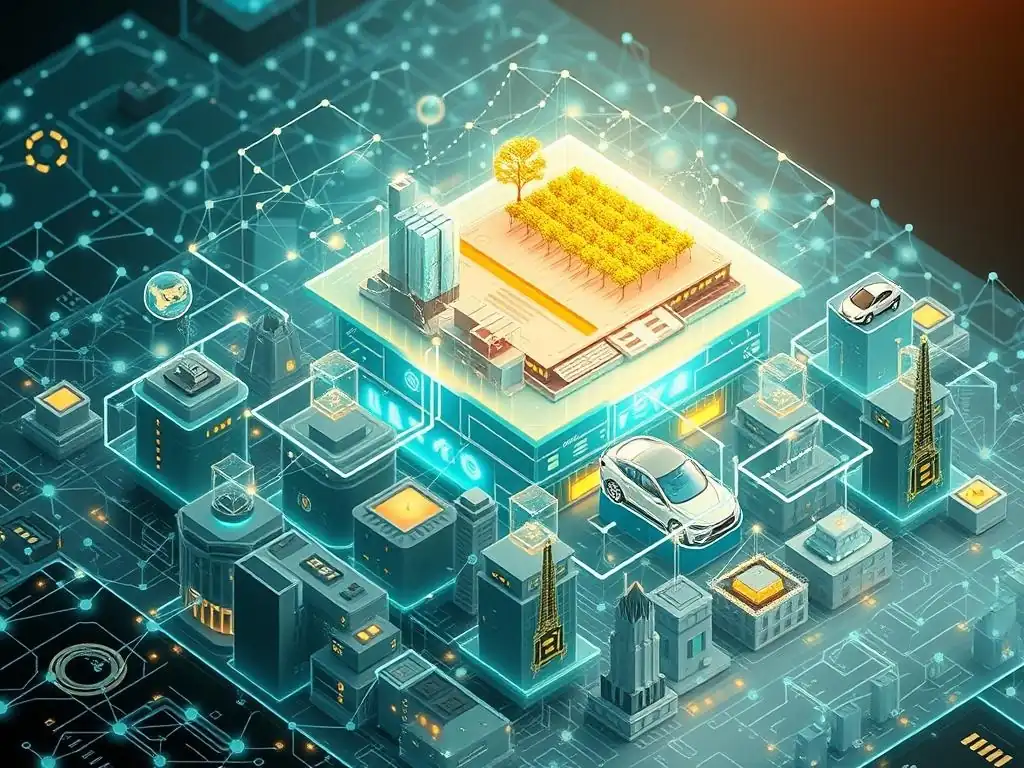
Welcome to Blockchain Trends, your guide to the real-world applications of blockchain technology. Beyond the hype, lies a revolution in how we manage assets and data. Are you ready to unlock the potential of fractional ownership and secure digital representation?
This week, we delve into the critical aspects of blockchain tokenization platform development needs. Discover the key technologies and infrastructure requirements that are shaping the future of asset tokenization and creating entirely new possibilities for investment and access. Dive in and explore the future of decentralized finance!
- Essential Technologies for Tokenization Platform Development
-
Frequently Asked Questions
- What are the core technologies required for blockchain tokenization platform development?
- What infrastructure requirements are critical when building a blockchain tokenization platform?
- How does DeFi (Decentralized Finance) relate to blockchain tokenization platform development?
- What are the key regulatory considerations for launching a blockchain tokenization platform?
- What is the future outlook for blockchain tokenization platform development beyond cryptocurrencies?
- Final Reflection: Embracing the Tokenized Future
- Ignite Your Tokenization Journey!
Essential Technologies for Tokenization Platform Development
Building a robust blockchain tokenization platform requires careful selection and implementation of core technologies. The foundation rests upon choosing the right blockchain protocol, developing secure and efficient smart contracts, and integrating seamlessly with external services through APIs. Each layer presents unique challenges and opportunities that directly impact the success and functionality of the platform, addressing critical blockchain tokenization platform development needs from the ground up. The technological stack must be designed to handle asset representation, ownership transfer, compliance requirements, and user interaction in a decentralized or hybrid environment.
The complexity of blockchain tokenization platform development needs dictates a layered approach to technology selection. Starting with the underlying distributed ledger, through the logic embedded in smart contracts, and extending to the necessary off-chain connections, each component must be optimized for performance, security, and scalability. This ensures the platform can effectively tokenize diverse asset classes, manage their lifecycle, and provide a reliable service to users and institutions seeking to leverage the power of tokenization.
Blockchain Selection: Choosing the Right Protocol (Ethereum, Polygon, etc.)
Selecting the appropriate blockchain protocol is perhaps the most fundamental decision in blockchain tokenization platform development. The choice dictates the platform's transaction speed, cost-effectiveness, security model, and overall ecosystem compatibility. Factors to consider include the consensus mechanism (Proof-of-Stake is now dominant for many), transaction throughput (transactions per second, or TPS), transaction fees (gas costs), and the maturity and developer community of the network.
Ethereum, with its vast ecosystem and battle-tested smart contract capabilities, remains a popular choice, particularly after its transition to Proof-of-Stake (PoS). However, its historical high gas fees prompted the rise of Layer 2 solutions and alternative Layer 1 chains.
Alternative protocols and Layer 2 solutions like Polygon (a Layer 2 scaling solution for Ethereum), Binance Smart Chain (now BNB Chain), Solana, and others offer varying trade-offs, often prioritizing higher transaction speeds and lower costs. For example, Polygon PoS boasts significantly lower transaction fees, often fractions of a cent, compared to Ethereum's mainnet, which can range from a few dollars to hundreds depending on network congestion.
Polygon also offers higher throughput, potentially handling thousands of transactions per second, whereas Ethereum's mainnet is closer to 15-30 TPS. Evaluating these performance metrics against the expected volume and type of assets being tokenized is crucial for meeting the scalability requirements inherent in blockchain tokenization platform development needs.
Comparing Blockchain Networks for Tokenization
Different blockchain networks offer distinct advantages and disadvantages for tokenization. Ethereum provides unparalleled decentralization, security through its large validator set, and a mature ecosystem of tools and developers, making it suitable for high-value, security-critical assets. However, its cost and speed can be prohibitive for micro-transactions or platforms requiring very high throughput. Layer 2 solutions like Polygon or Optimism inherit Ethereum's security while drastically reducing costs and increasing speed, making them attractive for platforms handling a larger volume of transactions or lower-value assets.
Other Layer 1 chains, such as Solana or Avalanche, offer high throughput and low transaction costs as core features but may have different security models, developer communities, and interoperability challenges compared to the Ethereum ecosystem. For instance, Solana is designed for very high transaction volumes, potentially exceeding 50,000 TPS, with extremely low fees, suitable for applications requiring near-instant and cheap transactions. The decision often boils down to balancing decentralization, security, cost, speed, and the specific requirements of the assets being tokenized and the target users, all critical aspects of blockchain tokenization platform development needs assessment.
Scalability Considerations for Token Platforms
Scalability is a paramount concern for any blockchain tokenization platform aiming for mainstream adoption. The chosen blockchain and infrastructure must be capable of handling a growing number of users, assets, and transactions without compromising performance or incurring excessive costs. A platform built on a network with limited throughput will quickly face bottlenecks as its user base expands, leading to slow transaction confirmations and high fees, degrading the user experience.
Implementing a tokenization platform on a highly scalable network or utilizing scaling solutions is essential. Layer 2 solutions on Ethereum, sharding implementations on various chains, or simply choosing a high-performance Layer 1 protocol are strategies to address scalability. For example, a platform tokenizing real estate might prioritize security and regulatory compliance over transaction speed and cost, potentially favoring Ethereum mainnet or a permissioned chain.
Conversely, a platform tokenizing loyalty points would require high throughput and low costs, making Polygon, Solana, or a similar chain a better fit. Planning for future growth and potential transaction volumes is a core part of addressing blockchain tokenization platform development needs related to performance.
Smart Contract Development: Powering Token Functionality
Smart contracts are the backbone of any blockchain tokenization platform. They are self-executing pieces of code stored on the blockchain that automatically enforce the terms of an agreement – in this case, defining the rules and logic governing the tokens. This includes everything from token creation (minting), transfer mechanisms, access control (who can hold or transfer tokens), dividend distribution for equity tokens, or voting rights for governance tokens. The primary language for writing smart contracts on Ethereum and compatible chains is Solidity, though others like Vyper are also used.
Developing smart contracts requires a deep understanding of both blockchain mechanics and secure coding practices. A single vulnerability in a smart contract can lead to significant financial loss, as demonstrated by numerous past incidents in the DeFi space, such as the DAO hack in 2016 (though technically before widespread tokenization, it highlighted smart contract risks) or various DeFi protocol exploits resulting in millions of dollars lost. Therefore, rigorous testing, formal verification, and independent security audits are not optional but essential components of blockchain tokenization platform development needs.
Ensuring Security in Smart Contract Code
Security is non-negotiable when developing smart contracts for a tokenization platform. Common vulnerabilities include reentrancy attacks (where a malicious contract can repeatedly call back into a victim contract before its state is updated), integer overflows/underflows (leading to unexpected value manipulation), and access control issues (allowing unauthorized actions). Developers must follow secure coding best practices, utilize established libraries (like OpenZeppelin's audited smart contract implementations), and conduct thorough internal testing.
Beyond internal efforts, engaging reputable third-party security auditors to review the smart contract code is a critical step. These audits involve expert analysis to identify potential vulnerabilities that might have been missed. While audits do not guarantee absolute security, they significantly reduce the risk of exploits. For instance, many successful tokenization platforms publicly share their audit reports, demonstrating their commitment to security – a key factor in building user trust and meeting the stringent security requirements of blockchain tokenization platform development needs.
Implementing Token Standards (ERC-20, ERC-721, etc.)
Adhering to established token standards is crucial for interoperability and compatibility within the broader blockchain ecosystem. The most common standards on Ethereum and compatible chains are ERC-20 for fungible tokens (where each token is identical to another, like currency or utility tokens) and ERC-721 for non-fungible tokens (NFTs, where each token is unique, like collectibles or unique assets). ERC-1155 is a multi-token standard that can represent both fungible and non-fungible tokens.
Implementing these standards correctly ensures that the tokens created by the platform can be easily integrated with wallets, exchanges, decentralized applications (dApps), and other services that support these standards. For example, an ERC-20 token representing tokenized equity can be listed on decentralized exchanges (DEXs) like Uniswap or managed in standard Ethereum wallets like MetaMask without requiring custom integration. Choosing and correctly implementing the appropriate standard based on the nature of the asset being tokenized is a fundamental aspect of addressing the technical blockchain tokenization platform development needs.
API Integrations: Connecting with External Systems
While the core of a tokenization platform resides on the blockchain, real-world use cases often require interaction with off-chain systems. This is where robust API integrations become essential. APIs (Application Programming Interfaces) allow the tokenization platform to communicate and exchange data with external services, such as identity verification providers, payment gateways, data feeds, and custodial solutions. These integrations bridge the gap between the decentralized ledger and traditional infrastructure, enabling essential functionalities like user onboarding, compliance checks, and secure asset management.
Effective API integration is critical for creating a user-friendly and compliant tokenization platform. For instance, integrating with a Know Your Customer (KYC) and Anti-Money Laundering (AML) service is often a regulatory requirement for platforms dealing with regulated assets or requiring user identity verification. Similarly, connecting to custodial services allows users or institutions to store their private keys and manage their tokenized assets securely without directly handling the complexities of blockchain key management. These integrations are vital components of addressing the multifaceted blockchain tokenization platform development needs.
Integrating with KYC/AML Providers
For tokenization platforms dealing with securities, real estate, or other regulated assets, integrating with third-party KYC (Know Your Customer) and AML (Anti-Money Laundering) service providers is mandatory for regulatory compliance. These integrations automate the process of verifying user identities and screening transactions for suspicious activity. The platform sends user data (collected during onboarding) to the KYC/AML provider's API, which then performs checks against databases and watchlists, returning a verification status to the platform.
Examples of such integrations include connecting to services like Jumio, Onfido, or Chainalysis. Jumio, for instance, provides identity verification and document scanning APIs. Chainalysis offers blockchain analysis tools to monitor transactions for AML compliance. Implementing these integrations ensures the platform adheres to necessary legal frameworks, preventing illicit use and building trust with users and regulators – a crucial part of meeting the compliance-related blockchain tokenization platform development needs.
Connecting to Custodial Services
Securely managing private keys is one of the biggest challenges for users interacting with blockchain assets. Tokenization platforms can enhance security and usability by integrating with professional custodial services. These services specialize in securely storing private keys on behalf of users or institutions, often using a combination of hardware security modules (HSMs), multi-signature wallets, and strict operational procedures.
Integrating with a custodial service allows the platform to offer users the option of having their tokenized assets managed by a trusted third party, reducing the risk of loss due to lost keys or hacking. This is particularly important for institutional clients or platforms dealing with high-value assets. Examples of custodial service providers that platforms might integrate with include Coinbase Custody, Fireblocks, or BitGo. Such integrations cater to users who prefer not to manage their private keys directly, expanding the platform's accessibility and addressing a key security aspect of blockchain tokenization platform development needs.
Frequently Asked Questions
What are the core technologies required for blockchain tokenization platform development?
The core technologies generally involve blockchain protocols like Ethereum or Hyperledger Fabric, smart contract development tools, and secure storage solutions for user data and digital assets.
What infrastructure requirements are critical when building a blockchain tokenization platform?
Critical infrastructure includes secure APIs for integration, robust server infrastructure to handle transaction volume, and compliant KYC/AML procedures to adhere to regulatory standards.
How does DeFi (Decentralized Finance) relate to blockchain tokenization platform development?
DeFi protocols offer avenues to integrate tokenized assets into lending, borrowing, and trading platforms, creating new financial opportunities and enhancing liquidity for token holders.
What are the key regulatory considerations for launching a blockchain tokenization platform?
Regulatory compliance is paramount. Platforms must address KYC/AML requirements, securities laws, and data privacy regulations to operate legally within their target jurisdictions.
What is the future outlook for blockchain tokenization platform development beyond cryptocurrencies?
The future involves wider adoption across various industries, including real estate, supply chain, and intellectual property, driven by the need for increased transparency, efficiency, and liquidity in asset management.
Final Reflection: Embracing the Tokenized Future
The journey of building a blockchain tokenization platform, as we've explored, is complex yet profoundly impactful. The potential to unlock liquidity, democratize access to assets, and revolutionize financial systems is no longer a distant dream, but a tangible reality. The technologies and infrastructure we've discussed are the building blocks of this new era, shaping how value is created, exchanged, and managed in the digital age.
This movement towards tokenization is not just a technological shift; it's a cultural and social one. It's about empowering individuals, fostering transparency, and creating more inclusive economic opportunities. The ongoing evolution of blockchain technology and its integration with traditional finance is a testament to its enduring power. The future of finance is decentralized, and tokenization is the key to unlocking its full potential.
This quote encapsulates the transformative power of tokenization, highlighting its ability to reshape our understanding of ownership and value.
Now, as you consider the possibilities presented by blockchain tokenization platform development, I encourage you to reflect on your own role in shaping this future. How can you leverage these technologies to create innovative solutions, empower communities, and contribute to a more equitable and accessible financial landscape? The future of tokenization is being written now, and your contribution can help define its trajectory.
Ignite Your Tokenization Journey!
Thank you for exploring the world of tokenization platforms with us! We hope the insights into essential technologies and infrastructure requirements have been helpful for your future projects. Are you ready to transform your assets into digital tokens?
Here’s how to take the next steps:
- Start Planning: Begin developing your tokenization strategy today. Define the assets you want to tokenize, the functionalities you need, and the regulatory considerations involved.
- Research Solutions: Look into emerging blockchain technologies beyond the mainstream platforms. Consider specialized protocols and custom smart contract development to unlock unique tokenization opportunities.
- Share Knowledge: Discuss the advantages of tokenization with your network! Help spread awareness and encourage innovation in the digital asset space.
What is the first asset you plan to tokenize, and what specific benefits do you expect tokenization to bring to it?
Leave a Reply