
Case Studies: Successful Blockchain Identity Implementations Across Various Industries


Welcome to Blockchain Trends, where we delve into the revolutionary power of blockchain beyond the hype. Curious about how blockchain is reshaping identity management? This week, we're diving deep with compelling blockchain identity case studies, showcasing real-world implementations across diverse industries. Discover how organizations are leveraging this technology to enhance security, improve efficiency, and build trust in a decentralized world. What innovative solutions are being deployed, and what lessons can we learn from their successes? Keep reading to find out!
- Blockchain Identity Case Studies: Real-World Implementations Driving Digital Transformation
- Case Study 1: Estonia's Digital Identity - Secure and Efficient e-Residency
- Case Study 2: Civic's Identity Verification Platform - Enhancing User Control and Data Privacy
- Case Study 3: Microsoft's ION - A Decentralized Identity Network on Bitcoin
- Case Study 4: uPort - Self-Sovereign Identity on Ethereum
- Comparing the Different Blockchain Identity Implementation Approaches
- Key Takeaways and Future Trends in Blockchain Identity
-
Frequently Asked Questions
- How has blockchain technology been used to improve identity management in the healthcare industry?
- What are some examples of blockchain identity solutions being utilized in the supply chain?
- Can blockchain identity solutions help with regulatory compliance, and if so, how?
- How does self-sovereign identity (SSI) built on blockchain empower individuals?
- What are some challenges to widespread adoption of blockchain identity solutions, and how can they be addressed?
- Final Reflection: Embracing the Decentralized Future of Identity
- Unveil Your Blockchain Identity Potential!
Blockchain Identity Case Studies: Real-World Implementations Driving Digital Transformation
Introduction: The Rise of Blockchain-Based Digital Identity Solutions
The concept of digital identity has evolved significantly over the past decades, moving from simple usernames and passwords to more complex and centralized systems. However, these centralized models are increasingly vulnerable to data breaches and offer limited user control. Blockchain technology offers a compelling alternative: a decentralized and secure foundation for digital identity management.
By leveraging the inherent security and transparency of blockchain, individuals and organizations can establish and verify identities in a more trustworthy and efficient manner. This shift towards blockchain-based identity solutions is not just a theoretical possibility; it's a growing trend with impactful real-world applications across various industries.
The promise of blockchain in digital identity stems from its core properties. Decentralization eliminates single points of failure and reduces the risk of mass data breaches. Cryptographic security ensures data integrity and prevents unauthorized modifications.
Transparency allows for auditability and builds trust in the system. These characteristics make blockchain an ideal technology for creating self-sovereign identities, where individuals have greater control over their personal data and how it is used. As concerns about data privacy and security intensify, the exploration and adoption of blockchain identity solutions are accelerating, leading to a range of innovative implementations that are reshaping how we think about and manage digital identity.
Case Study 1: Estonia's Digital Identity - Secure and Efficient e-Residency
The Challenge: Streamlining Government Services and Enhancing Citizen Access
Estonia, a nation known for its digital-first approach, faced the challenge of providing efficient and accessible government services to both its citizens and a growing global community. Traditional bureaucratic processes were often slow, cumbersome, and geographically limited, hindering both domestic efficiency and international engagement. For citizens within Estonia, accessing public services required physical presence and paper-based documentation, creating friction and delays.
For individuals and businesses outside Estonia, engaging with the Estonian economy and its opportunities was even more challenging due to geographical and bureaucratic barriers. The need for a streamlined, secure, and globally accessible system for identity verification and service delivery became paramount for Estonia's continued digital leadership and economic growth.
Furthermore, Estonia recognized the increasing importance of attracting international talent and investment. However, the complexities of establishing a business and accessing services remotely presented a significant hurdle. The traditional methods of verifying identity and establishing legal presence were not scalable or efficient enough to meet the demands of a globalized digital economy.
Estonia needed a solution that could transcend geographical boundaries, simplify administrative processes, and enhance security, all while maintaining the integrity of its digital infrastructure and fostering trust among users worldwide. This challenge spurred the development of a groundbreaking initiative that would leverage blockchain technology to revolutionize digital identity.
The Solution: Implementing a Blockchain-Based e-Residency Program
To address these challenges, Estonia launched its pioneering e-Residency program, leveraging blockchain technology as a core component of its digital identity infrastructure. E-Residency allows individuals worldwide to apply for and obtain a government-issued digital identity, granting them access to Estonia's digital services and business environment without physical residency. This program utilizes blockchain to secure the digital identities of e-residents, ensuring the integrity and immutability of their credentials. The blockchain acts as a distributed ledger, recording and verifying identity information, making it exceptionally difficult to tamper with or falsify.
The Estonian e-Residency system utilizes smart cards embedded with cryptographic keys that are linked to the blockchain. When an e-resident interacts with Estonian digital services, their identity is verified against the blockchain, ensuring secure and authenticated access. This system eliminates the need for physical documents and in-person verification for many processes, streamlining everything from business registration and banking to tax declarations and contract signing.
By building on blockchain, Estonia created a highly secure and transparent system that fosters trust and facilitates seamless digital interactions for e-residents across the globe. The program’s architecture was designed with scalability and security in mind, making it a robust and future-proof solution for digital governance.
The Results: Increased Foreign Investment, Streamlined Business Operations, and Enhanced Security
The implementation of the blockchain-based e-Residency program in Estonia has yielded significant positive results across various sectors. Firstly, it has demonstrably increased foreign investment and business activity within Estonia. By simplifying the process of establishing and managing a business remotely, e-Residency has attracted entrepreneurs and companies from around the world. As of 2023, over 100,000 e-residents from more than 170 countries have joined the program, establishing over 20,000 companies in Estonia. This influx of international businesses has significantly boosted Estonia's economy and solidified its position as a leading digital nation.
Secondly, the program has drastically streamlined business operations and government services. E-residents can manage their businesses, access financial services, and interact with Estonian government agencies entirely online, saving time and reducing bureaucratic overhead. For example, company registration, which could previously take weeks, can now be completed online in a matter of hours.
Finally, the blockchain foundation has enhanced security and trust in the digital identity system. The decentralized and immutable nature of blockchain technology makes the e-Residency system highly resistant to fraud and identity theft, providing a secure and reliable platform for digital interactions. The success of Estonia's e-Residency program serves as a compelling example of how blockchain identity solutions can drive economic growth, improve efficiency, and enhance security in the public sector.
Case Study 2: Civic's Identity Verification Platform - Enhancing User Control and Data Privacy
The Challenge: Data Breaches and Lack of User Control over Personal Information
In the digital age, individuals are constantly required to share personal information online, leading to widespread concerns about data breaches and a lack of control over personal data. Traditional identity verification processes often rely on centralized databases, which are prime targets for cyberattacks. High-profile data breaches, such as the Equifax breach in 2017 that exposed the personal information of over 147 million individuals, underscore the vulnerability of centralized identity systems. Furthermore, users often have little to no control over how their data is collected, stored, and used by online platforms and service providers.
This lack of user control and the persistent threat of data breaches erode trust in online services and create significant risks for individuals. Identity theft, financial fraud, and privacy violations are just some of the potential consequences of inadequate digital identity management. For businesses, data breaches can lead to significant financial losses, reputational damage, and regulatory penalties. The need for a more secure, user-centric, and privacy-preserving approach to identity verification became increasingly urgent, driving the development of innovative solutions like Civic's identity verification platform.
The Solution: Leveraging Blockchain for Secure and Decentralized Identity Verification
Civic is a company that addresses these challenges by leveraging blockchain technology to create a secure and decentralized identity verification platform. Civic's platform empowers users to control their digital identities and share verified credentials with businesses and services in a privacy-preserving manner.
Instead of relying on centralized databases, Civic utilizes blockchain to store and verify identity information, giving users greater control over their data and reducing the risk of large-scale data breaches. The platform employs a decentralized architecture where users hold their identity information and selectively share verified attributes with service providers, rather than handing over sensitive personal data to each platform they interact with.
Civic's ecosystem involves identity issuers, users, and relying parties. Issuers, such as government agencies or financial institutions, verify user identities and issue cryptographic credentials stored on the blockchain. Users store these credentials in their Civic Wallet, a mobile application that acts as a secure identity vault.
When users need to verify their identity with a relying party, such as an online service or merchant, they can selectively share verified attributes from their Civic Wallet without revealing unnecessary personal information. This process is facilitated by zero-knowledge proofs and other cryptographic techniques that ensure privacy and security. By decentralizing identity verification and giving users control over their data, Civic offers a more secure and privacy-focused alternative to traditional centralized systems.
The Results: Increased User Trust, Reduced Reliance on Centralized Databases, and Enhanced Compliance
The adoption of Civic's identity verification platform has led to several positive outcomes for both users and businesses. Firstly, it has increased user trust in online services by giving individuals greater control over their personal information and reducing the risk of data breaches. Users are more likely to engage with platforms that prioritize data privacy and security, leading to increased user adoption and engagement.
Secondly, Civic's decentralized approach reduces reliance on vulnerable centralized databases, mitigating the risk of large-scale data breaches. By distributing identity information across a blockchain network and empowering users to manage their own data, Civic minimizes the attack surface for cybercriminals.
Furthermore, Civic's platform enhances compliance with data privacy regulations, such as GDPR and CCPA. By giving users control over their data and facilitating selective sharing of verified attributes, Civic helps businesses comply with regulations that mandate data minimization and user consent. For businesses, integrating Civic's platform can streamline KYC (Know Your Customer) and AML (Anti-Money Laundering) processes, reduce operational costs associated with identity verification, and improve customer onboarding experiences.
Real-world examples include partnerships with companies in the cryptocurrency, gaming, and healthcare industries, demonstrating the platform's versatility and applicability across various sectors. Civic's success highlights the growing demand for user-centric and privacy-preserving blockchain identity solutions.
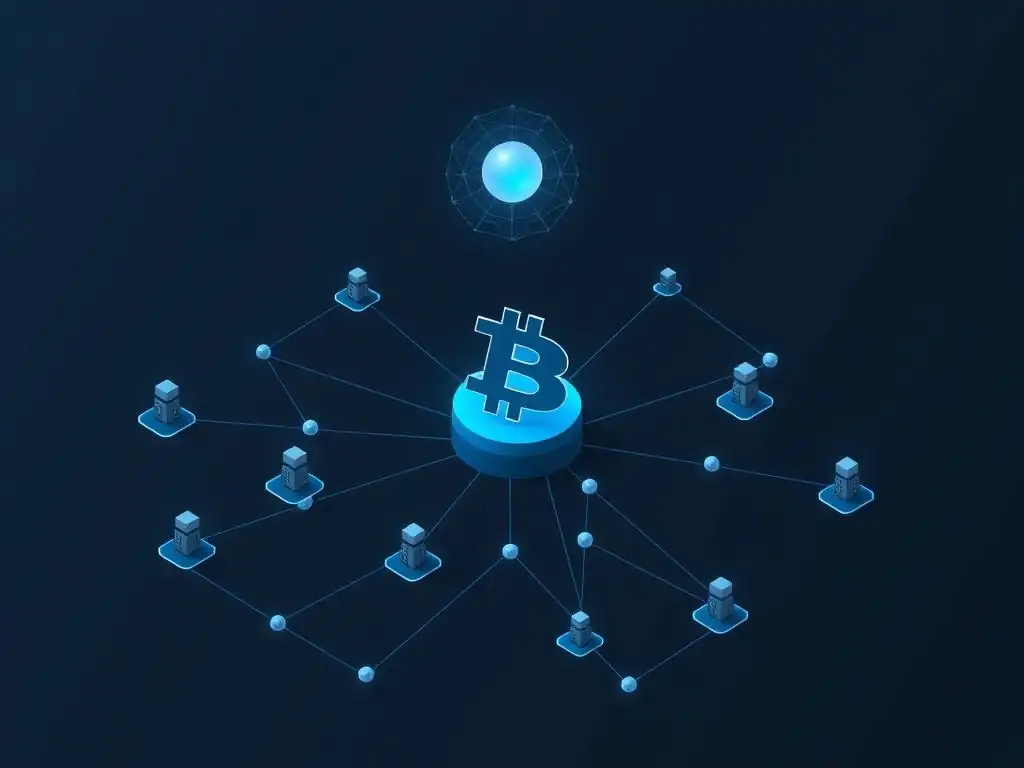
Case Study 3: Microsoft's ION - A Decentralized Identity Network on Bitcoin
The Challenge: Centralized Identity Systems and the Need for Self-Sovereign Identity
Microsoft, a leading technology company, recognized the limitations and vulnerabilities of centralized identity systems and the growing need for self-sovereign identity (SSI). Traditional identity models often place control over identity data in the hands of centralized authorities, such as corporations and governments. This centralized control can lead to data silos, privacy concerns, and a lack of individual autonomy.
Users are often forced to create multiple accounts and share personal information repeatedly across different platforms, creating friction and increasing the risk of data exposure. The challenge was to develop a more user-centric and decentralized identity system that empowers individuals with greater control over their digital identities.
Furthermore, the existing centralized identity infrastructure is often fragmented and lacks interoperability. Different identity providers use proprietary systems and protocols, making it difficult to seamlessly share and verify identity information across platforms and services. This lack of interoperability hinders innovation and creates barriers to user experience. Microsoft aimed to contribute to the development of a more open, interoperable, and self-sovereign identity ecosystem that could benefit individuals, organizations, and the broader internet community. This vision led to the development of ION, a decentralized identity network built on the Bitcoin blockchain.
The Solution: Building a Permissionless, Decentralized Identity Network
Microsoft's solution, ION (Identity Overlay Network), is a permissionless, decentralized identity network built on top of the Bitcoin blockchain. ION is designed to be an open-source, layer-2 network that leverages the security and immutability of Bitcoin to anchor decentralized identifiers (DIDs). DIDs are a new type of identifier that enables verifiable, decentralized digital identities. Unlike traditional usernames or email addresses, DIDs are controlled by the DID subject, typically the individual or entity to whom the identity belongs. ION provides the infrastructure for creating, managing, and resolving DIDs in a decentralized and scalable manner.
ION operates as a SideTree implementation on Bitcoin. SideTree is a layer-2 protocol that allows for efficient and scalable operation of decentralized identity networks on top of blockchains like Bitcoin. Transactions on ION are anchored to the Bitcoin blockchain, inheriting its security and immutability, while off-chain processing ensures scalability and speed.
Users of ION can create and control their own DIDs, manage their public keys, and issue verifiable credentials without relying on centralized intermediaries. The permissionless nature of ION means that anyone can participate in the network without requiring permission from Microsoft or any other central authority. This open and decentralized approach aligns with the principles of self-sovereign identity.
The Results: Enhanced User Privacy, Increased Security, and Interoperability Across Platforms
The deployment of ION has yielded significant advancements in decentralized identity and contributed to the broader SSI ecosystem. Firstly, ION enhances user privacy by empowering individuals to control their own identity data and minimize data sharing. With self-sovereign identities, users can selectively disclose only the necessary information when interacting with online services, reducing the risk of oversharing and data exploitation. Secondly, the decentralized nature of ION increases security by eliminating single points of failure and making the network more resilient to censorship and attacks. The reliance on the robust Bitcoin blockchain further strengthens the security of the ION network.
Furthermore, ION promotes interoperability across different platforms and services. As an open-source and standards-based network, ION facilitates the development of interoperable identity solutions. Microsoft has actively collaborated with the Decentralized Identity Foundation (DIF) and other industry stakeholders to promote the adoption of DID standards and advance the SSI movement.
While ION is still in its early stages of adoption, its potential impact on the future of digital identity is substantial. Microsoft's commitment to decentralized identity through ION demonstrates the growing recognition of SSI as a crucial component of a more user-centric and trustworthy internet. The network serves as a foundational layer for developers to build decentralized applications and services that prioritize user control and data privacy.
Case Study 4: uPort - Self-Sovereign Identity on Ethereum
The Challenge: Empowering Individuals with Control Over Their Digital Identities
uPort, developed by ConsenSys, emerged from the need to empower individuals with greater control over their digital identities. Similar to the motivations behind Microsoft's ION, uPort aimed to address the limitations of centralized identity systems, where users often lack autonomy and are vulnerable to data breaches. The challenge was to create a user-friendly and accessible platform that would enable individuals to own and manage their own identities, rather than relying on centralized providers. This vision was rooted in the principles of self-sovereign identity, where individuals are the ultimate authority over their identity data.
The existing identity landscape was characterized by fragmented systems, password fatigue, and a lack of transparency. Users had to manage numerous accounts and passwords across different platforms, creating a cumbersome and insecure experience. Furthermore, individuals had limited visibility into how their personal data was being used and shared by online services.
uPort sought to address these issues by leveraging blockchain technology to create a user-centric identity solution that would simplify identity management, enhance privacy, and promote user empowerment. The goal was to build a platform that would make self-sovereign identity accessible to a wider audience and facilitate its adoption across various applications and industries.
The Solution: Utilizing Blockchain for User-Controlled Identity Management
uPort provides a self-sovereign identity platform built on the Ethereum blockchain, enabling users to create, control, and share their digital identities. uPort utilizes the Ethereum blockchain's smart contract capabilities to manage identity registration, verification, and credential issuance in a decentralized and transparent manner. Users interact with uPort through a mobile application, which serves as their identity wallet and provides a user-friendly interface for managing their digital identities. The uPort platform allows users to create a decentralized identifier (DID) on the Ethereum blockchain, giving them ownership and control over their identity.
The uPort system allows for the issuance and verification of verifiable credentials. Organizations and trusted entities can issue credentials to users, attesting to specific attributes or qualifications, such as educational degrees, professional certifications, or membership status. These credentials are cryptographically signed and stored within the user's uPort wallet.
When users need to verify their identity or share credentials with a service provider, they can do so directly from their uPort wallet, without relying on centralized intermediaries. The use of Ethereum smart contracts ensures the transparency and immutability of identity transactions and credential verifications. uPort's focus on user experience and accessibility aimed to bridge the gap between blockchain technology and everyday users.
The Results: Increased User Autonomy, Enhanced Data Privacy, and Reduced Identity Theft
uPort's implementation has demonstrated the potential of blockchain to empower individuals with greater autonomy over their digital identities. Firstly, uPort increases user autonomy by giving individuals direct control over their identity data and how it is shared. Users are no longer dependent on centralized providers for identity management and can selectively disclose information as needed, enhancing their privacy and reducing the risk of data breaches.
Secondly, uPort enhances data privacy by minimizing the collection and storage of personal data by centralized entities. The decentralized nature of the platform reduces the attack surface for cybercriminals and mitigates the risk of mass identity theft.
Furthermore, uPort has facilitated the development of various decentralized applications and services that leverage self-sovereign identity. Use cases for uPort include decentralized voting, secure messaging, and access control for online platforms and physical spaces. While uPort is no longer actively developed by ConsenSys, its legacy as a pioneering self-sovereign identity platform on Ethereum remains significant. The concepts and technologies pioneered by uPort have influenced the development of subsequent SSI solutions and contributed to the broader adoption of decentralized identity principles. uPort's journey highlights the importance of user-centric design and the ongoing evolution of blockchain-based identity management.
Comparing the Different Blockchain Identity Implementation Approaches
A Comparative Analysis of the Case Studies
The case studies presented showcase diverse approaches to implementing blockchain identity solutions, each tailored to specific needs and contexts. Estonia's e-Residency program demonstrates a nation-state leveraging blockchain to enhance governance and service delivery, focusing on efficiency and security for a large-scale national digital identity system. Civic, on the other hand, offers a platform-centric approach, providing businesses with tools for secure and privacy-preserving identity verification, emphasizing user control and regulatory compliance within a commercial context.
Microsoft's ION represents a technology-driven initiative to build a permissionless and interoperable decentralized identity network on Bitcoin, prioritizing self-sovereignty and open standards at a foundational level. Finally, uPort, while no longer actively developed, exemplified a user-focused approach to self-sovereign identity on Ethereum, emphasizing user empowerment and accessibility through a mobile-first application.
Comparing these approaches reveals key differences in their underlying blockchain infrastructure, target users, and primary goals. Estonia utilizes a permissioned blockchain for its e-Residency program, allowing for government control and efficient management within a defined ecosystem. Civic employs a hybrid approach, leveraging public and private blockchain elements for a balance of security and scalability in its commercial platform.
ION and uPort are both built on public, permissionless blockchains (Bitcoin and Ethereum, respectively), reflecting a commitment to decentralization and open access, albeit with different technical architectures and network characteristics. The choice of blockchain infrastructure, whether permissioned or permissionless, significantly impacts the level of decentralization, control, and transparency offered by each solution. Furthermore, the focus on government services (Estonia), commercial applications (Civic), or foundational infrastructure (ION, uPort) shapes the design and functionality of each blockchain identity implementation, demonstrating the versatility of blockchain technology in addressing diverse identity challenges.
Key Takeaways and Future Trends in Blockchain Identity
The Future of Digital Identity: Blockchain's Role
The case studies examined provide valuable insights into the transformative potential of blockchain in shaping the future of digital identity. A key takeaway is the growing recognition of self-sovereign identity as a paradigm shift, empowering individuals with greater control over their personal data and digital interactions. Blockchain technology is emerging as a crucial enabler of SSI, providing the necessary security, transparency, and decentralization to realize this vision. The trend is moving away from centralized, siloed identity systems towards more user-centric and interoperable models, with blockchain playing a central role in this evolution.
Looking ahead, several future trends in blockchain identity are becoming apparent. Increased adoption of DID standards and verifiable credentials will drive interoperability and facilitate seamless identity verification across different platforms and services. Advancements in layer-2 scaling solutions and privacy-enhancing technologies will address scalability and privacy concerns, making blockchain identity solutions more practical and user-friendly.
The integration of blockchain identity with emerging technologies, such as AI and IoT, will unlock new possibilities for secure and decentralized data management and access control. Furthermore, growing regulatory interest and the development of supportive legal frameworks will foster wider adoption of blockchain identity solutions across various industries and government sectors. The future of digital identity is increasingly intertwined with blockchain, promising a more secure, private, and user-empowered digital world.
Conclusion: Embracing Blockchain for Secure and Decentralized Identity Management
The case studies of Estonia, Civic, Microsoft's ION, and uPort demonstrate the tangible benefits of blockchain identity implementations across diverse sectors. From streamlining government services and enhancing user privacy to fostering interoperability and empowering individuals, blockchain technology offers compelling solutions to the challenges of digital identity management. These real-world examples underscore the potential of blockchain to create more secure, efficient, and user-centric identity systems. As concerns about data breaches, privacy violations, and lack of user control continue to grow, the adoption of blockchain-based identity solutions is poised to accelerate.
Embracing blockchain for digital identity management is not just a technological advancement; it represents a fundamental shift towards a more decentralized and trustworthy digital future. By leveraging the inherent properties of blockchain, we can build identity systems that prioritize user autonomy, enhance data privacy, and foster greater security.
While challenges remain in terms of scalability, interoperability, and user adoption, the progress showcased in these case studies and the ongoing innovation in the blockchain identity space are highly encouraging. The journey towards a truly self-sovereign and decentralized digital identity ecosystem is underway, and blockchain technology is undoubtedly a key driver of this transformative change.
Frequently Asked Questions
How has blockchain technology been used to improve identity management in the healthcare industry?
Blockchain has enabled secure and interoperable patient data management. This enhances data privacy and reduces the risk of fraud by creating immutable audit trails.
What are some examples of blockchain identity solutions being utilized in the supply chain?
Blockchain solutions provide transparency and traceability by verifying the authenticity of products. This helps combat counterfeiting and ensures product integrity throughout the supply chain process.
Can blockchain identity solutions help with regulatory compliance, and if so, how?
Yes, blockchain can streamline compliance by providing verifiable and auditable records of identity and transactions. This reduces the risk of non-compliance and simplifies regulatory reporting.
How does self-sovereign identity (SSI) built on blockchain empower individuals?
SSI gives individuals control over their personal data, allowing them to selectively share information. This enhances privacy and reduces reliance on centralized identity providers.
What are some challenges to widespread adoption of blockchain identity solutions, and how can they be addressed?
Challenges include scalability, interoperability, and regulatory clarity. Addressing these requires industry collaboration, standardization efforts, and clear legal frameworks.
Final Reflection: Embracing the Decentralized Future of Identity
The case studies presented throughout this article underscore a fundamental truth: blockchain identity is no longer a futuristic concept, but a tangible solution transforming industries today. From streamlining healthcare records to securing supply chains and empowering individuals with control over their personal data, the real-world applications are proving the potential of decentralized identity to revolutionize how we interact with the digital world.
The ongoing influence of blockchain identity extends far beyond mere efficiency gains; it represents a paradigm shift in trust and ownership. This shift resonates deeply, promising a future where individuals are empowered to manage their identities securely and transparently. Identity is the new perimeter of security, and blockchain offers a powerful tool to redefine that perimeter in a user-centric way.
This quote encapsulates the core promise: a future where identity is not a vulnerability, but a source of strength and autonomy.
As you reflect on these blockchain identity case studies, consider the implications for your own life and work. How can you leverage the principles of decentralization, security, and user control to build a more trustworthy and equitable future? The journey towards a decentralized identity ecosystem is just beginning, and your participation is crucial in shaping its trajectory. Embrace the potential, explore the possibilities, and become a part of the movement that is redefining identity for the digital age.
Unveil Your Blockchain Identity Potential!
Thank you for exploring the world of blockchain identity and discovering how it's transforming industries. Now that you've seen the possibilities, it's time to consider how blockchain identity can enhance your work.
Here’s how you can start leveraging blockchain identity today:
- Begin with a focused approach. Identify a specific challenge in your industry where a decentralized identity solution could improve security or efficiency. Avoid trying to change everything at once.
- Explore open-source blockchain identity projects and contribute your expertise to a growing community. Sharing knowledge helps everyone advance.
- Share this article with colleagues or friends who could benefit from these insights and encourage a conversation about innovative collaboration.
What is the biggest challenge you believe blockchain identity can address in your industry, and how might you help solve it? Share your thoughts below!
Leave a Reply