
Verifiable Credentials and SelfSovereign Identity: A Powerful Partnership

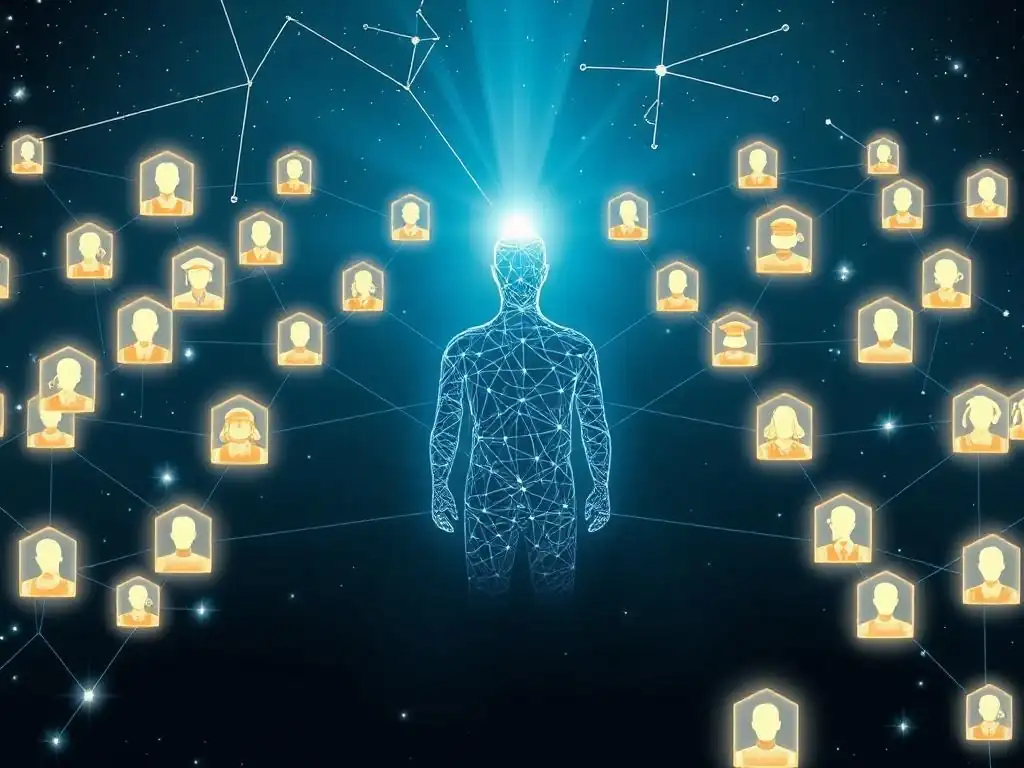
Welcome to Blockchain Trends, your compass in the rapidly evolving world of decentralized technologies! Are you ready to unlock the potential of blockchain beyond the hype? This week, we delve into the fascinating intersection of digital identity and blockchain, exploring how blockchain selfsovereign identity credentials are revolutionizing data ownership and control. Discover how verifiable credentials are paving the way for a more secure, private, and user-centric future. Intrigued? Let's dive in and explore the transformative power of this powerful partnership...
Verifiable Credentials and Self-Sovereign Identity: A Powerful Partnership
- Understanding Self-Sovereign Identity (SSI)
- What are Verifiable Credentials?
- Distributed Ledger Technology and Self-Sovereign Identity Credentials: The Synergy
- Use Cases of Verifiable Credentials and SSI Powered by DLT
- The Benefits of DLT-Based Self-Sovereign Identity Credentials
- Challenges and Considerations for Implementing DLT SSI Credentials
- The Future of DLT Self-Sovereign Identity Credentials
- Conclusion: The Power of Decentralized Identity
-
Frequently Asked Questions
- What are verifiable credentials and how do they relate to self-sovereign identity?
- How does blockchain technology enhance the security and trust of self-sovereign identity credentials?
- What are some practical applications of blockchain selfsovereign identity credentials beyond traditional identity verification?
- What are the major challenges in adopting blockchain selfsovereign identity credentials on a wider scale?
- How is regulation impacting the development and deployment of blockchain selfsovereign identity credentials?
- Final Reflection: Empowering Individuals Through Digital Sovereignty
- Unveil Your Digital Identity Potential!
Understanding Self-Sovereign Identity (SSI)
The Core Principles of SSI: Empowering Individuals
Self-Sovereign Identity (SSI) represents a paradigm shift in how individuals manage their digital identities. At its core, SSI is based on the principle that individuals should have complete control over their digital identity, including how their personal data is stored, accessed, and shared. This model moves away from traditional, centralized systems where identity is managed by third parties like governments or corporations.
Instead, individuals hold the keys to their own data, granting access only when and to whom they choose. This empowerment is fundamental to the vision of Blockchain selfsovereign identity credentials, placing the user firmly at the center of their digital interactions.
The principles underpinning SSI include user control, privacy, security, portability, and persistence. Unlike federated identity models, where various providers share data, SSI allows users to manage their identity attributes independently. For instance, instead of relying on a social media giant to log into other services, an SSI user could use a verifiable credential issued directly to them.
This approach significantly reduces the risk of large-scale data breaches impacting multiple services and enhances user privacy by minimizing the number of parties holding sensitive information. Estimates suggest that the SSI market is growing, driven by increasing awareness of data privacy and the limitations of current identity systems.
How Distributed Ledgers Enhance Self-Sovereign Identity
Distributed Ledger Technology (DLT), such as blockchain, provides a foundational layer of trust and immutability crucial for implementing Self-Sovereign Identity. While SSI doesn't require a blockchain for storing personal data (which typically resides on the user's device), DLT is invaluable for managing the public components of the system, such as decentralized identifiers (DIDs) and the status of verifiable credentials (e.g., revocation lists).
The decentralized nature of DLT ensures that no single entity has control over the identity network, reducing central points of failure and censorship resistance. This is a key reason why Blockchain selfsovereign identity credentials are often discussed in the same breath.
The immutability of DLT ensures that records, once added, cannot be tampered with, providing a high level of auditability and security for identity-related transactions (like the issuance or revocation of credentials). While personal data isn't stored on the ledger, cryptographic hashes or pointers can be recorded, allowing for verification without exposing sensitive information. Public DLTs offer transparency in network operations, while private or permissioned ledgers can be used for specific enterprise or consortium-based SSI solutions, balancing decentralization with performance and privacy requirements. This technological synergy is essential for building robust and trustworthy decentralized identity ecosystems.
What are Verifiable Credentials?
Defining Verifiable Credentials: A Digital Identity Building Block
Verifiable Credentials (VCs) are a tamper-evident way to express information about an individual or entity. Think of them as digital versions of physical documents like passports, diplomas, or professional licenses, but designed for the digital age with enhanced security and privacy features. A VC consists of claims made by an issuer about a holder, digitally signed by the issuer.
The holder can then present this credential to a verifier, who can cryptographically confirm its authenticity and integrity, as well as the issuer's authority. This forms a core component when discussing Blockchain selfsovereign identity credentials, as VCs are the data format used within the SSI framework.
Unlike traditional digital credentials (like scanned documents or database entries), VCs are designed to be self-contained and verifiable offline or via a decentralized network. They allow for selective disclosure, meaning the holder can choose to reveal only specific pieces of information from a credential rather than the entire document. For example, a VC proving someone is over 21 could be presented without revealing their exact date of birth. This granular control over data sharing is a significant privacy enhancement, directly aligning with the core principles of SSI and making VCs a natural partner for decentralized identity systems.
The Role of W3C Standards in Verifiable Credentials
The World Wide Web Consortium (W3C) has played a pivotal role in standardizing Verifiable Credentials, ensuring interoperability and widespread adoption. The W3C Verifiable Credentials Data Model is a foundational specification that defines how VCs are structured and processed. This standard provides a common language and framework for creating, presenting, and verifying credentials across different platforms and applications, preventing vendor lock-in and fostering a more open ecosystem for Blockchain selfsovereign identity credentials. Without these standards, building a truly decentralized and interoperable identity layer would be significantly more challenging.
The W3C standards also encompass Decentralized Identifiers (DIDs), which are globally unique identifiers that do not require a centralized registration authority. DIDs are typically anchored on DLTs or other decentralized networks and are used to identify issuers, holders, and verifiers within the VC ecosystem. The combination of DIDs and VCs, defined by W3C specifications, provides the technical backbone for SSI systems. This standardization effort is critical for achieving the necessary scale and network effects required for decentralized identity solutions to become mainstream, allowing different SSI wallets and services to interact seamlessly.
Distributed Ledger Technology and Self-Sovereign Identity Credentials: The Synergy
Combining SSI and Verifiable Credentials for Enhanced Control
The synergy between Self-Sovereign Identity and Verifiable Credentials, often underpinned by Distributed Ledger Technology, creates a powerful framework for digital identity. SSI provides the overarching philosophy and architectural model where the user is sovereign, managing their identity through a digital wallet. Verifiable Credentials provide the specific, interoperable data format for expressing claims about the user (or others). DLT, then, serves as a trust anchor for DIDs and credential status, ensuring that the system is decentralized, secure, and resistant to censorship or single points of failure. This combination forms the basis of effective Blockchain selfsovereign identity credentials.
In this model, an individual (the holder) receives a cryptographically signed VC from an authorized issuer (e.g., a university, government agency, or employer). This VC is stored securely in the individual's digital wallet, which is typically controlled by private keys known only to the user.
When a verifier (e.g., an employer checking qualifications, a service provider needing age verification) requests proof of a claim, the holder can select the relevant VC from their wallet and present it. The verifier uses the DLT-anchored DID of the issuer and the VC's cryptographic signature to verify its authenticity and integrity, all without relying on a centralized identity provider or exposing unnecessary personal data.
Advantages of Using DLT for Verifiable Credentials
Leveraging Distributed Ledger Technology to support Verifiable Credentials offers several significant advantages over traditional centralized systems. Firstly, DLT provides a robust mechanism for managing the public keys associated with DIDs used by issuers and holders, as well as publishing revocation information. This ensures that verifiers can reliably check the status of a credential without needing to connect directly to the original issuer's system, which might be offline or compromised. The tamper-evident nature of DLT makes it highly resistant to fraud related to identity issuance and verification.
Secondly, DLT enhances the overall resilience and availability of the identity system. Because the network is distributed across multiple nodes, there is no single point of failure that could bring down the entire system or compromise vast amounts of data, unlike centralized databases. This distributed architecture also aligns with the decentralized ethos of SSI. Furthermore, the cryptographic security inherent in DLT, combined with the use of public-key cryptography for signing and verifying VCs, provides a strong foundation of trust and security for Blockchain selfsovereign identity credentials, making them highly resistant to forgery and unauthorized modification.
Use Cases of Verifiable Credentials and SSI Powered by DLT
Secure Patient Data Sharing in Healthcare
The healthcare sector is a prime candidate for adopting Blockchain selfsovereign identity credentials and Verifiable Credentials. Patients often struggle to share their medical history securely and selectively between different healthcare providers. Current systems involve cumbersome paper records or fragmented digital portals. With SSI and VCs, a patient could receive VCs for specific health records (e.g., vaccination status, allergies, a summary of past treatments) from their doctor or clinic (the issuer). These VCs would be stored in their personal digital health wallet.
When visiting a new specialist or in an emergency situation, the patient could grant temporary access to only the necessary VCs, such as their allergy information or a summary of a relevant condition, without exposing their entire medical history. Verifiers (the new healthcare providers) could instantly verify the authenticity of these VCs against the DLT, ensuring the data is legitimate and hasn't been tampered with.
This not only empowers patients with control over their sensitive health data but also streamlines administrative processes, potentially reducing the time spent requesting and transferring records by a significant margin, estimated by some reports to cut administrative costs in healthcare by 10-20% through better data fluidity.
Streamlining Education Credentials with Decentralized Identity
Educational institutions can leverage DLT-based Verifiable Credentials and SSI to issue digital diplomas, transcripts, and certifications. Traditionally, verifying educational qualifications is a manual, time-consuming process prone to fraud. Universities (issuers) can issue VCs directly to students (holders) upon graduation or completion of courses. These digital credentials, secured using cryptographic signatures and potentially anchored on a DLT for status verification, are then stored in the student's digital wallet.
When a student applies for a job or further education, they can share the specific VC (e.g., their degree or transcript) with the prospective employer or institution (the verifier). The verifier can instantly and reliably verify the credential's authenticity directly using the issuer's DID and the DLT, bypassing the need to contact the university directly or rely on potentially forged paper certificates. This significantly speeds up the verification process, reduces the administrative burden on institutions, and combats credential fraud, which is a persistent issue, potentially reducing application fraud rates by an estimated 10-15%.
Improving Financial Inclusion Through Decentralized Identity
Financial inclusion is a critical global challenge, with billions lacking access to basic financial services often due to the inability to prove their identity reliably. SSI and Blockchain selfsovereign identity credentials offer a path forward by enabling individuals, particularly in underserved regions, to establish and manage their digital identity independent of traditional infrastructure. For example, a person could accumulate VCs from various trusted sources over time – perhaps a proof of address from a utility provider, a proof of income from an employer, or even a reputation credential from a microfinance institution.
These accumulated VCs, managed through an SSI wallet and potentially supported by a DLT, create a portable and verifiable digital identity that can be used to access financial services. Instead of needing a specific government ID that might be difficult to obtain, a combination of verified attributes can be presented. This can significantly reduce the onboarding time for new customers, potentially from days or weeks down to minutes, and lower the cost for financial institutions to perform KYC (Know Your Customer) and AML (Anti-Money Laundering) checks, opening up services to a wider population.
Supply Chain Management with Verifiable Credentials and SSI
In complex supply chains, tracking the origin, authenticity, and certifications of goods is challenging. SSI and Verifiable Credentials, often combined with IoT data and anchored on DLT, can provide unprecedented transparency and trust. Manufacturers, suppliers, and certifiers (issuers) can issue VCs about products, components, or processes – for example, a VC proving organic certification for produce, a VC detailing the origin of a raw material, or a VC confirming a product passed quality control. These VCs can be associated with physical goods via QR codes or other identifiers.
As goods move through the supply chain, stakeholders (verifiers) can scan codes or access associated VCs to instantly verify claims about the product's journey or attributes. Consumers can also verify the authenticity and provenance of products they purchase. This system drastically reduces the potential for fraud, counterfeiting, and misrepresentation of goods. While precise global figures are hard to pin down, estimates suggest that improved supply chain transparency and verifiable proof of origin could help reduce losses from counterfeiting and fraud by 5-10% in affected industries.
The Benefits of DLT-Based Self-Sovereign Identity Credentials

Increased Privacy and Security with Decentralized Identity
One of the most significant benefits of DLT-based Blockchain selfsovereign identity credentials is the substantial increase in user privacy and data security compared to traditional centralized systems. In a centralized model, a single entity holds vast amounts of sensitive personal data, making it a lucrative target for hackers and susceptible to mass breaches. With SSI and VCs, personal data is typically stored locally on the user's device, under their direct control. Only cryptographic proofs or limited data (like a DID) are potentially stored on a public DLT.
Furthermore, Verifiable Credentials enable selective disclosure. Instead of sharing an entire document (like a driver's license) to prove a single attribute (like age), the holder can present a VC specifically designed to reveal only the necessary piece of information. This minimizes the exposure of sensitive data during verification processes. The use of strong cryptography for signing VCs and securing DLT transactions ensures the integrity and authenticity of credentials, making them highly resistant to tampering and unauthorized access.
Enhanced Trust and Transparency in Digital Interactions
DLT-based SSI credentials foster enhanced trust and transparency in digital interactions. The decentralized nature of the underlying ledger means that the system's operation is not dependent on a single, potentially fallible or malicious, authority. The rules for verifying credentials and managing DIDs are transparent and auditable on the ledger. Verifiers can cryptographically confirm the identity of the issuer and the integrity of the credential presented by the holder, without needing to implicitly trust a third-party identity provider.
This framework builds trust not through a central authority, but through cryptographic proof and a distributed consensus mechanism. When an employer verifies a job applicant's degree using a university-issued VC anchored on a DLT, they can be highly confident in the credential's legitimacy. This level of verifiable trust is difficult to achieve with traditional paper documents or centralized digital databases, where the verification process often relies on manual checks or trusting opaque systems.
Reduced Costs and Improved Efficiency in Identity Management
Implementing DLT-based Blockchain selfsovereign identity credentials can lead to significant cost reductions and efficiency improvements across various sectors. Traditional identity verification processes are often manual, time-consuming, and require intermediaries. For example, verifying educational or professional credentials can involve contacting institutions directly, incurring administrative costs and delays. KYC processes in finance are notoriously expensive and cumbersome.
With SSI and VCs, the verification process can be largely automated and performed instantly using cryptographic methods and DLT lookups. This drastically reduces the time and resources required for identity checks. Issuers benefit from streamlined issuance processes, while holders gain a portable identity they can reuse across multiple services. While initial implementation costs for DLT infrastructure and SSI wallets exist, the long-term operational savings from reduced fraud, faster onboarding, and decreased administrative overhead can be substantial, potentially saving businesses millions annually depending on their scale and industry.
Greater User Control Over Personal Data
Perhaps the most impactful benefit of DLT-based SSI credentials is the unprecedented level of control it grants individuals over their own personal data. In the current digital landscape, users often surrender control of their data to corporations in exchange for services. SSI flips this model, making the individual the primary manager of their identity attributes. They decide which credentials to obtain, where to store them (typically on their own device), and crucially, who to share them with and under what conditions.
This empowerment extends beyond simply storing data; it includes the ability to choose which specific pieces of information within a credential are revealed during a verification event (selective disclosure). Users can also potentially revoke access to shared information or update credentials as needed through their SSI wallet. This shift from a data-extractive model to a user-centric one is fundamental to restoring digital autonomy and is a core promise of Blockchain selfsovereign identity credentials.
Challenges and Considerations for Implementing DLT SSI Credentials
Scalability Issues in DLT-Based Identity Systems
One of the primary challenges in deploying widespread DLT-based Blockchain selfsovereign identity credentials is the scalability of the underlying distributed ledger technology. While DLT is excellent for providing trust and immutability, some public blockchains, particularly those relying on Proof-of-Work consensus, can have limited transaction throughput and higher costs, making them potentially unsuitable for processing the millions or billions of identity-related transactions (like DID registrations or credential status updates) required for a global system.
However, significant advancements are being made in DLT scalability. Newer generations of blockchains and Layer 2 solutions are designed for much higher transaction volumes and lower fees. Permissioned ledgers or consortia chains can also offer better performance for specific enterprise use cases. The ongoing development in DLT technology is crucial for overcoming these scalability hurdles and enabling SSI solutions to handle the demands of large-scale adoption.
Interoperability of Different DLT Platforms
Another significant challenge is ensuring interoperability between different DLT platforms and SSI implementations. The SSI ecosystem is developing with various DLTs (like Hyperledger Indy, Ethereum, Polygon, etc.) being used as trust anchors, and different wallet providers and credential issuers emerging. For SSI to achieve its full potential, a credential issued on one DLT and stored in one wallet must be easily verifiable by a verifier using a different platform or connected to a different network.
Adherence to open standards, particularly the W3C Verifiable Credentials and DID specifications, is key to addressing this. However, variations in implementation and the use of different DLTs still pose challenges. Efforts are underway through initiatives and working groups focused on defining common protocols and frameworks that bridge different DLT networks and SSI components, aiming to create a more unified and interoperable global identity layer.
Regulatory Landscape for Self-Sovereign Identity
The regulatory landscape for Blockchain selfsovereign identity credentials and DLT-based identity systems is still evolving and presents considerable uncertainty. Existing regulations around data privacy (like GDPR or CCPA), digital signatures, and identity verification were designed for traditional centralized or federated models and do not always fit neatly with the decentralized nature of SSI. Questions arise regarding liability, data residency, and compliance when identity data is managed by the individual and anchored on a global, distributed ledger.
Governments and regulatory bodies are beginning to explore and understand SSI, and pilot projects are being initiated in various jurisdictions. However, clear legal frameworks and guidelines are needed to provide certainty for both individuals and organizations adopting these technologies. Harmonizing regulations across different countries will be essential for SSI to facilitate seamless cross-border identity verification and data sharing.
User Education and Adoption of New Technologies
For SSI and Verifiable Credentials to become widespread, significant user education and simplification of the technology are required. The concepts of DIDs, VCs, DLTs, and cryptographic key management can be complex for the average user. Managing private keys securely is critical but also poses a risk if not handled properly (e.g., losing access to one's wallet could mean losing access to all credentials).
Designing user-friendly interfaces for SSI wallets and identity management applications is paramount. Abstracting away the underlying technical complexity while ensuring users understand the importance of securing their keys is vital. Overcoming the inertia of established identity systems and building trust in a new, decentralized model will require time, successful pilot programs, and clear communication about the benefits and responsibilities associated with managing one's own Blockchain selfsovereign identity credentials.
The Future of DLT Self-Sovereign Identity Credentials
Emerging Trends in Decentralized Identity Solutions
The field of DLT-based Blockchain selfsovereign identity credentials is rapidly evolving, with several key trends shaping its future. One major trend is the increasing focus on privacy-enhancing technologies, particularly Zero-Knowledge Proofs (ZKPs). ZKPs allow a verifier to confirm that a statement is true (e.g., "this person is over 21") without the holder having to reveal any specific underlying data (e.g., their date of birth). This pushes selective disclosure to a new level of privacy.
Another trend is the development of more sophisticated identity wallets that go beyond simply storing VCs. Future wallets are envisioned as comprehensive identity hubs, potentially integrating with decentralized storage solutions, enabling peer-to-peer identity interactions, and incorporating features like reputation systems built on verifiable interactions. The integration of SSI with emerging technologies like decentralized autonomous organizations (DAOs) and the metaverse is also being explored, creating new use cases for decentralized identity.
The Potential of SSI to Transform Industries
The transformative potential of SSI extends across numerous industries. Beyond the healthcare, education, finance, and supply chain examples mentioned, SSI can revolutionize areas like digital commerce (secure login, age verification), social media (verified identities, combating bots), government services (digital IDs, voting), and the gig economy (verifiable skills and reputation). Any sector that relies on verifying identity or credentials can benefit from the security, privacy, and efficiency offered by SSI and VCs on DLT.
As the technology matures and standards solidify, we can expect to see SSI moving from pilot projects to mainstream adoption in enterprise and government applications. The ability to issue, manage, and verify trusted digital credentials without relying on centralized databases or intermediaries fundamentally changes how businesses and individuals interact online, promising a more secure, private, and user-centric digital world.
Advancements in Cryptographic Techniques for Verifiable Credentials
Advancements in cryptographic techniques are continuously enhancing the capabilities and security of Verifiable Credentials. Beyond standard digital signatures, techniques like BBS+ signatures (used in some VC implementations) enable efficient selective disclosure and unlinkability, making it harder to correlate presentations of the same credential. As mentioned, Zero-Knowledge Proofs (like ZK-SNARKs and ZK-STARKs) are becoming more practical and are being integrated into VC frameworks, allowing for extremely private verification processes.
These cryptographic innovations are critical for addressing some of the remaining privacy and scalability challenges. By allowing complex proofs to be verified without revealing sensitive data, ZKPs can reduce the amount of information that needs to be processed or anchored on a DLT, improving efficiency and enhancing user privacy simultaneously. Continued research and implementation of cutting-edge cryptography are vital for the long-term success and widespread adoption of Blockchain selfsovereign identity credentials.
Conclusion: The Power of Decentralized Identity
Embracing the Potential of DLT for Secure and User-Centric Identity
The combination of Distributed Ledger Technology, Self-Sovereign Identity principles, and Verifiable Credentials represents a powerful paradigm shift towards a more secure, private, and user-centric digital identity model. By empowering individuals with control over their data, enabling trust through cryptographic verification, and leveraging the resilience of DLT, this partnership offers a compelling alternative to the fragmented, insecure, and privacy-invasive identity systems prevalent today. The journey towards widespread adoption of Blockchain selfsovereign identity credentials is ongoing, facing technical, regulatory, and social hurdles.
However, the benefits – enhanced privacy, improved security, greater efficiency, and increased user control – are significant and address critical shortcomings of current digital identity solutions. As standards mature, technology evolves, and regulatory clarity emerges, DLT-based SSI is poised to transform how we interact in the digital world, enabling trusted online relationships without sacrificing personal autonomy. Embracing this potential is key to building a future where identity serves the individual, not the other way around.
Frequently Asked Questions
What are verifiable credentials and how do they relate to self-sovereign identity?
Verifiable Credentials (VCs) are digital representations of credentials that can be verified cryptographically. They empower self-sovereign identity by giving individuals control over their data and how it's shared.
How does blockchain technology enhance the security and trust of self-sovereign identity credentials?
Blockchain provides a tamper-proof and transparent ledger for verifying the authenticity and validity of VCs. This decentralized nature eliminates reliance on central authorities and enhances trust.
What are some practical applications of blockchain selfsovereign identity credentials beyond traditional identity verification?
Beyond ID cards, these credentials can be used for secure data sharing in healthcare, supply chain management, and streamlined access to various services. They also enable selective disclosure of information.
What are the major challenges in adopting blockchain selfsovereign identity credentials on a wider scale?
Scalability, interoperability between different blockchain platforms, and user experience are key hurdles. Overcoming these requires industry standards and user-friendly solutions.
How is regulation impacting the development and deployment of blockchain selfsovereign identity credentials?
Regulatory uncertainty surrounding data privacy and cross-border data transfer poses a challenge. Clear guidelines are needed to foster innovation while protecting user rights and security.
Final Reflection: Empowering Individuals Through Digital Sovereignty
The journey through verifiable credentials and self-sovereign identity reveals a landscape ripe with potential, and its relevance today is undeniable. The convergence of blockchain technology with the desire for individual data control is no longer a futuristic concept, but a tangible movement shaping the future of digital interactions. As we grapple with data breaches and the erosion of privacy, the promise of individuals owning and managing their own digital identities offers a powerful antidote to the centralized systems that have long dominated the internet.
This paradigm shift has profoundly influenced, and continues to influence, the cultural and social landscape. The ability to selectively share verified information, without relying on intermediaries, empowers individuals to participate more fully and securely in the digital world. It fosters trust, reduces friction, and opens doors to new opportunities. Identity is not just what you are, but what you prove you are.
This quote encapsulates the essence of self-sovereign identity, highlighting the importance of verifiable claims in establishing trust and authenticity in an increasingly digital society.
As we stand on the cusp of this transformative era, I invite you to reflect on the role you can play in shaping its future. Consider how you can advocate for and adopt these technologies in your own life and communities. Embrace the power of self-sovereign identity and verifiable credentials to reclaim control over your digital footprint and contribute to a more equitable and secure digital world. The future of identity is in our hands; let us build it together with intention and purpose.
Unveil Your Digital Identity Potential!
Thanks for diving into the world of Verifiable Credentials and Self-Sovereign Identity! We hope you now have a better understanding of how these technologies can revolutionize how we interact with our data and online services. Ready to take the next step?
Here's how you can explore this exciting space further:
- Implement a simple Verifiable Credential issuer for a personal project. Experiment with creating and issuing a credential representing a skill, achievement, or membership.
- Share this article with a colleague or friend who might be interested in learning about SSI and its potential impact. Let's expand the conversation!
- Research lesser-known use cases of Verifiable Credentials, such as supply chain transparency or decentralized healthcare records.
How will you leverage Verifiable Credentials to build a more secure and user-centric digital future? Share your thoughts in the comments below!
Leave a Reply