
Exploring Different Blockchain Platforms for NFT Creation: Ethereum, Solana, and More

Welcome to Blockchain Trends, your guide to navigating the revolutionary world of blockchain technology. Beyond the hype of cryptocurrencies, we delve into the real-world applications shaping industries and redefining trust. Intrigued by the potential of Non-Fungible Tokens (NFTs)? Jump in as we present our comprehensive NFT blockchain platform comparison guide, analyzing the strengths and weaknesses of different blockchains for NFT creation. Discover which platform – from Ethereum to Solana and beyond – best suits your needs and unlocks the future of digital ownership. Ready to explore the possibilities?
- NFT Blockchain Platform Comparison Guide: Choosing the Right Chain
-
Frequently Asked Questions
- What are the key blockchain platforms currently being used for NFT creation?
- What are the main differences between Ethereum and Solana for NFT creation?
- What factors should I consider when choosing an NFT blockchain platform?
- How does regulation affect the creation and trading of NFTs on different blockchain platforms?
- Beyond Ethereum and Solana, what other blockchain platforms are gaining traction for NFTs?
- Final Reflection: Embracing the Decentralized Future of Creation
- Dive Deeper into the NFT Revolution!
NFT Blockchain Platform Comparison Guide: Choosing the Right Chain
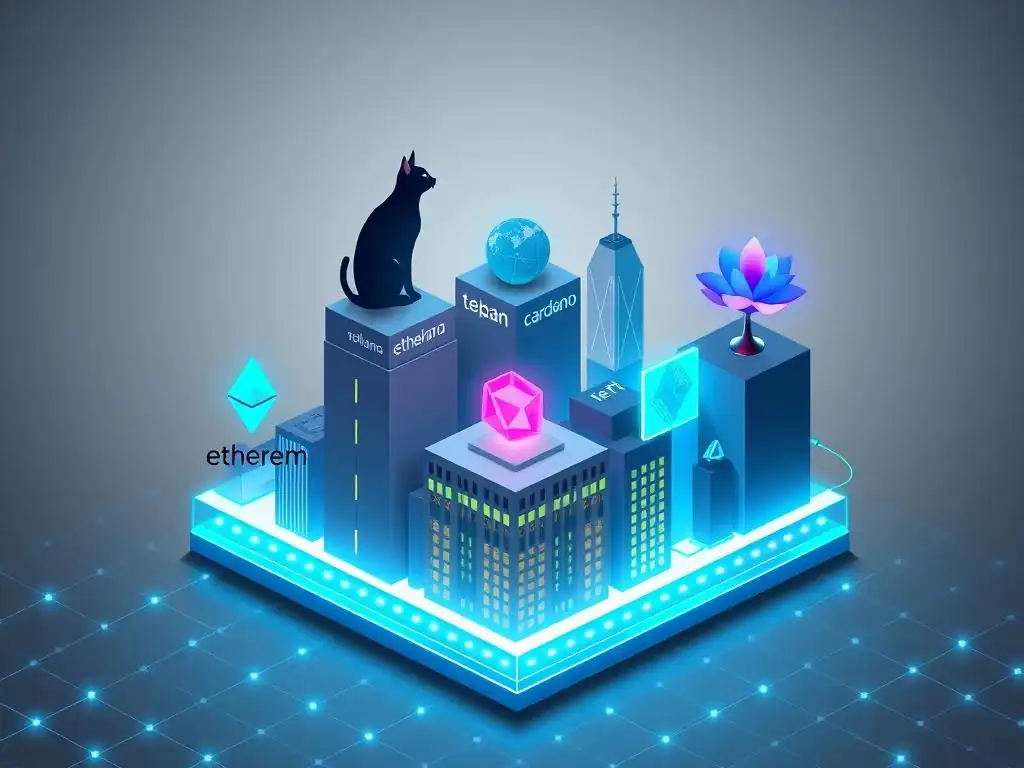
The burgeoning world of Non-Fungible Tokens (NFTs) has opened up unprecedented opportunities for creators, artists, and businesses to tokenize digital and physical assets. However, the foundational decision for any NFT project lies in selecting the appropriate blockchain platform. This choice is far more than a technical detail; it profoundly impacts everything from transaction costs and speed to security, scalability, and the potential audience size. Navigating the diverse landscape of available blockchains, each with its unique architecture, consensus mechanism, and fee structure, is a critical first step in developing a successful NFT strategy.
This section serves as an initial guide to understanding the significance of this decision, setting the stage for a detailed exploration of prominent platforms like Ethereum, Solana, and Avalanche. A comprehensive NFT blockchain platform comparison guide is essential for creators and developers looking to launch projects that are not only technically sound but also economically viable and user-friendly. The right platform can facilitate seamless minting and trading experiences, foster a vibrant community, and ultimately contribute significantly to the project's long-term sustainability and growth in the dynamic NFT market.
The Impact of Blockchain Selection on NFT Projects: Case Studies
The blockchain platform chosen fundamentally shapes the operational dynamics and potential reach of an NFT project. Consider the early dominance of Ethereum: projects like CryptoPunks and Bored Ape Yacht Club (BAYC) benefited from Ethereum's established network effect and robust security, quickly becoming blue-chip NFTs. However, they also faced challenges associated with Ethereum's limitations, particularly high gas fees during periods of peak demand. Minting a BAYC NFT, for instance, could cost hundreds or even thousands of dollars in gas fees alone, impacting accessibility for many potential collectors and artists. This friction highlighted the need for alternative, more cost-effective platforms.
In contrast, platforms like Solana emerged, promising significantly lower transaction costs and higher speeds. Projects migrating to or launching exclusively on Solana, such as Degenerate Ape Academy or Magic Eden (a leading Solana marketplace), experienced rapid growth partly due to the affordability of minting and trading. A typical transaction fee on Solana is often less than $0.01, a stark difference from Ethereum.
This accessibility has fostered a different kind of ecosystem, attracting a broader base of users and enabling new types of NFT applications that require frequent, low-cost interactions. The choice between Ethereum's proven security and network effect versus Solana's efficiency and low cost represents a fundamental trade-off creators must evaluate based on their project's specific goals and target audience.
Key Considerations for NFT Creators: Scalability, Fees, and Community Engagement
When choosing an NFT blockchain platform, creators must prioritize factors like scalability, transaction fees, and the existing community. Scalability refers to the network's ability to handle a large volume of transactions efficiently, which is crucial for successful minting events and smooth trading activity. A blockchain that struggles with scalability can lead to congestion, failed transactions, and exorbitant fees, frustrating both creators and collectors. Platforms differ significantly in their throughput; for example, Ethereum currently processes around 15-30 transactions per second (TPS), while Solana claims theoretical speeds of tens of thousands of TPS, though real-world performance can vary.
Transaction fees, often referred to as 'gas fees' on Ethereum, represent the cost associated with interacting with the blockchain, including minting, buying, selling, or transferring NFTs. These fees directly impact the profitability for creators and the entry cost for collectors. High fees can deter participation, particularly for lower-priced NFTs or large-scale generative art drops.
Finally, the existing community and ecosystem surrounding a blockchain are vital. A platform with a large, active user base, established marketplaces, and developer tools provides a fertile ground for launching and promoting an NFT project. The presence of existing collectors and enthusiasts on a specific chain can significantly influence a project's initial traction and long-term success, making the community aspect a non-negotiable part of the NFT blockchain platform comparison guide process.
Frequently Asked Questions
What are the key blockchain platforms currently being used for NFT creation?
The main platforms include Ethereum, known for its established ecosystem, Solana, praised for its speed and lower fees, and emerging platforms like Polygon offering scaling solutions.
What are the main differences between Ethereum and Solana for NFT creation?
Ethereum is known for its robust security and wide adoption, while Solana offers faster transaction speeds and lower gas fees, making it more accessible for some creators.
What factors should I consider when choosing an NFT blockchain platform?
Consider transaction fees, speed, security, and the size of the community supporting the platform. These factors will influence cost and reach.
How does regulation affect the creation and trading of NFTs on different blockchain platforms?
Regulatory landscapes vary globally, impacting NFT compliance and legal considerations. Understanding local regulations is crucial for creators and collectors.
Beyond Ethereum and Solana, what other blockchain platforms are gaining traction for NFTs?
Platforms like Polygon (Layer 2 Ethereum scaling solution) and Tezos are gaining traction due to their unique approaches to scalability and sustainability.
Final Reflection: Embracing the Decentralized Future of Creation
The exploration of NFT blockchain platforms reveals more than just technological differences; it highlights a fundamental shift in how we perceive ownership and value in the digital age. The diverse ecosystems of Ethereum, Solana, and other platforms are not merely competing technologies, but rather different facets of a burgeoning decentralized future, each offering unique opportunities for creators and collectors alike.
The rise of NFTs has undeniably reshaped the cultural landscape, fostering new communities and empowering artists in unprecedented ways. Witnessing this evolution firsthand has been both inspiring and humbling, reminding us that technology, at its best, can democratize access and amplify creative voices. The future is already here – it's just not evenly distributed.
- William Gibson. This quote perfectly encapsulates the current state of NFT technology; while still evolving, its potential to revolutionize various industries is undeniable.
As you navigate this exciting and complex world of NFTs, remember that the choice of blockchain platform is just the first step. Consider your values, your community, and your long-term vision. Embrace the possibilities, experiment with different approaches, and contribute to the ongoing evolution of this transformative technology. The future of digital ownership is being written now, and your voice deserves to be heard.
Dive Deeper into the NFT Revolution!
Thank you for exploring the exciting world of NFT creation across different blockchain platforms. You now have a better understanding of the various options available and how to select the right platform for your needs. Ready to take the next step?
Here are a few ways to continue your NFT journey:
- Start minting your first NFT today! Choose the platform that best suits your interests and experiment with creating your own digital asset.
- Join the Blockchain Trends community forum to share your insights or ask questions. Let’s learn together and stay ahead in the ever-evolving world of NFTs.
- Explore emerging blockchains such as Tezos or Flow to discover unique opportunities and connect with niche communities.
What NFT project are you most excited to bring to life, and which platform will you choose to get started? Share your thoughts in the comments below!
Leave a Reply