
Fighting Fake Pharma: Blockchain's Weapon Against Counterfeit Drugs


Welcome to Blockchain Trends, your compass in the ever-evolving world of decentralized technologies.
Imagine a world where counterfeit drugs are a thing of the past. That's the promise of blockchain, and in our latest deep dive, we explore exactly how this innovative technology is being deployed to fight fake pharmaceuticals. Discover how blockchain is combatting fake pharmaceuticals and revolutionizing supply chain transparency, ultimately protecting patients worldwide. Ready to uncover the potential?
Fighting Fake Pharma: Blockchain's Weapon Against Counterfeit Drugs
Counterfeit pharmaceuticals pose a grave and escalating threat to global public health, undermining patient trust and causing significant economic damage. These illicit products, often indistinguishable from legitimate medications, can contain incorrect dosages, harmful substances, or no active ingredients at all, leading to treatment failure, severe health complications, and even death. The complexity of modern pharmaceutical supply chains, spanning numerous borders and involving multiple intermediaries, provides fertile ground for counterfeiters to infiltrate the system. Addressing this multifaceted challenge requires innovative and robust security measures capable of ensuring the integrity and authenticity of drugs from manufacturing through to patient delivery.
The current landscape of pharmaceutical security relies on a patchwork of technologies and processes, including serialization, tracking systems, and physical security features. While these methods offer some level of protection, they often operate in silos, lack end-to-end visibility, and can be susceptible to tampering or data breaches. The global nature of the problem necessitates a solution that is inherently secure, transparent, and capable of fostering collaboration among diverse stakeholders across the supply chain. This is where blockchain technology emerges as a promising and potentially transformative tool in the fight against fake pharmaceuticals.
- The Rising Threat of Counterfeit Pharmaceuticals and the Need for Enhanced Security
- Blockchain Technology: A Revolutionary Solution for Pharmaceutical Supply Chain Security
- Blockchain Combatting Fake Pharmaceuticals: Real-World Applications and Examples
- Benefits of Using Blockchain to Fight Counterfeit Drugs: A Comprehensive Overview
- Challenges and Considerations for Blockchain Implementation in the Pharmaceutical Industry
- The Future of Blockchain in Pharma: Trends and Predictions
- Conclusion: Blockchain as a Critical Tool in Combating Counterfeit Pharmaceuticals
-
Frequently Asked Questions
- How can blockchain technology help in combating the problem of counterfeit drugs?
- What are some of the key benefits of using blockchain for pharmaceutical supply chain management?
- What role does DeFi (Decentralized Finance) play in blockchain solutions for the pharmaceutical industry?
- What regulatory hurdles need to be overcome for widespread adoption of blockchain in the pharmaceutical industry?
- What is the future outlook for blockchain's role in ensuring the authenticity and safety of pharmaceuticals?
- Final Reflection: Securing Health, One Block at a Time
- Empower Yourself: Secure Your Health Journey!
The Rising Threat of Counterfeit Pharmaceuticals and the Need for Enhanced Security
Understanding the Scope of the Fake Drug Problem Globally
The problem of counterfeit pharmaceuticals is a multi-billion dollar industry with devastating consequences. Estimates from the World Health Organization (WHO) suggest that roughly 10% of medical products in low- and middle-income countries are substandard or falsified, though the figure can be much higher in specific regions or for certain product types.
The value of this illicit trade is staggering; reports have placed the global market for counterfeit drugs anywhere from tens of billions to over $200 billion annually, according to various industry analyses and law enforcement estimates. This vast scale highlights the pervasive nature of the threat and the immense profits driving criminal enterprises involved in this trade.
Beyond low- and middle-income nations, even highly regulated markets in developed countries are not immune. Counterfeit versions of high-value or lifestyle drugs, such as those for erectile dysfunction or weight loss, are frequently found online, but increasingly, sophisticated fakes of life-saving medications like cancer treatments or cardiovascular drugs are appearing within legitimate supply chains. The sheer volume and sophistication of these operations demonstrate a critical vulnerability in existing security measures and underscore the urgent need for more effective strategies in Blockchain combatting fake pharmaceuticals.
The Devastating Consequences of Counterfeit Medications on Public Health
The health consequences of counterfeit drugs are profound and potentially fatal. Patients taking falsified medications may not receive the necessary treatment for their conditions, leading to disease progression, complications, and death. For example, a patient receiving counterfeit antibiotics with insufficient active ingredient may develop antibiotic resistance, making future infections harder to treat. In other cases, the counterfeit drugs may contain toxic substances, such as heavy metals, paint, or incorrect active pharmaceutical ingredients (APIs), leading to poisoning or severe adverse reactions.
The human cost is immense. While precise global figures are difficult to ascertain due to underreporting and challenges in attributing deaths directly to fake drugs, some estimates suggest hundreds of thousands of deaths annually could be linked to substandard and falsified medical products, particularly from preventable and treatable diseases like malaria and pneumonia in vulnerable populations. The psychological impact on patients and healthcare providers is also significant, eroding trust in healthcare systems and legitimate pharmaceutical products. This grave public health crisis demands innovative solutions, and the potential for blockchain fighting fake pharma is gaining significant attention.
Current Limitations in Tracking and Verifying Drug Authenticity
Current pharmaceutical supply chain security relies heavily on serialization and track-and-trace systems mandated by regulations like the US Drug Supply Chain Security Act (DSCSA) and the EU's Falsified Medicines Directive (FMD). These regulations require unique identifiers on drug packages and systems to track ownership changes. However, these systems often face limitations. Data is frequently stored in centralized databases maintained by individual companies or third parties, creating data silos that hinder true end-to-end visibility across the entire supply chain, from manufacturer to dispensing pharmacy or hospital.
Furthermore, these centralized systems can be vulnerable to cyberattacks, data manipulation, or human error. Once a counterfeit product enters the supply chain, it can be challenging to detect and trace back its origin quickly and reliably across disparate systems. Verification at the point of dispensing can be cumbersome, and there's often no single, immutable record accessible to all trusted parties that definitively proves a drug's legitimacy throughout its journey. This lack of a unified, tamper-proof ledger is a significant gap that blockchain technology is uniquely positioned to address in blockchain solutions against counterfeit drugs.
Blockchain Technology: A Revolutionary Solution for Pharmaceutical Supply Chain Security
How Blockchain Works: A Decentralized and Immutable Ledger
At its core, blockchain is a type of distributed ledger technology (DLT) that records transactions or data across a network of computers. Instead of storing information in a single database, identical copies of the ledger are maintained and updated simultaneously on multiple nodes (computers) within the network. When a new transaction occurs, it is grouped with other recent transactions into a 'block'. This block is then cryptographically linked to the previous block, forming a chain – hence, 'blockchain'.
Each block contains a cryptographic hash of the previous block, making the entire chain highly secure. If any data in a block is altered, the hash of that block changes, breaking the link to the next block and immediately alerting the network to the tampering attempt. For a change to be accepted, the majority of participants in the network must validate it, a process governed by consensus mechanisms. This decentralized and distributed nature makes the ledger incredibly difficult to alter retroactively without detection, providing an unprecedented level of data integrity and immutability crucial for blockchain combatting fake pharmaceuticals.
Blockchain's Key Features for Combating Counterfeit Drugs: Transparency, Traceability, and Immutability
Blockchain technology offers several intrinsic features that make it highly effective for securing the pharmaceutical supply chain and fighting fake drugs. Immutability is paramount: once data (like a drug's unique identifier, manufacturing batch, or ownership transfer) is recorded on the blockchain, it cannot be changed or deleted. This creates a permanent, tamper-proof history of the drug's journey.
Traceability is another critical feature. Every transaction or event related to a drug's movement or handling can be recorded as a block on the chain. This allows authorized participants to trace the drug's path backward from the point of dispensing all the way to its origin at the manufacturing plant.
This granular, verifiable history makes it far easier to identify points of potential compromise or divergence from the legitimate supply chain. Furthermore, depending on the network design, transparency can be configured to allow relevant stakeholders – manufacturers, distributors, pharmacies, regulators, and potentially even patients (via verification apps) – to access and verify the authenticity information associated with a specific drug package, significantly enhancing confidence in the product's legitimacy.
Exploring Blockchain Applications in Pharma: From Manufacturing to Distribution
The application of blockchain in the pharmaceutical industry spans the entire product lifecycle, from API sourcing and manufacturing to packaging, distribution, and even dispensing. At the manufacturing stage, blockchain can record the origin of raw materials and APIs, the manufacturing date, batch number, and serialization data for each individual drug package. This information forms the genesis block for that specific product's journey on the chain.
As the drug moves through the supply chain – from manufacturer warehouses to wholesalers, distributors, and pharmacies – each transfer of ownership or change in custody is recorded as a transaction on the blockchain. This creates a verifiable digital trail. Smart contracts, self-executing contracts with the terms of the agreement directly written into code, can be used to automate and enforce conditions for these transfers, such as verifying licenses or ensuring proper handling procedures. This end-to-end recording capability is fundamental to blockchain combatting fake pharmaceuticals by providing a single source of truth for a drug's provenance.
Blockchain Combatting Fake Pharmaceuticals: Real-World Applications and Examples
Tracking Drugs from Origin to Patient: A Transparent Supply Chain
One of the most direct applications of blockchain in fighting fake drugs is establishing a transparent and verifiable chain of custody. By assigning a unique digital identity to each drug package (linked to its physical serialization) and recording every handoff along the supply chain on a distributed ledger, stakeholders gain unprecedented visibility.
Imagine a scenario where a drug leaves the manufacturing plant in Ireland, is shipped to a distribution center in Germany, then to a wholesaler in France, and finally to a pharmacy in Spain. Each step – manufacturing, shipping, receiving, transfer of ownership – is logged on the blockchain.
When the drug arrives at the pharmacy, the pharmacist can scan the package's unique identifier. A blockchain-based application can then query the ledger to retrieve the complete, immutable history of that specific package, verifying its origin, route, and ensuring there are no suspicious gaps or unexpected deviations in its journey. This real-time verification capability empowers pharmacists and patients to confirm authenticity before the drug is dispensed or consumed, acting as a powerful deterrent against counterfeit infiltration. This level of verifiable traceability is a core benefit of blockchain combatting fake pharmaceuticals.
Verifying Drug Authenticity with Blockchain-Based Authentication Systems
Beyond tracking location and ownership, blockchain can support sophisticated authentication systems. When a drug is manufactured, cryptographic hashes of critical data (like batch number, expiry date, and unique serial number) can be embedded into the blockchain record and potentially linked to physical security features like tamper-evident seals or specialized QR codes. At any point in the supply chain, particularly at the point of dispensing, the unique identifier or QR code on the package can be scanned.
This scan triggers a query to the blockchain, which verifies the package's unique ID against the immutable record. The system can confirm that the ID is legitimate, that the package has followed the expected path, and that the record hasn't been tampered with.
Advanced systems can even incorporate patient-facing mobile apps that allow individuals to scan a code on their medication packaging and receive confirmation of its authenticity directly from the blockchain, increasing patient confidence and providing a final verification layer in the fight against fake medicines. This direct authentication mechanism is a key aspect of blockchain solutions against counterfeit drugs.
Case Studies: Chronicled and the MediLedger Network
Chronicled is a technology company that has been a significant player in developing blockchain solutions for regulated industries, particularly pharmaceuticals. They spearheaded the development of the MediLedger Network, a consortium blockchain designed specifically for the pharmaceutical industry to meet the requirements of the US DSCSA. Launched in collaboration with major pharmaceutical companies, distributors, and wholesalers, the MediLedger Network focuses on verifying product identifiers and facilitating the secure exchange of transaction data.
The network allows participants to verify the authenticity of serialized products by checking against immutable records of ownership and transaction history stored on the distributed ledger. It enables functionalities like verifying product identifiers when drugs change hands and handling returns verification securely. By providing a shared, trusted ledger for supply chain events, the MediLedger Network demonstrates a concrete application of blockchain combatting fake pharmaceuticals within a live industry setting, facilitating compliance and enhancing security for its participants.
Case Studies: IBM Food Trust and its Pharmaceutical Pilot Programs
While primarily known for its application in the food industry, the IBM Food Trust platform, built on IBM Blockchain Platform (a permissioned blockchain based on Hyperledger Fabric), has also been explored for pharmaceutical supply chain use cases. IBM has conducted pilot programs leveraging the capabilities developed for Food Trust – specifically, enhanced traceability and supply chain visibility – to address challenges in the pharma sector.
These pilot programs have aimed to demonstrate how a permissioned blockchain network could provide a secure, shared record of drug movement and status across different parties in the supply chain. By onboarding manufacturers, distributors, and other stakeholders onto the platform, the pilots explored creating an immutable trail of ownership and location data for specific pharmaceutical products.
Although not as widely publicized as dedicated pharma networks like MediLedger, these initiatives by a major technology provider like IBM highlight the broader applicability of enterprise blockchain platforms in improving transparency and security, contributing to the overall effort of blockchain solutions against counterfeit drugs.
Benefits of Using Blockchain to Fight Counterfeit Drugs: A Comprehensive Overview
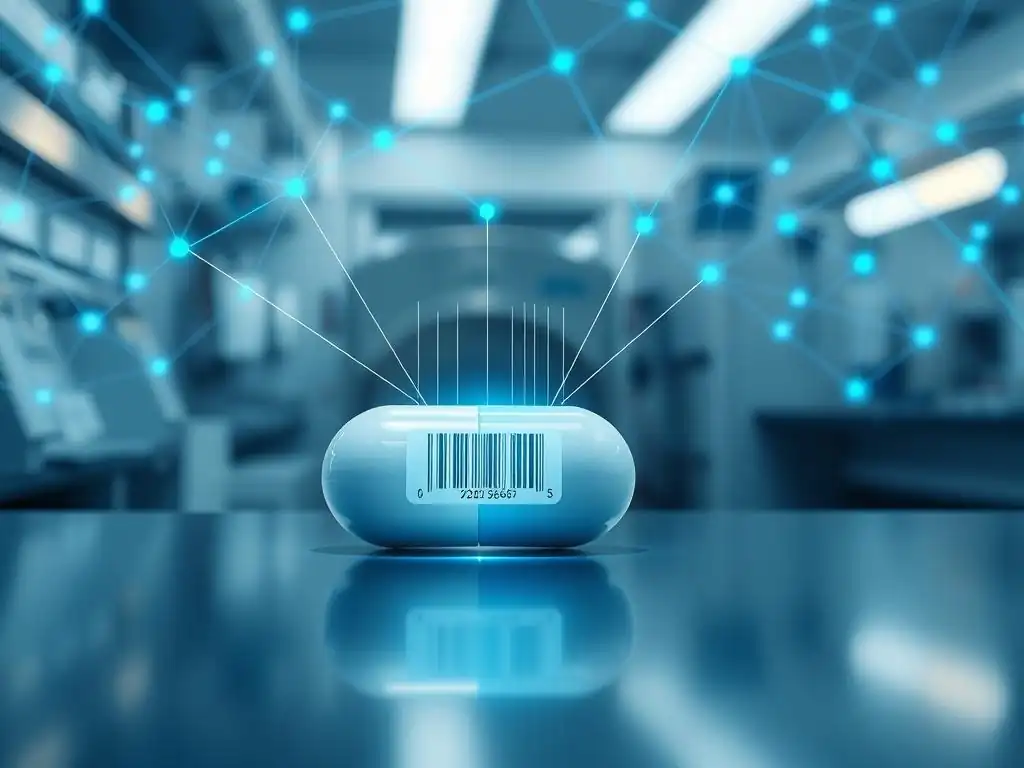
Enhanced Supply Chain Transparency and Accountability
Implementing blockchain technology creates an unprecedented level of transparency across the pharmaceutical supply chain. Every movement, transaction, and change in custody for a specific drug package is recorded on a shared, distributed ledger that authorized parties can access. This eliminates the data silos that exist with current centralized or fragmented systems. With this shared, verifiable record, all participants – manufacturers, wholesalers, distributors, pharmacies, and regulators – have access to the same trusted information about a drug's provenance and journey.
This enhanced transparency fosters greater accountability among supply chain partners. Any discrepancy, delay, or unauthorized handling becomes immediately visible on the blockchain. This makes it significantly harder for counterfeit products to enter the legitimate supply chain undetected, as their lack of a verifiable blockchain history or a history that deviates from the expected path would flag them as suspicious. This improved visibility is a direct benefit of blockchain combatting fake pharmaceuticals.
Improved Patient Safety and Trust in Medications
Ultimately, the goal of securing the pharmaceutical supply chain is to protect patients. By ensuring that the medications reaching patients are authentic and have followed a secure path, blockchain technology directly enhances patient safety. Patients can have increased confidence that the drugs they receive are legitimate, contain the correct ingredients, and have been handled appropriately throughout their journey.
The potential for patient-facing applications that allow verification of medication authenticity via a simple scan further empowers individuals and builds trust in the pharmaceutical ecosystem. Knowing that a drug's history is recorded on an immutable ledger accessible for verification provides a layer of assurance that current systems struggle to deliver consistently. This focus on verifiable authenticity at the point of care is a critical advantage of blockchain fighting fake pharma.
Reduced Financial Losses Due to Counterfeit Drugs
Counterfeit drugs result in substantial financial losses for legitimate pharmaceutical companies, governments, and healthcare systems. These losses stem from lost sales of genuine products, costs associated with investigating and seizing fake drugs, legal fees, and damage to brand reputation. Estimates of financial losses due to counterfeit drugs vary but are often cited in the tens of billions of dollars annually worldwide.
By making it significantly harder for counterfeit products to infiltrate the supply chain and easier to detect them when they do, blockchain technology can help reduce these financial burdens. Preventing counterfeits from reaching the market protects legitimate revenue streams and avoids the costly process of recalls, investigations, and managing the fallout from patient harm. Reducing the prevalence of fake drugs through enhanced security is a clear economic benefit of blockchain combatting fake pharmaceuticals.
Streamlined Regulatory Compliance and Reporting
Pharmaceutical supply chain regulations, such as the DSCSA in the US and the FMD in Europe, mandate detailed tracking and reporting requirements. Compliance with these regulations can be complex and burdensome for companies operating across different systems and jurisdictions. Blockchain can potentially streamline these processes.
By creating a standardized, immutable record of all required transaction data on a shared ledger, blockchain simplifies the collection and reporting of compliance information. Regulators could potentially gain permissioned access to the blockchain to verify compliance directly, rather than relying solely on data submitted by individual companies. This shared, verifiable data source can reduce the administrative burden for businesses and improve the efficiency and effectiveness of regulatory oversight, making compliance with rules designed for blockchain combatting fake pharmaceuticals more manageable.
Challenges and Considerations for Blockchain Implementation in the Pharmaceutical Industry
Scalability and Interoperability of Blockchain Solutions
One significant challenge for widespread blockchain adoption in the pharmaceutical industry is scalability. The sheer volume of transactions occurring daily in the global drug supply chain – involving billions of individual drug packages – requires a blockchain network capable of handling a massive throughput of data efficiently and cost-effectively. Public blockchains like Bitcoin or Ethereum, while highly decentralized, may not currently offer the transaction speed or privacy required for enterprise supply chains. Permissioned blockchains, while faster, still need to demonstrate they can handle the peak loads of a global industry.
Furthermore, interoperability is crucial. The pharmaceutical supply chain involves numerous diverse companies using different internal systems. Any blockchain solution must be able to seamlessly integrate with existing legacy systems (like ERP and WMS) and potentially interoperate with other blockchain networks or data-sharing platforms that may emerge. Ensuring smooth data flow between disparate systems and the blockchain is a complex technical hurdle for blockchain solutions against counterfeit drugs.
Data Privacy and Security Concerns in a Decentralized System
While blockchain is inherently secure due to its cryptographic nature and distribution, implementing it in a highly regulated industry like pharmaceuticals raises specific data privacy concerns. Information about drug movements, quantities, and destinations can be highly sensitive and proprietary. Companies need assurances that commercially sensitive data, such as pricing or customer information, is protected while still allowing necessary transparency for verification purposes.
Permissioned blockchain networks, where participation is restricted and identities are known, offer more control over data access than public blockchains. However, careful design is needed to ensure that sensitive data is either encrypted, hashed, or kept off-chain with only relevant proofs stored on the ledger, while still maintaining the necessary level of transparency for tracking and verification. Balancing the need for verifiable data with strict privacy requirements is a key consideration for blockchain combatting fake pharmaceuticals.
Regulatory Hurdles and Industry Adoption Rates
The pharmaceutical industry is heavily regulated, and the introduction of a new technology like blockchain requires careful consideration of existing laws and potential new regulations. Regulators need to understand how blockchain solutions meet or exceed current requirements for track-and-trace, data integrity, and security. Gaining regulatory approval or endorsement for blockchain-based processes can be a lengthy and complex process.
Furthermore, industry adoption rates can be slow. Implementing blockchain requires significant investment in technology, infrastructure, and training. It also necessitates collaboration among competitors and supply chain partners who may be hesitant to share data or adapt existing processes. Achieving widespread adoption across the entire supply chain, involving potentially thousands of disparate entities globally, is a major undertaking that requires overcoming inertia and fostering a collaborative environment for blockchain fighting fake pharma.
The Cost of Implementing Blockchain Solutions for Pharma
Implementing enterprise-grade blockchain solutions in the pharmaceutical industry is not inexpensive. Costs can include:
- Technology Development: Building or licensing a suitable blockchain platform.
- Integration: Connecting the blockchain system with existing legacy IT infrastructure (ERP, WMS, serialization systems).
- Hardware and Infrastructure: Setting up and maintaining the necessary network nodes.
- Training: Educating personnel across the supply chain on using the new system.
- Ongoing Maintenance and Governance: Managing the network, updating protocols, and governing participation.
While the long-term benefits in terms of reduced losses and improved efficiency can outweigh these initial costs, the upfront investment can be a barrier, particularly for smaller companies in the supply chain. Demonstrating a clear return on investment and establishing cost-sharing models across the network participants are crucial for driving adoption of blockchain solutions against counterfeit drugs.
The Future of Blockchain in Pharma: Trends and Predictions
Emerging Blockchain Technologies for Drug Supply Chain Management
The field of blockchain technology is rapidly evolving, with new platforms and protocols emerging that address some of the current limitations. Next-generation blockchain platforms are focusing on improving scalability, transaction speed, and energy efficiency. Developments in areas like sharding, layer-2 scaling solutions, and different consensus mechanisms (beyond Proof-of-Work) are promising for handling the high volume of pharmaceutical transactions.
Furthermore, advancements in privacy-preserving technologies like zero-knowledge proofs (ZKPs) are becoming increasingly relevant. ZKPs allow one party to prove that a statement is true to another party, without revealing any information beyond the validity of the statement itself. This could enable verifying sensitive data points on the blockchain (e.g., confirming a drug's legitimacy) without exposing the underlying confidential details, addressing critical privacy concerns for blockchain combatting fake pharmaceuticals.
The Role of AI and IoT in Enhancing Blockchain's Capabilities
The integration of Artificial Intelligence (AI) and the Internet of Things (IoT) can significantly enhance the power of blockchain in securing the pharmaceutical supply chain. IoT sensors can be attached to drug shipments to monitor crucial environmental conditions like temperature, humidity, and location in real-time. This data can be automatically recorded onto the blockchain, creating an immutable record of storage and transit conditions, which is vital for maintaining drug efficacy and safety.
AI can be applied to analyze the vast amounts of data collected on the blockchain. By identifying patterns or anomalies in transaction histories, shipping routes, or verification requests, AI algorithms can proactively detect suspicious activities or potential counterfeit products entering the supply chain. For instance, an AI could flag a batch of drugs that is being verified in an unexpected geographic location or shows unusual transaction velocity. This combination of IoT for data collection, blockchain for secure recording, and AI for analysis creates a powerful defense system for blockchain fighting fake pharma.
The Potential for Global Collaboration and Standardization in Blockchain-Based Pharma Solutions
Counterfeit pharmaceuticals are a global problem requiring a global solution. The true potential of blockchain in combating this threat will be realized through international collaboration and standardization. Establishing common data standards and interoperability protocols for blockchain networks used in pharma across different countries and regions is essential. This would allow for seamless tracking and verification of drugs as they cross international borders, preventing vulnerabilities at transition points.
Industry consortia, regulatory bodies, and international organizations have a crucial role to play in driving this standardization and fostering collaboration among diverse stakeholders worldwide. Developing shared governance models for these global networks will be key to ensuring trust, security, and widespread participation. A unified, globally interconnected network built on common standards offers the most robust framework for blockchain solutions against counterfeit drugs on a truly global scale.
Conclusion: Blockchain as a Critical Tool in Combating Counterfeit Pharmaceuticals
Recap of Blockchain's Advantages in Securing the Pharma Supply Chain
The escalating threat of counterfeit pharmaceuticals demands advanced security measures, and blockchain technology offers a compelling solution. Its core features – decentralization, immutability, transparency, and traceability – provide significant advantages over traditional systems. By creating a permanent, verifiable record of a drug's journey from manufacturer to patient, blockchain makes it exceedingly difficult for counterfeit products to infiltrate the legitimate supply chain undetected.
The ability to track every handoff, verify authenticity at multiple points, and provide a single source of truth for product information enhances supply chain integrity, improves patient safety, reduces financial losses for the industry, and streamlines regulatory compliance. While challenges related to scalability, interoperability, privacy, cost, and adoption remain, the potential benefits of blockchain combatting fake pharmaceuticals are too significant to ignore.
The Importance of Continued Innovation and Adoption of Blockchain Technology
Addressing the global counterfeit drug problem effectively requires ongoing innovation and widespread adoption of robust technologies like blockchain. Continued research and development are needed to enhance blockchain's scalability, improve privacy features, and develop user-friendly interfaces for all stakeholders, including healthcare professionals and potentially patients.
Equally important is driving adoption across the diverse and complex pharmaceutical ecosystem. This requires collaboration among manufacturers, distributors, wholesalers, pharmacies, hospitals, technology providers, and regulatory bodies. Pilot programs and consortia like the MediLedger Network demonstrate that industry-led initiatives are crucial in proving the technology's viability and building consensus for broader implementation of blockchain fighting fake pharma.
Call to Action: Stakeholders Working Together to Eradicate Fake Drugs
Eradicating fake drugs is a shared responsibility. Pharmaceutical companies must invest in secure supply chain technologies. Distributors and pharmacies must adopt verification systems. Regulators must provide clear guidelines and support for the implementation of innovative solutions like blockchain. Technology providers must continue to refine their platforms to meet the specific needs of the highly regulated pharma sector.
Ultimately, combating counterfeit pharmaceuticals requires a united front. By working together to implement and leverage the power of blockchain technology, stakeholders across the global supply chain can build a more secure, transparent, and trustworthy system, protecting patients and safeguarding public health from the scourge of fake medicines. The time for widespread adoption of blockchain solutions against counterfeit drugs is now.
Frequently Asked Questions
How can blockchain technology help in combating the problem of counterfeit drugs?
Blockchain creates a transparent and immutable record of a drug's journey from manufacturer to consumer. This traceability makes it much harder for counterfeit drugs to enter the supply chain, as any discrepancies are easily identified.
What are some of the key benefits of using blockchain for pharmaceutical supply chain management?
The main benefits include enhanced security against tampering, improved supply chain visibility, and increased consumer trust in the authenticity of medications. This helps protect public health.
What role does DeFi (Decentralized Finance) play in blockchain solutions for the pharmaceutical industry?
While not directly related to tracking, DeFi could potentially facilitate secure and transparent payments within the pharmaceutical supply chain. This can help reduce fraud and improve efficiency in financial transactions.
What regulatory hurdles need to be overcome for widespread adoption of blockchain in the pharmaceutical industry?
Clear and consistent regulatory frameworks are needed to address data privacy, security standards, and liability concerns. International cooperation is crucial for global supply chains.
What is the future outlook for blockchain's role in ensuring the authenticity and safety of pharmaceuticals?
The future looks promising, with increased adoption expected as awareness grows and blockchain solutions become more mature. This will lead to a more secure and transparent pharmaceutical industry, protecting patients.
Final Reflection: Securing Health, One Block at a Time
The fight against counterfeit pharmaceuticals is far from over, but the potential of blockchain technology as a powerful weapon is undeniable. The ability to create transparent, immutable records of a drug's journey from manufacturer to patient offers a tangible solution to a problem that claims countless lives and erodes trust in healthcare systems worldwide. This isn't just about technology; it's about safeguarding public health and ensuring access to genuine medication.
The insidious nature of fake pharmaceuticals has deeply impacted the global landscape, fostering fear and distrust. Witnessing the potential of blockchain to restore confidence in the supply chain is not just professionally rewarding, but personally meaningful. The best way to predict the future is to create it.
- Peter Drucker. This quote resonates deeply, as blockchain offers us the opportunity to actively shape a safer, healthier future by combating the scourge of counterfeit drugs.
Now, consider the implications of this technology in your own life. How can you, as a consumer, advocate for greater transparency and accountability in the pharmaceutical industry? Educate yourself, demand verifiable information, and support initiatives that leverage blockchain to combat fake pharmaceuticals. The power to protect yourself and your loved ones lies, in part, in embracing innovative solutions and demanding a future where access to safe and effective medication is a fundamental right, not a gamble.
Empower Yourself: Secure Your Health Journey!
Thank you for exploring the vital role of blockchain in fighting counterfeit drugs. You now see how this technology can transform pharmaceutical safety and help protect consumers. Let’s put this knowledge into action to create a healthier future!
Here’s how you can get involved:
- Demand Transparency: Ask your pharmacist or healthcare provider whether your medications are tracked using blockchain technology. This simple question can raise awareness and promote broader adoption.
- Explore Further: Look into blockchain-based pharmaceutical tracking projects in your area. Identify leading companies and initiatives working to combat counterfeit drugs and learn about their methods.
- Share the Knowledge: Talk about what you've learned with friends, family, and online communities. Raising awareness about the dangers of counterfeit medicines and the role of blockchain can make a real difference.
What questions will you ask your pharmacist next time you fill a prescription? Share your thoughts and ideas in the comments below!
Leave a Reply