
Decentralized Social Media Platforms: Powered by Blockchain & AI for User Empowerment and Control

Welcome to Blockchain Trends, your compass in the rapidly evolving world of decentralized technologies.
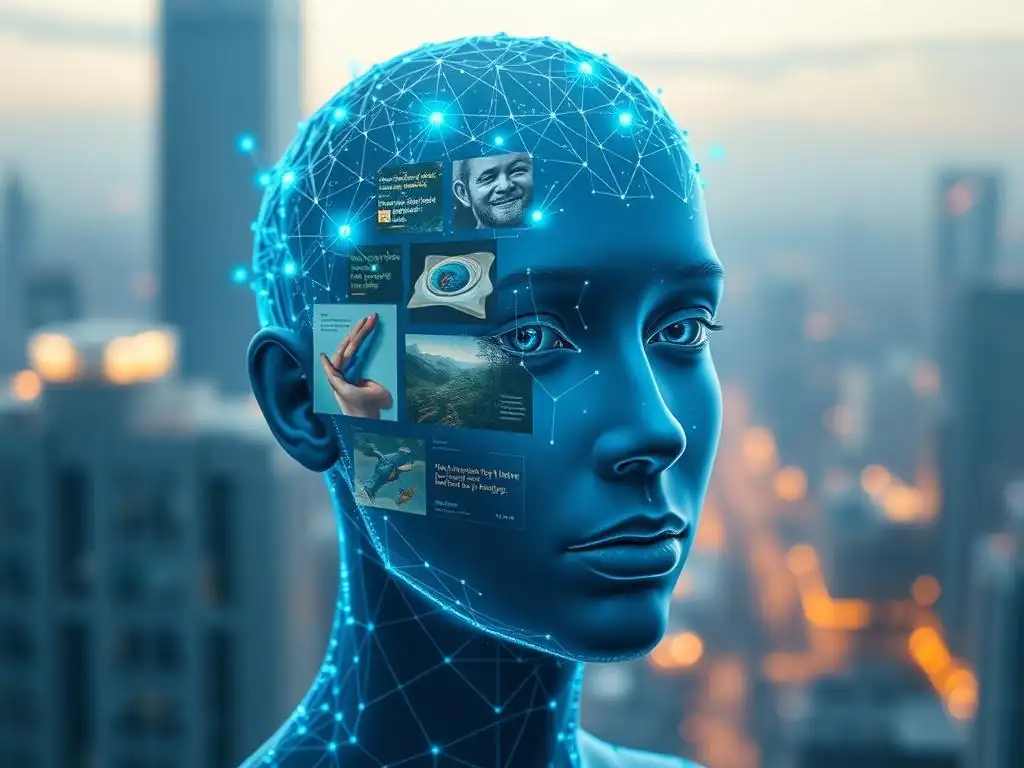
Are you ready to reclaim your digital identity? This article dives deep into the revolutionary concept of blockchain social media control, exploring how this convergence of blockchain and AI empowers users and shifts the balance of power away from centralized platforms. Discover how this transformative synergy is shaping the future of online interaction and data ownership. Prepare to unlock the potential of decentralized systems and understand how you can take back control.
Decentralized Social Media Platforms: Blockchain & AI for User Empowerment
- Introduction: Reclaiming Social Media
- Understanding Decentralized Social Media Platforms
- Benefits of Decentralized Social Media
- Exploring Existing Decentralized Social Media Platforms
- Challenges and Opportunities for Decentralized Social Media Adoption
- The Future of Social Media: Blockchain, AI, and User Empowerment
- Conclusion: Embracing Decentralized Social Media
-
Frequently Asked Questions
- How does blockchain technology empower users in decentralized social media platforms?
- What role does AI play in enhancing user experience and content moderation on these platforms?
- What are the primary benefits of using a blockchain-based social media platform compared to traditional platforms?
- How do decentralized social media platforms address the challenges of scalability and transaction costs?
- What regulatory challenges do decentralized social media platforms face, and how can they be addressed?
- Final Reflection: Embracing the Future of Digital Sovereignty
- Embrace the Future: Reimagine Your Social Experience!
Today's social media landscape is dominated by a few centralized giants. Platforms like Facebook, X (formerly Twitter), and Instagram control vast amounts of user data, algorithms, and content moderation policies. This centralization raises significant concerns regarding user privacy, data security, and freedom of expression.
For example, Cambridge Analytica scandal revealed how user data on Facebook could be harvested without explicit consent and used for targeted political advertising, affecting millions of users and raising serious ethical questions about data control. Furthermore, platform algorithms, often opaque and constantly changing, dictate content visibility, potentially creating echo chambers and filter bubbles, limiting users' exposure to diverse perspectives. This centralized power structure leaves users with limited agency over their online experiences and data.
Blockchain and Artificial Intelligence (AI) offer promising solutions to address the inherent problems of centralized social media. Blockchain technology, with its decentralized and transparent nature, can empower users with data ownership and control. AI, on the other hand, can enhance platform functionality in decentralized environments, particularly in areas like content moderation and personalization, without compromising user privacy.
The synergy of blockchain and AI can pave the way for a new generation of social media platforms that prioritize user empowerment, data security, and freedom of expression. Imagine a social network where users truly own their data, control their online identity, and participate in platform governance, all powered by the secure and transparent foundation of blockchain and intelligent AI systems that assist in maintaining a healthy and engaging environment.
Decentralized social media platforms represent a paradigm shift in how we interact online. Moving away from centralized control, these platforms leverage blockchain technology to distribute power and data ownership back to the users. This decentralized architecture aims to create a more democratic and equitable social media ecosystem.
Instead of a single entity dictating the rules and profiting from user data, decentralized platforms envision a network where users are active participants in governance, benefit from their contributions, and have greater control over their digital footprint. This new paradigm is not just about technology; it’s about redefining the social contract of online interactions and fostering a more user-centric internet.
Decentralized social media refers to platforms built on blockchain technology, distributing control and data across a network of users rather than a central authority. Unlike traditional social media companies that own user data and platform infrastructure, decentralized platforms aim to empower users with ownership and governance.
Key principles of decentralized social media include data sovereignty, meaning users control their personal information; transparency, with open-source code and on-chain transactions; censorship resistance, making it difficult for any single entity to remove content or restrict access; and community governance, allowing users to participate in platform decision-making. These principles collectively strive to create a more democratic, transparent, and user-centric social media experience, fundamentally altering the power dynamics of online interaction.
Data Ownership and Control
Blockchain-based social media platforms prioritize data ownership and control for users. In contrast to centralized platforms where user data is stored in proprietary databases and controlled by the company, decentralized platforms often allow users to store their data on the blockchain or in decentralized storage solutions. This means users have direct control over their personal information and decide who can access it and how it is used.
For instance, platforms using technologies like IPFS (InterPlanetary File System) enable users to host their content in a distributed manner, further reinforcing data ownership and reducing reliance on centralized servers. This fundamental shift in data control is a cornerstone of blockchain social media, empowering individuals and enhancing privacy.
Enhanced Privacy and Security
Decentralization inherently enhances privacy and security in social media. Blockchain's cryptographic nature provides robust security for user data, making it significantly harder for data breaches and unauthorized access compared to centralized systems. Furthermore, many decentralized social media platforms are designed with privacy-preserving features, such as end-to-end encryption for messaging and anonymous accounts. For example, some platforms utilize zero-knowledge proofs to verify user identity or information without revealing the underlying data itself, further enhancing privacy. This focus on security and privacy is a key differentiator, addressing growing user concerns about data exploitation and surveillance in the traditional social media landscape.
Censorship Resistance
Censorship resistance is a core tenet of decentralized social media. By distributing content across a blockchain network, it becomes extremely difficult for any single entity, including platform operators or governments, to censor or remove information. The immutable nature of blockchain ensures that once content is published, it remains permanently accessible, resisting attempts at deletion or manipulation. This feature is particularly valuable in regions with restrictive internet environments or for individuals seeking to express dissenting opinions without fear of censorship. Decentralized platforms, therefore, offer a haven for free speech and open communication, promoting a more democratic and inclusive online discourse.
Tokenized Economies
Many decentralized social media platforms incorporate tokenized economies to incentivize user participation and contribution. These platforms often issue native cryptocurrencies or tokens that users can earn by creating content, curating content, participating in governance, or contributing to the platform ecosystem. These tokens can then be used within the platform for various purposes, such as tipping creators, accessing premium features, or participating in platform governance decisions.
This tokenization model aligns incentives between the platform and its users, rewarding valuable contributions and fostering a more engaged and vibrant community. Furthermore, it provides creators with direct revenue streams, potentially bypassing traditional advertising-based monetization models that often favor platforms over content creators.
Content Moderation
AI plays a crucial role in content moderation within decentralized social media platforms. While decentralization aims for censorship resistance, it also necessitates effective mechanisms to address harmful content, such as hate speech, spam, and illegal material. AI-powered content moderation tools can be deployed to automatically detect and flag potentially problematic content, assisting community moderators in maintaining a safe and healthy environment.
For instance, AI algorithms can be trained to identify patterns of hate speech or misinformation, allowing for faster and more efficient moderation compared to purely manual approaches. However, it's crucial to implement AI moderation in a transparent and accountable manner, ensuring that users have recourse against algorithmic biases or errors, maintaining the principles of decentralization and user empowerment.
Personalized User Experience
AI can enhance the user experience in decentralized social media through personalization without compromising privacy. AI algorithms can analyze user interactions and preferences to provide personalized content recommendations, filter irrelevant information, and improve content discovery. Unlike centralized platforms that collect vast amounts of user data for personalization, decentralized platforms can leverage privacy-preserving AI techniques, such as federated learning, where AI models are trained on decentralized data sources without directly accessing or aggregating user data. This allows for personalized experiences while upholding user privacy and data sovereignty, demonstrating the potential for AI to enhance decentralized systems responsibly.
Combating Misinformation
Combating misinformation is a critical challenge for all social media platforms, and decentralized platforms are no exception. AI can be a valuable tool in identifying and mitigating the spread of misinformation in decentralized environments. AI algorithms can be trained to detect patterns of misinformation, verify information from credible sources, and flag potentially false or misleading content.
Decentralized platforms can also leverage blockchain's transparency to track the provenance of information and identify sources of misinformation. By combining AI-powered detection with blockchain-based transparency, decentralized social media platforms can strive to create more reliable and trustworthy information ecosystems, addressing a key concern in the current digital age.
Increased User Privacy and Data Security
Blockchain's Data Protection
Blockchain technology inherently enhances data protection in social media. The cryptographic nature of blockchain secures user data through encryption and distributed storage, making it significantly more resistant to hacking and data breaches compared to centralized databases. Data stored on a blockchain is also immutable, meaning it cannot be easily altered or tampered with, further enhancing data integrity and security. This robust data protection offered by blockchain is a fundamental advantage of decentralized social media, addressing growing user concerns about data vulnerability and exploitation in traditional platforms.
Encryption and Anonymity
Decentralized social media platforms often leverage encryption and anonymity to further enhance user privacy. End-to-end encryption ensures that messages are only readable by the sender and recipient, protecting communication from eavesdropping. Anonymity features, such as pseudonymous accounts and privacy-focused cryptocurrencies, can provide users with greater control over their online identity and reduce the risk of surveillance and tracking. These privacy-enhancing technologies empower users to engage in online interactions with greater confidence and security, fostering a more private and liberating social media experience.
Enhanced Freedom of Speech and Censorship Resistance
Immutability and Content Preservation
The immutability of blockchain is a cornerstone of censorship resistance in decentralized social media. Once content is recorded on a blockchain, it becomes extremely difficult, if not impossible, to delete or alter it. This ensures content preservation and prevents arbitrary censorship by platform operators or external entities. This immutability is particularly crucial for protecting freedom of expression and preserving historical records of online discourse, creating a more resilient and open information ecosystem.
Platform for Diverse Voices
Decentralized social media platforms can provide a platform for diverse voices and perspectives, especially those that may be marginalized or censored on centralized platforms. The censorship-resistant nature of decentralized platforms allows for a wider range of opinions and viewpoints to be expressed and shared, fostering a more inclusive and democratic online discourse. This can empower marginalized communities, activists, and independent journalists to share their stories and perspectives without fear of suppression, contributing to a richer and more representative public sphere.
Fairer Compensation for Content Creators
Tokenized Rewards
Tokenized economies in decentralized social media offer fairer compensation for content creators. Instead of relying solely on advertising revenue that primarily benefits the platform, creators on decentralized platforms can earn tokens directly from their audience through tips, subscriptions, or platform rewards. This direct monetization model allows creators to capture a greater share of the value they generate, fostering a more sustainable and equitable creator economy. For example, platforms like Steemit and Hive have experimented with rewarding content creators with cryptocurrency tokens based on community upvotes and engagement, demonstrating the potential of tokenized rewards.
Direct Revenue Streams
Decentralized platforms can facilitate direct revenue streams for content creators, reducing reliance on intermediaries and platform gatekeepers. Through blockchain-based micro-payments and smart contracts, creators can receive direct payments from users for their content or services, bypassing traditional payment processors and platform fees. This disintermediation empowers creators to build direct relationships with their audience and retain a larger portion of their earnings, fostering a more sustainable and independent creator ecosystem.
Community Governance and User Empowerment
Decentralized Decision-Making
Decentralized social media platforms often incorporate community governance mechanisms, allowing users to participate in platform decision-making. This can involve voting on platform upgrades, content moderation policies, or the allocation of platform resources. Decentralized governance models empower users to shape the direction of the platform and ensure that it aligns with the community's values and interests. This participatory approach fosters a sense of ownership and collective responsibility, creating a more democratic and user-centric platform governance model.
User Influence
User influence is amplified in decentralized social media through community governance and tokenized participation. Users who actively contribute to the platform, whether through content creation, curation, or governance participation, can gain influence and reputation within the community. Tokenized governance models can also grant users voting rights proportional to their token holdings or contributions, further empowering active and engaged community members. This user-centric approach to influence and governance contrasts sharply with centralized platforms where power is concentrated in the hands of platform owners and executives.
Mastodon: Features, Functionality, and User Base
Mastodon is a free, open-source, decentralized social network. It functions much like X (formerly Twitter) but is organized as a network of independent servers, called "instances," that communicate with each other. Users choose an instance to join, often based on interests or community guidelines, and can interact with users on other instances.
Mastodon emphasizes user control, privacy, and community moderation. As of late 2023, Mastodon reported over 10 million registered users across its network, showcasing a significant and growing user base seeking alternatives to centralized platforms. Its federation model allows for diverse communities to thrive while maintaining interoperability and user choice.
Lens Protocol: Innovation in Decentralized Social Interaction
Lens Protocol is a decentralized social graph built on the Polygon blockchain. It allows creators to own the connections between themselves and their community, forming a user-owned social graph. Users control their profiles, content, and followership data as NFTs (Non-Fungible Tokens). Lens Protocol is designed to be composable, enabling developers to build various social media applications on top of it, fostering innovation and interoperability within the decentralized social media space. Platforms like Lenster and Orb.club are built on Lens Protocol, showcasing its potential to power a diverse ecosystem of decentralized social applications and redefine social interaction online.
Peepeth: Focusing on Microblogging and Ethereum Integration
Peepeth is a decentralized microblogging platform built on the Ethereum blockchain. It emphasizes immutability and censorship resistance, with all posts permanently recorded on the Ethereum blockchain. Peepeth focuses on short-form content similar to X (formerly Twitter) and integrates with the Ethereum ecosystem, allowing for features like tokenized tips and content monetization through Ethereum transactions. While having a smaller user base compared to Mastodon, Peepeth represents an early example of blockchain-based social media focused on immutability and direct integration with cryptocurrency infrastructure, highlighting the potential for blockchain to underpin core social media functionalities.
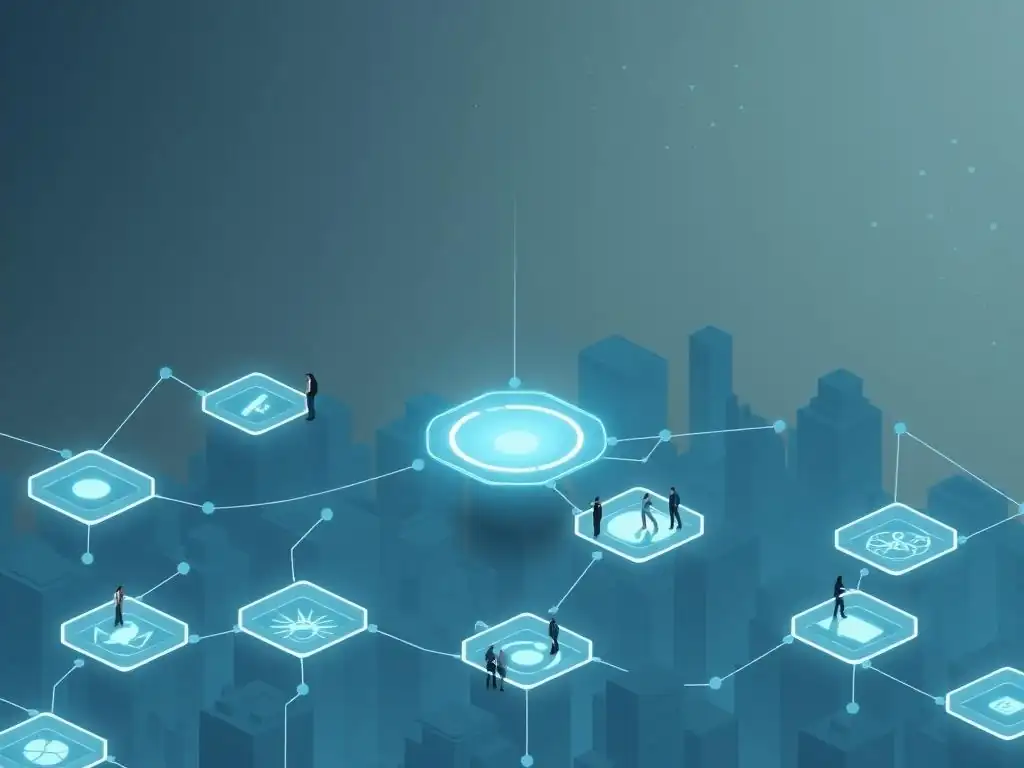
Decentralized social media platforms adopt various approaches in their architecture and functionality. Mastodon utilizes a federated model, distributing control across independent instances, while Lens Protocol focuses on a user-owned social graph, and Peepeth prioritizes on-chain immutability. Each approach offers different trade-offs in terms of scalability, user experience, and censorship resistance. Federated models like Mastodon offer greater scalability and flexibility but may still face challenges with content moderation across instances.
User-owned social graphs like Lens Protocol empower users with data ownership but require a robust ecosystem of applications to fully realize their potential. On-chain immutability, as seen in Peepeth, provides strong censorship resistance but can lead to higher transaction costs and scalability limitations on blockchains like Ethereum. The diverse approaches reflect the ongoing experimentation and innovation in the decentralized social media space as platforms strive to find the optimal balance between decentralization, functionality, and user adoption.
Scalability and Performance
Addressing Transaction Speed
Scalability and performance remain significant challenges for blockchain-based social media adoption. Many blockchains, particularly those used in early decentralized social media platforms, have limitations in transaction speed and throughput, which can impact user experience. For example, early Ethereum-based platforms faced congestion and high transaction fees, hindering smooth user interactions. Solutions like layer-2 scaling solutions (e.g., Polygon, Optimism) and newer, more scalable blockchains are being explored to address these limitations and improve transaction speed, making decentralized social media platforms more responsive and user-friendly.
Optimizing Blockchain Infrastructure
Optimizing blockchain infrastructure is crucial for the widespread adoption of decentralized social media. This includes improving blockchain scalability, reducing transaction costs, and enhancing network efficiency. Research and development efforts are focused on developing more efficient consensus mechanisms, sharding techniques, and off-chain solutions to handle the high volume of transactions and data associated with social media applications.
Optimizing storage solutions, such as decentralized file storage systems like IPFS, is also essential for efficiently managing the large amounts of user-generated content in decentralized social media. Continued innovation in blockchain infrastructure is vital for overcoming scalability challenges and enabling decentralized social media to compete with centralized platforms in terms of performance and user experience.
User Experience and Onboarding
Simplifying the Transition
User experience and onboarding are critical factors for mainstream adoption of decentralized social media. Many users are accustomed to the ease of use and intuitive interfaces of centralized platforms. Decentralized platforms need to simplify the transition for new users, making onboarding processes seamless and user interfaces intuitive and user-friendly. This includes simplifying wallet management, abstracting away blockchain complexities, and providing clear and accessible user guides and tutorials. Improving user experience is paramount to attracting a broader user base beyond early adopters and making decentralized social media accessible to the average internet user.
Creating Intuitive Interfaces
Creating intuitive interfaces is essential for making decentralized social media appealing to a wider audience. Many early decentralized platforms had clunky interfaces and complex functionalities, hindering user adoption. Focusing on user-centered design, conducting usability testing, and incorporating familiar design patterns from traditional social media can help create more intuitive and user-friendly interfaces for decentralized platforms. Simplifying navigation, streamlining content creation and discovery, and providing clear visual cues can significantly improve user experience and make decentralized social media more accessible and engaging for mainstream users.
Regulatory Landscape and Compliance
Navigating Legal Challenges
The regulatory landscape for decentralized social media is still evolving and presents significant challenges. Decentralized platforms operate across jurisdictions and may face regulatory uncertainty regarding data privacy, content moderation, and platform liability. Navigating these legal complexities and ensuring compliance with relevant regulations is crucial for the long-term sustainability of decentralized social media. Engaging with regulators, adopting privacy-preserving technologies, and establishing clear terms of service and community guidelines are essential steps for decentralized platforms to operate responsibly and mitigate legal risks.
Ensuring Data Privacy Compliance
Ensuring data privacy compliance is paramount for decentralized social media platforms, especially in light of regulations like GDPR and CCPA. While decentralization inherently enhances privacy, platforms still need to implement measures to comply with data privacy regulations. This includes providing users with control over their data, implementing data minimization principles, and ensuring transparency in data processing practices. Utilizing privacy-enhancing technologies, such as encryption and differential privacy, can further strengthen data privacy compliance and build user trust in decentralized social media platforms.
Opportunities for Innovation and Growth
Potential for New Features
Decentralized social media platforms offer significant opportunities for innovation and the development of new features. The composable nature of blockchain and decentralized technologies allows for the integration of novel functionalities, such as decentralized identity management, tokenized reputation systems, and decentralized autonomous organizations (DAOs) for community governance. Exploring new forms of content creation, curation, and monetization, enabled by blockchain and AI, can further differentiate decentralized platforms and attract users seeking more innovative and engaging social media experiences.
Expanding Reach and Impact
Decentralized social media has the potential to expand the reach and impact of social media globally. By providing censorship-resistant platforms and empowering marginalized communities, decentralized social media can facilitate access to information and freedom of expression in regions with restrictive internet environments. Furthermore, the global and borderless nature of blockchain enables decentralized platforms to reach a global audience and foster cross-cultural communication and collaboration. Expanding reach and impact through inclusivity and accessibility is a key opportunity for decentralized social media to become a truly global and empowering force.
The future of social media is likely to be increasingly decentralized, with blockchain and AI playing pivotal roles in shaping this evolution. Predictions include the rise of more user-owned and user-governed social platforms, a greater emphasis on data privacy and security, and the integration of tokenized economies to incentivize user participation and reward content creators fairly.
We can expect to see further innovation in decentralized social media features, user experience, and scalability, making these platforms more accessible and appealing to mainstream users. Decentralized social media is poised to become a significant force in the social media landscape, challenging the dominance of centralized platforms and empowering users with greater control and agency.
Impact on Content Creation and Consumption
Decentralized social media will likely have a profound impact on content creation and consumption. By empowering creators with direct monetization and greater control over their content, decentralized platforms can foster a more vibrant and diverse creator ecosystem. Tokenized rewards and community governance can incentivize higher quality content and more engaged communities. Users will have greater control over their content feeds and algorithms, leading to more personalized and relevant content consumption experiences. Decentralized social media has the potential to shift the power dynamics of content creation and consumption, fostering a more equitable and user-centric ecosystem.
Blockchain and AI as Drivers of Transparency and Equity
Blockchain and AI will be key drivers of transparency and equity in the future of social media. Blockchain's transparency and immutability can enhance accountability and trust in platform operations and content moderation processes. AI can be used to promote fairness and reduce bias in algorithms and content recommendations. Decentralized governance models can empower users to participate in platform decision-making and ensure that platforms operate in a transparent and equitable manner. The synergy of blockchain and AI can create a more transparent, equitable, and user-centric social media landscape, addressing many of the concerns associated with centralized platforms.
Decentralized social media platforms, powered by blockchain and AI, offer a compelling vision for the future of online interaction. By prioritizing user empowerment, data ownership, and freedom of expression, these platforms address the critical shortcomings of centralized social media.
While challenges remain in areas like scalability and user experience, the potential benefits of decentralized social media – including enhanced privacy, censorship resistance, and fairer compensation for creators – are significant. As technology evolves and user awareness of data privacy and blockchain social media control grows, embracing decentralized social media represents a crucial step towards a more democratic, equitable, and user-centric internet.
Frequently Asked Questions
Blockchain provides users with greater control over their data by enabling decentralized storage and immutable records of their activity. This reduces reliance on centralized servers and prevents unauthorized data manipulation.
What role does AI play in enhancing user experience and content moderation on these platforms?
AI algorithms can assist with content filtering, spam detection, and personalized recommendations, improving user experience and addressing the challenges of moderation in decentralized environments.
Users benefit from increased privacy, data ownership, resistance to censorship, and potential monetization opportunities directly from their content and engagement.
Solutions like Layer-2 scaling and off-chain transactions are being explored to improve the efficiency and reduce the costs associated with using blockchain for social media applications.
These platforms may encounter challenges related to data privacy laws, content liability, and jurisdictional issues. Implementing clear governance models and promoting responsible content moderation are crucial for navigating these complexities.
Final Reflection: Embracing the Future of Digital Sovereignty
The exploration of decentralized social media platforms, powered by blockchain and AI, underscores a critical shift in the digital landscape. The promise of user empowerment and control, fueled by blockchain social media control, is no longer a distant dream but a tangible possibility shaping the future of online interaction. This article has illuminated the potential of these technologies to reshape how we connect, share, and engage in the digital sphere, offering a compelling alternative to the centralized models that have long dominated the internet.
The impact of decentralized social media extends far beyond mere technological innovation. It touches upon fundamental questions of ownership, privacy, and freedom of expression, influencing the very fabric of our digital society. The ability to own our data, control our narratives, and participate in censorship-resistant communities is paramount in an age of increasing digital surveillance and manipulation. The internet was supposed to be a decentralized, open platform. It's time we reclaim that vision and build a future where users are truly in control.
This sentiment echoes the core principles driving the development of blockchain-based social networks, urging us to reconsider the power dynamics inherent in our online interactions.
As we stand at the cusp of this transformative era, let us not be passive observers but active participants in shaping the future of social media. Consider the implications of centralized control over your digital identity and data. Embrace the potential of decentralized platforms to foster genuine connection, empower marginalized voices, and build a more equitable and transparent online world. The power to reclaim your digital sovereignty lies within your hands. Choose wisely, connect consciously, and build the future you want to see.
Thank you for exploring the potential of decentralized social media and how blockchain technology can empower users. Now that you understand how these innovations can transform online interactions, it's time to take control and join the movement.
Here’s how to get started:
- Join a decentralized social network! Choose a platform that aligns with your values—such as Mastodon, Peepeth, or Minds—and create your profile today. This is your first step toward owning your online presence.
- Explore and share insightful articles about decentralization on your current social media channels. Help inform your network about the benefits of these emerging platforms.
- Join the conversation on our community forum and share your thoughts on the future of social media.
Which decentralized platform are you most excited to try, and how do you think it will change your online interactions?
Leave a Reply