
Land Registry Revolution: Blockchain for Transparent and TamperProof Property Records

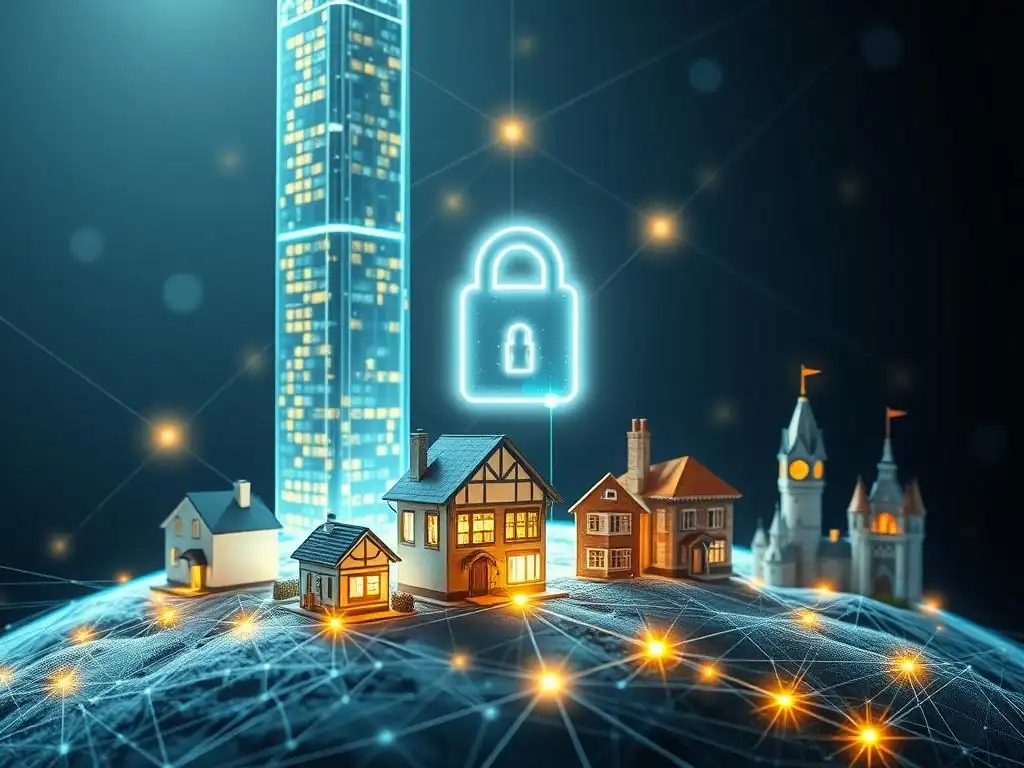
Welcome to Blockchain Trends, your compass in the rapidly evolving world of decentralized technologies. Beyond the hype of cryptocurrencies, lies a vast landscape of transformative potential. Ever wondered how blockchain could revolutionize traditional systems? Dive in and discover how this technology is reshaping industries.
This week, we're exploring a groundbreaking application in our "Blockchain and Governance" series: Blockchain land registry security. Imagine a world where property records are transparent, tamper-proof, and easily accessible. Intrigued? Uncover the potential of blockchain to revolutionize land ownership and governance, and how it could solve some of the most pressing challenges facing property registries worldwide. The journey to a more secure and transparent future starts now.
- Land Registry Revolution: Blockchain for Transparent and Tamper-Proof Property Records
- Blockchain Land Registry Security: A Paradigm Shift
- Overcoming Challenges in Blockchain Land Registry Adoption
- The Future of Land Governance: Blockchain and Beyond
-
Frequently Asked Questions
- What specific security benefits does blockchain offer to land registries?
- How can blockchain improve the efficiency of land registry processes?
- Beyond security and efficiency, what other advantages does blockchain bring to land registries?
- What are the main challenges hindering the widespread adoption of blockchain in land registries?
- How does blockchain enhance trust in land ownership and property rights?
- Final Reflection: Securing the Foundation of Ownership
- Secure Your Future: Explore Blockchain's Land Revolution!
Land Registry Revolution: Blockchain for Transparent and Tamper-Proof Property Records
Introduction: The Need for Secure Land Records
Secure land records are foundational to stable societies and thriving economies. They underpin property rights, facilitate land markets, and enable effective land administration. A robust land registry system provides legal certainty, reduces disputes, and fosters investment in land and property. Without reliable records, land ownership becomes precarious, leading to social unrest, hindering economic development, and creating opportunities for corruption.
Furthermore, secure land records are essential for urban planning, infrastructure development, and environmental protection. They provide the necessary data for governments to manage land resources effectively and ensure equitable access to land for all citizens. The integrity of these records directly impacts the security of individuals' homes, businesses, and livelihoods, highlighting the critical need for systems that are not only efficient but also demonstrably secure and trustworthy.
Problems with Traditional Land Registry Systems
Traditional land registry systems, often reliant on paper-based processes and centralized databases, are plagued by a series of inherent vulnerabilities and inefficiencies. These systems, while serving as the backbone of property ownership for centuries, are now struggling to keep pace with the demands of a rapidly evolving digital world. The limitations of these outdated approaches manifest in several critical areas, undermining their effectiveness and creating significant risks for individuals, businesses, and governments alike. Understanding these shortcomings is crucial to appreciating the transformative potential of blockchain technology in revolutionizing land administration.
Inefficiencies and Delays in Current Property Registration
Current property registration processes are often characterized by bureaucratic red tape, lengthy procedures, and significant delays. In many jurisdictions, registering a property can take weeks, months, or even years, involving multiple government agencies, numerous paper documents, and protracted verification processes. For example, in some developing countries, the average time to register property can exceed 100 days, according to World Bank data.
These delays not only create frustration and uncertainty for property owners but also stifle economic activity by slowing down real estate transactions and hindering access to credit, as property is frequently used as collateral. The inefficiencies stem from manual data entry, lack of interagency communication, and the physical movement of paper documents, all of which contribute to bottlenecks and increased processing times.
Risks of Fraud and Corruption in Land Administration
Traditional land registry systems are vulnerable to fraud and corruption, posing a significant threat to property rights and undermining public trust. Paper-based records are susceptible to tampering, loss, and destruction, making them attractive targets for fraudulent activities. Cases of land grabbing, where individuals or entities illegally seize land, often exploit weaknesses in land administration systems.
Corruption can manifest in various forms, including bribery to alter records, manipulate valuations, or expedite processes. Transparency International consistently highlights land administration as a sector highly susceptible to corruption globally. In countries with weak governance structures, the lack of transparency and accountability in land registries can lead to widespread abuse and dispossession, particularly affecting vulnerable populations and marginalized communities.
Data Integrity Concerns in Centralized Land Databases
Centralized land databases, while representing a step towards modernization, still present data integrity concerns. These systems, while digital, are managed by a single entity, making them potential targets for cyberattacks, data breaches, and internal manipulation. A single point of failure exists, meaning that system failures or malicious actions can compromise the entire database, potentially leading to irreversible data loss or alteration.
Furthermore, access control and data security protocols in centralized systems may not always be robust enough to prevent unauthorized modifications or deletions of records. The reliance on a single authority also raises concerns about data transparency and accountability, as there is no independent verification mechanism to ensure the accuracy and impartiality of the information stored.
Blockchain Land Registry Security: A Paradigm Shift
Blockchain technology offers a paradigm shift in approaching land registry security and efficiency. By leveraging its inherent characteristics of decentralization, immutability, and transparency, blockchain can address many of the vulnerabilities inherent in traditional land administration systems. This innovative technology provides a foundation for creating a more secure, transparent, and efficient system for recording and managing property rights, ultimately fostering greater trust and stability in land governance. The application of blockchain in land registry is not merely a technological upgrade but a fundamental rethinking of how property ownership is recorded and verified.
Understanding Blockchain Technology for Land Titling
Blockchain technology, at its core, is a distributed ledger system that records transactions across a network of computers. This decentralized nature is key to its enhanced security and transparency. Instead of relying on a central authority, information is distributed across multiple nodes, making it incredibly difficult to tamper with or alter. For land titling, blockchain creates a permanent, auditable, and transparent record of land ownership, accessible to authorized parties but resistant to unauthorized modification. This fundamental shift in data management underpins the revolution blockchain promises for land registries.
How Blockchain Ensures Immutability and Transparency
Blockchain ensures immutability through its cryptographic hashing and consensus mechanisms. Each block of transactions is cryptographically linked to the previous block, creating a chain that is virtually impossible to alter retroactively without detection. Any attempt to change a record would require altering all subsequent blocks across the entire network, a computationally infeasible task.
Transparency is achieved by making the ledger accessible to all participants in the network. While privacy can be maintained through permissioned blockchains and data encryption, the verifiable nature of transactions ensures that all changes are auditable and traceable, fostering trust and accountability. This inherent immutability and transparency are crucial for establishing and maintaining secure land records.
Smart Contracts for Automated Property Transfers
Smart contracts, self-executing contracts with the terms of the agreement directly written into code, can automate and streamline property transfers within a blockchain-based land registry. These contracts can be programmed to automatically execute property transfers upon the fulfillment of pre-defined conditions, such as payment completion or legal verification. This automation eliminates intermediaries, reduces paperwork, and accelerates transaction times.
Smart contracts also enhance transparency by making the terms of property transfers publicly auditable and verifiable. For example, a smart contract could automatically update the land registry records upon confirmation of payment in a property sale, ensuring a seamless and secure transfer process.
Decentralized Land Records: Enhanced Security and Accessibility
Decentralized land records, powered by blockchain, offer enhanced security and accessibility compared to traditional centralized systems. By distributing the land registry data across a network, blockchain eliminates the single point of failure vulnerability inherent in centralized databases. If one node is compromised, the integrity of the overall system remains intact due to the distributed nature of the ledger and the consensus mechanisms in place.
Furthermore, decentralized systems can improve accessibility to land records, particularly in remote or underserved areas. Through secure online platforms, authorized stakeholders, including landowners, government agencies, and financial institutions, can access and verify land ownership information, fostering greater inclusivity and efficiency in land administration. This enhanced accessibility, coupled with robust security, makes blockchain a powerful tool for modernizing land registries globally.
Benefits of a Blockchain-Based Land Registry
Implementing a blockchain-based land registry offers a multitude of benefits, addressing the shortcomings of traditional systems and paving the way for more efficient, secure, and equitable land governance. These advantages span from enhanced transparency and reduced fraud to streamlined processes and lower costs, ultimately contributing to greater economic development and social stability. The transformative potential of blockchain in this domain is significant and far-reaching.
Enhanced Transparency and Trust in Property Ownership
Blockchain inherently enhances transparency in property ownership by creating a publicly auditable and verifiable record of land titles. All transactions and changes to land ownership are recorded on the blockchain, providing a clear and immutable history of property rights. This transparency fosters trust among stakeholders, including landowners, government agencies, and the public.
With blockchain, land ownership is no longer shrouded in opaque processes but becomes an open and verifiable record, reducing opportunities for corruption and increasing confidence in the land administration system. The ability to easily verify land ownership online can also empower citizens and promote accountability within government institutions responsible for land management.
Reduced Fraud and Disputes in Land Transactions
The immutability and transparency of blockchain significantly reduce the potential for fraud and disputes in land transactions. Tamper-proof records eliminate the risk of forged documents and fraudulent alterations that plague traditional paper-based systems. The transparent nature of the blockchain makes it difficult to conceal illicit activities or manipulate land records for personal gain. Smart contracts can further minimize disputes by automating property transfers based on pre-defined and transparent conditions, reducing ambiguity and potential disagreements. By creating a secure and auditable record of land ownership, blockchain fosters greater certainty and reduces the incidence of costly and time-consuming land disputes.
Streamlined and Efficient Property Registration Processes
Blockchain can streamline and significantly enhance the efficiency of property registration processes. Automated workflows powered by smart contracts can eliminate many manual steps and bureaucratic delays associated with traditional systems. Digital record-keeping reduces the need for physical document handling and storage, saving time and resources. Interoperability between different government agencies can be improved through blockchain-based platforms, facilitating seamless information sharing and reducing duplication of effort. By automating processes and reducing bureaucratic hurdles, blockchain can significantly shorten the time required for property registration, making it faster, more convenient, and less costly for property owners.
Lower Transaction Costs and Increased Accessibility
Blockchain-based land registries have the potential to lower transaction costs associated with property registration and increase accessibility to land administration services. By eliminating intermediaries and automating processes, blockchain reduces administrative overhead and processing fees. The increased efficiency and speed of transactions also contribute to lower overall costs.
Furthermore, blockchain can improve accessibility to land registration services, particularly in remote areas or for marginalized communities. Online platforms and mobile applications can provide access to land registry information and services, reducing the need for physical visits to government offices and making the system more inclusive and user-friendly. This improved accessibility and reduced cost can empower individuals and businesses, particularly in developing economies, to formally register their land and secure their property rights.
Real-World Examples of Blockchain Land Registry Implementations
Several countries and regions have already begun exploring and implementing blockchain technology for land registries, demonstrating its real-world applicability and potential impact. These early adopters are paving the way for broader adoption and showcasing the tangible benefits of blockchain in modernizing land administration. These case studies offer valuable insights and lessons learned for other jurisdictions considering blockchain for land titling.
Georgia Case Study: Blockchain for Land Titling
Georgia was one of the earliest pioneers in implementing blockchain for land registry, partnering with Bitfury Group in 2016 to pilot a blockchain-based land titling system. The project aimed to enhance transparency and security in the country's land registry, which had faced challenges with corruption and data integrity. By leveraging blockchain, Georgia aimed to create a tamper-proof and publicly verifiable record of land ownership.
As of 2020, over 1.7 million land titles were registered on the blockchain in Georgia. The Georgian example demonstrates the feasibility of large-scale blockchain implementation for land registry and highlights its potential to improve the security and transparency of land records in a national context.
Sweden Case Study: Improving Land Governance with Blockchain
Sweden, known for its advanced digital infrastructure, has also explored blockchain for land registry, focusing on improving efficiency and streamlining land transactions. Lantmäteriet, the Swedish land registry agency, conducted a pilot project in collaboration with ChromaWay to test a blockchain-based system for property transactions.
The pilot aimed to reduce the complexity and time involved in property sales by automating processes and improving data sharing between stakeholders, including banks and real estate agents. While Sweden's land registry is already relatively efficient and secure, the blockchain pilot explored potential further improvements in transaction speed and process optimization, showcasing blockchain's value even in well-established land administration systems.
Honduras Case Study: Tackling Land Grabbing with Blockchain Technology
Honduras, a country facing significant challenges with land grabbing and insecure property rights, has also explored blockchain as a tool to combat corruption and protect land ownership. The government partnered with Factom in 2015 to pilot a blockchain-based land registry system aimed at creating a more transparent and secure record of land titles.
The initiative sought to address issues of land disputes and illegal land acquisitions by providing a tamper-proof and publicly verifiable record of property ownership. While the Honduras project faced implementation challenges and political instability, it highlighted the potential of blockchain to address critical land governance issues in countries with weak institutional frameworks and high levels of corruption.
Overcoming Challenges in Blockchain Land Registry Adoption

Despite the immense potential of blockchain for land registry, several challenges must be addressed to ensure successful and widespread adoption. These hurdles range from technical considerations and regulatory frameworks to data privacy concerns and interoperability issues. Overcoming these challenges is crucial for realizing the full benefits of blockchain in transforming land administration globally.
Scalability Issues and Technical Considerations
Scalability remains a key technical consideration for blockchain-based land registries, particularly for large-scale implementations at national or regional levels. Public blockchains, while highly secure and decentralized, may face limitations in transaction throughput and processing speed as the volume of land transactions increases. Permissioned blockchains offer potential solutions for scalability by controlling network access and optimizing consensus mechanisms, but they may sacrifice some degree of decentralization. Choosing the appropriate blockchain platform and architecture, optimizing data storage and retrieval, and ensuring robust network infrastructure are crucial technical considerations for building scalable and efficient blockchain land registry systems.
Regulatory Hurdles and Legal Frameworks for Blockchain Land
Regulatory hurdles and the lack of clear legal frameworks for blockchain-based land records pose significant challenges to adoption. Existing land laws and regulations are often designed for traditional paper-based systems and may not adequately address the unique characteristics of blockchain technology.
Governments need to develop new legal frameworks that recognize and legitimize blockchain-based land titles, address issues of data ownership and jurisdiction, and establish clear rules for smart contracts and digital signatures in property transactions. Collaboration between legal experts, technology developers, and policymakers is essential to create enabling regulatory environments that foster innovation while ensuring legal certainty and protecting property rights within blockchain-based systems.
Data Privacy and Security Concerns in Decentralized Land Records
While blockchain enhances security in many aspects, data privacy and specific security concerns in decentralized land records must be carefully addressed. Storing sensitive personal and property information on a public or permissioned blockchain requires robust data encryption and access control mechanisms to protect privacy and prevent unauthorized access. Compliance with data protection regulations, such as GDPR, is crucial, even in decentralized systems.
Furthermore, ensuring the security of smart contracts and preventing vulnerabilities in blockchain protocols are ongoing challenges. A comprehensive approach to data privacy and security, including robust encryption, secure key management, and regular security audits, is essential for building trustworthy and compliant blockchain land registry systems.
Ensuring Interoperability with Existing Systems
Ensuring interoperability between blockchain-based land registries and existing land administration systems is crucial for seamless integration and effective data exchange. Many countries have legacy land registry systems and databases that cannot be easily replaced overnight. Blockchain solutions need to be designed to interoperate with these existing systems, allowing for data migration, data synchronization, and efficient information sharing. Developing open standards and APIs for data exchange between blockchain platforms and traditional systems is essential for achieving interoperability and maximizing the benefits of blockchain while leveraging existing infrastructure and data assets.
The Future of Land Governance: Blockchain and Beyond
The future of land governance is increasingly intertwined with technological advancements, and blockchain is poised to play a central role in modernizing land administration systems globally. Beyond its core functionalities, blockchain's integration with other emerging technologies and innovative governance models promises to further revolutionize land management and create more equitable and sustainable land systems.
The Role of Blockchain in Modernizing Land Administration
Blockchain's role in modernizing land administration extends beyond simply digitizing records. It offers a fundamental shift towards more transparent, secure, and efficient land governance. By providing a tamper-proof and auditable record of land ownership, blockchain enhances trust and reduces corruption. Automated processes and smart contracts streamline workflows and reduce bureaucratic delays. Improved data accessibility and interoperability facilitate better land management and policy-making. As blockchain technology matures and adoption expands, it is expected to become an increasingly integral component of modern land administration systems, contributing to more efficient, equitable, and sustainable land governance worldwide.
Exploring Potential Integrations with Other Technologies (e.g., IoT, AI)
The future potential of blockchain in land governance is amplified by its potential integration with other emerging technologies such as the Internet of Things (IoT) and Artificial Intelligence (AI). IoT sensors can be used to collect real-time data on land use, environmental conditions, and infrastructure development, which can be recorded and verified on a blockchain for increased transparency and accountability. AI algorithms can analyze blockchain-based land data to identify patterns, detect anomalies, and improve land management decision-making.
For example, AI could be used to monitor land use changes, predict land disputes, or optimize land allocation for urban planning. These integrations can create smart and interconnected land governance ecosystems, leveraging the strengths of multiple technologies to enhance efficiency, sustainability, and resilience.
Decentralized Autonomous Organizations (DAOs) for Land Management
Decentralized Autonomous Organizations (DAOs), organizations governed by rules encoded in smart contracts and operating transparently on a blockchain, offer a novel approach to land management. DAOs could be used to manage community land resources, facilitate collaborative land use planning, or govern land-related projects in a decentralized and participatory manner.
Blockchain-based voting and governance mechanisms within DAOs can empower communities to participate in land management decisions and ensure equitable distribution of benefits. While DAOs for land management are still in early stages of development, they hold significant promise for creating more inclusive and democratic land governance models, particularly for common property resources and community-based land initiatives.
Conclusion: Blockchain as a Catalyst for Secure and Transparent Land Ownership
Blockchain technology is emerging as a powerful catalyst for achieving secure and transparent land ownership globally. By addressing the inherent vulnerabilities of traditional land registry systems, blockchain offers a pathway to more efficient, equitable, and trustworthy land governance.
From enhancing transparency and reducing fraud to streamlining processes and lowering costs, the benefits of blockchain in land administration are substantial and far-reaching. As real-world implementations continue to demonstrate its viability and potential, and as regulatory frameworks adapt to embrace this transformative technology, blockchain is poised to revolutionize land governance and pave the way for a future where land ownership is more secure, accessible, and transparent for all.
Frequently Asked Questions
What specific security benefits does blockchain offer to land registries?
Blockchain provides immutable records, meaning data cannot be altered retroactively. This enhances tamper-proof security and transparency, reducing the risk of fraud and data manipulation in land ownership records.
How can blockchain improve the efficiency of land registry processes?
Blockchain streamlines processes by creating a shared, distributed ledger. This eliminates the need for multiple intermediaries and manual reconciliation, leading to faster and more efficient property transactions.
Beyond security and efficiency, what other advantages does blockchain bring to land registries?
Blockchain fosters greater transparency in land ownership. All transactions are recorded on the chain and are publicly auditable, promoting accountability and reducing potential for corruption and disputes.
What are the main challenges hindering the widespread adoption of blockchain in land registries?
Challenges include regulatory uncertainty, the need for significant infrastructure investment, and the lack of technical expertise within many existing land registry organizations. Overcoming these hurdles is vital.
How does blockchain enhance trust in land ownership and property rights?
By creating an immutable and transparent record of ownership, blockchain significantly increases trust among stakeholders. This reduces the potential for disputes and fosters a more stable and reliable property market.
Final Reflection: Securing the Foundation of Ownership
The promise of immutable and transparent property records through blockchain technology is no longer a futuristic fantasy, but a tangible solution to the pervasive issues of fraud and inefficiency plaguing land registries worldwide. The potential to revolutionize how we record and verify ownership, as explored throughout this article, is particularly relevant today as global land disputes and insecure property rights continue to fuel instability and hinder economic development.
The impact of a secure and accessible land registry extends far beyond simple record-keeping; it fosters trust, empowers communities, and unlocks economic potential. Witnessing the potential for blockchain to democratize access to property ownership and protect vulnerable populations has been profoundly inspiring. Land is the basis of all security. Without land, there is no security.
- Thomas Jefferson. This quote underscores the fundamental importance of secure land rights, and blockchain offers a powerful tool to achieve that security.
As we move forward, let us embrace the potential of blockchain to build a more equitable and secure future for all. Consider how you can advocate for the adoption of this transformative technology in your own community, ensuring that the foundation of ownership is built on a bedrock of transparency and trust. The future of property rights is being written now – let's ensure it's a future where everyone has a secure place to call home.
Secure Your Future: Explore Blockchain's Land Revolution!
Thank you for exploring how blockchain technology can revolutionize land registries by providing greater transparency and security. Now, take the next step to get involved in shaping the future of property records.
Here’s how you can participate:
- Learn more about existing blockchain-based land registry projects and consider ways to contribute or invest. Your engagement can help accelerate adoption and innovation.
- Share this article with your network to raise awareness of how blockchain can address current challenges in land registration.
- Suggest blockchain land registry solutions to your local government or community authorities.
What are your thoughts on using blockchain in land registration? Share your ideas and feedback in the comments below!
Leave a Reply