
The Social Fabric of the Metaverse: How Blockchain Gaming is Building Virtual Communities

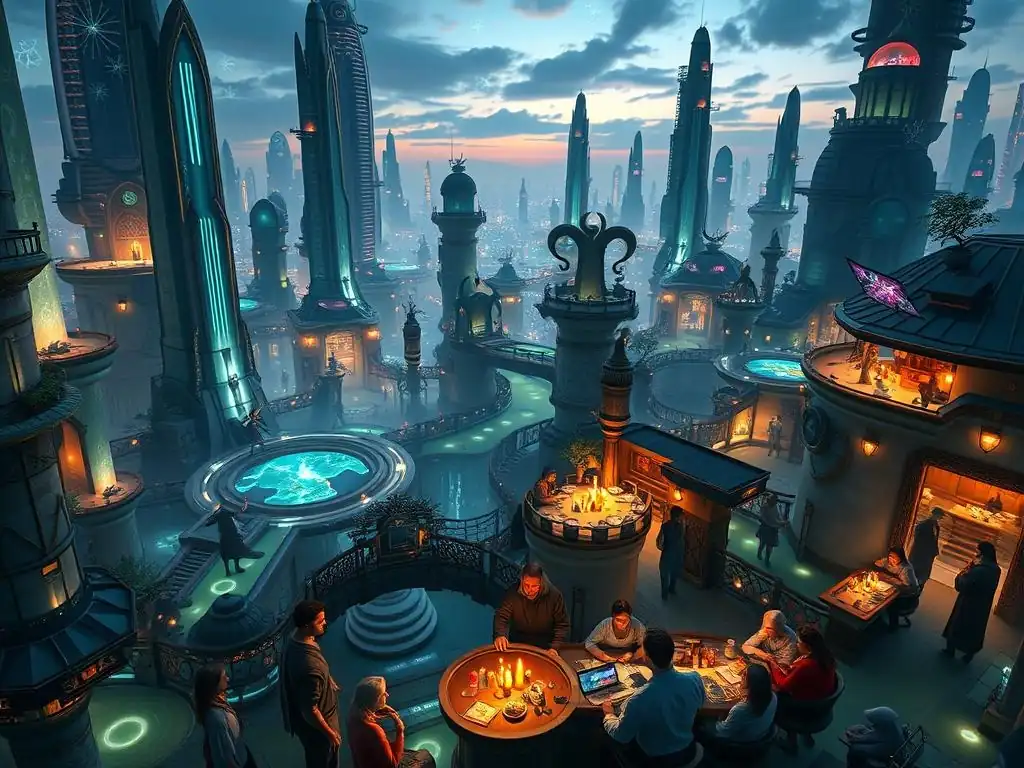
Welcome to Blockchain Trends, where we delve into the revolutionary potential of blockchain technology!
Ever wondered how blockchain is reshaping more than just finance? Dive in as we explore its impact on gaming, enterprise, and beyond. Today, we're focusing on something truly special: blockchain gaming community building. Discover how decentralized systems are forging vibrant social fabrics within the metaverse, creating unique and engaging experiences. Uncover the strategies, successes, and future of these innovative virtual communities. Ready to see how blockchain is leveling up social interaction? Let's begin!
The Social Fabric of the Metaverse: How Blockchain Gaming is Building Virtual Communities
- Introduction: Blockchain Gaming as a Catalyst for Metaverse Community Formation
- The Building Blocks of Blockchain Gaming Communities
- How Blockchain Gaming Platforms Foster Community Growth
- Case Studies: Success Stories of Blockchain Gaming Communities
- The Role of NFTs in Strengthening Community Bonds
- Challenges and Opportunities in Scaling Blockchain Gaming Communities
- The Future of Social Interaction in Blockchain Games and the Metaverse
- Conclusion: Blockchain Gaming's Transformative Impact on Virtual Community Building
-
Frequently Asked Questions
- What role does blockchain technology play in fostering communities within blockchain games?
- How does blockchain gaming differentiate itself from traditional gaming in terms of community building?
- What are some key strategies for building a thriving blockchain gaming community?
- How does the concept of "decentralized autonomous organizations" (DAOs) relate to blockchain gaming communities?
- What are some potential challenges in building and maintaining blockchain gaming communities?
- Final Reflection: Weaving the Threads of Tomorrow's Communities
- Dive Deeper: Build Your Metaverse Community!
Introduction: Blockchain Gaming as a Catalyst for Metaverse Community Formation
The intersection of gaming, blockchain technology, and social interaction is forging a new frontier for online communities. Traditional online gaming has long been a fertile ground for social connections, but the integration of blockchain introduces novel dimensions of ownership, governance, and economic incentives that are fundamentally reshaping how virtual communities are formed and sustained.
Blockchain gaming is not merely about playing games; it’s about building persistent, player-owned digital societies within the burgeoning metaverse. This convergence is creating spaces where players are no longer just consumers of game content but active participants in the creation and evolution of their virtual worlds, fostering deeper and more meaningful community bonds.
The integration of blockchain into gaming mechanics allows for the creation of economies driven by player activity, where in-game assets hold real-world value and governance decisions can be distributed amongst the community. This contrasts sharply with traditional gaming models where developers retain complete control over in-game assets and economies. The shift towards player empowerment, facilitated by blockchain, is a key driver in the formation of robust and engaged blockchain gaming communities. This new paradigm is fostering a sense of shared purpose and collective ownership, propelling blockchain gaming to the forefront of metaverse community building.
Defining the Metaverse and its Potential for Community Building
The metaverse, while still evolving, can be broadly defined as a persistent, shared, 3D virtual world or worlds where users can interact with each other, digital objects, and experiences. It represents a significant evolution of the internet, moving beyond static webpages to immersive, interactive environments. The potential for community building within the metaverse is immense, offering opportunities for social interaction, collaboration, and economic activity that transcend geographical limitations. Imagine virtual spaces where people can gather, work, play, and socialize as if they were physically present, all within a shared digital realm.
Blockchain technology is crucial to realizing the full potential of the metaverse for community building. It provides the infrastructure for verifiable digital ownership, decentralized governance, and secure, transparent transactions within these virtual worlds. Without blockchain, the metaverse risks replicating the centralized control and limitations of the current internet. Blockchain gaming, by pioneering the integration of these technologies, acts as a crucial proving ground for building the social fabric of the metaverse. It demonstrates how decentralized systems can empower communities and create more engaging, equitable, and sustainable virtual environments, paving the way for broader metaverse adoption and community growth.
The Building Blocks of Blockchain Gaming Communities
Ownership and Governance: Empowering Players in Virtual Worlds
One of the foundational pillars of blockchain gaming communities is the concept of player ownership. Through non-fungible tokens (NFTs), players can truly own in-game assets, ranging from characters and items to virtual land and game resources. This ownership is not merely cosmetic; it grants players economic agency and influence within the game ecosystem.
Unlike traditional games where in-game purchases are essentially licenses, blockchain-based assets are verifiably owned by the player, transferable, and can potentially hold value outside of the game itself. This fundamental shift in ownership empowers players and fosters a stronger sense of investment in the game and its community.
Furthermore, blockchain enables decentralized governance models, allowing players to participate in decision-making processes that shape the game's future. Through mechanisms like Decentralized Autonomous Organizations (DAOs), blockchain gaming communities can collectively vote on game updates, rule changes, and even the allocation of community resources. This participatory governance model contrasts sharply with the top-down approach prevalent in traditional gaming, where developers unilaterally dictate game direction. Empowering players with ownership and governance fosters a sense of shared responsibility and collective purpose, strengthening community bonds and promoting long-term engagement within blockchain gaming ecosystems.
Tokenomics and Incentives: Driving Engagement and Participation
The tokenomics of blockchain games, the economic systems built around in-game tokens and cryptocurrencies, are meticulously designed to incentivize player engagement and participation. These systems often incorporate play-to-earn mechanics, rewarding players for their time and skill invested in the game. Unlike traditional games where player effort primarily benefits the game developer, blockchain games can distribute value back to the community through token rewards, creating a more equitable and sustainable ecosystem. This economic incentive structure is a powerful tool for attracting and retaining players, fostering a vibrant and active community.
Beyond financial rewards, tokenomics can also be used to incentivize pro-social behaviors within the community. For example, players might be rewarded with tokens for contributing to game development, creating content for other players, or participating in community governance. This carefully crafted incentive system encourages active participation, collaboration, and positive contributions to the community, driving overall engagement and fostering a sense of shared purpose. The transparency and immutability of blockchain further enhance trust and fairness within these tokenomic systems, crucial elements for building thriving blockchain gaming communities.
At its core, the strength of any community lies in shared experiences, and blockchain gaming provides fertile ground for creating meaningful connections through gameplay. Whether it's collaborating on quests, competing in tournaments, or simply exploring virtual worlds together, shared gameplay experiences forge bonds between players. Blockchain games, with their persistent worlds and player-driven economies, often facilitate deeper and more immersive shared experiences compared to traditional games. The sense of collective progress and achievement within these virtual environments strengthens community ties and creates lasting social connections.
Moreover, the economic layer introduced by blockchain enhances the significance of these shared experiences. Collaborating with others to achieve in-game economic goals, such as building a virtual business or conquering a challenging raid, takes on a new dimension when the rewards have real-world value. This shared pursuit of economic and social objectives strengthens the sense of camaraderie and collective identity within blockchain gaming communities. The combination of engaging gameplay and meaningful shared experiences, amplified by blockchain's unique properties, is a potent formula for building vibrant and thriving virtual communities.
How Blockchain Gaming Platforms Foster Community Growth
Blockchain gaming platforms actively foster community growth through a variety of in-game events and activities designed to encourage social interaction. Regularly scheduled events, such as tournaments, festivals, and special quests, provide opportunities for players to come together, collaborate, and compete. These events create a sense of excitement and shared experience, drawing players into the game world and facilitating interaction between community members who might not otherwise connect. Think of virtual concerts within Decentraland attracting thousands of users or large-scale PvP tournaments in games like The Sandbox – these events become focal points for community gathering and interaction.
Beyond scheduled events, many blockchain games incorporate dynamic, emergent gameplay systems that naturally promote social interaction. Player-driven economies, for example, necessitate trading, collaboration, and even competition between players, fostering a constant stream of social interactions. Similarly, cooperative gameplay mechanics, where players must work together to overcome challenges, naturally encourage communication and teamwork. By strategically designing in-game events and activities, blockchain gaming platforms create a social fabric that encourages players to connect, interact, and build relationships within the virtual world, driving community growth organically.
Guilds and DAOs: Organizing Players for Collective Goals
Guilds and DAOs (Decentralized Autonomous Organizations) are crucial organizational structures within blockchain gaming that empower players to organize for collective goals and further solidify community bonds. Guilds, similar to clans or teams in traditional games, allow players to band together, share resources, and coordinate strategies. In blockchain games, guilds often take on a more significant role, managing shared assets, participating in governance decisions, and even operating as economic entities within the game ecosystem. DAOs take this concept further, embedding governance and resource management within transparent, blockchain-based structures.
DAOs in blockchain gaming allow guilds and communities to operate with greater transparency and decentralization. Decisions are made through community voting, and resources are managed according to pre-defined rules encoded on the blockchain. This level of decentralization and transparency fosters trust and accountability within these player organizations, making them more resilient and effective.
Guilds and DAOs become not just social groups but also powerful engines for community growth, empowering players to shape their virtual world and build lasting social structures within blockchain gaming ecosystems. For example, in Axie Infinity, guilds or "scholarships" have become a significant part of the community, enabling new players to participate and learn from experienced members, fostering growth and inclusivity.
Cross-Game Interoperability: Expanding Community Reach Beyond Single Titles
The potential for cross-game interoperability in blockchain gaming represents a significant opportunity to expand community reach beyond single titles and create more interconnected metaverse experiences. Imagine owning an NFT character that can be used across multiple different blockchain games, carrying its identity and history with it. This vision of interoperability, while still in its early stages, has the potential to break down the silos between individual game communities and foster a larger, more interconnected metaverse community.
Cross-game interoperability not only expands community reach but also enhances the value proposition for players. Assets acquired or earned in one game could retain value and utility in other games, creating a more robust and interconnected metaverse economy. This interconnectedness could lead to the emergence of larger, more diverse communities spanning multiple games, fostering richer social interactions and collaborative opportunities. While technical and logistical challenges remain, the pursuit of cross-game interoperability is a key driver for the long-term growth and interconnectedness of blockchain gaming communities and the broader metaverse.
Case Studies: Success Stories of Blockchain Gaming Communities
Axie Infinity: Breeding, Battling, and Building a Global Community
Axie Infinity stands as a prominent example of a blockchain game that has successfully cultivated a thriving global community. The game, centered around collecting, breeding, and battling creatures called Axies, has attracted millions of players worldwide, particularly in regions like Southeast Asia and Latin America. Its play-to-earn mechanics, combined with engaging gameplay, have created a vibrant ecosystem where players can earn income while participating in a fun and social virtual world. The game's success is deeply intertwined with its strong community, fostered through accessible gameplay, economic opportunities, and active community management.
The Axie Infinity community is not just about playing the game; it's a social and economic ecosystem in itself. Players form guilds, known as "scholarships," to help new players get started, sharing resources and knowledge. The in-game marketplace for Axies and land NFTs facilitates player-driven economic activity, creating opportunities for trading, investment, and entrepreneurship within the community. Axie Infinity's success story highlights how blockchain gaming, when combined with compelling gameplay and a focus on community building, can create powerful social and economic ecosystems that resonate globally, especially in developing economies.
Decentraland: Creating and Monetizing Virtual Experiences Together
Decentraland offers a different model for blockchain gaming communities, focusing on user-generated content and the creation of virtual experiences within a decentralized metaverse. This virtual world, built on the Ethereum blockchain, allows users to own virtual land as NFTs and build upon it, creating games, art galleries, social spaces, and commercial ventures. Decentraland's community is characterized by its creators, artists, and entrepreneurs who are actively building and shaping the metaverse together. The platform emphasizes shared creation and ownership, fostering a sense of collective building and community participation.
The Decentraland community thrives on the freedom and flexibility of its open metaverse platform. Users organize events, host virtual gatherings, and collaborate on building experiences that attract other users. The platform's decentralized nature empowers creators and landowners, fostering a vibrant ecosystem of user-generated content and social interactions. Decentraland demonstrates how blockchain can enable the creation of decentralized metaverse platforms where communities are built not just around gameplay but around shared creativity, ownership, and the collective construction of virtual worlds.
Lessons Learned from Successful Virtual Community Building in Blockchain Games
Analyzing the success stories of Axie Infinity and Decentraland, several key lessons emerge for building thriving virtual communities in blockchain games. Firstly, engaging gameplay is paramount. While blockchain mechanics and economic incentives are important, the core game experience must be fun and engaging to attract and retain players.
Secondly, economic opportunities and play-to-earn mechanics can be powerful drivers for community growth, particularly when they are accessible and equitable. Thirdly, active community management and support are crucial for fostering a positive and inclusive environment. Developers must actively engage with their communities, listen to feedback, and provide tools and resources for community building.
Furthermore, decentralization and player ownership are key differentiators of blockchain gaming communities. Empowering players with ownership of in-game assets and participation in governance fosters a stronger sense of investment and belonging. Finally, creating opportunities for social interaction and collaboration is essential. Games should be designed to encourage players to connect, cooperate, and build relationships within the virtual world. By incorporating these lessons, blockchain game developers can create virtual communities that are not only engaging and entertaining but also economically sustainable and socially enriching.
The Role of NFTs in Strengthening Community Bonds
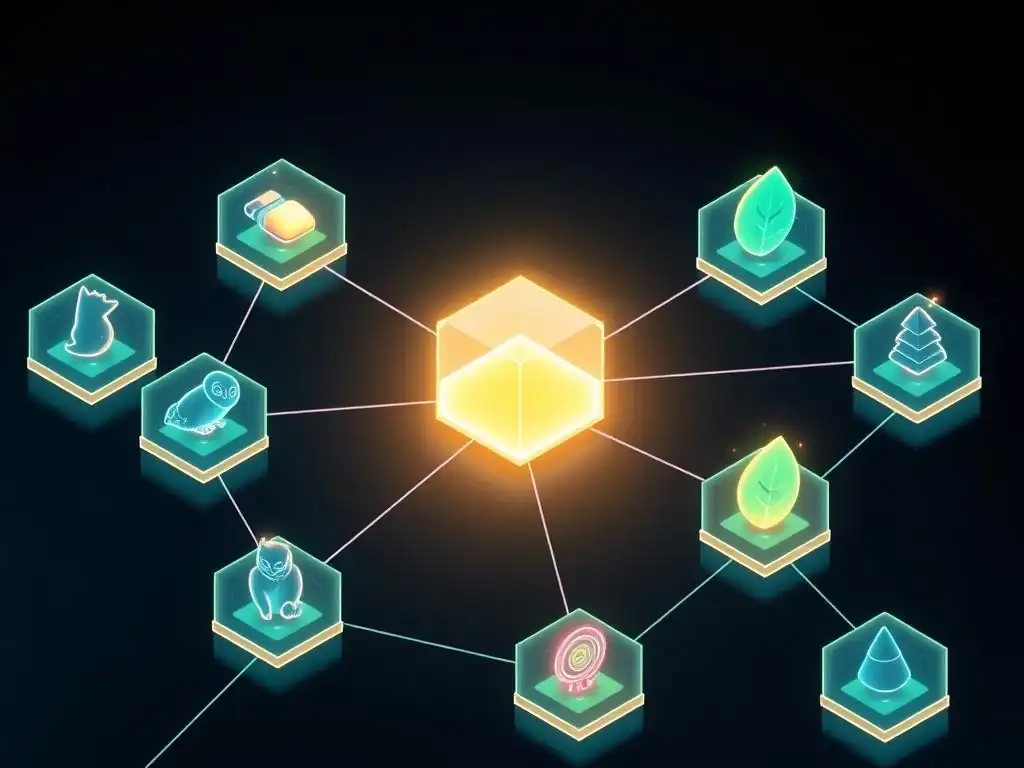
NFTs as Digital Collectibles and Status Symbols
Non-fungible tokens (NFTs) play a crucial role in strengthening community bonds within blockchain gaming by acting as digital collectibles and status symbols. In-game NFTs, representing unique characters, items, or virtual land, become coveted possessions within the community. Owning rare or prestigious NFTs can signify status and achievement within the game, fostering a sense of pride and recognition among community members. These digital collectibles become visual markers of belonging and accomplishment, strengthening social hierarchies and community identity.
The scarcity and verifiability of NFTs, guaranteed by blockchain technology, enhance their desirability as collectibles and status symbols. Unlike in traditional games where items can be easily duplicated or altered, NFTs are provably unique and authentic. This digital scarcity drives demand and creates a market for these assets, further solidifying their value within the community. The desire to acquire and display these NFTs becomes a shared goal, fostering social interaction and competition within the blockchain gaming community.
NFTs as Access Keys to Exclusive Community Content and Events
Beyond collectibles, NFTs also function as access keys to exclusive community content and events, further strengthening community bonds. Holding specific NFTs can grant players access to private areas within the game, exclusive tournaments, or early access to new features. This utility-driven approach to NFTs creates a tiered community structure, rewarding loyal players and NFT holders with privileged access and experiences. These exclusive benefits foster a sense of exclusivity and belonging among NFT holders, reinforcing their commitment to the community.
NFT-gated access can also be used to create exclusive social clubs or communities within the larger game ecosystem. Owning a particular NFT might grant membership to a DAO or a private Discord channel, fostering closer-knit communities within the broader player base. This tiered access model can incentivize NFT ownership and reward active community members, creating a more engaged and loyal player base. By leveraging NFTs as access keys, blockchain games can create layers of community engagement, catering to different levels of participation and fostering stronger bonds among dedicated players.
Ultimately, NFTs contribute to a stronger sense of belonging and shared identity within blockchain gaming communities. Owning and trading NFTs creates a shared economic and social space where players interact, collaborate, and compete. The visual representation of NFTs, often used as avatars or profile pictures, becomes a form of digital identity within the community, signaling membership and shared interests. This shared visual and economic language reinforces community cohesion and strengthens social bonds.
Moreover, the stories and lore associated with specific NFTs can contribute to a shared community narrative. Rare NFTs, especially those tied to significant in-game events or achievements, often develop their own folklore and history within the community. These shared narratives and legends further strengthen community identity and create a sense of collective memory. By leveraging NFTs in creative and meaningful ways, blockchain games can foster a powerful sense of belonging and shared identity, transforming players into active members of a vibrant virtual community.
Challenges and Opportunities in Scaling Blockchain Gaming Communities
Moderation and Governance in Decentralized Environments
Scaling blockchain gaming communities presents unique challenges, particularly in moderation and governance within decentralized environments. Traditional online communities often rely on centralized moderation teams to enforce rules and address conflicts. However, the decentralized nature of blockchain games necessitates exploring alternative moderation and governance models that align with the principles of player empowerment and community ownership. Finding effective ways to moderate content and behavior in decentralized spaces while respecting player autonomy is a key challenge for scaling blockchain gaming communities.
Solutions to this challenge include implementing community-driven moderation systems, where players themselves participate in enforcing rules and resolving disputes. DAOs can play a crucial role in establishing transparent and decentralized governance frameworks, allowing communities to collectively decide on moderation policies and conflict resolution mechanisms. Developing robust and scalable moderation and governance systems that are both effective and aligned with the decentralized ethos of blockchain is essential for the healthy growth of blockchain gaming communities.
Ensuring Inclusivity and Accessibility for All Players
Another critical challenge in scaling blockchain gaming communities is ensuring inclusivity and accessibility for all players. The initial barriers to entry for blockchain games, such as the need for cryptocurrency wallets and understanding blockchain concepts, can be daunting for new players. Furthermore, the economic aspects of play-to-earn games, while attractive to some, can also create financial barriers for others. Addressing these inclusivity and accessibility challenges is crucial for fostering diverse and welcoming blockchain gaming communities.
Efforts to enhance inclusivity include simplifying the onboarding process for new players, providing educational resources about blockchain and cryptocurrency, and exploring alternative economic models that are more accessible to players with varying financial backgrounds. Game developers need to actively consider accessibility and inclusivity throughout the game design and community building process, ensuring that blockchain gaming communities are open and welcoming to players from all backgrounds.
Combating Toxicity and Fostering Positive Community Culture
Combating toxicity and fostering a positive community culture is a universal challenge for online communities, and blockchain gaming is no exception. While decentralization and player ownership can empower communities, they can also amplify negative behaviors if not managed effectively. Addressing issues like harassment, scams, and toxic behavior is crucial for creating a healthy and sustainable community environment within blockchain gaming.
Strategies for combating toxicity include implementing robust reporting mechanisms, fostering a culture of positive communication and respect, and empowering community moderators to address harmful behaviors. Game developers and community leaders play a vital role in setting the tone for community culture and actively promoting positive interactions. Building a positive and inclusive community culture is not only essential for player well-being but also for the long-term success and growth of blockchain gaming ecosystems.
The future of social interaction in blockchain games and the metaverse promises enhanced social features and communication tools that will further deepen community engagement. We can expect to see more sophisticated in-game communication systems, including spatial audio, realistic avatars, and immersive social spaces that blur the lines between virtual and physical interaction. Integration with social media platforms and metaverse-native communication tools will further facilitate social connection and community building across different platforms.
Advancements in virtual reality (VR) and augmented reality (AR) technologies will also play a significant role in shaping future social interactions in blockchain games and the metaverse. Immersive VR experiences will allow for more presence and engagement in virtual worlds, fostering deeper social connections. AR technologies could blend virtual game elements with the real world, creating new forms of social gaming and community interaction in physical spaces. These technological advancements will pave the way for richer and more immersive social experiences within blockchain gaming and the metaverse.
Integration with Other Metaverse Platforms and Experiences
The future of blockchain gaming communities is increasingly intertwined with the broader metaverse ecosystem. We can anticipate greater integration between blockchain games and other metaverse platforms, creating a more interconnected and interoperable digital landscape. Imagine seamlessly transitioning between different metaverse experiences, carrying your digital identity and assets with you, and interacting with communities across various virtual worlds. This vision of an interconnected metaverse will further expand the reach and potential of blockchain gaming communities.
Cross-platform interoperability of avatars, assets, and social graphs will be crucial for realizing this interconnected metaverse vision. Standardized protocols and open platforms will facilitate seamless integration between different metaverse experiences, breaking down silos and fostering a larger, more unified metaverse community. Blockchain gaming, with its emphasis on digital ownership and interoperability, is poised to play a leading role in shaping this interconnected metaverse future.
The Evolution of Virtual Communities Towards Decentralized Autonomous Organizations (DAOs)
The evolution of virtual communities within blockchain games and the metaverse is increasingly pointing towards Decentralized Autonomous Organizations (DAOs) as the dominant organizational model. DAOs offer a framework for decentralized governance, community ownership, and transparent resource management, aligning perfectly with the ethos of blockchain technology. As virtual communities grow and mature, DAOs are likely to become the primary mechanism for organizing and governing these digital societies.
DAOs empower communities to collectively make decisions, manage shared resources, and shape the future of their virtual worlds. This decentralized governance model fosters greater player agency, transparency, and resilience within virtual communities. The transition towards DAO-governed communities represents a significant shift in power dynamics, moving away from centralized control towards player-owned and community-driven ecosystems. Blockchain gaming is at the forefront of this evolution, pioneering the use of DAOs for virtual community governance and setting the stage for broader adoption across the metaverse.
Conclusion: Blockchain Gaming's Transformative Impact on Virtual Community Building
Blockchain gaming is demonstrably transforming the landscape of virtual community building, offering a glimpse into the long-term potential of blockchain-based social ecosystems. By empowering players with ownership, governance, and economic agency, blockchain games are fostering more engaged, equitable, and sustainable virtual communities. These communities are not just about playing games; they are becoming dynamic social and economic ecosystems where players can connect, collaborate, and build lasting relationships within the metaverse. The transformative impact of blockchain gaming extends beyond entertainment, paving the way for new forms of digital social interaction and community organization.
The principles of decentralization, ownership, and community governance pioneered by blockchain gaming have far-reaching implications for the broader metaverse and online social interactions. As the metaverse evolves, these principles are likely to become increasingly important for creating open, equitable, and user-centric digital environments. Blockchain gaming serves as a crucial proving ground for these concepts, demonstrating their viability and potential to reshape how we interact and build communities in the digital age.
The Future of Metaverse Communities and the Role of Blockchain Gaming
The future of metaverse communities is inextricably linked to the continued evolution of blockchain gaming. As blockchain technology matures and metaverse platforms become more interconnected, blockchain games are poised to play a central role in shaping the social fabric of these virtual worlds.
The lessons learned from building successful blockchain gaming communities, particularly in areas like decentralized governance, tokenomics, and community engagement, will be invaluable for the broader metaverse ecosystem. Blockchain gaming is not just a niche within the gaming industry; it is a catalyst for the future of social interaction and community building in the metaverse, driving innovation and shaping the next generation of digital social experiences.
Frequently Asked Questions
What role does blockchain technology play in fostering communities within blockchain games?
Blockchain enables ownership of in-game assets, creating a sense of belonging and incentivizing community participation. The ability to trade and monetize these assets further strengthens community bonds.
How does blockchain gaming differentiate itself from traditional gaming in terms of community building?
Traditional gaming relies on centralized servers and company-controlled assets. Blockchain gaming allows for decentralized ownership and player governance, fostering a more collaborative and empowered community.
What are some key strategies for building a thriving blockchain gaming community?
Focus on creating engaging content, rewarding active participation, and fostering a strong sense of ownership among players. Regular communication and transparency are also vital.
How does the concept of "decentralized autonomous organizations" (DAOs) relate to blockchain gaming communities?
DAOs can be integrated into blockchain games to give players a voice in the game's development and governance. This promotes a more democratic and community-driven approach.
What are some potential challenges in building and maintaining blockchain gaming communities?
Security concerns, scalability issues, and the complexity of blockchain technology can pose challenges. Successfully onboarding new users and managing community expectations are also crucial.
Final Reflection: Weaving the Threads of Tomorrow's Communities
The exploration of blockchain gaming's role in building virtual communities reveals a powerful truth: digital spaces are becoming increasingly intertwined with our social identities. What began as a niche interest is now a burgeoning landscape where individuals connect, collaborate, and create shared experiences, all underpinned by the transparent and empowering technology of the blockchain. This shift is not merely about gaming; it's about redefining how we understand community in the digital age.
This evolution profoundly impacts the cultural landscape, blurring the lines between the physical and virtual. The potential for truly decentralized and user-owned communities, where individuals directly benefit from their contributions, is immense and incredibly exciting. It offers a glimpse into a future where online interactions are not just fleeting moments of entertainment, but meaningful connections that foster belonging and shared purpose. The metaverse is not just a place to play games, it's a place to build relationships, create value, and ultimately, shape the future of community.
- (Hypothetical quote from a Metaverse thought leader).
As we stand at the cusp of this new era, let us consider the responsibility that comes with building these virtual worlds. How can we ensure inclusivity, foster genuine connection, and prevent the pitfalls of centralized control that plague so many online spaces today? The answer lies in embracing the principles of decentralization, transparency, and user empowerment. It's time to actively participate in shaping the social fabric of the metaverse, ensuring that these virtual communities reflect the best of humanity and offer a truly enriching experience for all.
Okay, I'm ready to craft a Call to Action (CTA) for the end of a web article titled "The Social Fabric of the Metaverse: How Blockchain Gaming is Building Virtual Communities" for the website "Blockchain Trends" (blockchaintrends.org). Here it is:
Dive Deeper: Build Your Metaverse Community!
Thanks for exploring how blockchain gaming is weaving vibrant social fabrics in the metaverse. We hope you found insightful the potential for connection and community building within these virtual worlds. Now, let's turn that insight into action!
Here are a few ways to further engage with the metaverse community:
- Join a Blockchain Gaming DAO (Decentralized Autonomous Organization). This is your gateway to actively shaping the future of metaverse communities! Find one focused on a game you love or a social cause you believe in.
- Attend a virtual metaverse meetup or conference. Discover new connections, learn about innovative projects, and immerse yourself in the heart of this evolving landscape.
- Share this article with fellow gamers and crypto enthusiasts. Spark a conversation about the potential of blockchain gaming to foster meaningful social interactions within the metaverse.
What unique ways are you building connections within the metaverse, and what kind of communities do you envision for the future? Share your thoughts in the comments below!
Leave a Reply