
Comparing DEX Trading Volumes: Which Platforms are the Most Active?


Welcome to Blockchain Trends, your guide to understanding the revolutionary impact of blockchain beyond the hype! Curious about where the real action is happening in the decentralized finance (DeFi) world? Dive into our latest analysis where we conduct a comprehensive DEX trading volume comparison, uncovering which platforms are leading the charge and reshaping the future of finance. Uncover the insights and trends shaping the landscape – what are the key drivers and potential implications? Read on to find out!
Introduction: Understanding Decentralized Exchange (DEX) Trading Volume
Decentralized Exchange (DEX) trading volume represents the total value of assets traded on a decentralized platform over a specific period. Unlike centralized exchanges (CEXs), DEXs operate on blockchain technology, allowing peer-to-peer transactions directly from users' wallets without needing an intermediary to hold funds. This volume is a critical metric for understanding the health, activity, and liquidity of the decentralized finance (DeFi) ecosystem. Analyzing DEX trading volume comparison across different platforms provides insights into market share, user preference, and overall liquidity depth, which are vital for traders and developers alike.
Understanding DEX trading volume is fundamental for anyone navigating the DeFi space. It signifies the amount of economic activity occurring on a specific decentralized platform. High volume generally indicates strong liquidity, making it easier for traders to execute large orders without significant price impact (slippage). Conversely, low volume can suggest poor liquidity, leading to higher slippage and potentially less favorable trade execution. Therefore, a thorough decentralized exchange trading volume analysis is a prerequisite for identifying the most efficient and popular trading venues in DeFi.
Why DEX Volume Matters in DeFi Trading
DEX volume is a primary indicator of a platform's liquidity. Liquidity, the ease with which an asset can be converted into another without affecting its market price, is paramount for efficient trading. On a DEX, liquidity is often provided by users who deposit pairs of assets into liquidity pools. The higher the trading volume relative to the liquidity pool size, the more efficient the capital utilization. For traders, this means better prices and lower slippage, especially for larger trades.
Furthermore, DEX trading volume directly impacts liquidity providers (LPs). LPs earn fees from the trades executed within the pools they contribute to. Higher trading volume translates to more fees generated for LPs, making certain pools and platforms more attractive for providing liquidity. A robust DEX trading volume comparison helps LPs identify the most profitable opportunities and understand which platforms are attracting the most user activity, thereby maximizing their potential yield from providing liquidity.
The Growth and Importance of Decentralized Exchange Activity
The growth of decentralized exchange activity has been explosive since the "DeFi Summer" of 2020. Initially, DEX volumes were negligible compared to CEXs, but they have grown to represent a significant portion of the overall crypto trading market. This growth is fueled by several factors, including increased awareness of self-custody benefits, innovation in automated market maker (AMM) designs, and the proliferation of new tokens often launched initially on DEXs.
The importance of this decentralized exchange activity extends beyond mere trading figures. It signifies a fundamental shift towards more open, transparent, and permissionless financial systems. High DEX trading volume reflects strong user adoption and confidence in decentralized protocols. For instance, platforms like Uniswap on Ethereum or PancakeSwap on BNB Chain have regularly processed billions of dollars in daily volume during peak periods, demonstrating the scale achievable by decentralized infrastructure. This level of activity underscores the growing demand for decentralized trading options and highlights the increasing maturity and viability of the DeFi ecosystem.
DEX Trading Volume Comparison: Analyzing the Most Active Platforms
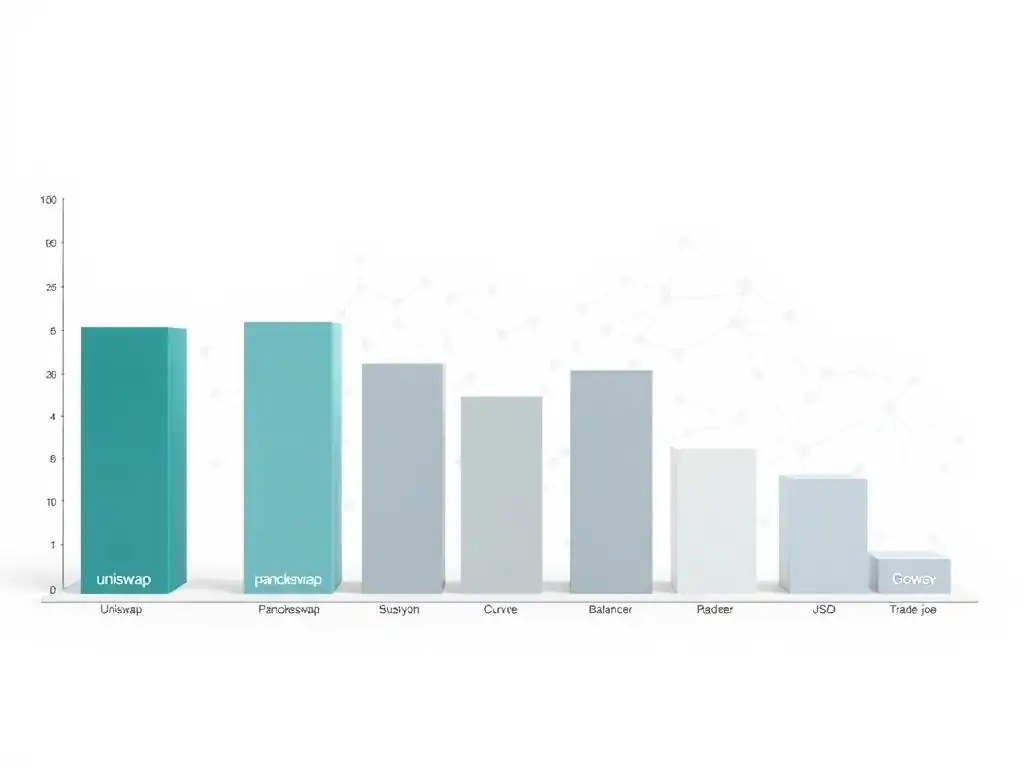
Performing a DEX trading volume comparison involves looking at various platforms and their respective activity levels over defined periods. Different DEXs specialize in different types of assets or operate on different blockchain networks, which naturally influences their volume characteristics. For example, a DEX focused on stablecoin swaps might show consistent, high volume regardless of broader market volatility, while a DEX specializing in long-tail or new altcoins might see volume spikes tied to specific token launches or market trends.
Analyzing the most active platforms requires access to reliable data sources that aggregate volume from various DEXs across different chains. Websites and data providers specializing in DeFi metrics offer dashboards for this purpose, allowing users to sort and filter DEXs by total volume, volume changes over 24 hours, 7 days, or 30 days, and even break down volume by specific trading pairs. This detailed decentralized exchange trading volume analysis is crucial for identifying current market leaders and understanding the dynamics of the competitive landscape.
Key Metrics for Comparing Decentralized Exchange Volume
When conducting a DEX trading volume comparison, several key metrics are essential for a comprehensive analysis.
- Total Trading Volume: This is the most straightforward metric, representing the cumulative value of trades over a period (e.g., 24 hours, 7 days). It gives a broad overview of a platform's activity.
- Volume by Trading Pair: Breaking down volume by specific asset pairs (e.g., ETH/USDT, WBNB/CAKE) shows which assets are being traded most actively on the platform and indicates where liquidity is concentrated.
- Number of Active Traders: While harder to track precisely on-chain than volume, estimates of unique wallet addresses interacting with the DEX's trading functions provide insight into user adoption and the breadth of the user base.
- Average Trade Size: This metric can help understand the typical user profile on a platform – are trades generally small retail transactions or larger institutional/whale movements?
- Volume Change Over Time: Tracking volume trends (daily, weekly, monthly changes) reveals growth, decline, or volatility patterns and helps predict future activity.
Using these metrics allows for a nuanced DEX trading volume comparison. For instance, a platform might have high total volume but concentrated in only a few pairs, suggesting less overall market breadth compared to a platform with slightly lower total volume but activity spread across many pairs. A platform showing consistent volume growth might be gaining market share, while one with declining volume might be facing challenges like increased competition or reduced liquidity incentives.
Factors Influencing DEX Trading Volume
Several factors significantly influence the trading volume on a decentralized exchange. Understanding these influences is crucial when interpreting a DEX trading volume comparison.
Firstly, the blockchain network on which the DEX operates plays a major role. Networks with lower transaction fees and higher throughput, like BNB Chain, Polygon, or Solana, can often facilitate more frequent, smaller trades compared to networks with higher fees like Ethereum Layer 1 (though L2 solutions on Ethereum are changing this). The popularity and fee structure of the underlying chain directly impact the cost and feasibility of trading on a DEX hosted there.
Secondly, liquidity depth and distribution are paramount. A DEX with deep liquidity pools for popular trading pairs is more attractive to traders because it minimizes slippage. Liquidity is influenced by LP incentives (like yield farming rewards), the stability of the underlying protocol, and the overall network effect attracting both traders and LPs. A DEX that successfully attracts and retains significant liquidity will naturally tend to have higher trading volumes.
Thirdly, token listings and availability affect volume. DEXs that are quick to list new, popular tokens or offer a wide variety of assets tend to attract more traders looking for diverse opportunities. The ease of listing new tokens on a permissionless DEX is a key advantage over centralized platforms, contributing significantly to their dynamic trading environments and influencing the results of any DEX trading volume comparison.
Finally, user experience, security, and external market conditions all play a part. A user-friendly interface, proven security track record (minimizing risks like smart contract exploits), and general market sentiment (bullish or bearish trends) can all impact trading activity. Regulatory developments and competition from other DEXs and CEXs also constantly shape the volume landscape.
Frequently Asked Questions
What is DEX trading volume comparison?
DEX trading volume comparison refers to analyzing and contrasting the trading activity across different decentralized exchanges (DEXs) to understand which platforms are the most active in the market.
Why is DEX trading volume important?
DEX trading volume is important as it indicates the liquidity and popularity of a trading platform. Higher volumes can suggest greater user trust and the potential for better trading experiences.
How do you measure DEX trading volume?
DEX trading volume is typically measured by the total amount of assets traded over a specific period, often shown in cryptocurrency units or fiat equivalents to assess market activity.
Which DEX platforms are currently leading in trading volume?
As of now, platforms like Uniswap, PancakeSwap, and SushiSwap are recognized as leaders in DEX trading volume, but this can vary based on market trends and user activity.
How does regulation affect DEX trading volume?
Regulation can significantly impact DEX trading volume by either encouraging participation through enhanced security and compliance or dissuading users due to restrictive policies that limit access to these platforms.
The exploration of DEX trading volumes reveals more than just numbers; it unveils the dynamic pulse of decentralized finance. Understanding which platforms command the most activity is crucial for navigating this evolving landscape, providing insights into liquidity, user trust, and the overall health of the DeFi ecosystem. This analysis underscores the importance of informed decision-making in a space characterized by rapid innovation and inherent volatility.
The rise of DEXs has profoundly impacted the financial world, offering a glimpse into a future where individuals have greater control over their assets and transactions. This shift towards decentralization is not merely a technological advancement; it represents a fundamental change in how we perceive and interact with finance. The future of finance is decentralized, and DEXs are leading the charge.
This ongoing evolution demands continuous learning and adaptation, as the landscape is constantly reshaped by new protocols and user preferences.
As you navigate the decentralized frontier, remember that knowledge is your most valuable asset. Reflect on the insights gained from this DEX trading volume comparison and consider how you can apply them to your own investment strategies and understanding of the DeFi space. Embrace the potential of decentralized finance, but always proceed with caution, diligence, and a commitment to continuous learning. The future of finance is being written now, and your informed participation will shape its trajectory.
Unleash Your Inner DeFi Trader!
Thank you for exploring the world of decentralized exchange trading volumes with Blockchain Trends. With the insights you've gained, you're better equipped to identify the leading platforms. Ready to take the next step?
Here are some actionable steps you can start right now:
- Make your first trade on the decentralized exchange that aligns with your trading goals. Experience the power and flexibility of decentralized finance firsthand.
- Explore the APIs and data feeds provided by top DEX platforms. Unlock potential arbitrage opportunities and develop your own trading tools.
- Share this article with fellow crypto enthusiasts. Let’s help everyone make informed decisions in the decentralized finance space.
Which platform do you think will lead in trading volume next quarter, and why? Share your predictions in the comments below!
Leave a Reply