
The Rise of BlockchainBased Game Subscriptions: What to Expect

Welcome to Blockchain Trends, your compass in the rapidly evolving world of decentralized technology. Beyond the buzzwords and headlines, we delve deep into the real-world applications and transformative power of blockchain.
But what if your gaming experience could be revolutionized by blockchain? Discover the untapped potential of blockchain game subscription benefits and how they are poised to reshape the future of play. Are you ready to level up your understanding?
The Rise of Blockchain-Based Game Subscriptions: What to Expect
- Introduction: Blockchain Gaming and the Subscription Model Revolution
- Understanding Blockchain Game Subscriptions
-
The Benefits of Blockchain Game Subscriptions
- Unlocking the Benefits: Enhanced Ownership and Control of In-Game Assets
- Increased Transparency and Fairness in Subscription Terms
- Reduced Costs and Improved Value for Gamers
- Earning While Playing: Blockchain-Based Rewards and Incentives
- Interoperability and Portability of Game Assets Across Subscriptions
- Exploring Different Types of Blockchain Game Subscriptions
- The Challenges and Opportunities of Blockchain Game Subscriptions
- Real-World Examples of Blockchain Game Subscription Platforms
- The Future of Blockchain Game Subscriptions
- Conclusion: Embracing the Decentralized Gaming Future
-
Frequently Asked Questions
- What are the primary blockchain game subscription benefits for players?
- How do blockchain game subscriptions differ from traditional gaming subscriptions?
- What role does DeFi play in the blockchain game subscription ecosystem?
- What are the potential regulatory challenges facing blockchain game subscriptions?
- How might blockchain game subscriptions shape the future of the gaming industry?
- Final Reflection: Embracing the Decentralized Gaming Future
- Unlock the Future of Gaming: Take Control Now!
Introduction: Blockchain Gaming and the Subscription Model Revolution
The Convergence of Blockchain and Game Subscriptions: A New Era for Gamers
The gaming industry, a behemoth of entertainment, is constantly evolving, seeking new ways to engage players and generate revenue. Subscription models, offering access to a library of games for a recurring fee, have become increasingly popular, championed by platforms like Xbox Game Pass and PlayStation Plus. Now, a potentially transformative force is entering the arena: blockchain technology.
The convergence of blockchain and game subscriptions is not just an incremental change; it represents a paradigm shift that could redefine how games are accessed, owned, and played. This fusion promises to address long-standing gamer frustrations and open up exciting new possibilities, marking a new era for digital entertainment.
This innovative approach leverages the core tenets of blockchain – decentralization, transparency, and tokenization – to enhance and reimagine the traditional subscription model. Imagine a world where your game subscription not only grants access to a diverse catalog but also empowers you with true ownership of in-game assets, cross-game interoperability, and tangible rewards.
This is the potential of blockchain-based game subscriptions, a concept that is rapidly moving from the fringes of the gaming world into the mainstream conversation. As gamers and developers alike begin to understand the profound implications, the excitement surrounding this evolution is palpable, signaling a significant turning point in the gaming landscape.
Why Blockchain Game Subscriptions are Gaining Traction
Several factors are contributing to the growing traction of blockchain game subscriptions. Firstly, gamers are increasingly seeking more value and control over their digital assets. Traditional subscription models, while convenient, often leave players feeling like they are renting access rather than owning anything tangible. Blockchain technology addresses this directly by enabling the tokenization of in-game items and characters as NFTs (Non-Fungible Tokens), granting players verifiable ownership and control. This resonates deeply with a generation that has grown up in digital worlds and understands the value of digital scarcity and ownership.
Secondly, the promise of play-to-earn mechanics integrated into blockchain games is a powerful motivator. Unlike traditional subscription models where the value exchange is primarily one-way (player pays, platform provides access), blockchain game subscriptions can incorporate reward systems that allow players to earn cryptocurrency or NFTs through gameplay. This creates a more engaging and potentially lucrative experience, blurring the lines between entertainment and investment.
Furthermore, the increasing awareness of blockchain's potential to foster fairer and more transparent systems across various industries is spilling over into gaming. Gamers are becoming more discerning and are drawn to models that offer greater transparency in terms of subscription terms, asset ownership, and reward distribution, all of which blockchain technology can facilitate. These combined factors are propelling blockchain game subscriptions into the spotlight, making them an increasingly attractive proposition for both players and developers looking to innovate and capture a forward-thinking audience.
Understanding Blockchain Game Subscriptions
How Blockchain Technology Enables Subscription Models in Gaming
Blockchain technology provides the foundational infrastructure for a fundamentally different type of game subscription service. At its core, blockchain allows for the creation of decentralized, immutable, and transparent records of transactions and ownership. This is crucial for game subscriptions because it enables the tokenization of in-game assets. Instead of game items being locked within a centralized game server and controlled entirely by the game developer, blockchain allows these assets to be represented as unique digital tokens (NFTs) on a distributed ledger. These NFTs can be verifiably owned by players, independent of any single game platform.
When applied to a subscription model, blockchain can facilitate several key improvements. Smart contracts, self-executing agreements coded on the blockchain, can automate subscription management, ensuring transparency and fairness in terms of access duration, renewal conditions, and reward distribution. Furthermore, blockchain can streamline payment processes, potentially reducing transaction fees and enabling faster payouts to developers and rewards to players.
The decentralized nature of blockchain also reduces reliance on central authorities, mitigating risks associated with platform shutdowns or unilateral changes to subscription terms. By leveraging these capabilities, blockchain transforms game subscriptions from a centralized access model to a decentralized ecosystem where ownership, control, and rewards are more equitably distributed.
Key Features of Blockchain-Based Game Subscriptions: Ownership, Interoperability, and Rewards
Blockchain-based game subscriptions are characterized by several key features that differentiate them from traditional models. Ownership is perhaps the most significant. As mentioned earlier, blockchain enables true ownership of in-game assets through NFTs. When a player earns or purchases an item within a blockchain-based subscription game, they genuinely own that digital asset, recorded on the blockchain. This ownership extends beyond the confines of a single game, offering potential for resale, trading, or use in other compatible blockchain games.
Interoperability is another groundbreaking feature. In theory, blockchain technology can facilitate the portability of game assets across different games and platforms within the same blockchain ecosystem or even potentially across different blockchains. Imagine earning a sword in one subscription game and being able to use it in another game from a different developer within the same ecosystem.
This level of interoperability is unprecedented in traditional gaming and unlocks new possibilities for player engagement and asset utility. Furthermore, blockchain game subscriptions often incorporate rewards mechanisms that go beyond simple in-game progression. Players can earn cryptocurrency or NFTs as rewards for gameplay, participation in events, or contributing to the game ecosystem.
These rewards have real-world value and can be traded or exchanged, creating a tangible incentive for player engagement and potentially offsetting subscription costs or even generating income. These features – ownership, interoperability, and rewards – collectively represent a compelling value proposition for gamers seeking a more empowering and rewarding subscription experience.
Differentiating Blockchain Game Subscriptions from Traditional Models
The core distinction between blockchain and traditional game subscriptions lies in the concept of decentralization and player empowerment. Traditional subscription models are inherently centralized. Platforms like Xbox Game Pass or PlayStation Plus control the game library, user accounts, and all in-game assets. Players are essentially renting access to these games and have no ownership over anything they acquire within those games. If a subscription lapses or the platform shuts down, access is revoked, and any perceived "value" accumulated within the games disappears.
Blockchain game subscriptions, on the other hand, aim to decentralize this control. By leveraging blockchain technology, they offer players a greater degree of ownership and autonomy. Blockchain game subscription benefits are fundamentally rooted in this shift in power. Players can own their in-game assets as NFTs, giving them control over their digital property.
Subscription terms and reward systems can be more transparent and potentially governed by smart contracts, reducing reliance on centralized platform decisions. Furthermore, the potential for interoperability and play-to-earn mechanics adds layers of value not found in traditional models. While traditional subscriptions prioritize access and convenience, blockchain subscriptions prioritize ownership, control, and economic opportunities for players. This fundamental difference positions blockchain game subscriptions as a potentially disruptive force, offering a more gamer-centric and rewarding alternative to the established centralized models.
The Benefits of Blockchain Game Subscriptions
Unlocking the Benefits: Enhanced Ownership and Control of In-Game Assets
One of the most compelling blockchain game subscription benefits is the enhanced ownership and control it provides over in-game assets. In traditional gaming subscription models, players essentially lease access to games and any in-game items they acquire are tied to the platform's ecosystem. If a player decides to leave the subscription service, or if the service shuts down, all progress and acquired assets are lost. This lack of ownership can be a significant point of frustration for gamers who invest considerable time and effort into building their in-game collections.
Blockchain technology revolutionizes this paradigm by enabling true ownership of digital assets through NFTs. When a game within a blockchain subscription utilizes NFTs for in-game items, characters, or virtual land, players verifiably own these assets on the blockchain. This means that even if the subscription service were to cease operations, the player retains ownership of their NFTs.
They can choose to sell them on NFT marketplaces, trade them with other players, or potentially use them in other compatible blockchain games. This fundamental shift from renting to owning empowers players and creates a more tangible and lasting value proposition for their engagement within the gaming ecosystem. This control extends beyond mere ownership; it also provides players with greater agency over their digital assets, allowing them to participate in decentralized economies and potentially monetize their gaming efforts.
Increased Transparency and Fairness in Subscription Terms
Transparency and fairness are critical aspects of any subscription service, and blockchain technology offers significant improvements in these areas for game subscriptions. Traditional subscription terms are often complex and subject to change, sometimes unilaterally by the platform provider. Players often have limited visibility into the underlying mechanics of reward systems or the distribution of in-game resources. This lack of transparency can breed distrust and dissatisfaction.
Blockchain can address these issues through the use of smart contracts. Subscription terms, reward distribution algorithms, and even game rules can be encoded into transparent and immutable smart contracts on the blockchain. This means that the rules of engagement are publicly auditable and cannot be altered retroactively by any single entity, including the platform provider. This inherent transparency fosters trust and fairness within the subscription ecosystem.
Players can have confidence that the terms they agreed to are being upheld and that reward systems are operating as intended. Furthermore, the decentralized nature of blockchain reduces the potential for manipulation or unfair practices that can sometimes occur in centralized systems. This increased transparency and fairness contribute significantly to the overall appeal and trustworthiness of blockchain game subscription benefits.
Reduced Costs and Improved Value for Gamers
While the initial cost of blockchain game subscriptions may vary, the potential for reduced overall costs and improved value for gamers is a significant blockchain game subscription benefit. Traditional subscription models often involve multiple intermediaries, each taking a cut of the revenue. Blockchain technology can streamline payment processes and reduce reliance on these intermediaries, potentially lowering transaction fees and allowing for a greater share of revenue to reach game developers and players.
Furthermore, the integration of play-to-earn mechanics and NFT ownership within blockchain game subscriptions can significantly enhance the value proposition for gamers. Players have the opportunity to earn cryptocurrency or NFTs through gameplay, effectively offsetting subscription costs or even generating income. The ownership of valuable in-game assets as NFTs also adds tangible value that is absent in traditional subscription models.
These assets can be traded, sold, or potentially rented out, creating new avenues for players to recoup their investment and derive economic benefit from their gaming activities. While traditional subscriptions offer access to a library of games for a fixed fee, blockchain game subscriptions offer a potentially more dynamic and value-rich experience, where players can not only enjoy entertainment but also participate in a decentralized gaming economy and potentially reduce their overall gaming expenses or even profit from their engagement.
Earning While Playing: Blockchain-Based Rewards and Incentives
The integration of play-to-earn (P2E) mechanics is a defining feature and a major blockchain game subscription benefit. Unlike traditional subscription models where gameplay is purely for entertainment, blockchain game subscriptions often incorporate reward systems that allow players to earn cryptocurrency or NFTs through their engagement. This fundamentally changes the relationship between players and games, transforming gaming from a purely consumptive activity into one that can potentially be economically rewarding.
These rewards can take various forms, including cryptocurrency tokens earned for completing in-game tasks, winning competitions, or contributing to the game ecosystem. NFTs representing valuable in-game items or characters can also be earned and traded on secondary markets. Examples like Axie Infinity, while not strictly a subscription service, pioneered the P2E model, demonstrating the potential for players to earn a living by playing blockchain games.
While the sustainability and long-term viability of P2E models are still being explored, the allure of earning while playing is undeniably a powerful draw for many gamers. This incentive can significantly enhance player engagement, build stronger game communities, and attract new audiences to blockchain gaming. The economic opportunities presented by P2E mechanics are a key differentiator and a significant driver of the growing interest in blockchain game subscriptions.
Interoperability and Portability of Game Assets Across Subscriptions
The promise of interoperability and portability of game assets is another compelling blockchain game subscription benefit, although it is still largely in its nascent stages. In the traditional gaming landscape, in-game assets are typically siloed within individual games and platforms. Items earned or purchased in one game cannot be used in another, even if they are from the same developer or platform. This lack of interoperability limits the utility and longevity of in-game assets.
Blockchain technology offers the potential to break down these silos. By representing in-game assets as NFTs on a shared blockchain, it becomes theoretically possible to create interoperability between different games and platforms within the same blockchain ecosystem. Imagine subscribing to a blockchain gaming platform and earning a unique sword in one game.
With interoperability, you might be able to use that same sword in another game offered within the same subscription service, or even in a game developed by a different studio but compatible with the same NFT standard. While true cross-game interoperability is still a technological and logistical challenge, the potential benefits are immense. It could significantly increase the utility and value of in-game assets, create more interconnected gaming ecosystems, and provide players with a more seamless and rewarding experience across multiple games within a blockchain subscription service.
Exploring Different Types of Blockchain Game Subscriptions
Subscription Models Offering Access to a Library of Blockchain Games
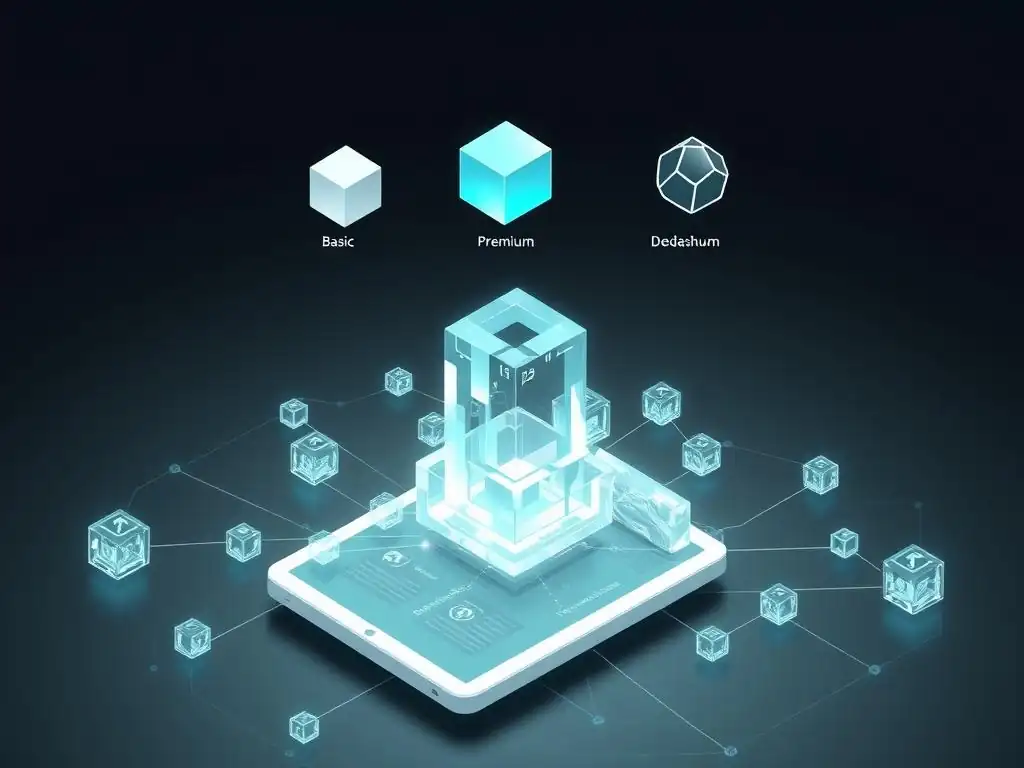
One emerging type of blockchain game subscription mirrors the traditional "all-you-can-play" model, offering access to a library of blockchain-based games for a recurring fee. Similar to services like Xbox Game Pass or Netflix, these platforms aggregate a collection of blockchain games from various developers, providing subscribers with a diverse selection to choose from. This model offers a convenient and cost-effective way for players to explore a range of blockchain games without having to purchase each game individually.
Platforms like Gala Games and Ultra, while not exclusively subscription-based, offer elements of this model. Gala Games, for example, has a vast ecosystem of blockchain games accessible through its platform, and while some games are free-to-play, others may require purchasing NFTs or utilizing platform tokens to fully engage. Ultra aims to create a comprehensive gaming ecosystem with a marketplace and a library of games, potentially moving towards a more defined subscription model in the future.
These platforms are pioneering the concept of a blockchain game library subscription, aiming to provide gamers with a curated and accessible entry point into the world of decentralized gaming. As the blockchain gaming space matures, we can expect to see more dedicated subscription services emerge, offering diverse libraries of blockchain games and competing for player attention in this evolving market.
Play-to-Earn (P2E) Subscription Services: Axie Infinity Scholarship Programs
While not strictly a "subscription" in the traditional sense, Play-to-Earn (P2E) models like Axie Infinity's scholarship programs represent a unique form of access to blockchain games that shares some characteristics with subscription services. Axie Infinity, a popular blockchain game, requires players to own a team of Axie NFTs to participate. These Axies can be expensive, creating a barrier to entry for many potential players.
Scholarship programs address this by allowing Axie owners (managers) to lend their Axies to other players (scholars) who can then play the game and earn rewards. The rewards are typically split between the manager and the scholar.
This scholarship model functions as a form of P2E subscription service. Scholars gain access to the game and the opportunity to earn cryptocurrency (SLP tokens) without the upfront investment of purchasing Axies. In return, they share a portion of their earnings with the Axie owner.
While not a traditional monthly fee, the revenue share agreement functions as a form of recurring payment, granting access to the game and its earning potential. This innovative approach demonstrates how blockchain technology can enable new forms of access and participation in gaming, blurring the lines between traditional subscription models and P2E economies. Scholarship programs in Axie Infinity and similar P2E games highlight the creative ways in which blockchain can facilitate access to gaming experiences and create economic opportunities for players globally.
NFT-Based Subscription Models: Illuvium's Land Sale and Staking Rewards
NFT-based subscription models represent another intriguing approach, where ownership of specific NFTs grants access to games or exclusive in-game benefits, effectively functioning as a subscription. Illuvium, a highly anticipated blockchain game, exemplifies this model through its land sale and staking rewards. Illuvium sold plots of virtual land as NFTs, and owning certain tiers of land NFTs grants access to exclusive features within the game, including resource generation and revenue sharing from in-game activities occurring on that land.
Furthermore, Illuvium utilizes staking mechanisms where players can stake their ILV tokens (the game's native cryptocurrency) to earn rewards, including access to beta testing and exclusive NFT drops. In this model, owning specific NFTs or staking tokens acts as a form of subscription, granting access to premium content and benefits within the Illuvium ecosystem. This approach differs from traditional subscriptions by tying access to asset ownership rather than a recurring fee.
Players effectively "subscribe" by acquiring and holding specific NFTs or tokens. This NFT-based subscription model offers a unique blend of ownership and access, allowing players to invest in the game ecosystem and potentially earn passive income while gaining access to exclusive content and features. It represents a novel approach to game subscriptions that leverages the unique capabilities of NFTs and blockchain technology.
The Challenges and Opportunities of Blockchain Game Subscriptions
Addressing Scalability Issues in Blockchain Gaming
One of the primary challenges facing blockchain game subscriptions, and blockchain gaming in general, is scalability. Many popular blockchains, particularly Ethereum, have faced limitations in transaction throughput and high gas fees, which can hinder the seamless operation of complex gaming ecosystems with numerous in-game transactions. High transaction costs can make microtransactions, reward payouts, and NFT trading within subscription games prohibitively expensive and impractical.
However, significant advancements are being made to address these scalability issues. Layer-2 scaling solutions, such as Polygon, Optimism, and Arbitrum, are gaining traction, offering faster and cheaper transactions while still benefiting from the security of the main Ethereum blockchain. These solutions bundle multiple transactions off-chain and then settle them on the main chain, significantly increasing throughput and reducing gas fees.
Furthermore, alternative blockchains designed for gaming, such as Flow and Wax, are also emerging, offering higher transaction speeds and lower costs specifically tailored for gaming applications. The ongoing development and adoption of these scaling solutions are crucial for overcoming scalability hurdles and enabling the widespread adoption of blockchain game subscriptions, making them more accessible and user-friendly for gamers.
Overcoming Regulatory Hurdles and Ensuring Compliance
The regulatory landscape surrounding blockchain technology, cryptocurrencies, and NFTs is still evolving and varies significantly across different jurisdictions. This regulatory uncertainty poses a challenge for blockchain game subscriptions, particularly regarding issues like token classification, securities laws, and anti-money laundering (AML) compliance. Navigating these complex and often unclear regulations is crucial for ensuring the long-term sustainability and legitimacy of blockchain game subscription platforms.
Game developers and platform providers need to proactively engage with legal experts and regulatory bodies to ensure compliance with applicable laws and regulations in their target markets. This includes carefully structuring tokenomics, implementing KYC (Know Your Customer) and AML procedures, and adhering to guidelines related to consumer protection and data privacy. The lack of global regulatory harmonization adds complexity, requiring platforms to adapt their approaches to different regional requirements.
However, as the blockchain industry matures and regulations become clearer, the path to compliance will become more defined, reducing regulatory risks and fostering a more stable environment for the growth of blockchain game subscriptions. Proactive engagement and a commitment to compliance are essential for building trust and ensuring the long-term viability of this emerging sector.
Educating Gamers on the Benefits of Blockchain Technology
A significant challenge for the widespread adoption of blockchain game subscription benefits is the need to educate gamers about the underlying technology and its advantages. Many gamers are still unfamiliar with blockchain, NFTs, and cryptocurrencies, and may view these concepts with skepticism or confusion. Overcoming this knowledge gap is crucial for attracting mainstream gamers to blockchain game subscriptions.
Effective communication and education are key. Platforms and game developers need to clearly articulate the benefits of blockchain in simple and accessible language, focusing on the tangible advantages for gamers, such as ownership of assets, play-to-earn opportunities, and increased transparency. Highlighting real-world examples and success stories can help to demystify blockchain and demonstrate its practical applications in gaming.
User-friendly interfaces and onboarding processes are also essential to make blockchain game subscriptions accessible to non-technical users. Just as the internet and mobile gaming gradually gained mainstream acceptance through education and user-friendly experiences, the same approach is needed to drive the adoption of blockchain gaming and its subscription models. Focusing on the player value proposition and simplifying the user experience will be critical for bridging the knowledge gap and attracting a wider audience to blockchain game subscription benefits.
Fostering Wider Adoption of Blockchain Game Subscriptions
Fostering wider adoption of blockchain game subscriptions requires a multi-pronged approach that addresses technological challenges, regulatory uncertainties, and gamer education, while also focusing on creating compelling and engaging gaming experiences. Beyond overcoming technical and regulatory hurdles, the success of blockchain game subscriptions hinges on the quality and appeal of the games themselves. Gamers will ultimately gravitate towards platforms and subscriptions that offer fun, engaging, and high-quality games, regardless of the underlying technology.
Therefore, attracting talented game developers to the blockchain space and incentivizing them to create compelling blockchain games is paramount. Platforms need to provide robust development tools, funding opportunities, and marketing support to attract and retain top-tier game developers. Furthermore, focusing on user experience and making blockchain game subscriptions as seamless and user-friendly as traditional gaming platforms is crucial.
Simplifying onboarding processes, providing intuitive interfaces, and ensuring smooth gameplay are essential for attracting mainstream gamers. Collaboration and interoperability between different blockchain gaming platforms and ecosystems can also contribute to wider adoption by creating a more interconnected and valuable gaming landscape for players. By addressing these multifaceted challenges and focusing on creating compelling gaming experiences, the blockchain game subscription model can unlock its full potential and achieve wider adoption within the gaming industry.
Real-World Examples of Blockchain Game Subscription Platforms
Case Study: Gala Games - Features and User Experience
Gala Games stands out as a prominent example of a platform pioneering blockchain game subscriptions, although it operates more as an ecosystem of blockchain games with varying access models. Gala Games hosts a diverse portfolio of games across various genres, including MMORPGs, strategy games, and social simulations, all leveraging blockchain technology. A key feature of Gala Games is its emphasis on player ownership. Many in-game assets within Gala Games are NFTs, allowing players to own, trade, and potentially earn from their in-game possessions.
The user experience on Gala Games is designed to be relatively accessible, although navigating the blockchain aspects can still be a learning curve for new users. Players can access games through the Gala Games platform, which acts as a launcher and marketplace for their ecosystem. While Gala Games doesn't offer a single, unified subscription for all games, it utilizes its native token, GALA, for various in-game transactions and purchases.
Players can earn GALA through gameplay and participation in the ecosystem, creating a play-to-earn dynamic. Gala Games represents a significant step towards realizing the potential of blockchain game subscriptions by offering a diverse library of games, emphasizing player ownership, and fostering a play-to-earn ecosystem, though it's still evolving towards a more streamlined subscription model.
Case Study: Ultra - Innovation and Community Engagement
Ultra is another noteworthy example of a platform aiming to innovate in the blockchain gaming subscription space, focusing on creating a comprehensive gaming ecosystem and fostering strong community engagement. Ultra aims to be more than just a game platform; it envisions itself as a next-generation gaming distribution platform leveraging blockchain technology to enhance various aspects of the gaming experience. Ultra utilizes its own blockchain and native token, UOS, to power its ecosystem and facilitate transactions. A key innovation of Ultra is its focus on efficient and low-cost transactions, addressing scalability concerns that have plagued some other blockchain gaming platforms.
Ultra emphasizes community engagement through features like direct developer-to-player communication channels and opportunities for player feedback to influence game development. While Ultra is still under development and its full subscription model is yet to be fully realized, it is building a platform that aims to offer a curated library of blockchain games, enhanced player ownership through NFTs, and a strong focus on community building.
Ultra's approach highlights the potential for blockchain to not only transform game subscriptions but also to create more engaging and community-driven gaming ecosystems. Its commitment to innovation and community engagement positions it as a key player in the evolving landscape of blockchain game subscription platforms.
Comparing the Offerings of Leading Blockchain Game Subscription Services
Comparing the offerings of leading blockchain game subscription services reveals a diverse landscape with varying approaches and focuses. Gala Games, as discussed, offers a broad ecosystem of games with a strong emphasis on player ownership and play-to-earn mechanics, but its subscription model is less defined and more game-specific.
Ultra aims for a more comprehensive platform approach with a focus on efficiency, community engagement, and a curated game library, although its full subscription model is still emerging. Other platforms like Immutable X, while primarily a Layer-2 scaling solution for NFTs on Ethereum, are also fostering the development of blockchain games and could potentially support subscription models in the future.
One key differentiator among these platforms is the game library and genre focus. Gala Games offers a wider range of game genres, while Ultra is still building its game library. Tokenomics and reward systems also vary significantly across platforms, with some emphasizing play-to-earn mechanics more heavily than others. User experience and platform accessibility are also crucial factors.
Platforms that can provide a seamless and user-friendly onboarding experience for non-crypto native gamers will likely have a greater advantage in attracting a wider audience. As the blockchain game subscription space matures, we can expect to see further differentiation and specialization among platforms, catering to different gamer preferences and focusing on specific niches within the blockchain gaming market. The competition and innovation in this space are driving rapid evolution and shaping the future of blockchain game subscription benefits.
The Future of Blockchain Game Subscriptions
Predicting the Growth and Evolution of the Market
The market for blockchain game subscriptions is poised for significant growth in the coming years, driven by increasing gamer awareness of blockchain game subscription benefits, advancements in blockchain technology, and the growing demand for more player-centric gaming models. Industry reports project substantial growth in the blockchain gaming market as a whole, and subscription models are expected to be a significant contributor to this expansion. As scalability solutions improve and regulatory clarity emerges, the barriers to entry for blockchain game subscriptions will decrease, paving the way for wider adoption.
The evolution of the market will likely see a diversification of subscription models. We can expect to see more platforms offering "all-you-can-play" libraries of blockchain games, similar to traditional subscription services, but with the added benefits of blockchain. NFT-based subscription models, where ownership of specific NFTs grants access to games or exclusive content, are also likely to become more prevalent.
Play-to-earn subscription services, while facing some sustainability challenges, will continue to evolve and potentially find more balanced and sustainable economic models. The future of blockchain game subscriptions will likely be characterized by experimentation, innovation, and a constant push to enhance the value proposition for gamers and create more engaging and rewarding gaming experiences. The growth trajectory is strong, and the evolution is expected to be dynamic and transformative for the gaming industry.
The Role of NFTs in Shaping the Future of Gaming Subscriptions
NFTs are set to play a pivotal role in shaping the future of gaming subscriptions, acting as the cornerstone for many of the unique blockchain game subscription benefits. NFTs enable true ownership of in-game assets, which is a fundamental differentiator from traditional subscription models. This ownership empowers players and creates new economic opportunities within gaming ecosystems. In subscription models, NFTs can represent in-game items, characters, virtual land, or even access keys to exclusive content or games.
Beyond ownership, NFTs facilitate interoperability, potentially allowing assets to be used across different games and platforms within a blockchain ecosystem. This cross-game utility enhances the value of NFTs and creates more interconnected gaming experiences. NFTs also enable new forms of subscription models, such as NFT-based subscriptions where owning specific NFTs grants access.
Furthermore, NFTs can be integrated into reward systems, allowing players to earn valuable digital collectibles through gameplay. As the NFT market matures and standards for interoperability develop, NFTs will become increasingly integral to blockchain game subscriptions, driving innovation and creating more engaging and rewarding experiences for gamers. Their role will extend beyond mere digital collectibles to become fundamental building blocks of decentralized gaming ecosystems and subscription models.
The Impact of Blockchain on Game Development and Distribution
Blockchain technology is poised to have a profound impact on game development and distribution, fundamentally altering the traditional centralized models. Blockchain enables decentralized game distribution platforms, potentially reducing reliance on centralized marketplaces and giving developers more control over their game distribution and revenue. Smart contracts can automate revenue sharing between developers, platform providers, and even players in some cases, creating more transparent and equitable distribution models.
Blockchain also fosters new game development paradigms, such as community-driven game development and decentralized autonomous organizations (DAOs) governing game ecosystems. NFTs empower developers to create and monetize unique in-game assets and collectibles, opening up new revenue streams and incentivizing the creation of high-quality content. Play-to-earn mechanics, enabled by blockchain, can incentivize player participation and contribution to game ecosystems, potentially shifting the focus from purely profit-driven development to more community-centric and player-rewarding models.
The impact of blockchain on game development and distribution is multifaceted and transformative, promising to create a more decentralized, transparent, and player-empowering gaming industry. This shift will influence not only the types of games developed but also how they are funded, distributed, and played, impacting the entire lifecycle of game creation and consumption.
Conclusion: Embracing the Decentralized Gaming Future
The Potential of Blockchain Game Subscription Benefits for Gamers and Developers
The potential of blockchain game subscription benefits is immense, offering transformative advantages for both gamers and developers. For gamers, blockchain subscriptions promise enhanced ownership and control over in-game assets, increased transparency and fairness in subscription terms, potential cost savings, opportunities to earn while playing, and greater interoperability of game assets. These benefits address many long-standing frustrations with traditional subscription models and empower players in unprecedented ways.
For developers, blockchain subscriptions offer new revenue streams through NFT sales and play-to-earn economies, access to a wider audience through decentralized platforms, and opportunities to build stronger and more engaged communities. Blockchain can also facilitate more transparent and efficient revenue sharing models and reduce reliance on centralized platform gatekeepers. The convergence of blockchain and game subscriptions represents a win-win scenario, creating a more equitable and rewarding ecosystem for both players and creators. This potential is driving the rapid growth and innovation in the blockchain gaming space, signaling a significant shift towards a more decentralized and player-centric gaming future.
Staying Ahead of the Curve in the Evolving Blockchain Gaming Landscape
The blockchain gaming landscape is evolving rapidly, with new technologies, platforms, and subscription models emerging constantly. Staying ahead of the curve in this dynamic environment requires continuous learning, adaptation, and a willingness to experiment with new approaches. For gamers, this means exploring different blockchain game subscription platforms, understanding the benefits and risks associated with blockchain gaming, and engaging with blockchain gaming communities to stay informed about the latest developments.
For developers and platform providers, staying ahead requires investing in research and development, exploring new blockchain technologies and scaling solutions, and actively engaging with the gaming community to understand their needs and preferences. Adapting to evolving regulatory landscapes and prioritizing user experience and accessibility are also crucial for success.
The blockchain gaming revolution is underway, and those who embrace innovation, prioritize player value, and remain adaptable will be best positioned to thrive in this exciting and transformative new era of gaming. Understanding and leveraging blockchain game subscription benefits is key to navigating and capitalizing on this evolving landscape and shaping the future of decentralized gaming.
Frequently Asked Questions
What are the primary blockchain game subscription benefits for players?
The main benefits include ownership of in-game assets, potentially earning cryptocurrency through gameplay (play-to-earn), and access to exclusive content or features not available otherwise.
How do blockchain game subscriptions differ from traditional gaming subscriptions?
Unlike traditional subscriptions, blockchain-based models often offer true digital ownership of in-game items via NFTs and allow for trading or selling these assets on open marketplaces. This creates a player-driven economy.
What role does DeFi play in the blockchain game subscription ecosystem?
DeFi elements can introduce staking rewards using in-game tokens, providing players with passive income. Also, it can allow players to provide liquidity pools for in-game assets and tokens, earning fees.
What are the potential regulatory challenges facing blockchain game subscriptions?
Regulatory concerns often revolve around the classification of in-game assets (securities vs. commodities), and compliance with anti-money laundering (AML) regulations and consumer protection laws.
How might blockchain game subscriptions shape the future of the gaming industry?
They could lead to a more decentralized and player-centric gaming landscape, where players have more control and economic opportunities. This could disrupt traditional gaming models and foster greater community engagement.
Final Reflection: Embracing the Decentralized Gaming Future
The exploration of blockchain-based game subscriptions reveals a landscape brimming with potential, and its current relevance is undeniable. As traditional gaming models face increasing scrutiny regarding ownership and fairness, the promise of decentralized, player-centric ecosystems offered by blockchain technology presents a compelling alternative, poised to reshape the industry.
The shift towards blockchain game subscriptions isn't merely a technological upgrade; it's a cultural evolution. It represents a fundamental change in how we perceive ownership and value within digital spaces, empowering players in unprecedented ways. The future of gaming isn't just about playing games; it's about owning a piece of the game itself.
This sentiment underscores the profound impact blockchain technology can have on fostering a more equitable and engaging gaming experience.
Now, as you consider the potential blockchain game subscription benefits outlined in this article, I invite you to reflect on your own relationship with gaming. How can you embrace the opportunities presented by this decentralized future? How can you support the development of games that prioritize player ownership and community governance? The power to shape the future of gaming lies within each of us. Let's build a more transparent, rewarding, and ultimately, more enjoyable gaming world together.
Unlock the Future of Gaming: Take Control Now!
Thank you for exploring the exciting world of blockchain game subscriptions with us! We hope you now have a clearer understanding of the benefits and potential that this innovative model offers to the gaming industry. Are you ready to be part of the change?
Here are a few ways you can get involved:
- Try out a blockchain-based game that offers a subscription service to experience the benefits firsthand.
- Share this article with fellow gamers and blockchain enthusiasts to spark conversations and raise awareness about this emerging trend.
- Join blockchain gaming communities and forums to connect with developers and other players shaping the future of game subscriptions.
What features would you like to see in a blockchain-based game subscription service? Share your thoughts in the comments below!
Leave a Reply