
How to Create Engaging Storylines in PlaytoEarn Games

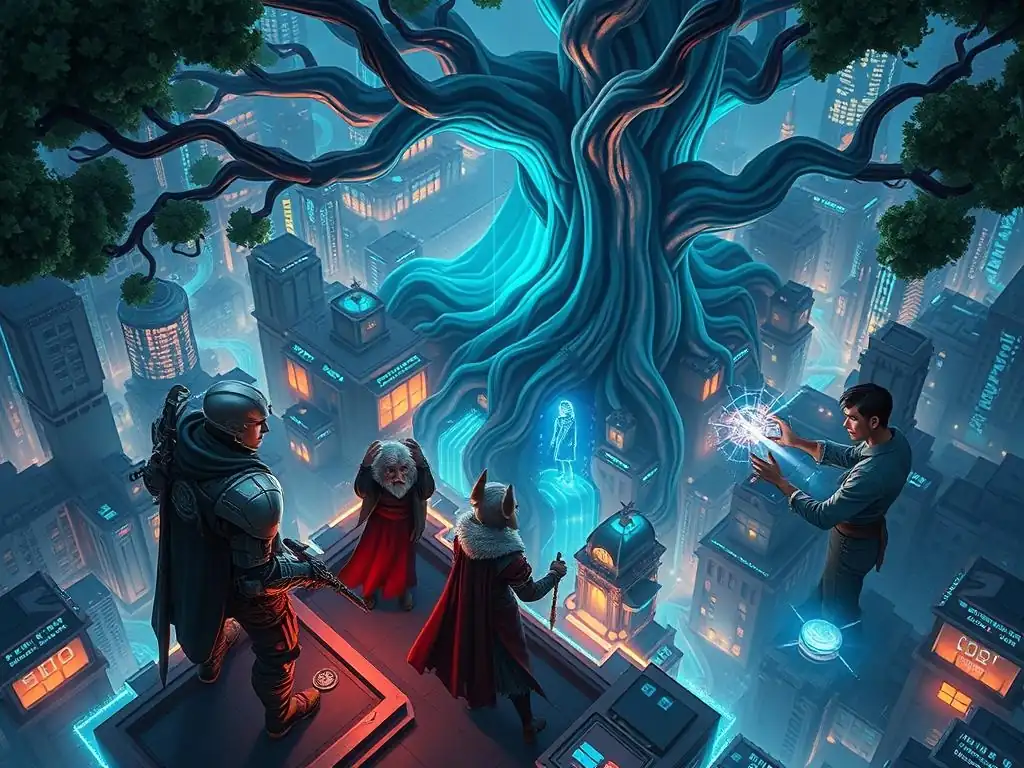
Welcome to Blockchain Trends, your guide to understanding the revolution unfolding beyond digital currencies. Are you ready to unlock the secrets to crafting compelling narratives in PlaytoEarn games? Discover how to weave captivating storylines that not only engage players but also drive adoption in this burgeoning blockchain-powered world. Intrigued? Let's dive in and explore the art of PlaytoEarn game storytelling.
Crafting Engaging Narratives in Play-to-Earn Games
- Introduction: Storytelling's Impact on Play-to-Earn Success
- Understanding Your Audience: Aligning Narrative with Player Preferences
- Narrative Design Principles for Compelling Play-to-Earn Games
- Avoiding Common Narrative Pitfalls in Play-to-Earn Games
- Case Studies: Story-Driven Play-to-Earn Games
- The Future of Narrative in Play-to-Earn Gaming
- Conclusion: Elevating Play-to-Earn Games Through Narrative Excellence
-
Frequently Asked Questions
- How important is a compelling narrative in PlaytoEarn (P2E) games, and why?
- What are some key elements of a successful P2E game storyline?
- How can developers balance the PlaytoEarn aspect with the narrative without sacrificing one for the other?
- What are some common pitfalls to avoid when crafting a P2E game storyline?
- How can blockchain technology itself be used to enhance the storytelling in P2E games?
- Final Reflection: Weaving Worlds of Value
- Level Up Your Game Design: Ignite Player Passion!
Introduction: Storytelling's Impact on Play-to-Earn Success
Why Narrative Drives Engagement and Retention in P2E Games
In the burgeoning world of Play-to-Earn (P2E) crypto gaming, the allure of financial incentives is undeniable. However, while the earning potential initially attracts players, it is often a compelling narrative that truly captures their imagination and fosters long-term engagement. A well-crafted story provides a crucial layer of depth beyond mere financial transactions, transforming gameplay from a repetitive task into an immersive experience.
Players are more likely to invest their time and effort into a game where their actions feel meaningful, contributing to a larger, unfolding story. This intrinsic motivation, fueled by narrative immersion, is a far more potent driver of sustained engagement than extrinsic rewards alone.
Consider traditional gaming giants like "The Witcher 3" or "Red Dead Redemption 2." While they do not incorporate blockchain or earning mechanics, their enduring popularity stems largely from their rich narratives, intricate world-building, and relatable characters. These elements create an emotional connection with players, fostering a sense of investment and loyalty.
In the context of P2E, where player retention is paramount for a game's long-term sustainability and tokenomics, narrative becomes an equally, if not more, critical factor. Games that prioritize storytelling are better positioned to cultivate a dedicated player base that remains invested even beyond the initial hype cycle, ensuring a healthier and more vibrant ecosystem.
The Competitive Advantage of Strong Storytelling in Blockchain Gaming
The Play-to-Earn gaming landscape is rapidly becoming saturated. As more projects emerge, vying for player attention and investment, differentiation becomes crucial for success. While innovative tokenomics and engaging gameplay mechanics are important, a strong narrative offers a significant competitive advantage. It provides a unique identity for a game, setting it apart from competitors that may solely focus on earning potential. In a market where many P2E games share similar core mechanics or asset types, a captivating story can be the deciding factor for players choosing where to spend their time and resources.
Moreover, strong storytelling can attract a broader audience beyond crypto-natives primarily interested in financial gains. By creating compelling narratives, P2E games can appeal to traditional gamers who appreciate immersive experiences and rich lore. This expansion of the player base is vital for the long-term growth and mainstream adoption of blockchain gaming.
Games like "Genshin Impact," while not P2E, demonstrate the power of narrative-driven open-world experiences to captivate millions globally. P2E games that successfully integrate engaging narratives can tap into this vast market, attracting players who are drawn to the story first and the earning potential second, creating a more sustainable and diverse player community.
Understanding Your Audience: Aligning Narrative with Player Preferences
Identifying Player Motivations and Interests in P2E
To craft compelling narratives in Play-to-Earn games, it is crucial to understand the motivations and interests of the target audience. While the promise of earning cryptocurrency is a primary draw for many P2E players, it’s not the sole motivator. Many players are also seeking entertainment, social interaction, and a sense of accomplishment.
Understanding this multifaceted player profile is essential for designing narratives that resonate beyond the economic incentives. Surveys and community feedback within existing P2E games indicate that players appreciate games that offer a balance between earning potential and engaging gameplay, often prioritizing games with interesting lore, characters, and quests.
Furthermore, the P2E audience is diverse. Some players are primarily investors seeking to maximize their returns, while others are gamers looking for fun and engaging experiences with the added benefit of earning. Narrative design needs to cater to these different segments, potentially offering layers of engagement that appeal to both types of players.
For instance, a game might feature a deep and intricate lore for players who enjoy immersive storytelling, while also providing clear and straightforward earning mechanics for those focused on financial aspects. Analyzing player behavior within early P2E games reveals a trend: games that offer a compelling core gameplay loop alongside earning opportunities tend to retain players longer and build stronger communities. This highlights the importance of narrative and gameplay working in synergy, not in isolation, to cater to the varied motivations within the P2E player base.
Genre and Theme Selection for Resonance with Blockchain Gamers
Genre and theme selection play a pivotal role in attracting and engaging blockchain gamers. Certain genres naturally lend themselves to compelling narratives and resonate strongly with the tech-savvy and often future-oriented demographic associated with blockchain and cryptocurrency. For example, sci-fi and fantasy themes, often exploring themes of decentralization, digital ownership, and virtual worlds, align well with the core concepts of blockchain technology itself. Games set in dystopian futures or magical realms can offer allegorical narratives that explore the potential and challenges of decentralized systems, creating a thematic link between the game's story and the underlying technology.
Moreover, genre selection influences the type of narrative that can be effectively implemented. Massively Multiplayer Online Role-Playing Games (MMORPGs) and strategy games, for instance, offer ample opportunities for expansive world-building, character development, and emergent storytelling driven by player interactions. Collectible card games and auto-battlers, while often more mechanically focused, can still benefit from strong thematic narratives and character backstories to enhance player engagement and collection motivations.
Analyzing the successful genres in traditional gaming and their reception within the P2E space reveals a preference for genres that offer depth, replayability, and opportunities for social interaction. Selecting a genre and theme that aligns with both the technical capabilities of blockchain and the narrative preferences of the target audience is a crucial step in crafting engaging Play-to-Earn game storytelling.
Narrative Design Principles for Compelling Play-to-Earn Games
1. Building a Deep and Engaging Game World
Lore, History, and Cultural Foundations for P2E Game Worlds
A deep and engaging game world is the bedrock of compelling Play-to-Earn game storytelling. This foundation is built upon rich lore, a well-defined history, and even cultural elements that give the game world a sense of authenticity and believability. Lore, encompassing the history, myths, and legends of the game world, provides context and meaning to player actions.
It answers the "why" behind the game's conflicts, factions, and objectives, transforming gameplay from a series of tasks into participation in a living, breathing world. Developing a detailed history, even if only subtly revealed to players, ensures consistency and internal logic within the game world, making it feel more real and immersive.
Furthermore, incorporating cultural elements, such as unique traditions, social structures, and belief systems within the game world's societies, adds layers of complexity and intrigue. This can range from distinct architectural styles and clothing to unique forms of art, music, and social customs. Consider the world of "The Lord of the Rings," where Tolkien meticulously crafted languages, histories, and cultures for each race and region, creating an unparalleled sense of immersion.
While P2E games may not require this level of detail initially, establishing a solid foundation of lore, history, and cultural nuances is crucial for long-term narrative development and player engagement. This groundwork provides fertile ground for future content updates, expansions, and community-driven storytelling within the game world.
Visual Design's Role in Conveying Narrative and Atmosphere
Visual design is not merely aesthetics; it is a powerful tool for conveying narrative and atmosphere in Play-to-Earn games. The visual style, from character designs and environments to user interface elements, directly communicates the tone, genre, and underlying themes of the game world. A gritty, realistic visual style might suggest a more serious and morally ambiguous narrative, while a vibrant, cartoonish style could indicate a lighter, more whimsical story. Consistent visual cues throughout the game world reinforce the narrative and create a cohesive player experience.
Moreover, environmental storytelling, using the visual details of the game world itself to convey narrative information, is a crucial aspect of visual design. Ruined structures can hint at past conflicts, unique flora and fauna can reveal the world's ecology and history, and the architecture of cities can reflect the cultural values and social structures of their inhabitants. Lighting, color palettes, and weather effects can further enhance the atmosphere and emotional impact of the narrative, creating a more immersive and engaging experience.
Games like "Bioshock" masterfully use art deco architecture and environmental details to tell a story of societal collapse. In P2E games, careful attention to visual design ensures that the narrative is not just told through text and dialogue, but is also constantly communicated and reinforced through the visual landscape of the game world itself, deepening player immersion and understanding.
2. Developing Relatable and Multifaceted Characters
Character Backstories and Motivations for Player Connection
Relatable and multifaceted characters are essential for forging an emotional connection between players and the Play-to-Earn game world. Characters should not be mere avatars or quest givers; they need to feel like individuals with their own histories, motivations, and personalities. Developing compelling backstories for key characters provides context for their actions and decisions, making them feel more real and understandable. Understanding why a character acts in a certain way, what their past experiences have been, and what they aspire to achieve allows players to empathize with them and become invested in their fates.
Furthermore, characters should possess clear motivations, driving their actions within the game's narrative. These motivations should be more than just simple directives; they should be rooted in the character's desires, fears, and values. A character driven by a desire for revenge will act differently from one motivated by a desire to protect their community.
Presenting characters with conflicting motivations or internal struggles adds depth and complexity, making them more human and relatable. Consider characters like Geralt of Rivia from "The Witcher" series, whose morally grey choices and complex backstory resonate deeply with players. In P2E games, even seemingly simple non-player characters (NPCs) can be enriched with backstories and motivations, enhancing the overall narrative tapestry and making the game world feel more alive and populated by individuals with their own stories to tell.
Character Development and Evolution Throughout the Game
Character development and evolution are crucial for maintaining player engagement throughout the Play-to-Earn game experience. Characters should not remain static figures from the beginning to the end of the game; they should grow, change, and adapt in response to the events of the narrative and the player's actions. This evolution can manifest in various forms, such as changes in personality, beliefs, relationships, or skills. Witnessing characters overcome challenges, learn from their mistakes, and evolve as individuals creates a sense of progress and investment for players.
Character arcs, the trajectory of a character's development throughout the story, are a powerful tool for narrative engagement. A well-defined character arc provides a sense of purpose and direction to a character's journey. This could involve a character starting as naive and idealistic and becoming hardened and cynical through difficult experiences, or vice versa – a character initially driven by self-interest who learns empathy and altruism.
Player choices can also directly influence character development, creating a sense of agency and consequence. For example, choices made by the player could lead to a character becoming more trusting or more suspicious, influencing their future interactions and narrative paths. In P2E games, where long-term player retention is vital, character development and evolution provide ongoing narrative hooks, keeping players invested in the characters' journeys and the unfolding story of the game world.
3. Integrating Earning Mechanics into the Core Narrative
Making Token Rewards a Meaningful Part of the Player Journey
In Play-to-Earn games, token rewards should not feel like an afterthought or a detached economic system; they should be meaningfully integrated into the core narrative and player journey. The act of earning tokens should be intrinsically linked to the game's story, world, and character progression. Instead of simply rewarding players for repetitive tasks, rewards should be tied to narrative achievements, quest completions, and significant milestones within the game world. This approach transforms earning from a purely transactional activity into a meaningful part of the player experience, enhancing narrative immersion and player motivation.
For example, instead of just receiving tokens for defeating a generic monster, players could earn rewards for completing quests that advance the main storyline, resolving conflicts between factions, or uncovering secrets of the game world's lore. Token rewards could also be tied to character development, such as earning tokens for mastering new skills, unlocking character upgrades, or progressing through specific character storylines.
This integration makes earning feel like a natural consequence of engaging with the narrative, rather than a separate system. Players then perceive token rewards as not just financial gains but also as tangible representations of their progress and achievements within the game world's story, further strengthening their connection to the narrative and the game itself.
Connecting Player Actions to Story Progression and Crypto Rewards
A crucial aspect of successful Play-to-Earn game storytelling is establishing a clear and compelling connection between player actions, story progression, and cryptocurrency rewards. Player choices and actions should directly impact the narrative, leading to different story outcomes and influencing the game world. Simultaneously, these actions should also be directly linked to earning opportunities, creating a system where engaging with the narrative is the primary pathway to earning rewards. This intertwined system ensures that earning feels organic and integrated within the gameplay experience, rather than a separate, potentially detracting element.
For instance, if a player chooses to side with a particular faction in a narrative conflict, this choice should not only impact the story's direction and the player's relationships with different characters but also potentially unlock specific quests, rewards, or earning opportunities associated with that faction. Conversely, neglecting narrative quests or making choices that contradict the game world's lore could lead to missed earning opportunities or even negative narrative consequences.
This interconnected system incentivizes players to actively engage with the narrative, explore the game world, and make meaningful choices, as these actions directly translate to both story progression and cryptocurrency rewards. This tight integration is key to creating a truly engaging and sustainable Play-to-Earn gaming experience where narrative and earning mechanics are mutually reinforcing, rather than competing elements.
4. Empowering Player Choice and Shaping the Narrative
Branching Narrative Paths and Player-Driven Story Arcs
Empowering player choice through branching narrative paths is a powerful technique to enhance engagement and replayability in Play-to-Earn games. Instead of a linear, predetermined storyline, offering players choices that lead to different narrative branches allows them to feel a greater sense of agency and control over their in-game experiences.
These choices can range from dialogue options that influence character relationships to significant decisions that alter the course of the main storyline and the state of the game world. Branching narratives create a more dynamic and personalized experience, as each player's journey through the game can be unique based on their choices.
Furthermore, player-driven story arcs, where players actively shape the narrative through their actions and decisions over time, take player agency to the next level. This could involve allowing players to establish their own factions, influence political landscapes, or even alter the fundamental rules or lore of the game world through collective actions.
This type of emergent storytelling, driven by player interactions and choices, creates a truly dynamic and evolving game world where the narrative is not just pre-written but co-created by the player community. Games like "Fallout: New Vegas," known for its extensive branching narrative and player agency, demonstrate the power of player choice to create deeply engaging and replayable experiences.
In P2E games, implementing branching narratives and player-driven story arcs not only enhances narrative engagement but also fosters a stronger sense of community and ownership, as players feel like active participants in shaping the game world and its ongoing story.
Meaningful Choices with Lasting Consequences in the Game World
For player choice to be truly impactful in Play-to-Earn games, choices must have meaningful and lasting consequences within the game world. Superficial choices that have little to no impact on the narrative or gameplay quickly diminish player agency and immersion. Consequences should extend beyond simple dialogue changes; they should affect character relationships, world states, available quests, and even the overall ending of the game. Choices should have both short-term and long-term ramifications, creating a sense of weight and significance to player decisions.
Meaningful consequences can manifest in various forms. Choosing to help one faction over another could lead to lasting alliances and rivalries, opening up new quest lines and closing off others. Decisions made early in the game could have repercussions later on, creating a sense of continuity and consequence throughout the player journey.
Furthermore, consequences should be visible and tangible within the game world, reinforcing the impact of player choices. For example, if a player chooses to destroy a certain landmark, the game world should visually reflect this destruction, and NPCs should react accordingly.
Games like "Mass Effect" are renowned for their choices that have far-reaching consequences across entire game series. In P2E games, implementing meaningful choices with lasting consequences not only enhances narrative immersion and player agency but also encourages players to think carefully about their decisions and to invest more deeply in the game world and its unfolding story, knowing that their actions truly matter.
5. Leveraging Blockchain for Unique Narrative Possibilities
On-Chain Lore and Persistent World State
Blockchain technology offers unique narrative possibilities for Play-to-Earn games, particularly through the implementation of on-chain lore and persistent world states. On-chain lore refers to storing narrative elements, such as character backstories, item histories, or world events, directly on the blockchain. This creates a transparent, immutable, and publicly verifiable record of the game's lore, enhancing its authenticity and permanence.
Players can access and explore this on-chain lore, adding a layer of depth and discoverability to the game world's history and mythology. Furthermore, on-chain lore can be community-driven, allowing players to contribute to the game's narrative in a decentralized and transparent manner, fostering a sense of collective ownership and co-creation.
Persistent world states, also enabled by blockchain, allow for game world changes and events to be permanently recorded and maintained on the blockchain. Player actions and choices can have lasting impacts on the game world, creating a truly dynamic and evolving narrative landscape.
For example, if players collectively decide to rebuild a destroyed city within the game, this change can be recorded on the blockchain, ensuring that the game world reflects this player-driven transformation persistently for all players. This permanence and immutability of blockchain technology can create a sense of historical significance to player actions and events within the game world, adding a unique layer of narrative depth and player investment not possible in traditional gaming.
NFT Integration for Character Development and Story Progression
Non-Fungible Tokens (NFTs) can be creatively integrated into Play-to-Earn game narratives to enhance character development and story progression in unique ways. NFTs can represent not just tradable assets but also key narrative elements, such as unique character traits, story-relevant items, or even branches in a character's storyline. For example, a character NFT could evolve and change visually or statistically based on player actions and narrative choices, reflecting their journey and development within the game's story. Acquiring specific NFT items could unlock new narrative pathways, quests, or character abilities, making NFTs integral to both gameplay and storytelling.
Furthermore, NFTs can be used to represent character backstories or lore fragments, collectible and tradable within the game ecosystem. Owning a complete collection of lore NFTs could unlock secret storylines or provide deeper insights into the game world's history.
NFTs can also facilitate player-driven storytelling, allowing players to create and own unique narrative content, such as character stories, quests, or even in-game locations, which can then be integrated into the game world and potentially rewarded through tokenomics. This integration of NFTs with character development and story progression blurs the lines between gameplay, narrative, and ownership, creating new and innovative ways to engage players and build richer, more immersive Play-to-Earn game experiences.
Avoiding Common Narrative Pitfalls in Play-to-Earn Games

Balancing Earning Mechanics with Compelling Storytelling
One of the most significant challenges in Play-to-Earn game development is balancing the inherent focus on earning mechanics with the creation of compelling storytelling. Overemphasis on the earning aspect can easily overshadow the narrative, reducing the game to a mere financial transaction system with a thin veneer of story. Conversely, neglecting the earning mechanics in favor of a solely narrative-driven approach can undermine the core P2E premise and fail to attract players primarily motivated by financial incentives. Striking the right balance requires careful consideration of both aspects, ensuring that earning and narrative are mutually reinforcing, rather than competing elements.
To achieve this balance, developers should integrate earning mechanics organically within the narrative framework, as discussed earlier. Token rewards should be tied to meaningful narrative progression, quest completion, and character achievements, making earning a natural consequence of engaging with the story. Furthermore, the narrative itself can be designed to incorporate economic themes and elements, reflecting the P2E nature of the game world.
For example, the game's story could revolve around resource management, trade, or economic conflicts, making the earning mechanics thematically relevant to the narrative. Avoiding the pitfall of narrative overshadowing earning or vice versa requires a holistic design approach where both elements are carefully interwoven to create a cohesive and engaging Play-to-Earn experience.
Avoiding Clichés and Developing Original Narrative Concepts
In the rapidly evolving landscape of Play-to-Earn gaming, originality is key to standing out and capturing player attention. Falling into narrative clichés and relying on overused tropes can lead to a generic and uninspired game experience that fails to resonate with players. Developing original narrative concepts and avoiding common clichés requires creativity, innovation, and a willingness to push the boundaries of traditional storytelling within the gaming context. This includes exploring fresh themes, creating unique world settings, and crafting characters with unexpected motivations and backstories.
Instead of relying on tired fantasy tropes or predictable sci-fi narratives, P2E game developers should strive to create unique worlds and stories that reflect the innovative nature of blockchain technology itself. This could involve exploring narratives centered around decentralization, digital ownership, virtual economies, or the societal impact of blockchain technology.
Drawing inspiration from diverse sources beyond traditional fantasy and sci-fi genres, such as mythology, history, social commentary, or even abstract concepts, can lead to the development of truly original and captivating narrative concepts. Avoiding clichés and embracing originality is crucial for creating Play-to-Earn games that are not only engaging but also memorable and impactful in a crowded market.
Maximizing Player Agency and Avoiding Restrictive Storylines
While structured narratives provide a framework for storytelling, Play-to-Earn games should strive to maximize player agency and avoid overly restrictive storylines. Linear narratives that offer limited player choice and agency can feel confining and disempowering, especially in a P2E context where players are accustomed to a degree of control and ownership over their digital assets and experiences. Restricting player freedom in favor of a rigidly defined narrative can undermine player engagement and reduce replayability.
To maximize player agency, P2E games should incorporate branching narratives, meaningful choices, and player-driven story arcs, as discussed earlier. Allowing players to shape the narrative through their actions and decisions creates a more personalized and engaging experience. Furthermore, even within a structured narrative framework, providing players with freedom in how they approach quests, interact with characters, and explore the game world can significantly enhance their sense of agency.
Open-world game design principles, even in games that are not strictly open-world, can be applied to create a sense of freedom and exploration. Avoiding restrictive storylines and empowering player agency is crucial for creating Play-to-Earn games that are not only narratively compelling but also player-centric and empowering, fostering a sense of ownership and investment within the player community.
Case Studies: Story-Driven Play-to-Earn Games
Axie Infinity: Lore, Characters, and World-Building
Axie Infinity, while initially recognized for its earning mechanics, has also built a surprisingly rich lore, character system, and world-building that contribute to its enduring appeal. The game world, Lunacia, is inhabited by creatures called Axies, each with unique characteristics, backstories, and roles within the game's ecosystem.
The lore of Lunacia is gradually being revealed through various mediums, including in-game text, comics, and community-created content, creating a sense of ongoing discovery and world expansion. Axie characters themselves are not just generic creatures; they possess distinct classes, body parts, and abilities that are rooted in the game's lore, making them feel more than just tradable assets.
The breeding system in Axie Infinity also contributes to its narrative depth. Breeding Axies is not just a mechanical process for generating new NFTs; it is presented as a way to create new generations of Axies within the Lunacian world, adding a layer of organic growth and evolution to the character ecosystem.
Furthermore, the community-driven nature of Axie Infinity has fostered a rich ecosystem of fan-created lore, stories, and artwork, further expanding the game's narrative universe beyond the core game itself. While earning remains a primary driver for many Axie Infinity players, the game's developing lore, character system, and community-driven world-building demonstrate the potential for narrative to enhance the appeal and longevity of even initially mechanics-focused Play-to-Earn games.
Illuvium: Narrative-Driven Exploration and Collection
Illuvium stands out in the Play-to-Earn space for its strong emphasis on narrative-driven exploration and collection. The game is set on a visually stunning alien planet, shattered by a cataclysmic event, where players take on the role of survivors exploring the ruins of an ancient civilization and hunting powerful creatures called Illuvials.
The narrative of Illuvium is deeply intertwined with its gameplay, with exploration being driven by the desire to uncover the mysteries of the planet's past and the origins of the Illuvials. The game's lore is revealed through environmental storytelling, in-game text logs, and cinematic cutscenes, creating a sense of discovery and unraveling a compelling mystery.
The collection aspect of Illuvium is also narrative-driven. Illuvials are not just collectible NFTs; they are presented as unique creatures with their own lore, backstories, and ecological roles within the game world. Collecting and battling Illuvials is framed as a process of understanding and interacting with the alien ecosystem, driven by both gameplay progression and narrative curiosity.
Furthermore, Illuvium's planned open-world exploration and social gameplay elements promise to further enhance its narrative depth, allowing players to collaboratively explore the planet, uncover its secrets, and potentially shape the future of the Illuvium world through their actions. Illuvium exemplifies a Play-to-Earn game that prioritizes narrative and world-building as core pillars of its design, demonstrating the potential for story-driven experiences within the blockchain gaming space.
The Future of Narrative in Play-to-Earn Gaming
Emerging Trends in P2E Narrative Design and Implementation
The future of narrative in Play-to-Earn gaming is poised for exciting innovation and evolution. Emerging trends point towards more sophisticated and immersive storytelling techniques, moving beyond basic quest structures and incorporating elements of transmedia storytelling, personalized narratives, and dynamic world events.
Transmedia storytelling, extending the game narrative beyond the game itself into other media forms like comics, animations, or interactive websites, is gaining traction as a way to deepen player engagement and expand the narrative universe. Personalized narratives, adapting the story based on individual player choices and preferences, are becoming increasingly feasible with advancements in AI and data analysis, promising more tailored and engaging experiences.
Dynamic world events, creating emergent narrative moments driven by player actions and in-game systems, are also becoming more prevalent. These events can range from large-scale community challenges that alter the game world to emergent storylines driven by player interactions and economic forces within the game's ecosystem.
Furthermore, the integration of decentralized autonomous organizations (DAOs) into P2E game development opens up possibilities for community-driven narrative creation and governance, allowing players to directly participate in shaping the game's ongoing story and lore. These emerging trends signal a shift towards more dynamic, personalized, and community-driven narrative experiences in Play-to-Earn gaming, promising a future where storytelling is not just a feature but a core driver of player engagement and game evolution.
The Potential of AI and User-Generated Content in Storytelling
Artificial intelligence (AI) and user-generated content (UGC) hold immense potential to revolutionize storytelling in Play-to-Earn gaming. AI can be leveraged to create more dynamic and responsive narratives, adapting to player choices in real-time and generating personalized storylines based on individual player profiles and gameplay styles.
AI-powered NPCs could exhibit more complex behaviors, react more realistically to player actions, and even generate emergent narrative moments based on their interactions with players and the game world. Furthermore, AI can assist in procedural content generation, creating vast and diverse game worlds with unique lore, quests, and characters, significantly expanding the scope and depth of P2E narratives.
User-generated content empowers players to become active storytellers within the game world. Tools and platforms that allow players to create their own quests, characters, lore fragments, or even entire game modules can foster a vibrant ecosystem of community-driven storytelling. This not only expands the game's narrative universe beyond the developers' initial vision but also fosters a stronger sense of community ownership and creativity.
Blockchain technology can further enhance UGC in P2E games by enabling players to own and monetize their creations, incentivizing them to contribute to the game's narrative landscape. The combination of AI and UGC in P2E gaming promises a future where storytelling is not just a top-down creation but a collaborative and evolving process, driven by both developers and the player community, leading to richer, more dynamic, and truly player-centric narrative experiences.
Conclusion: Elevating Play-to-Earn Games Through Narrative Excellence
While the Play-to-Earn model initially draws players with the promise of financial rewards, it is compelling storytelling that ultimately elevates these games from mere earning platforms to engaging and enduring experiences. By prioritizing narrative design, P2E developers can tap into deeper player motivations, fostering long-term engagement, building vibrant communities, and differentiating their games in a competitive market. Crafting engaging narratives requires a multifaceted approach, encompassing deep world-building, relatable characters, integrated earning mechanics, player agency, and leveraging the unique possibilities of blockchain technology. Avoiding common narrative pitfalls, embracing originality, and continuously innovating in storytelling techniques are crucial for the future success of Play-to-Earn gaming. As the P2E space matures, narrative excellence will become an increasingly vital differentiator, driving the evolution of blockchain gaming towards more immersive, engaging, and ultimately, more rewarding experiences for players.
Frequently Asked Questions
How important is a compelling narrative in PlaytoEarn (P2E) games, and why?
A compelling narrative is crucial for P2E games. It drives player engagement and retention, encouraging them to invest more time and resources into the game. Without a good story, the economic incentives alone might not be enough to sustain player interest.
What are some key elements of a successful P2E game storyline?
Successful P2E storylines often involve player agency, meaningful choices, and a sense of progression. The story should also be integrated with the gameplay mechanics and reward systems, creating a cohesive and immersive experience.
How can developers balance the PlaytoEarn aspect with the narrative without sacrificing one for the other?
Balancing P2E and narrative requires careful design. The earning mechanics should feel like a natural extension of the story, not a distraction. Consider rewarding players for achieving narrative milestones and engaging with the lore.
What are some common pitfalls to avoid when crafting a P2E game storyline?
Avoid generic or predictable plots that fail to capture player imagination. Also, be careful not to make the story too complex or difficult to follow, as this can alienate players who are primarily interested in the earning aspect.
How can blockchain technology itself be used to enhance the storytelling in P2E games?
Blockchain enables verifiable ownership of in-game assets, which can be directly tied to the story. For example, owning a specific NFT could unlock exclusive story content or quests, creating a deeper connection between players and the game world.
Final Reflection: Weaving Worlds of Value
The exploration of PlaytoEarn game storytelling tips culminates in a crucial understanding: narrative depth directly impacts player engagement and, ultimately, the success of these innovative gaming ecosystems. No longer are players simply seeking rewards; they crave meaningful experiences, compelling characters, and worlds that resonate with their own aspirations and values. The integration of strong storytelling is not just a nice-to-have; it's the foundation upon which thriving PlaytoEarn communities are built.
The power of a well-crafted narrative in PlaytoEarn games extends far beyond mere entertainment. It fosters a sense of ownership, investment, and belonging within the game's world. This connection is paramount, transforming players from passive consumers into active participants in a shared story. People will forget what you said, people will forget what you did, but people will never forget how you made them feel.
- Maya Angelou. This quote perfectly encapsulates the lasting impact of a truly engaging narrative, one that transcends the digital realm and leaves a lasting impression on the player's psyche.
As you venture forth into the ever-evolving landscape of PlaytoEarn gaming, remember the power of story. Let your creativity flow, your characters breathe, and your worlds come alive. Craft narratives that not only reward players financially but also enrich their lives emotionally. By embracing the art of storytelling, you can unlock the true potential of PlaytoEarn games and create experiences that are not only profitable but also profoundly meaningful.
Level Up Your Game Design: Ignite Player Passion!
Thank you for exploring the world of captivating Play-to-Earn game narratives! You now have the tools to craft stories that resonate with players and keep them engaged. Are you ready to apply your new knowledge?
Here are some ways to start creating unforgettable game experiences:
- Begin brainstorming at least three different storyline ideas for your next project, focusing on unexpected character motivations.
- Dive deeper: research successful narrative techniques used in genres like interactive fiction or tabletop role-playing games and adapt them to your game.
- Share your insights: join the community forum to discuss your favorite Play-to-Earn game storylines and help shape the future of game storytelling.
What is the one unique story element you're most excited to incorporate into your game? Share your initial concept in the comments below!
Leave a Reply