
Addressing Healthcare Data Security Vulnerabilities with Blockchain Solutions

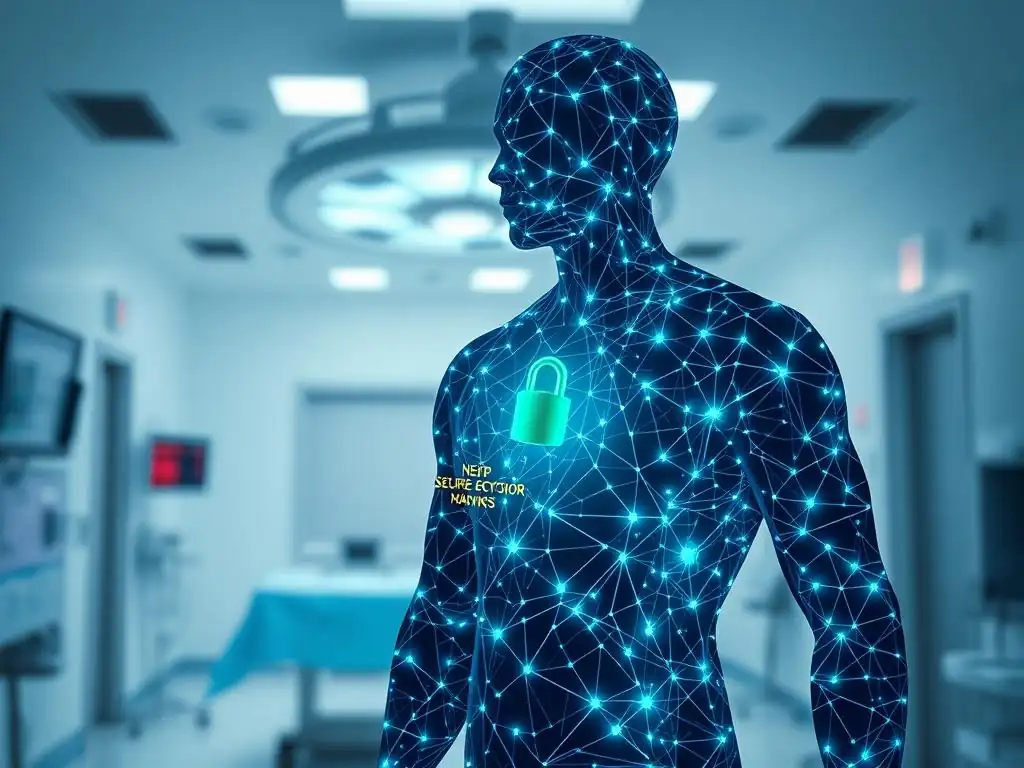
Welcome to Blockchain Trends, your go-to source for understanding the revolutionary impact of blockchain beyond digital currencies. Ever wondered how blockchain could be a game-changer for industries beyond finance? Dive in as we explore the fascinating potential, from decentralized finance to enterprise applications and evolving regulations.
Today, we're focusing on a critical area: Blockchain Healthcare Data Security. Discover how this technology is being leveraged to address vulnerabilities and safeguard sensitive patient information, and how it's paving the way for a more secure and transparent future for healthcare. Read on to uncover the solutions and the challenges ahead…
Addressing Healthcare Data Security Vulnerabilities with Blockchain Solutions
- Introduction: The Critical Need for Enhanced Healthcare Data Security
- Understanding Healthcare Data Security Vulnerabilities
- Blockchain Technology: A Secure Solution for Healthcare Data Management
- Blockchain Use Cases for Healthcare Data Security
- Implementing Blockchain Solutions for Healthcare Data Security
- Benefits of Blockchain for Healthcare Data Security
- Challenges and Considerations for Blockchain Adoption in Healthcare
- Future Trends in Blockchain Healthcare Data Security
- Conclusion: Embracing Blockchain for a Secure and Patient-Centric Healthcare Ecosystem
-
Frequently Asked Questions
- What are the primary healthcare data security vulnerabilities that blockchain aims to address?
- How does blockchain enhance patient data privacy in healthcare systems?
- What are some practical applications of blockchain in securing healthcare data beyond simply storing records?
- What are the regulatory considerations when implementing blockchain solutions for healthcare data security?
- What is the future outlook for blockchain in healthcare data security, and what are the potential challenges?
- Final Reflection: Securing the Future of Healthcare
- Secure Your Future: Implement Blockchain in Healthcare Today!
Introduction: The Critical Need for Enhanced Healthcare Data Security
Securing sensitive patient information has become one of the most pressing challenges facing the global healthcare industry. As healthcare systems increasingly digitize operations, electronic health records (EHRs), billing information, and personal health data are stored and transmitted across complex networks, creating numerous potential entry points for malicious actors. The consequences of a data breach in healthcare extend far beyond financial costs, impacting patient trust, potentially compromising patient care, and resulting in severe regulatory penalties.
The landscape of cyber threats targeting healthcare is constantly evolving, with attackers employing sophisticated techniques like ransomware, phishing, and insider threats. The sheer volume of valuable data held by healthcare organizations makes them prime targets. Addressing these vulnerabilities head-on is not just a matter of compliance but a fundamental requirement for patient safety and maintaining the integrity of healthcare services.
The Growing Threat Landscape for Healthcare Data Breaches
The frequency and severity of healthcare data breaches have surged dramatically in recent years. According to reports, the healthcare sector consistently faces the highest average cost per data breach compared to other industries. Figures from recent years often cite this cost in the millions of dollars per incident, sometimes exceeding $10 million for major breaches, with the average cost per compromised record also significantly higher than in other sectors, potentially reaching hundreds of dollars.
These breaches are not isolated incidents but represent a systemic challenge. Attackers are motivated by the high value of protected health information (PHI) on the black market, where it can be used for identity theft, fraudulent medical claims, and other illicit activities. The diverse attack vectors, from exploiting vulnerabilities in legacy systems to targeting third-party vendors, highlight the complex security perimeter healthcare organizations must defend.
Why Traditional Security Measures Fall Short in Protecting Patient Information
Traditional healthcare data security measures, while essential, often rely on centralized databases and perimeter defenses that have proven vulnerable to sophisticated attacks. Firewalls, intrusion detection systems, and access controls are necessary layers but can be bypassed or compromised, especially when faced with zero-day exploits or determined, persistent threats. Centralized systems represent a single point of failure, making them attractive targets for attackers seeking maximum impact.
Furthermore, sharing patient data securely across different healthcare providers, laboratories, and specialists using traditional methods is often cumbersome and prone to errors or security gaps. Data is frequently copied and transmitted via insecure channels or stored in multiple disparate systems, increasing the risk surface. The lack of a unified, tamper-proof audit trail across these systems makes it difficult to track data access and modifications effectively, hindering rapid response to potential security incidents and complicating forensic analysis.
Understanding Healthcare Data Security Vulnerabilities
Healthcare data systems are particularly susceptible to vulnerabilities due to a confluence of factors, including legacy infrastructure, complex interoperability needs, and the sensitive nature of the data itself. Understanding these weaknesses is the first step towards implementing effective blockchain healthcare data security solutions.
Common Vulnerabilities in Healthcare Data Systems
Common vulnerabilities include outdated software and hardware that are no longer supported or patched, making them easy targets for known exploits. Weak authentication and access control mechanisms, where permissions are not properly managed or multi-factor authentication is not enforced, also pose significant risks. Insider threats, whether malicious or accidental, remain a major concern, with employees or contractors potentially mishandling or improperly accessing sensitive data.
Phishing attacks targeting healthcare staff are also highly effective, often leading to credential compromise or malware infections. The increasing use of connected medical devices (IoMT - Internet of Medical Things) introduces new vulnerabilities, as many of these devices may lack robust security features and can serve as gateways into the network. These systemic weaknesses underscore the urgent need for more resilient and decentralized security frameworks.
Anthem Data Breach: A Case Study in Healthcare Data Security Failure
The 2015 Anthem data breach stands as a stark reminder of the devastating impact of healthcare data security failures. This incident exposed the personal information of nearly 80 million current and former customers and employees, including names, birth dates, Social Security numbers, medical IDs, street addresses, email addresses, and employment information. The breach was attributed to a sophisticated cyberattack that exploited vulnerabilities in Anthem's systems.
The financial repercussions were enormous, with Anthem ultimately paying a record-breaking $115 million settlement in a multi-state lawsuit and facing additional fines from federal regulators, including a $16 million HIPAA settlement with the U.S. Department of Health and Human Services (HHS). Beyond the financial penalties, the breach severely eroded customer trust and highlighted the inherent risks associated with storing vast amounts of sensitive data in centralized, vulnerable systems. This case underscores the critical need for enhanced blockchain healthcare data security measures that can withstand such advanced persistent threats.
Regulatory Compliance Challenges: HIPAA and Beyond
Healthcare organizations must navigate a complex web of regulations designed to protect patient privacy and data security. In the United States, the Health Insurance Portability and Accountability Act (HIPAA) sets stringent standards for the protection of sensitive patient health information. Compliance involves implementing physical, technical, and administrative safeguards, but demonstrating and maintaining compliance across disparate systems can be challenging.
Globally, regulations like the General Data Protection Regulation (GDPR) in Europe impose even stricter requirements regarding data consent, transparency, and the right to be forgotten. These regulations mandate robust security measures and require organizations to provide clear audit trails of data access and usage. Traditional data management systems often struggle to provide the necessary level of transparency, immutability, and fine-grained access control required to meet these evolving regulatory demands effectively.
Blockchain Technology: A Secure Solution for Healthcare Data Management
Blockchain technology, known for its foundational role in cryptocurrencies, offers unique properties that can significantly enhance healthcare data security and privacy. Its decentralized, distributed ledger architecture provides a fundamentally different approach to data management compared to traditional centralized databases.
How Blockchain Enhances Data Security and Privacy
Blockchain enhances data security through several key mechanisms. Firstly, data is stored across a network of computers rather than in a single location, eliminating a single point of failure. Cryptographic principles are used to link blocks of transactions securely, making it virtually impossible to alter historical data without invalidating subsequent blocks, which would be immediately detectable by the network. Access to data on the blockchain can be controlled through private keys, allowing patients or authorized parties to grant or revoke access.
Privacy is also enhanced by the ability to store data off-chain while using the blockchain to store encrypted hashes or pointers to that data. This approach ensures that sensitive patient information is not directly on the public or consortium ledger, while the blockchain maintains an immutable record of data ownership, access permissions, and transactions. This model allows for strong security and verifiable data integrity without exposing sensitive details unnecessarily, offering a robust framework for blockchain healthcare data security.
Key Features of Blockchain for Healthcare: Immutability, Transparency, and Decentralization
Three core features of blockchain technology are particularly relevant for securing healthcare data:
- Immutability: Once data is recorded on the blockchain and a block is validated and added to the chain, it is extremely difficult, if not impossible, to alter or delete it. This creates a permanent, tamper-proof record of all transactions and data access events, providing an unprecedented level of data integrity and auditability crucial for healthcare.
- Transparency: While the content of patient data can be kept private, the record of who accessed what data when can be transparently recorded on the ledger (depending on the blockchain design). This shared, distributed ledger is visible to authorized participants, fostering trust and accountability among stakeholders and making it easier to detect unauthorized access attempts.
- Decentralization: Data is not stored in one central location but distributed across multiple nodes in the network. This distribution makes the system highly resilient to cyberattacks, as compromising a single node or even several nodes does not disrupt the entire network or compromise the integrity of the data stored across the chain. This decentralized nature significantly reduces the attack surface compared to centralized database systems.
These features collectively offer a powerful paradigm shift for enhancing blockchain healthcare data security, moving from a model of perimeter defense to one of inherent data integrity and distributed trust.
Blockchain Use Cases for Healthcare Data Security
The unique characteristics of blockchain technology lend themselves to numerous applications within the healthcare sector, specifically addressing critical data security and management challenges.
Secure Storage and Sharing of Electronic Health Records (EHRs)
Storing Electronic Health Records (EHRs) on or referencing them from a blockchain offers a secure and efficient way to manage and share patient information. Instead of relying on fragmented, centralized databases held by different providers, a blockchain-based system could store encrypted hashes of EHRs on a distributed ledger. The actual, sensitive patient data would reside off-chain, perhaps in secure, encrypted storage solutions, accessible only via private keys controlled by the patient or authorized parties.
This approach ensures that patients have greater control over their health data, deciding who can access it and for how long. When a physician or specialist needs access, the patient grants permission via a transaction recorded on the blockchain. This creates an immutable audit trail of every access request and approval, significantly enhancing privacy and security. It also streamlines the process of sharing records between different healthcare providers, reducing delays and improving care coordination while maintaining high levels of blockchain healthcare data security.
Blockchain-Based Identity Management for Patients and Providers
Establishing verifiable and secure digital identities for patients and healthcare providers is crucial for preventing fraud and ensuring that only authorized individuals access sensitive data. Blockchain can facilitate decentralized identity management, where individuals control their digital identities and associated credentials.
Patients could use a blockchain identity to access their records, manage consent, and interact with different healthcare services without relying on centralized identity providers that are vulnerable to breaches. Similarly, healthcare professionals and organizations could have verified identities on the chain, ensuring that data access requests originate from legitimate sources. This layer of verifiable identity enhances trust within the healthcare ecosystem and adds a robust security layer to data access protocols, contributing significantly to blockchain healthcare data security.
Enhancing Data Integrity and Preventing Data Tampering with Blockchain
The immutable nature of the blockchain ledger makes it an ideal tool for ensuring data integrity in healthcare. Every transaction, whether it's adding a new health record entry, updating patient information, or recording data from a medical device, can be time-stamped and cryptographically linked to the previous entry.
If someone attempts to tamper with a record, the cryptographic hash of that block would change, breaking the chain and immediately signaling that the data has been compromised. This inherent property makes it virtually impossible to alter patient records, clinical trial data, or billing information undetected. Healthcare organizations can rely on the blockchain as a single source of truth, confident that the data has not been maliciously altered, which is paramount for patient safety and regulatory compliance.
Streamlining Supply Chain Security for Pharmaceuticals and Medical Devices
Counterfeit drugs and medical devices pose serious risks to patient health and safety. Tracking pharmaceuticals and medical devices throughout the supply chain, from manufacturer to patient, is a complex process prone to vulnerabilities. Blockchain can create a transparent, immutable ledger of every transaction and transfer of ownership in the supply chain.
Each product batch or even individual item can be assigned a unique identifier recorded on the blockchain. As the item moves through distributors, pharmacies, and hospitals, each step is recorded on the ledger. This provides an end-to-end, verifiable history of the product, making it easy to identify counterfeit products or detect points of diversion or tampering. This not only enhances security and prevents fraud but also improves recall efficiency, directly impacting patient safety.
Implementing Blockchain Solutions for Healthcare Data Security

Implementing blockchain technology in healthcare requires careful consideration of various technical and operational factors. It's not simply a matter of adopting the technology but integrating it effectively within existing complex healthcare IT infrastructures.
Choosing the Right Blockchain Platform for Healthcare Applications
Selecting the appropriate blockchain platform is a critical first step. Public blockchains like Ethereum or Bitcoin may not be suitable for healthcare due to privacy concerns and regulatory requirements regarding data storage and access. Consortium or private blockchains are often preferred because they allow for controlled access, better privacy features, and the ability to meet performance requirements.
Platforms like Hyperledger Fabric, R3 Corda, or enterprise versions of Ethereum (e.g., Quorum) offer features like permissioned access, private channels for sensitive data transactions, and smart contract capabilities tailored for enterprise use cases. Evaluating factors such as scalability, transaction throughput, data privacy features, consensus mechanisms, development community support, and regulatory compliance capabilities is essential when choosing a platform to build blockchain healthcare data security solutions.
Smart Contract Security and Data Governance Considerations
Smart contracts are self-executing contracts with the terms of the agreement directly written into code on the blockchain. In healthcare, they can automate processes like data access permissions, payments, or data sharing agreements based on predefined conditions. However, smart contracts are susceptible to code vulnerabilities, which can lead to exploits and security breaches.
Ensuring the security of smart contracts through rigorous testing, auditing, and formal verification is paramount. Furthermore, robust data governance policies must be established. This includes defining data ownership, access rights, data retention policies, and protocols for managing private keys. Clear governance frameworks are necessary to ensure that the decentralized nature of blockchain does not lead to a loss of control or compliance issues, especially concerning sensitive patient data governed by regulations like HIPAA and GDPR.
Addressing Scalability and Interoperability Challenges
Scalability remains a significant challenge for many blockchain platforms. Healthcare systems generate vast amounts of data daily, and a blockchain solution must be able to handle a high volume of transactions efficiently without becoming prohibitively slow or expensive. Solutions like sharding, layer-2 scaling, and choosing platforms designed for high throughput are necessary to address scalability concerns.
Interoperability is another crucial factor. Healthcare systems rely on exchanging data between various legacy systems, EHRs, laboratories, pharmacies, and devices using different standards (e.g., FHIR, HL7). A blockchain solution must be able to integrate seamlessly with these existing systems and standards. Developing interoperability layers, APIs, and standardized data models that bridge traditional IT infrastructure with the blockchain network is essential for successful adoption and achieving comprehensive blockchain healthcare data security.
Benefits of Blockchain for Healthcare Data Security
Implementing blockchain technology offers significant advantages for enhancing healthcare data security, extending beyond just preventing breaches to empowering patients and improving operational efficiency.
Improved Data Security and Reduced Risk of Data Breaches
The fundamental architectural design of blockchain significantly enhances data security. By distributing data across a network and employing cryptographic security, it drastically reduces the risk associated with centralized points of failure. The immutability ensures that once data is recorded, it cannot be altered or deleted undetected, providing a verifiable audit trail that is inherently more secure than logs stored in traditional databases.
Studies and pilot programs exploring blockchain healthcare data security consistently highlight its potential to create more resilient systems. While no system is entirely impervious, the distributed and immutable nature of blockchain makes it significantly harder for attackers to compromise data integrity or gain unauthorized access to the entire network compared to targeting a single server or database. This inherent security reduces the overall risk of widespread data breaches.
Increased Patient Control and Ownership of Health Data
One of the most transformative benefits of blockchain in healthcare is the potential to shift data ownership and control back to the patient. In traditional systems, patients often have limited visibility into who accesses their data and struggle to share it across different providers. Blockchain enables a patient-centric model where individuals hold the private keys to their data.
Through a secure interface, patients can view their complete health history compiled from various sources, grant or revoke access permissions to specific healthcare providers or researchers, and track every instance their data is accessed, all recorded on an immutable ledger. This empowerment fosters trust and transparency, moving towards a model where patients are active participants in managing their health information, underpinned by robust blockchain healthcare data security.
Enhanced Data Interoperability and Sharing Among Healthcare Providers
Despite ongoing efforts, true interoperability between disparate healthcare systems remains a challenge. Blockchain can act as a secure, shared layer that facilitates seamless and secure data exchange. Instead of complex point-to-point integrations between every system, providers can interact with a shared blockchain ledger that references patient data.
When a patient grants access, authorized providers can retrieve the necessary information from secure off-chain storage via the blockchain network. This not only simplifies the technical architecture for data sharing but also ensures that the sharing process is transparent, auditable, and secure, as every access request is recorded on the immutable ledger. This enhances care coordination, reduces administrative burdens, and ensures that healthcare professionals have access to the most up-to-date patient information securely.
Reduced Administrative Costs and Improved Efficiency
While initial implementation costs for blockchain can be significant, the technology promises long-term reductions in administrative overhead related to data management, security, and compliance. Automating data access permissions and sharing via smart contracts can streamline workflows. The inherent auditability of the blockchain reduces the effort required for compliance reporting and forensic analysis in case of incidents.
Furthermore, by reducing the likelihood and impact of data breaches, healthcare organizations can save substantial amounts on recovery costs, legal fees, regulatory fines, and reputational damage. The improved efficiency in data sharing can also lead to faster diagnoses, reduced redundant testing, and better resource allocation, contributing to overall cost savings within the healthcare system.
Challenges and Considerations for Blockchain Adoption in Healthcare
Despite its potential, widespread adoption of blockchain in healthcare faces significant hurdles that must be addressed for successful implementation.
Regulatory Uncertainty and Compliance Requirements
Navigating the existing and evolving regulatory landscape presents a major challenge for blockchain adoption in healthcare. Regulations like HIPAA were designed for traditional IT systems, and applying them directly to decentralized, immutable ledgers raises complex questions. For example, the "right to be forgotten" principle under GDPR conflicts with the immutable nature of blockchain, where data, once recorded, is permanent.
Healthcare organizations must carefully design their blockchain solutions to comply with these regulations. This might involve storing sensitive PHI off-chain while using the blockchain only for hashes, pointers, or access logs. Working closely with legal and compliance experts is essential to ensure that blockchain implementations meet all necessary privacy and security mandates, a critical aspect of achieving compliant blockchain healthcare data security.
Data Privacy Concerns and GDPR Compliance
While blockchain can enhance security, its inherent transparency can also raise privacy concerns if not implemented correctly. Storing sensitive patient data directly on a public or even a consortium blockchain could violate privacy regulations. The design must ensure that patient data remains confidential while leveraging the blockchain for integrity and access control.
Meeting GDPR requirements, particularly regarding consent management and the right to erasure, requires careful architectural choices. Solutions might involve using zero-knowledge proofs to verify data without revealing it or employing techniques to 'archive' or cryptographically 'shred' access to data stored off-chain, while the record of the data's existence remains on the chain. Balancing the transparency and immutability of blockchain with strict data privacy rules is a key challenge for blockchain healthcare data security.
Establishing Common Data Standards and Protocols
Effective data sharing requires common standards and protocols for how data is formatted, stored, and exchanged. While standards like HL7 and FHIR exist, their implementation varies, and integrating them with blockchain structures requires new approaches.
For blockchain-based healthcare ecosystems to thrive, stakeholders need to agree on standardized ways to represent patient identities, health records, consent preferences, and other data on or referenced by the ledger. Developing interoperable data models and APIs that bridge legacy systems with blockchain platforms is crucial. Lack of standardization can lead to fragmented blockchain solutions that fail to achieve the desired level of interoperability and widespread adoption.
Overcoming Resistance to Change and Fostering Collaboration
Implementing blockchain requires significant technological and organizational change. Healthcare institutions are often risk-averse and operate with complex, entrenched IT systems and workflows. Overcoming inertia and resistance from staff, administrators, and even patients requires clear communication, education, and demonstration of the technology's benefits.
Successful adoption also necessitates collaboration among diverse stakeholders, including hospitals, clinics, insurers, pharmacies, technology vendors, and regulatory bodies. Building a consortium or shared infrastructure for blockchain healthcare data security requires agreement on governance models, technical standards, and funding mechanisms. Fostering a collaborative environment is essential to pilot projects, share learnings, and scale solutions effectively across the industry.
Future Trends in Blockchain Healthcare Data Security
The field of blockchain healthcare data security is rapidly evolving, with several emerging trends pointing towards a more integrated and sophisticated future for securing health information.
The Role of AI and Machine Learning in Blockchain-Based Security Systems
Integrating Artificial Intelligence (AI) and Machine Learning (ML) with blockchain technology can further enhance healthcare data security. AI/ML algorithms can analyze the immutable transaction logs on a blockchain to detect anomalous patterns that might indicate attempted breaches, fraudulent activities, or unauthorized access requests in real-time.
For instance, ML models can learn typical data access patterns for different roles within a hospital and flag any deviations recorded on the blockchain ledger. This adds a proactive layer of security intelligence on top of the blockchain's inherent integrity features. AI can also be used to optimize the performance and efficiency of blockchain networks for healthcare applications, addressing potential scalability issues and improving the overall resilience of blockchain healthcare data security systems.
Decentralized Clinical Trials and Research Data Management
Blockchain is poised to revolutionize clinical trials and health research data management. By providing a secure, immutable, and transparent ledger, blockchain can ensure the integrity and auditability of trial data from collection to analysis. This is crucial for maintaining the credibility of research findings and complying with regulatory requirements.
Blockchain can track patient consent, record data entries from various sites and devices, and manage access for researchers while preserving patient anonymity through encryption and off-chain storage of sensitive identifiers. This decentralized approach can improve data sharing among research institutions, prevent data tampering, and potentially accelerate the discovery of new treatments, all while ensuring the highest levels of data security and privacy for participants.
The Potential of Decentralized Autonomous Organizations (DAOs) in Healthcare
Decentralized Autonomous Organizations (DAOs) offer a novel governance model that could be applied to healthcare data management. A DAO is an organization represented by rules encoded as a transparent computer program, controlled by the organization members, and not influenced by a central government.
In a healthcare context, a DAO could potentially manage access to a shared pool of de-identified or consented patient data for research, public health initiatives, or AI model training. Access rules, data usage policies, and revenue distribution (if applicable) could be governed by smart contracts and decided upon by stakeholders holding governance tokens (e.g., patients, researchers, institutions) through transparent, on-chain voting mechanisms. This could create a more equitable and secure framework for leveraging health data while maintaining robust blockchain healthcare data security and patient control.
Conclusion: Embracing Blockchain for a Secure and Patient-Centric Healthcare Ecosystem
The challenges facing healthcare data security are significant and complex, ranging from sophisticated cyberattacks to the inherent vulnerabilities of legacy systems and the difficulties of regulatory compliance. Traditional security measures alone are proving insufficient against the evolving threat landscape.
The Transformative Potential of Blockchain in Revolutionizing Healthcare Data Security
Blockchain technology offers a powerful and potentially transformative solution for enhancing healthcare data security. Its core features—immutability, transparency, and decentralization—provide a robust framework for securing patient information, preventing tampering, and creating verifiable audit trails. By shifting from centralized, vulnerable databases to distributed, cryptographically secured ledgers, healthcare organizations can build more resilient and trustworthy systems. The potential use cases, from securing EHRs and supply chains to enabling patient data control and facilitating research, highlight the broad applicability of blockchain in addressing fundamental security and privacy challenges in healthcare.
Call to Action: Advocate for Pilot Programs and Industry Collaboration
Realizing the full potential of blockchain healthcare data security requires proactive engagement from all stakeholders. Healthcare providers, technology developers, regulators, and patients must collaborate to explore and implement blockchain solutions. Advocating for and participating in pilot programs is crucial to test the technology in real-world settings, identify best practices, and refine implementation strategies. Sharing knowledge and fostering industry-wide collaboration on standards, interoperability protocols, and regulatory interpretations will pave the way for scalable and effective blockchain adoption. Embracing this technology is not just about improving security; it's about building a more efficient, transparent, and patient-centric healthcare ecosystem for the future.
Frequently Asked Questions
What are the primary healthcare data security vulnerabilities that blockchain aims to address?
Blockchain can mitigate vulnerabilities like data breaches and unauthorized access by providing a secure and immutable record of transactions and patient information. It helps ensure data integrity and provenance.
How does blockchain enhance patient data privacy in healthcare systems?
Blockchain can use cryptographic techniques to protect patient data and provide granular control over data access. This allows patients to manage who can view their health information, improving patient privacy and consent.
What are some practical applications of blockchain in securing healthcare data beyond simply storing records?
Beyond storage, blockchain can facilitate secure data sharing between healthcare providers, enable supply chain tracking for pharmaceuticals, and improve the integrity of clinical trials data.
What are the regulatory considerations when implementing blockchain solutions for healthcare data security?
Compliance with regulations like HIPAA and GDPR is crucial. Blockchain solutions must be designed to meet these data privacy and security requirements to ensure legal compliance.
What is the future outlook for blockchain in healthcare data security, and what are the potential challenges?
The future involves wider adoption and integration with existing systems. Challenges include scalability, interoperability, and addressing user adoption barriers to achieve widespread use of blockchain for healthcare data security.
Final Reflection: Securing the Future of Healthcare
The exploration of blockchain solutions for healthcare data security culminates at a crucial juncture, where the urgency of protecting sensitive patient information has never been more pronounced. The escalating threat of cyberattacks and data breaches demands innovative approaches, and blockchain technology, as we've discussed, offers a compelling pathway towards a more secure and transparent future for healthcare.
The potential of blockchain to revolutionize healthcare data management is undeniable, and its ongoing influence is already being felt across the industry. Witnessing the initial implementations and the growing interest in this technology underscores the profound need for robust data protection. Data is the new oil, and healthcare data is the most precious commodity of all.
This quote perfectly encapsulates the value and vulnerability of the information we strive to safeguard, urging us to embrace solutions like blockchain that prioritize security and patient empowerment.
As we conclude this exploration, I invite you to reflect on the role you can play in shaping the future of healthcare data security. Consider how you can advocate for the adoption of secure technologies like blockchain, champion patient privacy, and contribute to a healthcare ecosystem built on trust and transparency. The future of healthcare data security is not just a technological challenge; it's a collective responsibility, and your actions can make a significant difference.
Secure Your Future: Implement Blockchain in Healthcare Today!
Thank you for exploring how blockchain can enhance healthcare data security. We hope this has given you a clearer understanding of how the technology can protect sensitive patient information and ensure data integrity. Are you ready to take the next step?
Here are some actions you can consider:
- Research specific blockchain platforms that are suitable for healthcare applications, evaluating factors like scalability, compliance, and ease of integration.
- Share this article with colleagues and peers in healthcare and blockchain industries to encourage discussion and collaboration.
- Visit our forums to connect with experts and learn about real-world implementations of blockchain in healthcare.
What is the most significant vulnerability in your current healthcare data system that blockchain could help address? Share your thoughts in the comments below!
Leave a Reply