
The Future of Cryptocurrency Wallets in PlaytoEarn Gaming

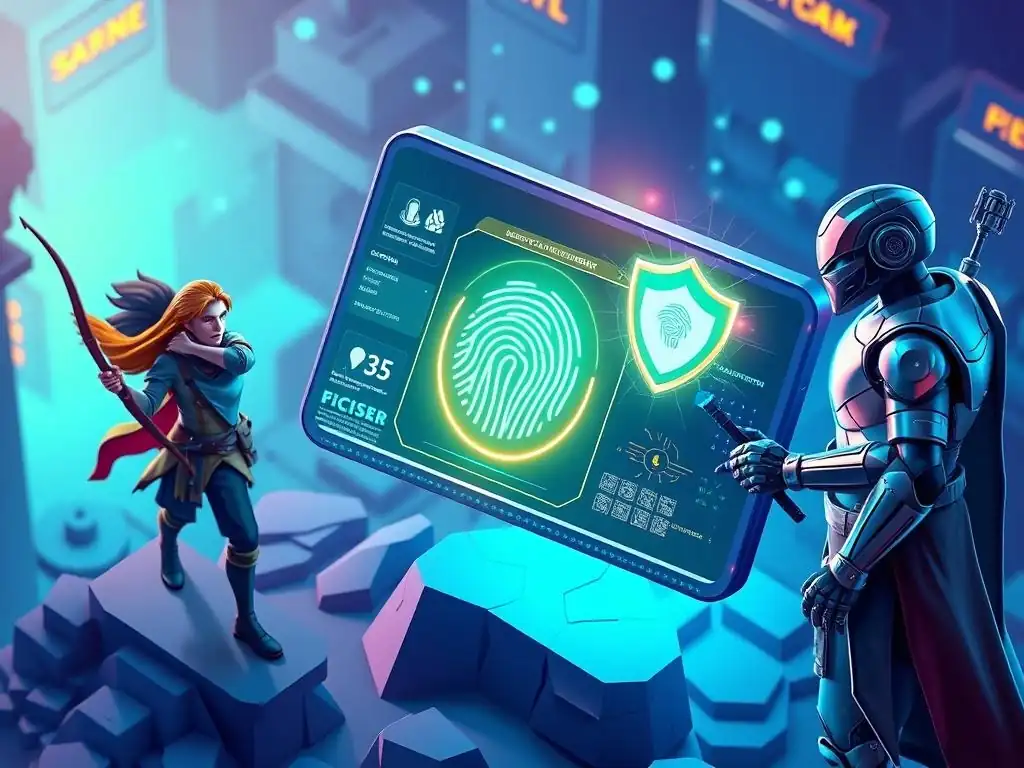
Welcome to Blockchain Trends, your compass in the ever-evolving world of decentralized innovation. Beyond the buzzwords, we delve into the real-world applications of blockchain technology. Intrigued by the convergence of gaming and crypto? Let's explore the crucial PlaytoEarn wallet security features that are shaping the future of cryptocurrency wallets in the gaming sphere. What safeguards are in place to protect your digital assets in this exciting, yet potentially vulnerable, landscape? Dive in to discover the layers of defense and understand how you can game with confidence.
- Introduction: The Convergence of PlaytoEarn and Crypto Wallets
- Current Challenges with PlaytoEarn Wallet Security
- The Evolution of PlaytoEarn Wallets: Addressing Security Concerns
- Innovative PlaytoEarn Wallet Features
- The Impact of Regulation on PlaytoEarn Crypto Wallets
- The Future of PlaytoEarn Wallets: Beyond Security
- Case Studies: PlaytoEarn Wallet Implementations
- Conclusion: Securing the Future of PlaytoEarn Gaming with Advanced Crypto Wallets
-
Frequently Asked Questions
- What are the primary security concerns for cryptocurrency wallets used in PlaytoEarn (P2E) games?
- How do PlaytoEarn wallet security features differ from traditional cryptocurrency wallets?
- What role do "PlaytoEarn wallet security features" play in the overall security of P2E games?
- What are some emerging technologies being used to enhance PlaytoEarn wallet security features?
- How will regulation impact the future of PlaytoEarn wallet security features?
- Final Reflection: Securing the Future of Play-to-Earn
- Embrace the Game: Unlock Your PlayToEarn Potential!
Introduction: The Convergence of PlaytoEarn and Crypto Wallets
PlaytoEarn Gaming's Rising Popularity: A Brief Overview
PlaytoEarn (P2E) gaming has emerged as a significant force in the gaming industry, transforming how players interact with games and the concept of digital ownership. Initially niche, P2E games have rapidly gained mainstream attention, driven by the promise of earning cryptocurrency and valuable NFTs through gameplay. Reports from industry analysts indicate a substantial growth trajectory, with some projections estimating the P2E market to reach multi-billion dollar valuations within the next few years.
This surge in popularity is attributed to several factors, including increased accessibility to blockchain technology, the allure of financial incentives for players, and the creation of engaging game ecosystems that reward skill and time investment. From simple browser-based games to complex metaverse environments, PlaytoEarn is diversifying and attracting a global audience eager to participate in this new era of gaming.
The appeal of PlaytoEarn extends beyond traditional gamers, attracting individuals seeking alternative income streams and new forms of digital engagement. In regions where traditional employment opportunities are limited, P2E gaming has presented a viable pathway for income generation. Success stories of individuals earning substantial amounts through games like Axie Infinity, particularly in Southeast Asia and Latin America, have further fueled the hype and adoption of the P2E model. This economic empowerment, combined with the inherent entertainment value of gaming, has created a powerful combination that is reshaping the gaming landscape and blurring the lines between gaming and digital economies.
The Critical Role of Crypto Wallets in PlaytoEarn Ecosystems
Cryptocurrency wallets are not merely optional add-ons in PlaytoEarn gaming; they are the foundational infrastructure that enables the entire P2E ecosystem to function. These wallets serve as the gateway for players to interact with blockchain-based games, manage their in-game assets, and participate in the game's economy. Without crypto wallets, the core premise of PlaytoEarn – earning and owning digital assets with real-world value – would be impossible. Wallets empower players to receive cryptocurrency rewards for their in-game achievements, securely store NFTs representing unique game items or characters, and engage in decentralized marketplaces to trade their assets with other players.
Furthermore, crypto wallets facilitate crucial on-chain transactions within PlaytoEarn games. These transactions can range from purchasing in-game items and accessing premium features to participating in governance mechanisms and staking tokens to earn passive income within the game ecosystem. The security and functionality of these wallets are paramount to the integrity of the PlaytoEarn experience. Players entrust their digital assets, which often represent significant financial value, to these wallets. Therefore, robust PlaytoEarn wallet security features are not just desirable, but absolutely essential for fostering trust and ensuring the long-term sustainability of the PlaytoEarn gaming sector.
Current Challenges with PlaytoEarn Wallet Security
User Experience Friction and Gas Fee Concerns
While crypto wallets are essential, their current implementation in PlaytoEarn gaming often presents user experience challenges. For players unfamiliar with blockchain technology, setting up and managing a crypto wallet can be a complex and daunting process. The need to understand concepts like private keys, seed phrases, and blockchain networks introduces a steep learning curve that can deter mainstream adoption. Furthermore, the process of connecting wallets to games and authorizing transactions can be cumbersome, requiring multiple steps and confirmations, disrupting the flow of gameplay.
Another significant point of friction arises from gas fees associated with blockchain transactions. Every interaction on the blockchain, such as transferring assets or making in-game purchases, typically incurs a gas fee, which players must pay to miners or validators to process the transaction. These fees can fluctuate significantly, particularly on networks like Ethereum, and can become prohibitively expensive for frequent in-game transactions, especially for lower-value assets.
For instance, a player might earn a small amount of cryptocurrency in a game, but then find that the gas fee to withdraw it is a substantial portion of their earnings, rendering the PlaytoEarn experience less rewarding. This friction in user experience and the unpredictable nature of gas fees are critical challenges that need to be addressed to improve the accessibility and appeal of PlaytoEarn gaming.
Security Risks Specific to PlaytoEarn Gaming Wallets: A Deep Dive
Phishing Attacks Targeting PlaytoEarn Gamers
Phishing attacks are a pervasive threat across the internet, and PlaytoEarn gamers are increasingly becoming prime targets. These attacks often exploit the social and community-driven nature of gaming, where players are accustomed to interacting with each other and sharing information. Phishing scams in the PlaytoEarn space can take various forms, including fake websites mimicking legitimate game platforms or wallet providers, deceptive emails or messages promising rewards or exclusive access, and social media scams promoting fraudulent NFT drops or in-game currency giveaways.
Attackers meticulously craft these phishing attempts to steal players' private keys or seed phrases, which are the keys to accessing their crypto wallets and assets. By tricking players into entering their sensitive information on fake websites or revealing it through social engineering tactics, cybercriminals can gain complete control over their wallets and drain them of valuable cryptocurrencies and NFTs.
The emotional investment players have in their game accounts and assets makes them particularly vulnerable to these attacks, as the fear of missing out or losing progress can cloud their judgment and make them more susceptible to falling victim to phishing scams. Educating players about PlaytoEarn wallet security features and common phishing tactics is crucial in mitigating this risk.
Vulnerabilities in Smart Contracts and Game Logic
PlaytoEarn games rely heavily on smart contracts to manage in-game economies, asset ownership, and reward distribution. While smart contracts offer transparency and automation, they are also susceptible to vulnerabilities if not developed and audited rigorously. Flaws in the smart contract code or the underlying game logic can be exploited by malicious actors to manipulate the game's economy, gain unfair advantages, or even drain funds from the game's smart contracts. For example, vulnerabilities in reward distribution mechanisms could be exploited to generate illegitimate in-game currency or NFTs, disrupting the game's economy and devaluing legitimate player assets.
Furthermore, weaknesses in the game logic itself can be exploited to bypass intended gameplay mechanics and gain unauthorized access to assets or rewards. This could involve exploiting loopholes in game rules, manipulating game data, or using bots or scripts to automate gameplay and farm resources unfairly.
These vulnerabilities not only compromise the integrity of the PlaytoEarn game but also pose a security risk to players' wallets and assets, as attackers may attempt to transfer stolen assets to their own wallets or manipulate in-game markets for personal gain. Regular smart contract audits and thorough testing of game logic are paramount to prevent these types of exploits and ensure the security of PlaytoEarn platforms.
Account Hacking and Asset Theft in PlaytoEarn Platforms
Beyond wallet-specific vulnerabilities, PlaytoEarn gaming platforms themselves can be targets of account hacking and asset theft. Many PlaytoEarn games require players to create accounts on their platforms, which may be vulnerable to traditional cybersecurity threats such as password breaches, brute-force attacks, and social engineering. If a player's game account is compromised, attackers can potentially gain access to their in-game assets, even if the player's crypto wallet itself remains secure. In some cases, game platforms may store user data insecurely, making them vulnerable to data breaches that could expose player account credentials and other sensitive information.
Once an attacker gains access to a player's game account, they can transfer in-game assets to their own accounts or wallets, effectively stealing them from the legitimate player. This can be particularly devastating for players who have invested significant time and resources into building up their in-game collections or earning valuable NFTs.
Moreover, some PlaytoEarn platforms may have inadequate security measures in place to prevent or detect unauthorized account access and asset transfers, making it difficult for players to recover stolen assets or hold platforms accountable for security breaches. Strong account security practices, such as two-factor authentication and robust password policies, are essential for both players and PlaytoEarn platforms to mitigate the risk of account hacking and asset theft.
The Evolution of PlaytoEarn Wallets: Addressing Security Concerns
Emerging Trends in Crypto Wallet Technology for Gaming
The evolving landscape of crypto wallet technology is bringing forth several trends that are particularly relevant to enhancing security in PlaytoEarn gaming. One notable trend is the increasing adoption of multi-party computation (MPC) wallets. These wallets distribute private key management across multiple parties, eliminating the single point of failure associated with traditional wallets where the entire private key is held by a single user. This significantly reduces the risk of key compromise and enhances overall security.
Another trend is the rise of keyless wallets and social recovery mechanisms. Keyless wallets abstract away the complexities of private key management, making them more user-friendly for gamers unfamiliar with crypto. Social recovery mechanisms allow users to recover access to their wallets even if they lose their private keys, leveraging trusted contacts for account recovery.
Furthermore, there is a growing focus on wallet integration directly into gaming platforms. This seamless integration aims to reduce user friction by eliminating the need for players to switch between separate wallet applications and game interfaces. Embedded wallets can also be designed with gaming-specific security features and optimized for the unique transaction patterns of PlaytoEarn games.
Finally, advancements in blockchain interoperability are paving the way for wallets that can manage assets across multiple blockchains, which is crucial for PlaytoEarn games that are increasingly adopting multi-chain strategies to reach wider audiences and access diverse ecosystems. These emerging trends indicate a significant shift towards more secure, user-friendly, and integrated wallet solutions tailored for the specific needs of the PlaytoEarn gaming industry.
Enhanced Security Measures for PlaytoEarn Wallets
Multi-Factor Authentication (MFA) for Gaming Wallets
Multi-Factor Authentication (MFA) represents a crucial layer of security for PlaytoEarn wallets, significantly reducing the risk of unauthorized access. MFA requires users to provide multiple verification factors to confirm their identity before granting access to their wallet. This goes beyond simply entering a password and typically involves combining something the user knows (password), something the user has (a mobile device or hardware token), and something the user is (biometric authentication). For PlaytoEarn wallets, implementing MFA can drastically minimize the impact of password breaches or phishing attacks.
For example, even if an attacker manages to steal a player's password, they would still need to bypass the second or third authentication factor to gain access to the wallet. Common MFA methods suitable for PlaytoEarn wallets include time-based one-time passwords (TOTP) generated by authenticator apps like Google Authenticator or Authy, SMS-based verification codes, and push notifications to registered mobile devices. By mandating or strongly encouraging MFA, PlaytoEarn platforms and wallet providers can significantly bolster PlaytoEarn wallet security features and protect players' valuable digital assets from unauthorized access.
Biometric Authentication Integration for Secure Access
Biometric authentication offers a user-friendly and highly secure method for accessing PlaytoEarn wallets. Integrating biometric technologies like fingerprint scanning and facial recognition directly into wallet applications can provide a seamless and convenient way for players to verify their identity. Biometric authentication leverages unique biological characteristics of the user, making it significantly more difficult for attackers to impersonate or gain unauthorized access compared to traditional password-based security.
Modern smartphones and laptops commonly come equipped with biometric sensors, making biometric authentication readily accessible to a large portion of the gaming community. By enabling biometric login for PlaytoEarn wallets, players can quickly and securely access their accounts without the need to remember complex passwords or manually enter lengthy verification codes. This not only enhances security but also improves the overall user experience, making PlaytoEarn gaming more accessible and enjoyable for a wider audience. The integration of biometric authentication is a significant step forward in enhancing PlaytoEarn wallet security features and promoting user adoption.
Hardware Wallet Support for PlaytoEarn Assets
Hardware wallets provide the highest level of security for storing cryptocurrency and NFTs, making them increasingly relevant for securing valuable PlaytoEarn assets. Hardware wallets are physical devices that store a user's private keys offline, completely isolated from internet-connected devices and potential online threats. This "cold storage" approach significantly reduces the risk of private key compromise from malware, phishing attacks, or hacking attempts targeting computers or mobile devices. While traditionally perceived as less user-friendly, hardware wallets are becoming more accessible and integrated with software wallets and gaming platforms.
For PlaytoEarn gamers who accumulate significant amounts of cryptocurrency or valuable NFTs, using a hardware wallet to secure their assets is a prudent security measure. While daily gameplay transactions might still be conducted through a hot wallet for convenience, the bulk of valuable assets can be safely stored offline in a hardware wallet. Leading hardware wallet providers are actively working to improve the user experience and integration with various blockchain platforms and applications, making hardware wallets a more viable and practical option for securing PlaytoEarn wallet security features in the gaming context.
Smart Contract Audits and Security Best Practices for PlaytoEarn Platforms
Ensuring the security of PlaytoEarn wallets extends beyond individual user measures and requires robust security practices at the platform level. Smart contracts, which underpin many PlaytoEarn games and wallet functionalities, must undergo rigorous security audits by independent third-party firms. These audits identify potential vulnerabilities in the smart contract code, allowing developers to address them before deployment and prevent potential exploits. Regular audits are crucial, especially for complex smart contracts that manage significant amounts of user funds or valuable assets.
Beyond audits, PlaytoEarn platforms should adhere to industry-standard security best practices in their development and operational processes. This includes implementing secure coding practices, conducting thorough penetration testing to identify vulnerabilities in their systems, and employing robust infrastructure security measures to protect against cyberattacks. Furthermore, platforms should prioritize user education and provide clear guidance on PlaytoEarn wallet security features and best practices to help players protect themselves from phishing scams and other security threats. A proactive and comprehensive approach to security at the platform level is essential for building trust and ensuring the long-term viability of the PlaytoEarn gaming ecosystem.
Innovative PlaytoEarn Wallet Features
Keyless wallets represent a paradigm shift in crypto wallet usability and security, particularly beneficial for PlaytoEarn gamers who may be less technically inclined. Traditional crypto wallets rely on users managing private keys, which can be complex and risky if lost or compromised. Keyless wallets, on the other hand, abstract away this complexity by employing techniques like multi-party computation (MPC) or threshold signatures to manage private keys behind the scenes. Users interact with these wallets using familiar authentication methods like email and password or social logins, eliminating the need to handle seed phrases or private keys directly.
Social recovery mechanisms further enhance the user-friendliness and security of keyless wallets. If a user loses access to their wallet, they can recover it through a network of trusted guardians, such as friends, family members, or even designated recovery services.
These guardians do not have access to the user's wallet assets but can assist in initiating the recovery process, typically by verifying the user's identity and confirming the recovery request. This social recovery approach provides a safety net against losing access to assets due to lost private keys or forgotten passwords, making keyless wallets a more secure and user-friendly option for PlaytoEarn gamers.
Multi-Party Computation (MPC) Wallets for Enhanced Security
Multi-Party Computation (MPC) wallets are emerging as a leading technology for enhancing PlaytoEarn wallet security features. MPC is a cryptographic technique that allows multiple parties to jointly compute a function over their private inputs while keeping those inputs secret from each other. In the context of crypto wallets, MPC enables the private key to be split into multiple shares and distributed among different parties, such as the user's devices, wallet providers, or trusted third parties. No single party holds the complete private key, eliminating the single point of failure inherent in traditional wallets.
To authorize a transaction, all or a threshold number of parties must participate in the computation, using their respective key shares to collectively sign the transaction without ever revealing the complete private key. This distributed key management significantly enhances security, as attackers would need to compromise multiple independent parties to gain control of the wallet. MPC wallets are particularly well-suited for PlaytoEarn gaming, where security and user experience are paramount. They offer a robust security model without sacrificing user-friendliness, making them an attractive option for both gamers and game developers seeking to secure in-game assets.
Transaction Monitoring and Anomaly Detection Systems
Transaction monitoring and anomaly detection systems add a proactive layer of security to PlaytoEarn wallets by identifying and flagging suspicious activities. These systems utilize sophisticated algorithms and machine learning techniques to analyze transaction patterns, user behavior, and other relevant data to detect unusual or potentially fraudulent transactions in real-time. For example, if a wallet suddenly initiates a large transfer to an unfamiliar address or exhibits transaction patterns that deviate significantly from the user's historical behavior, the anomaly detection system can trigger alerts and potentially block the transaction.
These systems can be integrated into wallet applications or operate at the platform level, providing an additional layer of protection against unauthorized access and asset theft. By proactively monitoring transactions and identifying anomalies, these systems can help prevent successful attacks and minimize the damage from compromised accounts. Transaction monitoring and anomaly detection are becoming increasingly important PlaytoEarn wallet security features, especially as the value of in-game assets and the sophistication of cyber threats continue to rise.
Decentralized Identity (DID) Solutions for Secure PlaytoEarn Accounts
Decentralized Identity (DID) solutions offer a promising approach to enhancing the security and privacy of PlaytoEarn accounts and wallets. DIDs are self-sovereign digital identities that are controlled by the user and are not dependent on centralized identity providers. In the PlaytoEarn context, DIDs can empower players to own and control their gaming identities and associated data, reducing reliance on platform-specific accounts and centralized databases that are vulnerable to breaches.
Using DIDs, players can create verifiable credentials that prove their identity and game achievements without revealing unnecessary personal information. These credentials can be selectively shared with different PlaytoEarn platforms and applications, giving players greater control over their data and enhancing privacy. Furthermore, DID-based wallets can improve security by eliminating the need for traditional usernames and passwords, which are prone to phishing and brute-force attacks. By embracing DID solutions, PlaytoEarn platforms can create a more secure, privacy-preserving, and user-centric gaming ecosystem, enhancing PlaytoEarn wallet security features and player autonomy.
The Impact of Regulation on PlaytoEarn Crypto Wallets

Regulatory Landscape for Cryptocurrency and Gaming
The regulatory landscape surrounding cryptocurrency and gaming is rapidly evolving, and PlaytoEarn wallets are increasingly coming under the purview of regulatory scrutiny. Governments and regulatory bodies worldwide are grappling with how to classify and regulate cryptocurrencies and related activities, including PlaytoEarn gaming. While some jurisdictions are adopting a more permissive approach, others are implementing stricter regulations to address concerns related to money laundering, tax evasion, and consumer protection. The lack of a globally harmonized regulatory framework creates complexity for PlaytoEarn platforms and wallet providers operating across different jurisdictions.
Regulations related to cryptocurrency exchanges, virtual asset service providers (VASPs), and anti-money laundering (AML) are particularly relevant to PlaytoEarn wallets. Depending on the jurisdiction and the specific functionalities of the wallet, PlaytoEarn wallet providers may be required to comply with KYC/AML regulations, obtain licenses, and implement specific security measures. The evolving regulatory landscape necessitates that PlaytoEarn platforms and wallet providers stay informed about regulatory developments and adapt their operations to ensure compliance in different regions. This proactive approach to regulatory compliance is crucial for the long-term sustainability and legitimacy of the PlaytoEarn gaming sector.
KYC/AML Compliance in PlaytoEarn Gaming Platforms
Know Your Customer (KYC) and Anti-Money Laundering (AML) compliance are becoming increasingly important considerations for PlaytoEarn gaming platforms and wallet providers. As PlaytoEarn games integrate financial mechanisms and involve the exchange of digital assets with real-world value, they are attracting the attention of regulatory authorities concerned with preventing illicit financial activities. KYC regulations require platforms to verify the identity of their users, typically through the collection and verification of personal information and documentation. AML regulations mandate platforms to implement procedures to detect and report suspicious transactions that may be indicative of money laundering or terrorist financing.
Implementing KYC/AML compliance measures can be a complex and resource-intensive process for PlaytoEarn platforms. It requires establishing robust identity verification processes, transaction monitoring systems, and reporting mechanisms. However, compliance is essential for operating legally in many jurisdictions and for building trust with users and regulators. While KYC/AML requirements may introduce some friction into the user onboarding process, they are crucial for fostering a more secure and responsible PlaytoEarn gaming ecosystem and enhancing overall PlaytoEarn wallet security features by mitigating financial crime risks.
Data Privacy and Security Regulations Affecting PlaytoEarn Wallets
Data privacy and security regulations, such as the General Data Protection Regulation (GDPR) in Europe and similar laws in other regions, have a significant impact on PlaytoEarn wallets and platforms. These regulations mandate that organizations handling personal data must implement appropriate security measures to protect that data from unauthorized access, use, or disclosure. PlaytoEarn wallets often collect and process user data, including wallet addresses, transaction history, and potentially personal information collected for KYC/AML compliance.
Compliance with data privacy regulations requires PlaytoEarn platforms and wallet providers to adopt robust data security practices, including data encryption, access controls, and data breach response plans. They must also be transparent with users about how their data is collected, used, and protected, and provide users with control over their personal data, such as the right to access, rectify, or delete their data.
Failure to comply with data privacy regulations can result in significant fines and reputational damage. Therefore, prioritizing data privacy and security is not only a legal requirement but also a crucial aspect of building trust and ensuring the long-term success of PlaytoEarn gaming and enhancing PlaytoEarn wallet security features in a broader sense.
The Future of PlaytoEarn Wallets: Beyond Security
Seamless Integration of Wallets into PlaytoEarn Games
The future of PlaytoEarn wallets lies in seamless integration directly into the gaming experience, moving away from the current often clunky and disjointed wallet interactions. Imagine a future where crypto wallets are embedded within the game interface, becoming an invisible yet essential part of the gameplay. Players could earn, manage, and trade in-game assets without ever having to leave the game environment or interact with separate wallet applications. This level of integration would significantly reduce user friction and make PlaytoEarn gaming more accessible to mainstream gamers who may be intimidated by the complexities of crypto wallets.
Seamless wallet integration can be achieved through embedded wallets, SDKs (Software Development Kits) provided by wallet providers, or through innovative blockchain solutions that enable native wallet functionalities within games. This approach not only enhances user experience but also opens up new possibilities for game design, allowing developers to create more immersive and engaging PlaytoEarn ecosystems. By making crypto wallets an integral and invisible part of the gameplay, the future of PlaytoEarn gaming can become more user-friendly and appealing to a broader audience.
Cross-Chain Compatibility for PlaytoEarn Assets
Cross-chain compatibility is set to become a crucial feature for PlaytoEarn wallets in the future. As the blockchain landscape becomes increasingly multi-chain, with various blockchains specializing in different functionalities and catering to specific gaming needs, players will want to manage their PlaytoEarn assets across different chains seamlessly. Current wallet solutions often require users to use separate wallets or complex bridging mechanisms to interact with assets on different blockchains, creating fragmentation and user inconvenience.
Future PlaytoEarn wallets will need to support cross-chain functionality, allowing players to manage assets across multiple blockchains from a single interface. This could involve technologies like cross-chain bridges, multi-chain wallets, or interoperability protocols that enable seamless asset transfers and interactions between different blockchains. Cross-chain compatibility will unlock greater liquidity for PlaytoEarn assets, expand the reach of PlaytoEarn games to different blockchain ecosystems, and provide players with more flexibility and control over their digital assets in the evolving multi-chain world.
User-Friendly Interfaces and Enhanced Gaming Experiences
User-friendly interfaces and enhanced gaming experiences are paramount for the widespread adoption of PlaytoEarn wallets. Current crypto wallets, while functional, are often perceived as complex and intimidating by mainstream gamers. Future PlaytoEarn wallets need to prioritize user experience, offering intuitive interfaces that are easy to navigate and understand, even for users with limited crypto knowledge. This includes simplifying wallet setup, streamlining transaction processes, and providing clear and concise information about wallet functionalities and security features.
Furthermore, PlaytoEarn wallets can enhance the gaming experience by integrating gaming-specific features, such as in-game asset browsers, NFT galleries, and direct integration with game marketplaces. Visually appealing interfaces, gamified wallet interactions, and personalized user experiences can further contribute to making PlaytoEarn wallets more engaging and enjoyable for gamers. By focusing on user-centric design and incorporating gaming-specific features, the future of PlaytoEarn wallets will be characterized by user-friendliness and enhanced gaming experiences.
Management of NFTs and In-Game Assets
The effective management of NFTs and in-game assets will be a core functionality of future PlaytoEarn wallets. NFTs represent unique digital assets, such as characters, items, and virtual land, that are central to many PlaytoEarn games. PlaytoEarn wallets need to provide robust features for managing these NFTs, including secure storage, easy viewing and organization, and seamless integration with NFT marketplaces for trading and transferring assets.
Future wallets will likely incorporate advanced NFT management features, such as NFT galleries with rich media previews, metadata display, and provenance tracking. They may also offer functionalities for renting or lending NFTs to other players, participating in NFT staking or yield farming, and managing fractionalized NFTs. As NFTs become increasingly integral to the PlaytoEarn gaming ecosystem, wallets that offer comprehensive and user-friendly NFT management capabilities will be essential for players to fully leverage the potential of these digital assets and enhance their gaming experience.
Case Studies: PlaytoEarn Wallet Implementations
Axie Infinity Wallet Integration
Axie Infinity, one of the pioneering and most successful PlaytoEarn games, provides a compelling case study in wallet integration. Axie Infinity developed its own wallet, the Ronin Wallet, specifically designed for the Ronin blockchain, which is optimized for gaming and NFTs. This dedicated wallet integration was crucial for Axie Infinity's success, providing players with a streamlined and user-friendly experience for managing their Axie NFTs and AXS/SLP tokens. The Ronin Wallet simplified transactions within the Axie Infinity ecosystem, minimizing gas fees and transaction times compared to using general-purpose Ethereum wallets.
The Ronin Wallet also incorporated features tailored for PlaytoEarn gaming, such as direct integration with the Axie Infinity marketplace, allowing players to easily buy, sell, and trade Axies and other in-game assets. The success of the Ronin Wallet highlights the benefits of dedicated wallet solutions that are specifically designed for PlaytoEarn games, focusing on user experience, security, and seamless integration with the game ecosystem. However, even with a dedicated wallet, Axie Infinity faced security challenges, demonstrating the ongoing need for vigilance and continuous improvement in PlaytoEarn wallet security features.
Splinterlands Wallet Security Incident
Splinterlands, another popular PlaytoEarn trading card game, experienced a notable security incident that underscores the importance of robust PlaytoEarn wallet security features and platform security. In 2022, Splinterlands suffered a private key compromise that resulted in unauthorized access to the game's hot wallet. While the exact details of the incident were not fully disclosed, it highlighted the risks associated with centralized hot wallets and the potential for significant financial losses in the PlaytoEarn space.
Although player wallets were not directly compromised in this incident, it served as a stark reminder of the vulnerabilities that can exist within PlaytoEarn platforms and the need for robust security measures at all levels. The Splinterlands incident prompted increased scrutiny of PlaytoEarn platform security practices and emphasized the importance of adopting best practices for private key management, wallet security, and incident response. It also highlighted the need for greater transparency and communication from PlaytoEarn platforms regarding security incidents to maintain user trust and confidence.
Conclusion: Securing the Future of PlaytoEarn Gaming with Advanced Crypto Wallets
The Importance of Prioritizing PlaytoEarn Wallet Security
Prioritizing PlaytoEarn wallet security features is paramount for the future success and sustainability of the PlaytoEarn gaming industry. As PlaytoEarn games continue to grow in popularity and involve increasingly valuable digital assets, the security of player wallets becomes even more critical. Security breaches, asset theft, and phishing attacks can erode player trust, damage the reputation of PlaytoEarn platforms, and ultimately hinder the growth of the entire ecosystem. Robust wallet security is not just a technical requirement; it is a fundamental prerequisite for building a thriving and trustworthy PlaytoEarn gaming environment.
Investing in advanced wallet security technologies, implementing best practices for platform security, and educating players about security risks are essential steps towards securing the future of PlaytoEarn gaming. As the industry matures, security will become a key differentiator for PlaytoEarn platforms, and those that prioritize security will be best positioned to attract and retain players and foster long-term growth. The evolution of PlaytoEarn wallets towards more secure, user-friendly, and innovative solutions is crucial for unlocking the full potential of PlaytoEarn gaming and ensuring its continued success.
The Role of Blockchain Trends in Shaping the Future of PlaytoEarn Gaming
Blockchain Trends plays a vital role in shaping the future of PlaytoEarn gaming by providing a platform for education, analysis, and discussion about the latest developments in blockchain technology and its applications in gaming. By covering topics such as emerging wallet technologies, security best practices, regulatory trends, and innovative PlaytoEarn game designs, Blockchain Trends contributes to raising awareness and fostering informed decision-making within the PlaytoEarn community. The platform serves as a valuable resource for gamers, developers, investors, and policymakers seeking to understand the transformative potential of blockchain in gaming and navigate the evolving landscape of PlaytoEarn.
Through insightful articles, in-depth analysis, and expert interviews, Blockchain Trends helps to demystify complex blockchain concepts, highlight emerging trends, and promote best practices for building a secure, sustainable, and thriving PlaytoEarn gaming ecosystem. By focusing on key areas such as PlaytoEarn wallet security features, user experience, and regulatory compliance, Blockchain Trends contributes to the responsible and informed development of the PlaytoEarn industry, paving the way for a future where blockchain technology empowers gamers and transforms the gaming landscape.
Frequently Asked Questions
What are the primary security concerns for cryptocurrency wallets used in PlaytoEarn (P2E) games?
The main concerns involve phishing attacks, wallet compromise due to weak security, and the potential for theft of in-game assets tied to the wallet.
How do PlaytoEarn wallet security features differ from traditional cryptocurrency wallets?
P2E wallets often incorporate enhanced authentication, transaction monitoring, and integration with game-specific security measures to protect in-game assets. This contrasts with general cryptocurrency wallets that focus mainly on securing the underlying crypto.
What role do "PlaytoEarn wallet security features" play in the overall security of P2E games?
Strong wallet security features act as a critical safeguard, preventing unauthorized access to player accounts and protecting valuable in-game items and currencies from theft or manipulation, ensuring a fairer and more secure gaming environment.
What are some emerging technologies being used to enhance PlaytoEarn wallet security features?
Emerging technologies include multi-party computation (MPC), hardware security modules (HSMs), and biometric authentication which are being explored to strengthen wallet security and reduce the risk of hacking or unauthorized access.
How will regulation impact the future of PlaytoEarn wallet security features?
Increased regulation will likely mandate stricter security standards for P2E wallets, potentially leading to greater adoption of KYC/AML processes and enhanced consumer protection measures within the PlaytoEarn gaming ecosystem.
Final Reflection: Securing the Future of Play-to-Earn
The evolution of Play-to-Earn gaming hinges on trust and security, and cryptocurrency wallets are now the gatekeepers of this burgeoning digital economy. As we've explored the critical security features necessary for these wallets, it's clear that their robustness directly impacts the long-term viability and widespread adoption of Play-to-Earn games. A single breach can shatter confidence, highlighting the urgent need for developers and users alike to prioritize robust security measures.
The integration of cryptocurrency wallets into Play-to-Earn gaming is not just a technological advancement; it's a cultural shift, empowering players with true ownership and control over their in-game assets. This paradigm shift demands a heightened awareness of security protocols and a commitment to safeguarding digital wealth. Security is not a product, but a process.
This quote underscores the ongoing responsibility of developers and users to continuously adapt and improve security measures in the face of evolving threats.
As you navigate the exciting world of Play-to-Earn gaming, remember that the security of your cryptocurrency wallet is paramount. Take the time to understand the security features available, prioritize robust authentication methods, and stay informed about the latest threats. The future of Play-to-Earn gaming depends on our collective commitment to building a secure and trustworthy ecosystem, so let's embrace these responsibilities and unlock the full potential of this revolutionary technology.
Embrace the Game: Unlock Your PlayToEarn Potential!
Thanks for exploring the exciting world of crypto wallets in PlayToEarn gaming with us. We hope you now have a clearer understanding of how these wallets are transforming the gaming industry and empowering players like you. Now, it's time to put that knowledge into action!
Here’s how you can enhance your PlayToEarn experience:
- Open your first crypto wallet and try out a popular PlayToEarn game such as Axie Infinity or Splinterlands to experience the future firsthand.
- Dive deeper: Research lesser-known but promising PlayToEarn games that utilize innovative wallet features, and share your discoveries with fellow gamers.
- Join the conversation: Connect with the Blockchain Trends community on social media to discuss your experiences with crypto wallets and PlayToEarn gaming. Share your biggest wins, key lessons, and which wallets you trust the most.
What are your thoughts on adding more advanced security features to PlayToEarn gaming wallets? Let’s discuss in the comments below!
Leave a Reply