
Property Tokenization Platforms: A Guide to Investing in Digital Real Estate


Welcome to Blockchain Trends, your compass in the ever-evolving world of decentralized technologies!
Intrigued by the potential of blockchain beyond Bitcoin? Dive in as we explore its transformative applications across industries. This month, we're unlocking the secrets of digital real estate tokenization investment. Discover how this innovative approach is reshaping property ownership and creating new opportunities for investors. Ready to explore the future of real estate? Let's get started!
Property Tokenization Platforms: A Guide to Investing in Digital Real Estate
- Introduction to Digital Real Estate Tokenization Investment
- Exploring Property Tokenization Platforms
- Top Property Tokenization Platforms: A Comparative Analysis
- Investing in Tokenized Real Estate: A Step-by-Step Guide
- Risks and Rewards of Digital Real Estate Tokenization
- The Future of Real Estate: Tokenization
- Conclusion: Opportunities in Digital Real Estate
-
Frequently Asked Questions
- What is digital real estate tokenization investment and why is it gaining popularity?
- How do property tokenization platforms facilitate this type of investment?
- What are the potential benefits of investing in digital real estate tokens compared to traditional real estate investments?
- What are the key risks associated with digital real estate tokenization investment?
- How is the regulation of digital real estate tokenization investment evolving?
- Final Reflection: Embracing the Future of Real Estate Investment
- Unlock Your Real Estate Future: Start Tokenizing Today!
Introduction to Digital Real Estate Tokenization Investment
Understanding Real Estate Tokenization: The Basics
Real estate tokenization involves dividing ownership rights of a physical property into smaller, digital units represented by tokens on a blockchain. This process transforms illiquid real estate assets into highly divisible and potentially more liquid digital assets. Each token can represent a fractional ownership stake, similar to shares in a company, making it possible for individuals to invest in high-value properties with relatively small amounts of capital.
The underlying technology, blockchain, provides a transparent, immutable, and secure ledger for tracking token ownership and transactions. This eliminates many of the intermediaries and complexities traditionally associated with real estate transactions, such as extensive paperwork, title searches, and lengthy closing processes. The tokens themselves are typically issued on established blockchain networks like Ethereum or Binance Smart Chain, adhering to standards like ERC-20 or BEP-20 for compatibility and ease of transfer.
Why Invest in Tokenized Real Estate?
Investing in tokenized real estate offers several compelling advantages over traditional property investment. One primary benefit is increased accessibility; investors can participate in the real estate market, including high-value commercial properties or international assets, without needing significant capital sums. Fractional ownership means you could invest, for example, $100 or $1,000 into a property that would traditionally require hundreds of thousands or millions of dollars. This democratizes access to potentially lucrative real estate markets.
Another significant advantage is the potential for enhanced liquidity. Unlike physical real estate, which can take months to sell, tokenized property shares can theoretically be traded on secondary markets much more quickly. While these secondary markets are still developing, the blockchain infrastructure supports near-instantaneous transfer of ownership once a buyer is found. Furthermore, transaction costs can be significantly reduced by cutting out traditional fees associated with brokers, banks, and legal processes, making digital real estate tokenization investment more cost-effective.
Blockchain Trends and Real Estate Investing
Blockchain technology is rapidly evolving, and its impact on real estate investing is a key trend. Beyond simply tracking ownership, blockchain enables smart contracts – self-executing contracts with the terms of the agreement directly written into code. These smart contracts can automate aspects of the investment, such as distributing rental income or managing voting rights on property decisions, adding a layer of efficiency and trust. The immutability of the blockchain ledger ensures that once a transaction or ownership record is verified and added, it cannot be altered, providing a high degree of security and reducing the risk of fraud.
The convergence of blockchain trends with real estate is paving the way for innovative investment models. Security Token Offerings (STOs), which are digital tokens representing ownership in an asset like real estate, are becoming more prevalent. These STOs are often regulated, providing a level of investor protection. This shift towards digital assets is not just about efficiency; it's about creating new investment opportunities and structures, fundamentally changing how we perceive and participate in the real estate market through digital real estate tokenization investment.
Exploring Property Tokenization Platforms
What are Property Tokenization Platforms?
Property tokenization platforms are digital ecosystems designed to facilitate the process of creating, managing, and trading tokenized real estate assets. These platforms act as intermediaries, connecting property owners or developers seeking to raise capital by selling fractional ownership with investors looking to acquire stakes in real estate. They handle the technical complexities of token creation on a blockchain, ensuring compliance with relevant regulations and often providing tools for managing the investment lifecycle, such as rental income distribution.
Essentially, these platforms bridge the gap between the physical world of real estate and the digital world of blockchain. They perform crucial functions including legal structuring of the token offering, property due diligence, marketing the investment opportunity, handling investor onboarding and Know Your Customer (KYC) checks, and executing the token issuance. Some platforms also offer secondary markets or connect investors to external exchanges where tokens can be traded, enhancing the potential liquidity of the digital real estate tokenization investment.
Key Features of Tokenization Platforms
Leading property tokenization platforms offer a suite of features designed to streamline the digital real estate tokenization investment process. A core feature is the issuance engine, which handles the technical creation of tokens on a chosen blockchain, often using established standards like ERC-20 for compatibility. Regulatory compliance tools are also critical, assisting in navigating complex securities laws and ensuring investor eligibility through KYC/AML procedures. Data suggests that platforms prioritizing strong regulatory frameworks tend to attract more institutional interest.
Other important features include investor dashboards for monitoring investment performance, accessing property documents, and receiving income distributions. Property management integration allows for the automated collection and distribution of rental income or sale proceeds directly to token holders based on their ownership percentage. Furthermore, secondary market functionality or partnerships with exchanges are vital for providing investors with an exit strategy, although the liquidity of these markets can vary significantly depending on the platform and the specific token.
How Tokenization Platforms Facilitate Ownership
Tokenization platforms facilitate ownership by creating a legally recognized digital representation of property rights on a blockchain. When an investor purchases tokens through a platform, they are acquiring a fractional ownership stake in a Special Purpose Vehicle (SPV) or similar legal entity that directly owns the physical property. The blockchain ledger then immutably records the ownership of these tokens, providing a transparent and verifiable record.
The platform manages the legal and administrative aspects, ensuring that token holders' rights align with the underlying property ownership structure. For instance, if the property generates rental income, the platform's smart contracts can automatically distribute the proportional share of that income to each token holder's digital wallet. This structure simplifies management for investors and eliminates the need for traditional deeds or paper certificates, relying instead on the secure and verifiable nature of the blockchain for proving and transferring ownership in a digital real estate tokenization investment.
Top Property Tokenization Platforms: A Comparative Analysis
ADDX - Features, Benefits, and Token Offerings
ADDX, based in Singapore and regulated by the Monetary Authority of Singapore (MAS), is a platform focused on private market investments, including real estate. A key feature is its strong regulatory compliance framework, which aims to attract accredited and institutional investors. ADDX tokenizes a range of assets, including funds, bonds, and real estate, often in partnership with established financial institutions. Their platform emphasizes security and institutional-grade infrastructure.
Benefits for investors on ADDX include access to global private market opportunities that were previously difficult to access. They offer tokenized notes linked to real estate funds or specific properties, often with higher minimum investment thresholds compared to retail-focused platforms, sometimes starting in the thousands or tens of thousands of dollars. The platform's strength lies in its regulated status and connection to traditional finance, providing a level of trust and security for sophisticated investors considering digital real estate tokenization investment opportunities.
RealT - Security, Liquidity, and Investment Opportunities
RealT is a prominent platform specializing in tokenizing single-family rental properties, primarily in the United States. They offer fractional ownership of individual homes, with tokens representing shares in an LLC that owns the property. A key aspect of RealT's model is the focus on income-generating properties, distributing rental income weekly to token holders' wallets. They aim to provide passive income through digital real estate tokenization investment.
Security on RealT is based on the legal structure (LLC ownership) and the blockchain's immutability. Liquidity is pursued through partnerships with decentralized exchanges (DEXs) like Uniswap, allowing token holders to trade their property tokens peer-to-peer, although liquidity can vary. RealT has tokenized over 100 properties, with token prices often starting around $50 per share, making it highly accessible for retail investors looking to invest in U.S. residential real estate.
tZERO - Target Audience, Regulatory Compliance, and Innovation
tZERO, an SEC-regulated alternative trading system (ATS), focuses on providing a regulated venue for trading security tokens, including those representing real estate. While tZERO itself is primarily a secondary trading platform rather than an issuance platform for individual properties, it plays a crucial role in providing potential liquidity for digital real estate tokenization investment. Its target audience includes both accredited and retail investors, depending on the specific token listed and its regulatory status.
Regulatory compliance is a cornerstone of tZERO's operations, operating under SEC and FINRA regulations, offering a high degree of investor protection compared to unregulated platforms. Innovation at tZERO centers on blockchain-based trading technology aimed at improving efficiency and transparency in capital markets. While real estate tokens listed on tZERO may originate from other platforms, its existence as a regulated trading venue is vital for the growth and maturity of the secondary market for tokenized assets.
Comparing Platforms for Digital Real Estate Tokenization
When comparing platforms for digital real estate tokenization investment, several factors come into play. Accessibility varies significantly; platforms like RealT cater to retail investors with low minimums, while ADDX and others may target accredited investors with higher entry points. Regulatory status is crucial; platforms like ADDX and tZERO operate under strict financial regulations, offering more investor protection, whereas others might rely on different legal frameworks.
Type of property is another differentiator; RealT focuses on residential rentals, while other platforms might offer commercial properties, development projects, or real estate funds. Liquidity options are also critical; some platforms offer internal trading, others partner with external exchanges (both centralized and decentralized), and some have limited secondary market options. Investors must assess their own investment goals, risk tolerance, and desired level of regulatory oversight when choosing among the growing number of platforms facilitating digital real estate tokenization investment.
Investing in Tokenized Real Estate: A Step-by-Step Guide
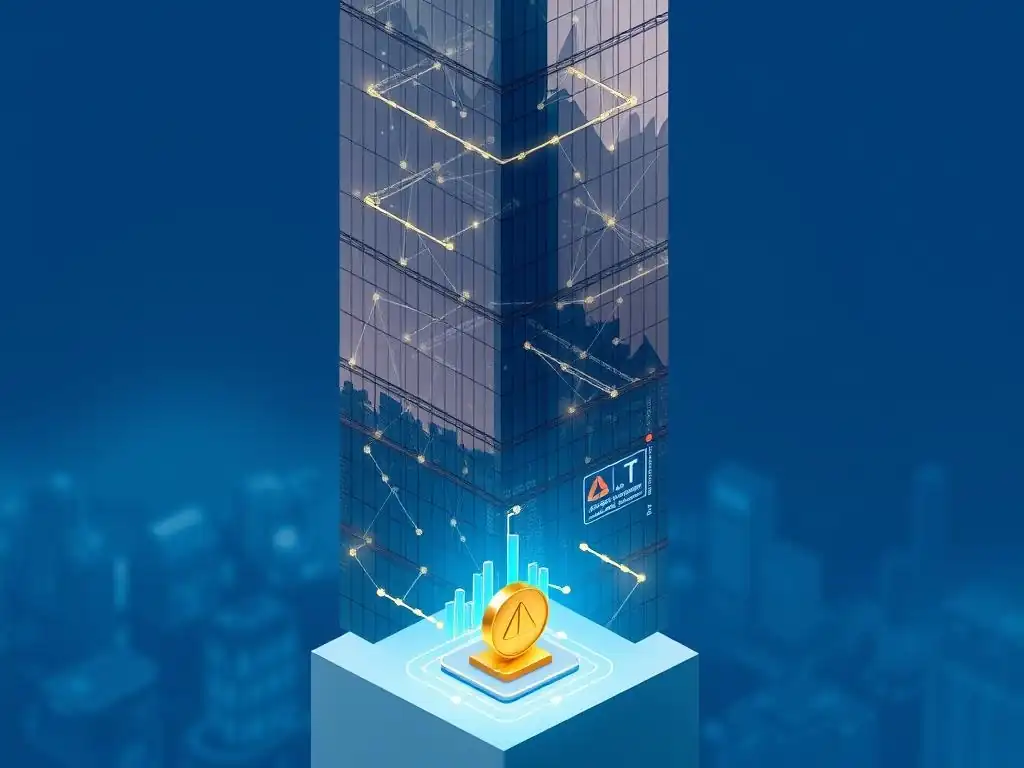
Step 1: Choosing a Tokenization Platform
Choosing the right platform is the foundational step in your digital real estate tokenization investment journey. Begin by researching platforms that align with your investment goals, risk profile, and investor status (are you an accredited investor?). Consider factors like the types of properties offered, the platform's regulatory compliance, minimum investment amounts, fee structures, and the availability of secondary market trading options. Read reviews and understand the platform's track record and the legal structure used for property ownership.
- [ ] Research platform reputation and history
- [ ] Verify regulatory compliance and licensing
- [ ] Compare minimum investment requirements
- [ ] Analyze fee structures (platform fees, transaction fees)
- [ ] Check available property types and locations
- [ ] Investigate secondary market options
Step 2: Due Diligence and Assessing Investments
Once you've selected a platform, thorough due diligence on specific property offerings is essential, just as with traditional real estate. Review the property's financials, including projected rental yields, operating expenses, and potential appreciation. Examine the legal documentation provided by the platform, including the SPV structure, token rights, and any offering memorandums. Understand the risks associated with the specific property and the tokenization structure.
- [ ] Download and review offering documents
- [ ] Analyze property financials (income, expenses, valuation)
- [ ] Understand the legal structure of the SPV and token ownership
- [ ] Research the property management company
- [ ] Assess market conditions in the property's location
- [ ] Identify potential risks specific to the property and tokenization
Step 3: Legal and Regulatory Considerations
Navigating the legal and regulatory landscape is a critical step in digital real estate tokenization investment. Ensure the platform complies with securities laws in your jurisdiction and the jurisdiction of the property. Understand your rights as a token holder; are you a shareholder in a company, a direct beneficiary, or something else? Be aware of potential tax implications related to income distributions (like rent) and capital gains from selling tokens. Consult with legal or financial professionals if necessary, especially for significant investments.
- [ ] Confirm platform compliance with relevant securities regulations (e.g., SEC, MAS)
- [ ] Understand the legal nature of the token and your ownership rights
- [ ] Research tax obligations related to tokenized real estate income and sales
- [ ] Be aware of KYC/AML requirements for onboarding
- [ ] Review investor accreditation requirements if applicable
Step 4: Completing Your Investment and Managing Assets
After completing due diligence, you can proceed with making your digital real estate tokenization investment. This typically involves funding your platform account (often with stablecoins or fiat), agreeing to the terms, and executing the purchase of the tokens. Once acquired, the tokens will appear in your platform wallet or a connected self-custody wallet. Management involves monitoring property performance through the platform dashboard, receiving income distributions, and deciding when or if to sell your tokens on a secondary market.
- [ ] Fund your platform account
- [ ] Execute the token purchase
- [ ] Secure your tokens in a wallet
- [ ] Monitor property performance via platform tools
- [ ] Track income distributions
- [ ] Explore secondary market options for potential exit
Risks and Rewards of Digital Real Estate Tokenization
Potential Risks
While digital real estate tokenization offers exciting opportunities, it is not without risks. Liquidity risk is a significant concern; despite the potential for faster trading, secondary markets for many property tokens are still nascent and may lack sufficient buyers, making it difficult to sell your investment quickly at a desired price. Regulatory uncertainty is another risk, as the legal framework for tokenized securities is still evolving globally, potentially leading to changes that impact platforms or token values.
Furthermore, investors face platform risk – the risk associated with the operational stability and security of the platform itself. If a platform fails or is compromised, accessing or managing your investment could become challenging. Property-specific risks also persist, including market downturns in the property's location, unexpected maintenance costs, or issues with property management, all of which can negatively impact rental income and property value. Finally, smart contract risk exists, where vulnerabilities in the underlying code could be exploited, though this risk is mitigated by using audited and established smart contract standards.
Mitigating Risks
Mitigating risks in digital real estate tokenization investment requires careful planning and due diligence. To address liquidity risk, invest only funds you do not need immediate access to and research the platform's secondary market options or partnerships. Stay informed about regulatory developments in the relevant jurisdictions to anticipate potential impacts on your investment.
Platform risk can be reduced by choosing well-established platforms with strong security measures, a clear regulatory posture, and a solid track record. Diversifying your tokenized real estate investments across different properties, platforms, and geographical locations can help spread property-specific risk. Before investing, thoroughly review the smart contract audits if available and understand the legal recourse available to token holders in case of issues with the property or the platform.
Maximizing Returns
Maximizing returns from digital real estate tokenization investment involves a combination of strategic selection and active management. Focus on properties with strong fundamentals: desirable locations, positive cash flow potential (rental yield), and prospects for capital appreciation. Utilize the platform's tools to monitor market trends and property performance closely.
Consider reinvesting income distributions to compound your returns. While secondary markets may have limited liquidity, being aware of trading opportunities could allow you to exit your position strategically. Diversifying across different types of tokenized real estate assets (e.g., residential vs. commercial, different geographies) can help capture varied market opportunities and manage portfolio risk while aiming for optimal returns on your digital real estate tokenization investment.
The Future of Real Estate: Tokenization
The Impact of Blockchain
The long-term impact of blockchain on real estate is poised to be transformative. By providing an immutable, transparent, and decentralized ledger, blockchain can fundamentally alter how property is owned, transferred, and managed. It has the potential to significantly reduce transaction times, which currently average several weeks or months for traditional property sales, potentially bringing them down to days or even hours for tokenized assets on mature platforms.
Beyond speed, blockchain enhances trust and security by making ownership records tamper-proof and easily verifiable. This reduces the need for extensive and costly title insurance and escrow services. Smart contracts can automate rental payments, property management fee distributions, and even aspects of the sale process, leading to greater efficiency and lower administrative costs across the entire real estate lifecycle. This technological shift is setting the stage for widespread adoption of digital real estate tokenization investment.
The Evolution of Ownership and Investment
Tokenization is driving an evolution in the very concept of property ownership and investment. It is shifting from a model primarily accessible to wealthy individuals and institutions to one that is increasingly fractionalized and accessible to a broader range of investors globally. This democratization of real estate investment allows individuals to build diversified portfolios of property assets with lower capital requirements than ever before.
The ability to trade fractional ownership stakes on digital platforms could also lead to new investment strategies, such as algorithmic trading of real estate assets based on performance metrics, similar to stock market trading. The increased liquidity, albeit still developing, changes real estate from a long-term, illiquid store of value to a potentially more dynamic asset class that can be more actively managed within an investment portfolio, reshaping traditional approaches to digital real estate tokenization investment.
Predictions for Property Tokenization Platforms
Predictions for property tokenization platforms suggest continued growth and sophistication. We are likely to see increased regulatory clarity in major jurisdictions, which will provide a more stable environment for platforms and attract more institutional participation. Platforms are expected to enhance secondary market liquidity through greater integration with regulated exchanges and decentralized finance (DeFi) protocols.
Further innovation may include the tokenization of diverse property types, such as infrastructure projects, agricultural land, or even air rights. The integration of other technologies, like Artificial Intelligence for property valuation or IoT sensors for performance monitoring, could also enhance platform capabilities. As the market matures, consolidation among platforms may occur, leading to larger, more robust players offering a wider range of digital real estate tokenization investment opportunities and services.
Conclusion: Opportunities in Digital Real Estate
Digital real estate tokenization investment represents a significant evolution in how individuals and institutions can participate in the property market. By leveraging blockchain technology, tokenization platforms are breaking down traditional barriers of entry, reducing transaction friction, and enhancing potential liquidity for real estate assets. While the market is still developing and carries inherent risks, the benefits of increased accessibility, transparency, and efficiency are compelling.
As the technology matures and regulatory frameworks become clearer, property tokenization platforms are poised to unlock substantial value, transforming real estate from a traditionally illiquid, high-barrier-to-entry asset class into a more dynamic and inclusive investment opportunity. Investors willing to navigate the current landscape and perform thorough due diligence may find promising avenues for diversification and potential returns within the emerging world of tokenized digital real estate.
Frequently Asked Questions
What is digital real estate tokenization investment and why is it gaining popularity?
Digital real estate tokenization investment involves representing ownership of property assets as digital tokens on a blockchain. This allows for fractional ownership and increased liquidity, making real estate investment more accessible. Its popularity stems from these advantages.
How do property tokenization platforms facilitate this type of investment?
Property tokenization platforms handle the process of tokenizing real estate, including legal compliance, security token offering (STO) infrastructure, and investor management. They provide a marketplace for buying and selling these digital tokens.
What are the potential benefits of investing in digital real estate tokens compared to traditional real estate investments?
Benefits include lower investment thresholds, increased liquidity (easier to buy and sell), and reduced transaction costs. It also offers diversification opportunities and access to global real estate markets.
What are the key risks associated with digital real estate tokenization investment?
Key risks include regulatory uncertainty, platform security vulnerabilities, and illiquidity of the tokens if the platform doesn't have a robust secondary market. Due diligence is crucial.
How is the regulation of digital real estate tokenization investment evolving?
The regulation is still developing globally, with varying approaches across jurisdictions. Understanding the specific legal and compliance requirements in the relevant region is essential for both platforms and investors.
Final Reflection: Embracing the Future of Real Estate Investment
The journey through the landscape of property tokenization platforms reveals a powerful shift in how we perceive and interact with real estate. This democratization of investment, driven by blockchain technology, is no longer a distant possibility but a tangible reality reshaping the financial landscape. The ability to fractionalize ownership and access global markets opens doors previously locked to many, creating opportunities for both investors and property owners alike.
The impact of digital real estate tokenization extends far beyond mere financial transactions. It represents a fundamental change in how we conceptualize ownership and access to assets, fostering greater transparency and liquidity in a traditionally illiquid market. The potential for increased accessibility and reduced barriers to entry is profound, promising to reshape communities and empower individuals. The future of real estate is not just about bricks and mortar, but about the technology that unlocks its true potential.
As we stand at the cusp of this digital revolution, it's crucial to consider the implications of this technology and its potential to shape our future. Reflect on the opportunities presented by digital real estate tokenization investment. Consider how you can leverage these platforms to diversify your portfolio, support innovative projects, and participate in the evolution of the real estate market. The future of property investment is here, and it's waiting for you to explore its boundless possibilities.
Unlock Your Real Estate Future: Start Tokenizing Today!
Thank you for exploring the exciting world of property tokenization! We hope you've gained valuable insights into how digital real estate can transform your investment strategy. Now, take the next step and begin your journey into this innovative field.
Here's how to get started:
- Research a specific property tokenization platform mentioned in the article and review their available investment opportunities. Consider creating a demo account to familiarize yourself with the platform.
- Join the "Blockchain Trends" community forum to discuss the potential benefits and challenges of digital real estate with fellow investors and experts. Share your insights and ask questions!
- Share this article on social media to spark conversations and help others discover the opportunities in tokenized real estate.
Are you ready to build your digital real estate portfolio? Which property would you like to invest in first, and what draws you to it? Share your thoughts in the comments below!
Leave a Reply