
Conflict Minerals No More? Blockchain's Potential for Ethical Mining Supply Chains Case Study


Welcome to Blockchain Trends, your compass in the rapidly evolving world of decentralized technologies. Are you ready to delve beyond the hype and explore the real-world impact of blockchain? In this case study, we uncover the potential of blockchain in revolutionizing ethical sourcing, focusing on a critical application: the blockchain ethical supply chain audit. Discover how this technology can bring unprecedented transparency and accountability to industries grappling with conflict minerals and complex supply networks, and open the way for truly ethical products. Intrigued? Read on to see how blockchain is forging a path towards a more responsible future.
Blockchain for Ethical Cobalt Sourcing: A Case Study of the Democratic Republic of Congo
- Introduction: The Challenge of Ethical Cobalt Sourcing
- Case Study: The Cobalt Action Partnership (CAP) and Blockchain Pilot Program
- Blockchain Ethical Supply Chain Audit: A Detailed Look at the CAP Pilot
- Results and Impact: Preliminary Findings from the CAP Pilot
- Addressing the Challenges of Blockchain Implementation in the DRC
- Future Trends: The Evolution of Blockchain for Ethical Cobalt Sourcing
- Conclusion: Blockchain's Potential for Transforming Cobalt Sourcing
-
Frequently Asked Questions
- How can blockchain technology help address issues related to conflict minerals?
- What are the key benefits of using blockchain for a blockchain ethical supply chain audit?
- What are some of the challenges in implementing blockchain for ethical mining supply chains?
- Beyond conflict minerals, what other applications exist for blockchain in ethical supply chain management?
- How does blockchain impact the traditional auditing process for supply chains?
- Final Reflection: Forging a Future of Ethical Minerals
- Ignite Change: Demand Ethical Mining Practices!
Introduction: The Challenge of Ethical Cobalt Sourcing
Understanding the Ethical Concerns Surrounding Cobalt Mining
Cobalt is a critical component in lithium-ion batteries, powering everything from smartphones to electric vehicles. A significant portion of the world's cobalt, estimated at over 70%, is mined in the Democratic Republic of Congo (DRC). While large-scale industrial mines exist, a substantial amount, potentially up to 20%, comes from artisanal and small-scale mining (ASM) sites.
These ASM sites are often associated with severe ethical issues, including child labor, forced labor, dangerous working conditions leading to frequent accidents, and environmental damage due to unregulated practices. Reports from organizations like Amnesty International have highlighted widespread human rights abuses, detailing instances of children as young as seven working in hazardous tunnels.
Furthermore, the informal nature of many ASM operations makes them difficult to monitor and regulate. Miners often work without proper safety equipment, and tunnels are prone to collapse. The economic vulnerability of these communities can lead to exploitative labor practices. The lack of clear ownership and traceability at the initial stages of the supply chain creates a breeding ground for unethical practices, making it extremely challenging for companies downstream to ensure their cobalt is sourced responsibly. Addressing these deep-rooted issues requires innovative solutions that can bring visibility and accountability to the very beginning of the supply chain.
The Need for Transparency and Traceability in the Cobalt Supply Chain
The complexity of the cobalt supply chain, which typically involves multiple intermediaries, traders, aggregators, and refiners between the mine site and the end product manufacturer, makes it incredibly difficult to verify the origin and conditions under which the mineral was extracted. Companies committed to ethical sourcing face significant challenges in obtaining credible, verifiable data about their cobalt. Traditional paper-based systems or centralized databases are susceptible to manipulation, loss, or simply lack the granular detail needed to track specific batches of cobalt from a particular mine site through refining and manufacturing.
This opacity prevents companies from conducting effective due diligence and demonstrating compliance with international standards, such as the OECD Due Diligence Guidance for Responsible Supply Chains of Minerals from Conflict-Affected and High-Risk Areas. Without robust traceability, the risk of inadvertently sourcing cobalt linked to child labor, conflict financing, or severe human rights abuses remains high. Consumers are increasingly demanding ethically sourced products, putting pressure on manufacturers to provide verifiable proof of responsible practices throughout their supply chains.
How Blockchain Technology Can Improve Ethical Sourcing Practices
Blockchain technology offers a decentralized, immutable ledger that can record transactions and data points in a transparent and verifiable manner. In the context of mineral supply chains, blockchain can create a digital trail for cobalt as it moves from the mine site through various stages of processing and refining.
Each step in the chain – from collection at a verified site, transportation, aggregation, to refining – can be recorded as a transaction on the blockchain, creating an auditable history. This inherent immutability means that once data is recorded, it cannot be altered or deleted, making it highly reliable for verification purposes.
By providing a shared, tamper-proof record accessible to authorized participants, blockchain enhances trust and accountability across the supply chain. It allows stakeholders, from miners and local cooperatives to refiners and end-product manufacturers, to access verified information about the cobalt's journey. This level of transparency is crucial for conducting effective ethical sourcing audits, as it provides a single source of truth for traceability data, significantly reducing the potential for fraud or misrepresentation regarding the origin and handling of the mineral.
Case Study: The Cobalt Action Partnership (CAP) and Blockchain Pilot Program
Background: CAP's Commitment to Responsible Cobalt Sourcing
The Cobalt Action Partnership (CAP) is a multi-stakeholder initiative involving governments, industry players, civil society organizations, and international bodies dedicated to improving conditions in cobalt mining communities, particularly in the DRC. Formed in response to growing concerns about human rights and environmental issues in the sector, CAP focuses on implementing responsible sourcing standards and supporting interventions on the ground. Their mission includes promoting safer working conditions, eliminating child labor, and improving livelihoods for artisanal miners while ensuring environmental protection.
As part of their strategy to drive systemic change, CAP recognized the critical need for enhanced traceability and transparency within the complex cobalt supply chain. Traditional methods were proving insufficient to provide the level of assurance required by downstream companies and international regulations. This led CAP to explore innovative technological solutions that could address the verification challenges inherent in tracing minerals from diverse and often informal mining sites, setting the stage for piloting blockchain technology.
The Problem: Difficulty in Verifying Cobalt Origin and Labor Conditions
One of the primary hurdles for CAP and its members was the inability to definitively verify whether cobalt originating from the DRC was extracted under ethical conditions. The supply chain is fragmented, with numerous collection points and intermediaries purchasing cobalt from various ASM sites, some of which may employ child labor or operate unsafely. Once cobalt from different sites is mixed at collection centers or trading hubs, its specific origin becomes nearly impossible to discern using conventional methods.
Furthermore, verifying labor conditions at the point of extraction is complex. Paper manifests or simple databases can be easily falsified. Without a robust, tamper-evident system to record data points such as the miner's identity (where applicable and safe), the site of extraction, and verification of labor practices at that point, companies could not confidently claim their cobalt was free from association with unethical practices. This lack of verifiable data undermined due diligence efforts and hindered the ability to conduct effective ethical sourcing audits.
Solution: Implementing a Blockchain-Based Traceability System
To tackle these challenges, CAP, in collaboration with technology partners and supply chain actors, initiated a pilot program to implement a blockchain-based traceability system for cobalt sourced from specific artisanal mining cooperatives in the DRC. The goal was to create an immutable digital record of the cobalt's journey from designated, monitored mine sites to the point of export or refining, providing verifiable proof of origin and adherence to ethical standards at the source.
This system aimed to link physical cobalt batches to digital records on the blockchain, enabling stakeholders downstream to trace the mineral back to a verified, ethically compliant source.
The implementation involved deploying technology at key points in the supply chain, starting at the mine site or verified collection points. Data related to the cobalt extraction, including quantity, source location (specific cooperative/site), and confirmation of adherence to ethical protocols (e.g., no child labor observed during collection), was captured digitally. This data was then recorded on the blockchain as the cobalt progressed through the supply chain, creating a transparent and tamper-proof ledger accessible to authorized participants, thereby laying the foundation for a more reliable blockchain ethical supply chain audit process.
Selecting a Permissioned Blockchain Platform for Cobalt Tracking
Given the need for control over participation, data privacy regarding commercially sensitive information, and the requirement for verified identities of participants (miners, cooperatives, traders, refiners), the pilot opted for a permissioned blockchain platform rather than a public, permissionless one. A permissioned blockchain allows only authorized entities to join the network and participate in transactions, offering a higher degree of governance and security suitable for complex industrial supply chains involving multiple corporate actors and sensitive data. Participants typically undergo a vetting process before being granted access.
This choice facilitated compliance with data protection regulations and allowed CAP and its partners to define specific roles and permissions within the network. For instance, miners or cooperatives might only have permission to submit data about extracted cobalt, while refiners and manufacturers could have permissions to view the entire transaction history of specific cobalt batches they purchase. This controlled environment is essential for building a scalable and sustainable solution involving multiple stakeholders with varying levels of access and trust requirements, forming the backbone for future blockchain ethical supply chain audits.
Integrating the Blockchain with Mine-Site Data Collection
A critical step in the pilot was integrating the blockchain system with data collection mechanisms at the artisanal mine sites and verified collection points. This involved deploying simple, often offline-capable, digital tools – such as mobile applications or ruggedized tablets – to capture key data points at the source. Trained local personnel, often associated with mining cooperatives or on-the-ground monitoring organizations, were responsible for accurately recording information when cobalt was brought from the mine face to a collection point.
Data captured included details like the weight of the cobalt, the specific cooperative or site it originated from, the date, and confirmations from monitors regarding the absence of prohibited practices like child labor at the time of collection. This data was then securely transmitted to the blockchain, either in real-time where connectivity allowed or in batches when devices were brought to areas with network access. Ensuring the integrity and accuracy of data input at this initial, crucial stage was paramount for the overall reliability of the blockchain-based traceability system and subsequent blockchain ethical supply chain audits.
Blockchain Ethical Supply Chain Audit: A Detailed Look at the CAP Pilot
Data Immutability and Transparency: Key Benefits for Stakeholder Trust
The core strength of the blockchain system in the CAP pilot lies in its data immutability. Once information about a batch of cobalt – such as its origin, weight, and associated ethical verification data – is recorded as a block on the chain, it is cryptographically linked to the previous block and cannot be altered or deleted without invalidating the entire chain. This provides an unprecedented level of data integrity compared to traditional record-keeping methods, which are prone to errors or deliberate manipulation.
This immutability fosters transparency among authorized participants. While the permissioned nature controls who can access the network, the data recorded within it, related to the journey of a specific cobalt batch, is transparent to all relevant parties involved in its path. This shared, tamper-proof record builds trust among stakeholders who can verify the history of the mineral independently, making a blockchain ethical supply chain audit significantly more reliable as auditors can trust the underlying data trail.
Enhanced Traceability: Tracking Cobalt from Artisanal Mines to Refineries
The pilot demonstrated the system's capability to enhance traceability significantly. By assigning a unique digital identity or tag to batches of cobalt at the source (e.g., a specific cooperative collection point on a given day), the system could track these batches as they moved through the supply chain. When a batch was aggregated with others, processed, or transported, these events were recorded on the blockchain, linked to the original source data.
This created a verifiable chain of custody. For example, a refiner receiving a shipment of cobalt could access the blockchain record associated with that batch and trace it back to the specific artisanal cooperative in the DRC, viewing the recorded data about its collection and movement. This level of granular traceability is essential for isolating potential issues and verifying claims of ethical sourcing, proving invaluable during a comprehensive blockchain ethical supply chain audit.
Improved Compliance: Adhering to OECD Due Diligence Guidelines
Implementing a blockchain-based system directly supports compliance with international frameworks like the OECD Due Diligence Guidance. The guidance requires companies to establish strong company management systems, identify and assess risks in the supply chain, design and implement strategies to respond to identified risks, carry out independent third-party audits of supply chain due diligence at identified points, and report on supply chain due diligence.
The blockchain system provides the verifiable data needed for several of these steps. It helps identify the origin (Step 1), provides data for risk assessment (Step 2), supports the implementation of risk mitigation strategies by ensuring cobalt comes from verified sources (Step 3), and crucially, provides the immutable transaction history that serves as the foundation for conducting robust independent third-party blockchain ethical supply chain audits at key points in the chain (Step 4). The transparency also aids in reporting (Step 5).
Strengthening Ethical Sourcing: Reducing Child Labor and Human Rights Abuses
The ultimate goal of the pilot was to contribute to strengthening ethical sourcing practices and reducing the incidence of child labor and human rights abuses in artisanal mining. By linking cobalt to verified sources and recording data points related to ethical compliance at the collection stage, the system provides a mechanism to incentivize and verify responsible practices. Cooperatives and miners participating in the system have a clear incentive to adhere to ethical standards, as their cobalt can be demonstrably traced back to a compliant source, potentially fetching a premium or ensuring market access.
While blockchain itself doesn't eliminate unethical practices at the mine site, it creates the necessary transparency and accountability layer to make monitoring and enforcement more effective. Data recorded on the blockchain regarding the absence of child labor at a collection point, for instance, provides verifiable evidence for downstream companies and auditors. This verifiable data trail is a powerful tool for conducting a meaningful blockchain ethical supply chain audit focused on social and human rights criteria.
Results and Impact: Preliminary Findings from the CAP Pilot
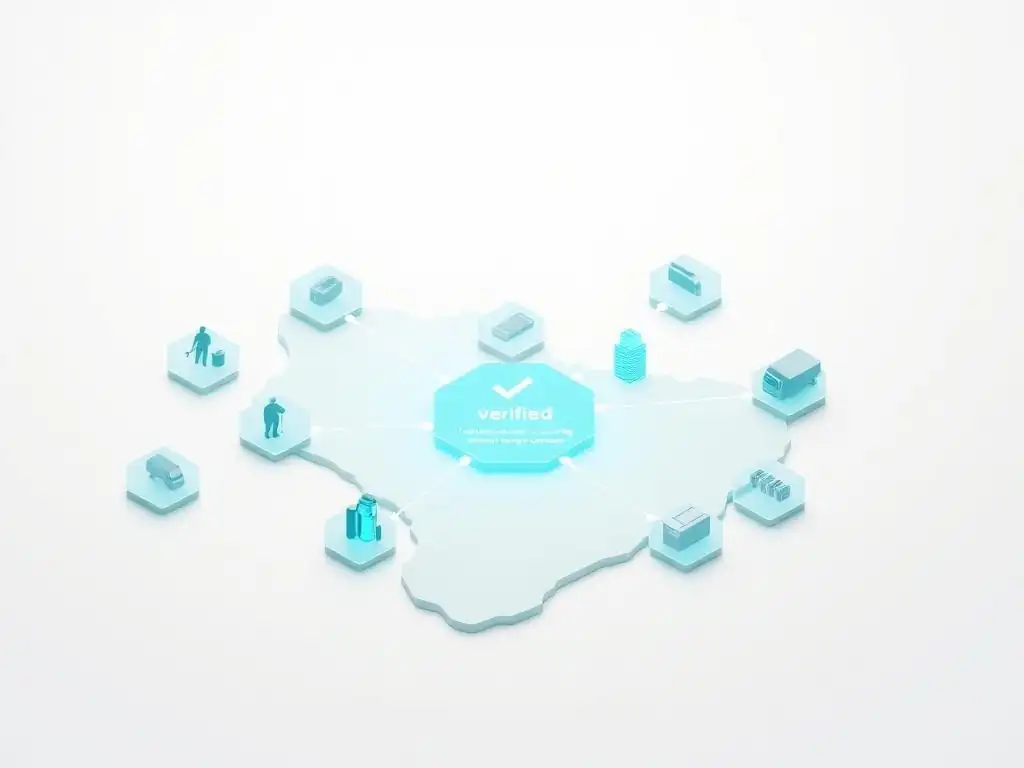
Increased Transparency and Accountability in the Cobalt Supply Chain
Preliminary results from the CAP pilot indicated a significant increase in transparency for participating stakeholders. Companies downstream gained access to verifiable data about the origin and initial handling of the cobalt they were sourcing through the pilot program. Instead of relying on paper certificates or unverified claims, they could consult the immutable blockchain ledger.
This newfound transparency fostered greater accountability among participants at every stage. Miners and cooperatives knew their data was being recorded immutably, encouraging adherence to ethical standards. Traders and aggregators were held accountable for maintaining the chain of custody as recorded on the blockchain. This shift from opaque processes to a transparent, shared ledger marked a crucial step towards building trust in the ethical sourcing of cobalt.
Reduced Risk of Sourcing Cobalt from Unethical Mines
By enabling verifiable traceability back to specific, monitored artisanal mine sites or cooperatives participating in the ethical sourcing program, the blockchain pilot significantly reduced the risk for downstream companies of inadvertently sourcing cobalt linked to child labor or other severe abuses. Companies could preferentially purchase cobalt tracked through the system, confident that it originated from verified, ethically compliant sources.
While the pilot covered only a fraction of the total cobalt supply from the DRC, it demonstrated a viable model for segregating ethically sourced cobalt and providing the necessary proof of origin. This capability is essential for companies aiming to meet stringent ethical sourcing commitments and respond to regulatory and consumer demands for responsible supply chains, making a blockchain ethical supply chain audit a practical tool for risk mitigation.
Enhanced Stakeholder Engagement and Collaboration
The implementation of the blockchain pilot necessitated close collaboration among a diverse group of stakeholders, including artisanal mining cooperatives, local NGOs, government agencies, mineral traders, refiners, and technology providers. This collaborative effort in designing and operating the system fostered enhanced engagement and a shared understanding of the challenges and potential solutions in the cobalt supply chain.
Participants gained a common platform for sharing verified information, improving communication and coordination. The process of bringing these disparate groups together to agree on data standards and operational protocols for the blockchain system built capacity and trust, laying a foundation for broader adoption and more effective collective action towards improving conditions in the sector.
Improved Data Accuracy and Real-Time Visibility
Compared to manual, paper-based systems, the digital data collection and blockchain recording process improved data accuracy. Errors associated with manual transcription were reduced, and the immutability of the blockchain ensured that data, once recorded, remained unchanged. Furthermore, the system provided near real-time visibility into the movement of tracked cobalt batches.
This enhanced data accuracy and real-time visibility allowed stakeholders to monitor the supply chain more effectively, identify potential bottlenecks or discrepancies quickly, and respond proactively. For companies performing due diligence or conducting a blockchain ethical supply chain audit, having access to accurate, up-to-time data on the provenance and handling of cobalt is invaluable for making informed decisions and verifying compliance.
Addressing the Challenges of Blockchain Implementation in the DRC
Infrastructure Limitations and Connectivity Issues
Implementing a technology solution like blockchain in a region like the DRC faces significant infrastructure challenges. Internet connectivity can be unreliable or non-existent in remote mining areas, making real-time data transmission difficult. Access to stable electricity is also a concern, impacting the ability to power and maintain digital devices used for data collection.
To mitigate these issues, the pilot had to incorporate offline data capture capabilities, allowing data to be recorded on devices in the field and synced to the blockchain when connectivity was available. Robust, low-power hardware was necessary, and strategies for ensuring power access (e.g., solar chargers) were explored. Addressing these fundamental infrastructure gaps is crucial for scaling up any digital traceability solution in such environments.
Data Standardization and Interoperability with Existing Systems
Integrating a new blockchain system required standardizing data collection processes and formats across different mining cooperatives and potentially different types of mine sites (ASM and potentially industrial). Ensuring that all participants captured and submitted data in a consistent manner was a complex undertaking requiring significant training and coordination.
Furthermore, companies downstream often have their own internal systems for procurement, inventory management, and compliance reporting. Ensuring that the blockchain system could interoperate with these existing enterprise resource planning (ERP) or supply chain management (SCM) systems was necessary for seamless integration into business processes. Developing APIs and data exchange protocols was part of the technical challenge.
Regulatory Environment and Government Support
The success and scalability of a blockchain-based traceability system in the DRC heavily depend on the regulatory environment and the support of the government. Clear regulations regarding mineral traceability, data ownership, and the legal recognition of blockchain-based records are essential. Government buy-in is crucial for facilitating implementation, ensuring cooperation from local authorities, and potentially integrating the system with official mineral tagging or export processes.
Engaging with government bodies, explaining the benefits of enhanced transparency for revenue collection and combating illicit trade, and securing their support were vital aspects of the CAP pilot. A supportive regulatory framework provides the necessary legal and administrative foundation for the system to operate effectively and gain widespread adoption across the sector.
Building Trust and Capacity Among Artisanal Miners
Perhaps the most critical challenge was building trust and capacity among the artisanal mining communities themselves. Introducing a new technology and process requires extensive engagement, education, and training. Miners and cooperative leaders needed to understand the purpose of the system, how it benefits them (e.g., potential for market access, better prices, improved safety), and how to use the data collection tools.
Addressing concerns about data privacy, potential misuse of information, and ensuring that the system genuinely supports their livelihoods rather than imposing additional burdens was paramount. The pilot involved significant on-the-ground work with communities, establishing trust through transparent communication and demonstrating tangible benefits, which is foundational for any successful blockchain ethical supply chain audit involving ASM.
Future Trends: The Evolution of Blockchain for Ethical Cobalt Sourcing
Expansion to Other Minerals and Supply Chains
The success of pilot programs like CAP's in demonstrating the feasibility of blockchain for cobalt traceability suggests a clear path for expansion to other minerals facing similar ethical sourcing challenges, such as tin, tantalum, tungsten (the "3Ts"), and gold, which are also often mined in conflict-affected or high-risk areas. The underlying principles of using an immutable ledger for provenance tracking are applicable across various mineral supply chains.
Beyond minerals, the lessons learned can be applied to other complex supply chains where ethical sourcing, sustainability, and transparency are critical, such as agriculture (e.g., coffee, cocoa, palm oil), forestry, and even fashion. The modular nature of blockchain solutions allows for adaptation to the specific requirements and challenges of different commodities and industries, enabling broader application of blockchain ethical supply chain audits.
Integration with AI and Machine Learning for Risk Assessment
Future iterations of blockchain traceability systems are likely to integrate with artificial intelligence (AI) and machine learning (ML) technologies. While blockchain provides the immutable data trail, AI/ML can analyze this data to identify patterns, detect anomalies, and flag potential risks that might indicate unethical practices or deviations from the standard supply chain flow.
For example, AI could analyze data points like reported extraction volume versus site capacity, transportation routes, or frequency of transactions to identify suspicious activities that warrant further investigation. This integration would move beyond simple traceability to predictive risk assessment, making the blockchain ethical supply chain audit process more proactive and efficient by highlighting areas of highest concern.
Development of Digital Identities for Artisanal Miners
A key challenge in ASM is the informal nature of the workforce. Future developments may involve the creation of secure digital identities for registered artisanal miners and cooperative members. These digital identities, potentially managed through decentralized identity solutions, could be linked to training certifications (e.g., in safety or ethical practices) and recorded participation in verified mining activities.
Linking digital identities to the blockchain traceability system would provide a more granular level of accountability and empower miners by providing them with a verifiable record of their contributions to the formal, ethically sourced supply chain. This could facilitate direct payments, access to financial services, and recognition for adhering to responsible practices, further strengthening the foundation for blockchain ethical supply chain audits at the individual miner level.
Exploring Tokenization and Incentivization for Ethical Practices
Blockchain technology also enables the creation of digital tokens. Future models could explore tokenizing ethically sourced cobalt or creating tokens that represent participation in ethical programs. These tokens could potentially be used to incentivize miners and cooperatives to adopt and maintain responsible practices, perhaps through premium payments or access to specific support services.
Tokenization could also facilitate investment in community development projects linked to ethical mining or enable more direct payment flows to miners, reducing reliance on intermediaries. Exploring how token economics can be used to create positive feedback loops and reward ethical behavior is a promising avenue for making responsible sourcing economically attractive and sustainable, further enhancing the scope and impact of blockchain ethical supply chain audits.
Conclusion: Blockchain's Potential for Transforming Cobalt Sourcing
The Future of Ethical Cobalt Sourcing Relies on Collaboration and Technology
The case study of the CAP pilot program in the DRC demonstrates that while significant challenges remain, blockchain technology holds substantial potential to improve transparency and traceability in complex mineral supply chains. However, technology alone is not a silver bullet. The success of such initiatives hinges equally on strong multi-stakeholder collaboration, including governments, industry, civil society, and most importantly, the active participation and empowerment of the mining communities themselves.
Building trust, developing local capacity, and addressing fundamental infrastructure gaps are prerequisites for effective implementation. The future of ethical cobalt sourcing will require continued investment in both technological solutions like blockchain and on-the-ground programs that address the root causes of unethical practices, ensuring that the benefits of increased transparency translate into tangible improvements in the lives of miners and their communities.
Blockchain as a Tool for Promoting Responsible Mining Practices in the DRC
Blockchain serves as a powerful tool in the arsenal for promoting responsible mining practices in the DRC's cobalt sector. By creating an immutable, transparent record of the mineral's journey, it provides the necessary data foundation for effective due diligence, risk assessment, and verification of ethical claims. It moves the industry closer to a future where companies can confidently assert that their cobalt is sourced responsibly, backed by verifiable data.
While the CAP pilot was a crucial step, scaling such systems to cover a larger portion of the artisanal sector will require sustained effort, investment, and broad industry adoption. The technology provides the capability for unprecedented transparency, but achieving truly ethical sourcing requires the collective will of all actors in the supply chain to leverage this transparency for positive change and to conduct rigorous blockchain ethical supply chain audits.
Key Takeaways: Blockchain for Cobalt Traceability
The CAP pilot highlights several key takeaways regarding the application of blockchain for cobalt traceability and ethical sourcing. Firstly, permissioned blockchains are well-suited for complex, multi-stakeholder industrial supply chains where data privacy and participant identity verification are important. Secondly, effective implementation requires robust integration with on-the-ground data collection mechanisms, even in challenging environments.
Crucially, the value of blockchain lies not just in the technology but in its ability to facilitate transparency and accountability, enabling more effective compliance with international standards and supporting meaningful blockchain ethical supply chain audits. While technical and operational challenges exist, the potential for blockchain to contribute to a more ethical and transparent cobalt supply chain is significant, offering a pathway towards reducing abuses and improving livelihoods in mining communities.
Frequently Asked Questions
Blockchain offers a transparent and immutable ledger, enabling the tracking of minerals from origin to end-user. This enhanced traceability can help ensure that materials are sourced ethically, avoiding conflict zones and human rights abuses.
What are the key benefits of using blockchain for a blockchain ethical supply chain audit?
A blockchain ethical supply chain audit benefits from blockchain's inherent security and transparency. It allows for real-time verification of data, reduces the risk of fraud, and promotes greater accountability throughout the supply chain.
What are some of the challenges in implementing blockchain for ethical mining supply chains?
Challenges include the lack of widespread adoption, the need for interoperability between different blockchain systems, and the difficulty of ensuring accurate data entry at the source (i.e., the mine).
Beyond conflict minerals, what other applications exist for blockchain in ethical supply chain management?
Blockchain can be used to track the origin and movement of various goods, including food products, pharmaceuticals, and clothing, ensuring compliance with ethical and environmental standards. This improves overall supply chain transparency.
How does blockchain impact the traditional auditing process for supply chains?
Blockchain can automate many aspects of the audit, reducing the reliance on manual verification and paperwork. It provides a single source of truth, making audits more efficient, reliable, and cost-effective.
Final Reflection: Forging a Future of Ethical Minerals
The journey through exploring blockchain's potential in ethical mining supply chains reveals a critical truth: transparency is no longer a luxury, but a necessity. The complexities of conflict minerals and the devastating impact of unethical mining practices demand innovative solutions. Blockchain, with its inherent immutability and traceability, offers a powerful tool to reshape the industry and build a future where minerals are sourced responsibly.
The promise of a truly ethical supply chain, powered by blockchain, resonates deeply. It's not just about technology; it's about human dignity and environmental stewardship. The potential to empower communities, protect vulnerable populations, and ensure fair compensation for miners is immense. The arc of the moral universe is long, but it bends toward justice.
- Martin Luther King Jr. This quote reminds us that progress requires persistent effort, and blockchain offers a concrete path to bend the mineral supply chain towards greater ethical accountability.
As you consider the possibilities presented here, I invite you to reflect on your own role in this transformative process. What steps can you take, whether as a consumer, an investor, or a professional, to support ethical sourcing initiatives? Let us all strive to create a world where technology serves as a catalyst for positive change, ensuring that the minerals that power our lives are sourced with integrity and respect for all.
Okay, here's a CTA for the end of the article "Conflict Minerals No More? Blockchain's Potential for Ethical Mining Supply Chains Case Study," designed for Blockchain Trends (blockchaintrends.org):
Ignite Change: Demand Ethical Mining Practices!
Thank you for exploring how blockchain technology is revolutionizing the ethical sourcing of minerals. We hope you've gained valuable insights into its potential to transform global supply chains. Now, let's put that knowledge into action!
Here are a few ways you can contribute to a more transparent and ethical future:
- Advocate for ethical sourcing: Urge your elected officials to support legislation promoting blockchain-verified supply chains for conflict minerals. Let's make our voices heard and demand accountability.
- Explore: Investigate how companies you support are addressing conflict minerals in their supply chains. Demand transparent information from brands about their sourcing practices.
- Share: Share this article and spread the word! Educate your friends, family, and colleagues about the power of blockchain in promoting ethical mining.
What specific steps will you take this week to promote greater transparency and accountability in the mineral supply chain?
Leave a Reply