
Blockchain's Economic Earthquake: Reshaping Industries and Global Markets

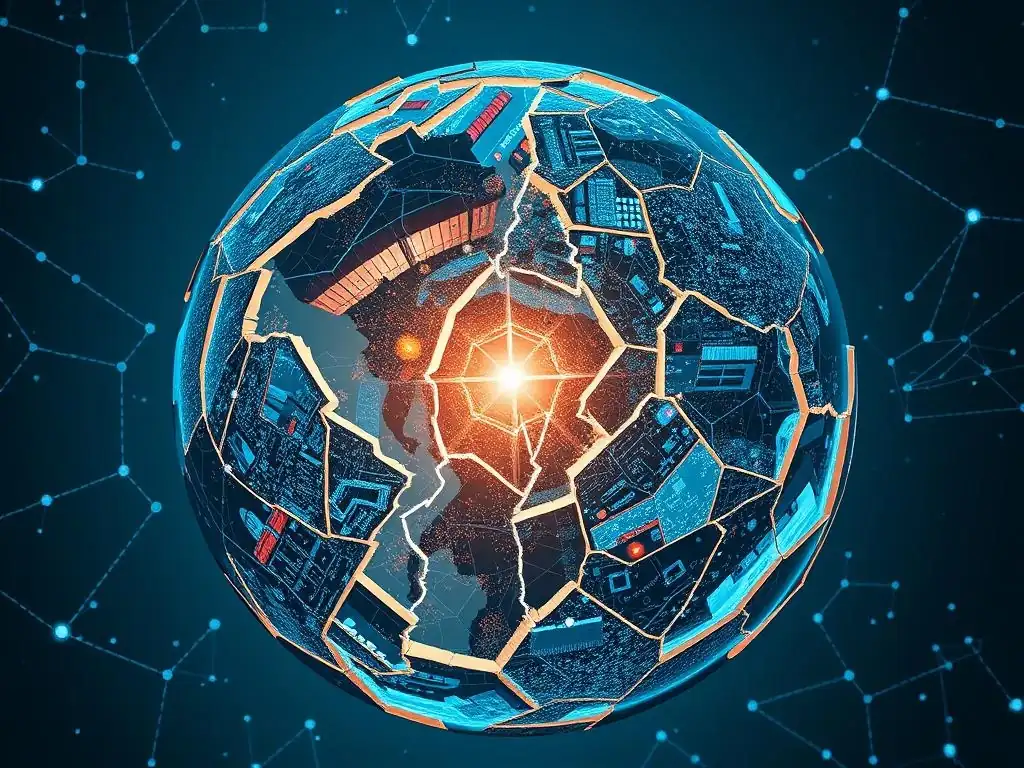
Welcome to Blockchain Trends, your compass in the rapidly evolving world of decentralized technologies! Are you ready to witness the seismic shift? Dive into our exploration of how blockchain is transforming global industries, moving far beyond cryptocurrency and reshaping everything from supply chains to finance. Discover the innovative applications, regulatory landscapes, and future possibilities that are driving this economic earthquake. Prepare to be informed and intrigued as we unlock the potential of blockchain and its impact on tomorrow's world.
Blockchain's Impact on Supply Chain Management: Enhanced Transparency and Traceability
The supply chain sector, historically plagued by inefficiencies, lack of transparency, and fraud, is experiencing a profound transformation thanks to blockchain technology. By creating a shared, immutable ledger, blockchain allows all participants in a supply chain – from producers and manufacturers to distributors and retailers – to access and verify the same data in real-time. This inherent transparency drastically reduces the likelihood of errors, disputes, and tampering, offering end-to-end visibility that was previously unattainable.
Consider the journey of goods from source to consumer: tracking provenance, monitoring conditions (like temperature for perishables), and verifying certifications can all be recorded on a blockchain, providing a tamper-proof history. This level of detail is crucial for quality control, ethical sourcing, and proving authenticity.
Beyond transparency, blockchain significantly enhances traceability, enabling rapid identification of issues within the chain. In the event of a product recall, for instance, pinpointing the affected batch and its origin can be done in minutes rather than days or weeks, dramatically reducing potential harm to consumers and minimizing financial losses for businesses.
Major corporations are already exploring or implementing blockchain solutions; for example, a large retail consortium is using blockchain to track food items, aiming to reduce the time taken to trace a product from farm to store from an average of days down to seconds. This capability not only improves safety and compliance but also streamlines audits and reduces administrative overhead, contributing to the broader narrative of blockchain transforming global industries by making complex logistics more efficient and trustworthy.
Transforming Finance with Blockchain: The Rise of Decentralized Finance (DeFi)
The financial industry is arguably one of the sectors most significantly impacted by blockchain technology, leading to the emergence of Decentralized Finance (DeFi). DeFi leverages blockchain, primarily Ethereum, to recreate traditional financial instruments like lending, borrowing, trading, and asset management, but without relying on central intermediaries such as banks or brokerages.
This disintermediation has the potential to lower transaction costs, increase speed, and improve accessibility for individuals and businesses globally, particularly in regions underserved by traditional financial institutions. The core promise of DeFi lies in its open, permissionless nature, allowing anyone with an internet connection to participate and interact with financial protocols directly through code.
The growth of DeFi has been exponential, demonstrating blockchain's potential to reshape financial markets on a global scale. While volatility exists, the total value locked (TVL) in various DeFi protocols has reached significant figures, indicative of growing interest and capital flow. This surge highlights how blockchain is transforming global industries by enabling new economic models and challenging the long-established dominance of centralized financial institutions. DeFi protocols utilize automated processes and transparent ledgers, offering alternatives for earning yield, taking out loans, or exchanging assets in ways that were previously only possible through traditional, often opaque, systems.
The Role of Smart Contracts in DeFi's Growth
Smart contracts are the backbone of Decentralized Finance, acting as self-executing contracts with the terms of the agreement directly written into lines of code. These contracts automatically execute actions when predefined conditions are met, without the need for human intermediaries. In DeFi, smart contracts automate processes like loan issuance and repayment, interest calculation, asset exchange on decentralized exchanges (DEXs), and yield distribution in staking or liquidity pools.
This automation provided by smart contracts ensures that transactions are executed predictably and immutably on the blockchain. For example, a smart contract for a loan might automatically transfer borrowed funds upon receiving collateral and automatically return the collateral once the loan, plus interest, is repaid within the specified timeframe. If conditions aren't met, the contract can automatically liquidate collateral. This programmatic enforcement of agreements reduces counterparty risk and operational costs, making DeFi protocols efficient and trust-minimized, thereby accelerating the pace at which blockchain is transforming global industries within the financial sector.
DeFi Risks and Regulatory Challenges
Despite its innovative potential, DeFi is not without significant risks and faces considerable regulatory challenges. The rapid evolution of DeFi protocols often outpaces the development of robust security audits and best practices, leading to vulnerabilities that can be exploited.
- Technical Risks:
- Smart contract bugs: Errors in code can lead to loss of funds, as seen in numerous exploits where millions of dollars have been stolen.
- Protocol hacks: Malicious actors exploiting vulnerabilities in the protocol design or underlying blockchain.
- Oracle failures: DeFi protocols often rely on external data feeds (oracles) for price information; if these feeds are manipulated or fail, it can lead to incorrect contract execution and financial losses.
- Financial Risks:
- High volatility: The underlying crypto assets used in DeFi are often highly volatile, exposing users to significant market risk.
- Liquidation risk: In lending protocols, if the value of collateral drops below a certain threshold, it can be automatically liquidated, potentially at unfavorable prices.
- Impermanent loss: A risk faced by liquidity providers in DEXs where the price ratio of deposited assets changes, leading to a loss compared to simply holding the assets.
- Regulatory Uncertainty:
- Lack of clear legal frameworks: Many jurisdictions are still grappling with how to classify and regulate DeFi activities and protocols.
- Consumer protection: Ensuring users are protected from fraud, manipulation, and excessive risk in a decentralized environment is challenging.
- Anti-Money Laundering (AML) / Know Your Customer (KYC): Implementing compliance measures in a permissionless system poses significant difficulties for regulators seeking to prevent illicit activities.
Navigating these risks and establishing appropriate regulatory frameworks are crucial steps for DeFi to mature and for blockchain's transformation of global industries in finance to realize its full potential safely and sustainably.
Blockchain in Healthcare: Securing Patient Data and Improving Interoperability
The healthcare industry faces critical challenges related to data security, privacy, and interoperability between disparate systems. Patient records are often siloed across different providers, making it difficult to share information securely and efficiently, which can impede care coordination and medical research. Blockchain technology offers a promising solution by providing a secure, decentralized, and immutable ledger for managing sensitive health data. Instead of storing patient records directly on the blockchain, which would be impractical due to size and privacy concerns, a blockchain can store encrypted hashes or pointers to data stored securely off-chain.
This approach allows patients to control who accesses their health information, granting permissions to doctors, specialists, or researchers via cryptographic keys. This enhances patient privacy and autonomy significantly. Furthermore, blockchain can facilitate secure data sharing across different healthcare organizations, improving interoperability and enabling a more holistic view of a patient's medical history.
For example, a blockchain-based system could allow a new physician to quickly and securely access relevant medical history, reducing diagnostic errors and improving treatment plans. Beyond patient records, blockchain is also being explored for tracking pharmaceuticals to combat counterfeiting, managing clinical trial data to ensure integrity, and streamlining insurance claims processing – all areas where secure, transparent, and verifiable record-keeping is paramount, underscoring how blockchain is transforming global industries like healthcare by building trust and efficiency.
The Entertainment Industry Disrupted: Blockchain for Content Ownership and Distribution
The entertainment industry, encompassing music, film, gaming, and digital art, is undergoing significant disruption driven by blockchain technology, particularly through the advent of Non-Fungible Tokens (NFTs). Traditional models often involve multiple intermediaries, leading to artists and creators receiving only a small fraction of the revenue generated from their work, while consumers face issues with verifying authenticity and true ownership of digital assets. Blockchain provides a mechanism for creators to tokenize their work, creating unique, verifiable digital assets (NFTs) that represent ownership or proof of authenticity.
This allows artists to sell directly to their audience, cutting out intermediaries and potentially earning a larger share of the profits, including royalties on future sales through smart contracts embedded within the NFTs. For instance, a musician could release an album as a limited series of NFTs, granting owners unique benefits or a share of streaming royalties. Digital artists are selling unique pieces as NFTs for substantial sums, creating a new market for digital collectibles.
In gaming, blockchain enables true ownership of in-game assets, allowing players to buy, sell, or trade items outside the game ecosystem. This shift towards direct creator-fan economies and verifiable digital ownership exemplifies how blockchain is transforming global industries like entertainment, empowering creators and introducing novel forms of value exchange.
- Blockchain's Impact on Supply Chain Management: Enhanced Transparency and Traceability
- Transforming Finance with Blockchain: The Rise of Decentralized Finance (DeFi)
- Blockchain in Healthcare: Securing Patient Data and Improving Interoperability
- The Entertainment Industry Disrupted: Blockchain for Content Ownership and Distribution
- How is blockchain technology impacting supply chain management?
- What role does blockchain play in the development of decentralized finance (DeFi)?
- Beyond finance, what other industries are experiencing significant disruption from blockchain?
- How are governments and regulatory bodies responding to the growing adoption of blockchain technology?
- What are the key challenges hindering the widespread adoption of blockchain technology across global industries?
Blockchain and the Future of Global Markets: Opportunities and Challenges
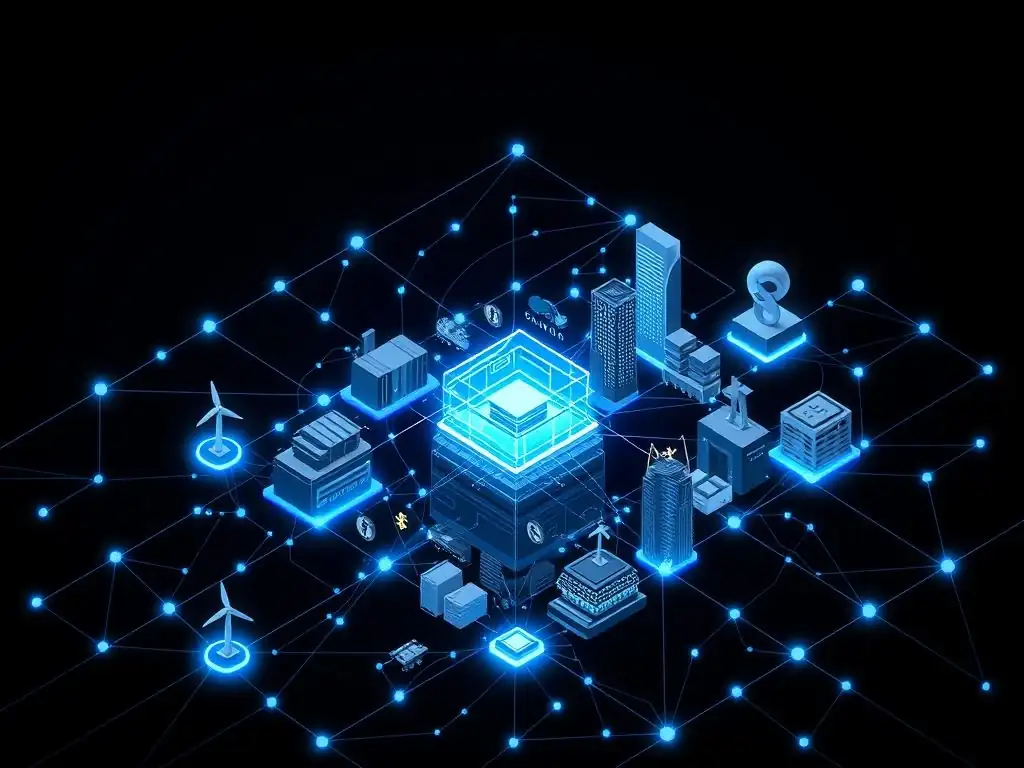
Blockchain's Potential to Reduce Transaction Costs in International Trade
International trade relies on a complex web of processes involving numerous parties, including exporters, importers, banks, insurers, and logistics providers. These transactions often involve extensive paperwork, manual verification, and multiple intermediaries, leading to high costs and significant delays. Traditional trade finance mechanisms, such as letters of credit, are paper-intensive and can take days or weeks to process, incurring substantial fees. Blockchain technology offers a path to streamline these processes by creating a shared, immutable ledger for trade documentation and transactions.
By tokenizing assets and automating processes through smart contracts, blockchain can reduce the need for manual checks and intermediaries, thereby lowering transaction costs. Consider the flow of goods and payments in a cross-border transaction: shipping documents, customs forms, and payment instructions can all be recorded on a blockchain, providing all permissioned parties with a single source of truth. This transparency and automation can reduce administrative overhead, minimize errors, and accelerate settlement times.
While precise global figures are hard to pin down, estimates suggest that trade finance costs can be a significant percentage of the overall transaction value. Blockchain platforms are being developed and piloted with the goal of reducing these costs substantially, potentially by a notable percentage point reduction in certain transaction types, highlighting blockchain's transformative potential for global industries involved in international commerce.
Enhancing Security and Trust in Cross-Border Payments with Blockchain Technology
Cross-border payments, whether for businesses or individuals sending remittances, often suffer from high fees, slow processing times, and a lack of transparency regarding the transfer's status. The current system typically involves multiple correspondent banks, each adding their own fees and potentially delaying the transaction. This multi-hop process also introduces points of failure and reduces transparency, making it difficult to track funds and increasing the risk of errors or fraud. Blockchain technology offers a more direct and secure method for transferring value across borders.
Using cryptocurrencies or stablecoins on a blockchain network allows for near-instantaneous settlement, bypassing traditional banking hours and intermediary delays. The cryptographic security of the blockchain ensures that transactions are secure and immutable once confirmed. Furthermore, the transparent nature of public or permissioned blockchains allows participants to track the transaction process in real-time, enhancing trust.
While average global remittance costs remain relatively high, often cited around 6% of the amount sent, blockchain-based solutions aim to significantly reduce these fees, potentially below 1% in some corridors. This reduction in cost and increase in speed and security is a key way blockchain is transforming global industries by facilitating faster, cheaper, and more reliable international value exchange.
Switzerland Case Study: Blockchain Adoption and Economic Impact
Switzerland has emerged as a leading global hub for blockchain technology, often referred to as "Crypto Valley," centered around the city of Zug. The country has adopted a proactive and supportive approach to regulating blockchain and digital assets, creating a favorable environment for startups and established companies alike. This clear regulatory stance, combined with Switzerland's strong financial infrastructure and reputation for stability, has attracted significant investment and talent into the blockchain space. The Swiss Financial Market Supervisory Authority (FINMA) has provided clear guidance on the classification of tokens and licensing requirements for blockchain-based businesses, fostering legal certainty.
This supportive ecosystem has led to tangible economic impact. Switzerland hosts a high concentration of blockchain companies working across various sectors, from finance and supply chain to identity management and art. Examples include banks specifically licensed to provide digital asset services (like SEBA Bank and Sygnum Bank) and numerous startups developing innovative blockchain applications.
The economic impact includes job creation, increased foreign investment, and the development of new financial products and services. The Swiss example illustrates how a clear regulatory framework and governmental support can significantly accelerate blockchain adoption and demonstrate blockchain's transformative potential for global industries within a national economy, setting a precedent for other countries to follow.
Frequently Asked Questions
How is blockchain technology impacting supply chain management?
Blockchain offers enhanced transparency and traceability in supply chains. This helps to reduce fraud and improve efficiency by providing a verifiable record of product origin and movement.
What role does blockchain play in the development of decentralized finance (DeFi)?
Blockchain is the foundation of DeFi, enabling peer-to-peer lending, borrowing, and trading without traditional intermediaries. This increases financial inclusion and offers new investment opportunities.
Beyond finance, what other industries are experiencing significant disruption from blockchain?
Healthcare, logistics, and voting systems are all being impacted. Blockchain provides secure data storage, streamlined processes, and improved transparency, leading to increased trust and efficiency.
How are governments and regulatory bodies responding to the growing adoption of blockchain technology?
Many governments are exploring blockchain applications and developing regulatory frameworks. This involves balancing innovation with consumer protection and addressing concerns about security and compliance.
What are the key challenges hindering the widespread adoption of blockchain technology across global industries?
Scalability, interoperability, and regulatory uncertainty remain significant hurdles. Overcoming these challenges is crucial for unlocking the full potential of blockchain's transformative capabilities.
Final Reflection: Riding the Blockchain Wave
The preceding exploration of blockchain's transformative power across industries underscores a crucial point: the decentralized revolution is no longer a distant promise, but a tangible force reshaping global markets. From supply chain optimization to decentralized finance (DeFi), the evidence is clear: blockchain technology is not just a trend; it's a fundamental shift in how we conduct business and interact with the world.
This seismic shift continues to ripple through our cultural and social landscape, challenging traditional power structures and fostering unprecedented levels of transparency and trust. Witnessing this evolution firsthand, from the initial skepticism to the growing adoption, has been both fascinating and inspiring. The potential for blockchain to empower individuals and democratize access to resources is immense. The blockchain is to trust what the internet is to information.
- Andreas Antonopoulos. This quote perfectly encapsulates the core value proposition of this technology: a foundation of trust upon which new systems and opportunities can be built.
As we stand at the cusp of this new era, it's imperative that we embrace the possibilities that blockchain offers while remaining mindful of its potential challenges. Consider how you can leverage this technology, whether as an entrepreneur, an investor, or simply an informed citizen, to contribute to a more equitable and efficient future. The blockchain wave is here; are you ready to ride it?
Unleash the Blockchain Revolution!
Thanks for diving deep into how blockchain is shaking up the global economy. We hope you’ve gained valuable insights into its transformative power. Now, it’s time to be part of the change!
Here are a few steps you can take right now:
- Map out how blockchain could disrupt your own industry. What processes are inefficient? Where could transparency be improved? This is the first step toward innovation!
- Share this article with a colleague who might find it valuable. Let's spread the word about blockchain's potential!
- Join the conversation on our Blockchain Trends forum – head over to blockchaintrends.org and contribute your thoughts.
What one seemingly impossible application of blockchain are you most excited to see become a reality? Let us know in the comments!
Leave a Reply