
How Decentralized Gaming Platforms are Fostering Global Communities

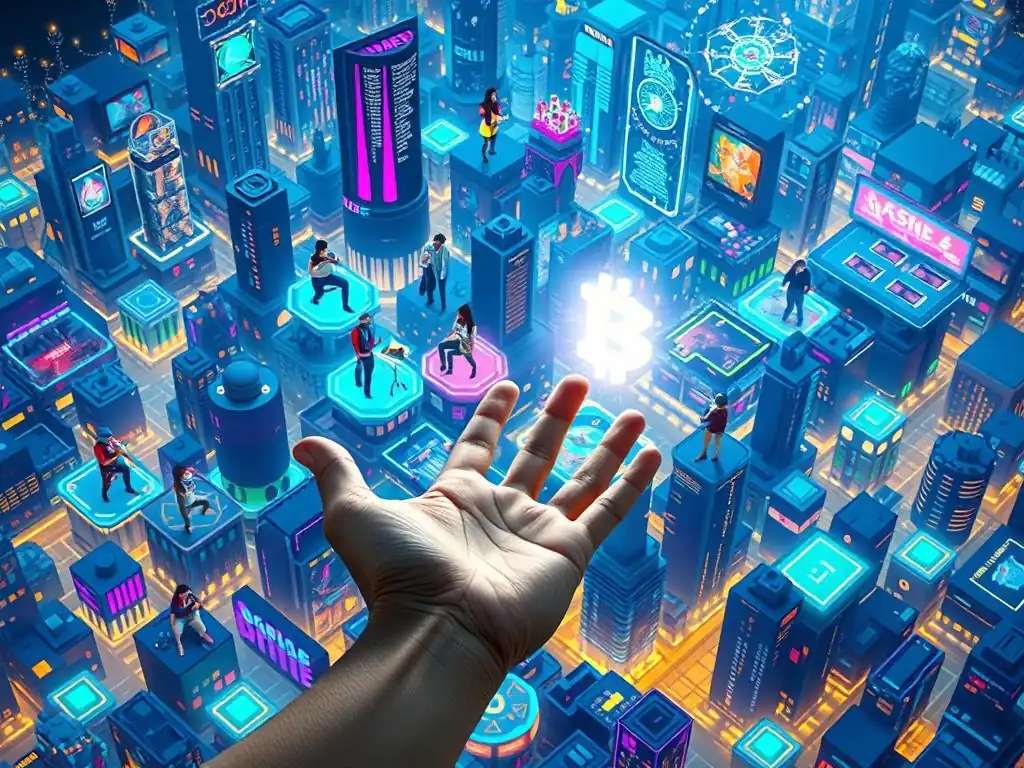
Welcome to Blockchain Trends, your go-to source for understanding the real-world impact of blockchain technology. Beyond the hype, we delve into the transformative potential of decentralized systems. Curious about how blockchain is revolutionizing the gaming world? Dive in to discover how decentralized gaming platforms are not just creating games, but fostering vibrant, global blockchain gaming community building. Explore the strategies, the challenges, and the incredible future unfolding right now. Ready to connect with the next generation of gamers and developers?
How Decentralized Gaming Platforms are Fostering Global Communities
- Introduction: The Rise of Blockchain Gaming and Community Engagement
- Decentralized Gaming Platforms: A New Paradigm for Community Building
- Blockchain Gaming Community Building: Core Principles and Strategies
- Case Studies: Successful Blockchain Gaming Communities
- The Benefits of Decentralized Gaming Communities
- Challenges and Opportunities in Building Blockchain Gaming Communities
- The Future of Blockchain Gaming Communities: Trends and Predictions
- Building Your Own Blockchain Gaming Community: A Practical Guide
- Conclusion: Decentralized Gaming Platforms as Engines for Global Community Building
-
Frequently Asked Questions
- How are decentralized gaming platforms different from traditional gaming platforms in terms of community building?
- What role do NFTs play in building communities around blockchain games?
- How does blockchain technology facilitate transparency and trust within gaming communities?
- What are some of the challenges in building a successful blockchain gaming community?
- How is the "Blockchain gaming community building" concept shaping the future of gaming as a whole?
- Final Reflection: Embracing the Decentralized Future of Connection
- Dive Deeper: Unlock Your Potential in the Gaming Metaverse!
Introduction: The Rise of Blockchain Gaming and Community Engagement
Exploring the Intersection of Blockchain, Gaming, and Community
The gaming industry, a powerhouse of entertainment and social interaction, is undergoing a significant transformation with the integration of blockchain technology. This intersection is creating a new paradigm where games are not just platforms for entertainment, but also engines for building robust and engaged communities. Blockchain's inherent features – decentralization, transparency, and tokenization – are reshaping how players interact with games and with each other.
The traditional hierarchical structures of gaming are being challenged, giving way to more player-centric ecosystems where community participation and ownership are paramount. This evolution is not merely about incorporating cryptocurrency into games; it's about fundamentally rethinking the relationship between game developers and players, and fostering a sense of collective ownership and shared purpose within gaming communities.
The rise of blockchain gaming is intrinsically linked to the growing desire for more immersive and participatory online experiences. Players are no longer passive consumers but active participants in the game's ecosystem. Blockchain facilitates this shift by enabling true digital ownership of in-game assets, empowering players to contribute to the game's development, and participate in its governance.
This level of engagement fosters stronger community bonds as players share a vested interest in the game's success and longevity. The concept of a blockchain gaming community building is becoming central to the design and success of these platforms, moving beyond simple player bases to dynamic, self-sustaining ecosystems.
The Evolution of Online Gaming Communities
Online gaming communities have existed since the early days of multiplayer gaming, evolving from simple forums and chat rooms to sophisticated social networks integrated within game platforms. Early communities were often centered around shared interests in specific game titles, fostered through guilds, clans, and fan sites. However, these communities were largely controlled by game developers and publishers, with limited player agency beyond gameplay itself. While these communities were vibrant and engaging, the economic benefits and governance remained firmly in the hands of centralized entities.
The advent of Web2 gaming platforms further refined community building through features like in-game social tools, matchmaking systems, and esports integrations. Platforms like Steam, Discord, and Twitch became crucial hubs for gamers to connect, communicate, and build communities around their favorite titles. Despite these advancements, the core power dynamic remained unchanged. Players generated value through their engagement, content creation, and participation, but the economic upside and decision-making authority remained centralized. Blockchain gaming represents the next significant leap in this evolution, promising to decentralize power and reward players directly for their contributions, thus revolutionizing blockchain gaming community building.
Decentralized Gaming Platforms: A New Paradigm for Community Building
Understanding Decentralized Gaming Platforms
Decentralized gaming platforms leverage blockchain technology to shift control and ownership away from centralized game companies and towards players. These platforms often utilize cryptocurrencies and NFTs (Non-Fungible Tokens) to represent in-game assets and player rights. Unlike traditional games where in-game items are owned by the game company and can be revoked or altered at will, blockchain-based assets are verifiably owned by the players, existing as digital assets on a public blockchain. This fundamental shift in ownership underpins the entire concept of decentralized gaming, fostering a sense of empowerment and investment among players.
The architecture of decentralized gaming platforms typically involves smart contracts, which are self-executing agreements written in code and stored on the blockchain. These smart contracts govern game mechanics, asset distribution, and community governance, ensuring transparency and immutability. Decentralization also extends to the platform's infrastructure, often utilizing distributed networks to enhance security and resilience against censorship or single points of failure.
This decentralized structure is crucial for building trust within the community, as players can be confident that the game's rules and their assets are protected by the inherent security of the blockchain. Understanding these core principles is vital to appreciating how blockchain gaming community building differs fundamentally from traditional methods.
Key Features of Blockchain-Based Gaming Communities
Blockchain-based gaming communities possess unique features that distinguish them from traditional gaming communities and significantly enhance community building efforts. One key feature is true digital ownership. NFTs allow players to own in-game items, characters, and land as unique digital assets that they can trade, sell, or use across different compatible platforms. This ownership creates a sense of investment and belonging, encouraging players to actively participate in the game's ecosystem and community.
Another defining feature is decentralized governance. Many blockchain games are exploring models where players have a direct say in the game's development and direction through DAOs (Decentralized Autonomous Organizations) or other governance mechanisms. Token holders can vote on proposals, suggest changes, and contribute to the evolution of the game, fostering a sense of collective ownership and responsibility. Furthermore, transparent and verifiable game economies are inherent to blockchain games.
All transactions, asset ownership, and game rules are recorded on the blockchain, ensuring transparency and preventing manipulation. This transparency builds trust within the community and encourages fair participation. These features collectively contribute to stronger, more engaged, and more resilient blockchain gaming community building.
Blockchain Gaming Community Building: Core Principles and Strategies
Ownership and Governance: Empowering Players within the Community
At the heart of successful blockchain gaming community building lies the principle of player empowerment through ownership and governance. By granting players true ownership of in-game assets via NFTs, decentralized platforms foster a sense of investment and long-term commitment. Players are not just consumers; they become stakeholders in the game's ecosystem. This ownership extends beyond mere asset possession to include a voice in the game's direction through decentralized governance mechanisms.
Implementing decentralized governance, often through DAOs, allows community members to participate in decision-making processes. This can range from voting on game updates and feature proposals to managing community funds and even influencing the game's lore and narrative. For example, some blockchain games allow token holders to vote on which new characters or items should be introduced, or to allocate resources for community events and initiatives.
This participatory approach not only empowers players but also leverages the collective intelligence and creativity of the community to shape the game's future. This focus on ownership and governance is a critical element of blockchain gaming community building, fostering loyalty and long-term engagement.
Tokenomics and Incentives: Fueling Community Participation and Growth
Tokenomics, the economic system within a blockchain game, plays a crucial role in incentivizing community participation and driving growth. Well-designed tokenomics reward players for their contributions to the ecosystem, whether it's through gameplay, content creation, community moderation, or participation in governance. These incentives can take various forms, including earning tokens for completing tasks, winning competitions, or contributing valuable content.
For instance, in play-to-earn models, players can earn cryptocurrency tokens by playing the game, which they can then trade on exchanges or use within the game's ecosystem. This economic incentive can attract a wider player base and encourage active participation. Furthermore, staking mechanisms can reward players for holding tokens and contributing to the network's security or liquidity.
By aligning economic incentives with community growth and participation, blockchain games can create self-sustaining ecosystems where players are motivated to contribute and the community thrives. Strategic tokenomics are therefore fundamental to effective blockchain gaming community building, driving both player engagement and platform growth.
Transparency and Trust: The Foundation of Decentralized Gaming Communities
Transparency and trust are paramount in blockchain gaming community building. Blockchain technology inherently provides transparency by recording all transactions and game rules on a public ledger. This verifiable record eliminates opacity and builds trust among community members, as everyone has access to the same information and can verify the fairness of the system.
Smart contracts further enhance trust by automating game mechanics and ensuring that rules are enforced consistently and impartially. Players can examine the smart contract code and understand exactly how the game works, reducing the reliance on trust in a central authority. This transparency extends to asset ownership, provenance, and game economics, fostering a sense of fairness and accountability.
For example, players can easily verify the rarity of an NFT or track the distribution of tokens within the game's ecosystem. By prioritizing transparency and leveraging the trust-building capabilities of blockchain, decentralized gaming platforms can create more robust and engaged communities based on shared understanding and confidence.
Case Studies: Successful Blockchain Gaming Communities
Axie Infinity - A thriving example of community-driven development
Axie Infinity stands as a prominent example of a blockchain game that has successfully fostered a thriving, community-driven ecosystem. Originating from Sky Mavis, Axie Infinity quickly gained traction due to its engaging gameplay, play-to-earn mechanics, and strong emphasis on community. The game revolves around collecting, breeding, and battling digital creatures called Axies, which are NFTs owned by players. The community is deeply involved in all aspects of the game, from breeding and battling to content creation and even contributing to the game's lore and strategy.
The success of Axie Infinity's blockchain gaming community building is evident in its massive player base, which at its peak in late 2021 reached millions of daily active users globally. The game's tokenomics, centered around the AXS and SLP tokens, incentivized players to engage with the game and contribute to the ecosystem.
Furthermore, the community actively participates in governance through the Axie DAO, voting on proposals related to game development and the allocation of community funds. Axie Infinity's case demonstrates how play-to-earn mechanics, coupled with strong community engagement and decentralized governance, can create a powerful and self-sustaining blockchain gaming community.
Decentraland - How token rewards enhance community loyalty
Decentraland, a decentralized virtual world built on the Ethereum blockchain, offers another compelling case study in blockchain gaming community building. In Decentraland, users can buy, sell, and develop virtual land represented by NFTs. The platform emphasizes user-generated content and experiences, encouraging players to build and share their creations within the metaverse. Token rewards play a crucial role in fostering community loyalty and participation in Decentraland.
The MANA token, Decentraland's native cryptocurrency, is used for transactions within the virtual world, including buying land, avatars, and in-world items. Moreover, Decentraland actively rewards content creators and community contributors through grants and incentives. For example, creators who build popular experiences or contribute to the platform's development can receive MANA tokens as rewards.
This system of token rewards incentivizes creativity, participation, and loyalty within the Decentraland community. The platform's decentralized governance, managed by the Decentraland DAO, further empowers the community to shape the virtual world's future. Decentraland illustrates how token rewards, combined with user-generated content and decentralized governance, can effectively enhance community loyalty in blockchain gaming environments.
Analyzing the Factors Contributing to Their Success
Analyzing the success of blockchain gaming community building in platforms like Axie Infinity and Decentraland reveals several key contributing factors. Firstly, engaging gameplay is fundamental. While blockchain mechanics and tokenomics are important, the core game must be fun and engaging to attract and retain players. Axie Infinity's strategic battles and creature collection, and Decentraland's open-world creativity, provide compelling gameplay loops that draw players in.
Secondly, effective tokenomics are crucial for incentivizing participation and rewarding community contributions. Play-to-earn models, coupled with governance tokens and staking mechanisms, can create robust and self-sustaining economies within these games. Thirdly, strong community engagement and decentralized governance mechanisms empower players and foster a sense of ownership and belonging.
DAOs and participatory governance structures allow communities to actively shape the game's direction and development. Finally, transparency and trust, inherent to blockchain technology, build confidence within the community and ensure fair and equitable participation. These factors, working in synergy, are essential for successful blockchain gaming community building and the creation of thriving decentralized gaming ecosystems.
The Benefits of Decentralized Gaming Communities
Enhanced Player Engagement and Retention
Decentralized gaming communities, built on blockchain principles, offer significant benefits in terms of player engagement and retention compared to traditional gaming models. The core principle of true digital ownership, enabled by NFTs, fosters a deeper sense of investment and commitment from players. When players own their in-game assets, they are more likely to be invested in the game's long-term success and actively participate in the community. This contrasts with traditional games where in-game purchases are essentially licenses, and players have no real ownership or control over their digital assets.
Furthermore, decentralized governance mechanisms empower players to have a voice in the game's development and direction. This participatory approach creates a stronger sense of belonging and shared purpose, leading to increased engagement. Players are not just passive consumers; they are active stakeholders who can influence the game's evolution. The combination of ownership and governance leads to higher player retention rates, as players are more invested in a game where they have a real stake and a voice. This enhanced player engagement and retention are key advantages of blockchain gaming community building.
Increased Collaboration and Content Creation
Blockchain gaming communities often exhibit increased collaboration and content creation compared to their traditional counterparts. The decentralized and open nature of these platforms encourages players to collaborate and contribute to the game's ecosystem. The ability to own and trade in-game assets, coupled with transparent game economies, fosters a collaborative environment where players can interact, trade, and build together.
Moreover, the emphasis on user-generated content in many blockchain games further stimulates collaboration and creativity. Platforms like Decentraland thrive on player-created experiences and content. The potential to earn tokens or rewards for content creation incentivizes players to contribute to the game's ecosystem, enriching the overall experience for the community. This collaborative and creative environment fosters stronger community bonds and leads to a more dynamic and evolving game world. The increased collaboration and content creation are significant benefits of blockchain gaming community building, enriching the gaming experience for all participants.
Global Reach and Accessibility: Connecting Gamers Worldwide
Decentralized gaming communities inherently possess a global reach and accessibility that transcends geographical limitations, effectively connecting gamers worldwide. Blockchain technology, by its nature, is borderless and accessible to anyone with an internet connection. This inherent global accessibility extends to blockchain games, allowing players from diverse backgrounds and locations to participate in the same virtual worlds and communities.
Unlike traditional gaming communities that may be geographically localized or fragmented across different servers, decentralized gaming communities can be truly global and unified. The use of cryptocurrencies as in-game currencies further enhances global accessibility, eliminating currency exchange barriers and facilitating seamless transactions across borders. This global reach not only expands the potential player base but also enriches the community with diverse perspectives and cultures. The global reach and accessibility are significant advantages of blockchain gaming community building, fostering truly international and inclusive gaming communities.
Challenges and Opportunities in Building Blockchain Gaming Communities
Overcoming Barriers to Entry for Non-Crypto Natives
Building thriving blockchain gaming communities presents certain challenges, particularly in overcoming barriers to entry for non-crypto natives. The complexity of blockchain technology, cryptocurrencies, and NFTs can be daunting for players unfamiliar with these concepts. Onboarding new players who are not already versed in crypto requires simplifying the user experience and providing clear and accessible educational resources.
Game developers need to prioritize user-friendly interfaces and intuitive onboarding processes that minimize the technical complexities for new players. Providing in-game tutorials, clear explanations of blockchain concepts, and simplified wallet management solutions can significantly lower the barrier to entry. Furthermore, focusing on the fun and engaging gameplay aspects of the game, rather than solely emphasizing the crypto elements, can attract a broader audience. Overcoming these barriers to entry is crucial for expanding the reach and inclusivity of blockchain gaming community building, attracting players from diverse backgrounds and levels of crypto knowledge.
Ensuring Scalability and Security for Growing Communities
Scalability and security are critical considerations for the long-term sustainability of blockchain gaming communities, especially as these communities grow in size and complexity. Blockchain networks, while inherently secure, can face scalability challenges when processing a large volume of transactions and interactions. Ensuring that the underlying blockchain infrastructure can handle the demands of a growing gaming community is essential for maintaining a smooth and responsive gaming experience.
Furthermore, security remains paramount to protect player assets and prevent vulnerabilities. Smart contracts need to be rigorously audited and tested to minimize the risk of exploits. Implementing robust security measures and choosing scalable blockchain solutions are crucial for ensuring the long-term viability and security of blockchain gaming communities. Addressing these scalability and security challenges is essential for fostering trust and confidence within the community and supporting the sustainable growth of blockchain gaming community building.
Fostering Inclusivity and Diversity within the Gaming Ecosystem
Fostering inclusivity and diversity is an ongoing challenge and opportunity in blockchain gaming community building. While blockchain technology itself is permissionless and open, ensuring that gaming communities are welcoming and inclusive to players from all backgrounds requires conscious effort and proactive strategies. Addressing potential biases in game design, promoting diverse representation in characters and narratives, and creating welcoming community spaces are important steps towards fostering inclusivity.
Furthermore, accessibility considerations are crucial. Making games accessible to players with disabilities, providing language support for diverse linguistic communities, and ensuring equitable access to resources and opportunities within the game ecosystem are vital for creating truly inclusive blockchain gaming communities. Actively promoting diversity and inclusivity not only enriches the community but also expands the potential player base and fosters a more vibrant and representative gaming ecosystem. Prioritizing inclusivity and diversity is a social responsibility and a strategic opportunity for successful blockchain gaming community building.
The Future of Blockchain Gaming Communities: Trends and Predictions
The Role of DAOs (Decentralized Autonomous Organizations) in Community Governance
DAOs (Decentralized Autonomous Organizations) are poised to play an increasingly significant role in the future of blockchain gaming communities, shaping community governance and player empowerment. DAOs offer a framework for decentralized decision-making, allowing community members to collectively govern game development, resource allocation, and community initiatives. As blockchain gaming matures, DAOs are likely to become more sophisticated and integrated into game platforms.
We can anticipate seeing more complex governance models within gaming DAOs, potentially incorporating quadratic voting, delegated governance, and other innovative mechanisms to enhance fairness and participation. DAOs may also evolve to manage community-owned treasuries, fund game development projects, and even oversee cross-game collaborations within the broader blockchain gaming ecosystem. The increasing adoption and sophistication of DAOs will further empower blockchain gaming communities and solidify the principle of player-centric governance in the industry's future. The role of DAOs in blockchain gaming community building is expected to expand significantly in the coming years.
Metaverse integration is a major trend that will profoundly impact the future of blockchain gaming communities, enhancing social experiences and blurring the lines between gaming and virtual worlds. As metaverses develop and become more interconnected, blockchain games are increasingly likely to integrate into these virtual environments, creating richer and more immersive social experiences for players.
Imagine blockchain game assets, like NFTs, becoming interoperable across different metaverse platforms, allowing players to bring their characters and items into various virtual worlds. Metaverse integration could also lead to new forms of social interaction within gaming communities, such as virtual events, concerts, and shared virtual spaces where players can connect and socialize beyond the confines of a single game.
This integration will likely foster even stronger community bonds and create more persistent and engaging virtual gaming worlds. Metaverse integration promises to significantly enhance the social dimension of blockchain gaming community building and create more immersive and interconnected gaming experiences.
The Impact of NFTs (Non-Fungible Tokens) on Community Identity and Ownership
NFTs (Non-Fungible Tokens) will continue to be a cornerstone of blockchain gaming communities, profoundly impacting community identity and ownership in the years to come. Beyond representing in-game assets, NFTs are evolving to become symbols of community membership and identity within blockchain gaming ecosystems. Unique or limited-edition NFTs can serve as status symbols or badges of honor within a community, fostering a sense of belonging and shared identity.
Furthermore, NFTs are likely to play a larger role in shaping community narratives and lore. Game developers may create NFTs that represent key moments or characters in the game's history, allowing community members to own and collect pieces of the game's narrative. NFTs can also facilitate new forms of community-driven storytelling, where players can collectively contribute to the game's lore through owning and interacting with narrative-related NFTs. The ongoing evolution of NFTs will further solidify their role in defining community identity and ownership within blockchain gaming, strengthening blockchain gaming community building efforts and fostering deeper player connections.
Building Your Own Blockchain Gaming Community: A Practical Guide
Defining Your Target Audience and Community Values
Building a successful blockchain gaming community starts with clearly defining your target audience and establishing core community values. Understanding who you want to attract to your game and what kind of community you want to foster is crucial for shaping your community-building strategy. Consider the demographics, gaming preferences, and crypto knowledge of your ideal player base. Are you targeting hardcore gamers, casual players, crypto enthusiasts, or a mix of audiences?
Once you understand your target audience, define the core values that will guide your community. These values might include transparency, inclusivity, collaboration, respect, and innovation. Clearly communicating these values to your community from the outset helps set the tone for community interactions and attract players who resonate with your vision. Defining your target audience and community values is the foundational step in effective blockchain gaming community building, providing a compass for all subsequent community-building efforts.
Choosing the Right Blockchain Platform and Tools
Selecting the right blockchain platform and tools is a critical technical decision that impacts the functionality, scalability, and accessibility of your blockchain gaming community. Different blockchain platforms offer varying features, transaction fees, and development ecosystems. Consider factors such as transaction speed, gas costs, smart contract capabilities, and developer support when choosing a blockchain platform. Ethereum, Polygon, Solana, and Flow are popular choices for blockchain gaming, each with its own strengths and trade-offs.
Furthermore, selecting the right community-building tools is essential for managing and engaging your community. Discord, Telegram, and dedicated community platforms are commonly used to facilitate communication, discussions, and community events. Choosing tools that align with your community's preferences and provide the necessary features for moderation, communication, and engagement is crucial for effective blockchain gaming community building. Carefully considering your blockchain platform and community tools is a key step in setting up a robust and functional community infrastructure.
Implementing Effective Community Management Strategies
Implementing effective community management strategies is paramount for nurturing a thriving and engaged blockchain gaming community. Community management involves actively engaging with players, fostering positive interactions, moderating discussions, and addressing community needs and concerns. Designate dedicated community managers who are passionate about your game and skilled in community engagement. Establish clear community guidelines and moderation policies to ensure a safe and respectful environment.
Regularly communicate with your community through announcements, updates, and community events. Actively solicit feedback and incorporate player suggestions into game development. Recognize and reward active community members and content creators to incentivize participation and foster a sense of appreciation. Effective community management is an ongoing process that requires dedication, responsiveness, and a genuine commitment to building a positive and supportive community environment. Implementing robust community management strategies is essential for the long-term success of blockchain gaming community building.
Conclusion: Decentralized Gaming Platforms as Engines for Global Community Building
The Transformative Potential of Blockchain in Gaming
Blockchain technology is undeniably transforming the gaming industry, moving beyond mere entertainment to create powerful engines for global community building. Decentralized gaming platforms, leveraging blockchain's inherent features of ownership, transparency, and decentralization, are fundamentally reshaping the relationship between games and players. They are fostering a new paradigm where players are not just consumers but active participants, stakeholders, and even co-creators in the gaming ecosystem. This transformative potential extends beyond individual games to create interconnected and interoperable gaming metaverses, fostering global communities that transcend geographical boundaries.
The shift towards blockchain gaming represents a significant evolution in online community building, empowering players, fostering collaboration, and creating more equitable and engaging gaming experiences. As blockchain technology continues to mature and integrate further into gaming, we can expect to see even more innovative and impactful applications emerge, solidifying blockchain's role as a catalyst for global community building within the gaming industry. The transformative potential of blockchain in gaming is just beginning to be realized, promising a future where gaming communities are more vibrant, inclusive, and player-centric than ever before.
Embracing Community-Driven Innovation in the Gaming Industry
Embracing community-driven innovation is essential for the continued growth and evolution of the gaming industry, and blockchain gaming platforms are at the forefront of this movement. Decentralized governance models, player ownership, and tokenized incentives are empowering gaming communities to actively contribute to game development, content creation, and community building. This shift towards community-driven innovation is not just a trend; it represents a fundamental change in how games are created, managed, and experienced.
Game developers who embrace community-driven approaches and leverage the power of blockchain technology are poised to lead the next wave of innovation in the gaming industry. By empowering players, fostering collaboration, and building transparent and equitable gaming ecosystems, developers can create more engaging, sustainable, and ultimately more successful games and communities. Embracing community-driven innovation is not just about adopting new technologies; it's about fundamentally rethinking the relationship between game developers and players and recognizing the immense potential of collective creativity and community power in shaping the future of gaming.
Frequently Asked Questions
How are decentralized gaming platforms different from traditional gaming platforms in terms of community building?
Decentralized platforms offer greater ownership and control to players, allowing them to participate in governance and game development, fostering a stronger sense of community. Traditional platforms often centralize power, limiting player influence.
What role do NFTs play in building communities around blockchain games?
NFTs provide unique digital assets that players can own, trade, and use within the game, creating scarcity and value, leading to increased community engagement and investment. This shared ownership fuels community growth.
How does blockchain technology facilitate transparency and trust within gaming communities?
Blockchain's immutable ledger ensures transparency in game mechanics, asset ownership, and reward distribution, fostering trust among players and reducing the potential for fraud or manipulation. This verifiable fairness builds stronger communities.
What are some of the challenges in building a successful blockchain gaming community?
Challenges include onboarding new users unfamiliar with blockchain technology, managing community expectations around tokenomics and game development, and addressing regulatory uncertainties. Education and clear communication are vital.
How is the "Blockchain gaming community building" concept shaping the future of gaming as a whole?
It's driving a shift towards player-centric gaming models, where players are more involved in shaping the game's direction and benefiting from its success. This democratization of gaming promises a more engaging and rewarding experience for all.
Final Reflection: Embracing the Decentralized Future of Connection
The exploration of decentralized gaming platforms reveals a powerful truth: blockchain technology is not just revolutionizing gaming, but also redefining the very nature of community. The ability for players to own their in-game assets, participate in governance, and connect across geographical boundaries is fostering a new era of global collaboration and shared experiences, moving beyond traditional gaming silos. This shift is particularly relevant today as we seek more authentic and empowering digital interactions.
This burgeoning landscape has profoundly impacted the cultural and social fabric of gaming. The rise of player-owned economies and decentralized governance models is not just a technological advancement; it's a philosophical one, empowering individuals and fostering a sense of belonging that transcends borders. The beauty of blockchain gaming lies not just in the games themselves, but in the communities they create – communities built on trust, transparency, and shared ownership.
This sentiment perfectly captures the transformative potential of these platforms to build stronger, more engaged, and truly global communities.
As we stand at the cusp of this decentralized revolution, I invite you to consider the implications of this shift in your own life. How can you embrace the principles of decentralization – ownership, transparency, and community – to build stronger connections and foster more meaningful experiences in your own digital interactions? The future of connection is decentralized, and it's up to each of us to shape it with intention and purpose.
Dive Deeper: Unlock Your Potential in the Gaming Metaverse!
Thank you for exploring how decentralized gaming platforms are building vibrant global communities. Now that you understand the possibilities, it's time to become an active participant in the revolution. Here's how you can get started:
- Jump into a decentralized game and experience community-driven gameplay firsthand! Discover a new world, connect with fellow players, and see the potential for yourself.
- Explore the governance tokens of different decentralized gaming platforms. Research how these tokens empower players and consider participating in platform decisions.
- Share this article with your gamer friends and spark a conversation about the future of gaming! Let's build this community together.
Are you ready to explore the endless possibilities of decentralized gaming and forge connections across the globe? Which decentralized game will you try first, and what unique contribution will you bring to its community?
Leave a Reply