
Beyond Graphics: The Importance of Gameplay in Blockchain Metaverse Games

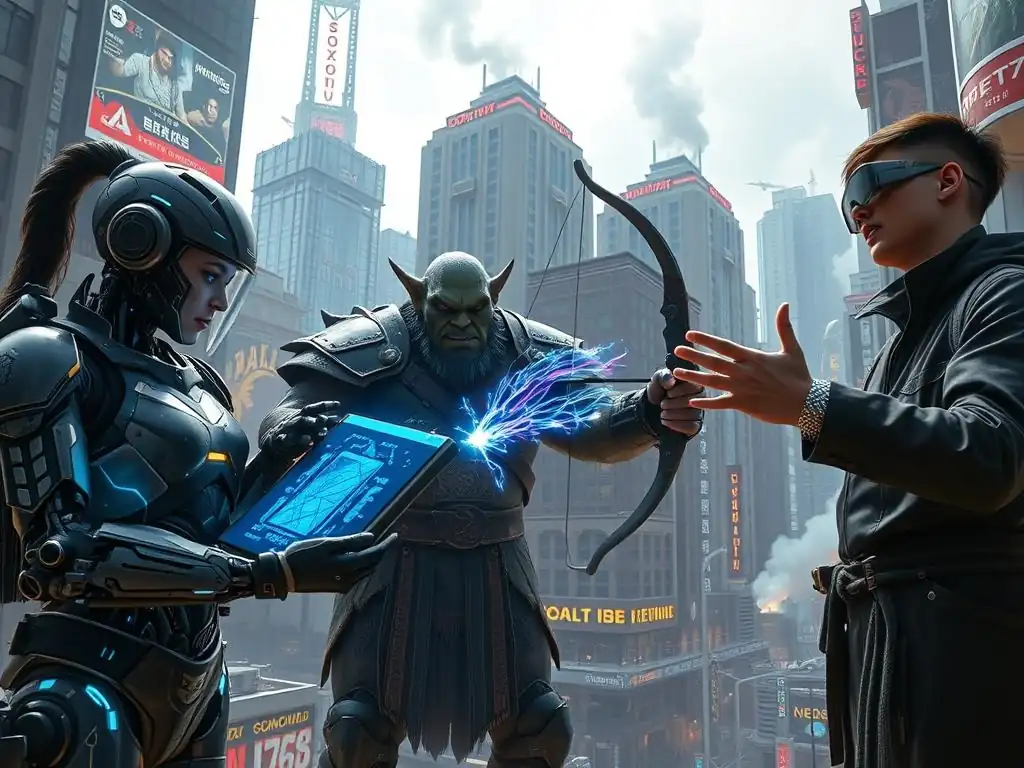
Welcome to Blockchain Trends, your guide to understanding the revolutionary impact of blockchain technology. Beyond the hype of cryptocurrencies, discover its true potential in transforming industries.
Are you ready to delve into the exciting intersection of blockchain and gaming? In this article, we're going beyond graphics to explore the crucial importance of gameplay in shaping the future of blockchain metaverse game design. What truly makes a blockchain game captivating and sustainable? Let's unravel the secrets!
Beyond Graphics: The Importance of Gameplay in Blockchain Metaverse Games
- Introduction: The Evolution of Metaverse Gaming and Blockchain Integration
- The Core Elements of Engaging Gameplay in Blockchain Metaverses
- Why Gameplay Matters More Than Graphics in Blockchain Metaverse Games
- The Pitfalls of Prioritizing Graphics Over Gameplay in Blockchain Gaming
- Designing Gameplay-First Blockchain Metaverse Games: Best Practices
- Examples of Blockchain Metaverse Games Prioritizing Gameplay
- The Future of Blockchain Metaverse Game Design: A Gameplay-Centric Approach
- Conclusion: Gameplay as the Foundation for a Thriving Blockchain Metaverse
-
Frequently Asked Questions
- How crucial is engaging gameplay compared to visually stunning graphics in blockchain metaverse games?
- What are some key design considerations for creating compelling gameplay loops within a blockchain metaverse game?
- How does blockchain technology specifically enhance the gameplay experience in metaverse games?
- What are some potential challenges in balancing gameplay fun with the complexities of blockchain integration in metaverse game design?
- How might regulations surrounding blockchain technology impact the future design and development of blockchain metaverse games?
- Final Reflection: Embracing Gameplay's Enduring Power
- Level Up Your Metaverse Experience!
Introduction: The Evolution of Metaverse Gaming and Blockchain Integration
The Allure of Blockchain in Metaverse Environments
The metaverse concept, a persistent, shared, 3D virtual world, has captivated imaginations for decades. Blockchain technology has emerged as a critical component in realizing the full potential of the metaverse, particularly in gaming. The allure of blockchain lies in its promise of decentralization, verifiable ownership, and player empowerment.
Unlike traditional gaming ecosystems where assets are controlled by centralized entities, blockchain enables true digital ownership of in-game items, currencies, and even virtual land. This fundamental shift resonates deeply with players who seek greater control and agency over their gaming experiences and investments within virtual worlds. Furthermore, blockchain facilitates novel economic models within metaverses, allowing for player-driven economies and new forms of monetization through play-to-earn mechanisms and decentralized marketplaces.
Moving Beyond Visuals: A Shift in Focus for Blockchain Games
Initially, the hype surrounding blockchain metaverse games often centered on impressive graphics and visually stunning virtual worlds. Early projects sought to mimic the visual fidelity of AAA gaming titles, believing that high-fidelity graphics were the key to attracting mainstream gamers to blockchain. However, as the space matured, a critical realization emerged: graphics alone are insufficient for long-term success in blockchain metaverse games.
While visual appeal can initially draw attention, it is engaging gameplay that retains players, builds thriving communities, and fosters sustainable economies within these virtual worlds. The focus is now shifting towards prioritizing robust game mechanics, compelling narratives, and innovative gameplay loops that leverage the unique capabilities of blockchain technology to create truly immersive and rewarding experiences.
The Core Elements of Engaging Gameplay in Blockchain Metaverses
Defining Immersive Gameplay Experiences
Immersive gameplay in blockchain metaverses goes beyond simply having visually appealing environments. It encompasses a holistic approach that focuses on creating meaningful player agency, rewarding progression systems, and compelling social interactions. An immersive experience is one where players feel actively involved in the game world, their choices have tangible consequences, and they are motivated to continually engage and explore.
This can be achieved through various game design elements, including deep lore, intricate quest systems, dynamic world events, and robust player-versus-player (PvP) or player-versus-environment (PvE) mechanics. The feeling of immersion is heightened when these elements are seamlessly integrated and contribute to a cohesive and engaging overall experience.
Key Gameplay Mechanics for Blockchain Games: Scarcity, Ownership, Progression
Blockchain technology introduces unique mechanics that are crucial for designing engaging gameplay in metaverse environments. Scarcity, enforced through non-fungible tokens (NFTs), plays a vital role in creating value and driving player economies. Limited edition in-game items or virtual land parcels become highly sought after, fostering a sense of exclusivity and investment.
Ownership, enabled by blockchain, empowers players with true control over their digital assets, allowing them to trade, sell, or utilize them across different metaverse experiences (where interoperability exists). Progression systems, often tied to skill-based gameplay or strategic decision-making, provide players with a sense of accomplishment and long-term goals, encouraging continued engagement and investment within the game. These mechanics, when carefully designed and balanced, are fundamental to creating compelling and sustainable blockchain metaverse games.
Why Gameplay Matters More Than Graphics in Blockchain Metaverse Games
The Longevity Factor: Gameplay vs. Visual Appeal
While stunning graphics can create a strong initial impression, their appeal often diminishes over time. The novelty of visual fidelity wears off, and players eventually seek deeper and more engaging experiences. Games that prioritize gameplay mechanics, on the other hand, tend to have significantly longer lifespans.
Think of classic games like Minecraft or Terraria, whose enduring popularity is not primarily driven by cutting-edge graphics but by their sandbox gameplay, player creativity, and emergent storytelling. In the blockchain metaverse space, focusing on robust gameplay is crucial for building games that can withstand the hype cycles and maintain a dedicated player base for years to come. Gameplay provides the core substance that keeps players invested long after the initial visual excitement fades.
User Retention and Engagement: The Power of Compelling Mechanics
User retention and engagement are paramount for the success of any online game, and blockchain metaverse games are no exception. Compelling gameplay mechanics are the primary drivers of both. Well-designed game loops, rewarding progression systems, and meaningful social interactions keep players coming back for more.
Consider games like Axie Infinity, which, despite its relatively simple graphics, achieved massive popularity due to its engaging play-to-earn mechanics and strategic team-based battles. The focus on gameplay mechanics creates a sense of accomplishment, progression, and social connection that far outweighs the initial allure of visual spectacle in driving long-term player retention and engagement within blockchain metaverse games.
Building a Sustainable Economy Through Gameplay-Driven Demand
A healthy and sustainable in-game economy is crucial for the long-term viability of blockchain metaverse games. This economy should be driven by genuine gameplay demand, not just speculative hype surrounding digital assets. When players are engaged and invested in the gameplay itself, they are more likely to participate in the in-game economy organically – trading items, crafting resources, and contributing to the overall ecosystem.
Games that solely rely on the perceived value of NFTs without providing compelling gameplay often face unsustainable economic models, prone to boom-and-bust cycles. Prioritizing gameplay ensures that the demand for in-game assets is rooted in utility and player engagement, fostering a more stable and sustainable economy within the blockchain metaverse.
The Pitfalls of Prioritizing Graphics Over Gameplay in Blockchain Gaming
Unsustainable Hype Cycles and Disappointment
Focusing primarily on graphics in blockchain game development often leads to unsustainable hype cycles. Initial marketing may generate significant buzz based on visual appeal, attracting players with promises of immersive virtual worlds. However, if the underlying gameplay is shallow or unengaging, players quickly become disillusioned.
This can lead to rapid player attrition, a decline in community engagement, and ultimately, the failure of the game. The blockchain gaming space has witnessed several projects that prioritized graphics over gameplay, resulting in initial excitement followed by disappointment and a swift decline in player interest. This highlights the critical importance of grounding blockchain metaverse game design in robust and engaging gameplay rather than relying solely on visual spectacle.
The "Pay-to-Win" Trap and Its Impact on Community
Over-emphasis on graphics can sometimes be linked to "pay-to-win" mechanics, which can severely damage the community and long-term health of a blockchain game. Developers may be tempted to monetize visually impressive but functionally superficial in-game assets, creating an environment where players with deeper pockets gain an unfair advantage over those who prioritize skill and strategic gameplay.
This can lead to a toxic community environment, where fair play is undermined and player engagement dwindles. Blockchain games that prioritize balanced gameplay mechanics and reward skill and strategy over purely financial investment are more likely to foster a positive and thriving community, essential for long-term success.
Short-Term Gains vs. Long-Term Viability in Metaverse Game Design
Prioritizing graphics over gameplay often represents a short-sighted approach to blockchain metaverse game design. While visually impressive marketing campaigns can generate initial revenue and attract investors, this approach neglects the fundamental need for long-term player engagement and retention. Games built solely on visual appeal without robust gameplay mechanics are unlikely to sustain player interest beyond the initial hype.
In contrast, games that invest in developing deep and engaging gameplay loops, even with less visually demanding graphics, are more likely to achieve long-term viability and build enduring communities within the evolving blockchain metaverse landscape. Sustainable success requires a focus on gameplay as the bedrock of the metaverse gaming experience.
Designing Gameplay-First Blockchain Metaverse Games: Best Practices

Focus on Core Game Loops and Player Agency
Designing gameplay-first blockchain metaverse games requires a fundamental shift in focus towards core game loops and player agency. Core game loops are the fundamental activities that players repeatedly engage in, forming the backbone of the gameplay experience. These loops should be engaging, rewarding, and intrinsically motivating.
Player agency, the ability for players to make meaningful choices and impact the game world, is equally crucial. Blockchain technology can enhance player agency by providing true ownership and control over in-game assets and allowing players to contribute to the game's ecosystem in meaningful ways. Best practices involve meticulously crafting core game loops that are fun and rewarding, and empowering players with genuine agency within the blockchain metaverse environment.
Integrating Blockchain Functionality Seamlessly into Gameplay
Effective blockchain metaverse game design seamlessly integrates blockchain functionality into the core gameplay experience, rather than treating it as an afterthought or a purely financial layer. Blockchain elements, such as NFTs and crypto tokens, should enhance and enrich the gameplay, not detract from it. For example, NFTs can represent unique in-game items with tangible utility, impacting gameplay mechanics and player progression.
Play-to-earn mechanisms should be carefully balanced to reward skillful gameplay and genuine engagement, rather than simply incentivizing mindless grinding or speculative investment. The key is to weave blockchain functionality into the fabric of the game in a way that enhances the overall player experience and creates meaningful connections between gameplay and blockchain elements.
Fostering Community-Driven Content and Experiences
Community-driven content and experiences are vital for the long-term vitality of blockchain metaverse games. Empowering players to create, share, and monetize their own content within the metaverse fosters a sense of ownership and participation, significantly enhancing engagement and longevity.
Tools and platforms that allow players to design virtual spaces, create in-game items, or even develop mini-games within the metaverse ecosystem can greatly enrich the overall gameplay experience. Blockchain technology, with its decentralized and transparent nature, is ideally suited for supporting community-driven content creation and fostering a vibrant and evolving metaverse environment where players are active participants in shaping the game world.
Examples of Blockchain Metaverse Games Prioritizing Gameplay
Axie Infinity: A Case Study in Engaging Mechanics
Axie Infinity serves as a compelling case study in the power of gameplay-focused blockchain metaverse game design. Despite its 2D graphics, Axie Infinity achieved massive popularity due to its engaging turn-based battle system, strategic team building, and robust play-to-earn mechanics. The core gameplay loop of battling, breeding, and trading Axies proved to be highly addictive and rewarding for players.
The game's success demonstrates that compelling gameplay mechanics can outweigh the need for cutting-edge graphics in attracting and retaining a large player base in the blockchain gaming space. Axie Infinity prioritized gameplay depth and strategic complexity, which were key factors in its widespread adoption and the development of a thriving player-driven economy.
Decentraland: Building a Community Through Gameplay
Decentraland is another example of a blockchain metaverse that prioritizes community and gameplay. While offering visually appealing virtual land, Decentraland's core appeal lies in its open-world sandbox environment that empowers users to create, explore, and interact. The platform provides tools for users to build virtual experiences, host events, and engage in social interactions, fostering a sense of community and user-generated content.
Decentraland's success demonstrates the importance of providing players with agency and tools to shape the metaverse experience, building a vibrant community around shared gameplay and creative expression. The focus on user-generated content and social interaction has been crucial to Decentraland's growth and sustained player engagement.
Lessons Learned From Successful Blockchain Game Designs
Analyzing successful blockchain metaverse games like Axie Infinity and Decentraland reveals key lessons for future game designs. Firstly, compelling gameplay mechanics are paramount. Secondly, empowering player agency and fostering community-driven content are crucial for long-term engagement. Thirdly, blockchain functionality should be seamlessly integrated to enhance gameplay, not just serve as a financial layer. These examples underscore the importance of prioritizing gameplay as the foundation for building thriving and sustainable blockchain metaverse games. Focusing on these core principles is essential for developers aiming to create successful and enduring experiences in the evolving landscape of blockchain gaming.
The Future of Blockchain Metaverse Game Design: A Gameplay-Centric Approach
The Rise of User-Generated Content and its Impact on Gameplay
The future of blockchain metaverse game design is inextricably linked to the rise of user-generated content (UGC). Blockchain technology empowers players to not only own their in-game assets but also to create and monetize their own content within metaverse environments. This shift towards UGC will profoundly impact gameplay, leading to more dynamic, diverse, and player-driven experiences.
Metaverses that embrace UGC will likely see a proliferation of unique gameplay scenarios, user-created worlds, and emergent narratives, enriching the overall gaming experience and fostering greater player engagement and creativity. The integration of blockchain with UGC will unlock new possibilities for gameplay innovation and community-driven metaverse evolution.
Integrating AI and Machine Learning to Enhance Player Experiences
Artificial intelligence (AI) and machine learning (ML) are poised to play an increasingly significant role in enhancing player experiences in blockchain metaverse games. AI-powered NPCs (non-player characters) can create more dynamic and responsive game worlds, adapting to player actions and providing more engaging interactions. ML algorithms can personalize gameplay experiences, tailoring challenges and rewards to individual player preferences and playstyles.
Furthermore, AI can be used to detect and mitigate in-game exploits and cheating, ensuring a fairer and more balanced gameplay environment. The integration of AI and ML will contribute to creating more immersive, engaging, and personalized gameplay experiences within blockchain metaverses.
The Evolution of Blockchain Technology and its Potential for Gameplay Innovation
The ongoing evolution of blockchain technology itself will continue to drive innovation in gameplay within metaverse environments. Layer-2 scaling solutions will enable faster and cheaper transactions, facilitating more complex and dynamic in-game economies. Interoperability protocols will allow for seamless asset transfer and cross-game experiences, creating interconnected metaverse ecosystems.
Advancements in blockchain gaming infrastructure will also unlock new possibilities for gameplay mechanics, such as decentralized autonomous organizations (DAOs) governing in-game communities and player-driven game development. The continuous evolution of blockchain technology will be a key catalyst for gameplay innovation and the ongoing development of richer and more immersive blockchain metaverse games.
Conclusion: Gameplay as the Foundation for a Thriving Blockchain Metaverse
Re-evaluating Priorities in Blockchain Game Development
The blockchain gaming industry needs to re-evaluate its priorities, shifting away from an overemphasis on graphics and towards a gameplay-centric approach. While visual appeal remains important, it should not come at the expense of robust game mechanics, engaging player loops, and sustainable in-game economies. Developers should prioritize creating games that are fundamentally fun and rewarding to play, leveraging blockchain technology to enhance gameplay and empower players. This shift in priorities is essential for the long-term health and growth of the blockchain metaverse gaming space.
The Long-Term Vision: Sustainable and Engaging Metaverse Experiences
The long-term vision for blockchain metaverse gaming should be focused on creating sustainable and engaging experiences that transcend hype cycles and build lasting communities. This requires a commitment to gameplay-first design principles, prioritizing player agency, fostering community-driven content, and building robust in-game economies grounded in gameplay demand. By focusing on these core principles, developers can create blockchain metaverse games that are not only visually appealing but also deeply engaging, rewarding, and ultimately, sustainable for years to come.
Embracing the Potential of Blockchain to Revolutionize Gameplay
Blockchain technology has the potential to revolutionize gameplay in profound ways, going far beyond simply enabling digital ownership. It can empower players with true agency, facilitate decentralized game economies, and foster community-driven metaverse experiences. To fully realize this potential, the blockchain gaming industry must embrace a gameplay-centric approach, prioritizing innovation in game mechanics and player engagement. By focusing on gameplay as the foundation, blockchain can unlock a new era of immersive, rewarding, and ultimately transformative metaverse gaming experiences.
Frequently Asked Questions
How crucial is engaging gameplay compared to visually stunning graphics in blockchain metaverse games?
Gameplay is absolutely crucial. While graphics attract initial attention, engaging gameplay ensures player retention and a thriving in-game economy, vital for blockchain metaverse game success.
What are some key design considerations for creating compelling gameplay loops within a blockchain metaverse game?
Consider focusing on player agency, meaningful rewards, and dynamic in-game economies. These elements encourage interaction, competition, and a sense of ownership.
How does blockchain technology specifically enhance the gameplay experience in metaverse games?
Blockchain enables true digital ownership of in-game assets, verifiable scarcity, and player-driven economies. This fosters a deeper sense of investment and community.
What are some potential challenges in balancing gameplay fun with the complexities of blockchain integration in metaverse game design?
Balancing requires careful consideration of user experience and transaction costs. Overly complex blockchain mechanics can deter casual players.
How might regulations surrounding blockchain technology impact the future design and development of blockchain metaverse games?
Regulations could influence asset ownership models, security protocols, and compliance requirements. Staying informed is crucial for developers.
Final Reflection: Embracing Gameplay's Enduring Power
The exploration of blockchain metaverse game design reveals a truth often overshadowed by visual spectacle: gameplay reigns supreme. While stunning graphics and immersive environments are undoubtedly appealing, the long-term success and adoption of these virtual worlds hinge on engaging, rewarding, and fundamentally fun gameplay experiences. Ignoring this core principle risks creating beautiful but ultimately hollow digital spaces.
The shift towards prioritizing gameplay is not just a trend; it's a necessary evolution. It reflects a deeper understanding that true value in the metaverse lies not in fleeting aesthetics, but in the enduring satisfaction derived from meaningful interaction and player agency. People will forget what you said, people will forget what you did, but people will never forget how you made them feel.
- Maya Angelou. This quote resonates deeply because a well-designed game, regardless of its visual fidelity, leaves a lasting impression through the emotions it evokes.
As we stand at the cusp of a more interconnected and immersive digital future, let us remember the lessons learned. Let us champion blockchain metaverse game design that prioritizes engaging gameplay, fostering communities, and creating experiences that resonate long after the screen fades to black. Consider how you can contribute to this evolution, whether as a developer, a player, or simply an advocate for meaningful digital experiences. The future of the metaverse depends on our collective commitment to building worlds worth playing in.
Level Up Your Metaverse Experience!
Thank you for exploring the pivotal role of gameplay in the blockchain metaverse. Now that you understand how essential engaging gameplay is to the success of virtual worlds, it's time to dive deeper and help shape the future!
What's next?
- Start exploring blockchain metaverse games today that prioritize immersive gameplay. Look beyond graphics and experience what truly keeps players engaged.
- Join the Blockchain Trends community forum and share your favorite metaverse games known for their exceptional gameplay. Let's build a resource for discovering the best experiences!
- Consider contributing your ideas to game developers. What innovative mechanics could make the metaverse even more captivating?
What unique gameplay feature are you most excited to see in a future blockchain metaverse game? Share your thoughts in the comments below!
Leave a Reply