
Which Hardware Wallet Reigns Supreme? A HeadtoHead Comparison

Welcome to Blockchain Trends, your compass in the ever-evolving landscape of decentralized technology! The potential of blockchain stretches far beyond cryptocurrencies, revolutionizing industries and reshaping the future. Are you ready to delve into the world of DeFi, enterprise applications, and the intricacies of blockchain regulation?
Today, we're diving deep into a critical aspect of securing your digital assets: hardware wallets. In our Best Hardware Wallet Comparison 2024, we pit the leading contenders against each other, uncovering the strengths and weaknesses of each. Which one will emerge as the ultimate guardian of your crypto? Let's find out!
- Which Hardware Wallet Reigns Supreme? A Head-to-Head Comparison 2024
- Comparing the Top Hardware Wallets for Secure Crypto Storage
- Key Comparison Factors for Choosing Your Best Hardware Wallet
- Head-to-Head Breakdown: Ledger vs. Trezor in 2024
- Beyond.
-
Frequently Asked Questions
- What is a hardware wallet, and why is it important for securing my crypto assets?
- What are the key factors to consider when making a hardware wallet comparison for 2024?
- How does a hardware wallet protect me from online threats?
- Are hardware wallets only for storing cryptocurrencies?
- What are some of the leading hardware wallet brands in 2024, and what are their key strengths?
- Final Reflection: Securing Your Digital Future
- Secure Your Crypto Future: Choose Wisely!
Which Hardware Wallet Reigns Supreme? A Head-to-Head Comparison 2024
Finding the Safest Crypto Hardware Wallet for Digital Assets
Securing digital assets is paramount in the volatile world of cryptocurrency. While the allure of potential returns draws many, the responsibility of protecting your investment falls squarely on the individual. Centralized exchanges, while convenient for trading, are frequent targets for hackers, and relying solely on them for long-term storage exposes your private keys to significant online risks. A safest crypto hardware wallet offers a robust solution by taking your private keys offline, away from internet-connected vulnerabilities that plague software wallets and exchange accounts. This physical layer of security is widely considered the gold standard for protecting significant cryptocurrency holdings.
Investing in a dedicated crypto hardware wallet is a critical step for anyone serious about the security of their digital portfolio. Unlike hot wallets that are always connected to the internet, hardware wallets isolate the cryptographic secrets required to access your funds.
This isolation dramatically reduces the attack surface for malicious actors attempting to steal your assets through phishing, malware, or exchange breaches. Choosing the best hardware wallet comparison 2024 involves evaluating devices specifically designed with tamper-resistance and secure key generation in mind, ensuring that your private keys remain confidential and protected even if the device is physically compromised or connected to an infected computer.
Why Cold Storage is Essential for Cryptocurrency Security
Cold storage refers to keeping cryptocurrency private keys completely offline. This method is essential because it removes the most common attack vectors used by cybercriminals: online breaches. When private keys are stored on a device that never connects to the internet, such as a cold storage wallet, they are immune to remote hacking attempts, malware designed to steal keys from software wallets, and server-side breaches affecting online services or exchanges. This physical separation is the fundamental principle that makes hardware wallets significantly more secure for storing substantial amounts of crypto compared to any online or software-based solution.
The history of cryptocurrency is unfortunately punctuated by numerous incidents where online wallets and exchanges were compromised, resulting in substantial losses for users. While specific figures vary and new events occur, major exchange hacks have, in the past, resulted in losses potentially totaling billions of dollars cumulatively across the industry.
These events underscore the inherent risk of entrusting your private keys to any internet-connected entity. By moving your assets to a secure crypto storage solution like a hardware wallet, you take direct control of your private keys, mitigating the risk of loss due to third-party failures or online attacks, thereby making cold storage not just a recommendation, but a necessity for serious investors.
Understanding Hardware Wallets vs. Software Wallets
The primary distinction between hardware wallets and software wallets lies in where the private keys are stored and how they interact with the internet. Software wallets (also known as hot wallets) store private keys on devices that are typically connected to the internet, such as desktops, laptops, or smartphones. Examples include browser extensions, mobile apps, and desktop applications. While convenient for frequent transactions, their constant internet connection makes them susceptible to online threats like phishing attacks, viruses, and keyloggers that can compromise your private keys if your device's security is breached.
In contrast, hardware wallets are physical devices designed specifically to store private keys offline in a secure environment, often a dedicated secure element chip. When you need to make a transaction, the hardware wallet signs the transaction internally without exposing the private key to the connected computer or phone.
Only the signed transaction is then broadcast to the network via accompanying software (which can be online). This process ensures the private key never leaves the secure, offline hardware wallet, making them the preferred method for secure crypto storage of significant digital assets, prioritizing security over the convenience of instant online access.
Comparing the Top Hardware Wallets for Secure Crypto Storage
Ledger Nano X: Review, Features, and Pros & Cons
The Ledger Nano X is a flagship hardware wallet from Ledger, known for its balance of security and features, making it a strong contender in any best hardware wallet comparison 2024. It features Bluetooth connectivity, allowing users to manage their crypto assets on the go using the Ledger Live mobile app without needing a direct USB connection to a computer. It also includes a larger internal memory compared to its predecessors, enabling the installation of a greater number of cryptocurrency applications simultaneously, potentially supporting hundreds of different assets directly within the Ledger Live ecosystem.
Key features of the Ledger Nano X include its rechargeable battery (offering several hours of use), a larger screen than the original Nano S for easier transaction verification, and robust support for a vast array of cryptocurrencies and tokens, including Bitcoin, Ethereum, ERC-20 tokens, Ripple, and many others. While its Bluetooth feature adds convenience, it's important to note that the most security-sensitive operations, like initial setup and firmware updates, still typically require a wired USB connection.
Pros include its portability, extensive coin support, and seamless integration with the Ledger Live software; cons often mention its higher price point compared to budget options and past concerns related to data breaches affecting customer information (though not the security of the devices themselves).
Ledger Nano S Plus: An Affordable Cold Storage Solution
The Ledger Nano S Plus represents Ledger's updated entry into the more affordable hardware wallet market, building upon the success of the original Nano S. It maintains the core security principles of its predecessor but significantly upgrades the internal memory, addressing a major limitation of the original model which could only hold a few coin applications at a time. This increased capacity allows users to install numerous cryptocurrency apps concurrently, making it much more practical for managing a diversified portfolio without constantly uninstalling and reinstalling apps.
Designed as a reliable cold storage solution, the Nano S Plus connects via USB-C and does not include Bluetooth or a battery, relying solely on the connected device for power. This simpler design contributes to its lower price point compared to the Nano X.
It supports the same wide range of cryptocurrencies as the Nano X and integrates fully with the Ledger Live desktop and mobile applications (via USB-C). Its advantages lie in its strong security based on a Secure Element chip, broad asset support, and accessibility due to its competitive pricing, positioning it as an excellent entry point for users seeking a secure crypto storage device without breaking the bank.
Trezor Model T: Advanced Security and Touchscreen Experience
The Trezor Model T is the premium hardware wallet offering from SatoshiLabs, distinguishing itself primarily with a vibrant touchscreen interface. This touchscreen allows for PIN and passphrase entry directly on the device itself, adding an extra layer of security by preventing potential keyloggers on the connected computer from capturing this sensitive information. The Model T is built with a strong emphasis on open-source principles, with its firmware being open for review by the community, fostering transparency and trust in its security implementation.
Beyond the touchscreen, the Trezor Model T includes features like a USB-C connector, faster processor, and an SD card slot (primarily used for encrypted storage or future features like Shamir's Secret Sharing backup, which splits a seed phrase into multiple unique shares). It supports a wide range of popular cryptocurrencies, including Bitcoin, Ethereum, Litecoin, Ripple, and many others, though its direct support within the Trezor Suite software might be less extensive than Ledger Live for some altcoins, sometimes requiring integration with third-party wallets.
Its advanced features and open-source nature appeal to users prioritizing control and transparency in their secure crypto storage.
Trezor Safe 3: Balancing Security and Price for Your Portfolio
The Trezor Safe 3 is Trezor's newest and more budget-friendly hardware wallet, designed to compete directly with devices like the Ledger Nano S Plus while incorporating Trezor's core philosophy and some updated security features. A notable addition for this price point in Trezor's line is the inclusion of a Secure Element chip, working in conjunction with Trezor's open-source firmware to provide enhanced protection against physical tampering, a combination previously not found in their lower-cost models.
Targeting users looking for robust cold storage without the premium price tag of the Model T, the Trezor Safe 3 features physical buttons for navigation and transaction confirmation, similar to the Ledger Nano S Plus. It connects via USB-C and integrates with the Trezor Suite software for managing assets.
It supports a broad range of cryptocurrencies, though like the Model T, some less common altcoins might require third-party wallet interfaces. The Safe 3 aims to provide a balance of Trezor's established security reputation (with the added Secure Element) and affordability, making secure crypto storage more accessible for a wider audience.
Key Comparison Factors for Choosing Your Best Hardware Wallet
Security Architecture: Seed Phrases, Secure Elements, and PINs
The foundation of hardware wallet security lies in the 12, 18, or 24-word recovery phrase (seed phrase) generated when you first set up the device. This phrase is the master key to your crypto assets and must be stored offline and securely. Both Ledger and Trezor devices generate this seed offline, ensuring it is never exposed to the internet. Users are instructed to write it down on recovery sheets and store it safely. Losing this phrase or having it compromised means losing access to your funds or risking theft.
Beyond the seed phrase, devices employ various security layers. A PIN is required to access the device, and incorrect attempts usually result in increasing time delays or device reset after a certain number of failures (typically 3 to 10), wiping the device but allowing recovery via the seed phrase.
Secure Elements (SEs) are specialized, tamper-resistant chips designed to securely store sensitive data like private keys, making it extremely difficult for attackers to physically extract them. Ledger devices have long utilized SEs, and the Trezor Safe 3 now includes one, while the Trezor Model T relies on its open-source firmware and a secure bootloader without a separate SE chip, representing different but both robust approaches to secure crypto storage.
Supported Cryptocurrencies and Token Compatibility
One crucial factor in selecting the best hardware wallet comparison 2024 is the range of cryptocurrencies and tokens it supports. While virtually all hardware wallets support major coins like Bitcoin (BTC), Ethereum (ETH), Litecoin (LTC), and Ripple (XRP), the breadth of altcoin support can vary significantly between brands and models. Ledger, particularly through its Ledger Live ecosystem, is often cited for supporting a very extensive list of assets directly within its native software, including a vast number of ERC-20 tokens on the Ethereum network and coins on various other blockchains.
Trezor devices also support a wide array of cryptocurrencies. For many popular coins, management is seamless within the Trezor Suite application. However, for certain less common or newer altcoins, Trezor users might need to connect their device to compatible third-party wallet interfaces (like MetaMask, MyEtherWallet, or specific blockchain explorers) to manage those specific assets.
This requires a little more technical comfort but still leverages the hardware wallet's security for signing transactions. Users with highly diverse portfolios should carefully check the specific coin support for their chosen model on the manufacturer's website to ensure compatibility with all their desired assets for secure crypto storage.
User Experience, Setup, and Daily Use
The user experience of a hardware wallet encompasses everything from the initial setup process to confirming daily transactions. Setting up any hardware wallet involves plugging it in, initializing the device, generating and carefully writing down the recovery phrase, and setting a PIN. This process is critical and requires focus to ensure the seed phrase is correctly recorded and stored safely offline. Both Ledger and Trezor provide clear instructions for this vital step.
Daily use involves connecting the device to a computer or phone (via USB or Bluetooth for Nano X) and using the accompanying software (Ledger Live or Trezor Suite) to view balances, send, or receive transactions. The transaction details (recipient address, amount) are shown on the device's screen, and the user must physically confirm the transaction using buttons (Nano S Plus, Safe 3, Nano X) or the touchscreen (Model T).
The Trezor Model T's touchscreen can simplify PIN entry and confirmation for some users, while button-based navigation on other models is straightforward but might require more clicks. The quality and features of the companion software also heavily influence the overall user experience for managing secure crypto storage.
Price Points and Long-Term Value
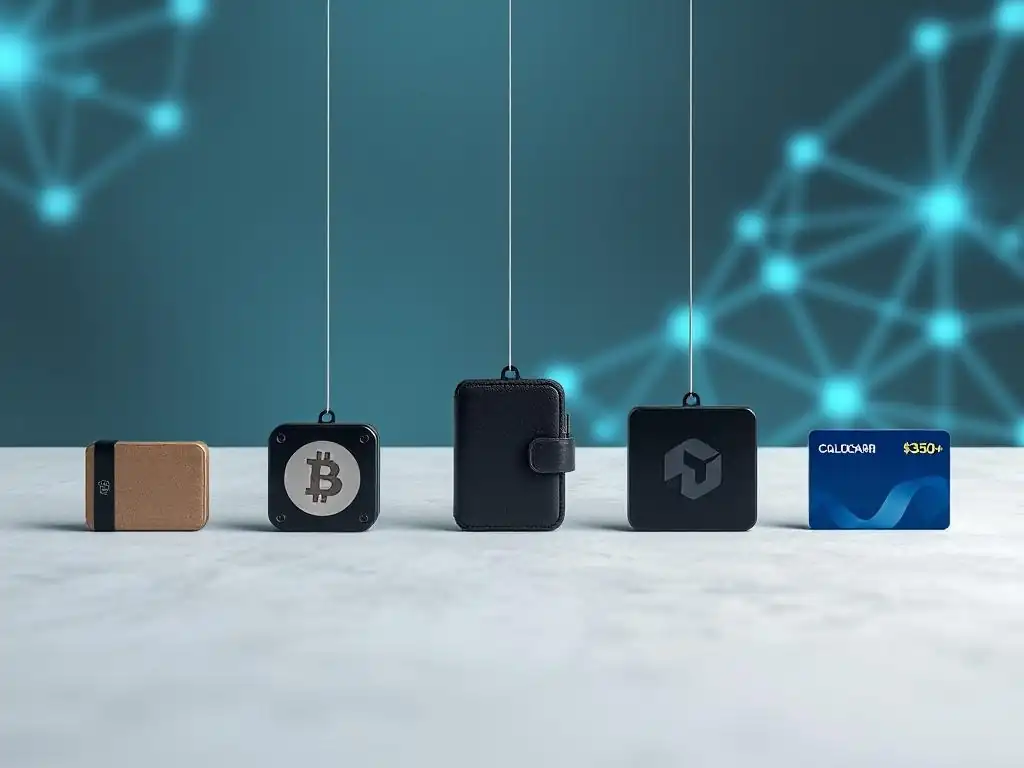
Hardware wallets represent an investment in the security of your digital assets, and their price points reflect their features, build quality, and security certifications. As of early 2024, budget-friendly options like the Ledger Nano S Plus and Trezor Safe 3 typically range from approximately $50 to $80 USD. Mid-range to premium models like the Ledger Nano X and Trezor Model T are significantly more expensive, often costing between $150 and $250+ USD, depending on the retailer and any bundled accessories.
When considering the best hardware wallet comparison 2024 based on price, it's essential to evaluate the features offered for the cost. Premium models offer conveniences like Bluetooth, larger screens, batteries, or touch interfaces. The long-term value also involves considering the device's durability, the manufacturer's commitment to ongoing firmware updates for security and new coin support, and customer support. A slightly higher initial investment in a robust device with strong manufacturer backing can provide greater peace of mind and potentially longer-term usability for your secure crypto storage.
Durability, Build Quality, and Portability
The physical construction of a hardware wallet is important as it's a device you might handle or store for years. Ledger devices typically feature a metal swivel cover protecting the screen and buttons, giving them a sturdy feel, particularly the Nano X and Nano S Plus. Trezor devices, like the Model T and Safe 3, often have a more plastic-focused build, although they are generally well-constructed. The Model T has a larger form factor due to its touchscreen, while the Nano models and Safe 3 are more compact, resembling USB drives.
Portability varies among models. The Ledger Nano X, with its integrated battery and Bluetooth, is designed for use with mobile phones on the go, making it the most portable for wireless access. Other models like the Nano S Plus, Trezor Model T, and Trezor Safe 3 require a USB connection to a power source (computer or wall adapter) to operate, making them less convenient for truly mobile use but perfectly suitable for use with laptops or desktops. The choice depends on whether portability is a key requirement for your secure crypto storage needs.
Head-to-Head Breakdown: Ledger vs. Trezor in 2024
Security Comparison: Which Offers Better Protection?
Both Ledger and Trezor are considered industry leaders in hardware wallet security, employing robust methods to protect private keys. Ledger utilizes a certified Secure Element chip (like those used in passports and credit cards) which is designed to be highly resistant to physical attacks. The device's firmware interacts with this chip, but the private key theoretically never leaves the SE. Critics point to the Secure Element's firmware being closed-source, requiring trust in Ledger.
Trezor, on the other hand, traditionally emphasizes open-source firmware for its devices (Model One and Model T), allowing the community to audit the code for vulnerabilities. This transparency is a core principle for many security advocates. The Trezor Safe 3 introduced a Secure Element, but Trezor states it's used alongside their open-source firmware to add an extra layer against specific physical attacks, rather than being the sole security layer with closed firmware like Ledger.
Ultimately, when used correctly and purchased from official sources, both brands offer a level of secure crypto storage far superior to software wallets or exchanges. The choice between them often comes down to a preference for Ledger's SE-centric approach or Trezor's open-source philosophy, now with an SE option in the Safe 3.
Ecosystem and Software Integration: Ledger Live vs. Trezor Suite
The software that accompanies a hardware wallet is crucial for managing assets and interacting with the blockchain. Ledger offers Ledger Live, a comprehensive application available on desktop and mobile (with Nano X via Bluetooth). Ledger Live allows users to view balances, send/receive transactions, manage applications on the device, and even buy, sell, swap, and stake certain cryptocurrencies directly within the app interface, creating a relatively seamless experience for secure crypto storage management.
Trezor provides Trezor Suite, a desktop application that offers similar core functionalities: managing coins, sending/receiving, and device settings. Trezor Suite also includes features like CoinJoin privacy for Bitcoin and integration with exchanges for swapping.
While Trezor Suite is powerful and user-friendly, Ledger Live is often perceived as having a broader range of integrated services and direct asset support, making it slightly more convenient for users who want an all-in-one platform for their best hardware wallet comparison 2024 needs. Both wallets can also be used with various third-party wallet interfaces (e.g., MetaMask, MyEtherWallet) to access specific networks or dApps while keeping keys secured by the hardware device.
Supported Altcoins and Blockchain Networks
When comparing hardware wallets, the range of supported cryptocurrencies and blockchain networks is a key differentiator. Ledger is generally recognized for offering support for the largest number of individual cryptocurrencies and tokens directly within its Ledger Live application. This includes major coins, hundreds of ERC-20 tokens, and assets on numerous other chains like Polkadot, Solana, Cardano (often via third-party wallets initially, but increasingly integrated). This extensive support makes Ledger a popular choice for users holding a highly diversified portfolio requiring secure crypto storage.
Trezor also supports a substantial number of cryptocurrencies, including all major ones and many popular altcoins. However, for a significant portion of supported assets, users might need to connect their Trezor device to a compatible third-party wallet interface (like Electrum for Bitcoin, MyEtherWallet for Ethereum tokens, etc.) rather than managing them natively within Trezor Suite.
While this doesn't compromise security (the key remains on the device), it adds an extra step and requires familiarity with external software. Users focused primarily on Bitcoin and a few major altcoins will find both sufficient, but those with deep altcoin holdings might lean towards Ledger for convenience in this best hardware wallet comparison 2024.
Ease of Use for Beginners and Experienced Users
The ease of use for a hardware wallet can depend on the user's technical proficiency and the device's interface. For beginners, both Ledger and Trezor have relatively straightforward setup processes guided by their respective software. The initial seed phrase generation and backup process is crucial but requires careful attention regardless of the brand. Daily transactions involve connecting the device and using the software, confirming details on the hardware screen.
The physical interface differs: Ledger Nano devices use two buttons for navigation and confirmation, which is simple but can be slow for entering PINs or passphrases. The Trezor Model T's touchscreen offers a more intuitive input method for PINs and passphrases directly on the device, which some users find easier and more secure against computer-based keyloggers.
Experienced users might appreciate Trezor's open-source nature and advanced features like Shamir's Secret Sharing (Model T), or Ledger's broader native coin support and integrated services within Ledger Live. Ultimately, both brands offer user-friendly options, but the Model T's touchscreen provides a unique user experience element in this best hardware wallet comparison 2024.
Cost Analysis: Initial Investment vs. Features
Analyzing the cost involves looking at the initial purchase price relative to the features offered and the level of secure crypto storage provided. As mentioned, the budget options (Ledger Nano S Plus, Trezor Safe 3) are significantly more affordable, providing core cold storage security without premium features. They are excellent value for users whose primary need is offline key storage for major cryptocurrencies.
The premium models (Ledger Nano X, Trezor Model T) command a higher price due to added functionalities. The Nano X offers Bluetooth and a battery for mobile convenience and larger memory. The Model T features a touchscreen and advanced backup options.
Users must weigh whether the convenience of Bluetooth/battery or the touchscreen interface and open-source emphasis are worth the substantial price increase. For long-term secure crypto storage of significant assets, the initial cost difference might be negligible compared to the value of the protected funds, making the feature set and perceived security the more critical factors in a best hardware wallet comparison 2024.
Beyond.
Frequently Asked Questions
What is a hardware wallet, and why is it important for securing my crypto assets?
A hardware wallet is a physical device that stores your private keys offline, making them significantly more secure than software wallets. This offline storage protects against hacking and malware attacks, safeguarding your crypto assets.
What are the key factors to consider when making a hardware wallet comparison for 2024?
Consider security features, supported cryptocurrencies, ease of use, price, and community reviews. Look for features such as secure elements, multi-factor authentication, and open-source firmware for enhanced security.
How does a hardware wallet protect me from online threats?
Hardware wallets keep your private keys completely offline, meaning they are never exposed to the internet. Transactions are signed on the device itself, preventing hackers from accessing your keys and stealing your funds.
Are hardware wallets only for storing cryptocurrencies?
While primarily used for cryptocurrency storage, some hardware wallets also support NFT storage and password management. The functionality depends on the specific device and its software capabilities.
What are some of the leading hardware wallet brands in 2024, and what are their key strengths?
Leading brands include Ledger, Trezor, and Coldcard. Ledger is known for its wide range of supported coins, Trezor for its open-source security, and Coldcard for its advanced security features aimed at experienced users.
Okay, here's a final reflection you can use for your "Which Hardware Wallet Reigns Supreme? A Head-to-Head Comparison" article, tailored for the "Best hardware wallet comparison 2024" keyword:
Final Reflection: Securing Your Digital Future
The digital landscape is constantly evolving, and with it, the sophistication of threats to our digital assets. The need for robust and reliable hardware wallets has never been more critical. This comparison, while focused on the best options available in 2024, underscores a fundamental truth: safeguarding your cryptocurrency requires proactive measures and informed choices.
The ongoing evolution of hardware wallet technology reflects a broader societal shift towards decentralized finance and individual ownership. This journey towards greater financial autonomy is not without its challenges, but the peace of mind that comes from controlling your private keys is invaluable. As Satoshi Nakamoto eloquently stated, I've been working on a new electronic cash system that's fully peer-to-peer, with no trusted third party.
This ethos of self-reliance is precisely what hardware wallets empower us to achieve.
The information presented here is a starting point, not an endpoint. As you navigate the world of cryptocurrency, remember that knowledge is your strongest defense. Take the time to research, understand the risks, and choose the hardware wallet that best suits your individual needs and security priorities. Your digital future is in your hands – secure it wisely.
Secure Your Crypto Future: Choose Wisely!
Thanks for exploring the critical world of hardware wallets with us! We hope this comparison helped you understand the strengths and weaknesses of each device, enabling you to make an informed decision to secure your digital assets. Ready to take the next step?
Here are a few actions you can take right now:
- Conduct further research on your top two contenders. Don't rely solely on our overview—delve deeper into user reviews, security audits, and specific feature sets that match your needs.
- Join the conversation on our forum! Share your personal experiences with hardware wallets or ask any lingering questions you might have.
- Consider practicing setting up a backup seed phrase for a hardware wallet, even if you don't own one yet. This hands-on experience builds essential skills for secure self-custody.
Which feature—security, ease of use, or coin support—is most important to your choice of hardware wallet, and why? Let us know in the comments below!
Leave a Reply