
Overcoming DApp Scalability Issues: Exploring Layer2 Solutions and Beyond


Welcome to Blockchain Trends, your compass in the rapidly evolving world of decentralized technology. Dive in to uncover how blockchain is reshaping industries beyond just cryptocurrencies.
Ever wondered how to tackle the bottleneck slowing down your favorite DApps? Our deep dive into Layer 2 blockchain scaling solutions reveals the innovative strategies and technologies driving the future of high-throughput, efficient decentralized applications. Ready to unlock the next level of blockchain performance?
- Overcoming DApp Scalability Issues: Exploring Layer 2 Solutions and Beyond
- Comparing Layer 2 Solutions: Choosing the Right Approach for Your DApp
- Beyond Layer 2: Alternative Scaling Approaches for DApps
- Case Studies: Real-World Examples of DApp Scaling Success
- The Future of DApp Scalability: Emerging Trends and Technologies
-
Frequently Asked Questions
- What are Layer 2 solutions in the context of blockchain, and why are they needed?
- How do Layer 2 solutions help DApps overcome scalability issues?
- What are some examples of Layer 2 technologies used for blockchain scaling?
- What are the key benefits of implementing Layer 2 scaling solutions for DApps?
- Beyond Layer 2, what other approaches are being explored to address blockchain scalability?
- Final Reflection: Scaling the Future of Decentralization
- Unlock Scalable DApp Potential Now!
Overcoming DApp Scalability Issues: Exploring Layer 2 Solutions and Beyond
Introduction: The DApp Scalability Challenge
Decentralized Applications (DApps) hold immense promise to revolutionize various sectors, from finance to gaming, by offering transparency, security, and user empowerment. However, the widespread adoption of DApps faces a significant hurdle: scalability. Many prominent blockchains, including Ethereum, which hosts a vast majority of DApps, struggle to process a high volume of transactions quickly and cost-effectively.
This limitation stems from the fundamental architecture of most first-generation blockchains, where every transaction needs to be validated by every node in the network to ensure security and consensus. This process, while robust, inherently restricts transaction throughput and increases latency, leading to network congestion and soaring transaction fees, especially during periods of high demand.
Imagine a decentralized social media DApp attempting to replicate the user activity of a platform like Twitter. If every like, share, or post requires on-chain verification on a base layer blockchain, the network would quickly become overwhelmed, resulting in slow response times and exorbitant gas fees for users. This poor user experience directly hinders the potential for DApps to achieve mainstream adoption and compete with traditional, centralized applications that offer seamless and rapid interactions. Therefore, addressing the DApp scalability challenge is paramount to unlocking the full potential of blockchain technology and realizing the vision of a decentralized web.
Layer 2 Blockchain Scaling Solutions: A Deep Dive
Layer 2 blockchain scaling solutions emerge as a critical innovation to address the inherent scalability limitations of base layer blockchains. These solutions operate "on top" of the main blockchain (Layer 1), inheriting its security while offloading transaction processing and computation.
The core principle behind Layer 2 is to move a significant portion of transaction activity away from the congested main chain, thereby reducing the load and increasing the overall transaction throughput. By processing transactions off-chain and only periodically anchoring a summary or proof of these transactions back to the main chain, Layer 2 solutions achieve significantly higher transaction speeds and lower costs compared to processing everything directly on Layer 1.
Effectively, Layer 2 solutions act as expressways built alongside the main blockchain highway. They allow for faster and cheaper transactions for specific applications or use cases without compromising the security and decentralization offered by the underlying Layer 1 network.
This approach is crucial because it allows DApps to scale to meet the demands of a growing user base without requiring fundamental changes to the architecture of the core blockchain itself. The innovation in Layer 2 blockchain scaling is not about replacing Layer 1, but rather augmenting its capabilities and making it more efficient for a wider range of applications, especially those requiring high throughput and low latency.
Types of Layer 2 Scaling Solutions for DApps
There are various types of Layer 2 scaling solutions, each with its own mechanisms and trade-offs, designed to enhance DApp performance. Understanding these different approaches is crucial for developers and users to choose the most suitable solution for their specific needs.
- State Channels: Enabling Direct Interaction Between Users
State channels represent a direct, off-chain communication pathway established between participants who frequently transact with each other. Instead of broadcasting every transaction to the entire blockchain network, users involved in a state channel can conduct multiple transactions directly between themselves, updating their balances or the state of the channel off-chain. Only the opening and closing of the channel, and potentially dispute resolutions, are recorded on the main blockchain. This greatly reduces on-chain transaction volume and significantly speeds up interactions within the channel.
*   Use Cases for State Channels in DApps: Payment Channels for Streaming Services

A prime example of state channel application is in micro-payment systems, particularly beneficial for streaming services or pay-per-use applications. Imagine a decentralized streaming platform where users pay per minute of content consumed. Using state channels, a user can open a channel with the streaming service and continuously pay for the streamed content in micro-transactions within the channel. These micropayments occur instantly and with negligible fees, as they are processed off-chain. Only when the user stops watching and closes the channel is the final balance settled on the main blockchain. This method drastically reduces transaction fees compared to making individual on-chain transactions for each minute of streaming, making micro-payments economically feasible and enhancing the user experience for such DApps.
- Rollups: Bundling Transactions for Efficient On-Chain Verification
Rollups are a category of Layer 2 solutions that aggregate or "roll up" multiple transactions into a single batch before submitting them to the main blockchain. This batch is then verified on-chain as a single transaction, significantly reducing the gas costs and increasing throughput. There are two main types of rollups: Optimistic Rollups and Zero-Knowledge (ZK) Rollups, each employing different security and verification mechanisms.
Optimistic Rollups assume transactions are valid unless proven otherwise, allowing for faster processing but with a potential delay for fraud proofs. ZK-Rollups, on the other hand, use cryptographic proofs to ensure transaction validity before they are submitted to the main chain, offering stronger security guarantees but typically with higher computational overhead.
Rollups are particularly effective for DApps that involve a high volume of user interactions and transactions, such as Decentralized Exchanges (DEXs) or DeFi platforms. By bundling hundreds or even thousands of transactions into a single on-chain transaction, rollups dramatically improve the efficiency and scalability of these DApps, making them more accessible and cost-effective for users. Projects like Arbitrum and Optimism are prominent examples of Optimistic Rollup solutions, while StarkWare and zkSync are leading the way in ZK-Rollup development, each contributing significantly to the advancement of Layer 2 blockchain scaling.
- Sidechains: Independent Blockchains Linked to the Main Chain
Sidechains are essentially independent blockchains that run parallel to the main blockchain and are linked to it through a two-way bridge. This bridge allows assets and data to be transferred between the main chain and the sidechain. Sidechains can have their own consensus mechanisms, block sizes, and transaction processing rules, which can be optimized for specific DApp requirements, offering greater flexibility and customization compared to other Layer 2 solutions. By processing transactions on the sidechain, the main blockchain is relieved of the computational burden, leading to improved scalability.
*   Examples of Sidechains Used for DApp Scaling: Polygon

Polygon (formerly Matic Network) is a prominent example of a sidechain solution specifically designed to enhance Ethereum's scalability. It provides a framework for building and connecting Ethereum-compatible blockchain networks, allowing DApps to operate on Polygon with significantly faster transaction speeds and lower fees than on the Ethereum main chain. Polygon utilizes a Proof-of-Stake (PoS) consensus mechanism and its own set of validators, offering a scalable environment for DApps while maintaining a connection to the security of the Ethereum ecosystem through its bridge.  Numerous DApps, particularly in the DeFi and gaming space, have adopted Polygon to overcome Ethereum's scalability limitations and provide a smoother and more affordable user experience, showcasing the effectiveness of sidechains in DApp scaling.
Comparing Layer 2 Solutions: Choosing the Right Approach for Your DApp
Selecting the appropriate Layer 2 scaling solution for a DApp requires a careful evaluation of various factors, including scalability performance, security considerations, and development complexity. Each type of Layer 2 solution offers a different balance of these characteristics, and the optimal choice depends on the specific requirements and priorities of the DApp.
Scalability Performance: Throughput and Transaction Speed
When comparing scalability performance, throughput (transactions per second - TPS) and transaction speed are key metrics. State channels excel in scenarios with frequent interactions between a limited number of participants, offering near-instantaneous transaction speeds within the channel. However, their overall throughput is limited by the number of channels that can be managed and the initial channel setup process. Rollups, particularly ZK-Rollups, are designed for high throughput, capable of processing thousands of TPS by batching transactions.
Optimistic Rollups also offer significant throughput improvements, although they might have slightly lower TPS compared to ZK-Rollups due to the potential delay for fraud proofs. Sidechains, with their independent blockchain architecture, can offer the highest potential TPS, as they can be customized and optimized for specific performance requirements. For instance, Polygon boasts significantly higher TPS than the Ethereum mainnet, enabling DApps to handle a much larger volume of transactions.
The choice of Layer 2 solution based on scalability performance depends on the DApp's transaction volume and speed requirements. For applications requiring high throughput and fast finality, rollups or sidechains are generally more suitable. For applications with frequent interactions between specific users, state channels can be highly effective.
Security Considerations: Trust Models and Vulnerabilities
Security is paramount when evaluating Layer 2 solutions. State channels inherit the security of the underlying Layer 1 blockchain for channel settlement and dispute resolution. However, the security within the channel relies on the participants' agreement and the channel's smart contract implementation. Rollups also inherit the security of the main chain, as they ultimately post transaction batches and proofs on Layer 1 for verification.
ZK-Rollups are generally considered to offer stronger security guarantees than Optimistic Rollups due to their use of cryptographic validity proofs, which eliminate the need for a fraud-proof period. Optimistic Rollups rely on a challenge period where participants can submit fraud proofs if they detect invalid transactions in a batch. Sidechains, while offering flexibility, often have their own security models, which may differ from the main chain. The security of a sidechain typically depends on its consensus mechanism and the decentralization of its validator set.
When choosing a Layer 2 solution, it's crucial to understand the underlying security model and assess the potential vulnerabilities. Solutions that inherit the security of the main chain, like rollups and state channels, generally offer a higher level of security compared to sidechains, which may introduce new security considerations depending on their independent architecture.
Development Complexity and Integration Costs
Development complexity and integration costs are practical considerations for DApp developers. State channels can be relatively complex to implement, requiring careful design of channel logic and dispute resolution mechanisms. Rollups generally require more complex development and integration compared to state channels, especially ZK-Rollups, which involve advanced cryptography.
Integrating with rollups often requires adapting DApp smart contracts and infrastructure to interact with the rollup chain. Sidechains can offer a more straightforward development experience for certain DApps, particularly if the DApp's logic and functionality are well-suited to an independent blockchain environment. However, bridging assets and data between the sidechain and the main chain introduces its own set of complexities and potential integration costs.
The choice of Layer 2 solution also depends on the development resources and expertise available, as well as the budget for integration. For simpler DApps or those with limited development resources, state channels or easier-to-integrate rollups might be preferred. For larger projects with more complex requirements and dedicated development teams, sidechains or more advanced rollup solutions could be viable options.
Beyond Layer 2: Alternative Scaling Approaches for DApps
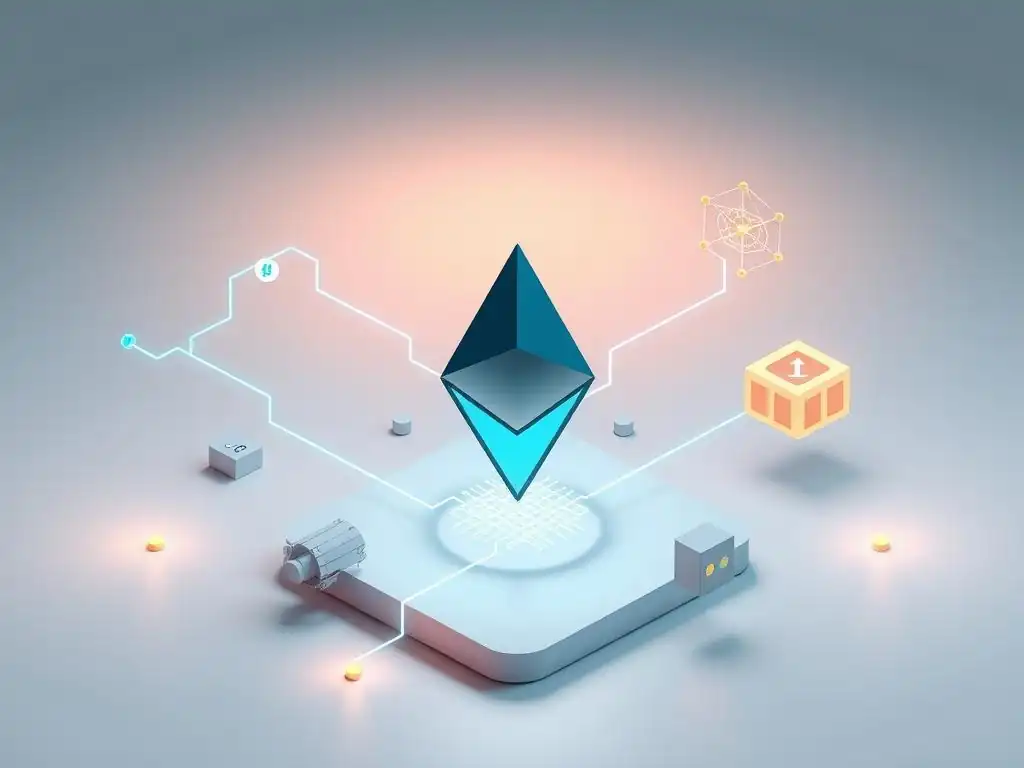
While Layer 2 solutions are currently the most prevalent approach to DApp scaling, alternative strategies are also being explored to further enhance blockchain scalability and performance. These approaches often involve modifications to the base layer protocol itself or explore entirely different architectural paradigms.
Sharding represents a significant paradigm shift in blockchain architecture, aiming to achieve horizontal scaling of the main blockchain itself. Instead of processing all transactions on a single chain, sharding divides the blockchain network into multiple shards, each of which processes only a fraction of the network's transactions. This parallel processing capability dramatically increases the overall transaction throughput of the blockchain.
Each shard functions as a smaller, independent blockchain, responsible for processing a subset of transactions and maintaining a portion of the network's state. Transactions are then processed in parallel across these shards, and the results are periodically cross-linked or aggregated to maintain the overall consistency and security of the entire blockchain network.
Sharding is a complex undertaking, requiring sophisticated mechanisms to ensure data availability, cross-shard communication, and overall network security. Ethereum 2.0, for example, is implementing sharding as a core component of its scalability upgrade. If successfully implemented, sharding has the potential to fundamentally transform blockchain scalability, enabling base layer blockchains to handle transaction volumes comparable to traditional payment networks.
Alternative Consensus Mechanisms: Enhancing Scalability at the Protocol Level
Consensus mechanisms are the core protocols that blockchains use to achieve agreement on the validity of transactions and the state of the network. Traditional consensus mechanisms like Proof-of-Work (PoW), while secure, are inherently resource-intensive and contribute to scalability bottlenecks. Alternative consensus mechanisms, such as Proof-of-Stake (PoS), Delegated Proof-of-Stake (DPoS), and others, are designed to be more energy-efficient and scalable.
PoS, for example, replaces the computational race of PoW with a system where validators are chosen based on the amount of cryptocurrency they stake, reducing computational overhead and potentially increasing transaction throughput. DPoS further optimizes scalability by allowing token holders to delegate their staking power to a smaller set of validators, streamlining the consensus process.
Exploring and implementing alternative consensus mechanisms at the protocol level is another avenue for enhancing blockchain scalability. By moving away from resource-intensive mechanisms like PoW towards more efficient alternatives, blockchains can potentially achieve higher transaction throughput and lower latency without relying solely on Layer 2 solutions. Many newer blockchains are already adopting alternative consensus mechanisms to prioritize scalability from their inception.
Case Studies: Real-World Examples of DApp Scaling Success
Real-world examples demonstrate the practical application and effectiveness of Layer 2 scaling solutions in enhancing DApp performance and user experience. Examining these case studies provides valuable insights into how different Layer 2 approaches are being utilized in practice.
Case Study 1: A DApp using State Channels for micro payments
Consider a hypothetical decentralized content platform called "StreamChain" that utilizes state channels for micropayments. StreamChain allows users to access premium content on a pay-per-minute basis. Instead of processing each minute's payment as a separate on-chain transaction, StreamChain implements state channels. When a user starts watching premium content, a state channel is opened between the user and StreamChain. Micropayments for each minute of viewing are then processed within this channel, off-chain and instantaneously. Only when the user finishes watching and closes the channel is the final balance settled on the main blockchain.
This implementation of state channels allows StreamChain to offer a seamless and cost-effective micropayment system for its users. Users experience near-instantaneous access to content without incurring high transaction fees for each minute viewed. StreamChain benefits from reduced on-chain transaction load and improved user satisfaction, demonstrating the practical advantages of state channels for micropayment-based DApps.
Case Study 2: A DeFi protocol Leveraging Rollups for Scalability
"DeFiSwap," a hypothetical decentralized exchange (DEX), faces scalability challenges due to high transaction volume and gas fees on the Ethereum mainnet. To address this, DeFiSwap integrates an Optimistic Rollup solution. User transactions on DeFiSwap, such as token swaps and liquidity provision, are bundled and processed within the rollup chain. These bundled transactions are then periodically submitted to the Ethereum mainnet as a single transaction, along with a cryptographic proof.
By leveraging rollups, DeFiSwap significantly increases its transaction throughput and reduces gas fees for its users. Users experience faster trade execution and lower costs compared to trading directly on the Ethereum mainnet. DeFiSwap benefits from increased user activity and competitiveness in the crowded DeFi landscape. This case study illustrates how rollups can effectively enhance the scalability of DeFi protocols, making them more accessible and user-friendly.
The Future of DApp Scalability: Emerging Trends and Technologies
The quest for DApp scalability is an ongoing evolution, with continuous innovation pushing the boundaries of what's possible. Emerging trends and technologies promise to further enhance blockchain scaling capabilities and unlock new possibilities for decentralized applications.
Layer 3 Solutions and Beyond: Exploring the Next Frontier of Blockchain Scaling
Building upon Layer 2 solutions, the concept of Layer 3 and even higher layers is emerging as the next frontier in blockchain scaling. Layer 3 solutions are envisioned as application-specific layers built on top of Layer 2, further optimizing scalability and functionality for particular use cases.
These layers could involve specialized protocols, data storage solutions, or computation frameworks tailored to specific DApp needs. For example, a Layer 3 solution for a gaming DApp might focus on optimizing off-chain game logic and state management, while a Layer 3 for a social media DApp could prioritize decentralized data storage and content delivery.
The development of Layer 3 and beyond represents a move towards a more modular and hierarchical blockchain architecture, where different layers are specialized for different functions, working in concert to achieve massive scalability and versatility. This multi-layered approach has the potential to unlock truly scalable and highly performant DApps capable of competing with the most demanding centralized applications.
Conclusion: Achieving Scalable and User-Friendly DApps
Overcoming DApp scalability issues is crucial for realizing the full potential of blockchain technology and fostering widespread adoption. Layer 2 solutions, including state channels, rollups, and sidechains, offer effective mechanisms to significantly enhance DApp performance and user experience by offloading transaction processing from congested main chains. While Layer 2 solutions are currently at the forefront of DApp scaling efforts, alternative approaches like sharding and improved consensus mechanisms, along with emerging Layer 3 and higher-layer solutions, promise even greater scalability in the future.
By strategically leveraging these scaling technologies, developers can create DApps that are not only secure and decentralized but also fast, affordable, and user-friendly, paving the way for a truly decentralized web that can rival and surpass the capabilities of today's centralized internet. The continued innovation in blockchain scaling is essential to unlock the transformative power of DApps across various industries and usher in a new era of decentralized applications.
Frequently Asked Questions
What are Layer 2 solutions in the context of blockchain, and why are they needed?
Layer 2 solutions are off-chain scaling solutions designed to improve the scalability of blockchain networks. They are needed because the base layer blockchains often struggle with high transaction fees and slow processing times, hindering widespread adoption of decentralized applications (DApps).
How do Layer 2 solutions help DApps overcome scalability issues?
Layer 2 solutions alleviate congestion on the main blockchain by processing transactions off-chain. This allows DApps to achieve faster transaction speeds and lower fees, improving the user experience and enabling more complex applications.
What are some examples of Layer 2 technologies used for blockchain scaling?
Examples include rollups (optimistic and zero-knowledge), state channels, and sidechains. Each technology has its own trade-offs regarding security, complexity, and compatibility.
What are the key benefits of implementing Layer 2 scaling solutions for DApps?
The main benefits are improved transaction throughput, reduced transaction costs, and an overall enhanced user experience. This makes DApps more viable for mass adoption.
Beyond Layer 2, what other approaches are being explored to address blockchain scalability?
Besides Layer 2, researchers are exploring sharding and optimizing the base layer protocols. These approaches offer different avenues for achieving greater scalability and efficiency.
Final Reflection: Scaling the Future of Decentralization
The journey through Layer 2 solutions and beyond reveals that the quest for DApp scalability is not merely a technical challenge, but a fundamental requirement for the widespread adoption of decentralized technologies. The limitations we've explored highlight the urgency of finding effective scaling solutions to unlock the true potential of blockchain and its applications. Without addressing these bottlenecks, the promise of a decentralized future risks remaining just that – a promise.
This ongoing evolution in Layer 2 technologies profoundly shapes the cultural and social landscape by democratizing access to financial services, empowering creators, and fostering greater transparency in governance. The ability to transact quickly and affordably on-chain is crucial for realizing these benefits. As Vitalik Buterin wisely stated: The scalability problem is the single biggest obstacle to the widespread adoption of blockchain technology.
This quote underscores the critical importance of continued innovation and collaboration in the Layer 2 space.
Now, as you consider the implications of Layer 2 scaling solutions, I invite you to reflect on your own role in shaping the future of decentralization. How can you contribute to the development and adoption of these technologies? How can you advocate for a more scalable and accessible blockchain ecosystem? The future of DApps and the decentralized web depends on our collective efforts to overcome these challenges and build a more inclusive and efficient digital world.
Okay, I'm ready to create a Call to Action (CTA) for the end of your article titled "Overcoming DApp Scalability Issues: Exploring Layer2 Solutions and Beyond," for the website "Blockchain Trends" (blockchaintrends.org). Here it is:
Unlock Scalable DApp Potential Now!
Thanks for diving into the world of DApp scalability! We hope this article shed light on the challenges and, more importantly, the innovative Layer2 solutions paving the way for a more efficient and user-friendly decentralized future. Now, let's put that knowledge into action and contribute to a thriving blockchain ecosystem.
Here's how you can get involved:
- Experiment with a Layer2 solution: Take a small DApp project, or a personal project and explore integrating it with either an optimistic rollup, ZK-rollup, or a sidechain. This hands-on experience will give you a deeper understanding of the practical benefits and challenges.
- Share your insights: Discuss your findings and contribute to the conversation. Write a blog post about your experience, join a relevant online forum, or engage on social media using #DAppScalability and #Layer2Solutions.
- Explore alternative scaling solutions: Research and evaluate other emerging technologies like validium, plasma, or state channels. Share any insights with Blockchain Trends.
Ready to build the future of scalable DApps?
Leave a Reply