
RealTime Logistics Efficiency: Blockchain and IoT for Enhanced Visibility

Welcome to Blockchain Trends, your compass in the rapidly evolving world of decentralized technologies. Beyond the buzzwords, we delve into the real-world applications shaping our future.
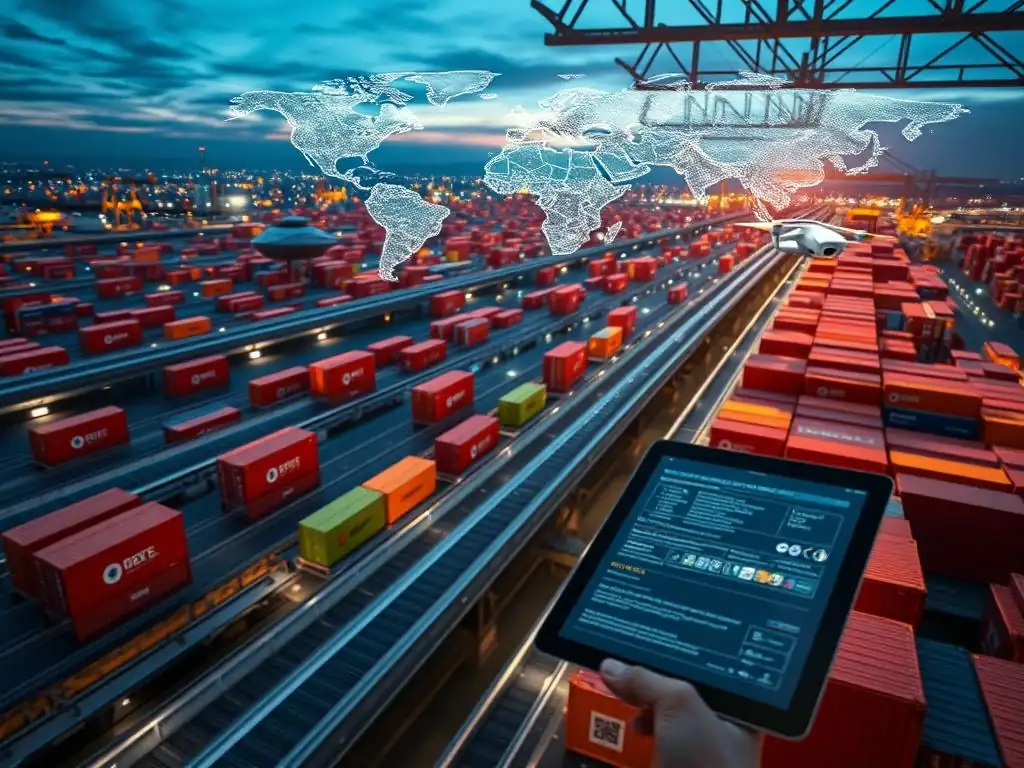
Ever wondered how Blockchain logistics visibility tracking systems are revolutionizing supply chains? Discover how the convergence of blockchain and IoT is creating unprecedented transparency and efficiency, and what it means for businesses and consumers alike. Dive in to uncover the future of supply chain management!
Real-Time Supply Chain Efficiency: Blockchain and IoT for Enhanced Visibility
- Introduction: Revolutionizing Supply Chains with Blockchain and IoT
- Understanding Blockchain-Based Supply Chain Visibility Tracking Systems
- The Power of IoT in Supply Chains: Enhancing Real-Time Data Capture
- Benefits of Combining Blockchain and IoT for Supply Chain Efficiency
- Key Applications of Blockchain and IoT in Supply Chains
- Implementing Blockchain and IoT for Supply Chain Visibility: A Step-by-Step Approach
- Challenges and Considerations for Blockchain and IoT Adoption in Supply Chains
- Case Studies: Real-World Examples of Blockchain and IoT in Supply Chains
- The Future of Blockchain and IoT in Supply Chains: Trends and Predictions
- Conclusion: Embracing Blockchain and IoT for a More Efficient and Transparent Supply Chain Ecosystem
-
Frequently Asked Questions
- What are Blockchain logistics visibility tracking systems and how do they improve efficiency?
- How does blockchain enhance visibility in logistics compared to traditional methods?
- What are some key benefits of implementing blockchain for logistics tracking besides enhanced visibility?
- How do IoT devices integrate with blockchain to create a more robust logistics visibility tracking system?
- What are the main challenges in adopting blockchain logistics visibility tracking systems?
- Final Reflection: Embracing Transparency in Motion
- Unlock the Future: Transform Your Logistics Now!
Introduction: Revolutionizing Supply Chains with Blockchain and IoT
The Increasing Demand for Real-Time Visibility in Supply Chains
Modern supply chains are complex global networks, often involving numerous participants, from raw material suppliers to manufacturers, distributors, and end consumers. In this intricate web, a lack of real-time visibility can lead to significant inefficiencies, delays, and increased costs.
Businesses are under immense pressure to deliver goods faster, more reliably, and with greater transparency to meet escalating customer expectations and navigate unpredictable global events like pandemics or geopolitical shifts. This demand for granular, up-to-the-minute information about the location, condition, and status of goods moving through the supply chain is no longer a luxury but a fundamental necessity for competitive advantage and resilience.
For example, delays in just-in-time manufacturing can cost companies millions per hour in lost production. The inability to quickly locate a specific batch of products during a recall event can lead to extensive financial and reputational damage. Furthermore, regulatory bodies are increasingly demanding detailed traceability information for various products, particularly in sectors like food and pharmaceuticals. This necessitates robust systems capable of providing verifiable, real-time data across every link in the chain, highlighting the critical need for advanced blockchain logistics visibility tracking systems that can bridge information gaps between disparate systems and stakeholders.
How Blockchain and IoT are Transforming Supply Chain Management
The convergence of Blockchain and the Internet of Things (IoT) presents a powerful paradigm shift for supply chain management. IoT devices, such as sensors, GPS trackers, and smart tags, are capable of capturing vast amounts of real-time data about physical goods and their environment – location, temperature, humidity, shock, etc. This data, however, is only truly valuable if it can be shared securely, reliably, and transparently among all relevant parties in the supply chain without the risk of tampering or disputes.
Blockchain technology provides the ideal infrastructure to achieve this. By acting as a distributed, immutable ledger, blockchain can record the data captured by IoT devices as verifiable transactions. Each step a product takes, from origin to destination, can be recorded on the blockchain, creating an indisputable, shared history accessible to authorized participants. This combination enables the development of sophisticated blockchain logistics visibility tracking systems that offer unprecedented levels of transparency, security, and automation, moving beyond traditional siloed databases and manual processes that are prone to errors and fraud.
Understanding Blockchain-Based Supply Chain Visibility Tracking Systems
Defining Blockchain-Based Supply Chain Tracking
Blockchain-based supply chain tracking refers to the use of distributed ledger technology to record and manage the movement and status of goods and assets throughout their lifecycle. Unlike traditional centralized databases, where data is controlled by a single entity and susceptible to manipulation, a blockchain creates a shared, tamper-evident record across a network of participants. When integrated with supply chain processes, each significant event – such as a product changing hands, a quality check passing, or a change in environmental conditions – can be registered as a transaction on the blockchain.
These blockchain logistics visibility tracking systems leverage the core properties of blockchain, including immutability, transparency (to authorized parties), and decentralization. This ensures that once data is recorded, it cannot be altered retrospectively without consensus from the network, providing a high degree of trust and accountability among supply chain partners who may not otherwise trust each other implicitly. The result is a single source of truth regarding a product's journey, significantly enhancing visibility and reducing information asymmetry.
Key Features of Blockchain Visibility Solutions
Blockchain visibility solutions offer several distinct features that differentiate them from traditional tracking systems. Foremost is the immutable ledger, which guarantees the integrity of the data recorded. This is crucial for building trust among stakeholders and for compliance purposes, providing an undeniable audit trail. Another key feature is enhanced transparency, as authorized participants on the network can view the same real-time data simultaneously, eliminating delays and discrepancies caused by information silos.
Furthermore, many blockchain platforms support smart contracts – self-executing agreements with the terms of the contract directly written into code. Smart contracts can automate actions based on predefined conditions being met, such as triggering a payment upon successful delivery verified by IoT data recorded on the blockchain. This automation reduces manual intervention, minimizes errors, and accelerates processes. Coupled with the decentralized nature of the network, these features contribute to resilient and secure blockchain logistics visibility tracking systems capable of handling complex, multi-party transactions reliably.
The Power of IoT in Supply Chains: Enhancing Real-Time Data Capture
IoT Devices for Tracking Goods and Assets
The Internet of Things plays a crucial role in bridging the gap between the physical world of goods and the digital ledger of the blockchain. IoT devices, embedded in or attached to products, packaging, vehicles, and warehouse infrastructure, serve as the eyes and ears of the supply chain, capturing real-time data about their physical state and location. These devices range from simple GPS trackers providing location coordinates to sophisticated sensors monitoring temperature, humidity, light exposure, vibration, and even air quality.
For instance, temperature sensors are vital in cold chain logistics for tracking perishable goods like food or pharmaceuticals. Accelerometers can detect if fragile items have been mishandled. RFID tags and barcodes, while not strictly IoT in all cases, are increasingly connected and integrated, providing automated identification and tracking data points. This proliferation of connected devices generates a continuous stream of data that, when properly captured and utilized, provides granular insights into the physical journey and condition of goods, feeding the sophisticated data requirements of blockchain logistics visibility tracking systems.
Integrating IoT Data with Blockchain for End-to-End Visibility
The true power of combining Blockchain and IoT lies in the seamless and secure integration of the real-time data captured by IoT devices with the immutable ledger of the blockchain. IoT devices collect data points – a truck's location every minute, a container's temperature every hour, or a package's arrival at a checkpoint. This data is then securely transmitted, often via middleware or API layers, to the blockchain network.
On the blockchain, this data is recorded as transactions, linked to the specific asset being tracked. For example, a temperature reading outside the acceptable range from an IoT sensor in a refrigerated container can be recorded as a transaction associated with the container's unique digital identity on the ledger.
This creates a verifiable, timestamped record of the event that all authorized parties can see and trust. This integration is fundamental to building effective blockchain logistics visibility tracking systems, providing end-to-end transparency from the point of origin to the final destination, ensuring data integrity and enabling proactive management based on reliable, real-time information.
Benefits of Combining Blockchain and IoT for Supply Chain Efficiency
Improved Transparency and Traceability
One of the most significant benefits of integrating Blockchain and IoT in supply chains is the dramatic improvement in transparency and traceability. By recording every relevant data point captured by IoT sensors – such as location, condition, and handling events – onto an immutable blockchain ledger, a complete and verifiable history of a product's journey is created. This shared, single source of truth is accessible to authorized stakeholders, including suppliers, manufacturers, distributors, regulators, and even consumers.
This enhanced visibility means that participants can trace a product back to its origin with high certainty, understand every step it took, and know its condition at various points. For instance, in the event of a foodborne illness outbreak, tracing contaminated produce back to its source, which might take days or weeks with traditional systems, can be reduced to seconds using blockchain logistics visibility tracking systems powered by IoT data. This level of transparency builds trust among network participants and provides valuable data for optimizing routes, improving handling, and ensuring compliance.
Enhanced Security and Reduced Fraud in Supply Chain Operations
The inherent security features of blockchain technology are crucial for protecting supply chain data from tampering and fraud. Data recorded on a blockchain is cryptographically secured and distributed across multiple nodes, making it exceptionally difficult for any single party to alter records undetected. When combined with IoT data, this ensures that the real-time information about a product's status and location is reliable and trustworthy.
For example, an IoT sensor records a package's weight at a distribution center. This data is hashed and added to the blockchain. If someone later tries to tamper with the recorded weight in a database, the blockchain record remains unchanged, providing undeniable proof of the original reading. This immutability helps prevent fraudulent activities such as counterfeiting, cargo theft, or manipulation of quality control data. Secure blockchain logistics visibility tracking systems provide a robust defense against various forms of supply chain fraud, protecting goods, reputation, and financial assets.
Increased Efficiency and Reduced Costs in Supply Chain
The real-time visibility and automation enabled by Blockchain and IoT lead directly to increased operational efficiency and reduced costs across the supply chain. By having immediate access to accurate information about inventory levels, shipment locations, and potential delays, companies can make more informed decisions, optimize routes, and better manage resources. This reduces waste, minimizes stockouts or overstocks, and lowers transportation costs.
Furthermore, the use of smart contracts can automate many manual processes, such as payments, customs clearance, and quality checks. For example, a smart contract can automatically release payment to a carrier once IoT data confirms that goods have arrived at their destination in the required condition. This reduces administrative overhead, accelerates transaction settlements, and frees up personnel to focus on more strategic tasks. Implementing blockchain logistics visibility tracking systems can streamline complex workflows, leading to tangible cost savings.
Real-Time Data and Proactive Decision-Making
Perhaps one of the most impactful benefits is the ability to leverage real-time data for proactive decision-making. Traditional supply chain systems often rely on batch updates or delayed information, meaning issues are only identified long after they occur, leading to reactive responses. With IoT sensors constantly feeding data onto a blockchain, stakeholders have access to live information.
This real-time stream allows businesses to identify potential problems as they happen, such as a temperature excursion in a cold chain shipment, a significant delay in transit, or an unexpected route deviation. Smart contracts can be programmed to trigger alerts or automated responses based on these real-time data inputs. This enables managers to take proactive steps – rerouting shipments, arranging for emergency cooling, or initiating contingency plans – before minor issues escalate into major disruptions. The insights gained from comprehensive blockchain logistics visibility tracking systems empower businesses to build more resilient and responsive supply chains.
Key Applications of Blockchain and IoT in Supply Chains
Tracking Pharmaceuticals and Healthcare Products
The pharmaceutical industry faces stringent regulations regarding product integrity, traceability, and security. Counterfeiting is a significant global issue, posing serious health risks. Blockchain and IoT offer a powerful solution for tracking pharmaceuticals from manufacturing to patient. IoT sensors can monitor temperature and humidity during transit, ensuring vaccines and other sensitive medications remain within required conditions. This data is recorded immutably on the blockchain.
Furthermore, the blockchain can record every change of custody for a pharmaceutical product, creating an unalterable chain of ownership. This helps verify authenticity and track products through the complex distribution network, from manufacturer to wholesaler, pharmacy, and finally the patient. Implementing blockchain logistics visibility tracking systems in healthcare supply chains enhances patient safety, combats counterfeiting, and ensures compliance with regulations like the US Drug Supply Chain Security Act (DSCSA), which mandates enhanced traceability.
Streamlining Food Supply Chains for Safety and Compliance
Ensuring food safety and quickly identifying the source of contamination are critical challenges in the food supply chain. Traditional methods for tracing food items often involve sifting through paper records and disparate databases, which can take days or even weeks. This delay can exacerbate outbreaks and lead to widespread product recalls.
Blockchain and IoT significantly accelerate this process. IoT devices can track temperature and location from farm to fork. Data points like harvest date, processing location, and shipping details are recorded on a blockchain.
In the event of a food safety issue, the source of the contaminated product can be traced back instantly using the blockchain's distributed ledger. Walmart's initiative, for example, demonstrated the ability to trace mangoes from store back to farm in seconds using blockchain, a process that previously took seven days. These blockchain logistics visibility tracking systems improve food safety, reduce the scope and cost of recalls, and build consumer trust.
Optimizing Cold Chain Logistics with Temperature Monitoring
Maintaining precise temperature control is paramount for perishable goods, including food, pharmaceuticals, and certain chemicals. Deviations from specified temperature ranges can render products unusable or even dangerous. IoT temperature sensors placed within containers or on pallets provide continuous monitoring throughout transit and storage.
By integrating these sensors with a blockchain, the temperature data is recorded immutably. If a temperature excursion occurs, it is logged on the ledger, creating a transparent record visible to all authorized parties. Smart contracts can be triggered to alert stakeholders, initiate investigations, or even automatically void a shipment if conditions are breached, providing indisputable evidence. This combination is essential for robust cold chain logistics, ensuring product quality and reducing waste, making blockchain logistics visibility tracking systems particularly valuable in temperature-sensitive supply chains.
Enhancing Security in High-Value Goods Transportation
Transporting high-value goods, such as electronics, luxury items, or sensitive equipment, is inherently risky due to the potential for theft, damage, or tampering. Real-time monitoring and verifiable data are crucial for securing these shipments. IoT devices like GPS trackers, anti-tampering sensors, and environmental monitors can provide continuous oversight of the goods' location and condition.
Recording this data on a blockchain provides a secure and immutable audit trail of the entire journey. Any unauthorized stops, route deviations, or attempts to open packaging are immediately logged on the ledger, triggering alerts. This enhanced visibility and security reduce the risk of loss and provide clear evidence in case of disputes or insurance claims. Blockchain logistics visibility tracking systems offer peace of mind and robust security protocols for the transportation of valuable assets.
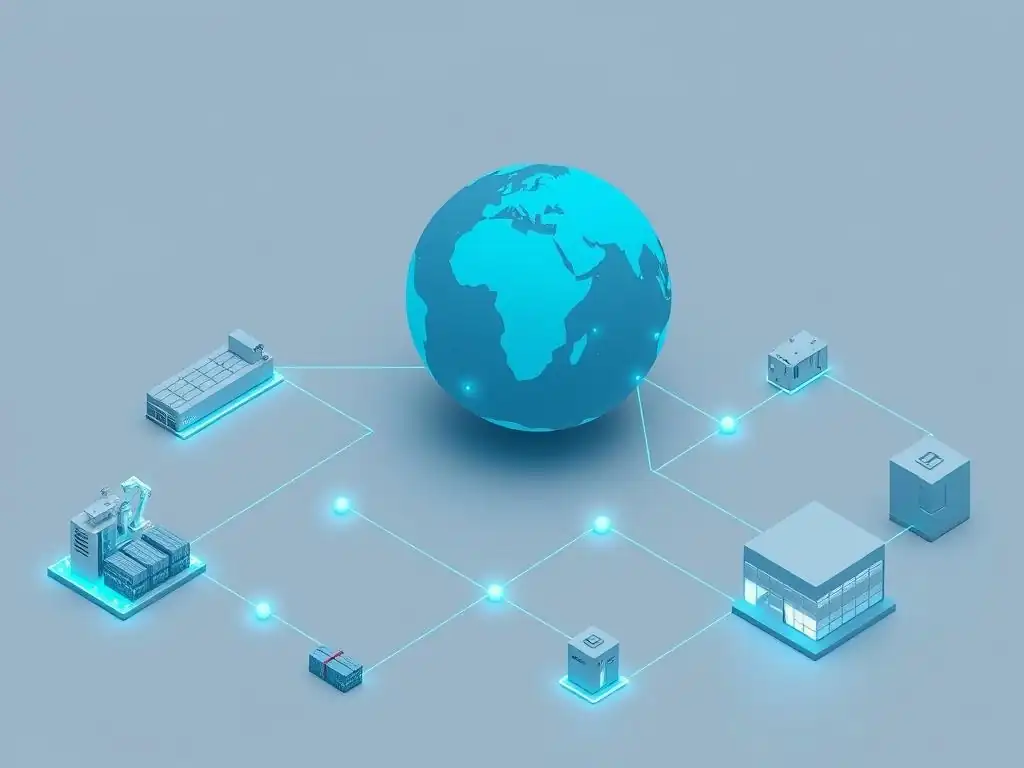
Implementing Blockchain and IoT for Supply Chain Visibility: A Step-by-Step Approach
Step 1: Assessing Current Supply Chain Processes and Identifying Pain Points
The first critical step in implementing Blockchain and IoT for enhanced supply chain visibility is a thorough assessment of the existing processes. This involves mapping out the current flow of goods and information from origin to destination, identifying all stakeholders involved, and pinpointing areas of inefficiency, lack of transparency, security vulnerabilities, and high costs. Understanding the specific challenges – whether it's delayed information, difficulty tracking specific batches, high rates of loss, or compliance hurdles – will define the requirements for the new system.
During this assessment, it's crucial to gather input from all relevant departments, including logistics, procurement, operations, IT, and compliance. Analyzing historical data on delays, disputes, losses, and manual process bottlenecks provides a baseline and helps quantify the potential benefits of a new system. This foundational step ensures that the subsequent implementation of blockchain logistics visibility tracking systems is targeted at solving real problems and delivering measurable improvements.
Step 2: Selecting the Right Blockchain Platform and IoT Devices
Choosing the appropriate technology is paramount. There are various blockchain platforms available, each with different characteristics regarding consensus mechanisms, scalability, privacy features, and cost (e.g., Hyperledger Fabric, Ethereum, VeChain). The selection should be based on the specific needs of the supply chain, considering factors like the number of participants, transaction volume, required data privacy, and technical expertise. Permissioned blockchains are often preferred for enterprise supply chains due to better control over network participants and data access.
Simultaneously, selecting the right IoT devices is crucial. This depends on the type of goods being tracked, the environment they travel through, and the specific data points required (location, temperature, shock, etc.). Devices should be reliable, have sufficient battery life for the journey, be cost-effective for deployment at scale, and have secure data transmission capabilities. Compatibility between the chosen IoT devices and the blockchain platform, or the middleware connecting them, is a key technical consideration when building effective blockchain logistics visibility tracking systems.
Step 3: Integrating Blockchain, IoT, and Existing Systems
Integrating the new Blockchain and IoT components with existing legacy systems (like Enterprise Resource Planning - ERP, Warehouse Management Systems - WMS, or Transportation Management Systems - TMS) is a complex but essential step. Data needs to flow seamlessly between these systems to ensure a unified view of the supply chain. This typically involves developing Application Programming Interfaces (APIs) or using integration middleware to connect the different platforms.
IoT data collected in real-time needs to be securely transmitted and formatted before being recorded as transactions on the blockchain. Data from existing systems, such as purchase orders, shipping manifests, or quality inspection results, may also need to be integrated into the blockchain ledger or linked to blockchain records to provide a complete picture. Successful integration ensures that the blockchain logistics visibility tracking systems augment, rather than replace, valuable existing infrastructure, creating a cohesive digital ecosystem.
Step 4: Data Management and Security Considerations
Robust data management and security protocols are critical throughout the implementation and operation of blockchain and IoT systems in supply chains. Policies must be established for data collection frequency, data storage (on-chain vs. off-chain), data access permissions, and data retention. While blockchain provides data integrity, ensuring the security of IoT devices themselves and the data transmission channels is vital to prevent data poisoning or breaches before information reaches the ledger.
Implementing strong authentication mechanisms for network participants, utilizing encryption for data in transit and at rest (where applicable), and establishing clear governance rules for the blockchain network are essential. Addressing data privacy regulations, such as GDPR, is also necessary, especially when tracking goods that might involve personal information or sensitive data. A comprehensive security framework protects the integrity and confidentiality of the information managed by blockchain logistics visibility tracking systems.
Step 5: Pilot Testing and Scalability
Before a full-scale rollout, it is highly recommended to conduct a pilot test. This involves deploying the integrated Blockchain and IoT solution in a limited scope – perhaps tracking a specific product line on a particular route with a subset of key partners. The pilot allows the organization to test the technology's performance, identify technical glitches, refine processes, train personnel, and gather feedback from participants in a controlled environment.
Based on the results and lessons learned from the pilot, the system can be refined and then scaled up gradually across more products, routes, and partners. Scalability considerations should be factored in from the initial platform selection phase, ensuring the chosen blockchain and IoT infrastructure can handle increasing transaction volumes and data loads as the network grows. A phased approach to implementing blockchain logistics visibility tracking systems minimizes disruption and increases the likelihood of successful adoption.
Challenges and Considerations for Blockchain and IoT Adoption in Supply Chains
Data Privacy and Security Concerns
While blockchain offers enhanced data integrity, the integration of IoT data raises specific privacy and security challenges. IoT devices can collect vast amounts of potentially sensitive data (e.g., location history, environmental conditions that might reveal storage practices). Ensuring that this data is handled in compliance with various data protection regulations (like GDPR or CCPA) is crucial. This involves careful consideration of what data is recorded on the public or permissioned ledger, and what data is stored off-chain with restricted access.
Furthermore, the security of the IoT devices themselves is a potential vulnerability. Compromised sensors could feed false data into the blockchain, undermining the integrity of the system. Implementing robust security measures for IoT devices, including secure boot, encryption, and regular security updates, is essential. Balancing the need for transparency with data privacy requirements is a key consideration when designing and implementing blockchain logistics visibility tracking systems.
Interoperability and Standardization Issues
The supply chain ecosystem is characterized by a multitude of disparate systems, technologies, and data formats used by different companies. Achieving seamless interoperability between different legacy systems, various types of IoT devices, and different blockchain platforms is a significant challenge. Lack of standardized protocols for data exchange and communication between these diverse components can hinder integration and limit the network effect.
Efforts are underway by various industry consortia and standards bodies to develop common standards for blockchain applications and IoT data in supply chains. However, widespread adoption of these standards takes time. Organizations implementing blockchain logistics visibility tracking systems must carefully plan their integration strategy, potentially using middleware or API layers to translate data between different formats and systems, and advocate for industry-wide standardization.
Scalability and Performance Limitations
While blockchain technology has advanced significantly, some platforms can still face scalability and performance limitations when dealing with the massive volume of data generated by a large-scale IoT deployment in a complex supply chain. Recording every single data point from thousands or millions of sensors on a blockchain can lead to bottlenecks, increased transaction costs (on some platforms), and slower transaction processing times.
Choosing a blockchain platform designed for high throughput and low transaction costs is essential. Strategies such as recording only critical data points on the main chain, utilizing off-chain storage for less critical data, or using layer-2 scaling solutions can help mitigate these issues. Organizations must carefully evaluate the transaction capacity and latency requirements of their supply chain operations when selecting technology for their blockchain logistics visibility tracking systems.
Regulatory Compliance and Legal Frameworks
The regulatory and legal landscape surrounding blockchain and IoT technologies is still evolving in many jurisdictions. Issues related to data ownership, liability when automated by smart contracts, the legal status of blockchain records as evidence, and cross-border data flow regulations need careful consideration. Different countries may have varying requirements for traceability, data retention, and technology adoption in specific industries (e.g., food, pharma).
Organizations implementing blockchain logistics visibility tracking systems must navigate this complex legal environment. Consulting with legal and compliance experts is crucial to ensure that the implemented solution meets all relevant regulatory requirements in the regions where the supply chain operates. Establishing clear contractual agreements among network participants regarding data sharing, governance, and dispute resolution is also vital.
Case Studies: Real-World Examples of Blockchain and IoT in Supply Chains
Maersk and IBM's TradeLens Platform for Global Trade
One of the most prominent examples of blockchain in supply chain is TradeLens, a platform developed by Maersk and IBM focused on global container shipping. The platform uses blockchain technology to provide a shared, immutable record of transactions and events across the complex network of ocean carriers, ports, customs authorities, freight forwarders, and logistics providers involved in international trade. By integrating data from various sources, including potentially IoT devices tracking container movements, TradeLens aims to improve transparency, reduce paperwork, and accelerate cargo movement.
Before TradeLens, tracking a container involved numerous manual processes, phone calls, emails, and disparate systems across multiple parties, leading to delays and errors. The platform allows participants to share and access information like bills of lading, customs documents, and shipment status updates on a single, secure ledger. While initial adoption faced challenges, TradeLens demonstrated the potential of blockchain logistics visibility tracking systems to streamline complex global logistics, illustrating how a shared, trusted platform can benefit an entire ecosystem by providing a single source of truth for shipment data.
Walmart's Blockchain Initiative for Tracking Produce
Walmart is a pioneer in using blockchain for supply chain traceability, particularly for fresh produce. Facing the challenge of quickly tracing the origin of produce in the event of a food safety issue, Walmart mandated that its leafy green suppliers implement a blockchain-based tracking system built on Hyperledger Fabric. Suppliers are required to upload data points about their produce, including farm origin, processing information, and shipping details, onto the blockchain.
This initiative dramatically reduced the time required to trace a product from store shelf back to its farm of origin. What previously took days or even weeks using traditional paper-based or siloed electronic systems could now be accomplished in seconds. This improved traceability allows Walmart to pinpoint the source of potential contamination quickly, limiting the scope of recalls, reducing waste, and enhancing consumer safety. This case study highlights the practical benefits of implementing blockchain logistics visibility tracking systems for rapid, accurate traceability in large, complex food supply chains.
The Future of Blockchain and IoT in Supply Chains: Trends and Predictions
The Rise of Decentralized Supply Chain Networks
The future of blockchain and IoT in supply chains points towards increasingly decentralized networks. Instead of relying on a single platform provider or a few dominant players, we may see the emergence of more open, interconnected blockchain networks where different participants can seamlessly share verified data regardless of the specific platform they use. This shift towards greater decentralization could foster increased collaboration, reduce reliance on intermediaries, and create more resilient supply chain ecosystems.
These decentralized networks will likely leverage interoperability protocols to allow data exchange between different blockchains and traditional systems. This could enable a future where a product's journey is tracked across multiple independent networks, each specialized for different segments (e.g., raw material sourcing, manufacturing, last-mile delivery), with data flowing securely and transparently between them. Such developments will push the capabilities of blockchain logistics visibility tracking systems further, enabling truly end-to-end visibility across fragmented global networks.
The Impact of AI and Machine Learning on Supply Chain Visibility
The vast amounts of real-time, verified data generated by the combination of IoT and Blockchain provide a rich dataset for Artificial Intelligence (AI) and Machine Learning (ML) applications. AI and ML algorithms can analyze this data to identify patterns, predict potential disruptions (like delivery delays or equipment failures), optimize routes, forecast demand more accurately, and identify anomalies indicative of fraud or quality issues.
For example, ML models can analyze temperature data from IoT sensors recorded on the blockchain to predict the remaining shelf life of perishable goods or identify routes where temperature excursions are more likely. AI can process real-time location data to suggest optimal rerouting options during transit disruptions. The integration of AI/ML with blockchain logistics visibility tracking systems will transform reactive operations into proactive, data-driven decision-making centers, significantly enhancing overall supply chain efficiency and resilience.
The Evolution of Smart Contracts for Automated Supply Chain Processes
Smart contracts are set to become increasingly sophisticated and play a more central role in automating supply chain processes. As more data from IoT devices and other sources becomes verifiable on the blockchain, smart contracts can be used to automate a wider range of transactions and workflows without human intervention. This includes not only payments upon delivery but also automated inventory replenishment based on real-time stock levels, quality checks triggering next steps in the process, or even dynamic pricing adjustments based on supply chain conditions.
The development of more flexible and secure smart contract platforms, coupled with greater standardization of data inputs from IoT and other systems, will unlock new possibilities for automation. This evolution will further reduce administrative overhead, accelerate transaction speeds, minimize disputes by enforcing predefined rules transparently, and ultimately lead to more agile and self-executing supply chains powered by advanced blockchain logistics visibility tracking systems.
Conclusion: Embracing Blockchain and IoT for a More Efficient and Transparent Supply Chain Ecosystem
The Long-Term Benefits of Investing in Blockchain Supply Chain Visibility Tracking Systems
Investing in blockchain logistics visibility tracking systems powered by IoT technology offers substantial long-term benefits that extend far beyond simple tracking. These systems build a foundation of trust and transparency among all supply chain participants by providing a single, immutable source of truth for product data and events. This enhanced trust reduces the need for intermediaries, lowers transaction costs, and facilitates smoother collaboration.
Over time, the data collected through these systems becomes an invaluable asset for optimization. Businesses can leverage the historical data on routes, timings, conditions, and performance to identify bottlenecks, predict risks, improve forecasting, and continuously refine their operations. The enhanced security reduces losses due to fraud and theft, while improved traceability minimizes the impact of recalls and ensures regulatory compliance. Ultimately, these investments lead to more resilient, cost-effective, and customer-centric supply chains capable of navigating the complexities of the global market.
Key Takeaways for Supply Chain Professionals
For supply chain professionals, the integration of Blockchain and IoT represents a critical opportunity to move beyond traditional, siloed tracking methods and embrace a future of real-time, transparent, and secure operations. The key takeaways are clear: prioritize enhanced visibility as a strategic goal; understand how the unique properties of blockchain (immutability, transparency) complement the data-gathering power of IoT; and recognize that successful implementation requires careful planning, stakeholder collaboration, and attention to integration, data management, and security.
While challenges like interoperability and scalability exist, ongoing advancements and successful case studies demonstrate the tangible benefits achievable. Professionals should explore pilot projects, engage with technology providers, and stay informed about evolving standards and regulations. Embracing blockchain logistics visibility tracking systems is not just about adopting new technology; it's about building a more trustworthy, efficient, and responsive supply chain ecosystem prepared for the demands of the modern global economy.
Frequently Asked Questions
What are Blockchain logistics visibility tracking systems and how do they improve efficiency?
These systems utilize blockchain technology and potentially IoT devices to provide a transparent and immutable record of goods as they move through the supply chain, leading to improved efficiency.
How does blockchain enhance visibility in logistics compared to traditional methods?
Blockchain creates a shared, tamper-proof ledger, allowing all stakeholders to access real-time information about the location and status of goods. This contrasts with siloed, often manual, traditional systems.
What are some key benefits of implementing blockchain for logistics tracking besides enhanced visibility?
Beyond visibility, blockchain offers improved security, reduced fraud, and increased trust among supply chain partners due to the immutable nature of the data.
How do IoT devices integrate with blockchain to create a more robust logistics visibility tracking system?
IoT sensors can provide real-time data on temperature, location, and other critical factors, which is then securely recorded on the blockchain, offering a complete and verifiable record.
What are the main challenges in adopting blockchain logistics visibility tracking systems?
Challenges include scalability, interoperability with existing systems, and the need for industry-wide collaboration to establish common standards and protocols.
Final Reflection: Embracing Transparency in Motion
The insights shared throughout this article highlight the transformative potential of blockchain logistics visibility tracking systems in today's interconnected world. No longer a futuristic concept, the convergence of blockchain and IoT is actively reshaping supply chains, offering unprecedented levels of transparency and efficiency that are crucial for businesses striving to remain competitive in an increasingly demanding global market.
This revolution in logistics is not just about optimizing processes; it's about building trust and resilience in a world often plagued by uncertainty. The ability to track goods in real-time, with immutable records secured by blockchain, fosters a sense of confidence and accountability that permeates the entire supply chain. The key is not to prioritize what's on your schedule, but to schedule your priorities.
- Stephen Covey. This quote underscores the importance of prioritizing visibility and control in logistics, which blockchain and IoT enable.
As we look to the future, let us embrace the opportunities presented by these innovative technologies. Consider how you can integrate blockchain logistics visibility tracking systems into your own operations, not just to improve efficiency, but to build a more transparent, resilient, and ultimately, more trustworthy supply chain. The power to transform the future of logistics is in your hands.
Unlock the Future: Transform Your Logistics Now!
Thanks for diving into the world of blockchain and IoT for enhanced logistics visibility. We hope you've gained valuable insights into how these technologies can revolutionize your supply chain. Now, let's put that knowledge into action!
- Implement a pilot project: Identify a key area in your logistics operations and begin integrating a blockchain-based tracking solution for enhanced transparency and efficiency.
- Explore the latest IoT sensor technologies for real-time data collection, and share any interesting findings with your network.
- Join the conversation! Engage in relevant blockchain and logistics forums to discuss challenges and collaborate on innovative solutions.
Ready to streamline your supply chain and lead the way in logistics innovation?
Leave a Reply