
Smart Home Data Privacy: BlockchainBased Solutions for Secure Management

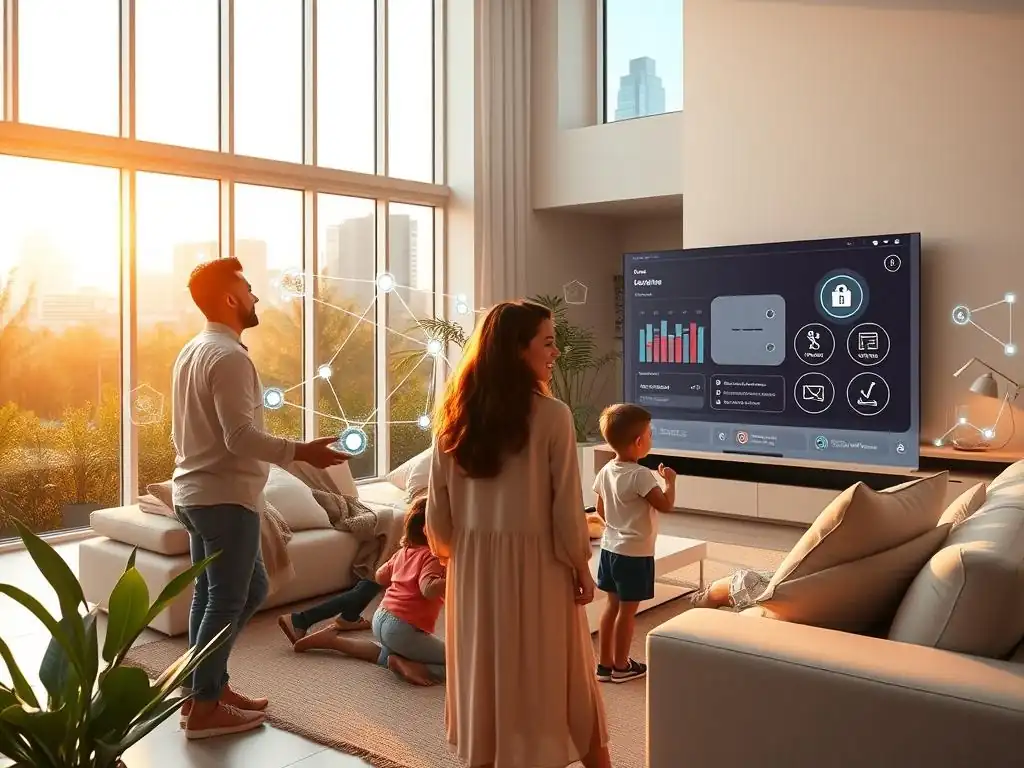
Welcome to Blockchain Trends, your go-to source for navigating the ever-evolving world of blockchain technology!
Intrigued by how blockchain is revolutionizing industries beyond cryptocurrency? Dive in to discover how this powerful technology is shaping everything from decentralized finance (DeFi) to enterprise solutions. In this issue, we explore a critical application: leveraging blockchain to build truly secure smart homes. Is your smart home really smart when it comes to protecting your data? Let's unravel the secrets of using blockchain secure smart home data management to reclaim control and privacy. Read on to learn how blockchain is paving the way for a future where your home is not only intelligent, but also undeniably secure.
- Introduction: The Growing Need for Secure Smart Home Data Management
-
Frequently Asked Questions
- How can blockchain technology improve the security of smart home data?
- What are the key benefits of using blockchain for managing smart home data privacy?
- How does a blockchain-based solution empower users to control their smart home data?
- What are some potential regulatory challenges facing the implementation of blockchain for smart home data?
- What is the future outlook for blockchain applications in securing smart home environments?
- Final Reflection: Securing the Future of Home Intelligence
- Secure Your Smart Home: Take Control of Your Data!
Introduction: The Growing Need for Secure Smart Home Data Management
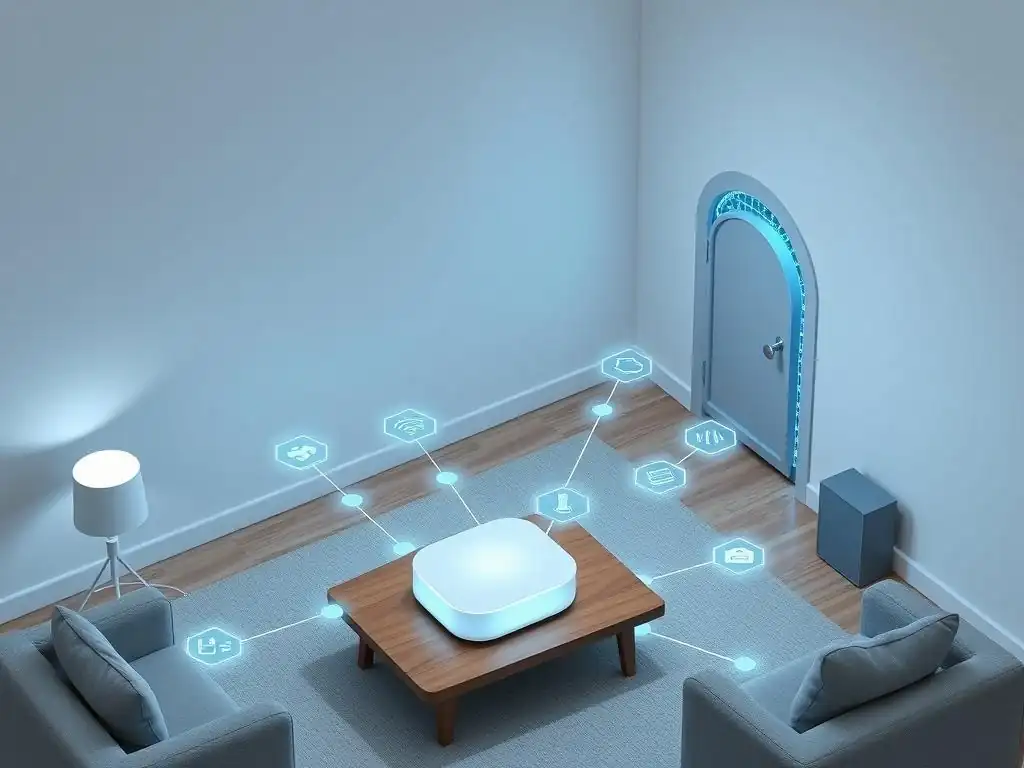
The Rise of Smart Homes and IoT Data Generation
The proliferation of smart home devices has ushered in an era of unprecedented convenience and automation. From smart thermostats and lighting systems to security cameras and voice assistants, these interconnected devices are rapidly transforming our living spaces. Industry analysts predict continued exponential growth in this sector. For instance, Statista forecasts that the global smart home market will reach a volume of $286.00 billion by 2024 and is expected to show an annual growth rate (CAGR 2024-2029) of 11.29%, resulting in a market volume of $488.60 billion by 2029.
This surge is fueled by increasing consumer demand for enhanced comfort, energy efficiency, and security. However, this interconnectedness comes at a cost: a massive influx of data generated by these devices, ranging from personal preferences and daily routines to sensitive audio-visual recordings. This data deluge presents significant challenges in terms of security and privacy.
The very essence of a smart home relies on the continuous collection and analysis of data. Smart thermostats learn user temperature preferences to optimize energy consumption, smart lighting systems adjust ambiance based on time of day and occupancy, and security cameras monitor movements both inside and outside the home. Each interaction with a smart device, each sensor reading, contributes to a vast and intricate web of personal data.
This data, when aggregated, can paint a highly detailed portrait of an individual's lifestyle, habits, and even vulnerabilities. The sheer volume and sensitivity of this data make smart homes a prime target for cyberattacks and privacy breaches, highlighting the critical need for robust security measures.
Data Privacy Concerns in the Smart Home Ecosystem
The data generated by smart home devices is often highly personal and sensitive. Consider the implications of voice assistants recording conversations, smart cameras capturing intimate moments within the home, or smart locks tracking entry and exit times. This data, if compromised, can be exploited for malicious purposes ranging from identity theft and financial fraud to physical security breaches and even blackmail.
A 2021 Consumer Reports survey found that 43% of Americans are concerned about the privacy and security of their smart home devices, indicating a significant level of public awareness regarding these risks. Furthermore, the interconnected nature of smart home ecosystems means that vulnerabilities in one device can potentially expose the entire network to threats.
Beyond the risk of external attacks, there are also concerns about how smart home device manufacturers and service providers collect, use, and share user data. Many smart home devices operate on cloud-based platforms, meaning user data is often stored and processed remotely. While this enables remote access and advanced functionalities, it also raises questions about data ownership, control, and potential misuse.
Terms of service agreements and privacy policies are often complex and opaque, leaving users uncertain about how their data is being handled. Reports from organizations like the Electronic Frontier Foundation (EFF) have highlighted instances where smart home device data has been accessed by law enforcement or shared with third-party advertisers without explicit user consent. This lack of transparency and control over personal data underscores the urgent need for privacy-centric solutions in the smart home domain.
Why Blockchain for Smart Home Security?
Blockchain technology offers a compelling paradigm shift in how we approach smart home security and data privacy. Unlike traditional centralized systems, blockchain provides a decentralized, distributed, and immutable ledger for recording and managing data. This inherent architecture addresses many of the core vulnerabilities present in current smart home systems. The decentralized nature of blockchain eliminates single points of failure, making it significantly more resilient to cyberattacks. Data stored on a blockchain is cryptographically secured and tamper-proof, ensuring data integrity and preventing unauthorized modifications.
Moreover, blockchain's transparency and auditability features can enhance user trust and control over their data. Users can potentially gain greater visibility into how their data is being used and shared, and they can have verifiable proof of data integrity. The use of blockchain for identity management can also empower users to control access to their smart home devices and data, granting permissions selectively and revoking them as needed.
In essence, blockchain offers a foundation for building more secure, private, and user-centric smart home ecosystems, moving away from centralized control and towards a more distributed and trustless model. The potential to leverage blockchain for secure smart home data management is increasingly recognized as a promising avenue for addressing the growing privacy and security challenges in this rapidly expanding market.
Frequently Asked Questions
How can blockchain technology improve the security of smart home data?
Blockchain provides a decentralized and immutable ledger, making it incredibly difficult for hackers to tamper with smart home data. This enhances security by eliminating single points of failure and ensuring data integrity.
What are the key benefits of using blockchain for managing smart home data privacy?
Blockchain offers several advantages, including enhanced data security, increased user control over their data, and improved transparency in how data is accessed and used.
How does a blockchain-based solution empower users to control their smart home data?
Users gain greater control through permissioned access granted via the blockchain. They can decide who can access their data and for what purpose, fostering a more privacy-centric environment.
What are some potential regulatory challenges facing the implementation of blockchain for smart home data?
Regulations concerning data privacy and security, such as GDPR, can present challenges. Ensuring compliance with these regulations while leveraging blockchain's benefits is crucial for widespread adoption.
What is the future outlook for blockchain applications in securing smart home environments?
The future looks promising, with blockchain potentially becoming a standard component in smart home security. This will lead to more secure, private, and user-centric smart home ecosystems.
Final Reflection: Securing the Future of Home Intelligence
The exploration of blockchain-based solutions for smart home data privacy underscores a critical intersection: the convergence of technological advancement and fundamental human rights. As our homes become increasingly intelligent, collecting vast amounts of personal data, the need for robust security measures is paramount. The vulnerabilities inherent in centralized systems demand innovative approaches, and blockchain offers a promising path towards decentralized, secure, and transparent data management, ensuring that the convenience of smart home technology doesn't come at the cost of privacy.
The implications of unsecured smart home data extend far beyond individual inconvenience; they touch upon the very fabric of trust and autonomy in our digital lives. The ability to control and protect our personal information within our own homes is not merely a technical challenge, but a fundamental right that shapes our relationship with technology. As we continue to integrate smart devices into our daily routines, the ethical considerations surrounding data privacy become increasingly urgent. Privacy is not an option, and it shouldn't come with a price tag.
- Edward Snowden. This quote highlights the necessity of prioritizing privacy in technological development, especially within the intimate space of our homes.
Now, as you consider the potential of blockchain to revolutionize smart home data security, I urge you to reflect on your own digital footprint. How much control do you truly have over the data generated within your own home? What steps can you take, both individually and collectively, to advocate for greater transparency and security in the smart home ecosystem?
The future of home intelligence hinges on our ability to demand and implement solutions that prioritize privacy and empower individuals to control their own data. Let us strive to build a future where technology serves humanity, not the other way around.
Secure Your Smart Home: Take Control of Your Data!
Thank you for exploring the world of blockchain and smart home security! Now that you understand how blockchain can help protect your data, it's time to take action. Consider researching and implementing blockchain-based security solutions compatible with your smart home devices. This is a crucial step toward gaining control over your personal information.
Share this article with friends and family who also use smart home devices. Raising awareness is essential for encouraging the adoption of privacy-enhancing technologies.
Join online forums or communities dedicated to blockchain and smart home security. Engaging with others and sharing your experiences can deepen your understanding and contribute to the growing movement of privacy-conscious smart homeowners.
Which smart home device are you most eager to secure, and what first steps will you take to explore blockchain solutions for it? Share your thoughts in the comments below!
Leave a Reply