
Driving Innovation: The Forces Behind the Growth of Blockchain & IoT Adoption


Welcome to Blockchain Trends, your go-to source for understanding the real-world impact of blockchain technology. Beyond the hype, we delve into the transformative potential shaping industries worldwide. Ever wondered how Blockchain IoT integration benefits could revolutionize supply chains or create truly smart cities? Discover the answers and explore the driving forces behind the growth of blockchain and IoT adoption in our latest article. Prepare to uncover the future of decentralized systems and how they are already changing the way we live and work.
Driving Innovation: The Forces Behind the Growth of Blockchain & IoT Adoption
- Introduction: The Synergy of Blockchain and IoT
- Understanding the Fundamentals: Blockchain and IoT Explained
- Key Drivers Fueling Blockchain and IoT Integration
- Blockchain IoT Integration Benefits: A Deep Dive
-
Blockchain and IoT Use Cases: Real-World Applications
- Supply Chain Management: Tracking and Tracing Pharmaceuticals
- Healthcare: Securing Patient Data and Remote Monitoring Devices
- Smart Cities: Enhancing Traffic Management and Public Safety
- Agriculture: Optimizing Irrigation and Crop Yields
- Energy Sector: Managing Smart Grids and Renewable Energy Sources
- Overcoming Challenges in Blockchain and IoT Implementation
- The Future of Blockchain and IoT: Trends and Predictions
- Conclusion: Harnessing the Power of Blockchain and IoT
-
Frequently Asked Questions
- What are the main Blockchain IoT integration benefits discussed in the article "Driving Innovation: The Forces Behind the Growth of Blockchain & IoT Adoption"?
- How does blockchain enhance the security of IoT devices, according to the "Blockchain Trends" article?
- Beyond security, what other enterprise applications benefit from Blockchain IoT integration, as mentioned in the article?
- What regulatory challenges are hindering the widespread adoption of Blockchain IoT integration, according to "Blockchain Trends"?
- What is the future outlook for decentralized systems combining blockchain and IoT, as envisioned by the article?
- Final Reflection: Embracing the Symbiotic Future of Blockchain and IoT
- Unleash the Potential: Your Next Steps in Blockchain & IoT
Introduction: The Synergy of Blockchain and IoT
The confluence of Blockchain and the Internet of Things (IoT) is rapidly emerging as a transformative force across industries. This powerful synergy combines the distributed ledger technology of blockchain with the vast network of interconnected devices that characterize IoT, creating solutions that are more secure, transparent, and efficient.
From streamlining supply chains to enhancing data security in healthcare, the integration of these technologies is not just incremental improvement; it represents a paradigm shift in how we manage data, automate processes, and interact with the physical world. This article delves into the driving forces behind this integration, exploring the compelling benefits and real-world applications that are propelling the adoption of blockchain and IoT solutions.
Understanding the Fundamentals: Blockchain and IoT Explained
What is Blockchain Technology? A Concise Overview
Blockchain, at its core, is a decentralized, distributed, and immutable ledger that records transactions across many computers. Imagine a digital record book that is duplicated and shared across a network of participants. Each transaction, once verified and grouped into a "block," is added to this chain of records – hence, "blockchain."
This structure ensures that the data is transparent and auditable, yet highly secure because any attempt to alter a record would require changing it across the entire network, a practically impossible feat in a well-established blockchain. Bitcoin, the pioneering cryptocurrency, is perhaps the most well-known application of blockchain, but the technology's potential extends far beyond digital currencies. Its properties of security, transparency, and immutability make it suitable for a wide range of applications requiring secure and trustworthy data management.
Defining the Internet of Things (IoT) and its Applications
The Internet of Things (IoT) refers to the network of physical objects – "things" – embedded with sensors, software, and other technologies for the purpose of connecting and exchanging data with other devices and systems over the internet. These "things" can range from everyday household objects like smart refrigerators and thermostats to sophisticated industrial tools and machinery. The applications of IoT are incredibly diverse and are rapidly expanding. In manufacturing, IoT sensors monitor equipment performance to predict maintenance needs, reducing downtime.
In agriculture, smart sensors track soil conditions and weather patterns to optimize irrigation and fertilizer use. In transportation, IoT powers connected vehicles and smart traffic management systems. The common thread across all these applications is the generation of vast amounts of data, which, when analyzed, can provide valuable insights and drive automation, efficiency, and better decision-making.
Key Drivers Fueling Blockchain and IoT Integration
Enhanced Security with Blockchain for IoT Devices
Security is a paramount concern in the expanding IoT landscape. Traditional IoT systems often rely on centralized architectures, creating single points of failure and vulnerability to cyberattacks. Blockchain offers a decentralized and secure alternative. By leveraging blockchain's cryptographic security, IoT devices can be authenticated and communicate securely without relying on a central authority.
For example, consider a network of smart locks in a building. Using blockchain, each lock's identity and access logs can be securely recorded on a distributed ledger, making it significantly harder for hackers to tamper with the system or gain unauthorized access. This enhanced security is critical in applications where data integrity and device security are non-negotiable, such as in healthcare and critical infrastructure.
Improved Data Integrity and Trust in IoT Networks
IoT devices generate massive volumes of data, but the value of this data hinges on its integrity and trustworthiness. Data tampering or corruption within IoT networks can lead to inaccurate insights, flawed decision-making, and even dangerous outcomes, especially in critical applications like autonomous vehicles or industrial control systems. Blockchain's inherent immutability and auditability provide a powerful solution for ensuring data integrity in IoT.
When IoT data is recorded on a blockchain, it becomes tamper-proof and easily verifiable. Imagine a supply chain tracking system using IoT sensors to monitor temperature and location of goods. By recording this data on a blockchain, all stakeholders can trust the information is accurate and hasn't been altered, building confidence and transparency throughout the supply chain.
Streamlined Automation and Efficiency through Blockchain-IoT Synergy
The combination of blockchain and IoT unlocks new levels of automation and efficiency across various processes. IoT devices can autonomously collect and transmit data, while blockchain can automate actions based on pre-defined conditions and smart contracts. For instance, in smart agriculture, IoT sensors can monitor soil moisture levels and trigger automated irrigation systems.
When these actions are coupled with blockchain-based smart contracts, payments to water suppliers or fertilizer distributors can be automatically executed once certain conditions, verified by IoT data on the blockchain, are met. This automated workflow reduces manual intervention, minimizes errors, and accelerates processes, leading to significant efficiency gains and cost savings.
Increased Transparency and Traceability in IoT Supply Chains
Supply chains are becoming increasingly complex and globalized, making transparency and traceability crucial for ensuring product authenticity, quality, and ethical sourcing. Integrating blockchain with IoT provides unprecedented visibility into supply chain operations. IoT sensors can track goods at every stage of the journey, from origin to consumer, and this data can be recorded on a blockchain, creating an immutable and transparent record accessible to all authorized stakeholders.
Consider the pharmaceutical industry, where tracking drugs from manufacturing to dispensing is paramount to combat counterfeiting and ensure patient safety. Blockchain and IoT integration allows for real-time monitoring of temperature, location, and handling conditions of pharmaceuticals, enhancing traceability and building trust in the integrity of the supply chain.
Blockchain IoT Integration Benefits: A Deep Dive
Cost Reduction and Operational Efficiency
One of the most compelling Blockchain IoT integration benefits is the potential for significant cost reduction and improved operational efficiency. By automating processes, reducing manual intervention, and enhancing data accuracy, organizations can streamline their operations and minimize expenses. In logistics, for example, integrating IoT sensors to track shipments with blockchain-based smart contracts to automate payments and documentation can drastically reduce administrative overhead and delays.
A study by McKinsey estimates that blockchain in supply chains could reduce transportation costs by up to 20% and cut administrative costs even further. Furthermore, predictive maintenance enabled by IoT data, secured and processed via blockchain, can minimize equipment downtime and reduce maintenance costs in manufacturing and other industries. The advantages of blockchain IoT synergy become clear when considering the overall optimization of resource utilization and process automation.
Enhanced Security and Data Privacy in IoT Ecosystems
Enhanced security is a core benefit of blockchain and IoT integration. Traditional IoT systems often struggle with security vulnerabilities due to their centralized nature and the sheer number of connected devices. Blockchain's decentralized architecture and cryptographic security features address these challenges directly. By securing device identities and communication channels through blockchain, the risk of unauthorized access and data breaches is significantly reduced.
Moreover, blockchain can enhance data privacy in IoT ecosystems. While blockchain provides transparency, it can also be designed to protect sensitive data through techniques like zero-knowledge proofs and selective data sharing, ensuring compliance with data privacy regulations like GDPR. The value of blockchain and IoT integration in bolstering security and data privacy is particularly critical in sectors dealing with sensitive information, such as healthcare and finance.
Improved Scalability and Interoperability of IoT Solutions
Scalability and interoperability are critical considerations for the widespread adoption of IoT solutions. Many IoT systems face challenges in scaling to accommodate a growing number of devices and in interoperating with different platforms and protocols. Blockchain can contribute to addressing these limitations. While blockchain itself can face scalability issues, certain blockchain architectures, like sidechains and layer-2 solutions, are being explored to enhance the scalability of blockchain-based IoT platforms.
Furthermore, blockchain's standardized data structures and protocols can facilitate interoperability between diverse IoT devices and systems. By providing a common platform for data exchange and device management, blockchain can help break down silos and foster a more interconnected and scalable IoT ecosystem. The benefits of blockchain and IoT integration extend to creating more robust and future-proof IoT infrastructure.
Real-time Data Analytics and Insights from Integrated Systems
The integration of blockchain and IoT empowers organizations with real-time data analytics and deeper insights derived from the vast amounts of data generated by IoT devices. Blockchain provides a secure and reliable platform for collecting, storing, and sharing IoT data, enabling advanced analytics and machine learning applications. For instance, in smart cities, data from IoT sensors monitoring traffic flow, air quality, and energy consumption can be aggregated and analyzed on a blockchain platform to optimize resource allocation and improve urban planning.
Real-time dashboards and alerts can be generated based on blockchain-verified IoT data, providing timely insights for proactive decision-making. This capability to extract actionable intelligence from integrated systems is a significant blockchain IoT integration benefit, driving data-driven innovation and operational improvements.
Blockchain and IoT Use Cases: Real-World Applications
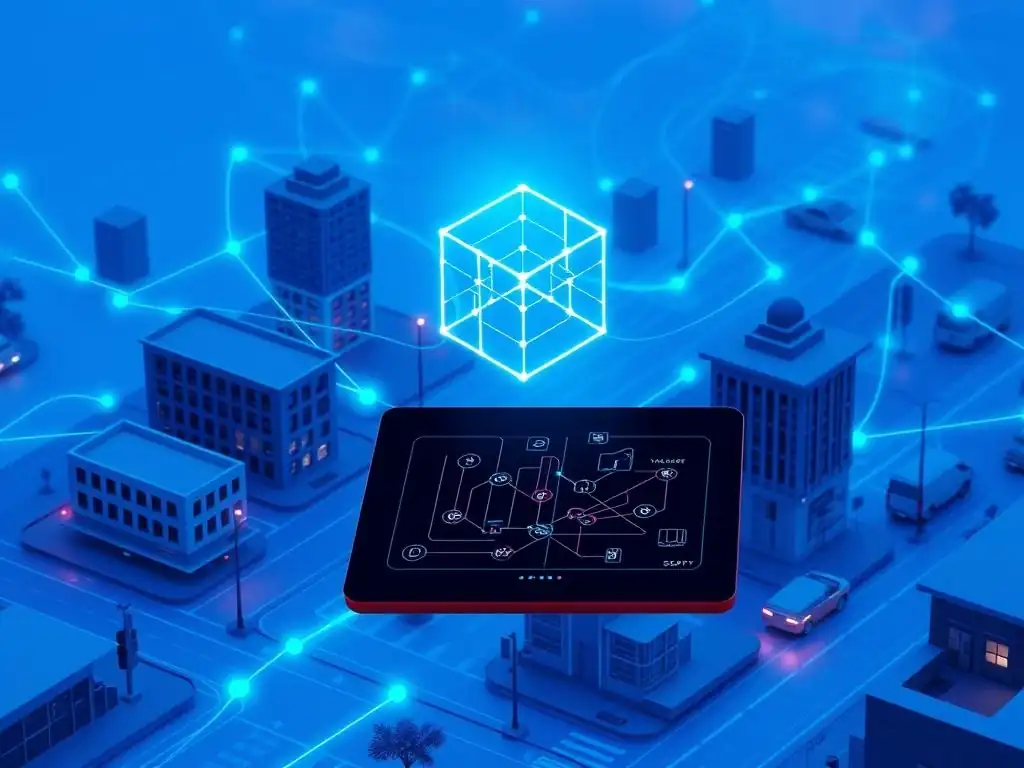
Supply Chain Management: Tracking and Tracing Pharmaceuticals
In the pharmaceutical industry, ensuring the integrity and authenticity of drugs throughout the supply chain is paramount. Counterfeit drugs pose a serious threat to public health, and inefficiencies in tracking can lead to delays and increased costs. Integrating blockchain and IoT offers a robust solution. IoT sensors, attached to pharmaceutical shipments, can monitor temperature, humidity, and location in real-time.
This data is then recorded on a blockchain, creating an immutable and transparent record of the drug's journey. Companies like Chronicled are utilizing this technology to build pharmaceutical supply chain solutions, enhancing traceability and combating counterfeiting. This real-world application showcases the practical blockchain IoT integration benefits in a critical industry.
Healthcare: Securing Patient Data and Remote Monitoring Devices
The healthcare sector handles highly sensitive patient data and relies increasingly on remote monitoring devices. Security and data privacy are therefore of utmost importance. Blockchain and IoT integration can enhance both.
IoT devices, such as wearable health trackers and remote patient monitoring systems, can securely transmit data to a blockchain platform, ensuring data integrity and patient privacy. Patient records can be stored on a blockchain, giving patients greater control over their data and improving data security compared to traditional centralized systems. Companies like MedRec are exploring blockchain-based solutions for managing patient data and streamlining healthcare processes, demonstrating the advantages of blockchain IoT synergy in improving healthcare delivery.
Smart Cities: Enhancing Traffic Management and Public Safety
Smart cities leverage IoT technology to improve urban living, but managing the vast amounts of data generated by city-wide IoT deployments requires robust and secure infrastructure. Blockchain and IoT integration can play a key role. IoT sensors monitoring traffic flow, parking availability, and public transportation can feed data into a blockchain platform to optimize traffic management systems, reduce congestion, and improve public safety.
For example, smart traffic lights can adjust dynamically based on real-time traffic data recorded on a blockchain, improving traffic flow and reducing commute times. Furthermore, blockchain can enhance the security of public safety systems, such as surveillance cameras and emergency response networks, making smart cities safer and more efficient. This highlights the value of blockchain and IoT integration in creating more livable and sustainable urban environments.
Agriculture: Optimizing Irrigation and Crop Yields
Agriculture is undergoing a technological transformation with the adoption of precision farming techniques. IoT sensors deployed in fields can collect data on soil moisture, temperature, humidity, and nutrient levels. Integrating this data with blockchain can optimize irrigation, fertilization, and pest control, leading to increased crop yields and reduced resource consumption.
For instance, blockchain-based smart contracts can automate payments to suppliers based on verified data from IoT sensors regarding crop yields and quality. Companies like AgriDigital are using blockchain to improve agricultural supply chains and enhance traceability of food products, demonstrating the benefits of blockchain and IoT integration in modernizing agriculture.
Energy Sector: Managing Smart Grids and Renewable Energy Sources
The energy sector is transitioning towards smart grids and renewable energy sources, requiring advanced technologies for efficient management and distribution. Blockchain and IoT integration can play a crucial role in this transition. Smart meters equipped with IoT capabilities can collect real-time data on energy consumption and production, and this data can be recorded on a blockchain to enhance transparency and efficiency in energy distribution.
Blockchain can also facilitate peer-to-peer energy trading and streamline the integration of renewable energy sources into the grid. For example, blockchain-based platforms can enable homeowners with solar panels to sell excess energy directly to their neighbors, fostering a more decentralized and efficient energy ecosystem. This use case showcases the practical blockchain IoT integration benefits in driving the evolution of the energy sector.
Overcoming Challenges in Blockchain and IoT Implementation
Scalability Issues with Blockchain in IoT Networks
While blockchain offers numerous benefits for IoT, scalability remains a significant challenge. Traditional blockchain networks, especially proof-of-work based blockchains, can struggle to handle the massive data throughput and transaction volume generated by large-scale IoT deployments. For example, a city-wide smart sensor network could generate millions of data points per second, potentially overwhelming the transaction processing capacity of some blockchains. Research and development are ongoing to address blockchain scalability issues, exploring solutions like sharding, sidechains, and layer-2 protocols to enable blockchain to handle the demands of large IoT networks.
Interoperability Challenges between Different IoT Devices and Blockchains
The IoT landscape is characterized by a diverse range of devices, protocols, and platforms. Similarly, there are various blockchain platforms, each with its own architecture and standards. Interoperability between different IoT devices and blockchain platforms is a significant hurdle to overcome for seamless integration. Ensuring that different IoT devices can communicate effectively with each other and that IoT data can be seamlessly integrated with different blockchain platforms requires standardization efforts and the development of interoperability solutions. Organizations like the InterWork Alliance are working on developing frameworks and standards to address interoperability challenges in blockchain and IoT ecosystems.
Security Vulnerabilities in IoT Devices
While blockchain enhances the security of IoT networks, IoT devices themselves can still be vulnerable to security breaches. Many IoT devices are resource-constrained and may lack robust security features, making them potential targets for hackers. Compromised IoT devices can be exploited to launch attacks on the blockchain network or to manipulate IoT data before it is recorded on the blockchain. Addressing security vulnerabilities at the IoT device level, through secure device design, firmware updates, and robust authentication mechanisms, is crucial for ensuring the overall security of blockchain and IoT integrated systems.
Regulatory Hurdles and Compliance Requirements
The regulatory landscape for blockchain and IoT technologies is still evolving, and navigating regulatory hurdles and compliance requirements can be complex. Data privacy regulations, such as GDPR and CCPA, impose strict requirements on the collection, storage, and use of personal data, which are relevant to many IoT applications. Industry-specific regulations, such as those in healthcare and finance, also need to be considered when implementing blockchain and IoT solutions. Businesses need to carefully assess the regulatory landscape and ensure compliance with applicable regulations to avoid legal and reputational risks.
The Future of Blockchain and IoT: Trends and Predictions
The Rise of Decentralized IoT Platforms
The future of IoT is likely to be increasingly decentralized, moving away from centralized cloud-based architectures towards more distributed and edge-centric models. Blockchain is a key enabler of decentralized IoT platforms. Decentralized IoT platforms leverage blockchain to provide secure device identity management, peer-to-peer communication, and distributed data storage, reducing reliance on central authorities and enhancing resilience and security. Projects like IOTA and Helium are pioneering decentralized IoT networks, showcasing the potential of this trend.
Integration with Artificial Intelligence (AI) and Machine Learning (ML)
The synergy between blockchain, IoT, and AI/ML is poised to unlock even greater innovation. IoT devices generate vast amounts of data, which can be analyzed by AI/ML algorithms to derive valuable insights and automate decision-making. Blockchain provides a secure and trustworthy platform for managing and sharing this data, ensuring data integrity and provenance for AI/ML models. The integration of these technologies can lead to more intelligent and autonomous systems, capable of self-optimization and proactive problem-solving.
Edge Computing and Blockchain-Enabled IoT Solutions
Edge computing, which involves processing data closer to the source of data generation, is becoming increasingly important in IoT applications. Edge computing reduces latency, bandwidth requirements, and improves data privacy. Combining edge computing with blockchain can create powerful and efficient IoT solutions. Blockchain can be used to secure edge devices, manage edge data, and enable decentralized edge computing platforms. This combination is particularly relevant for applications requiring real-time processing and low latency, such as autonomous vehicles and industrial automation.
Increased Adoption Across Industries
The adoption of blockchain and IoT integration is expected to accelerate across various industries in the coming years. As the benefits of enhanced security, transparency, efficiency, and data-driven insights become more apparent, businesses are increasingly exploring and implementing blockchain and IoT solutions. Industries such as supply chain management, healthcare, agriculture, energy, and manufacturing are expected to be at the forefront of this adoption wave, driving significant growth in the blockchain and IoT markets.
Conclusion: Harnessing the Power of Blockchain and IoT
The Transformative Potential of Integrated Technologies
The integration of blockchain and IoT represents a powerful convergence of technologies with transformative potential across industries. By combining the strengths of blockchain's security, transparency, and immutability with IoT's pervasive connectivity and data generation capabilities, organizations can create solutions that are more secure, efficient, and innovative. From streamlining supply chains and enhancing healthcare data security to building smarter cities and optimizing agriculture, the blockchain IoT integration benefits are vast and impactful.
The Importance of Collaboration and Innovation
Realizing the full potential of blockchain and IoT integration requires collaboration and continued innovation. Collaboration among technology providers, industry stakeholders, and regulatory bodies is essential to address challenges, develop standards, and foster widespread adoption. Continued innovation in blockchain and IoT technologies, particularly in areas like scalability, interoperability, and security, is crucial for unlocking new applications and maximizing the benefits of this powerful synergy.
Further Resources: Exploring Blockchain and IoT Consortiums
For those seeking to delve deeper into the world of blockchain and IoT, exploring industry consortiums and initiatives can provide valuable resources and insights. Organizations like the Trusted IoT Alliance and the Blockchain in Transport Alliance (BiTA) are actively promoting the adoption of blockchain and IoT technologies and fostering collaboration within their respective sectors. These consortiums offer valuable resources, including white papers, case studies, and industry events, for those looking to understand and leverage the transformative power of blockchain and IoT integration.
Frequently Asked Questions
What are the main Blockchain IoT integration benefits discussed in the article "Driving Innovation: The Forces Behind the Growth of Blockchain & IoT Adoption"?
The article highlights improved data security and transparency as key benefits. It also emphasizes enhanced automation and supply chain efficiency thanks to the integration.
How does blockchain enhance the security of IoT devices, according to the "Blockchain Trends" article?
Blockchain provides a decentralized and immutable ledger, making it difficult for hackers to tamper with device data or control IoT networks. This ensures data integrity and enhances device trust.
Beyond security, what other enterprise applications benefit from Blockchain IoT integration, as mentioned in the article?
The article points to improvements in supply chain management, enabling traceability and transparency across the entire process. Asset tracking and predictive maintenance also see significant gains.
What regulatory challenges are hindering the widespread adoption of Blockchain IoT integration, according to "Blockchain Trends"?
Lack of clear regulatory frameworks around data privacy and security are a major concern. Interoperability standards and data governance policies are also needed.
What is the future outlook for decentralized systems combining blockchain and IoT, as envisioned by the article?
The article foresees a future where autonomous systems powered by blockchain and IoT become increasingly prevalent. This includes advancements in smart cities, industrial automation, and edge computing.
Final Reflection: Embracing the Symbiotic Future of Blockchain and IoT
The exploration of Blockchain and IoT integration benefits reveals more than just technological advancements; it underscores a fundamental shift in how we perceive data security, transparency, and efficiency. The convergence of these technologies is no longer a futuristic concept, but a present-day reality reshaping industries and redefining trust in a connected world. From supply chain management to smart cities, the potential for transformative change is undeniable, demanding a proactive approach to understanding and implementing these powerful tools.
The profound impact of Blockchain and IoT extends beyond mere technological upgrades; it's influencing the very fabric of our digital society. Witnessing the evolution of this integration has been a reminder of the power of innovation to solve complex problems and create a more secure and equitable future. The future of IoT is not just about connecting devices; it's about connecting them securely and transparently, and that's where blockchain comes in.
This sentiment encapsulates the core promise of this synergy: a future where data integrity and user empowerment are paramount.
As we stand at the cusp of this technological revolution, let us not be passive observers. Consider how the principles of transparency, security, and efficiency, championed by Blockchain and IoT, can be applied to your own endeavors. Embrace the potential of this integration to drive innovation, foster trust, and build a more connected and secure world for all. The future is not something that happens to us; it's something we create, one block and one connected device at a time.
Unleash the Potential: Your Next Steps in Blockchain & IoT
Thank you for exploring the driving forces behind Blockchain and IoT innovation. We hope you've gained valuable insights into how these technologies are transforming industries and creating new opportunities. Now, it’s time to take action and become part of the revolution!
Here’s how you can continue your journey:
- Dive Deep: Start a hands-on project using blockchain and IoT technologies. Begin with small experiments on open-source platforms to see their capabilities firsthand.
- Expand Your Network: Share this article with colleagues or friends who could benefit from understanding how blockchain and IoT are converging. Let’s grow the community!
- Uncover Hidden Opportunities: Investigate government grants and accelerator programs in your region focused on blockchain and IoT. You might discover valuable resources you hadn't considered.
What blockchain and IoT projects are you most excited to pursue, and what challenges do you foresee? Share your thoughts in the comments below!
Leave a Reply