
Building Trust in Complex Supply Chains: The Irreplaceable Role of Blockchain

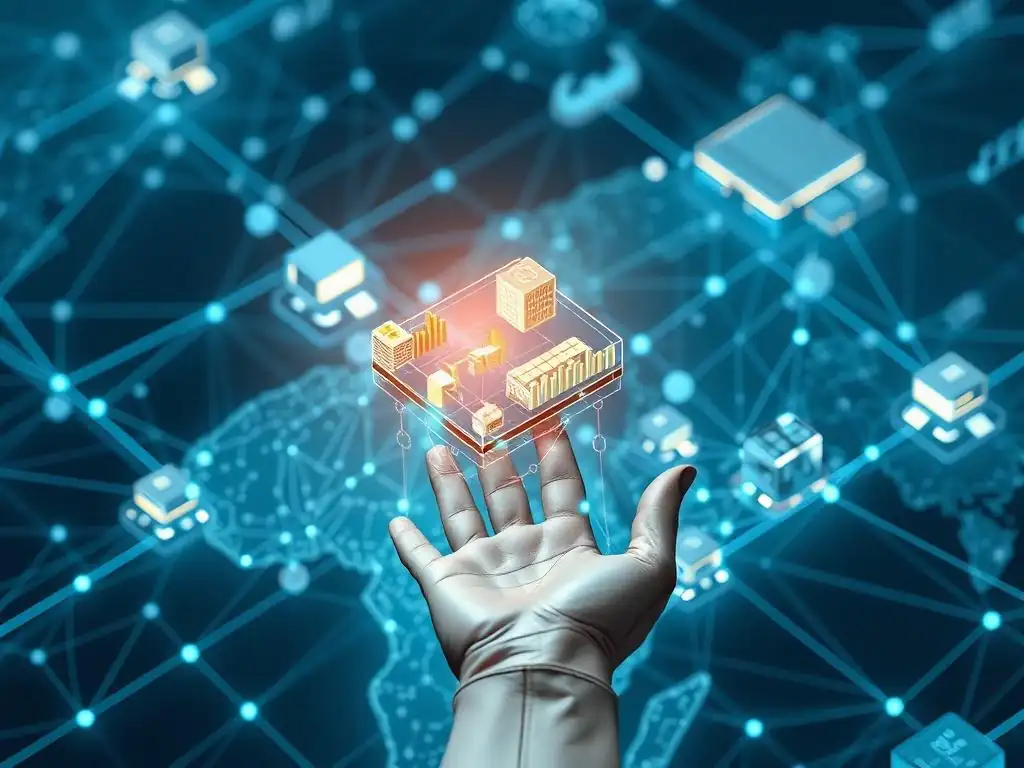
Welcome to Blockchain Trends, your compass in the rapidly evolving world of decentralized technologies.
Are you ready to unlock the secrets to building unshakeable confidence in your supply chain? This month, we delve deep into the irreplaceable role of blockchain and explore the myriad blockchain supply chain trust benefits it unlocks. Prepare to discover how this revolutionary technology is not just about cryptocurrencies, but a game-changer for transparency, efficiency, and security in complex global networks. Dive in and discover how blockchain is transforming supply chain management, and what it means for the future of your business.
Building Trust in Complex Supply Chains: The Irreplaceable Role of Blockchain
- Introduction: The Growing Need for Supply Chain Transparency and Trust
- Understanding Blockchain's Role in Establishing Supply Chain Trust
- Blockchain Supply Chain Trust Benefits: Enhancing Visibility and Accountability
- Use Cases: Real-World Applications of Blockchain in Supply Chain
- Implementing Blockchain for Supply Chain: Overcoming the Challenges
- The Future of Blockchain in Supply Chain: Beyond Tracking and Tracing
- Measuring the ROI of Blockchain Implementation in Supply Chains
- Conclusion: Blockchain as the Foundation for Trustworthy Supply Chains
-
Frequently Asked Questions
- How can blockchain technology improve trust in supply chains?
- What are some practical examples of blockchain being used in supply chain management?
- What are the key challenges to implementing blockchain in supply chains?
- How does blockchain address the issue of counterfeit goods in supply chains?
- What is the role of regulation in the future of blockchain-based supply chains?
- Final Reflection: Embracing Transparency for a Trustworthy Future
- Unlock the Power of Transparent Supply Chains!
Introduction: The Growing Need for Supply Chain Transparency and Trust
The Challenges of Traditional Supply Chains: Opacity and Inefficiency
Traditional supply chains are often characterized by their complexity and lack of integrated visibility across multiple participants. Information silos are common, where data related to product origin, handling, and movement is held by individual parties (manufacturers, distributors, logistics providers, retailers) without seamless sharing. This opacity makes it incredibly difficult to track goods accurately in real-time, verify their authenticity, or pinpoint where issues like delays, damage, or fraud occur. The result is a system prone to inefficiencies, disputes, and a significant lack of trust among stakeholders who cannot independently verify the information provided by others.
Furthermore, the reliance on paper-based records or disparate digital systems introduces significant inefficiencies. Manual data entry is prone to errors, and reconciling discrepancies across different systems is time-consuming and costly. This lack of a single, shared, and reliable source of truth hinders effective collaboration, increases administrative overhead, and makes it challenging to respond quickly to disruptions or quality concerns. The inherent limitations of these legacy systems necessitate a fundamental shift towards more transparent and trustworthy frameworks.
How Blockchain Technology Addresses Supply Chain Vulnerabilities
Blockchain technology offers a decentralized and immutable ledger that can fundamentally transform how information flows within a supply chain. By creating a shared, tamper-evident record of transactions and events, blockchain eliminates information silos and provides a single source of truth accessible to all authorized participants. Each step in a product's journey – from raw material sourcing to final delivery – can be recorded as a block, linked chronologically, and cryptographically secured, making it nearly impossible to alter past records without detection.
This inherent transparency and security directly address the vulnerabilities of traditional systems. Stakeholders can verify the provenance and handling of goods, reducing the risk of counterfeiting and ensuring compliance with standards. Disputes can be resolved faster by referencing the shared ledger. For example, a major shipping company has reported reducing dispute resolution time from weeks to hours using blockchain for cargo tracking. This enhanced visibility and the cryptographic integrity of the data build a foundation of trust that was previously unattainable in complex, multi-party supply networks.
Understanding Blockchain's Role in Establishing Supply Chain Trust
Blockchain for Supply Chain Management: A Decentralized Solution
Blockchain for supply chain management leverages distributed ledger technology to create a network where multiple participants can record and verify transactions without needing a central authority. Unlike traditional centralized databases, which are controlled by one entity and vulnerable to single points of failure or manipulation, a blockchain network distributes copies of the ledger across many nodes. This decentralized architecture ensures resilience and prevents any single party from unilaterally changing historical data, fostering an environment of shared trust and accountability among network members.
Implementing blockchain in supply chains means that instead of relying on individual databases that don't easily talk to each other, participants agree on a common protocol to record events. This could include logging when goods are shipped, received, inspected, or transferred ownership. The consensus mechanisms within the blockchain ensure that all valid transactions are agreed upon by the network before being added to the ledger, further reinforcing the integrity and trustworthiness of the data. This shared, verifiable history of goods and transactions is a cornerstone of building trust in supply chain operations.
Key Features of Blockchain that Foster Trust: Immutability, Transparency, and Security
The core features of blockchain technology are precisely what make it invaluable for establishing trust in supply chains. Immutability means that once data is recorded on the blockchain, it cannot be altered or deleted. This ensures that the history of a product or transaction is permanent and tamper-evident, eliminating the possibility of fraudulent changes to records like origin, quality certifications, or handling conditions. If a record needs correction, a new transaction is added, linking back to the original, providing a full audit trail.
Transparency is another critical feature. While not all blockchains are public, enterprise blockchains for supply chains often operate on a permissioned basis, allowing authorized participants to view relevant transactions on the ledger.
This shared visibility means that all parties involved can see the same information regarding a product's journey, fostering accountability and reducing information asymmetries that can lead to distrust. Combined with security provided by advanced cryptography, which protects individual transactions and the overall chain from unauthorized access or manipulation, these features create a robust framework where trust is built into the system itself, rather than relying solely on trust between individual parties.
Blockchain Supply Chain Trust Benefits: Enhancing Visibility and Accountability
Increased Transparency: Tracking Products from Origin to Consumer
One of the most significant Blockchain supply chain trust benefits is the dramatic increase in transparency. By recording each step of a product's journey on an immutable ledger, companies can create a detailed, verifiable history from the source of raw materials all the way to the end consumer.
This "farm-to-fork" or "mine-to-market" visibility allows stakeholders, including regulators and consumers (depending on access permissions), to trace the provenance of goods with unprecedented accuracy. For example, a food company using blockchain can allow consumers to scan a QR code on packaging to see where ingredients were sourced, processing locations, and even temperature logs during transit.
This level of transparency helps build consumer confidence and enables businesses to quickly verify claims about sustainability, ethical sourcing, or organic status. It also empowers companies to gain deeper insights into their own operations and those of their partners. According to some industry reports, enhanced traceability facilitated by blockchain can reduce the time taken to identify the source of contaminated food products from several days or weeks down to just hours or even minutes, significantly mitigating potential damage and health risks.
Improved Accountability: Identifying and Addressing Supply Chain Issues Quickly
Enhanced accountability is a direct result of the transparency and immutability offered by blockchain. When every transaction and event is recorded on a shared, tamper-evident ledger, it becomes much easier to identify exactly where and when a problem occurred. If a shipment is delayed, damaged, or contains incorrect items, the blockchain record provides a clear audit trail showing custody transfers, inspection logs, and timestamps. This eliminates finger-pointing among supply chain partners and quickly identifies the responsible party.
This improved accountability is crucial for resolving disputes efficiently and taking corrective action promptly. Instead of lengthy investigations involving multiple disparate records, teams can consult the single, agreed-upon blockchain ledger. This speeds up processes like insurance claims or returns management. For instance, a logistics firm might use blockchain to record every handover of goods; if damage is discovered upon receipt, the ledger clearly shows which party had custody at the time, simplifying claim processing and potentially reducing associated costs by an estimated 10-15% in some use cases.
Enhanced Security: Protecting Against Counterfeiting and Fraud
Counterfeiting and fraud represent significant threats to supply chain integrity and erode consumer trust, costing industries billions annually (estimates range from $1.2 trillion to $1.8 trillion globally across various sectors). Blockchain's cryptographic security and immutable nature provide a powerful defense against these issues. By assigning unique digital identities to products and recording their ownership and movement on the ledger, companies can create a verifiable chain of custody that is extremely difficult to replicate or falsify.
Integrating physical security measures like tamper-evident seals or IoT sensors that record data directly to the blockchain further enhances this protection. For example, a luxury goods company can use blockchain to track each item's journey, ensuring authenticity upon resale. Pharmaceuticals can be tracked to ensure they haven't been replaced with fakes. This verifiable history assures consumers and businesses that they are receiving genuine products, directly contributing to the Blockchain supply chain trust benefits by building confidence in the goods themselves and the network that delivers them.
Use Cases: Real-World Applications of Blockchain in Supply Chain
Tracking Seafood Origins: Ensuring Sustainability and Combating Illegal Fishing
The seafood industry faces significant challenges with traceability, sustainability, and combating illegal, unreported, and unregulated (IUU) fishing, estimated to cost the global economy tens of billions of dollars annually. Companies are increasingly turning to blockchain to provide verifiable proof of origin and ethical sourcing. Initiatives like the one used by Bumble Bee Foods, leveraging SAP's blockchain service, allow consumers to scan a QR code on certain tuna products to trace the fish back to the specific vessel and catch area, providing details about its journey and ensuring compliance with sustainability standards.
This application directly addresses consumer demand for transparency regarding food sources and helps companies demonstrate their commitment to responsible practices. By recording data points such as catch location, vessel ID, processing facility, and shipment details on an immutable ledger, the blockchain creates a transparent history that can be audited by regulators, NGOs, and consumers. This not only builds trust with the end consumer but also helps combat fraud within the supply chain itself.
Verifying Pharmaceutical Products: Combating Counterfeit Drugs
The global trade in counterfeit pharmaceuticals is a grave threat to public health and a major challenge for the industry, estimated to account for up to 10% of the global drug market. Regulations like the Drug Supply Chain Security Act (DSCSA) in the United States mandate enhanced traceability to combat this problem. Blockchain technology is being explored and implemented as a robust solution to meet these requirements by creating a secure, interoperable system for tracking prescription drugs at the serializable unit level.
By recording the unique identifier of each drug package and its movement through the supply chain – from manufacturer to distributor, pharmacy, and potentially patient – on a blockchain, stakeholders can verify the legitimacy of the product at any point. This immutable record makes it extremely difficult for counterfeit drugs to enter the legitimate supply chain undetected. Piloted programs have demonstrated the feasibility of using blockchain to provide this level of traceability, enhancing patient safety and building trust in the integrity of the pharmaceutical supply chain.
Managing Diamond Provenance: Ensuring Ethical Sourcing and Preventing Conflict Diamonds
The diamond industry has long grappled with issues of provenance, ethical sourcing, and the prevention of conflict diamonds. Tracing a diamond's journey from mine to market through various cutting, polishing, and trading stages has traditionally been complex and opaque. Blockchain technology offers a way to create a transparent and immutable record of a diamond's origin and custody.
Platforms like Everledger use blockchain to create a unique digital identity for each diamond, recording its characteristics (carat, cut, color, clarity) and tracking it through the value chain. This ledger includes information about its mine of origin, cutting and polishing locations, certifications (like Kimberley Process), and ownership transfers. This verifiable history assures jewelers and consumers that the diamond is ethically sourced and conflict-free, adding a layer of trust and authenticity that handwritten certificates or disparate databases cannot provide. This also protects the value of the diamond and the reputation of the industry.
Implementing Blockchain for Supply Chain: Overcoming the Challenges
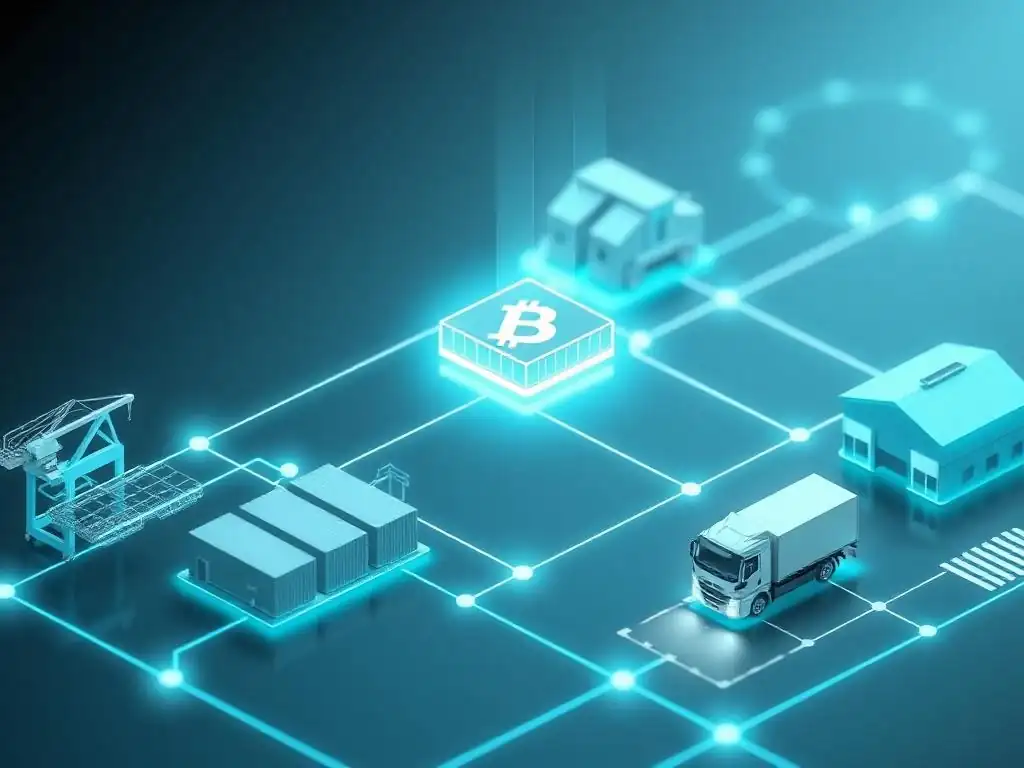
Data Integration: Connecting Blockchain with Existing Systems
One of the primary challenges in implementing blockchain for supply chain management is integrating the new distributed ledger technology with existing legacy systems. Most companies already have established enterprise resource planning (ERP), warehouse management systems (WMS), and transportation management systems (TMS). Getting these disparate systems to seamlessly feed accurate, real-time data onto the blockchain requires significant technical effort and careful planning. Data mapping, API development, and ensuring data quality are critical steps.
Furthermore, deciding which data points should be recorded on the blockchain versus kept off-chain is a key consideration. Sensitive commercial data might need to be handled privately, while only verifiable transaction hashes or summarized data are recorded on the public or permissioned ledger. Successful implementation requires careful design of the blockchain architecture and robust integration layers to ensure data flows correctly and efficiently between the old and new systems, avoiding disruption to ongoing operations.
Scalability: Ensuring the Blockchain Can Handle Large Volumes of Data
Supply chains, especially global ones, generate vast amounts of transaction data daily. Ensuring that a blockchain network can handle this volume and maintain performance (transaction speed and throughput) is a significant technical challenge. Early blockchain platforms, designed primarily for cryptocurrencies, often faced limitations in processing high volumes of transactions quickly and cost-effectively.
Enterprise-grade blockchain platforms are addressing these scalability issues through various architectural improvements, such as using permissioned networks with fewer validation nodes, employing different consensus mechanisms, and exploring off-chain transaction processing solutions with on-chain verification. For example, some platforms can now handle thousands of transactions per second, a necessary capability for large-scale supply chain deployments. However, organizations must carefully assess the scalability requirements of their specific supply chain before selecting a platform and designing the solution.
The regulatory landscape surrounding blockchain technology is still evolving globally, presenting a challenge for widespread adoption in supply chains. Issues related to data privacy (e.g., GDPR in Europe), data ownership, cross-border data transfer, and the legal standing of smart contracts need careful consideration. Different jurisdictions may have varying requirements regarding how supply chain data is stored, accessed, and managed.
Companies implementing blockchain must navigate these legal complexities to ensure their solution complies with all relevant regulations in the regions where they operate. This might involve designing the system to be permissioned, controlling access to sensitive data, or ensuring auditability meets regulatory standards. Collaboration with legal experts and regulatory bodies is crucial to building blockchain solutions that are not only technically sound but also legally compliant, paving the way for greater trust and acceptance.
The Future of Blockchain in Supply Chain: Beyond Tracking and Tracing
Smart Contracts: Automating Supply Chain Processes
While tracking and tracing are foundational Blockchain supply chain trust benefits, the future involves leveraging blockchain's capabilities for automation through smart contracts. Smart contracts are self-executing contracts with the terms of the agreement directly written into code. These contracts reside on the blockchain and automatically execute actions when predefined conditions are met, without the need for intermediaries.
In a supply chain context, smart contracts can automate processes like payments upon verified delivery, triggering insurance claims based on sensor data indicating damage, or releasing goods from customs once documentation is verified on the ledger. For instance, a smart contract could automatically initiate payment to a supplier as soon as the blockchain confirms that goods have arrived at a destination warehouse and been inspected. This automation reduces administrative overhead, speeds up transactions, minimizes errors, and builds trust by ensuring that agreements are executed predictably and transparently based on verifiable data.
IoT Integration: Connecting Physical Assets to the Blockchain
Integrating Internet of Things (IoT) devices with blockchain is poised to unlock new levels of transparency and trust in supply chains. IoT sensors attached to goods, containers, or vehicles can collect real-time data on conditions like temperature, humidity, location, and shock. By feeding this data directly onto the blockchain, an immutable and verifiable record of a product's environment and handling during transit is created.
This combination is particularly valuable for transporting sensitive goods like pharmaceuticals, food, or high-value electronics. If a temperature-sensitive shipment deviates from its required range, the IoT sensor records this event, and the data is logged on the blockchain, potentially triggering a smart contract action like an alert or an automated insurance claim. This direct, untampered link between the physical world and the digital ledger enhances the integrity of the supply chain data, providing verifiable proof of conditions and building greater trust in the quality and safety of delivered goods.
The Role of AI: Enhancing Supply Chain Optimization and Decision-Making
Artificial Intelligence (AI) can significantly enhance blockchain-powered supply chains by analyzing the vast amounts of transparent and reliable data captured on the ledger. AI algorithms can identify patterns, predict potential disruptions, optimize routes, manage inventory more effectively, and detect anomalies indicative of fraud or inefficiency.
By analyzing immutable historical data from the blockchain – covering everything from supplier performance to transit times and quality issues – AI can provide valuable insights for optimizing operations and making more informed decisions. For example, AI could analyze blockchain records combined with external data (like weather or traffic) to predict potential delivery delays with greater accuracy. This integration of AI with blockchain's trustworthy data foundation creates a powerful synergy, moving beyond simple tracking to predictive and prescriptive supply chain management, further solidifying the Blockchain supply chain trust benefits by enabling more resilient and efficient operations.
Measuring the ROI of Blockchain Implementation in Supply Chains
Key Performance Indicators (KPIs) for Supply Chain Trust and Efficiency
Measuring the return on investment (ROI) of blockchain implementation in supply chains requires tracking specific Key Performance Indicators (KPIs) that reflect improvements in trust, transparency, and efficiency. Relevant KPIs might include:
- Reduction in dispute resolution time: Measuring how quickly disagreements between parties are resolved using the blockchain ledger as the single source of truth.
- Decrease in losses due to counterfeiting or fraud: Quantifying the financial impact of preventing fake goods or fraudulent transactions.
- Improvement in on-time delivery rates: Tracking if enhanced visibility and accountability lead to more reliable logistics.
- Reduction in administrative costs: Measuring savings from automating processes or reducing manual data entry and reconciliation.
- Increase in traceability speed and accuracy: Assessing how quickly and reliably the origin and journey of a product can be verified.
- Improvement in audit preparation time: Measuring how much faster compliance audits can be completed using blockchain records.
- Increase in customer satisfaction: Surveying customers on their confidence in product authenticity and supply chain transparency.
Tracking these and other relevant metrics before and after blockchain implementation provides concrete data points to evaluate the effectiveness of the solution and quantify the Blockchain supply chain trust benefits.
Quantifying the Benefits: Cost Savings, Reduced Fraud, and Improved Customer Satisfaction
Quantifying the benefits of blockchain in supply chains involves translating the improvements measured by KPIs into tangible financial and operational gains. Cost savings can be realized through reduced administrative overhead (estimated savings can range from 5% to 20% in specific processes), lower costs associated with dispute resolution (potentially saving millions annually for large organizations), and reduced losses from spoilage or damage due to better monitoring.
The financial impact of reduced fraud and counterfeiting can be substantial, protecting revenue and brand reputation. For example, industries vulnerable to fakes could see a significant percentage drop in losses directly attributable to enhanced blockchain security. Beyond direct costs, improved customer satisfaction resulting from increased trust in product authenticity and ethical sourcing can lead to increased sales, brand loyalty, and a stronger market position. While precise figures vary greatly by industry and implementation scope, studies and pilot programs consistently point towards measurable ROI derived from the enhanced transparency, security, and efficiency that blockchain brings to complex supply networks.
Conclusion: Blockchain as the Foundation for Trustworthy Supply Chains
The Irreplaceable Role of Blockchain in Building Resilient and Transparent Supply Chains
In an increasingly complex and interconnected global economy, the need for trustworthy and transparent supply chains is paramount. Traditional systems, burdened by opacity, inefficiency, and vulnerability to fraud, are no longer sufficient to meet the demands of businesses, regulators, and consumers. Blockchain technology offers a fundamental paradigm shift, providing the core features necessary to build supply networks that are inherently more reliable, secure, and visible. Its immutable ledger, decentralized nature, and cryptographic security create a foundation of trust that does not rely on the integrity of any single party but is instead baked into the system itself.
From verifying the ethical sourcing of raw materials to ensuring the authenticity of finished goods and automating processes with smart contracts, blockchain addresses critical pain points across the entire supply chain lifecycle. It empowers stakeholders with shared, verifiable information, enabling faster decision-making, quicker problem resolution, and greater accountability. While implementation challenges exist, the unique capabilities of blockchain make it an irreplaceable tool for creating the resilient, transparent, and trustworthy supply chains required for the future.
Future Trends: Interoperability and Standardization of Blockchain Platforms
Looking ahead, the future of blockchain in supply chains will be shaped by advancements in interoperability and standardization. Currently, different blockchain platforms and networks may not easily communicate with each other, creating potential silos. The ability for different blockchains to exchange data and interact seamlessly will be crucial for building truly interconnected global supply chain ecosystems. Initiatives focused on developing standards and protocols for cross-chain communication are gaining momentum.
Furthermore, greater standardization of data formats, transaction types, and governance models across various blockchain supply chain implementations will accelerate adoption and reduce complexity. As industries collaborate on establishing common frameworks, integrating blockchain will become easier and more cost-effective. These trends, combined with continued innovation in areas like scalability, privacy-preserving technologies, and integration with AI and IoT, will further solidify blockchain's role as the foundational technology for building the next generation of highly trusted and efficient supply chains.
Frequently Asked Questions
How can blockchain technology improve trust in supply chains?
Blockchain offers transparency and immutability, creating a shared, auditable record of transactions. This helps build trust by making it difficult to tamper with data and ensuring all parties have access to the same information. Ultimately this creates Blockchain supply chain trust benefits.
What are some practical examples of blockchain being used in supply chain management?
Examples include tracking the origin of goods, verifying the authenticity of products, and streamlining payment processes. These applications improve traceability and reduce the risk of fraud in complex supply chains.
What are the key challenges to implementing blockchain in supply chains?
Challenges include integration with existing systems, scalability limitations, and the need for industry-wide collaboration. Reaching a consensus on data standards and governance is also crucial.
How does blockchain address the issue of counterfeit goods in supply chains?
Blockchain's immutable record helps verify the authenticity of products at each stage of the supply chain. This allows consumers and businesses to easily trace the origin of goods and identify potential counterfeits.
What is the role of regulation in the future of blockchain-based supply chains?
Clear and consistent regulations are needed to foster trust and encourage wider adoption of blockchain. Regulations should address issues such as data privacy, liability, and the legal status of smart contracts.
Final Reflection: Embracing Transparency for a Trustworthy Future
The intricate web of global supply chains, often shrouded in opacity, demands a new paradigm of trust. Blockchain technology, with its inherent transparency and immutability, offers a powerful solution to forge stronger, more reliable connections between producers, distributors, and consumers. The benefits, as explored throughout this article, extend beyond mere efficiency; they fundamentally reshape how we perceive and interact with the products that shape our lives.
The journey towards building trust in supply chains is not merely a technological one; it's a cultural shift. It requires a willingness to embrace transparency, to share information, and to prioritize ethical practices. This resonates deeply with the growing consumer demand for accountability and sustainability. Trust is built with consistency.
This quote perfectly encapsulates the essence of blockchain's potential to provide a consistent, verifiable record of a product's journey, fostering confidence and loyalty.
As we move forward, let us not only champion the adoption of blockchain technology but also cultivate a mindset of transparency and collaboration. Consider how you, as a consumer, a business owner, or a policymaker, can contribute to building more trustworthy and sustainable supply chains. Embrace the power of blockchain to unlock a future where trust is not a luxury, but a fundamental building block of our global economy.
Unlock the Power of Transparent Supply Chains!
Thank you for exploring how blockchain can transform trust within supply chains. Now that you see its potential, consider how you can implement these innovations in your organization.
Ready to take the next step?
- Start by mapping your company's supply chain to identify areas where blockchain can provide immediate benefits and enhance transparency.
- Share this article with colleagues and industry peers to encourage discussions about the future of trust and accountability.
- Attend online workshops or webinars focused on selecting blockchain platforms suitable for supply chain management.
How do you plan to leverage blockchain to strengthen trust in your supply network? Share your ideas in the comments below!
Leave a Reply