
Beyond Passwords: Exploring Decentralized Identity Security Solutions


Welcome to Blockchain Trends, your guide to understanding the real-world impact of blockchain technology. In a world increasingly concerned about data security, are passwords truly enough? Dive in as we explore innovative decentralized identity security solutions, uncovering how blockchain is revolutionizing data protection and creating a more secure future. Intrigued? Discover the cutting-edge approaches that are reshaping the landscape of digital identity...
Beyond Passwords: Exploring Decentralized Identity Security Solutions
- The Password Problem: Why Traditional Identity Management is Failing
-
Frequently Asked Questions
- What are Decentralized Identity Security Solutions?
- How does blockchain technology enhance identity security in these solutions?
- What are the key benefits of using Decentralized Identity Security Solutions compared to traditional password-based systems?
- What are some potential enterprise applications of Decentralized Identity Security Solutions?
- What are the main regulatory considerations surrounding the implementation of Decentralized Identity Security Solutions?
- Final Reflection: Embracing the Future of Identity
- Unleash Your Digital Sovereignty: Secure Your Identity Today!
The Password Problem: Why Traditional Identity Management is Failing
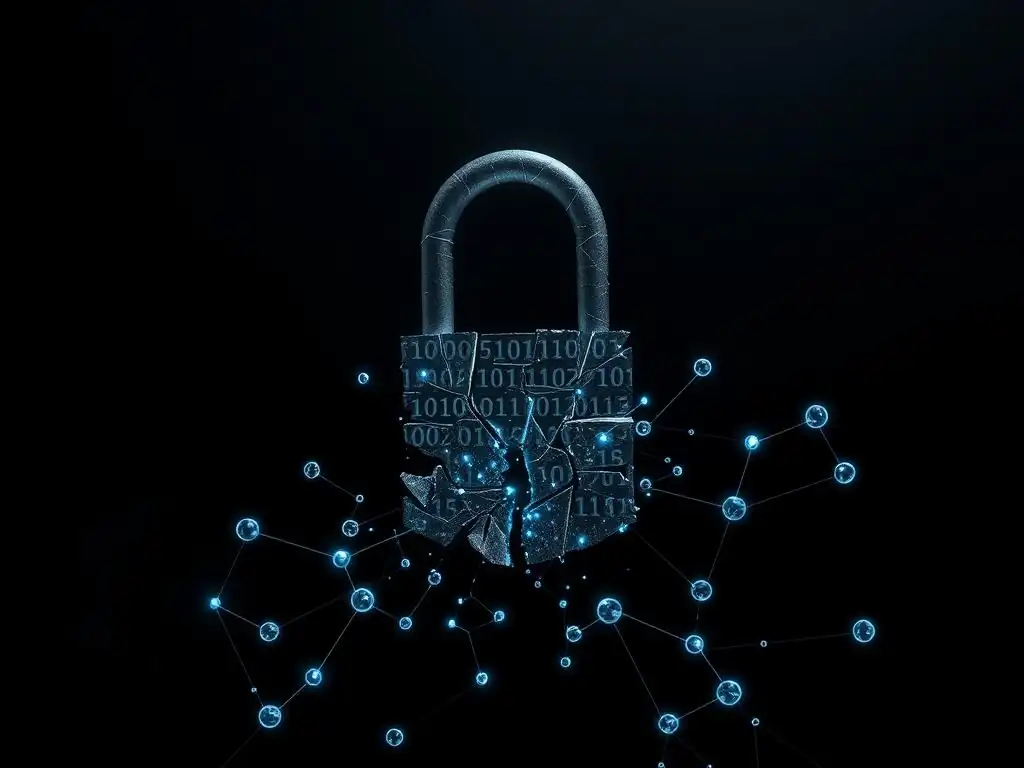
Limitations of Password-Based Authentication
Password-based authentication, the cornerstone of traditional identity management, suffers from inherent limitations that render it increasingly inadequate in today's digital landscape. The reliance on passwords creates a single point of failure. Users are often overwhelmed by the need to remember numerous complex passwords across various online services, leading to poor password hygiene. A study by Verizon's 2023 Data Breach Investigations Report found that weak or reused passwords were a factor in 49% of data breaches.
This highlights the critical weakness of passwords as a primary security mechanism. Furthermore, the human element is a significant vulnerability. Phishing attacks, social engineering, and simple forgetfulness all contribute to the ineffectiveness of password-based systems.
Another key limitation lies in the static nature of passwords. Once compromised, a password can grant unauthorized access indefinitely until it is changed, and even then, the period of vulnerability remains a significant concern. Password reset processes, while intended to be helpful, are often cumbersome and themselves vulnerable to exploitation. For instance, account recovery mechanisms based on email or SMS can be intercepted, further demonstrating the fragility of password-centric security. The sheer volume of online accounts each individual manages exacerbates these problems, making robust password management practically impossible for many users and creating a fertile ground for security breaches.
Vulnerabilities of Centralized Identity Systems
Centralized identity systems, where a single entity controls and manages user identities, present significant vulnerabilities. These systems act as honeypots for cybercriminals, as a successful breach can compromise vast amounts of sensitive user data. Large-scale data breaches at companies like Equifax (2017) and Yahoo (multiple breaches disclosed in 2016 and 2017) exemplify the catastrophic consequences of centralized identity system failures. The Equifax breach, for example, exposed the personal information of approximately 147 million individuals, including Social Security numbers and dates of birth. These incidents demonstrate the inherent risk associated with concentrating identity data in central repositories.
Moreover, centralized systems create a dependency on the central authority, making users vulnerable to service outages and potential misuse of their data. If the central identity provider experiences a system failure or is targeted by a cyberattack, users may lose access to all services that rely on that provider. Additionally, users have limited control over their data in centralized systems, often relying on the provider's policies and security practices, which may not always align with individual privacy preferences. This lack of user control and the potential for widespread data compromise are fundamental weaknesses of centralized identity management architectures.
The Rising Costs of Data Breaches and Identity Theft
The financial and reputational costs associated with data breaches and identity theft are escalating dramatically, making robust security solutions imperative. IBM's 2023 Cost of a Data Breach Report revealed that the global average cost of a data breach reached USD 4.45 million, a 15% increase over three years. These costs encompass not only direct financial losses from theft and fraud but also significant expenses related to incident response, legal fees, regulatory fines, and customer churn. For businesses, a data breach can severely damage brand reputation and erode customer trust, leading to long-term financial repercussions.
Identity theft, fueled by data breaches, also imposes substantial costs on individuals. Victims of identity theft often face significant financial losses, damage to their credit scores, and considerable time and effort to recover their identities. The Federal Trade Commission (FTC) reported over 5.7 million fraud reports in 2022, with identity theft accounting for a significant portion of these cases.
The increasing sophistication of cyberattacks and the growing reliance on digital identities necessitate a shift towards more resilient and user-centric security models. The rising costs associated with traditional identity management failures underscore the urgent need for innovative solutions like decentralized identity security solutions.
Frequently Asked Questions
What are Decentralized Identity Security Solutions?
Decentralized Identity Security Solutions are systems that allow individuals to control their digital identities without relying on centralized authorities, enhancing privacy and security through blockchain technology.
How does blockchain technology enhance identity security in these solutions?
Blockchain provides a tamper-proof ledger for storing identity data and verifying credentials. This decentralized approach eliminates single points of failure and reduces the risk of data breaches.
What are the key benefits of using Decentralized Identity Security Solutions compared to traditional password-based systems?
They offer increased user control over personal data, enhanced privacy through selective disclosure, and improved security against phishing attacks and credential theft.
What are some potential enterprise applications of Decentralized Identity Security Solutions?
Enterprises can use them for secure employee onboarding, supply chain management, and customer identity management, improving efficiency and reducing operational costs.
What are the main regulatory considerations surrounding the implementation of Decentralized Identity Security Solutions?
Regulations like GDPR and CCPA require careful consideration regarding data privacy and user consent. Compliance strategies must be implemented to ensure legal adherence.
Final Reflection: Embracing the Future of Identity
The exploration of decentralized identity security solutions reveals a critical truth: the future of online security hinges on empowering individuals with control over their own data. As centralized systems continue to face breaches and vulnerabilities, the promise of decentralized identity offers a paradigm shift, moving away from reliance on vulnerable passwords and towards verifiable, user-centric authentication. This shift is not merely a technological upgrade; it represents a fundamental change in how we interact with the digital world.
The impact of decentralized identity extends far beyond simply replacing passwords. It's about reclaiming ownership and agency in an increasingly data-driven society. This technology has the potential to reshape industries, from finance and healthcare to social media and governance. It allows for more secure and transparent transactions, reduces the risk of identity theft, and fosters greater trust in online interactions. Identity is the new perimeter of security,
a sentiment that underscores the urgent need for innovative solutions like decentralized identity to protect individuals and organizations alike.
As we stand at the cusp of this technological revolution, I invite you to consider the implications of decentralized identity in your own life. How can you leverage these emerging technologies to protect your personal data and participate in a more secure and equitable digital future? The power to shape this future lies within our collective understanding and adoption of decentralized identity security solutions. Let us embrace this opportunity to build a more trustworthy and user-centric online world, one identity at a time.
Unleash Your Digital Sovereignty: Secure Your Identity Today!
Thank you for exploring the world of decentralized identity security. We hope this article has highlighted how these solutions can transform the way we manage our digital lives. Now is the time to take control.
Here are some steps to explore this exciting field further:
- Research and try out a decentralized identity wallet that suits your security needs and online activities. This is a vital step toward truly owning your digital identity.
- Join decentralized identity communities on platforms like Discord or Reddit. Share your insights, ask questions, and learn from others who are already working with these technologies.
- Reflect on how decentralized identity could disrupt data privacy in your specific industry or personal life. What new opportunities could this create?
What innovative uses of decentralized identity do you envision for your profession or daily life? Share your ideas below!
Leave a Reply