
Securing Online Voting with Decentralized Identity Solutions


Welcome to Blockchain Trends, your guide to understanding the revolutionary power of blockchain beyond the headlines.
Ever wondered how blockchain can secure our democratic processes? This article delves into blockchain voting security solutions, exploring how decentralized identity and immutable ledgers are paving the way for more transparent, verifiable, and secure online elections. Discover the innovative approaches being developed and the challenges that lie ahead. Are blockchain-based voting systems truly the future of democracy? Let's explore.
Securing Online Voting with Decentralized Identity Solutions
- The Urgent Need for Enhanced Online Voting Security
- Understanding Decentralized Identity (DID) and its Role in Election Integrity
- Implementing Decentralized Identity Solutions for Secure Online Voting
- Comparing DID-Based Voting Systems with Traditional Methods
- Real-World Applications and Case Studies of DID-Based Voting Systems
- Addressing Challenges and Concerns Regarding Decentralized Identity Voting
- The Future of Online Voting Security: Trends and Innovations
-
Frequently Asked Questions
- How does blockchain technology enhance the security of online voting systems?
- What role does decentralized identity (DID) play in securing online voting?
- What are the key challenges in implementing blockchain voting security solutions?
- Beyond security, what other benefits can blockchain bring to online voting?
- How does the use of blockchain in voting address concerns about voter fraud and manipulation?
- Final Reflection: Embracing Trust in the Digital Ballot Box
- Unveil the Future: Secure Your Vote with Decentralized Identity!
The Urgent Need for Enhanced Online Voting Security
Vulnerabilities in Traditional Online Voting Systems
Traditional online voting systems, while offering convenience, are riddled with vulnerabilities that undermine the integrity of democratic processes. Centralized databases storing voter information are prime targets for cyberattacks. A successful breach can lead to the manipulation of voter records, denial of service attacks preventing voters from casting ballots, or even the alteration of votes themselves.
For instance, the 2016 US Presidential election highlighted concerns about the security of voter registration databases, with reports of attempted intrusions and vulnerabilities exploited to access sensitive voter information in several states. These centralized systems also present a single point of failure, meaning that a compromise at one location can cascade into widespread disruption and undermine public trust in the electoral process.
Furthermore, traditional online voting often relies on outdated authentication methods such as passwords or PINs, which are susceptible to phishing attacks, brute-force cracking, and social engineering. The lack of transparency in the vote tabulation process in many systems also raises concerns about potential manipulation. Without robust audit trails and verifiable mechanisms, it is difficult to ensure that votes are accurately counted and that the results are trustworthy.
The reliance on proprietary software in many e-voting systems also limits independent scrutiny, making it challenging to identify and address potential security flaws. This lack of transparency and reliance on potentially vulnerable systems necessitates a more secure and auditable approach to online voting.
The Promise of Blockchain Technology for Secure Elections
Blockchain technology offers a paradigm shift in securing online elections by providing transparency, immutability, and decentralization. Its inherent cryptographic security features, such as hashing and digital signatures, ensure data integrity and prevent tampering. Every vote recorded on a blockchain becomes a permanent and auditable transaction, making it exceptionally difficult to alter or delete without detection.
The decentralized nature of blockchain eliminates the single point of failure vulnerability present in centralized systems, distributing the voting ledger across multiple nodes, enhancing resilience against cyberattacks. This distributed ledger technology ensures that even if some nodes are compromised, the integrity of the overall voting record remains intact.
Moreover, blockchain can facilitate end-to-end verifiability in elections. Voters can independently verify that their vote was recorded accurately and counted correctly without revealing their individual choices. This level of transparency can significantly enhance voter confidence and trust in the electoral process.
Beyond security, blockchain can also streamline election administration by automating processes like voter registration and vote tabulation. By leveraging smart contracts, pre-programmed rules can govern the voting process, ensuring fairness and eliminating the need for manual intervention in many stages. The potential of blockchain to create more secure, transparent, and efficient elections is increasingly recognized as a critical solution to modernize democratic processes in the digital age.
Understanding Decentralized Identity (DID) and its Role in Election Integrity
What is Decentralized Identity? A Primer
Decentralized Identity (DID) is a revolutionary approach to digital identity management that puts individuals in control of their own identity data. Unlike traditional centralized identity systems where personal information is stored and managed by third parties, DIDs empower users to create and control their digital identities independently. A DID is a globally unique identifier that is cryptographically linked to the DID controller, which is typically the individual user. This identifier is not reliant on central authorities like governments or corporations, offering greater autonomy and reducing the risks associated with centralized data breaches and surveillance.
The core principle of DID is self-sovereignty, meaning individuals have the ultimate authority over their identity data. They decide what information to share, with whom, and for what purpose. DIDs are often anchored on decentralized ledgers like blockchains, further enhancing their security and immutability.
This architecture allows for verifiable credentials, which are digitally signed attestations about a person's attributes issued by trusted entities. For example, a government agency could issue a verifiable credential confirming a citizen's eligibility to vote. This system shifts the power dynamic, giving individuals greater control over their digital footprint and fostering a more privacy-preserving and secure online environment.
Decentralized Identity (DID) offers a robust and privacy-preserving approach to voter authentication and authorization in online voting systems. Instead of relying on vulnerable usernames and passwords managed by a central authority, DIDs enable voters to prove their identity cryptographically using their private keys. When a voter attempts to cast a ballot, the system can verify their DID against a list of registered voters, confirming their eligibility without requiring them to disclose sensitive personal information. This process leverages cryptographic proofs to authenticate the voter’s identity without revealing the underlying data, enhancing privacy and security.
Furthermore, DIDs can be integrated with verifiable credentials issued by electoral authorities. For example, a voter registration agency could issue a verifiable credential to each eligible voter, stored within their DID wallet. During the voting process, the system can verify the validity of this credential, ensuring that only registered voters are authorized to participate. This approach strengthens voter authentication by relying on cryptographically secure credentials rather than easily compromised passwords. By decentralizing identity management and leveraging cryptographic verification, DIDs significantly reduce the risk of voter impersonation and unauthorized access to online voting systems, bolstering election integrity.
Benefits of Using DIDs for Online Voting Security
Implementing Decentralized Identity (DID) in online voting systems provides a multitude of security benefits compared to traditional centralized approaches. Firstly, DIDs enhance voter privacy by minimizing the amount of personal information shared during the voting process. Voters only need to prove their eligibility using their DID and verifiable credentials, without revealing sensitive details to the voting system or a central authority. This reduces the risk of data breaches and identity theft, fostering greater voter confidence.
Secondly, DIDs strengthen voter authentication and authorization, making it significantly harder for malicious actors to impersonate voters or cast fraudulent ballots. The cryptographic nature of DID authentication ensures that only authorized individuals can participate in the election. Thirdly, DIDs contribute to a more transparent and auditable voting process.
While maintaining voter anonymity, the use of blockchain-based DIDs allows for public verification of voter eligibility and vote integrity. This increased transparency can help build trust in the election outcome and deter potential manipulation. Finally, DIDs empower voters with greater control over their digital identities and voting rights, aligning with the principles of self-sovereignty and enhancing democratic participation in the digital age.
Implementing Decentralized Identity Solutions for Secure Online Voting
Key Components of a DID-Based Voting System
A robust DID-based voting system comprises several crucial components working in concert to ensure secure and verifiable elections. Firstly, a Decentralized Identity Wallet is essential for each voter to securely manage their DID and verifiable credentials. This wallet stores the voter's private key and allows them to control access to their identity information. Secondly, a Verifiable Credential Issuer, typically an electoral authority, is needed to issue digital credentials confirming voter eligibility. These credentials are cryptographically signed and linked to the voter's DID.
Thirdly, a Blockchain Platform acts as the underlying infrastructure to anchor DIDs and record votes immutably. This blockchain ensures transparency and auditability of the voting process. Fourthly, a Voting Application interfaces with the voter's DID wallet and the blockchain platform. This application allows voters to authenticate themselves using their DID, access the ballot, and cast their votes.
Finally, a Verification and Audit Mechanism is crucial for post-election verification and auditing. This component allows authorized parties to verify voter eligibility, vote counts, and the overall integrity of the election results, without compromising voter anonymity. These components, when integrated effectively, form a secure and transparent foundation for DID-based online voting.
Voter Registration and Identity Verification with DIDs
Voter registration in a DID-based system leverages the principles of self-sovereign identity to streamline and secure the process. Instead of relying on centralized voter databases, individuals register their DIDs with the electoral authority. This registration process typically involves verifying the voter's identity through existing identity verification methods, such as government-issued IDs or biometric authentication. Once verified, the electoral authority issues a verifiable credential to the voter's DID, confirming their eligibility to vote in a specific election.
Identity verification during voting utilizes the voter's DID and the issued verifiable credential. When a voter attempts to cast a ballot, the voting application requests a cryptographic proof from the voter's DID wallet, demonstrating possession of the valid voter credential. The system verifies this proof against the issuer's public key, confirming the voter's eligibility without requiring them to disclose sensitive personal information. This process ensures that only registered and verified voters can participate, while preserving their privacy and enhancing security compared to traditional registration and verification methods that rely on centralized databases and potentially vulnerable credentials.
Ensuring Vote Confidentiality and Anonymity with Blockchain and DIDs
Maintaining vote confidentiality and anonymity is paramount in any democratic election system, and DID-based blockchain voting systems are designed to achieve this balance. While blockchain provides transparency and auditability, specific cryptographic techniques are employed to ensure voter privacy. One common approach is to use zero-knowledge proofs in conjunction with DIDs. Zero-knowledge proofs allow voters to prove their eligibility to vote (based on their DID and verifiable credential) without revealing their identity or how they voted. This ensures that the system can verify voter authorization without linking the vote to a specific individual.
Furthermore, techniques like mixing and ring signatures can be employed to further obfuscate the link between voters and their votes on the blockchain. Mixing involves combining multiple transactions to make it difficult to trace the origin of individual votes.
Ring signatures allow a voter to sign a transaction anonymously within a group of voters, without revealing their specific identity within that group. By combining DIDs for secure authentication and authorization with privacy-enhancing cryptographic techniques on a blockchain platform, DID-based voting systems can achieve a high level of vote confidentiality and anonymity while maintaining transparency and auditability of the overall election process.
Comparing DID-Based Voting Systems with Traditional Methods
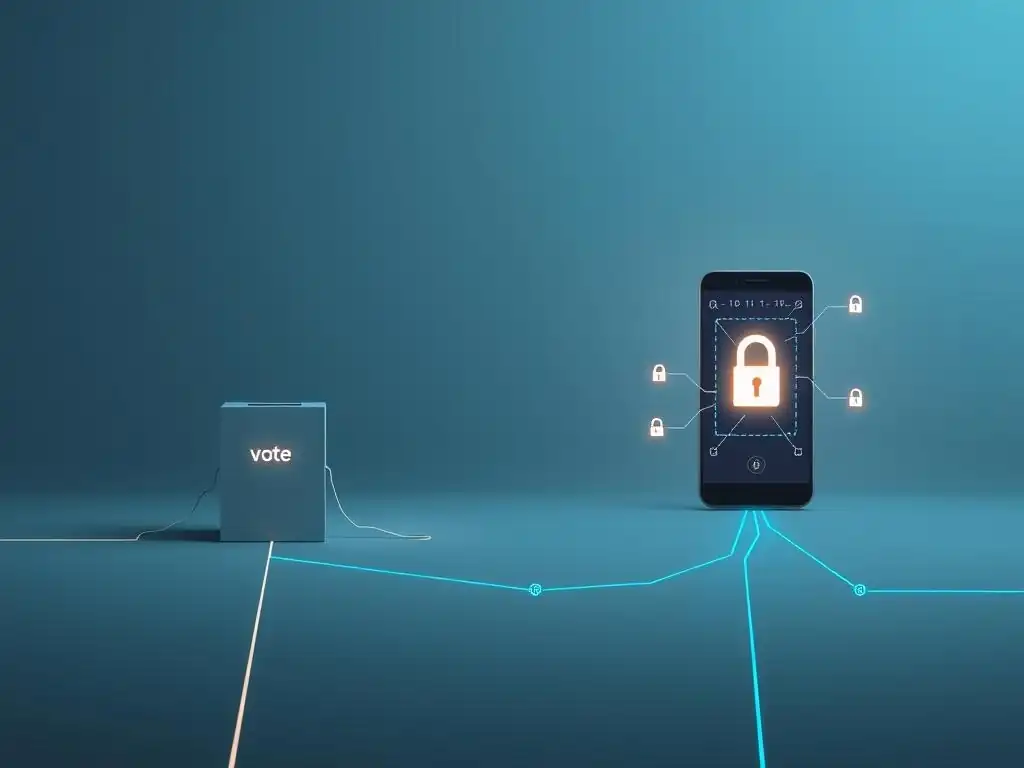
Advantages of Decentralized Identity over Centralized Voter Databases
Decentralized Identity (DID) based voting systems offer significant advantages over traditional methods that rely on centralized voter databases. Centralized databases are single points of failure and attractive targets for cyberattacks. A successful breach can compromise the entire voter registry, leading to data leaks, voter suppression, or even manipulation of voter information. DID systems, in contrast, distribute voter identity information across individual voter-controlled wallets and a decentralized ledger, significantly reducing the risk of large-scale data breaches. Each voter controls their own identity data, minimizing the amount of sensitive information stored centrally.
Furthermore, centralized databases often suffer from issues of data inaccuracy and redundancy. Maintaining up-to-date and accurate voter rolls in centralized systems can be challenging and costly. DID systems, with their reliance on verifiable credentials, can improve data accuracy and reduce redundancy by empowering voters to manage and update their own identity information.
Finally, centralized databases can be susceptible to manipulation by malicious insiders. Decentralized systems, with their transparent and auditable nature, mitigate this risk by distributing control and providing a clear audit trail of all transactions and changes. The shift from centralized voter databases to DID-based systems represents a move towards greater security, privacy, accuracy, and resilience in election administration.
Addressing Scalability Challenges in Blockchain Voting
Scalability is a crucial consideration for blockchain-based voting systems, especially for large-scale national elections. Traditional blockchains, like Bitcoin, have limited transaction throughput, which might be insufficient to handle the volume of votes in a nationwide election. However, advancements in blockchain technology are continually addressing these scalability challenges. Layer-2 scaling solutions, such as state channels and rollups, are being developed to increase transaction processing capacity without compromising security or decentralization. These solutions offload transaction processing from the main blockchain to secondary layers, significantly improving throughput.
Furthermore, alternative consensus mechanisms beyond Proof-of-Work, which is computationally intensive, are being explored. Proof-of-Stake and other more energy-efficient and scalable consensus algorithms can enhance the performance of blockchain voting systems. Sharding, a technique that divides the blockchain into smaller, manageable shards, is another promising approach to improve scalability. While scalability remains a challenge, ongoing research and development in blockchain technology are producing viable solutions to handle the demands of large-scale online voting systems. The focus is on developing scalable blockchain infrastructures that can support secure and efficient voting processes for elections of any size.
Cost-Effectiveness Analysis: DID Solutions vs. Legacy Systems
Assessing the cost-effectiveness of DID-based voting solutions compared to legacy systems requires a comprehensive analysis of various factors. While the initial setup costs for a DID-based system, including blockchain infrastructure and software development, might seem substantial, the long-term operational costs can be significantly lower than traditional systems. Legacy systems often involve high recurring costs associated with maintaining centralized voter databases, physical polling stations, paper ballots, and manual vote counting processes. These costs include personnel, printing, logistics, and security measures for physical infrastructure.
DID-based systems can automate many of these processes, reducing administrative overhead and personnel costs. Electronic vote tabulation eliminates the need for manual counting, reducing errors and speeding up results reporting.
Furthermore, the enhanced security of DID systems can lead to cost savings by mitigating the risks and potential financial consequences of cyberattacks and election fraud. While a detailed cost-benefit analysis would depend on the specific scale and implementation of a DID voting system, the potential for long-term cost savings through automation, enhanced security, and reduced administrative overhead makes DID solutions a compelling and potentially more cost-effective alternative to traditional election methods in the long run.
Real-World Applications and Case Studies of DID-Based Voting Systems
Case Study: Voatz - Mobile Voting Application Using Blockchain
Voatz is a prominent example of a mobile voting application that leverages blockchain technology to enhance security and accessibility in elections. While not strictly based on Decentralized Identity in its initial iterations, Voatz utilizes blockchain for secure vote recording and auditability, and has incorporated elements of decentralized identity in later versions. Voatz has been used in various elections, primarily for military personnel stationed overseas and voters with disabilities in the United States. For instance, it was used in West Virginia during the 2018 midterm elections and in several smaller municipal elections.
Voatz employs biometric authentication for voter verification and records votes on a permissioned blockchain, providing an immutable and auditable record of each ballot. While Voatz has faced scrutiny regarding its security architecture and source code transparency, it represents one of the most widely tested and deployed blockchain voting platforms. The company has continued to refine its security measures and address concerns raised by cybersecurity experts. Voatz’s experience highlights both the potential and the challenges of implementing blockchain-based mobile voting solutions in real-world electoral contexts.
Case Study: Follow My Vote - Open Source Blockchain Voting Platform
Follow My Vote is another notable example of a blockchain-based voting platform, distinguished by its commitment to open-source development and end-to-end verifiability. Unlike Voatz, Follow My Vote is designed as an open-source platform, allowing for public scrutiny of its code and promoting transparency. The platform aims to provide a secure and transparent voting system by leveraging blockchain for immutable vote recording and cryptographic techniques for voter anonymity and vote confidentiality. Follow My Vote utilizes a publicly auditable blockchain, allowing anyone to verify the integrity of the election results.
While Follow My Vote has not been deployed in large-scale government elections to the same extent as Voatz, it has been used in smaller pilot projects and demonstrations. The platform’s open-source nature and focus on verifiability align with the principles of decentralized and transparent election systems. Follow My Vote represents an approach that prioritizes transparency and community involvement in the development and deployment of blockchain voting solutions. Its commitment to open source and verifiability provides a contrasting model to proprietary blockchain voting platforms, emphasizing transparency and public trust.
Lessons Learned from Implementing Decentralized Voting Platforms
The experiences of platforms like Voatz and Follow My Vote, along with other decentralized voting initiatives, offer valuable lessons for the future implementation of blockchain voting systems. Firstly, security is paramount. Rigorous security audits, penetration testing, and transparent security protocols are essential to build trust and ensure the integrity of blockchain voting platforms. Open-source code and community scrutiny can contribute to identifying and mitigating vulnerabilities.
Secondly, user experience and accessibility are critical. Voting systems must be user-friendly and accessible to all voters, regardless of their technical proficiency or disabilities. Mobile voting applications, while offering convenience, must address security and accessibility concerns for diverse voter demographics.
Thirdly, transparency and verifiability are crucial for building public trust. End-to-end verifiable systems, where voters can independently verify their votes and the overall election outcome, are essential to enhance confidence in the results. Blockchain’s inherent transparency can be leveraged to provide this level of verifiability. Finally, regulatory frameworks and legal acceptance are necessary for widespread adoption. Governments and electoral bodies need to develop clear regulations and legal frameworks to govern the use of blockchain voting systems. Addressing these lessons learned is crucial for the successful and responsible implementation of decentralized voting platforms in the future.
Addressing Challenges and Concerns Regarding Decentralized Identity Voting
Overcoming the Digital Divide: Accessibility for All Voters
One of the primary challenges in implementing online voting systems, including DID-based solutions, is overcoming the digital divide and ensuring accessibility for all voters. Significant portions of the population, particularly in underserved communities and among older demographics, may lack access to reliable internet connectivity, smartphones, or the digital literacy necessary to participate in online voting. This digital divide could exacerbate existing inequalities and disenfranchise vulnerable voter groups if not addressed thoughtfully.
To mitigate this challenge, hybrid voting models that combine online and traditional paper-based voting options can be considered. Publicly accessible voting kiosks equipped with internet access and user-friendly interfaces can be established in libraries, community centers, and polling stations to provide access for voters who lack personal devices or internet connectivity.
Furthermore, educational initiatives and digital literacy programs are crucial to empower voters with the skills and knowledge needed to participate in online voting securely and effectively. Accessibility considerations must be central to the design and implementation of any online voting system to ensure equitable participation and prevent the digital divide from undermining democratic processes.
Regulatory Considerations for Implementing Blockchain Voting Solutions
Implementing blockchain voting solutions, especially those based on Decentralized Identity, raises significant regulatory considerations that must be addressed to ensure legal compliance and public trust. Existing election laws and regulations are primarily designed for traditional paper-based voting systems and may not adequately address the unique characteristics of blockchain technology. Governments and electoral bodies need to develop new legal frameworks and regulations specifically tailored to blockchain voting. These regulations should address issues such as voter eligibility verification, vote security, auditability, data privacy, and legal recognition of electronic ballots.
Furthermore, international standards and interoperability frameworks may be necessary to facilitate cross-border voting and ensure consistency across different jurisdictions. Regulatory clarity is crucial to provide legal certainty and foster innovation in the blockchain voting space. Collaboration between technology experts, legal scholars, and policymakers is essential to develop robust and adaptable regulatory frameworks that promote the responsible and secure adoption of blockchain voting solutions while upholding democratic principles and voter rights. Addressing these regulatory considerations proactively is vital for the long-term success and legitimacy of blockchain voting systems.
Public Perception and Building Trust in Decentralized Voting Systems
Building public trust in decentralized voting systems is paramount for their successful adoption. Despite the security and transparency benefits offered by blockchain and Decentralized Identity, public perception of online voting, in general, remains skeptical. Concerns about hacking, vote manipulation, and the complexity of new technologies can undermine voter confidence. Overcoming this skepticism requires proactive efforts to educate the public about the security features and benefits of DID-based voting systems. Clear and transparent communication about the technology, its security protocols, and the measures taken to protect voter privacy is essential.
Independent audits and third-party certifications of blockchain voting platforms can enhance credibility and build trust. Public demonstrations and pilot projects can provide opportunities for voters to experience and understand the technology firsthand. Engaging with civil society organizations, cybersecurity experts, and election integrity advocates to address concerns and foster dialogue is crucial.
Building public trust is a long-term process that requires ongoing communication, transparency, and demonstrable evidence of the security and reliability of decentralized voting systems. Addressing public perception proactively is as important as addressing the technological and regulatory challenges to ensure the widespread acceptance and adoption of blockchain voting solutions.
The Future of Online Voting Security: Trends and Innovations
Emerging Technologies: Zero-Knowledge Proofs and Homomorphic Encryption
The future of online voting security is being shaped by emerging cryptographic technologies that promise to further enhance privacy and security. Zero-Knowledge Proofs (ZKPs) are gaining prominence for their ability to allow voters to prove their eligibility and that their vote was cast correctly without revealing their identity or vote choice. ZKPs can be integrated with DID-based voting systems to provide stronger anonymity and verifiability simultaneously. Advancements in ZKP technology are making them more efficient and practical for real-world applications like online voting.
Homomorphic Encryption (HE) is another groundbreaking technology with the potential to revolutionize online voting security. HE allows computations to be performed on encrypted data without decrypting it first. In the context of voting, this means that votes could be encrypted when cast and remain encrypted throughout the tabulation process. Only the final, aggregated results would be decrypted, ensuring end-to-end encryption and maximizing voter privacy. While HE is still under development and faces performance challenges for large-scale applications, ongoing research is making it increasingly viable for secure and privacy-preserving online voting systems in the future.
The Role of Interoperability in Widespread Adoption
Interoperability will play a crucial role in the widespread adoption of DID-based voting systems. For blockchain voting to become a mainstream solution, different voting platforms and systems need to be interoperable, allowing for seamless integration and data exchange. This interoperability is essential for ensuring that verifiable credentials issued by different electoral authorities are recognized across various voting systems. Standardized protocols and frameworks for DID and verifiable credentials are crucial to facilitate interoperability.
Efforts are underway to develop open standards for DIDs and verifiable credentials, such as those led by the World Wide Web Consortium (W3C). These standards promote interoperability and prevent vendor lock-in, fostering a more open and competitive market for DID-based voting solutions. Furthermore, interoperability can facilitate cross-border voting and international election observation. Achieving interoperability will require collaboration among technology developers, standards organizations, and governments to establish common protocols and frameworks that enable seamless integration and data exchange across different blockchain voting systems, paving the way for wider adoption.
Predictions for the Evolution of Decentralized Identity in Elections
The evolution of Decentralized Identity (DID) in elections is poised to transform online voting security and democratic processes. Predictions suggest a gradual but steady adoption of DID-based voting systems, starting with pilot projects and smaller-scale elections and expanding to larger-scale deployments over time. Increased awareness of the security vulnerabilities of traditional online voting systems and the growing recognition of the benefits of blockchain and DID will drive this adoption. As digital identity technologies mature and become more user-friendly, voter acceptance and adoption rates are expected to increase.
Furthermore, advancements in cryptographic technologies like Zero-Knowledge Proofs and Homomorphic Encryption will further enhance the security and privacy features of DID-based voting systems, addressing key concerns and building greater public trust. Regulatory frameworks and legal recognition of digital identities and blockchain voting will become increasingly important to facilitate widespread adoption. The future likely holds a hybrid approach, where DID-based online voting coexists with traditional paper-based voting options, providing voters with greater choice and accessibility while enhancing the security and integrity of elections in the digital age.
Frequently Asked Questions
How does blockchain technology enhance the security of online voting systems?
Blockchain ensures data immutability and auditability. Each vote becomes a block in the chain, making tampering virtually impossible. This builds trust and transparency in the election process.
What role does decentralized identity (DID) play in securing online voting?
DID provides verifiable credentials for voters without relying on centralized authorities. This reduces the risk of identity theft and ensures only eligible voters participate. It also enhances voter privacy.
What are the key challenges in implementing blockchain voting security solutions?
Challenges include scalability limitations, ensuring user accessibility for all demographics, and navigating complex regulatory landscapes. Public perception and trust are also critical hurdles.
Beyond security, what other benefits can blockchain bring to online voting?
Blockchain can improve transparency by making the voting process auditable by all participants. It can also potentially reduce the costs associated with traditional voting methods. Enhanced voter engagement is another potential benefit.
How does the use of blockchain in voting address concerns about voter fraud and manipulation?
Blockchain's immutable ledger makes it extremely difficult to alter votes after they've been cast. This reduces the risk of fraudulent activity. The decentralized nature of the system also makes it resistant to manipulation.
Final Reflection: Embracing Trust in the Digital Ballot Box
The promise of secure and accessible online voting is no longer a distant dream, but a tangible possibility thanks to advancements in decentralized identity and blockchain technology. This article has explored how these innovations can revolutionize our democratic processes, and it's crucial to recognize their immediate relevance in a world increasingly reliant on digital infrastructure. The need for robust blockchain voting security solutions is paramount to safeguarding the integrity of elections and fostering public trust.
The potential of decentralized identity to reshape our relationship with online voting is profound. It's about more than just casting a ballot; it's about reclaiming control over our digital identities and ensuring our voices are heard without fear of manipulation or fraud. The future of voting is not just about convenience; it's about ensuring that every vote counts and that the democratic process is protected from interference.
This sentiment underscores the urgency of adopting secure and transparent voting systems.
Now, I invite you to consider your role in shaping this future. How can you advocate for the adoption of blockchain voting security solutions in your community? How can you educate others about the importance of secure and verifiable online elections? The power to build a more trustworthy and accessible democracy lies within each of us. Let's embrace the potential of decentralized identity and blockchain technology to create a voting system that truly reflects the will of the people.
Unveil the Future: Secure Your Vote with Decentralized Identity!
Thank you for diving into the world of decentralized identity and its potential to revolutionize online voting. We hope you found valuable insights into how blockchain technology can safeguard the democratic process. Now, let's take these ideas into action!
Here are a few ways you can contribute to a more secure voting future:
- Become a Decentralized Identity Advocate: Share this article on your social media platforms and start a conversation with your friends, family, and colleagues about the importance of secure online voting.
- Explore Decentralized Identity Projects: Dive deeper into the world of blockchain by researching existing decentralized identity projects like Sovrin, uPort, or Civic. Understand their functionalities and potential applications in voting systems.
- Think outside the ballot box. What overlooked area of online voting security could benefit from decentralized identity solutions?
Ready to champion the future of fair and secure elections? Share your ideas in the comments below!
Leave a Reply