
Energy Grids of the Future: Blockchain & IoT for Smarter, More Efficient Energy Distribution


Welcome to Blockchain Trends, your source for navigating the revolutionary landscape of blockchain technology. Beyond the hype, lies a world of transformative possibilities. This week, we delve into a fascinating application: how blockchain and IoT are converging to reshape the energy sector. Intrigued by the potential for decentralized, efficient, and secure energy distribution? Discover the latest thinking on blockchain energy grid optimization strategies and explore how this powerful combination is poised to power a brighter future. Dive in and unlock the future of energy!
Energy Grids of the Future: Blockchain & IoT for Smarter, More Efficient Energy Distribution
- Introduction: Revolutionizing Energy Distribution with Blockchain and IoT
- Understanding the Current Energy Grid Landscape
- Blockchain Energy Grid Optimization Strategies: Key Benefits
- How Blockchain and IoT are Transforming Energy Distribution
- IoT Sensors and Data Analytics for Energy Grid Management
- Blockchain-Based Solutions for Renewable Energy Integration
- Use Cases: Real-World Applications of Blockchain and IoT in Energy
- Challenges and Opportunities in Implementing Blockchain Energy Grids
- The Future of Energy Grids: A Vision of Decentralized, Sustainable Energy
- Conclusion: Embracing Innovation for a More Efficient and Sustainable Energy Future
-
Frequently Asked Questions
- How can blockchain technology contribute to energy grid optimization?
- What role does IoT (Internet of Things) play in conjunction with blockchain for energy grids?
- What are some potential benefits of using blockchain for energy grid security?
- How might blockchain impact the regulation of the energy sector?
- What are some potential challenges to implementing blockchain-based energy grid optimization strategies?
- Final Reflection: Powering a Sustainable Tomorrow
- Power Up Your Energy Future!
Introduction: Revolutionizing Energy Distribution with Blockchain and IoT
The Convergence of Blockchain, IoT, and the Energy Sector
The energy sector is undergoing a significant transformation, driven by the convergence of two powerful technologies: blockchain and the Internet of Things (IoT). Imagine a future where your home's solar panels not only generate electricity but also autonomously trade excess energy with neighbors, all secured and recorded on an immutable ledger. This vision is rapidly becoming a reality as blockchain technology, known for its secure and transparent transaction capabilities, merges with IoT's vast network of interconnected devices capable of generating and collecting real-time data.
This synergy promises to reshape how energy is produced, distributed, and consumed, moving away from traditional centralized systems towards more decentralized, efficient, and resilient models. This technological integration is not just about incremental improvements; it represents a fundamental shift in the energy paradigm, paving the way for smarter, more sustainable energy grids.
Addressing the Challenges of Traditional Energy Grids
Traditional energy grids, often characterized by centralized power plants and unidirectional energy flow, face mounting challenges in the 21st century. These challenges include vulnerability to cyberattacks, inefficiencies in distribution leading to significant energy loss (estimated to be around 5-15% in developed nations and even higher in developing countries), and limited capacity to integrate distributed renewable energy sources effectively. Furthermore, the lack of transparency in energy transactions and billing processes can lead to disputes and inefficiencies.
For instance, managing peak demand in cities relies on costly and often polluting backup power plants, showcasing the inflexibility of current systems. The centralized nature also creates single points of failure, making the grid susceptible to large-scale outages from localized disruptions. Blockchain and IoT offer solutions to these pain points by decentralizing control, enhancing security, and optimizing energy flow through real-time data and automated processes.
The Promise of Smarter, More Efficient Energy Distribution
The integration of blockchain and IoT in energy grids promises a future of smarter, more efficient energy distribution. This vision encompasses several key benefits. Firstly, enhanced grid security through blockchain's cryptographic protection and decentralized nature makes energy infrastructure more resilient to cyber threats.
Secondly, improved energy trading efficiency through decentralized platforms reduces transaction costs and enables faster, more transparent energy exchanges, including peer-to-peer trading. Thirdly, optimized consumption patterns and reduced energy waste are achieved through IoT sensors providing real-time data on energy usage, allowing for dynamic pricing and demand response programs. Ultimately, this combination aims to create energy grids that are not only more efficient and secure but also more sustainable and accessible, fostering a more democratic and resilient energy ecosystem.
Understanding the Current Energy Grid Landscape
Limitations of Centralized Energy Systems
Centralized energy systems, while historically effective for large-scale power generation and distribution, exhibit several limitations in today's evolving energy landscape. One significant drawback is their inherent vulnerability. Concentrating power generation in a few large facilities creates single points of failure. A major event, whether a natural disaster or a cyberattack targeting a central power plant, can lead to widespread blackouts affecting millions. For example, the Northeast Blackout of 2003, which affected 50 million people, highlighted the fragility of interconnected centralized grids.
Furthermore, centralized systems often suffer from transmission losses. It's estimated that approximately 5% of electricity generated in the US is lost during transmission and distribution. These losses are amplified over long distances, reducing overall efficiency. Finally, centralized grids are less adaptable to distributed generation from renewable sources, hindering the transition to cleaner energy.
The Need for Decentralized and Resilient Energy Infrastructure
The limitations of centralized systems underscore the growing need for decentralized and resilient energy infrastructure. Decentralization, by distributing energy generation and storage across numerous smaller, localized units, enhances grid resilience. If one part of a decentralized grid fails, the impact is localized, and other parts can continue to function, minimizing widespread disruptions. Microgrids, for instance, are examples of decentralized energy systems that can operate independently from the main grid, providing backup power during outages.
Moreover, decentralized systems are better suited to integrate distributed renewable energy resources like rooftop solar panels and local wind turbines. This allows for more efficient utilization of renewable energy and reduces reliance on long-distance transmission, minimizing losses and promoting energy independence at the community level. The increasing frequency of extreme weather events and cyberattacks further emphasizes the urgency for more resilient and decentralized energy solutions.
The Role of Smart Grids in Modern Energy Management
Smart grids represent a significant step towards modernizing energy management by incorporating digital communication technologies into traditional power grids. They utilize sensors, advanced metering infrastructure (AMI), and data analytics to enhance grid monitoring, control, and efficiency. Smart grids enable features like real-time pricing, demand response programs, and improved outage detection and management.
For example, smart meters provide consumers with detailed information about their energy consumption, allowing them to make informed decisions and potentially reduce their energy bills. However, while smart grids improve efficiency and responsiveness, they often still operate within a largely centralized framework. Blockchain and IoT technologies can further enhance smart grids by adding layers of security, transparency, and decentralization, moving beyond simply digitizing existing infrastructure to fundamentally transforming energy distribution models.
Blockchain Energy Grid Optimization Strategies: Key Benefits
Enhancing Energy Grid Security with Blockchain Technology
Blockchain technology offers a paradigm shift in enhancing energy grid security, addressing vulnerabilities inherent in centralized systems. Its decentralized and distributed nature eliminates single points of failure, making the grid less susceptible to large-scale attacks. Each transaction on a blockchain is cryptographically secured and immutably recorded, ensuring data integrity and preventing tampering. Consider the vulnerability of traditional databases that store grid operational data; a successful cyberattack could compromise critical infrastructure control.
Blockchain, with its distributed ledger technology, makes such large-scale data breaches significantly more difficult. Furthermore, blockchain's transparency allows for auditing and verification of energy transactions, increasing accountability and deterring fraudulent activities. By implementing blockchain-based security protocols, energy grids can become far more resilient to cyber threats and ensure the reliable delivery of power.
Improving Energy Trading Efficiency with Decentralized Platforms
Decentralized platforms powered by blockchain technology can dramatically improve energy trading efficiency, streamlining processes and reducing costs. Traditional energy markets often involve multiple intermediaries, such as brokers and clearinghouses, adding complexity and fees to transactions. Blockchain-based platforms can facilitate peer-to-peer (P2P) energy trading, directly connecting energy producers and consumers, eliminating the need for intermediaries and lowering transaction costs.
For instance, imagine homeowners with solar panels directly selling excess energy to their neighbors through a blockchain platform, with smart contracts automating the transaction and settlement process. This disintermediation not only reduces costs but also speeds up transaction times and increases transparency in energy markets. Decentralized energy trading platforms can unlock new market opportunities and promote greater efficiency in energy distribution.
Reducing Energy Waste and Optimizing Consumption Patterns
Blockchain and IoT working in tandem offer powerful strategies for reducing energy waste and optimizing consumption patterns, contributing to greater energy efficiency and sustainability. IoT sensors deployed across the grid, from smart meters in homes to sensors in substations, provide real-time data on energy consumption and grid conditions. This data, combined with blockchain's secure and transparent data management capabilities, enables accurate monitoring of energy flow and identification of inefficiencies. For example, real-time data can reveal areas of high energy loss in the distribution network, allowing for targeted interventions and upgrades.
Furthermore, blockchain-based platforms can facilitate dynamic pricing and demand response programs. Consumers can be incentivized to shift their energy consumption to off-peak hours through variable pricing signals communicated via blockchain-enabled smart contracts, reducing peak demand and overall energy waste. This data-driven approach, facilitated by blockchain and IoT, is crucial for optimizing energy consumption and building more sustainable energy systems.
How Blockchain and IoT are Transforming Energy Distribution
Secure Data Management and Transparency in Energy Transactions
Blockchain and IoT are revolutionizing energy distribution by providing secure data management and unparalleled transparency in energy transactions. IoT devices, such as smart meters and grid sensors, generate vast amounts of data crucial for efficient grid operation. Blockchain provides a secure and immutable ledger to store and manage this data, ensuring its integrity and preventing unauthorized access or manipulation. In traditional systems, data silos and lack of transparency can hinder effective decision-making and create mistrust.
Blockchain's distributed and transparent nature allows all authorized participants in the energy ecosystem to access and verify transaction data, fostering trust and accountability. This transparency extends to energy provenance, allowing consumers to track the source of their energy, which is particularly important for verifying renewable energy certificates and promoting green energy consumption. Secure and transparent data management is foundational for building a more efficient and trustworthy energy distribution system.
Enabling Peer-to-Peer (P2P) Energy Trading with Blockchain
One of the most transformative applications of blockchain in energy is enabling peer-to-peer (P2P) energy trading. Traditionally, energy trading is a centralized process involving utilities and large energy companies. Blockchain facilitates the creation of decentralized platforms that allow individuals and small businesses to directly trade energy with each other, bypassing intermediaries. Imagine a community microgrid where households with solar panels can sell their excess energy directly to neighbors who need it, all facilitated by a blockchain-based platform.
Smart contracts automate the trading process, ensuring secure and transparent transactions, and settling payments automatically. P2P energy trading empowers consumers to become prosumers, actively participating in the energy market and potentially reducing their energy costs while promoting local energy generation and consumption. This decentralized model fosters a more democratic and resilient energy system.
Smart Contracts for Automated Energy Distribution and Billing
Smart contracts, self-executing contracts with the terms of the agreement directly written into code, are a key component of blockchain-based energy distribution systems. They automate various processes, from energy trading and billing to grid management and demand response. For example, in a P2P energy trading scenario, a smart contract can automatically execute the energy transaction when pre-defined conditions are met, such as price and availability.
Smart contracts can also automate billing processes, ensuring accurate and timely payments based on real-time energy consumption data from IoT devices. Furthermore, they can be used to implement dynamic pricing mechanisms and demand response programs, automatically adjusting energy prices or curtailing energy consumption based on grid conditions. The automation and efficiency provided by smart contracts streamline energy distribution processes, reduce administrative overhead, and enhance the responsiveness of the energy grid.
IoT Sensors and Data Analytics for Energy Grid Management
Real-time Monitoring of Energy Consumption and Production
IoT sensors are the eyes and ears of the smart energy grid, providing real-time monitoring of energy consumption and production across the entire network. Deployed in smart meters, substations, transmission lines, and renewable energy installations, these sensors collect granular data on voltage, current, temperature, and energy flow. This real-time data stream provides operators with unprecedented visibility into grid operations, enabling them to detect anomalies, optimize energy flow, and respond quickly to changing conditions.
For example, real-time monitoring can identify overloaded transformers or sections of the grid experiencing high losses, allowing for proactive maintenance and adjustments. Furthermore, real-time consumption data enables more accurate forecasting of energy demand, improving grid stability and reducing the need for costly reserve capacity. Real-time monitoring is essential for efficient and reliable energy grid management.
Predictive Maintenance for Energy Infrastructure using IoT Data
The vast amounts of data generated by IoT sensors are invaluable for implementing predictive maintenance strategies for energy infrastructure. Traditional maintenance schedules are often based on time intervals or reactive repairs after failures occur. Predictive maintenance leverages data analytics and machine learning algorithms to analyze sensor data and identify patterns that indicate potential equipment failures before they happen.
For example, analyzing vibration data from transformers or temperature readings from transmission lines can predict impending failures, allowing for proactive maintenance interventions. This approach reduces downtime, extends the lifespan of equipment, and lowers maintenance costs. Predictive maintenance is particularly crucial for critical energy infrastructure, ensuring continuous and reliable operation of the grid and minimizing disruptions.
Optimizing Energy Flow with Smart Sensors and Data Analytics
Smart sensors and data analytics are instrumental in optimizing energy flow within the grid, enhancing efficiency and reducing waste. Real-time data from sensors, combined with advanced analytics, enables dynamic optimization of voltage levels, load balancing, and energy routing. For instance, data analytics can identify areas of the grid with excess capacity and redirect energy flow to areas with higher demand, minimizing transmission losses and improving grid efficiency.
Smart sensors can also facilitate demand-side management strategies, adjusting energy supply or demand in response to real-time grid conditions. For example, during peak demand periods, smart grid systems can automatically reduce voltage levels or incentivize consumers to reduce their energy consumption, preventing grid overloads and ensuring stable energy supply. Data-driven optimization of energy flow is key to maximizing the efficiency and resilience of modern energy grids.
Blockchain-Based Solutions for Renewable Energy Integration
Facilitating the Integration of Solar, Wind, and other Renewable Sources
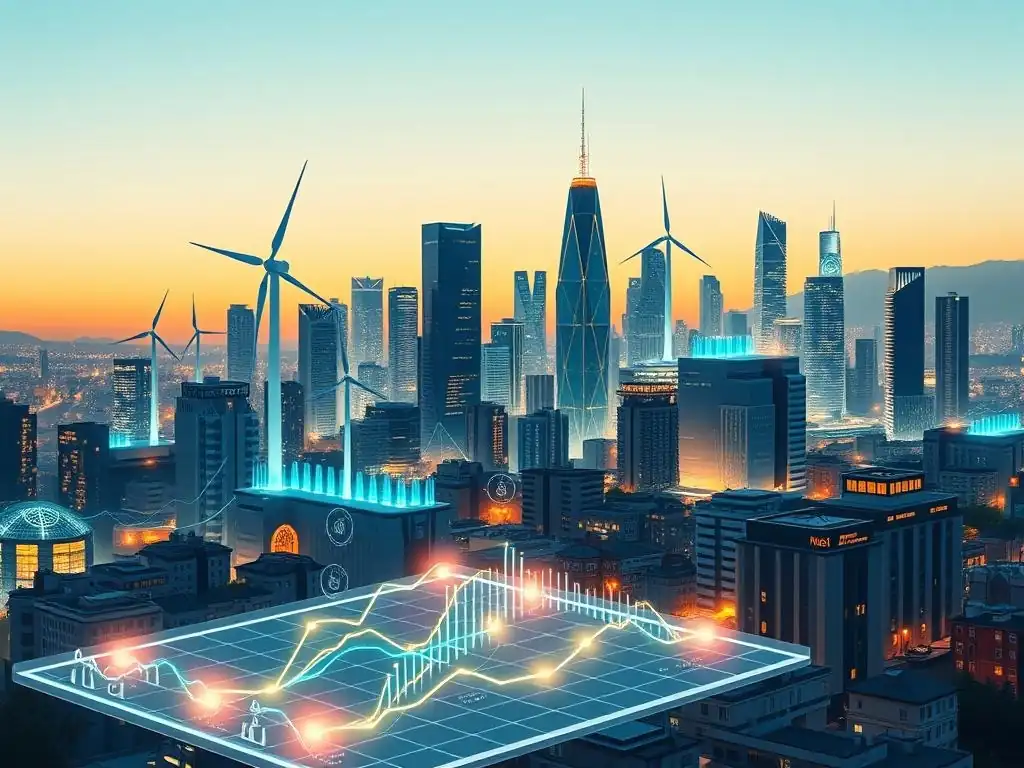
Blockchain technology offers specific solutions to facilitate the integration of intermittent renewable energy sources like solar and wind power into the grid. One of the challenges of renewable energy integration is their variable output, depending on weather conditions. Blockchain can enhance grid flexibility and responsiveness to these fluctuations.
For example, blockchain-based platforms can facilitate dynamic energy trading and demand response programs, allowing the grid to adapt to changes in renewable energy supply. Furthermore, blockchain can improve the traceability and verification of renewable energy generation, ensuring accurate accounting of renewable energy credits and promoting investor confidence in renewable energy projects. By enhancing transparency, security, and flexibility, blockchain accelerates the seamless integration of renewable energy sources into the energy mix.
Managing Distributed Energy Resources (DERs) with Blockchain
Distributed Energy Resources (DERs), such as rooftop solar panels, battery storage, and electric vehicles, are becoming increasingly prevalent and require sophisticated management systems. Blockchain provides a robust platform for managing and coordinating DERs effectively. Its decentralized nature is well-suited to handle the distributed and diverse nature of DERs. Blockchain-based platforms can enable aggregation and virtual power plant (VPP) functionalities, allowing numerous small DERs to be collectively managed as a single, larger energy resource.
Smart contracts can automate the dispatch and control of DERs, optimizing their contribution to grid stability and reliability. Moreover, blockchain can facilitate secure and transparent data exchange between DER owners, aggregators, and grid operators, improving coordination and grid management. Blockchain is crucial for unlocking the full potential of DERs in the evolving energy landscape.
Tokenizing Renewable Energy Credits (RECs) for Increased Transparency
Renewable Energy Credits (RECs) are market-based instruments that represent the environmental benefits of renewable energy generation. However, traditional REC systems can suffer from issues of transparency and double-counting. Blockchain technology offers a solution by enabling the tokenization of RECs. Each REC can be represented as a unique digital token on a blockchain, providing a transparent and auditable record of its creation, ownership, and redemption.
This tokenization enhances the transparency and security of REC markets, reducing fraud and double-counting. It also simplifies the trading and tracking of RECs, potentially lowering transaction costs and increasing market liquidity. Blockchain-based REC platforms can foster greater confidence in renewable energy markets and accelerate the adoption of clean energy sources.
Use Cases: Real-World Applications of Blockchain and IoT in Energy
Brooklyn Microgrid: Local Energy Trading
The Brooklyn Microgrid is a pioneering example of a real-world application of blockchain for local energy trading. This project, developed by LO3 Energy, utilizes blockchain technology to enable peer-to-peer energy trading within a neighborhood in Brooklyn, New York. Homeowners with solar panels can directly sell their excess solar energy to their neighbors using a transactive energy platform built on blockchain.
The platform facilitates automated energy transactions and billing, creating a local energy marketplace. The Brooklyn Microgrid demonstrates the feasibility of decentralized energy trading and the potential for blockchain to empower communities to manage their energy resources more efficiently and sustainably. While still in development and expansion, it serves as a compelling proof of concept for blockchain's transformative potential in energy.
LO3 Energy: Transactive Energy Platforms
LO3 Energy is a leading company specializing in developing transactive energy platforms based on blockchain technology. Beyond the Brooklyn Microgrid, LO3 Energy has deployed various projects globally, showcasing the versatility of their platform. Their platforms enable granular, localized energy markets, facilitating peer-to-peer energy trading, demand response programs, and the integration of DERs.
LO3 Energy's technology emphasizes the concept of "transactive energy," which focuses on creating dynamic, real-time energy markets that optimize energy distribution based on price signals and local conditions. Their work highlights the commercial viability of blockchain-based energy solutions and their potential to disrupt traditional energy market structures. LO3 Energy is at the forefront of demonstrating how blockchain can reshape the energy landscape.
Power Ledger: Renewable Energy Trading Platform
Power Ledger is another prominent example of a company leveraging blockchain to revolutionize renewable energy trading. Based in Australia, Power Ledger has developed a blockchain-based platform that enables peer-to-peer trading of renewable energy and renewable energy certificates. Their platform allows consumers to track and trade their renewable energy generation in real-time, increasing transparency and empowering consumers to participate directly in the renewable energy market.
Power Ledger's technology has been deployed in various projects globally, including in Australia, Thailand, and the United States, demonstrating its scalability and adaptability to different energy market contexts. Their focus on renewable energy trading highlights blockchain's potential to accelerate the transition to a cleaner and more sustainable energy future by making renewable energy more accessible and tradable.
Challenges and Opportunities in Implementing Blockchain Energy Grids
Regulatory Hurdles and Compliance Requirements
Implementing blockchain-based energy grids faces significant regulatory hurdles and compliance requirements. The energy sector is heavily regulated, and existing regulations are often designed for centralized systems, not decentralized blockchain-based models. Regulatory frameworks need to adapt to accommodate P2P energy trading, blockchain-based energy markets, and the integration of DERs managed through blockchain.
Compliance with existing energy regulations, data privacy laws (like GDPR), and financial regulations can be complex and costly for blockchain-based energy projects. Navigating these regulatory landscapes and working with policymakers to develop appropriate frameworks are crucial challenges for widespread adoption. However, these challenges also present opportunities for innovation and the development of regulatory sandboxes to test and refine blockchain energy solutions.
Scalability and Interoperability of Blockchain Solutions
Scalability and interoperability are key technical challenges for implementing blockchain solutions in energy grids. Energy grids are massive and complex systems requiring high transaction throughput and low latency. Many existing blockchain platforms may not yet be capable of handling the scale and speed required for large-scale energy grid applications.
Furthermore, interoperability between different blockchain platforms and legacy energy systems is essential for seamless integration. Ensuring that blockchain-based energy platforms can communicate and exchange data with existing grid infrastructure and other blockchain networks is crucial for realizing the full potential of blockchain in energy. Ongoing research and development efforts are focused on improving the scalability and interoperability of blockchain technologies to meet the demands of the energy sector.
Public Perception and Adoption of New Energy Technologies
Public perception and adoption of new energy technologies, including blockchain and IoT, are crucial for their successful implementation. While blockchain and IoT offer numerous benefits, public understanding and acceptance of these technologies are still evolving. Concerns about data privacy, cybersecurity, and the complexity of new energy systems can hinder public adoption.
Educating the public about the benefits of blockchain and IoT in energy, addressing concerns transparently, and demonstrating the tangible advantages of these technologies are essential for fostering public trust and encouraging adoption. Furthermore, user-friendly interfaces and accessible platforms are needed to make blockchain-based energy solutions easy to understand and use for consumers. Building public confidence and promoting widespread adoption are critical for realizing the transformative potential of blockchain and IoT in the energy sector.
The Future of Energy Grids: A Vision of Decentralized, Sustainable Energy
The Potential for Energy Independence and Community-Based Energy Systems
The future of energy grids, empowered by blockchain and IoT, envisions a shift towards greater energy independence and the rise of community-based energy systems. Decentralized energy generation, facilitated by rooftop solar, local wind turbines, and microgrids, can reduce reliance on centralized power plants and long-distance transmission. Blockchain-based P2P energy trading platforms enable communities to manage their energy resources locally, fostering energy independence and resilience.
Community microgrids, powered by renewable energy and managed through blockchain, can provide reliable and affordable energy to local residents, reducing dependence on traditional utilities. This shift towards energy independence and community-based systems empowers individuals and communities to take control of their energy future and build more sustainable and resilient energy ecosystems.
The Role of Blockchain and IoT in Achieving a Sustainable Energy Future
Blockchain and IoT play a pivotal role in achieving a sustainable energy future. By facilitating the integration of renewable energy sources, optimizing energy consumption, and reducing energy waste, these technologies contribute directly to a cleaner and more efficient energy system. Blockchain's transparency and traceability enhance the credibility of renewable energy markets, promoting investment in green energy projects.
IoT-enabled smart grids optimize energy flow and reduce transmission losses, minimizing environmental impact. Furthermore, blockchain-based platforms can incentivize sustainable energy practices through dynamic pricing and demand response programs. The combination of blockchain and IoT is instrumental in driving the transition towards a more sustainable and environmentally friendly energy future.
Increased Adoption of Decentralized Energy Markets
The future energy landscape is likely to witness increased adoption of decentralized energy markets, driven by the advancements in blockchain and IoT technologies. Decentralized energy markets offer numerous benefits, including increased efficiency, reduced costs, greater resilience, and enhanced consumer participation. Blockchain-based platforms are making P2P energy trading and local energy marketplaces a reality, empowering consumers and prosumers.
The growth of DERs and microgrids further fuels the development of decentralized energy markets. As regulatory frameworks adapt to accommodate these new models and as public awareness and adoption increase, decentralized energy markets are poised to become a significant feature of the future energy grid, fostering a more democratic, efficient, and sustainable energy ecosystem.
Conclusion: Embracing Innovation for a More Efficient and Sustainable Energy Future
Key Takeaways: Blockchain and IoT Driving Energy Transformation
Blockchain and IoT are not merely incremental improvements to the energy sector; they are transformative technologies driving a fundamental shift towards smarter, more efficient, and sustainable energy grids. Key takeaways include: enhanced grid security through blockchain's decentralized and cryptographic nature; improved energy trading efficiency via P2P platforms and smart contracts; optimized energy consumption patterns through IoT-driven real-time monitoring and data analytics; facilitated integration of renewable energy sources and management of DERs; and the emergence of decentralized energy markets empowering communities and consumers. These technologies are paving the way for a more resilient, transparent, and environmentally conscious energy future.
Call to Action: Promoting Collaboration and Innovation in the Energy Sector
To fully realize the transformative potential of blockchain and IoT in the energy sector, a concerted effort promoting collaboration and innovation is crucial. This includes fostering collaboration between technology developers, energy utilities, policymakers, and researchers to address regulatory hurdles, enhance scalability and interoperability, and build public trust. Continued innovation in blockchain and IoT technologies, specifically tailored to the needs of the energy sector, is essential. Investment in research and development, pilot projects, and educational initiatives will accelerate the adoption of these technologies and unlock their full potential to create a more efficient, sustainable, and equitable energy future for all.
Frequently Asked Questions
How can blockchain technology contribute to energy grid optimization?
Blockchain enables decentralized energy trading, allowing consumers to sell excess energy back to the grid. This creates a more efficient and resilient system by balancing supply and demand.
What role does IoT (Internet of Things) play in conjunction with blockchain for energy grids?
IoT devices provide real-time data on energy consumption and production. Blockchain then secures and manages this data, facilitating automated energy transactions and grid management.
What are some potential benefits of using blockchain for energy grid security?
Blockchain offers immutable records and tamper-proof data storage, significantly enhancing security against cyberattacks. This ensures the integrity and reliability of the energy supply.
How might blockchain impact the regulation of the energy sector?
Blockchain promotes transparency and traceability in energy transactions, which can streamline regulatory compliance. It also enables new business models that existing regulations may not cover.
What are some potential challenges to implementing blockchain-based energy grid optimization strategies?
Challenges include scalability, interoperability with existing infrastructure, and regulatory uncertainty. Overcoming these hurdles is crucial for widespread adoption.
Final Reflection: Powering a Sustainable Tomorrow
The exploration of blockchain and IoT for energy grid optimization isn't just a theoretical exercise; it's a critical imperative for a sustainable future. The challenges of climate change and growing energy demands necessitate innovative solutions, and the convergence of these technologies offers a powerful pathway towards a more efficient, resilient, and equitable energy landscape.
The promise of decentralized, transparent, and secure energy systems continues to resonate deeply. Witnessing the potential for individuals to become active participants in the energy market, empowered by blockchain and IoT, is truly inspiring. The future of energy is not about centralized control, but about distributed empowerment.
This vision fuels the ongoing development and refinement of blockchain energy grid optimization strategies, pushing us closer to a future where energy is accessible, affordable, and environmentally responsible.
Now, consider the implications of this technology in your own life. How can you contribute to a more sustainable energy future? Reflect on the potential for blockchain and IoT to transform not only our energy grids but also our communities. Let us embrace these innovations and work together to build a world powered by smarter, cleaner, and more equitable energy solutions.
Okay, I'm ready to craft a Call to Action (CTA) for the end of a web article titled "Energy Grids of the Future: Blockchain & IoT for Smarter, More Efficient Energy Distribution" for the website "Blockchain Trends" with the domain "blockchaintrends.org". Here's my attempt:
Power Up Your Energy Future!
Thanks for diving into how Blockchain and IoT are revolutionizing energy grids! We hope you've gained valuable insights into the potential for a more efficient and sustainable energy future. Now, let's put that knowledge into action and contribute to this exciting transformation.
Here are a few ways you can get involved:
- Become an advocate for Blockchain-based energy solutions! Share this article with your network to spark discussions and raise awareness about the possibilities of decentralized energy grids. This is the primary and most direct call to action.
- Explore how your local energy provider is using smart technologies. Research their projects, and consider contacting them with questions about their adoption of Blockchain or IoT for improved grid management.
- Uncover emerging startups in the Blockchain-energy sector. Dive into platforms like Crunchbase and AngelList to learn about companies innovating in this space and consider supporting their development.
What's one small step you'll take this week to learn more about, or advocate for, a smarter, more sustainable energy grid? Let us know in the comments below!
Leave a Reply