
The Economic Impact of ZeroKnowledge Proofs: New Business Models and Opportunities


Welcome to Blockchain Trends, your compass in the rapidly evolving world of decentralized technologies. Beyond the hype, lies a universe of innovation. Are you ready to unlock it? This week, we delve into the fascinating realm of ZeroKnowledge Proofs Business Models, exploring how this groundbreaking technology is forging entirely new economic landscapes. Discover the innovative applications and untapped opportunities that are poised to reshape industries. Keep reading to understand how ZKPs are more than just theory – they're a catalyst for real-world impact.
The Economic Impact of Zero-Knowledge Proofs: New Business Models and Opportunities
- Introduction: Unlocking Economic Value with Zero-Knowledge Proofs
- The Economic Potential of Zero-Knowledge Proofs
- Zero-Knowledge Proofs Business Models: Exploring Novel Applications
- Industries Transformed by Zero-Knowledge Proofs
- Zero-Knowledge Proofs and the Future of Decentralized Business
- Challenges and Opportunities in the Zero-Knowledge Economy
- Case Studies: Real-World Examples of ZKP-Driven Business Innovation
- The Future Outlook: Zero-Knowledge Proofs as a Cornerstone of the Digital Economy
- Conclusion: Embracing the Economic Opportunities of Zero-Knowledge Proofs
-
Frequently Asked Questions
- What are Zero-Knowledge Proofs (ZKPs) and how do they relate to business models?
- How can ZKPs be used in the financial sector to create new business opportunities?
- What are some potential enterprise applications of ZKPs, and how could they lead to new business models?
- How might the increasing regulation of data privacy impact the adoption of ZKP-based business models?
- What are the key challenges and opportunities associated with implementing ZKP-based business models in the future?
- Final Reflection: Unlocking Trust and Transforming Commerce
- Unlock the Potential: Start Building with Zero-Knowledge Today!
Introduction: Unlocking Economic Value with Zero-Knowledge Proofs
Zero-Knowledge Proofs: A Revolution in Data Privacy and Security
Zero-Knowledge Proofs (ZKPs) are emerging as a groundbreaking cryptographic technology, poised to revolutionize data privacy and security across various sectors. Imagine being able to prove something is true without revealing any information about the thing itself. This is the essence of ZKPs.
This capability has profound implications for businesses and individuals alike, offering a pathway to conduct secure transactions and interactions in a world increasingly concerned about data breaches and privacy violations. The ability to verify information without exposure unlocks new paradigms in data handling, shifting from data minimization to proof-based verification, thereby fundamentally altering the landscape of trust and security in digital interactions.
The advent of ZKPs is not merely a theoretical advancement; it represents a practical shift in how we approach data security. Traditional security models often rely on encryption to protect data in transit and at rest. However, ZKPs go a step further by allowing computations and verifications to occur without ever exposing the underlying data.
This is particularly crucial in environments where data sensitivity is paramount, such as financial transactions, healthcare records, and personal identification. By leveraging ZKPs, businesses can build systems that are inherently more secure and privacy-preserving, fostering greater user trust and unlocking new avenues for innovation and economic growth.
Understanding the Core Principles of Zero-Knowledge Technology
At its core, a Zero-Knowledge Proof is a cryptographic method by which one party (the prover) can prove to another party (the verifier) that a statement is true, without conveying any information apart from the veracity of the statement itself. This is achieved through a complex interaction involving three key properties: completeness, soundness, and zero-knowledge. Completeness ensures that if the statement is true, an honest prover can convince an honest verifier.
Soundness guarantees that if the statement is false, no cheating prover can convince an honest verifier. The zero-knowledge property is the most crucial, stipulating that the verifier learns nothing beyond the fact that the statement is indeed true.
To illustrate, consider a simple analogy: imagine proving you know the solution to a Sudoku puzzle without revealing the solution itself. Using ZKP principles, you could demonstrate your knowledge by interacting with a verifier in a way that convinces them you have the solution, without them seeing any of the numbers you filled in.
In the digital realm, this translates to proving the validity of a transaction, verifying identity, or confirming data integrity without disclosing the sensitive details involved. This nuanced approach to verification is what sets Zero-Knowledge Proofs apart and makes them a powerful tool for building privacy-centric and secure systems.
The Economic Potential of Zero-Knowledge Proofs
Enhanced Data Privacy as a Catalyst for Economic Growth
The increasing emphasis on data privacy, driven by regulations like GDPR and CCPA, is not just a compliance burden; it's becoming a catalyst for economic growth. Zero-Knowledge Proofs offer a technological solution to meet these stringent privacy requirements while simultaneously unlocking new economic opportunities. By enabling businesses to process and utilize data in a privacy-preserving manner, ZKPs can foster greater user trust and encourage data sharing, which is crucial for innovation in data-driven industries.
For example, consider the advertising industry, which is constantly navigating the tension between targeted advertising and user privacy. ZKPs could allow for personalized ad targeting based on user demographics or interests without revealing any individual user data to advertisers, thereby creating a more privacy-respecting advertising ecosystem.
Moreover, enhanced data privacy through ZKPs can unlock previously untapped data markets. Sensitive datasets that were once deemed too risky to share due to privacy concerns can now be securely utilized for research, development, and analysis, thanks to ZKP technology. For instance, in the healthcare sector, patient data is highly sensitive. ZKPs could enable researchers to perform statistical analysis on aggregated patient data to identify trends and improve treatment strategies, all while ensuring individual patient privacy is fully protected. This ability to derive insights from sensitive data without compromising privacy represents a significant economic opportunity across various sectors.
Reducing Transaction Costs and Improving Efficiency
Beyond data privacy, Zero-Knowledge Proofs have the potential to significantly reduce transaction costs and improve efficiency in various systems. Traditional verification processes often involve extensive data exchange and computational overhead. ZKPs, on the other hand, can drastically minimize the amount of data that needs to be transmitted and processed for verification, leading to faster and more efficient transactions.
Consider blockchain technology, where transaction verification is a computationally intensive process. ZK-SNARKs, a type of Zero-Knowledge Proof, are being used in blockchains like Zcash to enable private transactions while maintaining network integrity. These private transactions are not only more secure but also potentially more efficient in terms of computational resources compared to traditional public transactions.
Furthermore, ZKPs can streamline complex processes requiring multiple layers of verification. In supply chain management, for example, verifying the authenticity and provenance of goods can be a lengthy and costly process involving multiple intermediaries. ZKPs could enable a more efficient verification system where each participant in the supply chain can cryptographically prove the validity of their contribution without revealing sensitive business information to others. This streamlined verification process can lead to significant cost savings, reduced delays, and improved overall efficiency in supply chains and other complex systems requiring multi-party verification.
Zero-Knowledge Proofs Business Models: Exploring Novel Applications
ZK-Rollups: Scaling and Enabling New Business Ventures
ZK-Rollups are a layer-2 scaling solution for blockchains that leverage Zero-Knowledge Proofs to bundle multiple transactions into a single proof, which is then submitted to the main chain. This significantly increases transaction throughput and reduces transaction fees compared to processing each transaction individually on the main chain.
This scalability improvement is not just a technical advancement; it unlocks new business ventures that were previously infeasible due to the limitations of blockchain scalability. For example, decentralized exchanges (DEXs) built on ZK-Rollups can offer faster trading speeds and lower fees, making them more competitive with centralized exchanges and opening up new opportunities for high-frequency trading and algorithmic trading strategies in the decentralized finance (DeFi) space.
The reduced transaction costs and increased throughput enabled by ZK-Rollups also pave the way for micro-transaction-based business models on blockchains. Imagine applications that require frequent, small-value transactions, such as pay-per-use services, content micro-payments, or decentralized social media interactions. These applications were previously hindered by high gas fees on blockchains like Ethereum. ZK-Rollups make these micro-transaction-based business models economically viable, fostering innovation in areas like decentralized content creation, online gaming, and IoT applications leveraging blockchain technology.
Decentralized Identity Management: Secure and Private Authentication
Decentralized Identity Management (DID) is another area where Zero-Knowledge Proofs offer significant business model potential. Traditional identity systems rely on centralized authorities to manage and verify user identities, which raises privacy concerns and creates single points of failure. DID aims to empower users with control over their own digital identities, allowing them to selectively share verified credentials without revealing unnecessary personal information. ZKPs are crucial for achieving privacy-preserving DID, enabling users to prove their identity or specific attributes (e.g., age verification) without disclosing their entire identity or underlying personal data.
Business models built around ZKP-based DID can range from secure and private authentication services to verifiable credential platforms for professional certifications, academic degrees, and regulatory compliance. For instance, a ZKP-based DID system could allow individuals to prove they are over 18 years old to access age-restricted content online without revealing their actual birth date or full identity. This level of privacy and control over personal data is highly valuable to users and opens up new business opportunities in providing privacy-focused identity solutions for various online and offline applications, including e-commerce, access control, and digital governance.
Secure Data Sharing and Monetization
Zero-Knowledge Proofs are revolutionizing the way data is shared and monetized by enabling secure and privacy-preserving data collaboration. Traditionally, data sharing often involves transferring raw data, which exposes sensitive information and raises privacy risks. ZKPs enable a paradigm shift where data can be shared and utilized for computation or analysis without revealing the underlying data itself. This unlocks new business models centered around secure data marketplaces and privacy-preserving data analytics.
Imagine a data marketplace where data providers can monetize their datasets without exposing the raw data to data consumers. Using ZKPs, data consumers can submit queries or algorithms to be executed on the data provider's dataset, and receive only the verified results without ever gaining access to the raw data. This creates a secure and privacy-respecting data sharing ecosystem, encouraging data providers to contribute valuable datasets and enabling new business models for data monetization and privacy-preserving data analytics services across various industries, including finance, healthcare, and research.
Industries Transformed by Zero-Knowledge Proofs
Finance: Private and Compliant Transactions
The finance industry is particularly sensitive to data privacy and regulatory compliance, making it a prime candidate for transformation by Zero-Knowledge Proofs. ZKPs can enable private and compliant transactions, addressing key challenges in areas like anti-money laundering (AML), know your customer (KYC), and confidential transactions. For example, in cross-border payments, ZKPs can be used to verify compliance with AML and KYC regulations without revealing sensitive transaction details to all intermediaries involved. This can streamline cross-border payments, reduce compliance costs, and enhance transaction privacy.
Furthermore, ZKPs are being explored for confidential transactions in decentralized finance (DeFi). Traditional DeFi transactions are transparent on the blockchain, which can expose sensitive trading strategies and portfolio information. ZKPs can enable private DeFi transactions where transaction details, such as amounts and parties involved, are kept confidential while still ensuring the integrity and validity of the transactions.
This can attract institutional investors and mainstream adoption to DeFi by addressing privacy concerns and creating a more secure and confidential trading environment. Companies like StarkWare are actively developing ZK-STARK technology for scaling and privacy in financial applications, demonstrating the growing adoption of ZKPs in the financial sector.
Healthcare: Secure Data Sharing and Research
Healthcare is another industry where Zero-Knowledge Proofs can have a transformative impact, particularly in secure data sharing and research. Patient data is highly sensitive, and regulations like HIPAA in the US and GDPR in Europe mandate strict privacy protections. ZKPs can enable secure and privacy-preserving data sharing for medical research, clinical trials, and collaborative healthcare initiatives.
Researchers can access and analyze aggregated patient data to identify trends and improve treatment outcomes without compromising individual patient privacy. For instance, ZKPs could allow multiple hospitals to contribute patient data to a central research database for cancer research, while ensuring that no hospital or researcher can access the raw patient data of another institution.
Beyond research, ZKPs can also enhance patient privacy in electronic health records (EHRs) and telemedicine. Patients could use ZKP-based DID to control access to their EHRs and selectively share medical information with healthcare providers. In telemedicine, ZKPs can ensure the privacy of patient consultations and medical data transmitted over digital channels. The secure and privacy-preserving nature of ZKPs can foster greater trust in healthcare data sharing and telemedicine, leading to improved patient care and advancements in medical research.
Supply Chain Management: Verifiable Transparency
Supply chain management often involves complex networks of suppliers, manufacturers, distributors, and retailers, requiring transparency and traceability while protecting sensitive business information. Zero-Knowledge Proofs can enable verifiable transparency in supply chains, allowing stakeholders to verify product provenance, authenticity, and compliance without revealing confidential business data or supply chain strategies. For example, ZKPs can be used to prove that a product is ethically sourced or manufactured according to certain standards without revealing the specific suppliers or manufacturing processes.
This verifiable transparency can enhance consumer trust, improve supply chain efficiency, and reduce fraud and counterfeiting. Consumers can verify the authenticity and origin of products using ZKP-based verification systems, increasing confidence in product quality and ethical sourcing. Businesses can use ZKPs to streamline supply chain audits and compliance checks, reducing administrative overhead and improving efficiency. Furthermore, ZKPs can help combat counterfeiting by enabling verifiable proof of product authenticity throughout the supply chain, protecting brands and consumers from fraudulent products.
Zero-Knowledge Proofs and the Future of Decentralized Business
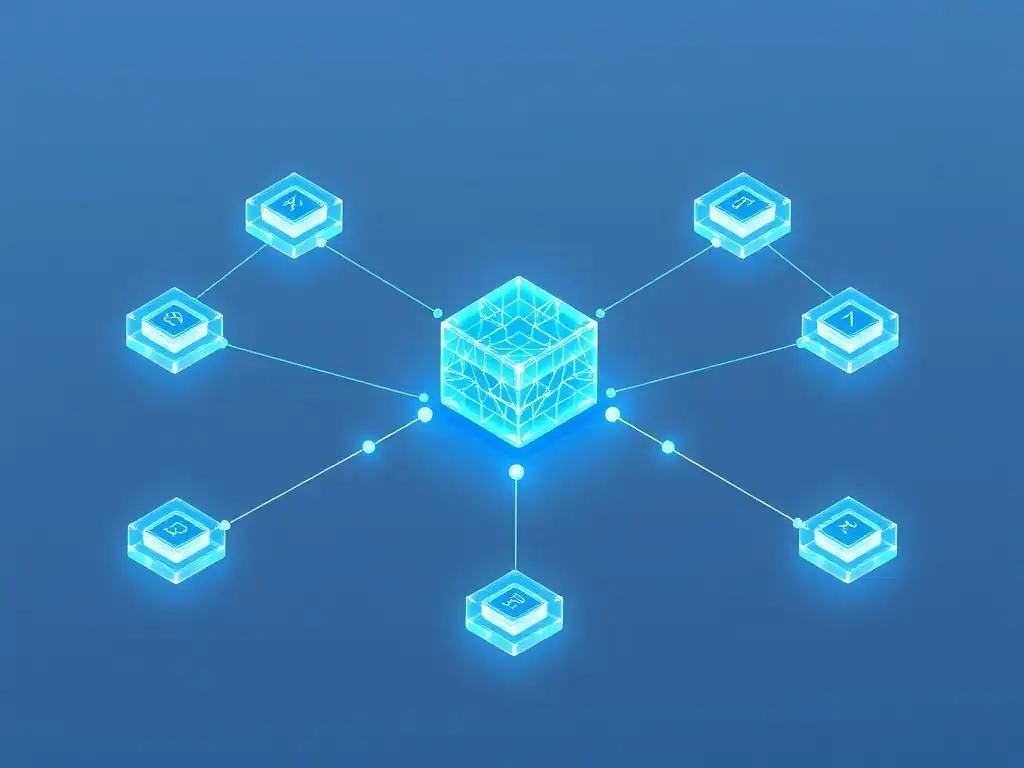
Creating New Markets for Private Data and Computation
Zero-Knowledge Proofs are not just improving existing business models; they are creating entirely new markets for private data and computation. The ability to compute on and verify data without revealing it opens up opportunities for data monetization, privacy-preserving analytics, and secure multi-party computation that were previously unattainable. As discussed earlier, ZKP-based data marketplaces enable data providers to monetize their datasets in a privacy-preserving manner. Furthermore, ZKPs can facilitate privacy-preserving machine learning, allowing models to be trained on sensitive data without compromising data privacy.
This creation of new markets for private data and computation is driving innovation in various sectors. In the advertising industry, ZKPs are enabling privacy-preserving ad targeting and measurement. In the financial sector, ZKPs are facilitating confidential transactions and privacy-preserving KYC/AML compliance. In the healthcare sector, ZKPs are enabling secure data sharing for research and privacy-preserving telemedicine. These are just a few examples of how ZKPs are creating new economic opportunities and shaping the future of decentralized business by unlocking the value of private data and computation.
Fostering Trust and Transparency
While seemingly paradoxical, Zero-Knowledge Proofs, focused on privacy, also foster trust and transparency in decentralized systems. By enabling verifiable computations and data integrity without revealing sensitive information, ZKPs build trust in systems where transparency alone might be insufficient or even detrimental due to privacy concerns. In blockchain-based systems, ZKPs enhance trust by providing cryptographic assurance of transaction validity and data integrity, even when transactions are private. This cryptographic trust is crucial for the widespread adoption of decentralized technologies, especially in sectors where trust and security are paramount, such as finance and governance.
Furthermore, ZKPs can enhance transparency in specific contexts. For example, in voting systems, ZKPs can be used to prove that votes are counted correctly and fairly without revealing individual voter preferences. This can increase transparency and trust in democratic processes. In supply chains, ZKPs can provide verifiable transparency regarding product provenance and ethical sourcing, as discussed earlier. Therefore, ZKPs play a crucial role in fostering trust and transparency in decentralized business models by providing cryptographic guarantees of privacy, security, and data integrity.
The Role of ZKPs in Web3
Zero-Knowledge Proofs are becoming a cornerstone technology for Web3, the vision of a decentralized and user-centric internet. Web3 aims to address the privacy and data ownership concerns of Web2 by leveraging blockchain and decentralized technologies. ZKPs are essential for realizing the privacy-preserving and scalable aspects of Web3. ZK-Rollups are critical for scaling blockchain infrastructure to support mass adoption of Web3 applications. ZK-based DID empowers users with control over their digital identities in Web3 environments. Privacy-preserving data sharing and computation enabled by ZKPs are fundamental for building a user-centric and privacy-respecting Web3 ecosystem.
As Web3 evolves, Zero-Knowledge Proofs are expected to play an even more prominent role. Emerging Web3 applications, such as decentralized social media, metaverse platforms, and decentralized autonomous organizations (DAOs), are increasingly relying on ZKPs for privacy, scalability, and security. The ongoing development and standardization of ZKP technologies are further accelerating their adoption in Web3 and solidifying their position as a key enabler for a more decentralized, private, and user-empowering internet.
Challenges and Opportunities in the Zero-Knowledge Economy
Technical Hurdles and Scalability Concerns
Despite their immense potential, Zero-Knowledge Proofs still face technical hurdles and scalability concerns. Generating ZKPs can be computationally intensive, especially for complex statements or large datasets. While significant progress has been made in improving ZKP performance, further optimization is needed to make them practical for widespread adoption in high-throughput applications. Different types of ZKPs have varying performance characteristics, and choosing the right ZKP system for a specific application requires careful consideration of trade-offs between proof generation time, proof size, and verification time.
Scalability is another key challenge. While ZK-Rollups address blockchain scalability, scaling ZKP systems themselves to handle massive datasets and complex computations remains an ongoing research area. New ZKP constructions and hardware accelerations are being developed to improve the scalability and efficiency of ZKP technologies. Overcoming these technical hurdles and scalability concerns is crucial for unlocking the full potential of the Zero-Knowledge economy and enabling the widespread adoption of ZKP-based business models.
Regulatory Landscape and Compliance Considerations
The regulatory landscape surrounding Zero-Knowledge Proofs is still evolving. While ZKPs offer enhanced privacy and security, regulators are also concerned about their potential misuse, particularly in areas like illicit activities and regulatory evasion. Striking a balance between promoting innovation and mitigating potential risks is a key challenge for regulators. Clear regulatory guidelines and standards are needed to foster responsible development and deployment of ZKP technologies.
Compliance considerations are also important for businesses adopting ZKP-based solutions. While ZKPs can help businesses comply with data privacy regulations like GDPR and CCPA, they also need to ensure compliance with other relevant regulations, such as AML and KYC. Developing ZKP-based solutions that are both privacy-preserving and regulatory-compliant is crucial for their successful adoption in regulated industries. Collaboration between technology developers, regulators, and industry stakeholders is essential to navigate the evolving regulatory landscape and ensure responsible innovation in the Zero-Knowledge economy.
Overcoming Adoption Barriers
Despite their benefits, Zero-Knowledge Proofs face adoption barriers, including lack of awareness, complexity, and integration challenges. Many businesses and developers are still unfamiliar with ZKP technology and its potential applications. Education and awareness campaigns are needed to promote understanding and adoption of ZKPs across different industries. The complexity of ZKP cryptography can also be a barrier to entry for developers. Developing user-friendly ZKP libraries and tools can simplify integration and reduce the learning curve for developers.
Integration challenges also exist. Integrating ZKP-based solutions into existing systems and workflows can require significant effort and expertise. Developing standardized ZKP protocols and interfaces can facilitate interoperability and simplify integration. Overcoming these adoption barriers requires a multi-faceted approach, including education, tool development, standardization, and successful demonstration of real-world use cases to showcase the value and benefits of Zero-Knowledge Proofs.
Case Studies: Real-World Examples of ZKP-Driven Business Innovation
Proof of Attendance Protocol (POAP) and ZK-Proofs
Proof of Attendance Protocol (POAP) is a system for issuing digital badges to individuals as proof of attendance at events, both virtual and physical. While POAPs initially did not directly utilize ZKPs, the increasing focus on privacy within the Web3 space has led to explorations of integrating Zero-Knowledge Proofs to enhance user privacy in POAP systems. Imagine a future where users can prove they attended an event to gain access to exclusive content or benefits, without revealing which specific event they attended, only that they have a valid POAP. This is where ZKPs become invaluable.
Integrating ZKPs into POAP could enable users to selectively disclose information about their event attendance. For example, a user could prove they have attended at least one event in a certain category (e.g., blockchain conferences) without revealing the specific conferences they attended. This enhances user privacy while still allowing for verifiable proof of engagement and participation. This evolution of POAP towards ZKP integration exemplifies the growing demand for privacy-preserving solutions in Web3 and the innovative application of ZKPs to enhance existing systems and business models.
Mina Protocol and Succinct Blockchain Technology
Mina Protocol is a blockchain that utilizes Zero-Knowledge Succinct Non-Interactive Argument of Knowledge (zk-SNARKs) to achieve a constant-size blockchain, regardless of transaction history. This succinctness is a key innovation that addresses blockchain scalability and accessibility challenges. Mina's blockchain is always around 22KB in size, making it incredibly lightweight and accessible even on resource-constrained devices like mobile phones. This is achieved through the use of zk-SNARKs to compress the entire blockchain state into a small proof that can be quickly verified.
Mina Protocol's approach represents a significant advancement in blockchain technology and opens up new business opportunities. The lightweight nature of Mina makes it ideal for applications requiring fast and efficient blockchain verification, such as mobile payments, IoT devices, and decentralized identity solutions. Furthermore, Mina's focus on privacy through zk-SNARKs aligns with the growing demand for privacy-preserving blockchain applications. Mina Protocol serves as a real-world example of how ZKPs can be used to build innovative blockchain infrastructure and enable new business models in the decentralized space.
Dark Forest: A Fully On-Chain MMO Strategy Game
Dark Forest is a fully on-chain massively multiplayer online (MMO) strategy game built on Ethereum. It leverages Zero-Knowledge Proofs to create a unique gaming experience where players explore a vast, procedurally generated universe, discover planets, and engage in strategic gameplay, all while keeping their actions and locations hidden from other players until they are revealed through in-game mechanics. This "fog of war" is enabled by ZKPs, allowing players to interact with the game world and each other without revealing their strategies or positions on-chain until necessary.
Dark Forest showcases the innovative application of ZKPs in gaming and entertainment. The game demonstrates how ZKPs can be used to create complex and engaging on-chain experiences that prioritize player privacy and strategic depth. The success of Dark Forest highlights the potential for ZKPs to revolutionize gaming and other interactive applications by enabling new forms of gameplay and user experiences that were previously impossible without privacy-preserving technologies. It also demonstrates a novel business model for on-chain gaming, where ZKPs are not just a technical feature, but a core element of the game's design and value proposition.
The Future Outlook: Zero-Knowledge Proofs as a Cornerstone of the Digital Economy
The Convergence of ZKPs with Other Emerging Technologies
The future of Zero-Knowledge Proofs is intertwined with the convergence of other emerging technologies, such as artificial intelligence (AI), the Internet of Things (IoT), and quantum computing. ZKPs can enhance the privacy and security of AI systems by enabling privacy-preserving machine learning and secure data sharing for AI training. In IoT, ZKPs can secure communication and data exchange between devices while protecting user privacy. As quantum computers become more powerful, post-quantum cryptography is crucial, and ZKPs are being explored as a potential post-quantum secure cryptographic primitive.
This convergence of ZKPs with other technologies is expected to accelerate innovation and create new opportunities across various sectors. For example, the combination of AI and ZKPs can lead to privacy-preserving AI-powered services in healthcare, finance, and personalized advertising. The integration of ZKPs with IoT can enable secure and privacy-respecting smart cities and industrial IoT applications. This synergistic relationship between ZKPs and other emerging technologies will further solidify the role of ZKPs as a cornerstone of the digital economy.
Predicting the Growth Trajectory of the Zero-Knowledge Proofs Market
Predicting the precise growth trajectory of the Zero-Knowledge Proofs market is challenging due to its nascent stage and rapid evolution. However, industry analysts and market research firms are increasingly recognizing the significant potential of ZKPs. Reports suggest that the market for privacy-enhancing technologies, which includes ZKPs, is expected to experience substantial growth in the coming years, driven by increasing data privacy regulations, growing demand for secure data sharing, and the rise of decentralized technologies.
While specific market size projections vary, most estimates indicate a significant upward trend in the adoption and market value of ZKP-related technologies and services. Factors driving this growth include increased investment in ZKP research and development, the emergence of ZKP-based startups and solutions, and the growing awareness of the economic benefits of ZKPs across various industries. As ZKP technology matures and adoption barriers are overcome, the market is expected to experience exponential growth, potentially reaching billions of dollars in the next decade.
Zero-Knowledge Proofs: A Key Enabler for a More Private and Secure Future
Ultimately, Zero-Knowledge Proofs are poised to be a key enabler for a more private and secure digital future. In an era characterized by increasing data breaches, privacy concerns, and the growing power of centralized data aggregators, ZKPs offer a powerful technological solution to restore user privacy and build more trustworthy digital systems. By enabling secure and privacy-preserving data handling, ZKPs empower individuals with greater control over their data and foster a more privacy-respecting digital environment.
Furthermore, ZKPs are essential for building a more secure digital infrastructure. Their cryptographic properties provide strong guarantees of data integrity and transaction validity, enhancing the security of blockchain systems, decentralized applications, and various other digital systems. As the digital economy continues to expand and become more interconnected, Zero-Knowledge Proofs will play an increasingly vital role in ensuring a future where privacy and security are not just afterthoughts, but fundamental building blocks of the digital world.
Conclusion: Embracing the Economic Opportunities of Zero-Knowledge Proofs
Zero-Knowledge Technology: A Paradigm Shift in Data Security and Business Innovation
Zero-Knowledge technology represents a paradigm shift in data security and business innovation. It moves beyond traditional security models focused on data protection in transit and at rest, and introduces a fundamentally new approach based on proof-based verification without data disclosure. This paradigm shift unlocks a wealth of economic opportunities across various industries and enables entirely new business models centered around privacy-preserving data handling, secure computation, and verifiable transparency.
The economic impact of Zero-Knowledge Proofs is far-reaching, spanning from enhanced data privacy and reduced transaction costs to the creation of new markets for private data and computation. ZKPs are not just a niche cryptographic technology; they are a foundational building block for the future of the digital economy, enabling a more secure, private, and user-centric digital world. Embracing Zero-Knowledge technology is not just about adopting a new security tool; it's about embracing a new paradigm of data handling and unlocking the full potential of privacy-preserving innovation.
Investing in the Future of Zero-Knowledge Proofs
Investing in the future of Zero-Knowledge Proofs is an investment in the future of a more private, secure, and user-empowering digital economy. This investment can take various forms, from supporting research and development in ZKP technologies to fostering the growth of ZKP-based startups and solutions. Businesses should explore how ZKPs can enhance their existing operations, create new revenue streams, and build trust with their customers by prioritizing data privacy and security. Developers should learn about ZKP cryptography and explore integrating ZKPs into their applications to build privacy-preserving and secure solutions.
As Zero-Knowledge Proofs continue to mature and adoption barriers are overcome, the economic opportunities they unlock will only continue to grow. Embracing this transformative technology and investing in its future is crucial for businesses, developers, and individuals who want to be at the forefront of the next wave of digital innovation and build a more private and secure digital future for all.
Frequently Asked Questions
What are Zero-Knowledge Proofs (ZKPs) and how do they relate to business models?
ZKPs are a cryptographic technique that allows one party to prove to another that a statement is true without revealing any information beyond the validity of the statement itself. This enhanced privacy enables new business models centered around data security and verified computation without exposing sensitive information.
How can ZKPs be used in the financial sector to create new business opportunities?
In finance, ZKPs can facilitate private transactions that comply with regulations, enabling new DeFi (Decentralized Finance) services. They can also be used for fraud detection and identity verification while protecting user privacy, creating opportunities for more secure and compliant financial products.
What are some potential enterprise applications of ZKPs, and how could they lead to new business models?
Enterprises can leverage ZKPs for secure data sharing across departments or with external partners without compromising confidentiality. This creates opportunities for data monetization and collaborative data analysis while maintaining strict privacy controls, fostering new business models based on trusted data ecosystems.
How might the increasing regulation of data privacy impact the adoption of ZKP-based business models?
Stricter data privacy regulations, such as GDPR and CCPA, are driving demand for privacy-preserving technologies. ZKPs offer a solution for complying with these regulations while still enabling valuable data-driven services, making ZKP-based business models increasingly attractive and legally compliant.
What are the key challenges and opportunities associated with implementing ZKP-based business models in the future?
Challenges include the complexity of ZKP implementation and the need for specialized expertise. However, the opportunities are vast, with the potential to unlock new markets and create trust-based services in areas like healthcare, supply chain management, and digital identity, leading to significant economic impact.
Final Reflection: Unlocking Trust and Transforming Commerce
The exploration of Zero-Knowledge Proofs (ZKPs) and their economic impact reveals more than just technological advancement; it unveils a paradigm shift in how we perceive and conduct business. The potential for ZKPs to revolutionize trust, privacy, and efficiency in various sectors is not a futuristic fantasy, but a tangible reality unfolding before us. From decentralized finance to secure data sharing, the business models enabled by ZKPs are poised to reshape industries and create entirely new opportunities.
The ongoing influence of ZKPs extends far beyond the technical realm, impacting the very fabric of our digital interactions. This technology empowers individuals and organizations to control their data, fostering a more equitable and secure digital landscape. The ability to prove something without revealing the underlying information is not just a technical feat; it's a fundamental shift in power dynamics. Privacy is not an option, it is a necessity.
- Bruce Schneier. This quote encapsulates the essence of ZKPs, highlighting their crucial role in safeguarding individual rights and fostering a more trustworthy digital world.
As we stand at the cusp of this technological revolution, it's imperative to consider the implications of ZKPs and their potential to transform our world. What new business models can you envision leveraging the power of ZKPs? How can you contribute to building a future where trust and privacy are not mutually exclusive, but rather, integral components of every transaction? Let us embrace the potential of Zero-Knowledge Proofs to create a more secure, efficient, and equitable future for all.
Unlock the Potential: Start Building with Zero-Knowledge Today!
Thank you for exploring the fascinating world of Zero-Knowledge Proofs and their impact on the economy. You've seen how ZKPs are creating new opportunities and transforming industries within the blockchain space. Are you ready to take the next step?
Here are some ways to begin exploring ZKPs and their possibilities:
- Research: Spend time this week studying a specific ZKP implementation, such as zk-SNARKs or zk-STARKs. Gaining a deeper understanding will open up more opportunities for innovation.
- Brainstorm: Consider how ZKPs could enhance data privacy in a tool or service you use regularly. Could it improve security in banking, social media, or healthcare?
- Share and Discuss: Share this article with colleagues or friends interested in blockchain and start a conversation about the future economic impact of ZKPs.
What exciting application of Zero-Knowledge Proofs interests you the most? What steps will you take this week to explore its potential? Share your thoughts below!
Leave a Reply