
Retail Reimagined: Blockchain & IoT for Enhanced Customer Experiences and Supply Chains

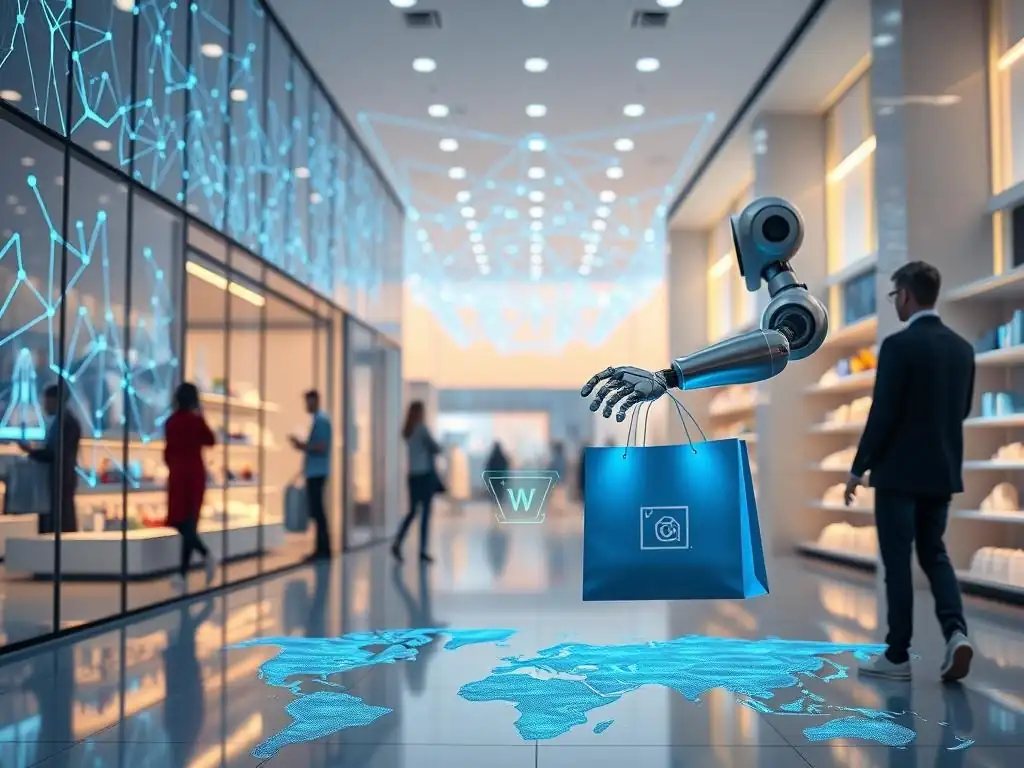
Welcome to Blockchain Trends, your go-to source for understanding the revolutionary impact of blockchain technology! Prepare to delve beyond the hype and discover how blockchain is reshaping industries.
Ever wondered how blockchain and IoT are converging to create smarter, more transparent retail experiences? Our latest deep dive explores the blockchain retail supply chain, revealing how these technologies are not just streamlining operations, but also enhancing customer trust and loyalty. Read on to uncover the future of retail, powered by decentralization and data integrity, and see how your business can benefit.
Retail Reimagined: Blockchain & IoT for Enhanced Customer Experiences and Supply Chains
- Introduction: Revolutionizing Retail with Blockchain and IoT
- Understanding the Fundamentals: Blockchain & IoT in a Retail Context
- Enhancing Customer Experiences with Blockchain and IoT
- Optimizing the Retail Supply Chain with Blockchain
- Use Cases: Real-World Applications of Blockchain and IoT in Retail
- Benefits of Integrating Blockchain and IoT in Retail
- Challenges and Considerations for Blockchain and IoT Implementation
- The Future of Retail: Blockchain, IoT, and Beyond
- Conclusion: Embracing the Future of Retail with Blockchain and IoT
-
Frequently Asked Questions
- How can blockchain technology improve retail supply chains?
- What role does IoT play in conjunction with blockchain in retail?
- What are the benefits of using blockchain for customer experiences in retail?
- What are the regulatory considerations for implementing blockchain in retail supply chains?
- What is the future outlook for blockchain adoption in retail supply chains?
- Final Reflection: Embracing the Future of Retail
- Ignite Your Retail Revolution!
Introduction: Revolutionizing Retail with Blockchain and IoT
The Convergence of Blockchain and IoT in Retail
The retail sector stands at the cusp of a technological revolution, driven by the synergistic convergence of blockchain and the Internet of Things (IoT). Blockchain technology, renowned for its secure, transparent, and decentralized nature, provides a robust framework for data integrity and trust. IoT, with its network of interconnected devices and sensors, generates vast streams of real-time data from across the retail ecosystem, from manufacturing floors to consumer shopping baskets.
When these two powerful technologies converge, they unlock unprecedented opportunities to optimize operations, enhance customer experiences, and build more resilient and transparent retail supply chains. This integration is not merely about incremental improvements; it signifies a paradigm shift, fundamentally altering how retail businesses operate and interact with consumers.
This convergence is particularly potent in addressing the evolving demands of modern consumers who are increasingly informed, digitally savvy, and concerned about product authenticity and ethical sourcing. By leveraging the strengths of both blockchain and IoT, retailers can create ecosystems that are not only more efficient but also more customer-centric and trustworthy.
Imagine a future where every product's journey is transparently tracked on a blockchain, verified by IoT sensors at each stage, and accessible to consumers through a simple scan. This is the transformative potential of blockchain and IoT in retail, moving beyond hype to deliver tangible benefits across the entire value chain.
Addressing Current Retail Challenges: Supply Chain Inefficiencies and Customer Distrust
The retail industry, despite its advancements, grapples with persistent challenges that hinder efficiency and erode consumer trust. Supply chain inefficiencies, characterized by opaque processes, lack of real-time visibility, and cumbersome manual systems, lead to delays, increased costs, and wasted resources. Traditional supply chains often lack transparency, making it difficult for consumers to verify product origin, authenticity, and ethical sourcing. This opacity breeds distrust, particularly in sectors like food, pharmaceuticals, and luxury goods where counterfeiting and fraud are rampant. Furthermore, retailers struggle to personalize customer experiences effectively due to fragmented data silos and limited insights into individual preferences and behaviors.
The integration of blockchain and IoT offers a powerful antidote to these challenges. Blockchain's inherent transparency and immutability can establish trust and accountability across the retail supply chain, from raw material sourcing to final delivery. IoT sensors, embedded in products, packaging, and infrastructure, provide real-time data on location, condition, and environmental factors, creating end-to-end visibility and enabling proactive issue detection and resolution.
By combining these technologies, retailers can build more agile, responsive, and customer-centric operations, fostering greater trust and loyalty in an increasingly competitive market. The inefficiencies plaguing the traditional retail supply chain can be significantly mitigated through the strategic implementation of blockchain and IoT solutions.
Understanding the Fundamentals: Blockchain & IoT in a Retail Context
Blockchain Technology: Transparency and Security for Retail
Blockchain technology, at its core, is a distributed, immutable ledger that records transactions across a network of computers. In a retail context, blockchain provides a secure and transparent platform for tracking products, verifying authenticity, and managing transactions across the supply chain. Its decentralized nature eliminates single points of failure and reduces reliance on intermediaries, streamlining processes and potentially lowering costs.
The cryptographic security inherent in blockchain ensures data integrity, making it virtually tamper-proof and highly resistant to fraud. For example, in the blockchain retail supply chain, each stage of a product's journey, from manufacturing to distribution, can be recorded as a transaction on the blockchain, creating an auditable and verifiable history.
The transparency offered by blockchain is particularly valuable for building consumer trust and enhancing brand reputation. Customers can access information about a product's origin, manufacturing process, and ethical sourcing through blockchain-based applications, empowering them to make informed purchasing decisions. This transparency extends to retailers as well, providing them with real-time visibility into their supply chains, enabling better inventory management, and facilitating faster recall processes if necessary. Furthermore, smart contracts, self-executing agreements coded on the blockchain, can automate processes like payments and order fulfillment, reducing administrative overhead and improving efficiency within the blockchain retail supply chain.
IoT (Internet of Things): Data-Driven Insights for Retail Operations
The Internet of Things (IoT) refers to a network of physical objects embedded with sensors, software, and other technologies that allow them to collect and exchange data. In retail, IoT devices can range from RFID tags and beacons for inventory tracking to smart shelves that monitor product levels and environmental sensors that ensure optimal storage conditions.
The data generated by these IoT devices provides retailers with real-time insights into various aspects of their operations, from customer behavior in-store to the condition of goods in transit. This data-driven approach enables retailers to make informed decisions, optimize processes, and personalize customer experiences.
For instance, IoT sensors in a warehouse can monitor temperature and humidity, ensuring that perishable goods are stored under optimal conditions, reducing spoilage and waste. In-store, IoT beacons can track customer movement and proximity to products, providing valuable data for optimizing store layouts and targeted marketing efforts. Furthermore, IoT-enabled point-of-sale (POS) systems can collect data on purchasing patterns, informing inventory management and promotional strategies.
The integration of IoT into the blockchain retail supply chain allows for real-time verification of product location and condition at each stage, enhancing transparency and accountability. This wealth of data empowers retailers to move from reactive to proactive decision-making, improving efficiency and customer satisfaction.
Enhancing Customer Experiences with Blockchain and IoT
Personalized Shopping Experiences Powered by IoT Data
The fusion of IoT and data analytics empowers retailers to create highly personalized shopping experiences. By leveraging data collected from in-store sensors, wearable devices, and online interactions, retailers can gain a comprehensive understanding of individual customer preferences, behaviors, and needs. For example, IoT sensors can track customer movement within a store, identifying popular product categories and areas of interest.
This data can be used to personalize product recommendations, tailor promotions, and optimize store layouts to enhance the shopping journey. Imagine walking into a store and receiving personalized offers on your smartphone based on your past purchases and browsing history, all powered by IoT data and delivered through a seamless digital interface.
Furthermore, IoT data can be used to personalize the online shopping experience. By tracking website browsing history, purchase patterns, and social media activity, retailers can create targeted advertising campaigns, personalized product recommendations, and customized website content. This level of personalization extends beyond mere product suggestions.
It can encompass tailored customer service, proactive problem resolution, and even personalized product design and manufacturing. The combination of IoT data and advanced analytics allows retailers to move away from a one-size-fits-all approach and towards a truly customer-centric model, fostering stronger customer relationships and driving loyalty in the competitive retail landscape. This personalized approach, underpinned by data from IoT, is a key differentiator in modern retail.
Blockchain-Based Loyalty Programs and Rewards Systems
Traditional loyalty programs often suffer from inefficiencies, lack of transparency, and limited customer engagement. Blockchain technology offers a compelling alternative by enabling the creation of decentralized, transparent, and more engaging loyalty and rewards systems. Blockchain-based loyalty points can be issued as tokens, providing customers with greater control and flexibility. These tokens can be easily tracked, transferred, and redeemed across different platforms and even potentially exchanged with other cryptocurrencies or loyalty points from different retailers, creating a more interconnected and valuable ecosystem.
The transparency of blockchain ensures that loyalty points are accurately tracked and cannot be fraudulently manipulated, building trust and confidence among customers. Smart contracts can automate the issuance and redemption of rewards, streamlining the process and reducing administrative overhead. Furthermore, blockchain-based loyalty programs can foster greater customer engagement by offering personalized rewards, gamified experiences, and exclusive access to products or services.
For example, a retailer could offer NFTs (Non-Fungible Tokens) as loyalty rewards, providing customers with unique digital collectibles or access to exclusive events. These innovative approaches can significantly enhance customer loyalty and create a more rewarding and engaging shopping experience, moving beyond simple discounts to build deeper customer relationships.
Enhanced Product Authentication and Provenance Tracking Using Blockchain
Counterfeiting and product fraud are significant challenges in the retail industry, eroding consumer trust and damaging brand reputation. Blockchain technology offers a robust solution for product authentication and provenance tracking, providing consumers with verifiable proof of authenticity and origin. By recording each stage of a product's journey on a blockchain, from raw material sourcing to manufacturing and distribution, retailers can create an immutable record of its provenance. This information can be accessed by consumers through QR codes or NFC tags on products, allowing them to verify authenticity and trace the product's journey with complete transparency.
This capability is particularly crucial for high-value goods, luxury items, pharmaceuticals, and food products where counterfeiting is prevalent. For instance, in the luxury goods sector, blockchain can be used to verify the authenticity of handbags or watches, preventing the sale of counterfeit items. In the food industry, blockchain can track the journey of food products from farm to table, ensuring food safety and providing consumers with information about origin and ethical sourcing.
This enhanced product authentication and provenance tracking, powered by blockchain, not only protects consumers from fraud but also strengthens brand reputation and builds trust in the blockchain retail supply chain. Consumers are increasingly demanding transparency and assurance about the products they purchase, and blockchain provides a powerful tool to meet this demand.
Optimizing the Retail Supply Chain with Blockchain
Blockchain-Enabled Supply Chain Visibility and Traceability
One of the most significant benefits of blockchain in retail is its ability to enhance supply chain visibility and traceability. Traditional supply chains often lack transparency, with information fragmented across different systems and stakeholders. Blockchain provides a single, shared ledger that records every transaction and movement of goods throughout the supply chain, creating an end-to-end view. This enhanced visibility allows retailers to track products in real-time, identify bottlenecks, and proactively address potential disruptions. For example, if a shipment is delayed, blockchain can quickly pinpoint the location and cause of the delay, enabling faster resolution and minimizing impact.
Traceability, a crucial aspect of supply chain management, is also significantly improved by blockchain. The immutable nature of blockchain records ensures that the history of a product, from origin to consumer, is permanently recorded and verifiable. This traceability is particularly important for industries with stringent regulatory requirements, such as pharmaceuticals and food.
In the blockchain retail supply chain, each stakeholder, from manufacturers to distributors and retailers, can contribute data to the blockchain, creating a comprehensive and auditable record. This enhanced visibility and traceability not only improve operational efficiency but also build trust and transparency throughout the supply chain, benefiting all stakeholders.
Reducing Counterfeiting and Fraud in the Retail Supply Chain
Counterfeiting and fraud pose a significant threat to the retail industry, resulting in billions of dollars in losses annually and damaging brand reputation. Blockchain technology offers a powerful weapon against these illicit activities by providing a secure and transparent platform for verifying product authenticity and tracking provenance. By assigning unique digital identities to products and recording their journey on a blockchain, retailers can create an immutable record that is virtually impossible to tamper with. This allows consumers and retailers alike to easily verify the authenticity of products and ensure they are not counterfeit.
The implementation of blockchain in the blockchain retail supply chain can significantly reduce the incidence of fraud at various stages. For instance, by tracking products from the point of origin, blockchain can prevent the entry of counterfeit goods into the supply chain. Smart contracts can automate verification processes at each stage, ensuring that only authenticated products proceed further.
Furthermore, blockchain can facilitate faster and more efficient recall processes in case of product defects or safety concerns, minimizing the impact of fraudulent or substandard products reaching consumers. This proactive approach to combating counterfeiting and fraud strengthens consumer trust and protects brand integrity, creating a more secure and reliable retail environment.
Improving Inventory Management and Logistics with IoT and Blockchain
The synergistic combination of IoT and blockchain offers transformative potential for improving inventory management and logistics in retail. IoT sensors, such as RFID tags and smart shelves, provide real-time data on inventory levels, product locations, and environmental conditions. This data, when integrated with blockchain, creates a transparent and auditable record of inventory movements and stock levels across the entire supply chain. Retailers can leverage this real-time visibility to optimize inventory levels, reduce stockouts and overstocking, and improve forecasting accuracy.
Blockchain enhances the reliability and security of IoT data, ensuring data integrity and preventing manipulation. Smart contracts can automate inventory replenishment processes based on real-time data from IoT sensors, streamlining operations and reducing manual intervention. Furthermore, the combination of IoT and blockchain can optimize logistics by tracking shipments in real-time, optimizing routes, and improving delivery efficiency.
In the blockchain retail supply chain, this integrated approach leads to significant cost savings, improved efficiency, and enhanced responsiveness to changing customer demand. By leveraging the strengths of both technologies, retailers can create a more agile and efficient supply chain, optimizing inventory management and logistics for a competitive edge.
Use Cases: Real-World Applications of Blockchain and IoT in Retail
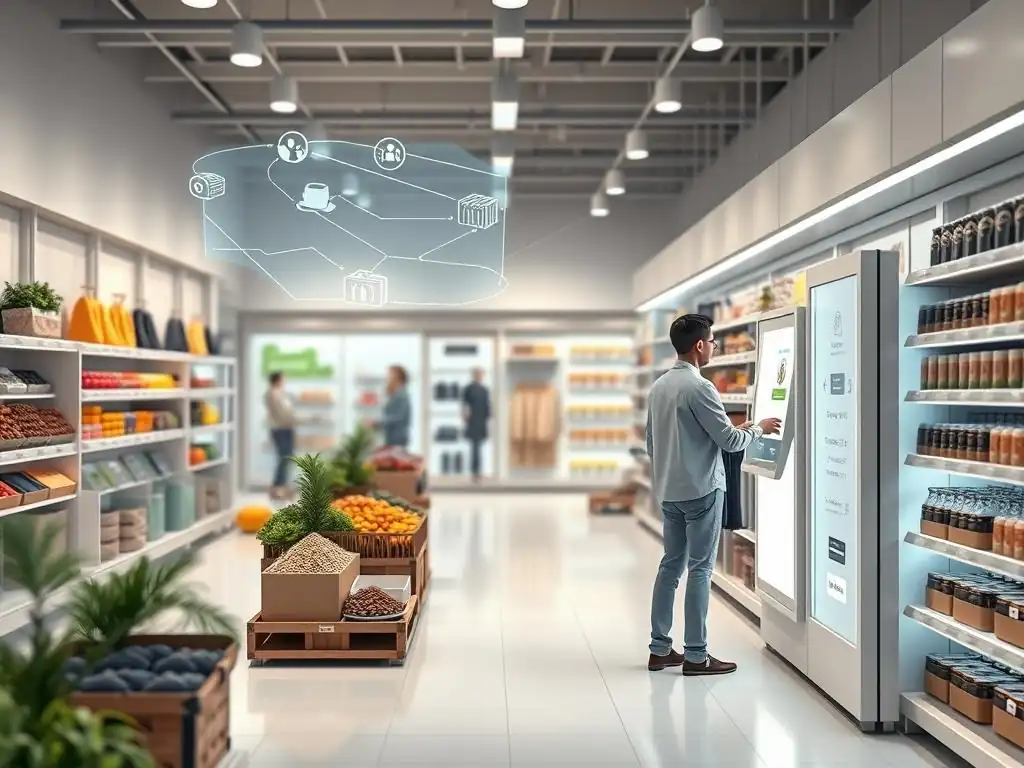
Case Study 1: Walmart - Implementing Blockchain for Food Traceability
Walmart, a global retail giant, has been a pioneer in leveraging blockchain for food traceability, particularly in its fresh produce supply chain. Recognizing the need for enhanced transparency and food safety, Walmart partnered with IBM Food Trust to implement a blockchain-based system for tracking leafy greens like spinach and romaine lettuce. Before blockchain, tracing the origin of contaminated produce back to its source could take days or even weeks, leading to widespread recalls and significant food waste. With blockchain, Walmart has dramatically reduced this time to seconds.
By recording data on the blockchain at each stage of the supply chain – from farm to processing facility to store – Walmart can quickly identify the source of contamination and isolate affected products. This enhanced traceability not only improves food safety but also reduces food waste and enhances consumer trust.
In one instance, when a salmonella outbreak was linked to papayas, Walmart was able to trace the affected papayas back to their specific farm in Mexico within just 2.2 seconds, compared to the previous industry average of seven days. This real-world example showcases the power of blockchain to revolutionize food traceability and improve the safety and efficiency of the food blockchain retail supply chain.
Case Study 2: Kroger - Using IoT Sensors for Inventory Optimization
Kroger, another leading supermarket chain in the United States, has implemented IoT sensors to optimize inventory management and enhance the shopping experience. Kroger utilizes smart shelves equipped with sensors to monitor product levels in real-time. These sensors automatically detect when shelves are running low on stock and trigger alerts for restocking, ensuring that products are always available for customers. This IoT-based system helps Kroger reduce stockouts, improve on-shelf availability, and optimize inventory levels across its vast network of stores.
Beyond inventory management, Kroger also utilizes IoT sensors to monitor temperature and humidity in refrigerators and freezers, ensuring the quality and safety of perishable goods. This proactive monitoring helps prevent spoilage and reduces food waste. Furthermore, Kroger is exploring the use of IoT sensors to personalize the shopping experience, such as using beacons to deliver targeted promotions to customers as they move through the store.
By leveraging IoT data for inventory optimization and enhanced customer experiences, Kroger is demonstrating the practical benefits of IoT implementation in a large-scale retail environment. This focus on data-driven inventory management is crucial for maintaining efficiency and profitability in the competitive grocery sector.
Case Study 3: Starbucks - Creating a Blockchain-Based Loyalty Program
Starbucks, a global coffeehouse chain, has ventured into blockchain technology to enhance its loyalty program and create more engaging customer experiences. Starbucks launched "Starbucks Odyssey," a blockchain-based loyalty program built on Polygon, offering customers the opportunity to earn and trade NFTs (Non-Fungible Tokens) as rewards. These NFTs represent collectible digital stamps and unlock exclusive experiences and benefits within the Starbucks ecosystem. This innovative approach to loyalty programs leverages the transparency and security of blockchain to create a more engaging and rewarding experience for customers.
The Starbucks Odyssey program allows customers to earn "Journey Stamps" (NFTs) by completing challenges and participating in activities within the Starbucks ecosystem. These NFTs can be traded on a dedicated marketplace, providing customers with ownership and control over their loyalty rewards. The program aims to foster a sense of community and engagement among Starbucks customers while also providing a more transparent and secure loyalty system.
By embracing blockchain for its loyalty program, Starbucks is demonstrating the potential of this technology to transform customer engagement and create more innovative and rewarding experiences in the retail sector. This blockchain-based loyalty program is a forward-thinking approach to customer retention and engagement.
Benefits of Integrating Blockchain and IoT in Retail
Increased Transparency and Trust in the Supply Chain
The integration of blockchain and IoT significantly enhances transparency and trust throughout the retail supply chain. Blockchain's immutable ledger provides a verifiable record of every transaction and product movement, fostering accountability and trust among all stakeholders. IoT sensors provide real-time data on product location, condition, and environmental factors, further enhancing visibility and transparency. This combination creates a supply chain where information is readily accessible, verifiable, and trustworthy. Consumers gain greater confidence in product authenticity and ethical sourcing, while retailers benefit from improved supply chain management and reduced risk of fraud.
In traditional supply chains, information asymmetry often exists, leading to distrust and inefficiencies. Blockchain and IoT address this issue by creating a shared and transparent platform where all stakeholders have access to the same information. This increased transparency is particularly valuable in industries where consumer trust is paramount, such as food, pharmaceuticals, and luxury goods. By building a more transparent and trustworthy blockchain retail supply chain, retailers can strengthen their brand reputation, enhance customer loyalty, and gain a competitive advantage in the market. Transparency becomes a key differentiator and a driver of consumer confidence.
Improved Efficiency and Cost Reduction in Retail Operations
The combined power of blockchain and IoT leads to significant improvements in efficiency and cost reduction across various retail operations. Blockchain streamlines processes by automating transactions, reducing paperwork, and eliminating intermediaries. Smart contracts can automate tasks such as order fulfillment, payments, and inventory management, reducing administrative overhead and minimizing errors. IoT sensors optimize inventory management by providing real-time data on stock levels, reducing stockouts and overstocking, and minimizing waste.
Furthermore, IoT-enabled predictive maintenance can reduce downtime and improve the efficiency of retail equipment and infrastructure. For example, sensors can monitor the performance of refrigeration units and predict potential failures, allowing for proactive maintenance and preventing costly breakdowns. In logistics, IoT and blockchain together optimize routes, track shipments in real-time, and improve delivery efficiency, reducing transportation costs and delivery times.
By streamlining processes, automating tasks, and optimizing resource utilization, the integration of blockchain and IoT results in significant cost savings and improved operational efficiency throughout the blockchain retail supply chain. These efficiencies translate directly to improved profitability and a more competitive business model.
Enhanced Customer Engagement and Loyalty
Blockchain and IoT technologies offer innovative ways to enhance customer engagement and foster loyalty in the retail sector. Personalized shopping experiences powered by IoT data create more relevant and engaging interactions with customers. Blockchain-based loyalty programs offer more transparent, rewarding, and engaging experiences compared to traditional programs. NFT-based rewards and gamified loyalty programs can create a sense of community and exclusivity, strengthening customer relationships and driving loyalty.
Furthermore, blockchain-enabled product authentication and provenance tracking empower consumers with greater transparency and control over their purchasing decisions, building trust and confidence in brands. By providing verifiable information about product origin, ethical sourcing, and authenticity, retailers can cater to the growing demand for transparency and build stronger connections with conscious consumers. The combination of personalized experiences, rewarding loyalty programs, and enhanced transparency fosters deeper customer engagement, strengthens brand loyalty, and ultimately drives repeat business in the competitive retail landscape. Customer engagement becomes a more personalized and value-driven experience.
Data Security and Privacy in the Retail Environment
While generating vast amounts of data, the integration of IoT in retail raises concerns about data security and privacy. Blockchain technology provides a robust solution to address these concerns. Blockchain's inherent security features, including cryptography and decentralization, make it highly resistant to data breaches and cyberattacks. Data stored on a blockchain is encrypted and distributed across a network, making it extremely difficult for unauthorized access or manipulation. Furthermore, blockchain can facilitate secure data sharing and access control, ensuring that sensitive customer data is protected.
In a retail environment where data privacy is paramount, blockchain can enable privacy-preserving data analytics. Techniques like zero-knowledge proofs and secure multi-party computation can be used to analyze data without revealing sensitive individual information. This allows retailers to gain valuable insights from data while maintaining customer privacy and complying with data protection regulations. By leveraging blockchain for data security and privacy, retailers can build trust with customers and ensure the responsible and ethical use of data in the retail environment. Data security and privacy become foundational elements of a responsible and trustworthy retail operation.
Challenges and Considerations for Blockchain and IoT Implementation
Scalability and Interoperability Issues
Implementing blockchain and IoT in retail environments is not without its challenges. Scalability and interoperability are significant considerations. Blockchain networks can face scalability limitations, particularly when dealing with high transaction volumes typical in retail. Processing a large number of transactions quickly and efficiently can be a bottleneck for some blockchain platforms. Furthermore, interoperability between different blockchain platforms and legacy retail systems can be complex and require significant technical expertise.
IoT deployments can also generate massive amounts of data, requiring robust infrastructure and data management capabilities to handle the data deluge. Ensuring interoperability between different IoT devices, platforms, and communication protocols can be challenging. Retailers need to carefully consider scalability and interoperability issues when planning blockchain and IoT implementations, choosing appropriate technologies and architectures that can meet their specific needs and scale as their operations grow. Addressing these technical challenges is crucial for successful and sustainable implementation.
Data Privacy and Security Concerns
While blockchain enhances data security, data privacy and security remain critical considerations in IoT and blockchain implementations in retail. IoT devices collect vast amounts of data, some of which may be sensitive personal information. Ensuring the security of IoT devices and the data they collect is paramount to prevent data breaches and protect customer privacy. Robust security measures, including encryption, access controls, and regular security audits, are essential for IoT deployments.
Blockchain's transparency, while beneficial for traceability, can also raise privacy concerns if sensitive data is inadvertently exposed on the blockchain. Retailers need to carefully consider what data is stored on the blockchain and implement appropriate privacy-enhancing technologies, such as data anonymization and pseudonymization, to protect customer privacy. Compliance with data privacy regulations, such as GDPR and CCPA, is crucial when implementing blockchain and IoT solutions in retail. Balancing the benefits of data utilization with the imperative of data privacy is a key challenge for retailers.
Regulatory Compliance and Legal Considerations
The regulatory landscape surrounding blockchain and IoT technologies is still evolving, and retailers need to navigate various regulatory compliance and legal considerations. Data privacy regulations, consumer protection laws, and industry-specific regulations all impact the implementation of blockchain and IoT in retail. For example, regulations related to data storage, data transfer, and cross-border data flows need to be carefully considered. Furthermore, legal aspects related to smart contracts, digital signatures, and the legal validity of blockchain-based records need to be addressed.
Retailers need to stay informed about evolving regulations and seek legal counsel to ensure compliance when implementing blockchain and IoT solutions. Working with regulatory bodies and industry associations can help clarify regulatory requirements and promote responsible innovation. Adhering to regulatory frameworks and addressing legal considerations is essential for building trust and ensuring the long-term sustainability of blockchain and IoT deployments in the retail sector. Navigating the regulatory landscape requires proactive engagement and a commitment to compliance.
The Cost of Implementation and ROI
Implementing blockchain and IoT solutions in retail can involve significant upfront costs. Investing in hardware, software, infrastructure, and skilled personnel can be substantial. Retailers need to carefully assess the costs of implementation and weigh them against the potential return on investment (ROI). Developing a clear business case and identifying specific use cases with demonstrable ROI is crucial for justifying the investment.
While the long-term benefits of blockchain and IoT, such as improved efficiency, reduced costs, and enhanced customer loyalty, can be significant, realizing these benefits may take time. Retailers need to adopt a phased approach to implementation, starting with pilot projects and gradually scaling up as they realize tangible benefits. Measuring ROI and tracking key performance indicators (KPIs) are essential for demonstrating the value of blockchain and IoT investments and ensuring that they deliver the expected returns. A strategic and ROI-focused approach is necessary for successful and cost-effective implementation.
The Future of Retail: Blockchain, IoT, and Beyond
The Role of AI and Machine Learning in the Future Retail Landscape
The future of retail will be increasingly shaped by the synergistic integration of blockchain, IoT, Artificial Intelligence (AI), and Machine Learning (ML). AI and ML algorithms can analyze the vast amounts of data generated by IoT devices and stored on blockchain platforms to provide deeper insights and drive intelligent automation. AI-powered analytics can personalize customer experiences, optimize pricing strategies, predict demand patterns, and automate inventory management. Machine learning models can identify patterns and anomalies in supply chain data, enabling proactive risk management and predictive maintenance.
The combination of blockchain's transparency and security with AI's analytical capabilities will create a new era of intelligent and trustworthy retail operations. AI can enhance the efficiency and scalability of blockchain networks, while blockchain can provide a secure and auditable platform for AI algorithms and data. This convergence of technologies will drive innovation across all aspects of retail, from personalized marketing and customer service to optimized supply chains and smart store operations. AI and ML will become integral components of the future blockchain retail supply chain, driving efficiency, personalization, and innovation.
The Metaverse and the Future of Retail Experiences
The metaverse, a persistent, shared virtual world, presents new opportunities and possibilities for the future of retail experiences. Blockchain and IoT can play a crucial role in enabling and enhancing metaverse retail. Blockchain can provide the foundation for digital ownership, digital identity, and secure transactions within the metaverse. NFTs can represent virtual goods, digital assets, and virtual real estate in the metaverse, enabling new forms of digital commerce and ownership. IoT devices can bridge the physical and virtual worlds, creating immersive and interactive retail experiences.
Imagine shopping in a virtual store in the metaverse, interacting with digital products represented as NFTs, and using blockchain-based cryptocurrencies for transactions. IoT sensors in physical stores can connect to the metaverse, allowing customers to seamlessly transition between physical and virtual shopping experiences. The metaverse has the potential to revolutionize retail by creating new channels for customer engagement, brand building, and digital commerce. Blockchain and IoT will be essential technologies for realizing the full potential of metaverse retail and creating immersive and interconnected shopping experiences.
The Impact of Blockchain and IoT on Sustainable Retail Practices
Sustainability is becoming an increasingly important consideration for consumers and retailers alike. Blockchain and IoT technologies can contribute significantly to promoting sustainable retail practices and building more environmentally responsible supply chains. Blockchain's transparency and traceability can be used to verify the ethical sourcing of materials, track carbon emissions throughout the supply chain, and ensure compliance with sustainability standards. IoT sensors can monitor energy consumption, waste generation, and environmental conditions in retail operations, enabling data-driven sustainability initiatives.
For example, blockchain can be used to track the journey of sustainably sourced products, providing consumers with verifiable proof of their environmental and social impact. IoT sensors can optimize energy consumption in stores and warehouses, reducing carbon footprint and operating costs. By leveraging blockchain and IoT for sustainability, retailers can enhance their environmental performance, meet growing consumer demand for sustainable products, and contribute to a more responsible and ethical retail industry. Sustainability will become a core value proposition in the future of retail, driven by technology and consumer demand.
Conclusion: Embracing the Future of Retail with Blockchain and IoT
Key Takeaways: The Power of Blockchain and IoT in Retail
The integration of blockchain and IoT presents a transformative opportunity for the retail industry. Blockchain enhances transparency, security, and trust throughout the supply chain, while IoT provides real-time data and insights for optimized operations and personalized customer experiences. The combined power of these technologies can revolutionize the blockchain retail supply chain, leading to increased efficiency, reduced costs, enhanced customer engagement, and improved sustainability. Real-world use cases from companies like Walmart, Kroger, and Starbucks demonstrate the tangible benefits of blockchain and IoT implementation in retail.
While challenges such as scalability, interoperability, data privacy, and regulatory compliance need to be addressed, the potential rewards of embracing blockchain and IoT are substantial. Retailers that strategically adopt these technologies will be well-positioned to thrive in the evolving retail landscape, building more resilient, efficient, and customer-centric operations. The future of retail is increasingly interconnected, data-driven, and transparent, and blockchain and IoT are key enablers of this transformation.
Looking Ahead: The Continued Evolution of Retail Technology
The evolution of retail technology is ongoing, and blockchain and IoT are just the beginning. The convergence of these technologies with AI, ML, and emerging trends like the metaverse will continue to shape the future of retail experiences and operations. Retailers need to embrace a culture of innovation and continuously explore new technologies and applications to stay ahead of the curve. Investing in digital transformation, building data-driven capabilities, and fostering a customer-centric approach will be crucial for success in the rapidly evolving retail landscape.
The future of retail will be characterized by greater personalization, seamless omnichannel experiences, and enhanced sustainability. Blockchain and IoT will play a central role in enabling these trends, creating a more efficient, transparent, and customer-centric retail ecosystem. Retailers that embrace these technologies and adapt to the changing demands of consumers will be best positioned to lead the way in the exciting and dynamic future of retail. The journey of retail transformation powered by technology is just beginning, promising a future filled with innovation and enhanced experiences for both retailers and consumers.
Frequently Asked Questions
How can blockchain technology improve retail supply chains?
Blockchain offers enhanced traceability and transparency throughout the supply chain, reducing counterfeiting and improving efficiency. It creates a single, immutable record of each product's journey.
What role does IoT play in conjunction with blockchain in retail?
IoT devices provide real-time data on product location and condition, which is then recorded on the blockchain. This integration ensures data accuracy and streamlines operations, creating a more responsive supply chain.
What are the benefits of using blockchain for customer experiences in retail?
Blockchain can enhance customer loyalty through secure and transparent loyalty programs. It also allows for verified product provenance, building trust and increasing customer confidence in product authenticity.
What are the regulatory considerations for implementing blockchain in retail supply chains?
Retailers must consider data privacy regulations like GDPR and CCPA when implementing blockchain solutions. They also need to ensure compliance with industry-specific standards related to product safety and traceability.
What is the future outlook for blockchain adoption in retail supply chains?
Expect to see wider adoption of blockchain-based platforms for supply chain management, leading to increased efficiency and reduced costs. The focus will be on interoperability and standardization for seamless integration across different systems.
Final Reflection: Embracing the Future of Retail
The exploration of blockchain and IoT in retail, as detailed in this article, isn't just a theoretical exercise; it's a glimpse into the inevitable evolution of commerce. The convergence of these technologies promises not only enhanced customer experiences but also a revolution in supply chain transparency and efficiency, impacting every facet of the retail landscape.
The potential of blockchain retail supply chain solutions to foster trust and accountability is profound. Witnessing the shift towards consumer empowerment and ethical sourcing, driven by these technologies, is truly inspiring. The future of retail isn't just about selling products; it's about building relationships based on trust and transparency.
This quote encapsulates the transformative power of blockchain and IoT in reshaping the customer-brand dynamic.
As we stand on the cusp of this technological revolution, let us embrace the possibilities that blockchain and IoT offer. Consider how you, as a consumer, a retailer, or a technology enthusiast, can contribute to a more transparent, efficient, and customer-centric future. Let's work together to build a retail ecosystem where trust and innovation thrive, creating a better experience for everyone.
Ignite Your Retail Revolution!
Thank you for exploring the future of retail with Blockchain Trends. You've gained valuable insights into how blockchain and IoT are transforming customer experiences and streamlining supply chains. Now, it's time to turn that knowledge into action and shape the future!
Here's how you can get started:
- Identify a specific area of your retail business where blockchain and IoT could significantly improve efficiency or customer engagement. Begin with a focused pilot project to test these technologies.
- Share this article with colleagues and industry peers to encourage discussions about the potential of blockchain and IoT in retail. Together, we can foster innovation and collective growth.
- Explore the blockchain and IoT platforms discussed in this article, and investigate real-world use cases relevant to your business. This research will help you develop effective strategies and identify the best opportunities for implementation.
What is one unexpected aspect of your retail operations where blockchain or IoT could make a transformative difference? Share your thoughts in the comments below!
Leave a Reply