
The Role of Oracles in Blockchain & IoT: Bridging the Gap Between RealWorld Data and Smart Contracts


Welcome to Blockchain Trends, your trusted source for navigating the evolving landscape of blockchain technology.
Dive into our latest exploration of how blockchain oracles are revolutionizing IoT data management, unlocking unprecedented potential for smart contracts. Curious about how these vital bridges connect real-world information with the decentralized world? Uncover the key role they play and the future possibilities they unlock. Let's delve into the fascinating synergy of Blockchain oracles and IoT data and discover how it's shaping the future of decentralized systems.
Securing Agricultural Supply Chains with Blockchain and IoT: The Role of Oracles
- Introduction: Blockchain, IoT, and Data Integrity in Agriculture
- What are Blockchain Oracles? A Deep Dive into Agricultural Data Integration
- The Importance of Oracles for Verifiable IoT Data in Agriculture
-
Blockchain Oracle Use Cases in Agriculture: Practical Implementations
- Traceability and Provenance: Tracking Produce from Farm to Consumer with IoT and Oracles
- Crop Insurance: Automating Payouts Based on Weather Data from Oracles and IoT Sensors
- Precision Farming: Optimizing Resource Allocation Using IoT Data and Oracle-Driven Insights
- Livestock Management: Monitoring Animal Health and Welfare with IoT Sensors and Oracles
- The Security Considerations of Blockchain Oracles in Agricultural IoT
- Choosing the Right Oracle Solution for Agricultural IoT Projects
- The Future of Blockchain Oracles in the Agricultural IoT Ecosystem
- Overcoming Challenges and Ensuring Scalability for Agricultural IoT and Blockchain Oracles
- Conclusion: Transforming Agriculture with Blockchain, IoT, and Oracles
-
Frequently Asked Questions
- What are blockchain oracles and why are they important in the context of IoT data?
- How do oracles bridge the gap between IoT data and smart contracts?
- What are some potential use cases for blockchain oracles and IoT data integration?
- What are some challenges associated with using oracles to integrate IoT data into blockchain?
- How does regulation impact the use of blockchain oracles for IoT data applications?
- Final Reflection: Embracing the Data-Driven Future
- Ignite Your Blockchain & IoT Journey!
Introduction: Blockchain, IoT, and Data Integrity in Agriculture
Integrating Blockchain and IoT for Enhanced Supply Chain Visibility
The integration of blockchain and the Internet of Things (IoT) presents a transformative opportunity for the agricultural sector, particularly in enhancing supply chain visibility. Traditional agricultural supply chains often suffer from opacity, making it difficult to track produce from farm to consumer, verify authenticity, and ensure fair trade practices. By combining blockchain's immutable ledger with IoT devices' real-time data collection capabilities, stakeholders can gain unprecedented transparency.
For instance, imagine a shipment of organic avocados tracked from a farm in Michoacán, Mexico, to a supermarket in New York. IoT sensors monitoring temperature, humidity, and location throughout the journey can record data onto a blockchain, providing verifiable proof of optimal storage conditions and origin.
This level of detail, previously unattainable at scale, empowers consumers, retailers, and producers alike with trusted information about the food they consume and trade. This synergy not only fosters trust but also reduces inefficiencies and potential fraud within the agricultural supply chain, creating a more resilient and transparent ecosystem.
Furthermore, the combination of blockchain and IoT can significantly reduce food waste. According to the Food and Agriculture Organization of the United Nations (FAO), roughly one-third of the food produced globally for human consumption is lost or wasted each year. A portion of this waste is attributed to inefficiencies in the supply chain, including spoilage during transportation and storage due to inadequate monitoring. IoT sensors integrated with blockchain can provide a continuous and transparent record of environmental conditions.
If, for example, temperature sensors in a refrigerated truck carrying dairy products detect a temperature spike outside of the safe range, this event can be automatically recorded on the blockchain, triggering alerts to stakeholders. This allows for proactive intervention, potentially saving entire shipments from spoilage. By providing real-time visibility and accountability, blockchain and IoT integration helps to optimize logistics and minimize waste, contributing to a more sustainable and efficient agricultural system.
The Oracle Problem: Ensuring Accurate Data Input in Agricultural Smart Contracts
While blockchain and IoT offer immense potential for agriculture, a critical challenge emerges when attempting to bridge the gap between the real-world data captured by IoT devices and the deterministic nature of blockchain-based smart contracts. Smart contracts, self-executing agreements written in code, rely on precise and reliable data to trigger predefined actions. However, blockchains inherently lack the ability to directly access external data sources. This is where the "oracle problem" arises.
In essence, the oracle problem refers to the challenge of securely and reliably feeding external, real-world data into a blockchain to be used by smart contracts. For instance, a smart contract designed to automatically release payment to a farmer upon successful delivery of a crop needs external confirmation of that delivery. This confirmation cannot originate directly from the blockchain itself; it requires an external source – an oracle – to bring this information on-chain.
In the agricultural context, the oracle problem is particularly pertinent due to the reliance on diverse and often geographically dispersed data sources. Consider a smart contract for crop insurance that is designed to automatically payout farmers in the event of adverse weather conditions like excessive rainfall or drought. This smart contract needs reliable weather data from external sources to verify if the predefined weather thresholds have been breached.
If the weather data fed into the smart contract is inaccurate, delayed, or manipulated, the smart contract's execution will be compromised, potentially leading to unfair payouts or disputes. Therefore, the integrity of the oracle, the mechanism through which external IoT data is brought onto the blockchain, is paramount to the functionality and trustworthiness of blockchain-based agricultural applications. Without reliable oracles, the benefits of smart contracts in agriculture, such as automated processes and transparent agreements, cannot be fully realized.
Why Oracles are Essential for Reliable IoT-Based Agricultural Solutions
Oracles are not merely a supplementary component but a fundamental necessity for building reliable and functional IoT-based agricultural solutions on blockchain. Without oracles, the wealth of data generated by IoT devices in agriculture remains isolated from the transformative capabilities of blockchain technology. Imagine a network of soil moisture sensors deployed across a vineyard, continuously transmitting data about soil hydration levels.
This data is incredibly valuable for optimizing irrigation and improving grape yield and quality. However, unless this data can be reliably and securely fed into a blockchain, it cannot be used to trigger smart contract actions, such as automated irrigation systems or transparent reporting of water usage to regulatory bodies. Oracles act as the crucial bridge, enabling this data flow and unlocking the potential for automation and enhanced trust in agricultural processes.
Furthermore, oracles are essential for ensuring the reliability of these IoT-based solutions. In agriculture, where environmental factors and external market forces heavily influence outcomes, data accuracy is paramount. Consider a smart contract designed to manage grain storage based on temperature and humidity readings from IoT sensors within silos.
If a faulty or compromised oracle provides inaccurate temperature readings, the smart contract might trigger inappropriate ventilation or cooling actions, potentially leading to spoilage and financial losses. Reliable oracles, equipped with robust data validation and security mechanisms, are therefore critical to ensuring that smart contracts operate as intended, based on trustworthy and verifiable real-world information. They ensure that decisions made by smart contracts in agricultural applications are grounded in accurate IoT data, fostering confidence in the entire system and driving the adoption of blockchain and IoT solutions across the agricultural value chain.
What are Blockchain Oracles? A Deep Dive into Agricultural Data Integration
Types of Oracles for Agriculture: Weather, Soil, and Price Feeds
In the agricultural sector, various types of oracles are crucial for integrating real-world data into blockchain applications. These oracles serve as gateways for diverse information streams essential for smart contracts to function effectively. One primary type is weather oracles. These oracles provide real-time and historical weather data, including temperature, rainfall, humidity, wind speed, and solar radiation.
For example, agricultural insurance smart contracts heavily rely on weather oracles to automatically verify weather events like droughts or floods, triggering payouts based on predefined parametric triggers. Companies like Chainlink offer decentralized weather oracles that aggregate data from multiple reputable weather data providers, enhancing data reliability and reducing the risk of single-source data inaccuracies. Farmers can then access tamper-proof weather data directly on the blockchain, fostering trust and transparency in insurance claims.
Another vital category is soil oracles. These oracles provide data on soil conditions gathered from IoT sensors deployed in fields. This data can include soil moisture levels, pH, nutrient content (nitrogen, phosphorus, potassium), and temperature.
Soil oracles are critical for precision farming applications, enabling smart contracts to optimize irrigation, fertilization, and planting schedules based on real-time soil conditions. For instance, a smart contract managing an automated irrigation system could use data from soil moisture oracles to trigger irrigation only when soil moisture falls below a certain threshold, conserving water and improving crop yields. Companies specializing in agricultural IoT, like Farm21, offer sensor solutions that, when integrated with oracle networks, can provide verifiable soil data directly to blockchain platforms.
Finally, price feed oracles are essential for agricultural commodity trading and supply chain financing applications. These oracles deliver real-time price data for agricultural commodities, such as grains, livestock, fruits, and vegetables, from various exchanges and market data providers. Smart contracts in supply chain finance can utilize price feed oracles to automatically adjust loan terms or payment schedules based on fluctuations in commodity prices, mitigating risks for both lenders and borrowers.
Decentralized oracle networks like Band Protocol specialize in providing secure and reliable price feeds, aggregating data from multiple sources to prevent manipulation and ensure data accuracy. This allows for the creation of more dynamic and responsive financial instruments within the agricultural supply chain, improving market efficiency and access to capital for farmers and agribusinesses.
Decentralized vs. Centralized Oracles: Balancing Trust and Efficiency in Agriculture
When considering oracles for agricultural blockchain applications, a crucial decision revolves around the choice between decentralized and centralized oracle architectures. Centralized oracles are managed by a single entity that acts as the sole source of data. While they can be more efficient and potentially faster in data delivery, they introduce a single point of failure and trust.
If the centralized oracle is compromised or intentionally provides false data, the entire blockchain application relying on it becomes vulnerable. In agriculture, relying on a single weather data provider, for example, might be risky if that provider experiences outages or data inaccuracies. Furthermore, the lack of transparency in a centralized oracle system can erode trust, especially in sensitive applications like agricultural insurance or fair trade verification.
Decentralized oracles, on the other hand, mitigate these risks by utilizing a network of multiple independent data providers and oracle nodes. These networks aggregate data from various sources, validate data through consensus mechanisms, and provide a more robust and tamper-proof data feed to smart contracts. For instance, a decentralized weather oracle might aggregate data from multiple meteorological agencies, weather stations, and satellite data providers.
This redundancy makes the system more resilient to individual data source failures or manipulation attempts. While decentralized oracles may introduce slightly higher latency and computational overhead compared to centralized oracles, the enhanced security and trust they provide are often paramount, particularly in agricultural applications where data integrity directly impacts financial transactions, food safety, and operational efficiency.
The choice between centralized and decentralized oracles in agriculture often involves balancing efficiency and trust based on the specific use case. For applications requiring extremely high speed and lower security sensitivity, a centralized oracle might be acceptable. However, for critical applications like crop insurance, supply chain finance, or provenance tracking where data integrity and trust are paramount, decentralized oracles are generally preferred. The agricultural sector, with its diverse stakeholders and geographically distributed operations, often benefits significantly from the enhanced security and transparency offered by decentralized oracle solutions, fostering greater adoption and reliability of blockchain-based systems.
Key Features: Data Validation, Security, and Real-Time Updates for Agricultural Oracles
To effectively serve the agricultural sector, blockchain oracles must possess several key features, ensuring data accuracy, security, and timely delivery. Data validation is paramount. Agricultural data, particularly from IoT sensors, can be noisy, subject to errors, or even intentionally manipulated. Oracles must incorporate robust data validation mechanisms to ensure the accuracy and reliability of the data fed to smart contracts.
This can involve techniques like data aggregation from multiple sources, outlier detection algorithms, and cross-referencing data with historical patterns or established benchmarks. For example, a soil moisture oracle might validate data from a specific sensor by comparing it with readings from neighboring sensors and historical averages for that location, flagging any significant discrepancies for further investigation. Effective data validation is critical for preventing smart contracts from making decisions based on faulty or misleading information, safeguarding the integrity of agricultural applications.
Security is another indispensable feature. Oracles act as critical intermediaries, bridging the off-chain world with the on-chain blockchain environment. As such, they become potential targets for attacks aimed at manipulating data and influencing smart contract outcomes. Secure oracle design must incorporate measures to protect against various threats, including data tampering, denial-of-service attacks, and Sybil attacks.
This can involve employing secure communication protocols, encryption techniques, and robust identity management systems. Decentralized oracle networks inherently enhance security through redundancy and distributed consensus mechanisms, making them significantly more resistant to attacks compared to centralized oracles. For agricultural applications dealing with sensitive data like farm yields, land ownership, or financial transactions, robust oracle security is non-negotiable to maintain trust and prevent fraud.
Finally, real-time updates are often crucial for agricultural oracles, especially in dynamic applications like precision farming or supply chain monitoring. Agricultural conditions can change rapidly due to weather events, pest outbreaks, or market fluctuations. Oracles need to provide timely data updates to enable smart contracts to react promptly and effectively to these changes.
For instance, a smart contract managing automated irrigation based on weather data needs real-time updates to adjust irrigation schedules dynamically in response to sudden rainfall or temperature changes. Low-latency data delivery and efficient data processing are essential for oracles to provide near real-time updates. Technologies like edge computing and 5G connectivity can further enhance the real-time capabilities of agricultural oracles, enabling faster data acquisition and processing from geographically distributed IoT devices, supporting timely decision-making and automated responses in agricultural operations.
The Importance of Oracles for Verifiable IoT Data in Agriculture
Challenges in Collecting and Trusting Real-World Agricultural Data
Collecting and trusting real-world agricultural data presents significant challenges that underscore the importance of robust oracle systems. Agriculture is inherently complex, influenced by a multitude of variable factors, including weather patterns, soil conditions, pest infestations, and human interventions. Data collection often relies on geographically dispersed IoT devices, which can be susceptible to environmental factors, technical malfunctions, and even vandalism.
For example, weather stations in remote agricultural areas might experience power outages or communication disruptions, leading to data gaps or inaccuracies. Soil sensors can be affected by soil variability, requiring careful calibration and maintenance to ensure reliable readings. The sheer volume and diversity of agricultural data, from sensor readings to satellite imagery to manual farm records, further complicate the process of data aggregation and validation.
Beyond technical challenges, trust in agricultural data is also a critical concern. In traditional agricultural supply chains, data is often siloed and lacks transparency, creating opportunities for data manipulation or selective reporting. For instance, in food provenance tracking, there might be incentives to misrepresent the origin or quality of produce to gain a competitive advantage.
Similarly, in agricultural insurance claims, disputes can arise due to differing interpretations of weather data or disagreements about the extent of crop damage. The lack of a universally trusted and verifiable data source hinders transparency and can lead to inefficiencies and conflicts within the agricultural ecosystem. The inherent opacity of traditional systems makes it difficult to establish a single source of truth, undermining trust among stakeholders.
Oracles, particularly decentralized oracles, address these challenges by providing a secure, transparent, and verifiable mechanism for collecting and delivering agricultural data. By aggregating data from multiple independent sources, validating data through consensus mechanisms, and recording data transactions on an immutable blockchain, oracles enhance data reliability and trustworthiness. They create a verifiable audit trail of data origin and transformations, reducing the risk of data manipulation and increasing confidence in the data used for decision-making in agricultural applications. By establishing trust in the underlying data, oracles pave the way for more transparent, efficient, and equitable agricultural systems.
Enabling Smart Contracts with External IoT Data for Automated Processes
Oracles are the linchpin that enables smart contracts to interact with the real-world data generated by IoT devices, unlocking the potential for automated processes across agriculture. Without oracles, smart contracts would be confined to the blockchain environment, unable to respond to real-time conditions or trigger actions based on external events. In agriculture, this limitation would severely restrict the applicability of smart contracts. Consider an automated irrigation system controlled by a smart contract.
This system needs to receive data from soil moisture sensors and weather forecasts to determine optimal irrigation schedules. Oracles bridge this gap by securely and reliably delivering this external data to the smart contract. Upon receiving data indicating low soil moisture or impending dry weather, the smart contract can automatically initiate irrigation, optimizing water usage and crop health without manual intervention.
Similarly, oracles enable the automation of complex processes like agricultural insurance payouts. Traditional crop insurance often involves lengthy claims processes, manual assessments of damage, and potential disputes. Smart contract-based parametric insurance, powered by oracles, can automate payouts based on predefined, objectively verifiable parameters, such as rainfall levels or temperature thresholds.
Weather oracles provide the necessary data to verify these parameters. If, for example, rainfall data from a reliable weather oracle confirms that a drought threshold has been exceeded in a specific region, the smart contract can automatically trigger payouts to affected farmers, eliminating delays, reducing administrative costs, and increasing transparency in the insurance process.
The automation enabled by oracles extends beyond irrigation and insurance to various other agricultural applications, including automated supply chain payments, automated quality control based on sensor data, and automated adjustments to controlled environment agriculture (CEA) settings based on environmental readings. By connecting smart contracts to the vast stream of data from IoT devices, oracles transform agriculture from reactive and manual processes to proactive and automated systems, increasing efficiency, reducing costs, and improving sustainability.
They empower farmers and agribusinesses to leverage the power of smart contracts to automate complex tasks, optimize resource allocation, and enhance operational efficiency based on verifiable real-world data.
Secure and Tamper-Proof Data Delivery for Agricultural Applications
Secure and tamper-proof data delivery is paramount for agricultural applications relying on blockchain oracles, ensuring the integrity and trustworthiness of the entire system. In agriculture, where financial transactions, food safety, and operational decisions depend on data accuracy, any compromise in data delivery can have significant consequences. Imagine a smart contract managing payments in a fair trade coffee supply chain.
If the oracle delivering data about coffee bean quality or ethical sourcing is compromised and provides false information, farmers might be unfairly compensated, undermining the principles of fair trade and eroding trust in the system. Similarly, in food safety tracking, manipulated temperature data from an oracle could lead to the distribution of spoiled or unsafe food, posing serious health risks to consumers.
Oracles designed for agricultural applications must incorporate robust security measures throughout the data delivery pipeline, from data acquisition to on-chain delivery. This includes secure communication protocols to prevent eavesdropping or data interception during transmission from IoT devices to oracle nodes. Data encryption is essential to protect sensitive agricultural data both in transit and at rest.
Tamper-proof hardware or secure enclaves can be used within oracle nodes to protect data processing and prevent unauthorized modifications. Decentralized oracle networks, with their distributed architecture and consensus mechanisms, inherently enhance security by making it significantly more difficult for malicious actors to compromise the entire system.
Furthermore, verifiable data provenance is crucial. Agricultural stakeholders need to be able to trace the origin of the data, verifying that it comes from trusted and reputable sources. Oracles should provide clear and auditable records of data sources, data validation processes, and data transformations.
This transparency builds confidence in the data and allows for accountability in case of data discrepancies or disputes. By ensuring secure and tamper-proof data delivery, oracles establish a foundation of trust for blockchain-based agricultural applications, enabling stakeholders to rely on verifiable IoT data for critical decisions, fostering greater adoption and realizing the full potential of blockchain and IoT in transforming the agricultural sector.
Blockchain Oracle Use Cases in Agriculture: Practical Implementations
Traceability and Provenance: Tracking Produce from Farm to Consumer with IoT and Oracles
One of the most impactful use cases for blockchain oracles in agriculture is enhancing traceability and provenance of produce, tracking food items from farm to consumer with unprecedented transparency. Consumers are increasingly demanding information about the origin, production methods, and journey of their food. Traditional supply chains often lack the transparency to provide this information reliably, leading to concerns about food fraud, mislabeling, and ethical sourcing.
By integrating IoT sensors and blockchain oracles, a verifiable and tamper-proof record of a product's journey can be created. Imagine a shipment of organic mangoes from a farm in India to a supermarket in Europe. IoT sensors attached to the shipment can monitor temperature, humidity, and location throughout the journey, recording this data onto a blockchain via oracles.
At each stage of the supply chain – from harvesting and processing to transportation and retail – data points can be added to the blockchain record. For instance, upon harvesting, farm workers can use mobile devices to record batch numbers and harvest dates, which are then verified and anchored to the blockchain through an oracle. Processing facilities can add data about quality checks and certifications. Logistics providers can update location and temperature data during transportation.
Retailers can record receiving and inventory information. Consumers can then scan a QR code on the mango packaging to access this comprehensive and verifiable provenance record on the blockchain. This level of transparency builds trust, allows consumers to make informed purchasing decisions, and enables businesses to differentiate their products based on verifiable provenance.
Oracles play a crucial role in ensuring the integrity of this traceability data. They act as trusted intermediaries, verifying data from IoT sensors and other sources before writing it to the blockchain. For example, temperature data from sensors can be cross-referenced with weather data from reputable weather oracles to detect anomalies or potential data manipulation.
By ensuring data accuracy and tamper-proof recording, oracles are essential for building reliable and trustworthy traceability systems in agriculture. Companies like Provenance and AgriDigital are already implementing blockchain-based traceability solutions in agriculture, leveraging oracles to connect IoT data with blockchain platforms, demonstrating the practical feasibility and growing adoption of this use case.
Crop Insurance: Automating Payouts Based on Weather Data from Oracles and IoT Sensors
Crop insurance is another significant area where blockchain oracles and IoT sensors are revolutionizing traditional processes, particularly in automating payouts based on verifiable weather data. Traditional crop insurance often involves complex and lengthy claims processes, requiring manual assessments of crop damage and leading to delays and disputes. Parametric crop insurance, leveraging blockchain and oracles, offers a more efficient and transparent alternative.
This model uses predefined parameters, such as rainfall levels, temperature thresholds, or drought indices, to trigger automatic payouts when these parameters are met or exceeded. Weather oracles, providing reliable and verifiable weather data, are the cornerstone of this automated system.
Consider a smart contract-based crop insurance policy covering rice farmers against drought in Southeast Asia. The policy can be designed to automatically trigger payouts if rainfall in a specific region falls below a predefined threshold for a certain period. Weather oracles, aggregating data from multiple reputable weather stations and satellite sources, continuously monitor rainfall levels in the insured region.
If the oracle data confirms that the drought threshold has been breached, the smart contract automatically executes, releasing predetermined payouts to the affected farmers' digital wallets. This eliminates the need for manual claims assessments, reduces administrative costs, and ensures rapid and transparent payouts, providing timely financial relief to farmers in times of need.
IoT sensors can further enhance the granularity and accuracy of parametric crop insurance. For example, soil moisture sensors deployed in farmers' fields can provide localized data on drought conditions, complementing broader weather data from oracles. This localized data can be used to refine insurance parameters and ensure more accurate payouts based on actual on-farm conditions.
Companies like Etherisc and Arbol are pioneering blockchain-based parametric crop insurance solutions, leveraging oracles and IoT data to create more efficient, transparent, and accessible insurance products for farmers, especially in developing countries where traditional insurance penetration is low. By automating payouts based on verifiable data, oracles and IoT are transforming crop insurance into a more responsive and farmer-friendly system.
Precision Farming: Optimizing Resource Allocation Using IoT Data and Oracle-Driven Insights
Precision farming, also known as smart agriculture, is revolutionizing agricultural practices by optimizing resource allocation based on real-time data and insights. Blockchain oracles, integrated with IoT sensors and data analytics platforms, play a crucial role in enabling precision farming techniques. Precision farming aims to maximize yields, minimize inputs (water, fertilizers, pesticides), and improve sustainability by tailoring agricultural practices to specific field conditions and crop needs.
This requires collecting and analyzing vast amounts of data from various sources, including weather stations, soil sensors, drones, and satellites. Oracles provide a secure and reliable mechanism for integrating this diverse data into blockchain-based precision farming platforms.
Imagine a precision farming platform managing irrigation and fertilization for a large-scale vineyard. IoT sensors deployed across the vineyard continuously monitor soil moisture, temperature, and nutrient levels. Weather oracles provide real-time weather forecasts and historical climate data.
Drones equipped with multispectral cameras capture aerial imagery of the vineyard, assessing plant health and growth patterns. All this data is aggregated and analyzed by a precision farming platform, which uses algorithms to generate optimized irrigation and fertilization schedules for different zones within the vineyard. Oracles securely deliver this optimized schedule to smart contracts, which then automatically control irrigation systems and fertilizer dispensers, ensuring precise and targeted resource application.
Oracle-driven insights can also be used for proactive pest and disease management. Data from weather oracles and plant health sensors can be analyzed to predict potential pest outbreaks or disease risks. Smart contracts, triggered by oracle data indicating high risk levels, can automatically activate preventative measures, such as targeted pesticide spraying or adjusting environmental conditions in greenhouses.
By enabling data-driven decision-making and automated responses, oracles are essential for realizing the full potential of precision farming. Companies like Bayer and John Deere are increasingly incorporating precision farming technologies into their agricultural solutions, exploring the use of blockchain and oracles to enhance data integration, automation, and transparency in precision agriculture, driving towards more sustainable and efficient farming practices.
Livestock Management: Monitoring Animal Health and Welfare with IoT Sensors and Oracles
Blockchain oracles and IoT sensors are also transforming livestock management, enabling farmers to monitor animal health, welfare, and productivity more effectively. Traditional livestock farming often relies on manual inspections and record-keeping, which can be time-consuming, subjective, and prone to errors. IoT sensors, such as wearable devices for animals and environmental sensors in livestock housing, provide continuous and objective data on animal health metrics, behavior patterns, and environmental conditions. Oracles play a crucial role in securely and reliably integrating this data into blockchain-based livestock management platforms, enabling improved animal welfare, disease prevention, and supply chain traceability.
Consider a blockchain-based system for monitoring the health and welfare of dairy cows. Wearable sensors attached to cows can continuously track vital signs like body temperature, heart rate, activity levels, and rumination patterns. Environmental sensors in barns monitor temperature, humidity, and air quality.
Oracles securely deliver this data to a blockchain platform, where smart contracts can be programmed to trigger alerts based on predefined thresholds. For instance, if a cow's body temperature rises above a certain level, indicating a potential fever, the smart contract can automatically notify the farmer and trigger a protocol for veterinary intervention. Similarly, changes in activity levels or rumination patterns can indicate early signs of illness or stress, allowing for proactive management and improved animal well-being.
Oracles also enhance transparency and traceability in livestock supply chains. Data from animal sensors, combined with data about feed inputs, medication records, and transportation logs, can be recorded on a blockchain via oracles, creating a verifiable and tamper-proof record of each animal's life cycle. This information is valuable for consumers seeking ethically sourced and high-quality animal products.
It also enables better disease outbreak management and food safety control. Companies like Vechain and BlockTrace are developing blockchain-based livestock management solutions, leveraging oracles and IoT data to improve animal welfare, enhance supply chain transparency, and build consumer trust in the livestock industry. By providing real-time data and enabling automated responses, oracles and IoT are driving a shift towards more data-driven and sustainable livestock farming practices.
The Security Considerations of Blockchain Oracles in Agricultural IoT
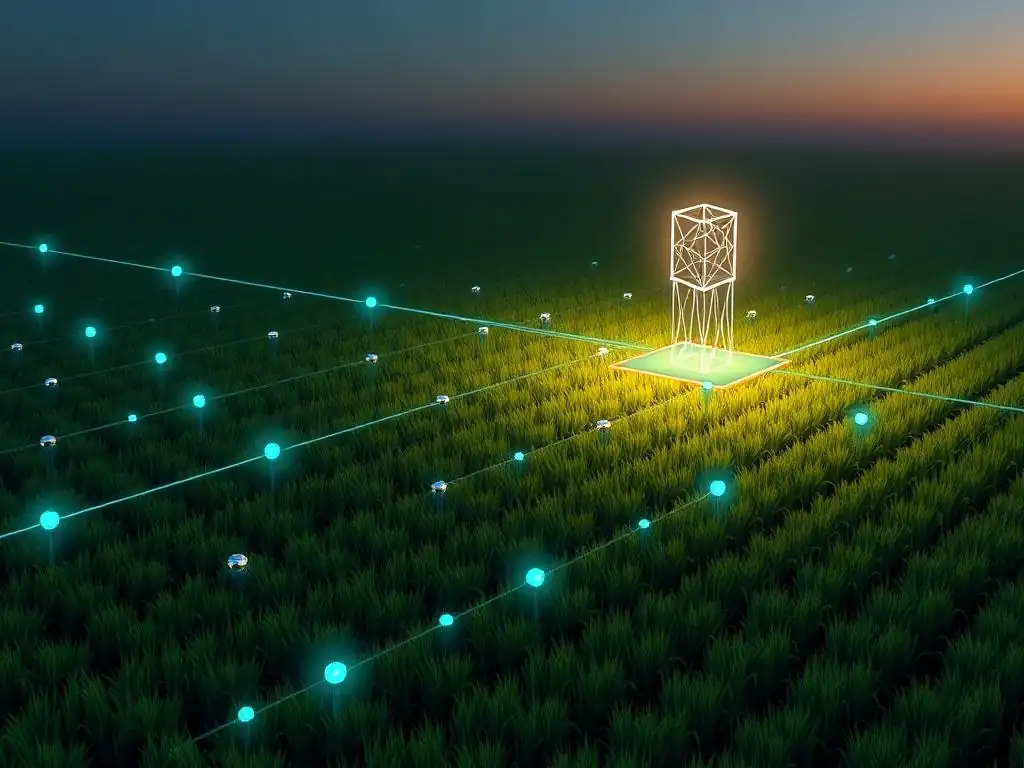
Oracle Vulnerabilities: Addressing Data Manipulation and Single Points of Failure
While oracles are essential for bridging the gap between blockchain and real-world agricultural data, they also introduce potential vulnerabilities that must be carefully addressed to ensure the security and reliability of agricultural IoT systems. A primary concern is the risk of data manipulation. If an oracle is compromised or malicious, it could provide false or manipulated data to smart contracts, leading to incorrect execution and potentially causing financial losses or operational disruptions.
For instance, in a crop insurance smart contract, a compromised weather oracle could falsely report favorable weather conditions, preventing legitimate payouts to farmers affected by drought or floods. Data manipulation can occur at various points in the oracle pipeline, from data acquisition from IoT sensors to data delivery to the blockchain.
Another critical vulnerability is the single point of failure risk, particularly associated with centralized oracles. If a centralized oracle fails due to technical issues, cyberattacks, or malicious intent, the entire blockchain application relying on it can be disrupted. In agriculture, where real-time data and continuous operation are often critical, a single point of failure can have significant consequences.
For example, if a centralized oracle providing data to an automated irrigation system fails during a heatwave, crops could suffer from water stress and yield losses. Relying on a single oracle provider also concentrates trust, making the system more vulnerable to collusion or insider threats.
Addressing these vulnerabilities requires careful oracle design and implementation. Decentralized oracle networks mitigate the single point of failure risk by distributing data sourcing and validation across multiple independent nodes. Robust security measures, including encryption, secure communication protocols, and intrusion detection systems, are essential to protect oracles from cyberattacks and data manipulation attempts.
Data validation and verification mechanisms, such as data aggregation from multiple sources and consensus protocols, help to detect and filter out inaccurate or malicious data. Regular security audits and vulnerability assessments are crucial for identifying and addressing potential weaknesses in oracle systems. By proactively addressing oracle vulnerabilities, developers can build secure and resilient agricultural IoT solutions that leverage the benefits of blockchain and oracles without compromising data integrity or system reliability.
Secure Oracle Design: Implementing Redundancy and Data Encryption for Agricultural Data
Secure oracle design is crucial for mitigating vulnerabilities and ensuring the integrity of agricultural data in blockchain-based IoT systems. Two key principles in secure oracle design are redundancy and data encryption. Redundancy addresses the single point of failure risk by utilizing multiple oracles or data sources to provide data to smart contracts.
Decentralized oracle networks inherently incorporate redundancy by aggregating data from multiple independent nodes and data providers. This ensures that even if some nodes or data sources fail or are compromised, the system can continue to function reliably, drawing data from other sources. In agriculture, redundancy can be achieved by using multiple weather data providers, soil sensor networks, or satellite imagery sources, ensuring data availability and resilience against individual source failures.
Data encryption is essential for protecting sensitive agricultural data from unauthorized access and manipulation throughout the oracle pipeline. Data should be encrypted both in transit, during communication between IoT devices, oracle nodes, and the blockchain, and at rest, when stored within oracle systems. End-to-end encryption, from data source to smart contract, provides the strongest level of security.
Homomorphic encryption techniques, which allow computations to be performed on encrypted data without decryption, can further enhance data privacy and security in oracle systems. For agricultural data, encryption can protect sensitive information such as farm yields, land ownership, and financial transactions, ensuring confidentiality and preventing data breaches.
Beyond redundancy and encryption, secure oracle design also involves implementing robust access control mechanisms, secure key management practices, and regular security audits. Access control mechanisms restrict access to oracle systems and data to authorized parties only, preventing unauthorized modifications or data leaks. Secure key management ensures the confidentiality and integrity of cryptographic keys used for encryption and authentication.
Regular security audits and penetration testing help to identify and address potential vulnerabilities in oracle systems, proactively strengthening security defenses. By implementing these secure design principles, developers can build robust and trustworthy oracles for agricultural IoT applications, ensuring data integrity, system reliability, and user confidence.
Data Validation: Ensuring Accuracy and Preventing Fraudulent Data Input in Agricultural Systems
Data validation is a critical component of secure oracle systems in agriculture, ensuring the accuracy and reliability of data fed to smart contracts and preventing fraudulent data input. Agricultural data, especially from distributed IoT devices, can be susceptible to noise, errors, and malicious manipulation. Robust data validation mechanisms are essential to filter out inaccurate or fraudulent data and ensure that smart contracts operate based on trustworthy information.
One common data validation technique is data aggregation from multiple sources. By aggregating data from multiple independent sensors or data providers, oracles can cross-reference data and identify outliers or inconsistencies. For example, a weather oracle might aggregate temperature data from multiple weather stations in a region and use statistical methods to identify and discard readings that deviate significantly from the average, improving data accuracy.
Another important validation technique is range checking and anomaly detection. Oracles can be programmed to check if incoming data falls within expected ranges based on historical data, physical constraints, or established benchmarks. Data points outside of these ranges can be flagged as anomalies and subjected to further scrutiny or discarded.
Anomaly detection algorithms, including machine learning techniques, can be used to identify unusual patterns or deviations in data streams that might indicate errors or fraudulent activity. For instance, in soil moisture monitoring, a sudden and drastic spike in soil moisture readings from a sensor in an arid region might be flagged as an anomaly and investigated for potential sensor malfunction or malicious data injection.
Consensus mechanisms, particularly in decentralized oracle networks, play a crucial role in data validation. Multiple oracle nodes independently fetch and validate data from external sources and then reach consensus on the correct data value before delivering it to the blockchain.
Consensus mechanisms, such as Byzantine Fault Tolerance (BFT) algorithms, ensure that the system can tolerate a certain number of faulty or malicious nodes and still reach a correct and reliable data output. By implementing these data validation techniques, oracles can significantly enhance the accuracy and trustworthiness of agricultural data, preventing smart contracts from making decisions based on faulty or fraudulent information and ensuring the integrity of blockchain-based agricultural IoT systems.
Choosing the Right Oracle Solution for Agricultural IoT Projects
Evaluating Oracle Providers: Data Accuracy, Reliability, and Agricultural Expertise
Selecting the right oracle solution is crucial for the success of agricultural IoT projects leveraging blockchain technology. Several factors should be carefully considered when evaluating oracle providers, with data accuracy, reliability, and agricultural expertise being paramount. Data accuracy refers to the oracle's ability to provide precise and verifiable data that accurately reflects real-world conditions. In agriculture, where decisions are highly sensitive to data quality, inaccurate data can lead to suboptimal outcomes, financial losses, or even food safety risks.
When evaluating oracle providers, it's essential to assess their data sources, validation methodologies, and historical data accuracy performance. Providers should ideally utilize reputable data sources, employ robust data validation techniques, and provide transparent documentation of their data accuracy metrics. For example, when choosing a weather oracle, prioritize providers that aggregate data from established meteorological agencies and can demonstrate high accuracy rates compared to ground truth measurements.
Reliability is equally critical, ensuring that the oracle service is consistently available and delivers data in a timely manner. Agricultural operations often require real-time or near real-time data for timely decision-making and automated responses. Oracle downtime or data delays can disrupt operations and negate the benefits of blockchain-based automation.
Evaluate oracle providers based on their service level agreements (SLAs), uptime guarantees, and infrastructure resilience. Providers should have redundant infrastructure, robust monitoring systems, and disaster recovery plans to minimize downtime and ensure continuous data delivery. Decentralized oracle networks often offer higher reliability due to their distributed architecture and redundancy compared to centralized oracle solutions.
Agricultural expertise is a differentiating factor, particularly for specialized agricultural applications. Oracle providers with a deep understanding of agricultural data, industry-specific challenges, and regulatory requirements can offer more tailored and effective solutions. Evaluate providers based on their experience in the agricultural sector, their understanding of agricultural data types and formats, and their ability to customize oracle solutions to specific agricultural use cases.
Providers with agricultural expertise can offer valuable insights into data interpretation, validation techniques relevant to agricultural data, and integration strategies that align with agricultural workflows and industry standards. Choosing an oracle provider with demonstrated expertise in agriculture can significantly enhance the effectiveness and relevance of the oracle solution for agricultural IoT projects.
Understanding Data Source Provenance and Oracle Reputation in the Agricultural Sector
When selecting an oracle solution for agricultural IoT projects, understanding data source provenance and oracle reputation within the agricultural sector is crucial for building trust and ensuring data integrity. Data source provenance refers to the documented history and origin of the data used by the oracle. It's essential to know where the data comes from, how it is collected, and what validation processes it has undergone before being delivered to the blockchain.
Transparent data source provenance allows stakeholders to assess the credibility and reliability of the data. For agricultural applications, prioritize oracles that utilize data from reputable and established sources, such as government meteorological agencies, certified soil testing labs, or recognized agricultural commodity exchanges. Providers should be able to clearly document and demonstrate the provenance of their data, providing traceability back to the original source.
Oracle reputation within the agricultural sector is another significant factor to consider. A provider's reputation reflects its track record of data accuracy, reliability, security, and customer service within the agricultural industry. Seek out oracle providers with a proven history of successful deployments in agricultural applications, positive testimonials from agricultural clients, and recognition from industry experts or organizations.
Research the provider's experience working with agricultural data, their understanding of agricultural industry standards, and their commitment to data quality and security in the agricultural context. Engage with other agricultural businesses or industry associations to gather insights and feedback on different oracle providers' reputations and performance in the agricultural sector.
In the agricultural sector, where trust and transparency are paramount, choosing an oracle provider with strong data source provenance and a solid reputation is essential for building confidence in blockchain-based IoT solutions. By prioritizing provenance and reputation, agricultural stakeholders can mitigate risks associated with data manipulation, ensure data accuracy, and foster greater adoption of oracles and blockchain technology in agriculture.
Cost-Effectiveness and Scalability: Optimizing Oracle Solutions for Agricultural Applications
Cost-effectiveness and scalability are practical considerations when choosing oracle solutions for agricultural IoT projects. Agricultural businesses, particularly small and medium-sized enterprises (SMEs), often operate under tight budgets, and the cost of oracle services can be a significant factor in adoption decisions. Evaluate oracle providers based on their pricing models, considering factors like data volume, data frequency, and service level requirements.
Compare pricing structures across different providers and assess the overall cost of ownership, including setup fees, subscription costs, and any additional charges for data customization or support. Explore options for cost optimization, such as tiered pricing plans or pay-as-you-go models, to align oracle costs with project budgets and usage patterns.
Scalability is crucial for agricultural applications that involve large-scale deployments of IoT devices and generate vast amounts of data. Oracle solutions must be able to handle increasing data volumes, growing numbers of data sources, and expanding network sizes without compromising performance or reliability. Assess oracle providers' infrastructure capacity, data processing capabilities, and network scalability.
Inquire about their ability to handle peak data loads, support geographic expansion, and accommodate future growth in data volumes and user demand. Consider the scalability of both the oracle infrastructure and the underlying blockchain platform to ensure that the entire system can scale effectively to meet the evolving needs of agricultural IoT projects.
Optimizing oracle solutions for cost-effectiveness and scalability involves carefully balancing performance requirements with budgetary constraints and future growth projections. Start with a pilot project to test different oracle solutions and assess their performance and cost-effectiveness in a real-world agricultural setting.
Choose an oracle provider that offers flexible and scalable pricing models, robust infrastructure, and a clear roadmap for future scalability enhancements. By prioritizing cost-effectiveness and scalability, agricultural businesses can ensure that oracle solutions are not only technically sound but also economically viable and sustainable for long-term adoption in agricultural IoT applications, driving wider adoption and maximizing the benefits of blockchain and oracle technology in the agricultural sector.
The Future of Blockchain Oracles in the Agricultural IoT Ecosystem
Advancements: Improved Data Aggregation and Integration with Agricultural Platforms
The future of blockchain oracles in the agricultural IoT ecosystem is poised for significant advancements, particularly in improved data aggregation and integration with agricultural platforms. As the volume and diversity of agricultural data continue to grow, driven by the proliferation of IoT devices and data sources, the need for more sophisticated and efficient data aggregation techniques will become increasingly critical.
Future oracles are likely to incorporate advanced data fusion algorithms to seamlessly integrate data from heterogeneous sources, including sensors, satellites, drones, weather stations, and agricultural databases. This will enable a more holistic and comprehensive view of agricultural conditions, improving the accuracy and reliability of oracle data.
Furthermore, advancements in interoperability and standardization will facilitate smoother integration of oracles with existing agricultural platforms and software systems. Current agricultural data is often siloed across different platforms and formats, hindering data sharing and integration. Future oracles are expected to adopt open standards and APIs to enable seamless data exchange with farm management systems, agricultural marketplaces, supply chain platforms, and regulatory compliance systems.
Standardized data formats and communication protocols will simplify oracle integration and reduce the complexity and cost of implementing blockchain-based agricultural solutions. Initiatives like the Agricultural Data Coalition and industry consortia are working towards establishing data standards and interoperability frameworks for agriculture, paving the way for more seamless oracle integration.
The development of specialized oracle solutions tailored to specific agricultural subsectors is also anticipated. Current oracle offerings are often generic and lack domain-specific optimizations for agriculture. Future oracles are likely to emerge that are specifically designed for applications like precision farming, livestock management, aquaculture, or forestry, incorporating domain-specific data validation techniques, data sources, and industry-specific APIs. These specialized oracles will provide more relevant and accurate data for specific agricultural use cases, driving greater adoption and maximizing the impact of oracles in transforming various segments of the agricultural industry.
AI and Machine Learning: Enhancing Oracle Functionality for Predictive Agricultural Analytics
The integration of Artificial Intelligence (AI) and Machine Learning (ML) is set to significantly enhance the functionality of blockchain oracles in agriculture, particularly in enabling predictive agricultural analytics. AI and ML algorithms can be used to improve data validation, anomaly detection, and data forecasting capabilities of oracles.
For data validation, ML models can be trained to identify patterns and anomalies in agricultural data streams, detecting and filtering out inaccurate or fraudulent data more effectively than traditional rule-based methods. AI-powered anomaly detection can identify subtle deviations in sensor readings or environmental conditions that might indicate potential problems, such as pest outbreaks or equipment malfunctions, enabling proactive interventions.
ML algorithms can also be used to enhance the predictive capabilities of agricultural oracles. By analyzing historical data from various sources, including weather patterns, soil conditions, crop yields, and market prices, ML models can generate more accurate and granular forecasts for agricultural variables. For example, AI-powered weather oracles can provide more precise and localized weather forecasts, improving the accuracy of parametric crop insurance and precision farming applications. Predictive analytics enabled by AI-enhanced oracles can empower farmers and agribusinesses to make more informed decisions, optimize resource allocation, and proactively mitigate risks.
Furthermore, AI can be used to automate oracle operations and improve efficiency. ML algorithms can automate tasks like data source selection, data validation parameter tuning, and oracle performance monitoring, reducing manual intervention and improving oracle scalability and reliability. AI-powered oracles can also adapt dynamically to changing agricultural conditions and data patterns, continuously learning and improving their performance over time. The convergence of AI, ML, and blockchain oracles holds immense potential for transforming agricultural analytics, enabling more data-driven, predictive, and efficient agricultural practices, driving towards more sustainable and resilient food systems.
5G and Edge Computing: Enabling Real-Time Data Processing for Agricultural Oracles
The deployment of 5G networks and edge computing infrastructure will further revolutionize blockchain oracles in agriculture, particularly in enabling real-time data processing and low-latency data delivery. 5G networks, with their high bandwidth and low latency capabilities, will significantly improve the speed and reliability of data transmission from geographically dispersed IoT devices in agricultural fields to oracle nodes and blockchain platforms. This will enable real-time monitoring of agricultural conditions and faster response times for automated systems, enhancing the effectiveness of applications like precision farming, automated irrigation, and livestock management.
Edge computing, which involves processing data closer to the source of data generation, will further reduce data latency and improve the efficiency of agricultural oracles. Edge computing devices deployed in agricultural fields or processing facilities can pre-process and filter data from IoT sensors before transmitting it to oracle nodes, reducing network traffic and computational load on central oracle infrastructure.
Edge computing can also enable real-time data analysis and local decision-making, even in areas with limited network connectivity. For example, edge devices can analyze sensor data locally to trigger immediate actions like automated irrigation adjustments or pest control measures, while also transmitting aggregated data to blockchain platforms for record-keeping and broader analytics.
The combination of 5G and edge computing will pave the way for more decentralized and distributed oracle architectures in agriculture. Edge nodes can act as local oracle agents, collecting and processing data from nearby IoT devices and interacting directly with blockchain platforms, reducing reliance on centralized oracle infrastructure.
This decentralized approach will enhance oracle scalability, resilience, and data privacy, particularly for large-scale and geographically distributed agricultural operations. 5G and edge computing will empower agricultural oracles to handle the increasing volume and velocity of data from agricultural IoT deployments, enabling real-time data processing, low-latency responses, and more efficient and scalable blockchain-based agricultural solutions, driving the next wave of innovation in smart agriculture.
Overcoming Challenges and Ensuring Scalability for Agricultural IoT and Blockchain Oracles
Scalability: Handling Large Volumes of Data from Distributed Agricultural IoT Devices
Scalability is a paramount challenge for agricultural IoT and blockchain oracle systems, particularly in handling the large volumes of data generated by increasingly distributed agricultural IoT devices. Modern farms are deploying vast networks of sensors, drones, and connected equipment across large geographical areas, generating massive amounts of data on environmental conditions, crop health, livestock status, and operational parameters.
Oracle solutions must be designed to efficiently ingest, process, and deliver this high volume of data to blockchain platforms without performance bottlenecks or data loss. Centralized oracle architectures can struggle to scale to meet the demands of large-scale agricultural IoT deployments, potentially leading to data latency, system congestion, and increased operational costs.
Decentralized oracle networks offer a more scalable architecture by distributing data processing and validation across multiple nodes. However, even decentralized networks need to be carefully designed to handle the sheer volume of data from agricultural IoT devices. Techniques like data sharding, data compression, and efficient data indexing can be employed to improve data processing efficiency and scalability.
Edge computing, as discussed earlier, can also play a crucial role in enhancing scalability by pre-processing data closer to the source, reducing the data volume transmitted to central oracle infrastructure. Furthermore, optimizing communication protocols and data serialization formats can minimize network overhead and improve data throughput.
Addressing scalability also requires careful consideration of the underlying blockchain platform. The blockchain's transaction throughput and block size limitations can impact the scalability of oracle data delivery. Layer-2 scaling solutions, such as state channels and sidechains, can be used to offload data processing and transaction load from the main blockchain, improving overall system scalability.
Choosing a blockchain platform with inherent scalability capabilities and efficient consensus mechanisms is also crucial for supporting large-scale agricultural IoT applications. Continuous performance monitoring, load testing, and capacity planning are essential for ensuring that oracle and blockchain systems can scale effectively to meet the growing data demands of agricultural IoT deployments and support future expansion.
Data Latency: Minimizing Delays for Real-Time Agricultural Decision-Making
Data latency, the delay between data generation and data availability on the blockchain, is a critical factor in agricultural IoT applications that require real-time decision-making. In agriculture, timely responses to changing conditions, such as weather events, pest outbreaks, or equipment malfunctions, can be crucial for minimizing losses and optimizing yields. High data latency can hinder the effectiveness of real-time applications like automated irrigation, precision spraying, and real-time livestock monitoring. Traditional centralized oracle architectures can introduce latency due to network bottlenecks, centralized processing delays, and blockchain transaction confirmation times.
Minimizing data latency requires optimizing various aspects of the oracle and blockchain system. Edge computing, by processing data closer to the source, significantly reduces network latency and data transmission delays. 5G networks, with their low latency capabilities, further enhance real-time data delivery. Efficient data aggregation and validation algorithms can minimize processing delays within oracle nodes. Optimizing blockchain transaction confirmation times, through faster consensus mechanisms or layer-2 scaling solutions, is also crucial for reducing end-to-end data latency. Choosing a blockchain platform with low transaction latency and high transaction throughput is important for latency-sensitive agricultural applications.
Decentralized oracle networks can potentially introduce higher latency due to the need for consensus among multiple nodes. However, advancements in consensus algorithms and network optimization techniques are reducing latency in decentralized systems. Careful network design, geographically optimized node deployments, and efficient communication protocols can minimize latency in decentralized oracle networks.
For latency-critical agricultural applications, it's essential to select oracle solutions and blockchain platforms that prioritize low latency and real-time data delivery. Performance testing and latency benchmarking are crucial for evaluating the suitability of different oracle and blockchain solutions for real-time agricultural use cases and ensuring that data latency meets application requirements.
Data Privacy: Protecting Sensitive Agricultural Data Transmitted Through Oracles
Data privacy is a growing concern in agriculture, particularly as IoT devices collect increasingly sensitive data about farm operations, crop yields, and farmer practices. Agricultural data can include commercially sensitive information, personal data, and proprietary farming techniques. Protecting this data from unauthorized access, misuse, and breaches is crucial for maintaining farmer trust and ensuring data security. Oracle systems, as intermediaries handling agricultural data, must implement robust data privacy measures to protect sensitive information during data transmission, processing, and storage. Traditional centralized oracles can present data privacy risks due to centralized data storage and potential single points of failure.
Decentralized oracle networks offer enhanced data privacy by distributing data processing and storage across multiple nodes, reducing the risk of centralized data breaches. However, even in decentralized systems, data privacy must be proactively addressed. Data encryption is essential for protecting sensitive agricultural data both in transit and at rest.
Homomorphic encryption techniques, as mentioned earlier, can enable computations on encrypted data without decryption, further enhancing data privacy. Differential privacy techniques can be used to anonymize or obfuscate sensitive data while still allowing for data analysis and insights. Secure multi-party computation (MPC) techniques can enable secure data aggregation and analysis across multiple data sources without revealing individual data points.
Data governance frameworks and regulatory compliance are also crucial for ensuring data privacy in agricultural IoT and oracle systems. Clear data ownership and usage policies should be established, outlining data access rights, data sharing agreements, and data retention policies. Compliance with data privacy regulations, such as GDPR or CCPA, is essential for protecting farmer data and building trust.
Oracle providers should implement robust data privacy policies and security measures, and undergo regular privacy audits to demonstrate their commitment to data protection. By prioritizing data privacy and implementing appropriate security and governance measures, agricultural stakeholders can build trustworthy and privacy-preserving blockchain and oracle systems that foster wider adoption and unlock the full potential of data-driven agriculture.
Conclusion: Transforming Agriculture with Blockchain, IoT, and Oracles
Key Takeaways: The Role of Oracles in Building Transparent and Efficient Agricultural Systems
Oracles are the unsung heroes in the transformative journey of integrating blockchain and IoT into agriculture. They are the essential bridge connecting the real-world data generated by IoT devices with the deterministic execution environment of blockchain-based smart contracts. Without oracles, the vast potential of IoT data to drive transparency, efficiency, and automation in agriculture would remain largely untapped within the blockchain ecosystem.
Oracles are not merely data feeds; they are trust anchors in this evolving landscape. They provide the verifiable data necessary to power smart contracts that automate insurance payouts, streamline supply chain traceability, optimize precision farming practices, and enhance livestock management.
The key takeaway is that oracles are indispensable for building reliable and functional blockchain-based agricultural systems. They address the critical "oracle problem" by securely and transparently bringing external data on-chain. Choosing the right oracle solution, whether centralized or decentralized, depends on the specific agricultural use case, prioritizing data accuracy, reliability, security, and agricultural expertise.
Securing oracles against vulnerabilities, implementing robust data validation, and ensuring data privacy are paramount for building trustworthy and resilient agricultural IoT systems. As we move towards more data-driven and interconnected agricultural practices, oracles will continue to play a central role in unlocking the full potential of blockchain and IoT to revolutionize the agricultural sector.
The Future: Decentralized Agricultural Ecosystems Powered by Blockchain Oracles
The future vision for agriculture is one of decentralized agricultural ecosystems powered by blockchain oracles. Imagine a future where farmers, consumers, agribusinesses, and regulatory bodies are seamlessly connected through transparent and secure blockchain networks. IoT devices deployed across farms, processing facilities, and supply chains continuously generate data about every aspect of the agricultural process, from soil health to product provenance. Decentralized oracles act as trusted gateways, verifying and delivering this data to blockchain platforms, enabling smart contracts to automate a wide range of agricultural processes.
In this future, farmers gain greater control over their data and operations, participating in decentralized marketplaces and accessing fairer prices for their produce. Consumers gain unprecedented transparency into the origin, quality, and sustainability of their food, empowering informed purchasing decisions. Agribusinesses can optimize supply chains, reduce waste, and build stronger relationships with farmers and consumers.
Regulatory bodies can leverage blockchain and oracle data for more efficient and transparent monitoring and compliance enforcement. This decentralized agricultural ecosystem, underpinned by blockchain oracles, fosters greater trust, efficiency, and sustainability across the entire agricultural value chain, creating a more equitable and resilient food system for all.
Implementing Blockchain and IoT Solutions for Agricultural Supply Chain Improvement
The journey towards transforming agriculture with blockchain, IoT, and oracles is underway, and the potential for agricultural supply chain improvement is immense. Implementing these solutions requires a collaborative approach, bringing together farmers, technology providers, policymakers, and researchers. Pilot projects and proof-of-concepts are crucial for demonstrating the practical benefits and addressing implementation challenges in real-world agricultural settings.
Education and training programs are needed to empower farmers and agricultural stakeholders with the knowledge and skills to adopt and utilize these new technologies effectively. Standardization initiatives and interoperability frameworks are essential for ensuring seamless integration and data exchange across different platforms and systems.
Investment in research and development is vital to further advance oracle technology, improve data security and privacy, and enhance scalability for large-scale agricultural deployments. Policy support and regulatory frameworks that encourage innovation and responsible data use are crucial for fostering a conducive environment for blockchain and IoT adoption in agriculture. By embracing a collaborative and forward-thinking approach, the agricultural sector can harness the transformative power of blockchain, IoT, and oracles to build more transparent, efficient, sustainable, and resilient agricultural supply chains, ensuring food security and prosperity for future generations.
Frequently Asked Questions
What are blockchain oracles and why are they important in the context of IoT data?
Blockchain oracles are third-party services that provide smart contracts with external data. They are essential for integrating real-world IoT data into blockchain applications, as blockchains themselves cannot directly access external information.
How do oracles bridge the gap between IoT data and smart contracts?
Oracles act as a secure and reliable bridge by fetching IoT data from sensors, APIs, or other sources and feeding it into smart contracts. This allows smart contracts to react automatically based on real-world IoT data.
What are some potential use cases for blockchain oracles and IoT data integration?
Potential use cases include supply chain management, where IoT sensors track goods and oracles update smart contracts to automate payments. Other examples are smart agriculture or environmental monitoring applications.
What are some challenges associated with using oracles to integrate IoT data into blockchain?
Challenges include ensuring data accuracy and security, as oracles become a point of potential vulnerability. Also, the cost and scalability of oracle services can be concerns.
How does regulation impact the use of blockchain oracles for IoT data applications?
Regulatory frameworks are still evolving, but compliance with data privacy laws (like GDPR) and security standards is crucial. Clearer guidelines are needed to facilitate responsible and compliant oracle use.
Final Reflection: Embracing the Data-Driven Future
The convergence of blockchain, IoT, and oracles isn't just a technological trend; it's a fundamental shift in how we interact with data and trust in automated systems. The ability of blockchain oracles to securely and reliably bring real-world data into smart contracts is no longer a theoretical possibility, but a rapidly evolving reality shaping industries from supply chain management to decentralized finance. This integration promises unprecedented levels of transparency, efficiency, and automation, but also demands careful consideration of data integrity and security.
The ongoing impact of blockchain oracles on our cultural and social landscape is profound. As we increasingly rely on data-driven decisions, the need for verifiable and trustworthy information becomes paramount. The potential for manipulation and bias within data feeds necessitates robust oracle solutions and a critical understanding of their limitations. Data is the new oil, but without proper refinement, it's just a messy spill.
This quote underscores the importance of responsible data handling and the crucial role oracles play in ensuring the integrity of information used in smart contracts.
As you navigate this increasingly interconnected world, consider the implications of data-driven automation in your own life and work. How can you leverage the power of blockchain oracles and IoT to create more transparent, efficient, and trustworthy systems? Embrace the challenge of building a future where data empowers us all, and where trust is not just assumed, but verifiably earned.
Ignite Your Blockchain & IoT Journey!
Thank you for exploring the crucial role of oracles in connecting the real world with blockchain technology. Now that you understand how oracles bridge the gap between real-world data and smart contracts, let's put that knowledge into action!
Here are a few ways you can further your understanding and contribute to this exciting field:
- Dive into your own mini-project! Using a public blockchain and a free API, try building a simple smart contract that utilizes an oracle to fetch real-world data like weather or stock prices. This hands-on experience will solidify your understanding.
- Explore different oracle solutions and research their security models. Understanding the tradeoffs involved is crucial for developing robust and trustworthy blockchain applications.
- Share this article with your network and spark a conversation! Discuss the potential implications of decentralized data feeds with your colleagues and friends.
How will you leverage the power of oracles to build the next generation of blockchain-powered IoT solutions?
Leave a Reply