
Consumer IoT and Blockchain: Enhancing Privacy and Control for Everyday Devices

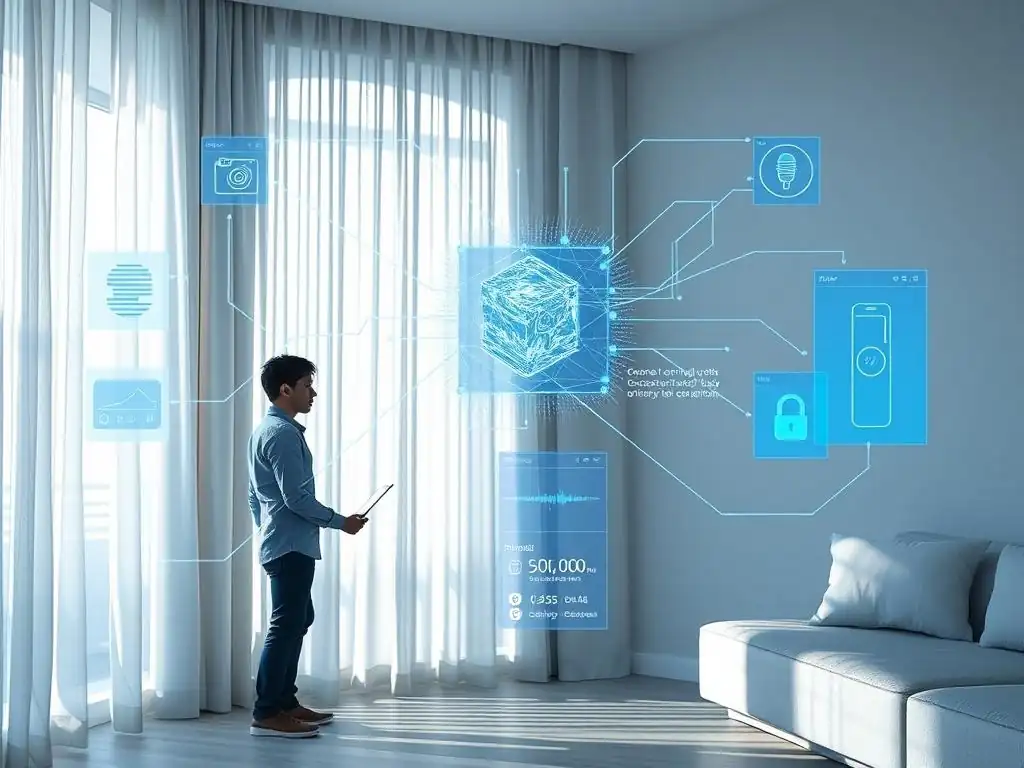
Welcome to Blockchain Trends, your premier source for understanding the revolutionary impact of blockchain technology beyond the hype. Intrigued by the convergence of blockchain and the Internet of Things? Dive into our exploration of Blockchain IoT privacy control and discover how this powerful combination is reshaping the landscape of consumer devices, giving you back the reins of your data and security. Prepare to unlock the potential of a more secure and transparent future...
- Consumer IoT and Blockchain: Reclaiming Privacy and Control
- Addressing IoT Privacy Concerns with Blockchain
- Blockchain-Based Solutions for Enhanced IoT Control
- Use Cases: Blockchain IoT Privacy Control in Action
- Benefits of Blockchain-Enabled Consumer IoT
- Challenges and Future Directions for Blockchain IoT Privacy Control
- Implementing Blockchain for IoT Privacy: A Practical Guide
- Conclusion: Empowering Consumers with Blockchain IoT Privacy Control
-
Frequently Asked Questions
- What is the core problem that using blockchain with IoT aims to solve for consumers?
- How can blockchain help improve the security of IoT devices?
- What are some examples of how blockchain is being used in IoT beyond just data security?
- What are the major challenges to widespread adoption of blockchain for Consumer IoT?
- How does blockchain contribute to "Blockchain IoT privacy control" for consumers?
- Final Reflection: Reclaiming Control in a Connected World
- Unlock the Potential: Take Control of Your IoT Privacy!
Consumer IoT and Blockchain: Reclaiming Privacy and Control
Understanding Consumer IoT Devices and Their Vulnerabilities
Consumer Internet of Things (IoT) devices have permeated modern life, encompassing a vast array of products from smart home appliances like refrigerators and thermostats to wearable fitness trackers and security cameras. These devices, designed to enhance convenience and efficiency, operate by collecting and transmitting data, often personal and sensitive, through internet connections. While offering numerous benefits, the widespread adoption of consumer IoT has introduced significant vulnerabilities.
Traditional IoT devices often rely on centralized cloud servers for data processing and storage, creating single points of failure susceptible to cyberattacks. Weak default passwords, infrequent security updates, and a lack of robust encryption protocols in many devices further exacerbate these risks. For example, the Mirai botnet attack in 2016 exploited vulnerabilities in unsecured IoT devices, turning them into a network of bots to launch large-scale DDoS attacks, highlighting the potential for widespread disruption and privacy breaches stemming from poorly secured consumer IoT.
The inherent architecture of many consumer IoT devices also contributes to their vulnerability. Manufacturers often prioritize time-to-market and cost-effectiveness over robust security measures. This can lead to devices with limited processing power and memory, making it challenging to implement sophisticated security features directly on the device itself.
Furthermore, the sheer volume of connected devices creates a complex and sprawling attack surface. Each device represents a potential entry point for malicious actors seeking to access personal data, eavesdrop on conversations, or even control physical devices within homes. The lack of standardization in security protocols across different manufacturers and device types further complicates efforts to secure the consumer IoT ecosystem as a whole.
Blockchain: A Decentralized Solution for IoT Security
Blockchain technology, initially popularized by cryptocurrencies like Bitcoin, offers a fundamentally different approach to data management and security, presenting a compelling solution to address the vulnerabilities inherent in consumer IoT. At its core, blockchain is a decentralized, distributed, and immutable ledger that records transactions across a network of computers. This decentralization eliminates single points of failure, making the system significantly more resilient to attacks compared to centralized cloud-based systems commonly used in IoT. Instead of relying on a central authority, blockchain operates on consensus mechanisms, requiring multiple participants in the network to validate transactions, enhancing security and trust.
The cryptographic nature of blockchain further strengthens security. Data stored on a blockchain is cryptographically hashed and linked to the previous block, forming a chain that is extremely difficult to tamper with. Any attempt to alter data in one block would require changing all subsequent blocks and gaining consensus from the majority of the network – a computationally prohibitive task.
This immutability and tamper-proof nature of blockchain provides a robust foundation for securing sensitive data generated by consumer IoT devices. Moreover, blockchain can facilitate secure communication and authentication between devices, reducing the reliance on vulnerable centralized servers and empowering users with greater control over their data and devices. By leveraging blockchain's decentralized and cryptographic features, the security landscape of consumer IoT can be fundamentally transformed, moving towards a more secure and privacy-centric ecosystem.
Addressing IoT Privacy Concerns with Blockchain
Data Security Challenges in Consumer IoT
Consumer IoT devices, by their very nature, collect a vast amount of personal data, ranging from daily routines and location data to sensitive health information and even voice recordings. This data collection, while intended to enhance user experience and provide personalized services, raises significant privacy concerns. A primary challenge lies in the sheer volume and sensitivity of data collected.
Smart home devices, for instance, can monitor when residents are home, their energy consumption patterns, and even their entertainment preferences. Wearable devices track health metrics like heart rate, sleep patterns, and activity levels. This granular level of data, when aggregated and analyzed, can paint an incredibly detailed picture of an individual's private life, making it highly valuable to both legitimate businesses and malicious actors.
Another critical challenge is the lack of transparency and control over how this data is used. Many consumers are unaware of the extent of data collection by their IoT devices, nor are they fully informed about how this data is processed, stored, and shared. Privacy policies are often lengthy and complex, making it difficult for users to understand the implications of data collection.
Furthermore, data breaches in centralized IoT platforms can expose vast amounts of sensitive user data to unauthorized access. Incidents like the data breach at Ring, where user credentials and camera footage were compromised, illustrate the real-world consequences of inadequate data security in consumer IoT. These challenges underscore the urgent need for robust privacy-preserving solutions in the rapidly expanding consumer IoT landscape.
How Blockchain Enhances Data Privacy in IoT Ecosystems
Blockchain technology offers several key features that directly address the data privacy challenges prevalent in consumer IoT ecosystems. Decentralization, a core tenet of blockchain, reduces the risk of data breaches by distributing data across a network rather than concentrating it in a single, vulnerable location. This distributed architecture makes it significantly harder for attackers to compromise large volumes of data in a single attack.
Furthermore, blockchain's inherent immutability ensures data integrity and prevents unauthorized modifications or deletions of sensitive information. Once data is recorded on the blockchain, it becomes virtually tamper-proof, providing users with greater assurance that their data remains secure and unaltered.
Encryption plays a crucial role in blockchain-based privacy solutions for IoT. Data stored on a blockchain can be encrypted, ensuring that even if unauthorized access were to occur, the data would remain unintelligible without the decryption key. This end-to-end encryption protects data both in transit and at rest.
Moreover, blockchain can facilitate privacy-preserving data sharing through mechanisms like zero-knowledge proofs and secure multi-party computation. These techniques allow for data analysis and utilization without revealing the underlying raw data, enabling valuable insights to be derived while maintaining user privacy. By integrating these privacy-enhancing features, blockchain can fundamentally shift the paradigm of data handling in consumer IoT, empowering users with greater control and security over their personal information.
Secure Data Storage and Access Control Using Blockchain
Blockchain provides a robust framework for implementing secure data storage and access control in consumer IoT environments. Instead of relying on centralized cloud servers, IoT device data can be stored in a decentralized manner across a blockchain network. This distributed storage model enhances security by eliminating single points of failure and making data breaches significantly more difficult.
Each device or user in the IoT ecosystem can have a unique cryptographic identity on the blockchain, enabling secure authentication and authorization. This decentralized identity management eliminates the reliance on centralized identity providers, which can be vulnerable to attacks and single points of control.
Access control policies can be implemented directly on the blockchain using smart contracts. Smart contracts are self-executing agreements written in code that automatically enforce predefined rules and conditions. In the context of IoT data access, smart contracts can define who has permission to access specific data, under what conditions, and for how long.
For example, a smart contract could grant a healthcare provider temporary access to data from a patient's wearable device for diagnostic purposes, automatically revoking access after a specified period. This granular and auditable access control, enforced by blockchain and smart contracts, provides users with fine-grained control over their IoT data and ensures that only authorized parties can access it, significantly enhancing data privacy and security in consumer IoT ecosystems.
Blockchain-Based Solutions for Enhanced IoT Control
Implementing Smart Contracts for IoT Device Management
Smart contracts, self-executing contracts with the terms of the agreement directly written into code, are a powerful tool for automating and securing the management of consumer IoT devices. Within a blockchain-based IoT ecosystem, smart contracts can be used to automate device registration, configuration updates, and even device decommissioning.
For instance, a smart contract can automatically register a new smart appliance onto a home network upon successful authentication, eliminating manual configuration steps and reducing the risk of unauthorized device connections. Similarly, software updates for IoT devices can be managed through smart contracts, ensuring that updates are securely distributed and automatically installed, mitigating vulnerabilities arising from outdated software.
Furthermore, smart contracts can facilitate decentralized device control and coordination. In a smart home environment, for example, smart contracts could orchestrate interactions between different IoT devices, such as automatically adjusting lighting and temperature based on occupancy sensors and user preferences. These automated interactions, governed by pre-defined rules within smart contracts, can enhance efficiency and convenience while maintaining security and transparency. The use of smart contracts for IoT device management reduces reliance on centralized control systems, increases automation, and provides a transparent and auditable record of all device management actions on the blockchain, enhancing both security and operational efficiency.
Decentralized Identity and Access Management (IAM) for IoT
Traditional centralized Identity and Access Management (IAM) systems present vulnerabilities in IoT ecosystems due to their reliance on single points of failure and control. Blockchain-based Decentralized Identity and Access Management (IAM) offers a more secure and privacy-preserving alternative. In a decentralized IAM system, each IoT device and user can possess a unique digital identity anchored on the blockchain. This identity is cryptographically secured and controlled by the device or user, eliminating the need for centralized identity providers. Decentralized identifiers (DIDs) can be used to represent these digital identities, providing verifiable and self-sovereign identities.
Blockchain-based IAM solutions enhance security by distributing identity management across the network, making it more resistant to attacks and data breaches. Users gain greater control over their digital identities and can selectively grant access to their IoT devices and data without relying on intermediaries.
For example, a user can use their decentralized identity to grant temporary access to their smart lock to a delivery service, revoking access automatically after the delivery is completed. This fine-grained access control, coupled with the security and transparency of blockchain, empowers users with greater control over their IoT ecosystem and significantly enhances privacy and security compared to centralized IAM approaches.
Enabling User Control over IoT Data and Permissions
A key benefit of integrating blockchain with consumer IoT is the empowerment of users with greater control over their data and device permissions. In traditional IoT systems, users often have limited visibility and control over the data collected by their devices and how it is used. Blockchain can fundamentally change this paradigm by providing users with transparent and auditable records of data collection, storage, and access. Data provenance, tracked on the blockchain, allows users to see exactly what data is being collected by their devices, when it was collected, and who has accessed it.
Furthermore, blockchain-based access control mechanisms, such as smart contracts and decentralized IAM, enable users to define and manage permissions for their IoT devices and data. Users can explicitly grant or revoke access to specific applications, services, or individuals, ensuring that their data is only accessed by authorized parties.
For instance, a user can use a blockchain-based application to control which smart home devices are allowed to share data with a specific energy management service, and for what purpose. This granular control and transparency empowers users to actively manage their privacy and security within the consumer IoT ecosystem, moving away from opaque and centralized data handling practices.
Use Cases: Blockchain IoT Privacy Control in Action
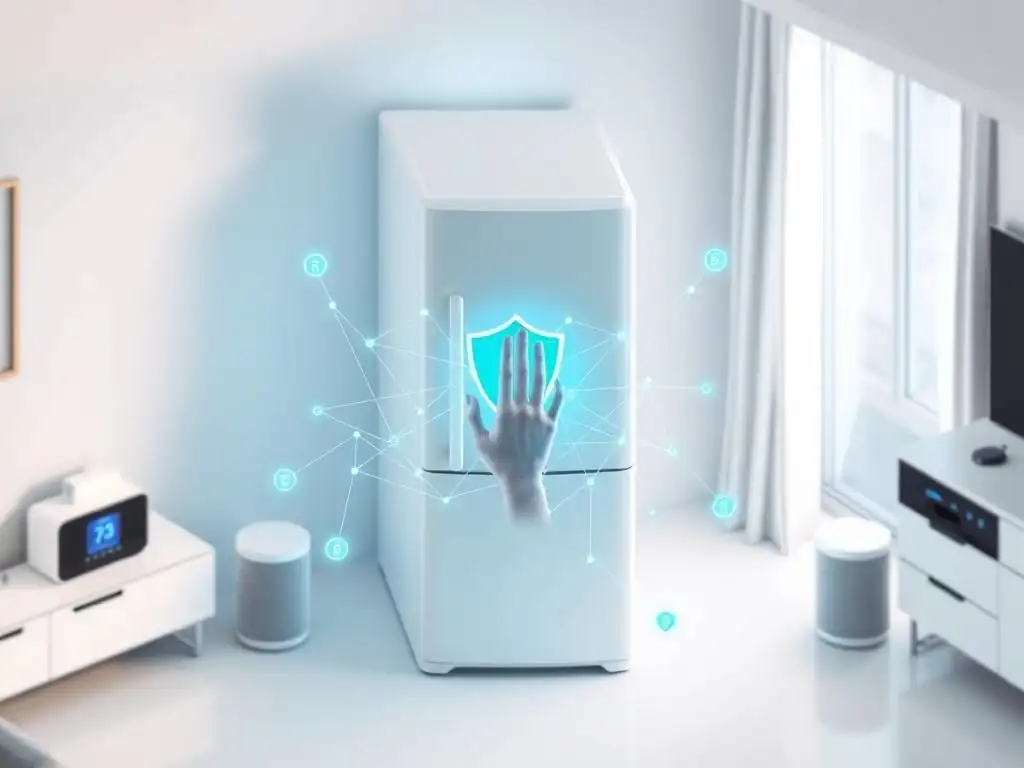
Smart Home Security: A Blockchain-Enabled Approach
Smart homes, filled with interconnected devices like smart locks, security cameras, and voice assistants, present a significant area where blockchain can enhance security and privacy. Traditional smart home systems often rely on centralized cloud platforms, creating vulnerabilities that can be exploited to gain unauthorized access to homes and personal data. Blockchain can provide a decentralized and more secure architecture for smart home systems.
For instance, a blockchain-based smart lock system could eliminate the need for a centralized server to manage access credentials. Instead, access permissions could be managed through smart contracts on a blockchain, ensuring that only authorized individuals with valid cryptographic keys can unlock the door.
Furthermore, blockchain can enhance the security of smart home security cameras. Video footage could be encrypted and stored on a decentralized storage network secured by blockchain, making it significantly more difficult for hackers to intercept or tamper with surveillance data.
Decentralized identity management can also improve the security of smart home devices by providing each device with a unique and verifiable identity, making it harder for malicious devices to infiltrate the network. By implementing blockchain-based solutions, smart home systems can become significantly more resilient to cyberattacks and offer enhanced privacy and control to homeowners, moving beyond the vulnerabilities of centralized architectures.
Healthcare IoT: Protecting Patient Data with Blockchain
The Healthcare Internet of Things (HIoT) encompasses a wide range of devices, from wearable health trackers to remote patient monitoring systems, that collect sensitive patient data. Protecting the privacy and security of this data is paramount, given the highly confidential nature of health information and regulatory requirements like HIPAA. Blockchain offers a promising solution for enhancing data privacy and security in HIoT.
Patient data collected by wearable devices or medical sensors can be encrypted and securely stored on a blockchain, ensuring data integrity and confidentiality. Access to this data can be controlled through smart contracts, granting healthcare providers and authorized researchers access only with patient consent and under predefined conditions.
Blockchain can also facilitate secure data sharing and interoperability in healthcare. Patient data can be securely shared between different healthcare providers, hospitals, and research institutions with patient consent, improving care coordination and enabling valuable medical research while maintaining patient privacy. Furthermore, blockchain can enhance the integrity and traceability of medical supply chains, ensuring the authenticity and provenance of pharmaceuticals and medical devices. By leveraging blockchain's security and privacy features, HIoT can move towards a more secure, transparent, and patient-centric data management paradigm, addressing critical concerns around patient data protection.
Supply Chain Tracking: Ensuring Transparency and Data Integrity
In supply chain management, the Internet of Things (IoT) is increasingly used to track goods and materials across complex networks. However, traditional supply chain systems often suffer from a lack of transparency and data integrity, making it difficult to verify the authenticity and provenance of products. Blockchain-based IoT solutions can significantly enhance supply chain transparency and data integrity.
IoT sensors attached to goods can record data such as location, temperature, and humidity throughout the supply chain journey. This data can be securely recorded on a blockchain, creating an immutable and auditable record of the product's journey from origin to consumer.
This blockchain-based tracking system provides enhanced transparency for consumers and businesses alike. Consumers can verify the authenticity and provenance of products, ensuring they are not counterfeit or tampered with. Businesses can improve supply chain efficiency, reduce fraud, and enhance accountability. For example, in the pharmaceutical industry, blockchain-based supply chain tracking can help combat the circulation of counterfeit drugs by providing a verifiable record of each drug's journey from manufacturer to patient. By combining IoT and blockchain, supply chains can become more transparent, secure, and efficient, enhancing trust and data integrity across the network.
Benefits of Blockchain-Enabled Consumer IoT
Increased Security and Trust in IoT Devices
Integrating blockchain technology into consumer IoT devices significantly enhances security and fosters greater trust in these devices. The decentralized nature of blockchain eliminates single points of failure, making IoT systems more resilient to cyberattacks. Cryptographic security features, such as encryption and hashing, protect data integrity and confidentiality. Immutable records on the blockchain provide an auditable trail of device activities and data transactions, increasing transparency and accountability. These security enhancements build user trust in IoT devices and the data they collect.
Consumers are increasingly concerned about the security of their IoT devices and the potential for data breaches. Blockchain-enabled IoT devices offer a more secure alternative to traditional systems that rely on centralized cloud platforms. The inherent security features of blockchain, combined with decentralized architectures, reduce the risk of unauthorized access, data tampering, and device manipulation. This increased security translates to greater user confidence and willingness to adopt and utilize consumer IoT devices, fostering broader market acceptance and growth of the IoT ecosystem.
Enhanced Data Privacy and User Control
Blockchain empowers users with enhanced data privacy and control over their personal information collected by consumer IoT devices. Decentralized data storage reduces the risk of large-scale data breaches associated with centralized systems. Encryption and access control mechanisms, implemented through smart contracts and decentralized IAM, provide users with granular control over who can access their data and for what purpose. Transparency and auditability of data transactions on the blockchain give users greater visibility into how their data is being used.
This user-centric approach to data privacy is crucial in addressing growing consumer concerns about data exploitation and surveillance in the digital age. Blockchain-enabled IoT devices can offer users a greater sense of ownership and control over their data, fostering a more privacy-respecting and ethical IoT ecosystem. By shifting the paradigm from centralized data silos to decentralized and user-controlled data management, blockchain can pave the way for a more trustworthy and sustainable future for consumer IoT.
Improved Interoperability and Data Sharing
Blockchain can facilitate improved interoperability and secure data sharing between different consumer IoT devices and platforms. The lack of interoperability is a significant challenge in the current IoT landscape, with devices from different manufacturers often unable to communicate or share data seamlessly. Blockchain can act as a common and secure platform for data exchange, enabling interoperability between disparate IoT systems. Standardized protocols and data formats, enforced through smart contracts on the blockchain, can facilitate seamless data sharing while maintaining security and privacy.
This enhanced interoperability can unlock new possibilities for innovation and value creation in the consumer IoT space. Data from different devices and sources can be aggregated and analyzed to provide more comprehensive insights and personalized services. For example, data from smart home appliances, wearable devices, and smart vehicles could be combined to create a holistic view of a user's lifestyle and needs, enabling more intelligent and proactive services. Blockchain-enabled interoperability can foster a more connected and collaborative IoT ecosystem, driving innovation and creating new opportunities for both consumers and businesses.
Challenges and Future Directions for Blockchain IoT Privacy Control
Scalability Issues in Blockchain IoT Networks
Scalability remains a significant challenge for deploying blockchain in large-scale consumer IoT networks. Traditional blockchain networks, like Bitcoin and Ethereum, were not designed to handle the massive volume of transactions generated by billions of IoT devices. Processing and validating every transaction on a blockchain network can be computationally intensive and time-consuming, potentially leading to latency and bottlenecks in IoT applications requiring real-time data processing. As the number of connected IoT devices continues to grow exponentially, scalability becomes an increasingly critical concern for blockchain-based IoT solutions.
Researchers and developers are actively working on addressing blockchain scalability issues in the context of IoT. Layer-2 scaling solutions, such as state channels and sidechains, are being explored to offload transaction processing from the main blockchain, improving throughput and reducing latency. Consortium blockchains and private blockchains, with permissioned access and optimized consensus mechanisms, can also offer better scalability for specific IoT use cases compared to public blockchains. Further advancements in blockchain technology and innovative architectural designs are needed to overcome scalability limitations and enable the widespread deployment of blockchain in consumer IoT networks.
Regulatory Considerations for Blockchain IoT Deployments
The regulatory landscape for blockchain and IoT is still evolving, and there are several regulatory considerations that need to be addressed for the widespread adoption of blockchain-based consumer IoT solutions. Data privacy regulations, such as GDPR and CCPA, impose strict requirements on the collection, processing, and storage of personal data. Blockchain-based IoT systems need to be designed and implemented in compliance with these regulations, ensuring user consent, data minimization, and data security. Interoperability and standardization are also important regulatory considerations, as fragmented and incompatible IoT systems can hinder innovation and create barriers to market entry.
Furthermore, legal frameworks for smart contracts and decentralized identities are still under development in many jurisdictions. Clarity and legal certainty are needed regarding the enforceability of smart contracts and the legal status of decentralized identities. Regulatory sandboxes and pilot projects can play a crucial role in exploring and addressing regulatory challenges associated with blockchain IoT deployments. Collaboration between regulators, industry stakeholders, and technology developers is essential to create a supportive and enabling regulatory environment for blockchain-based consumer IoT innovation.
The Future of Decentralized Consumer IoT Devices
The future of consumer IoT is likely to be increasingly decentralized, with blockchain playing a key role in enabling this transition. Decentralized IoT devices, powered by blockchain, can offer enhanced security, privacy, and user control compared to traditional centralized systems. Edge computing, where data processing and analysis are performed closer to the source of data generation, can complement blockchain in decentralized IoT architectures, reducing reliance on centralized cloud servers and improving latency. Decentralized autonomous organizations (DAOs) could potentially govern and manage decentralized IoT networks, fostering community ownership and control.
The convergence of blockchain, IoT, and edge computing is paving the way for a new paradigm of decentralized consumer IoT. This decentralized model has the potential to address many of the challenges associated with centralized IoT systems, including security vulnerabilities, privacy concerns, and lack of user control. As blockchain technology matures and scalability solutions emerge, decentralized consumer IoT devices are likely to become increasingly prevalent, empowering users with greater security, privacy, and control over their connected lives.
Implementing Blockchain for IoT Privacy: A Practical Guide
Choosing the Right Blockchain Platform for IoT
Selecting the appropriate blockchain platform is a critical first step in implementing blockchain for IoT privacy. Several blockchain platforms are available, each with its own strengths and weaknesses in terms of scalability, security, privacy features, and development tools. For consumer IoT applications, permissioned blockchains or consortium blockchains may be more suitable than public blockchains due to their enhanced scalability and privacy controls. Platforms like Hyperledger Fabric, Corda, and Quorum are designed for enterprise use cases and offer features relevant to IoT deployments, such as permissioned access, configurable consensus mechanisms, and data privacy tools.
Considerations for choosing a blockchain platform for IoT include transaction throughput, latency requirements, security features, privacy controls, development complexity, and interoperability with existing IoT infrastructure. The specific use case and application requirements will dictate the optimal blockchain platform choice. Proof-of-concept projects and pilot deployments can help evaluate different platforms and assess their suitability for specific IoT privacy applications. Careful platform selection is essential to ensure the success and effectiveness of blockchain-based IoT privacy solutions.
Developing Secure Smart Contracts for IoT Devices
Developing secure smart contracts is crucial for leveraging blockchain to enhance IoT privacy and control. Smart contracts govern data access, device management, and automated interactions within a blockchain-based IoT ecosystem. Security vulnerabilities in smart contracts can have serious consequences, potentially leading to data breaches, unauthorized access, or device manipulation. Secure smart contract development requires careful planning, secure coding practices, and rigorous testing. Formal verification methods can be used to mathematically prove the correctness and security of smart contracts.
Best practices for developing secure smart contracts for IoT devices include minimizing code complexity, following secure coding guidelines, conducting thorough security audits, and utilizing formal verification tools. Smart contract languages like Solidity require careful attention to security considerations such as reentrancy vulnerabilities and gas optimization to prevent denial-of-service attacks. Regular security updates and vulnerability patching are also essential for maintaining the security of deployed smart contracts. Investing in secure smart contract development expertise is paramount for building robust and trustworthy blockchain-based IoT privacy solutions.
Integrating Blockchain with Existing IoT Infrastructure
Integrating blockchain with existing IoT infrastructure presents several technical and logistical challenges. Many legacy IoT devices were not designed to interact directly with blockchain networks and may lack the processing power and memory required for blockchain operations. Integrating blockchain with existing IoT systems often requires middleware solutions and gateway devices to bridge the gap between legacy IoT devices and blockchain networks. Interoperability between different IoT protocols and blockchain platforms can also be a challenge.
Strategies for integrating blockchain with existing IoT infrastructure include using lightweight blockchain clients on resource-constrained IoT devices, employing edge computing to offload blockchain processing, and developing interoperability protocols and standards. Gradual migration approaches, starting with pilot projects and phased deployments, can help minimize disruption and manage integration complexities. Collaboration between blockchain developers, IoT device manufacturers, and system integrators is essential to overcome integration challenges and enable the seamless integration of blockchain into existing IoT ecosystems.
Conclusion: Empowering Consumers with Blockchain IoT Privacy Control
Frequently Asked Questions
What is the core problem that using blockchain with IoT aims to solve for consumers?
The primary issue is enhancing privacy and control over personal data generated by IoT devices. Blockchain offers a way to securely manage and control access to this data, putting consumers back in charge.
How can blockchain help improve the security of IoT devices?
Blockchain provides a decentralized and immutable ledger for recording device activity and authentication. This makes it harder for hackers to compromise devices or tamper with data.
What are some examples of how blockchain is being used in IoT beyond just data security?
Beyond security, blockchain enables secure data sharing between devices, automated transactions (e.g., for energy usage), and improved supply chain management related to IoT device manufacturing.
What are the major challenges to widespread adoption of blockchain for Consumer IoT?
Scalability is a significant hurdle, as blockchains need to handle the massive data volume generated by IoT devices. Other challenges include regulatory uncertainty and the need for user-friendly interfaces.
How does blockchain contribute to "Blockchain IoT privacy control" for consumers?
Blockchain enables a transparent and auditable system where consumers can see and manage how their IoT data is used. This promotes greater control over data and increased privacy through secure, permissioned access.
Final Reflection: Reclaiming Control in a Connected World
The exploration of Consumer IoT and Blockchain reveals a critical juncture in our technological evolution. The promise of seamless connectivity is increasingly intertwined with concerns about privacy and control, making the integration of blockchain technology not just a possibility, but a necessity. The potential to empower users with greater autonomy over their data and devices is no longer a futuristic fantasy; it's a pressing need in today's interconnected landscape.
The pervasive nature of IoT devices, coupled with the inherent vulnerabilities of centralized systems, has undeniably shifted the cultural conversation. We are now acutely aware of the trade-offs between convenience and security, and the urgency to find solutions that prioritize user rights is paramount. Privacy is not an option, and it shouldn't be the price we accept for just getting on the Internet.
- Gary Kovacs. This quote perfectly encapsulates the sentiment driving the demand for blockchain-based solutions that can restore trust and transparency in the IoT ecosystem.
As you navigate the ever-expanding realm of connected devices, consider the power you hold to demand greater privacy and control. Let this exploration of Blockchain IoT privacy control serve as a catalyst for informed choices and proactive engagement. Embrace the opportunity to advocate for technologies that empower you, and together, let's shape a future where connectivity doesn't come at the expense of your fundamental rights.
Unlock the Potential: Take Control of Your IoT Privacy!
Thank you for exploring the intersection of blockchain and IoT with us! Now that you see how blockchain can give you greater privacy and control over your everyday devices, it's time to take action. Let’s move from understanding to implementation and start securing your connected life.
Here are some practical steps you can take today:
- Research blockchain-enabled IoT devices before your next purchase. Seek out manufacturers who prioritize user data ownership and transparent data practices. This is the most impactful step you can take!
- Learn about decentralized identity solutions. Understanding how these work will help you manage who has access to your IoT data.
- Share this article with friends and family who are also interested in IoT privacy. Starting conversations is the first step toward collective improvement.
What’s one small change you plan to make this week to better secure your personal IoT devices? Share your ideas in the comments below!
Leave a Reply