
The Challenges of Sharding Existing Blockchains: Retrofitting Scalability Solutions


Welcome to Blockchain Trends, your definitive guide to understanding the evolving landscape of blockchain technology. Beyond the buzz around cryptocurrencies, we delve into the real transformative potential of this groundbreaking technology. This week, we explore a critical aspect of blockchain's future: blockchain sharding. But can existing blockchains effectively adopt this promising solution? Dive into our main article to uncover the intriguing challenges and potential pitfalls of retrofitting scalability solutions into established networks and discover if sharding truly holds the key to unlocking blockchain's full potential. Let's explore together.
- Introduction: The Need for Blockchain Scalability and Sharding
- What is Blockchain Sharding and How Does it Work?
- Key Challenges in Implementing Sharding on Existing Blockchains
- Specific Examples of Blockchain Sharding Implementations and Their Challenges
- Mitigation Strategies for Overcoming Sharding Challenges
- The Future of Blockchain Sharding Scalability Solutions
- Conclusion: Navigating the Complexities of Blockchain Sharding
-
Frequently Asked Questions
- How does sharding improve blockchain scalability?
- What are the main challenges when retrofitting sharding onto an existing blockchain?
- Why is state management a significant issue in sharded blockchains?
- What security vulnerabilities are introduced by blockchain sharding?
- What are some potential solutions to the challenges of blockchain sharding scalability?
- Final Reflection: Embracing the Sharding Frontier
- Ignite Your Blockchain Scalability Journey!
Introduction: The Need for Blockchain Scalability and Sharding
Understanding the Blockchain Scalability Problem
Blockchain technology, since its inception with Bitcoin, has promised decentralization, security, and transparency. However, a persistent bottleneck has hindered its widespread adoption: scalability. Traditional blockchains, designed with a monolithic architecture, struggle to process a high volume of transactions efficiently. For example, Bitcoin's network, while revolutionary, can only handle approximately 7 transactions per second (TPS).
Ethereum, another prominent blockchain, manages around 15-20 TPS. These figures are dwarfed by centralized payment processors like Visa, which can handle thousands of TPS, and fall significantly short of the demands of a global financial system or applications requiring high throughput. This inherent limitation leads to network congestion, increased transaction fees, and slower confirmation times, making blockchains less practical for mainstream use cases requiring rapid and cost-effective transactions. The scalability problem is not merely a theoretical concern; it directly impacts user experience and limits the potential applications of blockchain technology in various sectors.
The scalability challenge manifests in several ways, including longer transaction processing times and soaring gas fees, particularly during periods of high network activity. In times of peak demand, like during a popular NFT drop or a DeFi protocol surge, transaction fees on Ethereum have been known to spike dramatically, sometimes exceeding the value of the transaction itself. This volatility and unpredictability in transaction costs create a significant barrier to entry for many users and businesses, especially for microtransactions or applications that require predictable and low fees.
Furthermore, the limited throughput restricts the types of applications that can be effectively built on these platforms. Complex decentralized applications (dApps) requiring high transaction volumes or real-time data processing are often impractical to deploy on blockchains facing scalability constraints, hindering innovation and broader adoption.
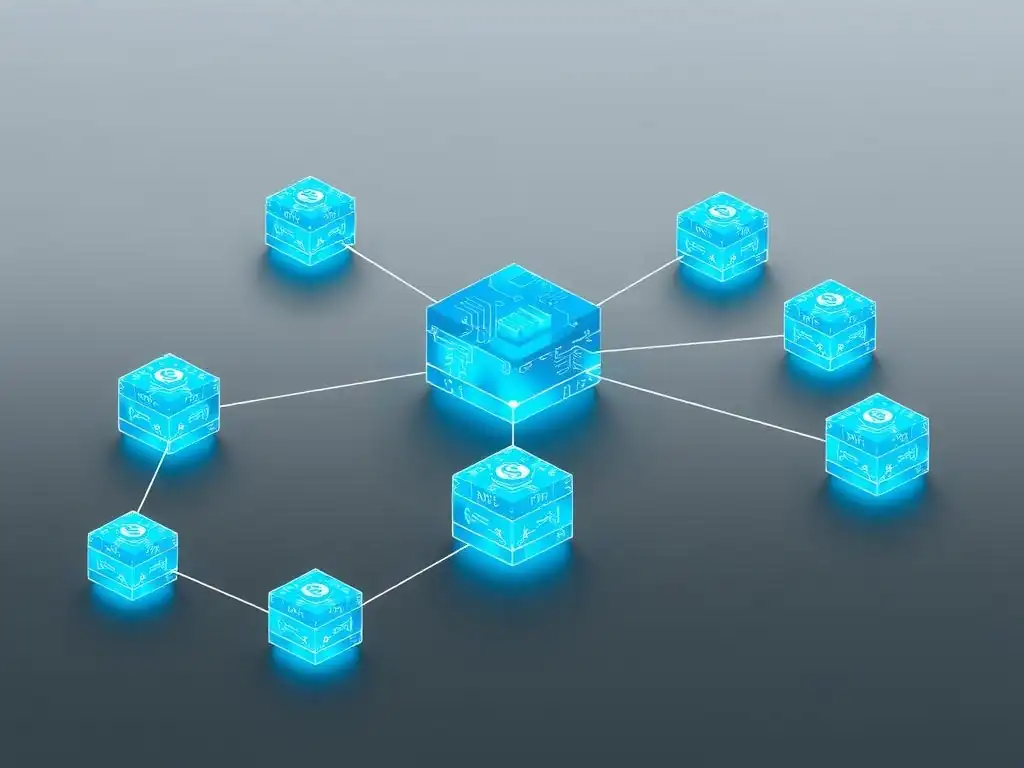
Sharding, inspired by database sharding techniques, emerges as a leading contender among scalability solutions for blockchains. In essence, sharding breaks down the blockchain network into smaller, manageable pieces called "shards." Each shard operates as an independent blockchain, possessing its own set of accounts, state, and transaction history.
This division of labor allows the network to process transactions in parallel, significantly increasing the overall throughput. Imagine a highway with multiple lanes instead of a single road; sharding essentially adds more lanes to the blockchain highway, allowing for a greater volume of traffic to flow simultaneously. By distributing the computational and storage burden across multiple shards, the network can achieve a level of scalability that is orders of magnitude greater than traditional monolithic blockchains.
The potential of sharding lies in its ability to address the fundamental bottleneck of sequential transaction processing. Instead of every node in the network having to validate every transaction, as is the case in non-sharded blockchains, in a sharded system, nodes are assigned to specific shards and are only responsible for processing transactions and maintaining the state within their assigned shard. This parallel processing capability dramatically reduces the workload on individual nodes and the network as a whole.
For example, if a blockchain is divided into 10 shards, theoretically, it could achieve nearly 10 times the throughput of a single-shard blockchain, assuming efficient cross-shard communication. Sharding offers a pathway to scaling blockchains to handle the transaction volumes required for mass adoption, enabling them to support a wide range of applications, from high-frequency trading in decentralized finance (DeFi) to global supply chain management and beyond.
Focus: Retrofitting Sharding onto Existing Blockchains - A Unique Challenge
While sharding presents a compelling solution for blockchain scalability, implementing it on existing, live blockchains presents a unique and complex set of challenges, distinct from designing a sharded blockchain from the ground up. "Retrofitting" sharding onto a blockchain that is already operational, with a vast and evolving state, a network of users and applications, and established consensus mechanisms, is akin to performing major surgery on a patient while they are running a marathon.
It requires meticulous planning, careful execution, and the ability to navigate numerous technical and logistical hurdles without disrupting the ongoing operation of the network. The core challenge lies in maintaining backward compatibility, ensuring data integrity, and minimizing disruption to existing users and applications throughout the sharding transition process.
Existing blockchains have accumulated years of transaction history and state data, often representing billions of dollars in value and underpinning a complex ecosystem of decentralized applications. Migrating this vast amount of data into a sharded architecture without data loss or corruption is a formidable task. Furthermore, existing blockchains typically rely on specific consensus mechanisms and network protocols that may not be inherently compatible with a sharded environment.
Adapting these core components to function seamlessly across multiple shards, while maintaining security and decentralization, requires significant innovation and engineering effort. The process of retrofitting sharding is not just a technical upgrade; it's a fundamental transformation of the blockchain's architecture, demanding careful consideration of network effects, community consensus, and the long-term sustainability of the sharded system.
What is Blockchain Sharding and How Does it Work?
Core Concepts of Blockchain Sharding Explained
At its heart, blockchain sharding is a database partitioning technique that divides a blockchain into several smaller, more manageable databases called shards. Each shard essentially functions as its own mini-blockchain, handling a subset of the network's transactions and state. Instead of every node in the network processing and storing the entire blockchain, in a sharded system, nodes are divided and assigned to specific shards.
These nodes are then responsible for only validating transactions and maintaining the state associated with their assigned shard. This division of labor allows for parallel processing of transactions, as different shards can process transactions concurrently, dramatically increasing the overall transaction throughput of the network.
Think of it like managing a large library. In a non-sharded blockchain (the traditional library model), every librarian (node) needs to have a copy of every book (blockchain data) and be involved in checking out and returning every book (transaction validation). This becomes inefficient as the library grows. Sharding, in this analogy, is like dividing the library into specialized sections (shards) – one for fiction, one for science, one for history, etc.
Each section has its own librarians who are experts in their area and only manage books within their section. This allows for more efficient management and handling of a larger number of library users (transactions) simultaneously. The key to effective sharding is ensuring that these shards can communicate and coordinate with each other when necessary, while still maintaining the overall security and consistency of the entire blockchain system.
Different Sharding Approaches: State Sharding, Transaction Sharding, and Network Sharding
Blockchain sharding can be broadly categorized into three main approaches: state sharding, transaction sharding, and network sharding, each with its own nuances and implementation strategies. State sharding is often considered the most complex but potentially most impactful form of sharding. It involves dividing the blockchain's state (account balances, smart contract code, etc.) across different shards.
Each shard is responsible for maintaining only a portion of the overall state, significantly reducing the storage and computational burden on individual nodes. Transaction sharding, on the other hand, focuses on dividing the transaction processing workload. Transactions are distributed across different shards for processing in parallel. This approach can improve transaction throughput without necessarily partitioning the state.
Network sharding is the simplest form, where the network of nodes is divided into shards, and each shard processes all transactions but only for a subset of accounts or addresses. While conceptually simpler, network sharding alone might not fully address state growth issues. In practice, hybrid approaches that combine elements of these different sharding types are often explored. For instance, a system might implement both state and transaction sharding to achieve comprehensive scalability gains.
Zilliqa, for example, employs network sharding combined with transaction sharding, where the network is divided into shards that process disjoint sets of transactions. Ethereum 2.0's sharding design, while initially targeting state sharding, has evolved to incorporate elements of transaction sharding as well, showcasing the complexity and adaptability inherent in real-world sharding implementations. The choice of sharding approach depends on various factors, including the blockchain's architecture, consensus mechanism, and the specific scalability goals.
Benefits of Sharding for Blockchain Performance and Throughput
The primary benefit of implementing sharding on a blockchain is a substantial improvement in performance and throughput, directly addressing the scalability limitations of traditional monolithic blockchains. By enabling parallel transaction processing, sharding can dramatically increase the number of transactions the network can handle per second (TPS). A sharded blockchain can, in theory, achieve throughput that scales almost linearly with the number of shards.
For example, if a non-sharded blockchain can process 10 TPS, a sharded version with 10 shards could potentially process close to 100 TPS, assuming efficient shard coordination and minimal overhead from cross-shard communication. This enhanced throughput makes blockchains viable for a wider range of applications, including those requiring high transaction volumes and low latency, such as decentralized exchanges (DEXs), high-frequency DeFi protocols, and applications serving a large user base.
Beyond increased TPS, sharding also contributes to reduced transaction latency and lower transaction fees. With transactions being processed in parallel across shards, the time it takes for a transaction to be confirmed can be significantly reduced. Lower latency is crucial for user experience, particularly in applications where responsiveness is paramount.
Furthermore, by distributing the computational load, sharding can help to keep transaction fees lower and more stable, even during periods of high network demand. This is because network congestion is reduced as transactions are spread across multiple shards, preventing fee markets from spiking dramatically. Sharding’s impact extends beyond just transaction speed and cost; it also improves the overall responsiveness and usability of the blockchain network, paving the way for broader adoption and more complex decentralized applications.
Key Challenges in Implementing Sharding on Existing Blockchains
Data Migration and State Management Challenges
The Complexity of Migrating Existing Blockchain State
One of the most significant hurdles in retrofitting sharding onto an existing blockchain is the sheer complexity of migrating the current blockchain state. Existing blockchains, especially those that have been operational for years, often hold vast amounts of data, including account balances, smart contract code, and transaction history. For instance, Ethereum's blockchain state, as of late 2023, is estimated to be several terabytes in size and continuously growing.
Migrating this massive dataset to a sharded architecture without data loss, corruption, or network downtime is an incredibly intricate and technically demanding undertaking. The process involves not only moving the data but also reorganizing it to fit the sharded structure, which requires careful planning and sophisticated engineering solutions.
The complexity is further amplified by the need to maintain data consistency and integrity throughout the migration process. During migration, the blockchain must remain functional, or at least experience minimal downtime, to avoid disrupting existing applications and users. This "live migration" scenario necessitates the development of robust mechanisms to ensure that transactions occurring during the migration are correctly processed and incorporated into the sharded system.
Furthermore, verifying the accuracy and completeness of the migrated state after sharding is crucial to maintain trust and confidence in the blockchain. This requires rigorous testing and validation procedures to ensure that no data is lost or corrupted during the transition, a process that can be time-consuming and resource-intensive, adding to the overall complexity and cost of implementing sharding.
Ensuring Data Integrity During and After Sharding
Maintaining data integrity is paramount throughout the sharding implementation process, from the initial data migration to the ongoing operation of the sharded blockchain. Any compromise in data integrity could lead to catastrophic consequences, including loss of funds, corruption of smart contract state, and a complete erosion of trust in the system.
Ensuring data integrity during the migration phase requires employing robust data verification techniques, such as cryptographic hashing and Merkle trees, to confirm that the data is transferred accurately and completely to the new sharded structure. These techniques allow for the efficient verification of large datasets, ensuring that no data is lost or tampered with during the migration.
Post-migration, maintaining data integrity in a sharded environment introduces new challenges. Because the state is now distributed across multiple shards, mechanisms are needed to ensure consistency across shards and prevent conflicting updates. This is particularly critical for cross-shard transactions, where state changes in one shard may need to be reflected in another.
Techniques like state proofs and fraud proofs are employed to allow nodes in one shard to verify the state of another shard without needing to download the entire state. Furthermore, robust consensus mechanisms must be adapted to the sharded architecture to guarantee that all shards operate in a consistent and synchronized manner, preventing data inconsistencies and ensuring the overall integrity of the sharded blockchain.
Data Migration Challenges on Ethereum
Ethereum's ongoing journey towards sharding, as part of its Ethereum 2.0 upgrade (now known as the Merge and subsequent upgrades), provides a real-world case study of the data migration challenges associated with retrofitting sharding. Initially, Ethereum's sharding roadmap envisioned a phased approach, starting with the Beacon Chain and then progressively introducing shard chains.
The complexity of migrating Ethereum's massive state, which includes countless smart contracts and ERC-20 tokens, has been a significant factor contributing to the lengthy and iterative nature of the upgrade process. The initial plans for state sharding on Ethereum have been revised and simplified, reflecting the technical difficulties encountered.
One of the key challenges for Ethereum has been designing a migration strategy that minimizes disruption to the existing Ethereum ecosystem and ensures backward compatibility for existing applications and users. The transition needs to be as seamless as possible, preventing any significant downtime or loss of functionality for the vast array of dApps and users relying on the Ethereum network. Ethereum's approach has involved a gradual transition, focusing first on merging the existing Ethereum chain (execution layer) with the Beacon Chain (consensus layer) before fully implementing data sharding.
This phased strategy, while extending the timeline for full sharding, is designed to mitigate the risks associated with large-scale data migration and ensure a more stable and secure transition. Ethereum's experience highlights the immense technical and logistical challenges involved in migrating the state of a large, live blockchain to a sharded architecture.
Cross-Shard Communication and Transaction Handling
The Latency Problem in Cross-Shard Transactions
Cross-shard communication and transaction handling introduce a significant latency challenge in sharded blockchains. When a transaction involves interactions between different shards, it necessitates communication and coordination across these independent shards. This cross-shard communication inherently adds latency compared to transactions confined within a single shard.
Imagine sending a message across different departments in a large organization versus sending a message within the same department; cross-department communication invariably takes longer. In a sharded blockchain, this latency can impact the overall transaction confirmation times and the performance of applications that rely on frequent cross-shard interactions, such as certain types of DeFi protocols or complex smart contracts spanning multiple shards.
The latency problem arises because cross-shard transactions typically require consensus to be reached across multiple shards, often involving message passing and synchronization protocols. These protocols, while essential for ensuring consistency and atomicity of cross-shard transactions, introduce delays. The degree of latency can vary depending on the specific cross-shard communication protocol employed and the network conditions.
For applications requiring near-instantaneous transaction confirmation, high latency in cross-shard communication can be a major bottleneck. Therefore, designing efficient and low-latency cross-shard communication mechanisms is a critical aspect of sharded blockchain development and optimization, especially for retrofitting sharding onto existing blockchains where users are accustomed to certain performance levels.
Atomic Cross-Shard Transactions: Achieving Consistency
Ensuring atomicity in cross-shard transactions is a crucial but complex challenge. Atomicity, in the context of transactions, means that a transaction is treated as an indivisible unit of work: either all operations within the transaction are successfully executed, or none are. In a single-shard blockchain, achieving atomicity is relatively straightforward.
However, in a sharded environment, where transactions might involve operations across multiple independent shards, guaranteeing atomicity becomes significantly more challenging. Consider a scenario where a user wants to transfer tokens from an account in shard A to an account in shard B. This cross-shard transaction needs to be atomic; either both the deduction from account A and the addition to account B must succeed, or neither should occur, preventing inconsistencies in the overall state.
Achieving atomic cross-shard transactions requires sophisticated protocols that can coordinate operations across shards and ensure that all shards involved agree on the outcome of the transaction. Various approaches have been proposed, including atomic commitment protocols and locking mechanisms. However, these protocols often introduce complexity and can increase latency.
Furthermore, maintaining atomicity while preserving decentralization and fault tolerance is a delicate balancing act. Trade-offs often exist between the level of atomicity, performance, and the complexity of the implementation. Developing efficient and robust mechanisms for atomic cross-shard transactions is essential for supporting complex applications and maintaining data consistency in sharded blockchains, particularly when retrofitting sharding onto existing systems that may not have been designed with cross-shard atomicity in mind from the outset.
Security Risks Associated with Cross-Shard Communication
Cross-shard communication pathways can introduce new security risks to sharded blockchains, potentially increasing the overall attack surface of the network. When shards need to communicate with each other to process cross-shard transactions or exchange state information, these communication channels become potential targets for malicious actors.
If the cross-shard communication protocols are not carefully designed and secured, vulnerabilities could be exploited to launch attacks, such as double-spending attacks, denial-of-service attacks, or even cross-shard state manipulation. For example, if an attacker can compromise the communication channel between two shards, they might be able to manipulate cross-shard transactions, potentially leading to unauthorized transfers of assets or disruption of network operations.
Securing cross-shard communication requires robust cryptographic techniques and secure communication protocols. Mechanisms such as verifiable state proofs, fraud proofs, and secure message passing protocols are employed to ensure the integrity and authenticity of cross-shard messages and transactions. Furthermore, the design of the sharded architecture itself plays a crucial role in mitigating cross-shard communication security risks.
Strategies like minimizing the frequency and complexity of cross-shard interactions, and isolating shards as much as possible while still enabling necessary communication, can help to reduce the attack surface and enhance the overall security of the sharded blockchain. Thorough security audits and rigorous testing of cross-shard communication protocols are essential to identify and address potential vulnerabilities before deploying sharding on a live blockchain network.
Security Implications of Blockchain Sharding
Increased Attack Surface in Sharded Blockchains
Implementing sharding, while enhancing scalability, inherently increases the attack surface of a blockchain network. By dividing the network into multiple shards, sharding creates more entry points and potential vulnerabilities that malicious actors can exploit. Each shard, while operating independently, also becomes a separate target.
If an attacker can compromise even a single shard, it could potentially disrupt the operations of that shard, manipulate its state, or even launch attacks that could propagate to other shards or the main chain. This increased attack surface necessitates a heightened focus on security considerations and the implementation of robust security measures across all shards and the overall sharded architecture.
The increased attack surface stems from several factors. Firstly, the total number of nodes in a sharded blockchain might remain the same or even decrease per shard compared to the original non-sharded chain. This could potentially make individual shards more vulnerable to attacks if not adequately secured.
Secondly, the complexity of cross-shard communication protocols and the coordination mechanisms between shards introduces new potential points of failure and vulnerabilities. Thirdly, the management and governance of multiple shards might present new security challenges if not properly addressed. Therefore, when retrofitting sharding onto an existing blockchain, it's crucial to thoroughly assess and mitigate the increased attack surface by implementing enhanced security protocols, robust monitoring systems, and effective incident response mechanisms across the entire sharded network.
Sybil Resistance and Shard Collusion Concerns
Sybil resistance and shard collusion are critical security concerns specific to sharded blockchains. Sybil resistance refers to the ability of a system to prevent a single attacker from creating a large number of pseudonymous identities (Sybil identities) to gain disproportionate influence or control over the network.
In a sharded blockchain, if a shard has weak Sybil resistance, an attacker could potentially create a large number of Sybil nodes and concentrate them within a specific shard, allowing them to control the consensus process within that shard and manipulate its state. This is particularly concerning if the number of nodes per shard is relatively small.
Shard collusion is another related security risk. It arises when a group of malicious nodes within different shards collude to undermine the security or integrity of the system. For example, colluding nodes in different shards could potentially coordinate to execute double-spending attacks across shards or manipulate cross-shard transactions.
Preventing Sybil attacks and shard collusion requires careful design of shard assignment mechanisms, robust consensus protocols within each shard, and security measures to detect and mitigate malicious behavior. Techniques such as verifiable random functions (VRFs) for shard assignment, and fraud proofs for detecting invalid shard states, are employed to enhance Sybil resistance and mitigate collusion risks in sharded blockchains.
Ensuring Security Across Multiple Shards
Maintaining a consistent and robust security level across all shards in a sharded blockchain is paramount. If security is unevenly distributed across shards, weaker shards could become attractive targets for attackers, potentially compromising the security of the entire system.
For instance, if some shards have fewer nodes or weaker consensus mechanisms, they might be more susceptible to attacks, and a compromise of a weaker shard could potentially have cascading effects on other shards or the main chain through cross-shard interactions. Therefore, ensuring a uniform and high level of security across all shards is essential for the overall security and resilience of the sharded blockchain.
Achieving uniform security across shards requires careful consideration of various factors, including shard size, node distribution, consensus mechanisms, and security protocols. Strategies such as dynamic shard resharding, where shards are periodically reorganized and nodes are reassigned, can help to prevent attackers from concentrating their resources on specific shards over extended periods.
Furthermore, implementing robust monitoring and auditing mechanisms across all shards can help to detect and respond to security incidents promptly and effectively. Regular security assessments and penetration testing are also crucial to identify and address any vulnerabilities in the sharded architecture and ensure that security measures are consistently applied and maintained across all shards.
Consensus Mechanisms and Shard Governance
Adapting Existing Consensus Mechanisms to Sharded Architectures
Retrofitting sharding onto an existing blockchain often necessitates adapting the blockchain's original consensus mechanism to function effectively within a sharded architecture. Many existing blockchains rely on consensus mechanisms, like Proof-of-Work (PoW) or Proof-of-Stake (PoS), that were designed for monolithic, non-sharded environments. Directly applying these mechanisms to a sharded system without modifications can lead to inefficiencies, security vulnerabilities, or performance bottlenecks. For example, in a PoW sharded blockchain, if each shard independently runs PoW, the overall energy consumption might increase significantly, and the security of individual shards might be compromised if hash power is unevenly distributed.
Adapting consensus mechanisms for sharding involves several considerations. One key aspect is ensuring consensus efficiency within each shard while also maintaining consistency across shards. Different shards might employ different consensus mechanisms, or variations of the original consensus mechanism, optimized for their specific needs and security requirements.
For instance, some shards might use a faster consensus mechanism for intra-shard transactions, while a more robust mechanism is used for cross-shard transactions. Furthermore, the consensus mechanism needs to be integrated with the shard assignment and cross-shard communication protocols to ensure seamless and secure operation of the sharded blockchain. Ethereum's transition to Proof-of-Stake (Casper) as part of its sharding upgrade is an example of adapting a consensus mechanism to better suit a sharded architecture, aiming for improved energy efficiency and scalability.
Shard Assignment and Load Balancing Strategies
Effective shard assignment and load balancing are crucial for the performance, security, and fairness of a sharded blockchain. Shard assignment refers to the process of assigning nodes to specific shards, while load balancing ensures that the workload and resources are evenly distributed across shards, preventing any single shard from becoming overloaded or underutilized.
Poor shard assignment or load balancing can lead to performance bottlenecks, security vulnerabilities, and unfair resource allocation. For example, if some shards are consistently overloaded with transactions while others are underutilized, the overall throughput of the sharded blockchain might be limited, and users interacting with overloaded shards might experience higher latency and fees.
Various shard assignment strategies exist, ranging from static assignment, where nodes are permanently assigned to shards, to dynamic assignment, where nodes are periodically reassigned to different shards based on network conditions and workload. Dynamic shard resharding offers advantages in terms of load balancing and security, as it can prevent attackers from targeting specific shards and adapt to changing network conditions.
Load balancing strategies can also be implemented at different levels, such as transaction routing, state distribution, and node assignment, to ensure an even distribution of workload and resources across shards. The choice of shard assignment and load balancing strategies depends on the specific characteristics of the sharded blockchain and its performance and security goals.
Governance Models for Managing Sharded Blockchains
Governing a sharded blockchain presents unique challenges compared to governing a non-sharded blockchain. With multiple shards operating semi-independently, decisions related to shard upgrades, parameter adjustments, and conflict resolution need to be carefully managed to maintain the overall coherence and stability of the sharded system.
Traditional on-chain governance mechanisms, designed for monolithic blockchains, might need to be adapted or extended to accommodate the complexities of a sharded architecture. For example, decisions related to shard-specific upgrades might need to be made at the shard level, while decisions affecting the entire sharded network might require a broader governance process involving representatives from all shards or a central governance body.
Governance models for sharded blockchains need to address several key aspects, including shard-level governance, cross-shard governance coordination, and overall network governance. Shard-level governance might involve mechanisms for managing shard-specific parameters, upgrades, and resource allocation within each shard. Cross-shard governance coordination is essential for managing cross-shard interactions, resolving conflicts arising from cross-shard transactions, and ensuring consistency across shards.
Overall network governance deals with network-wide upgrades, protocol changes, and long-term strategic decisions for the sharded blockchain. Finding the right balance between shard-level autonomy and overall network coherence is a key challenge in designing effective governance models for sharded blockchains, especially when retrofitting sharding onto existing chains with established governance structures.
Maintaining Backward Compatibility and Network Effects
The Challenge of Upgrading Existing Blockchain Clients
Upgrading existing blockchain clients to support sharding is a significant challenge, especially for blockchains with a large and diverse ecosystem of clients. Blockchain clients are software applications that users and developers use to interact with the blockchain network. Introducing sharding often requires substantial changes to the client software to handle shard management, cross-shard communication, and new consensus protocols.
Ensuring that all or a significant majority of users and developers upgrade their clients to the sharding-compatible version is crucial for a successful transition. However, client upgrades can be complex and time-consuming, and not all users may be willing or able to upgrade promptly.
The challenge of client upgrades is further compounded by the need to maintain backward compatibility during the transition period. Older, non-sharding-compatible clients should ideally still be able to interact with the network, at least to some extent, during the upgrade process. This requires careful planning and implementation to ensure a smooth and gradual transition without disrupting existing users and applications. Furthermore, client upgrades need to be coordinated across the entire network to avoid network splits or fragmentation. Effective communication and outreach to the community are essential to encourage and facilitate client upgrades and ensure a successful sharding implementation.
Minimizing Disruption to Existing Applications and Users
Minimizing disruption to existing applications and users is a critical consideration when retrofitting sharding onto a live blockchain. Existing blockchains often host a vibrant ecosystem of decentralized applications (dApps), smart contracts, and users who rely on the network for various purposes. Introducing sharding can potentially disrupt these existing applications and user workflows if not carefully planned and executed. For example, changes to the blockchain's architecture, transaction format, or API interfaces due to sharding might require developers to update their dApps, and users might need to adapt to new client software or interaction patterns.
Minimizing disruption requires a phased and incremental approach to sharding implementation, with a strong focus on backward compatibility and user communication. Changes to the blockchain protocol should be designed to be as non-breaking as possible, allowing existing applications to continue functioning with minimal or no modifications. If breaking changes are unavoidable, clear and timely communication with developers and users is essential to provide sufficient notice and guidance on how to adapt to the changes. Furthermore, providing developer tools, migration guides, and support resources can help to ease the transition and minimize disruption to the existing blockchain ecosystem.
Preserving Network Effects During the Sharding Transition
Preserving network effects is crucial for the long-term success of a sharded blockchain. Network effects refer to the phenomenon where the value of a network increases as more users join it. Existing blockchains often benefit from strong network effects, which contribute to their security, liquidity, and overall utility. Retrofitting sharding should be done in a way that preserves and ideally enhances these network effects, rather than diminishing them. A poorly executed sharding transition could potentially fragment the network, reduce liquidity, and weaken security, thereby undermining the existing network effects.
Maintaining network effects during the sharding transition requires careful consideration of several factors. One key aspect is ensuring that the sharded blockchain remains interoperable and interconnected, allowing users and applications to interact seamlessly across shards. Fragmenting the network into isolated shards could weaken network effects.
Furthermore, the sharding transition should be designed to attract and retain users and developers, rather than causing them to migrate to other platforms. Clear communication, community engagement, and a focus on delivering tangible benefits from sharding, such as improved scalability and lower fees, are essential to maintain and strengthen network effects during and after the sharding transition.
Specific Examples of Blockchain Sharding Implementations and Their Challenges
Ethereum 2.0: A Case Study in Sharding Challenges
The Phased Approach to Ethereum Sharding
Ethereum 2.0, now integrated into the main Ethereum roadmap through upgrades like the Merge and Surge, serves as a prominent case study in the challenges of implementing sharding on a large, existing blockchain. Ethereum's approach to sharding has been deliberately phased and iterative, reflecting the complexity and risks involved in such a fundamental architectural change. The initial phase, marked by the launch of the Beacon Chain in December 2020, focused on introducing Proof-of-Stake (PoS) consensus and laying the groundwork for sharding.
The Merge in September 2022 transitioned the existing Ethereum mainnet to PoS consensus, merging it with the Beacon Chain. Sharding itself, initially planned as a core component of Phase 2, has been re-scoped and deprioritized in favor of other scalability solutions like rollups, in the current roadmap known as the "Surge".
This phased approach underscores the immense technical and logistical hurdles associated with implementing sharding on a live, multi-billion dollar blockchain. Ethereum's developers opted for a gradual transition to mitigate risks, allow for iterative development and testing, and adapt to evolving technological advancements and community feedback. While full state sharding as originally envisioned has been deferred, the ongoing Ethereum roadmap still incorporates elements of data sharding and aims to leverage rollups and other Layer-2 solutions to achieve scalability improvements, demonstrating a pragmatic and adaptable approach to tackling blockchain scalability challenges.
Challenges Encountered During the Implementation Process
Ethereum's sharding journey has been marked by numerous challenges, reflecting the inherent complexities of retrofitting sharding onto a live blockchain. One significant challenge has been the sheer scale and complexity of the Ethereum ecosystem itself. With a vast number of users, dApps, and smart contracts, any changes to the core protocol must be carefully considered and thoroughly tested to avoid unintended consequences and disruptions. The need to maintain backward compatibility for existing applications and users has been a constant constraint, influencing design decisions and implementation strategies.
Another key challenge has been the evolving landscape of blockchain scalability solutions. Over time, Layer-2 scaling solutions, particularly rollups, have emerged as highly promising and more readily deployable alternatives to on-chain sharding. The rise of rollups has influenced Ethereum's sharding roadmap, leading to a shift in focus towards a rollup-centric scaling strategy, with data sharding playing a supporting role to enhance rollup scalability.
Furthermore, technical complexities related to state management, cross-shard communication, and security in a sharded environment have presented ongoing engineering challenges, requiring significant research, development, and testing efforts. These challenges highlight the iterative and adaptive nature of blockchain development, particularly when tackling complex scalability solutions like sharding.
Lessons Learned from Ethereum's Sharding Journey
Ethereum's experience with sharding provides valuable lessons for other blockchain projects considering similar scalability solutions. One key lesson is the importance of a phased and iterative approach, allowing for flexibility and adaptation as new challenges and opportunities emerge. The initial ambitious scope of Ethereum's sharding roadmap was adjusted based on practical challenges and the rise of alternative scaling solutions, demonstrating the need for pragmatism and adaptability in blockchain development.
Another lesson is the critical role of community engagement and consensus-building in large-scale blockchain upgrades. Ethereum's sharding roadmap has been shaped by extensive discussions and feedback from the developer community, researchers, and users, highlighting the importance of inclusive and transparent decision-making processes.
Furthermore, Ethereum's journey underscores the significance of Layer-2 scaling solutions as complementary or alternative approaches to on-chain sharding. The success of rollups in scaling Ethereum has demonstrated the potential of Layer-2 solutions to address immediate scalability needs while on-chain sharding remains a longer-term goal or a supporting technology.
Finally, Ethereum's experience highlights the immense technical complexity of implementing sharding on a live blockchain, requiring significant research, engineering expertise, and rigorous testing. It serves as a reminder that retrofitting sharding is not a simple plug-and-play solution but a fundamental architectural transformation with numerous technical and logistical challenges that need to be carefully addressed.
Zilliqa: Sharding Approach and Obstacles
Zilliqa's Network Sharding Approach
Zilliqa is another notable blockchain project that has implemented sharding, taking a different approach compared to Ethereum. Zilliqa employs network sharding, dividing the network of nodes into shards, or "DS committees" (Directory Service committees). Each shard is responsible for processing a subset of transactions in parallel. Zilliqa's sharding approach primarily focuses on transaction sharding, improving throughput by parallelizing transaction processing across shards. Unlike Ethereum's initial state sharding plans, Zilliqa's shards do not partition the blockchain state; each shard maintains a copy of the entire state, but processes only a portion of the transactions.
Zilliqa's network sharding approach was designed to enhance transaction throughput without fundamentally altering the state management architecture of the blockchain. The number of shards in Zilliqa's network can be dynamically adjusted based on network demand, allowing for adaptive scalability. Zilliqa utilizes a Practical Byzantine Fault Tolerance (pBFT) consensus mechanism within each shard to ensure consensus on transactions processed by that shard. This combination of network sharding and pBFT consensus is central to Zilliqa's scalability strategy, aiming to achieve high transaction throughput while maintaining security and decentralization.
Challenges Faced in Implementing pBFT Consensus Across Shards
While Zilliqa's network sharding approach has demonstrated scalability gains, it has also faced challenges, particularly in implementing pBFT consensus across multiple shards. pBFT, while offering good fault tolerance and performance within a single shard, can become more complex and communication-intensive when scaled across multiple shards. Ensuring consensus consistency and coordination across shards, especially in the presence of network latency and potential Byzantine faults, requires careful protocol design and optimization. Zilliqa has addressed these challenges through various techniques, including efficient cross-shard communication protocols and mechanisms for handling shard merges and splits as the network scales.
Another challenge for Zilliqa, as with any sharded blockchain, is ensuring robust security across all shards. While Zilliqa's pBFT consensus mechanism provides strong security within shards, maintaining overall network security in a sharded environment requires careful consideration of shard assignment, Sybil resistance, and cross-shard communication security. Zilliqa has implemented measures to mitigate these risks, such as using a Directory Service committee to manage shard assignment and employing cryptographic techniques to secure cross-shard communication. However, ensuring long-term security and resilience in a dynamically sharded network remains an ongoing focus for Zilliqa's development.
Outcomes and Ongoing Development of Zilliqa's Sharding Implementation
Zilliqa's sharding implementation has demonstrated measurable improvements in transaction throughput compared to non-sharded blockchains. Zilliqa's mainnet has achieved significantly higher TPS than blockchains like Ethereum 1.0, showcasing the potential of network sharding to enhance scalability. However, the actual throughput achieved in practice can vary depending on transaction complexity, network conditions, and the number of active shards. While Zilliqa has demonstrated scalability gains, it also continues to evolve and refine its sharding implementation.
Ongoing development efforts in Zilliqa focus on further optimizing cross-shard communication protocols, enhancing shard management mechanisms, and exploring potential integrations with Layer-2 scaling solutions. Zilliqa also continues to monitor and adapt to the evolving landscape of blockchain scalability solutions, exploring new techniques and approaches to further improve the performance and security of its sharded blockchain. Zilliqa's experience provides valuable insights into the practical implementation and challenges of network sharding, contributing to the broader understanding and development of blockchain scalability solutions.
Mitigation Strategies for Overcoming Sharding Challenges
Innovative Approaches to Data Migration and State Management
Layer-2 Solutions for Data Migration
Layer-2 solutions, primarily rollups, offer innovative approaches to mitigate data migration challenges when implementing sharding on existing blockchains. Rollups, by processing transactions off-chain and only posting transaction data (or validity proofs) on the main chain, can significantly reduce the amount of state that needs to be directly migrated and managed on the sharded main chain.
Instead of migrating the entire historical state, a sharded blockchain can leverage rollups to handle a large portion of new transactions and state changes off-chain, while the main chain focuses on anchoring rollup data and managing a potentially smaller core state. This approach can drastically simplify the data migration process and reduce the complexity of state management in a sharded environment.
Rollups can act as "shards" in a functional sense, handling a significant portion of the transaction workload and state growth, without requiring a complete overhaul of the main chain's architecture. By offloading transaction processing and state storage to Layer-2, rollups can alleviate the scalability pressure on the main chain and make the transition to a sharded architecture more manageable.
Furthermore, rollups can be implemented incrementally, allowing for a gradual migration of state and transaction activity to Layer-2, minimizing disruption to existing applications and users. The increasing adoption of rollups in the Ethereum ecosystem, for example, reflects their potential as a key mitigation strategy for data migration and state management challenges in sharded blockchains.
Optimized State Management Techniques
Optimized state management techniques are crucial for addressing the state growth and data migration challenges in sharded blockchains. Traditional blockchain state representations, such as Merkle Patricia Tries, while effective, can become inefficient as the state size grows, leading to increased storage requirements and slower state access times. Innovative state management techniques, such as state expiry, state pruning, and stateless clients, aim to reduce the state burden and improve state management efficiency in sharded systems.
State expiry involves removing older, less frequently accessed state data from the active state, reducing the overall state size. State pruning focuses on selectively removing redundant or historical state data while preserving the ability to verify past transactions.
Stateless clients represent a more radical approach, where clients do not need to store the entire blockchain state locally. Instead, they rely on state proofs provided by full nodes to verify transaction validity. Stateless clients can significantly reduce the storage requirements and computational burden on individual nodes, making it easier to operate nodes in a sharded environment.
Combining these optimized state management techniques with sharding can lead to a more scalable and efficient blockchain architecture, reducing the data migration burden and improving the overall performance of the sharded system. Research and development in optimized state management techniques are ongoing, with the goal of creating more scalable and sustainable blockchain architectures.
Using Verkle Trees for State Management
Verkle trees are an advanced cryptographic data structure that offers significant advantages for state management in sharded blockchains, particularly in addressing state size and state proof efficiency. Verkle trees are a type of commitment scheme that allows for very short and efficient proofs of state inclusion and non-inclusion. Compared to traditional Merkle trees, Verkle trees offer exponentially smaller proof sizes, making them highly suitable for stateless clients and efficient state verification in sharded environments. The smaller proof sizes reduce the bandwidth requirements for state proofs and improve the overall efficiency of state access and verification.
In a sharded blockchain, Verkle trees can be used to represent the state of each shard. Stateless clients can then efficiently verify the state of a shard by requesting and verifying Verkle tree proofs from full nodes. The small proof sizes enabled by Verkle trees make stateless clients more practical and efficient, reducing the storage and computational burden on individual nodes.
Furthermore, Verkle trees can facilitate more efficient state synchronization and state migration in sharded systems. The adoption of Verkle trees in Ethereum's future roadmap for state management highlights their potential as a key technology for improving the scalability and efficiency of sharded blockchains. Research and development in Verkle trees and related cryptographic techniques are actively progressing, further enhancing their applicability to blockchain state management.
Enhancing Cross-Shard Communication Efficiency
Asynchronous Cross-Shard Communication Protocols
Asynchronous cross-shard communication protocols are designed to mitigate the latency challenges associated with cross-shard transactions in sharded blockchains. Traditional synchronous cross-shard communication protocols often require waiting for confirmation from all shards involved in a transaction before finalizing the transaction, leading to significant latency. Asynchronous protocols, in contrast, allow shards to proceed with processing transactions without waiting for immediate confirmation from other shards. This can significantly reduce latency and improve the overall responsiveness of the sharded blockchain.
Asynchronous cross-shard communication typically involves message queues and optimistic execution techniques. When a cross-shard transaction is initiated, a message is sent to the target shard, and the originating shard can continue processing other transactions without waiting for a response. The target shard processes the cross-shard transaction asynchronously and updates its state accordingly.
Mechanisms like fraud proofs and challenge periods are used to ensure the correctness of asynchronous cross-shard transactions and resolve any potential conflicts. Asynchronous protocols introduce complexity in terms of state management and conflict resolution, but they offer significant performance benefits in terms of reduced latency and improved throughput for cross-shard transactions.
Optimistic Cross-Shard Execution
Optimistic cross-shard execution is a technique that further enhances the efficiency of cross-shard transactions by assuming that most cross-shard interactions will be valid and conflict-free. In optimistic execution, shards proceed with processing cross-shard transactions based on this assumption, without waiting for explicit confirmation or synchronization from other shards. This optimistic approach can significantly reduce latency and improve transaction throughput, especially in scenarios where cross-shard conflicts are rare. However, mechanisms are needed to detect and resolve conflicts when they do occur.
Optimistic execution typically relies on fraud proofs and challenge periods to handle potential conflicts. If a cross-shard transaction is found to be invalid or conflicting, a fraud proof can be submitted to challenge the transaction and revert any incorrect state changes.
Challenge periods provide a time window for submitting fraud proofs, allowing for the detection and resolution of conflicts before transactions are finalized. Optimistic cross-shard execution introduces complexity in terms of fraud proof mechanisms and conflict resolution protocols, but it offers significant performance gains by reducing latency and improving throughput for cross-shard transactions, particularly in use cases where cross-shard conflicts are infrequent.
Utilizing Polkadot's XCMP for Cross-Shard Communication
Polkadot's Cross-Chain Message Passing (XCMP) protocol represents a notable example of a dedicated cross-shard communication solution designed for sharded blockchain architectures. XCMP provides a secure and efficient mechanism for parachains (Polkadot's shards) to communicate and exchange messages with each other. XCMP is designed to be asynchronous and utilizes a message queue-based approach, allowing parachains to send messages to each other without requiring immediate confirmation or synchronization. This asynchronous nature helps to reduce latency and improve the overall efficiency of cross-shard communication within the Polkadot network.
XCMP incorporates security features to ensure the integrity and authenticity of cross-shard messages. Messages are cryptographically signed and verified by relay chain validators, providing a secure communication channel between parachains. XCMP also supports features like message delivery guarantees and flow control to ensure reliable and efficient message passing.
While XCMP is specific to Polkadot's architecture, its design principles and techniques provide valuable insights for developing cross-shard communication solutions for other sharded blockchains. The development and deployment of dedicated cross-shard communication protocols like XCMP are crucial for enabling efficient and secure cross-shard interactions and realizing the full potential of sharded blockchain architectures.
Strengthening Security in Sharded Blockchains
Advanced Shard Selection Algorithms
Advanced shard selection algorithms play a crucial role in strengthening security in sharded blockchains by mitigating risks like shard takeover attacks and ensuring a more uniform distribution of security across shards. Shard selection algorithms determine how nodes are assigned to shards.
Simple shard assignment methods, such as static assignment or random assignment, can be vulnerable to attacks if malicious actors can predict or manipulate shard assignments to concentrate their resources in specific shards. Advanced shard selection algorithms aim to introduce randomness, unpredictability, and fairness into the shard assignment process, making it more difficult for attackers to target specific shards or gain disproportionate control over the network.
Techniques like Verifiable Random Functions (VRFs) and Distributed Key Generation (DKG) are used in advanced shard selection algorithms. VRFs provide a provably random and unpredictable way to assign nodes to shards, preventing attackers from predicting shard assignments in advance. DKG protocols allow nodes to collectively generate a shared secret key in a distributed manner, which can be used for secure shard assignment and other security-sensitive operations. By employing advanced shard selection algorithms, sharded blockchains can enhance Sybil resistance, mitigate shard takeover risks, and ensure a more robust and evenly distributed security posture across all shards.
Cryptographic Techniques for Preventing Collusion
Cryptographic techniques are essential for preventing shard collusion and enhancing security in sharded blockchains. Shard collusion occurs when a group of malicious nodes within different shards coordinate to undermine the security or integrity of the system.
Cryptographic techniques, such as verifiable random sampling, secure multi-party computation (MPC), and threshold cryptography, can be used to mitigate collusion risks and make it more difficult for malicious actors to coordinate and execute attacks across shards. Verifiable random sampling can be used to randomly select committees of nodes from different shards to perform cross-shard operations, making it more difficult for attackers to predict and target specific committees.
Secure multi-party computation (MPC) allows nodes from different shards to perform computations jointly without revealing their private inputs, enabling secure cross-shard operations without relying on trusted intermediaries. Threshold cryptography can be used to distribute cryptographic keys across multiple shards, requiring a threshold number of shards to collude to compromise the key, enhancing the security of cross-shard cryptographic operations. By incorporating these cryptographic techniques, sharded blockchains can strengthen their resilience against shard collusion attacks and enhance the overall security and integrity of the system.
Formal Verification of Shard Security
Formal verification techniques offer a rigorous approach to enhance the security of sharded blockchains by mathematically proving the correctness and security properties of sharding protocols and implementations. Formal verification involves using mathematical models and automated theorem provers to analyze the design and implementation of sharding protocols and identify potential vulnerabilities or security flaws.
By formally verifying the security properties of sharding protocols, developers can gain a higher degree of confidence in the robustness and security of the sharded blockchain system. Formal verification can be applied to various aspects of sharded blockchain security, including consensus protocols, cross-shard communication protocols, shard selection algorithms, and cryptographic primitives.
Formal verification is a complex and resource-intensive process, but it can provide valuable assurance of the security of critical blockchain infrastructure. Tools and methodologies for formal verification of distributed systems and cryptographic protocols are continuously evolving, making formal verification increasingly practical and applicable to blockchain security. Integrating formal verification into the development lifecycle of sharded blockchains can significantly enhance their security posture and reduce the risk of unforeseen vulnerabilities or security breaches.
The Future of Blockchain Sharding Scalability Solutions
Emerging Trends in Blockchain Sharding Research
Blockchain sharding research is a rapidly evolving field, with emerging trends focusing on enhancing the efficiency, security, and practicality of sharded blockchain architectures. One prominent trend is the exploration of hybrid sharding approaches that combine different sharding techniques, such as state sharding, transaction sharding, and network sharding, to achieve comprehensive scalability gains.
Researchers are also investigating dynamic sharding techniques that allow for flexible and adaptive shard management based on network conditions and workload, optimizing resource utilization and performance. Another key research direction is focused on improving cross-shard communication efficiency and security, with ongoing development of asynchronous protocols, optimistic execution techniques, and dedicated cross-shard communication layers.
Security remains a central focus of sharding research, with efforts directed towards developing more robust Sybil resistance mechanisms, collusion prevention techniques, and formal verification methodologies for sharded systems. Research is also exploring the integration of sharding with other scalability solutions, such as Layer-2 technologies and sidechains, to create multi-layered and hybrid scaling architectures.
Furthermore, the application of machine learning and artificial intelligence techniques to optimize shard management, load balancing, and security in sharded blockchains is an emerging area of research. These ongoing research trends are driving innovation and pushing the boundaries of blockchain sharding, paving the way for more scalable, secure, and practical sharded blockchain solutions in the future.
The Role of Sharding in Enterprise Blockchain Adoption
Sharding is expected to play a crucial role in driving enterprise blockchain adoption by addressing the scalability limitations that have hindered enterprise use cases in the past. Many enterprise applications require high transaction throughput, low latency, and robust security, demands that traditional monolithic blockchains often struggle to meet. Sharded blockchains, with their ability to achieve significantly higher scalability, are better positioned to support enterprise-grade applications, such as supply chain management, financial transactions, and identity management, that require high performance and scalability.
Enterprise blockchains, particularly permissioned or consortium blockchains, can benefit from sharding to scale their networks to accommodate a growing number of participants, transactions, and data volumes. Sharding can enable enterprises to build and deploy more complex and demanding blockchain applications without compromising performance or scalability. Furthermore, sharding can improve the cost-effectiveness of enterprise blockchain deployments by reducing transaction fees and improving resource utilization. As sharding technology matures and becomes more readily available, it is expected to become a key enabler for wider enterprise blockchain adoption, unlocking new use cases and driving innovation in various industries.
The Long-Term Vision for Scalable and Decentralized Blockchains
The long-term vision for blockchain technology is deeply intertwined with the quest for scalable and decentralized solutions. Sharding is widely considered a critical technology for achieving this vision, enabling blockchains to scale to meet the demands of a global, decentralized future without sacrificing decentralization or security. Scalable and decentralized blockchains have the potential to revolutionize various aspects of society, from finance and governance to supply chains and digital identity, by providing a more efficient, transparent, and trustworthy infrastructure for decentralized applications and services.
Sharding, as a core scalability technology, is essential for realizing this long-term vision. By overcoming the scalability bottleneck, sharding can unlock the full potential of blockchain technology, enabling it to support a wider range of use cases and reach mass adoption.
The ongoing research and development in sharding, coupled with advancements in other scalability solutions and related technologies, are paving the way for a future where blockchains are truly scalable, decentralized, and capable of underpinning a new era of decentralized applications and services. This long-term vision is driving innovation and investment in blockchain sharding and related technologies, shaping the future of decentralized systems and the broader blockchain ecosystem.
Summarizing the Key Challenges and Solutions
Implementing sharding on existing blockchains presents a complex array of challenges, primarily revolving around data migration and state management, cross-shard communication and transaction handling, security implications, consensus mechanisms and shard governance, and maintaining backward compatibility and network effects. Data migration of vast existing blockchain states requires innovative techniques like Layer-2 solutions and optimized state management. Cross-shard communication latency can be mitigated by asynchronous protocols and optimistic execution, while Polkadot's XCMP exemplifies dedicated solutions.
Security risks in sharded blockchains, including increased attack surface and collusion concerns, are addressed through advanced shard selection algorithms, cryptographic techniques, and formal verification. Adapting existing consensus mechanisms and designing effective shard governance models are also crucial. Maintaining backward compatibility and preserving network effects throughout the sharding transition demands careful planning and execution.
Despite these complexities, various mitigation strategies are emerging. Layer-2 rollups, Verkle trees for state management, asynchronous cross-shard communication, optimistic execution, advanced shard selection, and cryptographic collusion prevention techniques are all contributing to making sharding more feasible and secure. Ethereum's phased approach and Zilliqa's network sharding provide real-world examples of both the challenges and potential of sharding implementations.
The Importance of Careful Planning and Execution
The journey of retrofitting sharding onto an existing blockchain underscores the paramount importance of meticulous planning and careful execution. Due to the inherent complexities and potential risks, a phased and iterative approach is crucial. Thorough research, rigorous testing, and extensive simulations are essential to identify and address potential vulnerabilities and performance bottlenecks before deploying sharding on a live network.
Community engagement and consensus-building are also vital, ensuring that the sharding implementation aligns with the needs and expectations of users, developers, and the broader ecosystem. A well-defined roadmap, clear communication, and proactive risk management are key to navigating the complexities of sharding implementation successfully.
Furthermore, adaptability and flexibility are crucial. The blockchain landscape is constantly evolving, and new challenges and opportunities may emerge during the sharding implementation process. Being able to adapt to changing circumstances, adjust plans as needed, and leverage new technological advancements is essential for a successful outcome. Ethereum's evolution of its sharding roadmap, adapting to the rise of rollups, exemplifies the importance of flexibility in the face of evolving scalability solutions.
The Potential of Sharding to Unlock the Full Potential of Blockchain Technology
Despite the challenges, the potential of sharding to unlock the full potential of blockchain technology remains immense. By overcoming the scalability bottleneck, sharding can enable blockchains to handle transaction volumes and complexities required for mass adoption and enterprise-grade applications.
Sharded blockchains can support a wider range of use cases, from high-throughput DeFi protocols to global supply chain management and beyond, realizing the transformative vision of decentralized systems. As sharding technology matures and becomes more readily deployable, it is poised to play a pivotal role in shaping the future of blockchain technology and driving its widespread adoption across various industries and sectors.
Sharding represents a significant step towards achieving truly scalable, decentralized, and secure blockchains, paving the way for a more inclusive, efficient, and transparent digital future. While challenges remain, the ongoing research, development, and real-world implementations of sharding demonstrate its viability and potential to revolutionize blockchain technology. Navigating the complexities of sharding requires careful planning, diligent execution, and a commitment to innovation, but the rewards – a truly scalable and decentralized blockchain ecosystem – are well worth the effort.
Frequently Asked Questions
How does sharding improve blockchain scalability?
Sharding divides the blockchain network into smaller, manageable pieces called shards. This allows parallel processing of transactions, significantly increasing the overall throughput and scalability compared to processing transactions sequentially on a single chain.
What are the main challenges when retrofitting sharding onto an existing blockchain?
Retrofitting sharding presents challenges like data consistency and security concerns. Ensuring cross-shard communication is secure and efficient without compromising decentralization is also a major hurdle.
Why is state management a significant issue in sharded blockchains?
Each shard maintains its own state, making cross-shard transactions complex. Maintaining global state visibility across all shards while preserving data integrity is a technically demanding problem.
What security vulnerabilities are introduced by blockchain sharding?
Sharding can introduce vulnerabilities such as the "single shard takeover" attack. A malicious actor could potentially control a single shard, compromising the security of the entire network.
What are some potential solutions to the challenges of blockchain sharding scalability?
Research focuses on secure cross-shard communication protocols. Improvements in random shard assignment techniques and Byzantine Fault Tolerance (BFT) consensus mechanisms are also being explored.
Final Reflection: Embracing the Sharding Frontier
The exploration of blockchain sharding's challenges reveals a critical juncture in the evolution of decentralized technology. The pursuit of scalable blockchain solutions is no longer a theoretical exercise, but an urgent necessity for widespread adoption. As we've seen, retrofitting existing blockchains with sharding mechanisms presents a complex web of technical, economic, and security hurdles that demand innovative and collaborative solutions.
The journey towards scalable blockchains is a testament to human ingenuity and our unwavering desire to build more efficient and equitable systems. This endeavor resonates deeply because it speaks to the core promise of blockchain: a future where trust is decentralized and access is democratized. The challenges we face are not insurmountable, but rather opportunities to refine our understanding and push the boundaries of what's possible. As Vitalik Buterin wisely stated: The beauty of blockchain is not just that it is a database, but that it is a database that anyone can inspect and verify.
This transparency is what fuels our collective effort to overcome these scalability challenges.
Now, as you reflect on the complexities of blockchain sharding, consider your own role in shaping this technological landscape. How can you contribute to the development of more robust and scalable blockchain solutions? Whether you're a developer, researcher, investor, or simply an engaged citizen, your understanding and support are crucial. Embrace the challenges, explore the possibilities, and let us collectively build a future where blockchain technology can truly transform the world.
Ignite Your Blockchain Scalability Journey!
Thank you for exploring the complexities of sharding existing blockchains. You now have valuable insights into the challenges and potential solutions for retrofitting scalability. It's time to put that knowledge into practice!
Consider taking these steps:
- Explore further: Identify a specific challenge related to sharding that stood out to you and research possible solutions, such as different consensus mechanisms or data availability layers.
- Brainstorm ways to adapt sharding principles to enhance the scalability of a lesser-known blockchain project.
- Share this article with your network and initiate a discussion about the practical implications of sharding on existing blockchain infrastructure.
What is one key insight from this article that you're eager to implement or investigate further in your blockchain development or research?
Leave a Reply