
The Impact of CrossChain Bridges on the NFT Marketplace: Liquidity and Accessibility


Welcome to Blockchain Trends, your go-to source for understanding the revolutionary power of blockchain technology.
Ever wondered how to truly unlock the potential of NFTs beyond a single blockchain? Dive into our in-depth analysis of NFT crosschain bridge liquidity and discover how these innovative solutions are reshaping the digital landscape, breaking down barriers and fostering unprecedented accessibility. Explore how these bridges are impacting the market, and what the future holds for interoperable, decentralized assets.
The Impact of Cross-Chain Bridges on the NFT Marketplace: Liquidity and Accessibility
- Introduction: Cross-Chain Bridges and the Evolving NFT Landscape
- The Challenge: Liquidity Fragmentation in the NFT Market
- Cross-Chain Bridges: A Solution for NFT Liquidity Enhancement
- Boosting NFT Crosschain Bridge Liquidity: Mechanisms and Strategies
- Enhancing Accessibility to NFTs via Cross-Chain Solutions
- Security Considerations for NFT Cross-Chain Bridges
- Case Studies: Successful Implementations of NFT Cross-Chain Bridges
- The Future of NFT Crosschain Bridge Liquidity and Accessibility
- Conclusion: Unlocking the Full Potential of NFTs with Cross-Chain Bridges
-
Frequently Asked Questions
- What are NFT crosschain bridges, and why are they important for the NFT marketplace?
- How do crosschain bridges affect NFT liquidity?
- What are some potential risks associated with using NFT crosschain bridges?
- How do NFT crosschain bridges improve the accessibility of NFTs for users?
- What is the future outlook for NFT crosschain bridges and their impact on the NFT marketplace?
- Final Reflection: Bridging the NFT Divide
- Unleash Your NFT Potential: Bridge the Gap!
Introduction: Cross-Chain Bridges and the Evolving NFT Landscape
Understanding the Need for NFT Interoperability
Non-Fungible Tokens (NFTs) have rapidly transformed digital ownership, representing everything from art and collectibles to virtual real estate and in-game items. Initially, the NFT ecosystem was largely confined to the Ethereum blockchain, but as the space has matured, NFTs have proliferated across numerous blockchains like Solana, Polygon, Flow, and Tezos. This expansion, while showcasing the versatility of NFT technology, has inadvertently led to a fragmented landscape.
Imagine owning a unique digital artwork on Solana but only being able to easily trade it within the Solana ecosystem. This siloed approach limits the potential reach and value of NFTs, hindering broader adoption and market efficiency.
The need for interoperability in the NFT space stems from the desire to overcome these limitations. NFT creators and collectors want to access wider markets, regardless of the blockchain their assets reside on. Interoperability unlocks several key benefits: increased liquidity by combining fragmented markets, broader accessibility for users on different blockchains, and enhanced user experience by removing blockchain-specific barriers.
For example, a collector holding a valuable CryptoPunk on Ethereum might want to leverage opportunities in emerging NFT gaming platforms built on Polygon, but without interoperability, this becomes a complex and often costly endeavor. The solution to this growing need for seamless NFT movement across different blockchains is found in cross-chain bridge technology.
The Rise of Cross-Chain NFT Trading
Recognizing the inherent limitations of blockchain silos, the NFT market has witnessed a growing demand for cross-chain solutions. Early adopters and visionary projects began exploring ways to bridge the gaps between different blockchain ecosystems, paving the way for cross-chain NFT trading. Initially, these efforts were often complex and involved manual processes or centralized intermediaries. However, the evolution of decentralized cross-chain bridge technology has significantly streamlined and secured these interactions.
The rise of cross-chain NFT trading is evidenced by the increasing number of platforms and marketplaces that now support NFTs from multiple blockchains. Marketplaces like OpenSea and Rarible, originally focused primarily on Ethereum, have expanded their support to include NFTs from Polygon and Solana, among others. Furthermore, dedicated cross-chain NFT bridges have emerged, specifically designed to facilitate the transfer of NFTs between different chains. This growing infrastructure and adoption signify a clear trend towards a more interconnected and interoperable NFT future, where assets can flow freely across the blockchain landscape, enhancing both liquidity and accessibility for all participants.
The Challenge: Liquidity Fragmentation in the NFT Market
How Blockchain Silos Limit NFT Liquidity
One of the most significant challenges facing the NFT marketplace today is liquidity fragmentation. This fragmentation arises directly from the existence of blockchain silos. Each blockchain, with its distinct infrastructure and community, often operates as an isolated ecosystem. When NFTs are minted and traded within a specific blockchain network, their liquidity becomes largely confined to that network's user base and decentralized exchanges (DEXs) or marketplaces. This creates a situation where the total liquidity available for a particular NFT collection is artificially constrained, simply because it is not readily accessible to the wider NFT market across all blockchains.
Imagine a highly sought-after NFT collection launched on a newer, less established blockchain. While the collection might have intrinsic value and strong community support within that specific ecosystem, its potential liquidity is limited by the smaller size of that blockchain's user base compared to a more established chain like Ethereum. Potential buyers and sellers on other blockchains might be unaware of the collection or find it cumbersome to access it due to the lack of seamless cross-chain interoperability.
This isolation hinders price discovery, reduces trading volume, and ultimately impacts the overall value and market efficiency of NFTs. The consequence is a less vibrant and less efficient NFT market compared to what could be achieved with greater interoperability and interconnected liquidity.
The Impact of High Gas Fees on NFT Trading Across Chains
Adding to the challenge of blockchain silos, high gas fees on certain popular blockchains, particularly Ethereum, further exacerbate the problem of liquidity fragmentation in cross-chain NFT trading. Gas fees are the transaction costs users pay to execute operations on a blockchain. When gas fees are excessively high, as has been frequently observed on Ethereum during periods of network congestion, moving NFTs across chains becomes prohibitively expensive, especially for lower-value NFTs or for users with smaller capital.
Consider a scenario where a user wants to transfer an NFT from Ethereum to a Layer-2 scaling solution or another blockchain with lower fees to take advantage of different marketplaces or trading opportunities. If the gas fees on Ethereum for initiating the transfer are substantial, it can negate the potential benefits of cross-chain trading. For instance, if transferring an NFT worth $200 incurs an Ethereum gas fee of $50 or more, it significantly erodes the profitability and attractiveness of such a transaction.
This cost barrier effectively discourages cross-chain NFT movement, keeping liquidity localized within individual blockchains and hindering the development of a truly interconnected and accessible NFT marketplace. The high gas fees act as a friction point, further fragmenting liquidity and limiting the potential for a unified global NFT market.
Cross-Chain Bridges: A Solution for NFT Liquidity Enhancement
How NFT Bridges Facilitate Cross-Chain Transfers
Cross-chain bridges offer a crucial solution to the liquidity fragmentation problem in the NFT market by enabling the seamless transfer of NFTs between different blockchain networks. These bridges act as intermediaries, facilitating the movement of assets and data across otherwise isolated blockchain ecosystems. In the context of NFTs, bridges allow users to move their digital collectibles from one blockchain to another, unlocking access to different marketplaces, communities, and opportunities that exist across the broader crypto landscape.
The fundamental mechanism of an NFT bridge typically involves a process of locking or burning the NFT on the origin chain and then minting a representative or wrapped version of that NFT on the destination chain. For example, if a user wants to bridge an ERC-721 NFT from Ethereum to Polygon, the original NFT is locked in a smart contract on Ethereum.
The bridge then verifies this lock and mints a corresponding NFT, often adhering to the ERC-721 standard or a compatible standard on Polygon. This newly minted NFT on Polygon represents the original NFT locked on Ethereum and allows the user to interact with it within the Polygon ecosystem.
When the user wants to "unbridge" the NFT back to Ethereum, the process is reversed: the wrapped NFT on Polygon is burned, and the original NFT is unlocked on Ethereum. This mechanism effectively allows NFTs to traverse blockchain boundaries, expanding their potential reach and liquidity.
Different Types of Cross-Chain Bridges for NFTs [e.g., Lock-and-Mint, Burn-and-Mint]
Various types of cross-chain bridges have emerged to facilitate NFT transfers, each with its own approach and trade-offs. Two prominent types are "Lock-and-Mint" bridges and "Burn-and-Mint" bridges. "Lock-and-Mint" bridges, as described in the previous section, function by locking the original NFT in a smart contract on the source chain and minting a wrapped or representative NFT on the target chain. This is a widely used method and maintains a 1:1 representation of the original asset. A key advantage of this approach is that it preserves the lineage and provenance of the original NFT, which is crucial for digital collectibles.
"Burn-and-Mint" bridges, on the other hand, involve burning the original NFT on the source chain and minting a completely new NFT with similar metadata on the destination chain. While this method also achieves cross-chain transfer, it technically creates a new NFT rather than directly representing the original one. This approach might be suitable for certain use cases, but it can raise concerns about the authenticity and provenance of the newly minted NFT compared to the original.
For example, a Burn-and-Mint bridge might be used for transferring in-game assets where provenance is less critical than functionality across different gaming platforms. Choosing between these bridge types, and others like atomic swaps or liquidity pools based bridges, depends on the specific requirements of the NFT use case, security considerations, and the desired level of representation and authenticity in the cross-chain transfer process.
Boosting NFT Crosschain Bridge Liquidity: Mechanisms and Strategies
Incentivizing Liquidity Provision on NFT Bridges
While cross-chain bridges provide the infrastructure for NFT transfers, ensuring sufficient liquidity on these bridges themselves is crucial for their effectiveness. Just as decentralized exchanges require liquidity providers to facilitate trading, NFT bridges also benefit from mechanisms that incentivize liquidity provision. One approach involves rewarding users who lock up their NFTs on a bridge to facilitate cross-chain transfers with bridge tokens or a share of transaction fees. This incentivizes users to contribute their NFTs to the bridge's liquidity pool, making it easier and faster for others to bridge their assets.
Consider a hypothetical NFT bridge that allows users to bridge NFTs between Ethereum and Solana. To bootstrap liquidity, the bridge could offer rewards in its native token to users who deposit popular NFT collections into the bridge's smart contracts on both chains. These deposited NFTs effectively become part of the bridge's "inventory," enabling faster and more efficient cross-chain swaps.
Users bridging NFTs through this bridge would pay a small fee, a portion of which could be distributed as rewards to the liquidity providers. This creates a positive feedback loop, attracting more liquidity providers, reducing slippage and transaction times for bridge users, and ultimately enhancing the overall efficiency and appeal of the cross-chain NFT bridge. Similar to yield farming in DeFi, incentivized liquidity provision is vital for the smooth operation and growth of NFT cross-chain bridges.
The Role of Market Makers in Cross-Chain NFT Trading
Market makers play a crucial role in traditional financial markets by providing liquidity and reducing price volatility. Their role is equally important, if not more so, in the nascent and often volatile NFT cross-chain trading environment. In the context of NFT bridges, market makers can actively manage liquidity pools on both the source and destination chains, ensuring that there is always sufficient supply and demand to facilitate smooth cross-chain swaps. They can achieve this by deploying sophisticated trading strategies, monitoring price discrepancies across different blockchains, and arbitrage opportunities.
For instance, a market maker specializing in cross-chain NFT trading might identify a price difference for a particular NFT collection between Ethereum and Polygon. They could then leverage a cross-chain bridge to simultaneously buy the NFT at a lower price on one chain and sell it at a higher price on the other, profiting from the price discrepancy while also rebalancing liquidity pools on the bridge.
By actively engaging in such arbitrage and liquidity provision activities, market makers contribute to price stabilization, reduce slippage for users bridging NFTs, and enhance the overall efficiency of the cross-chain NFT market. Their expertise and capital are essential for creating a more mature and liquid cross-chain NFT trading ecosystem, moving beyond fragmented liquidity pools and towards a more unified market.
Aggregating NFT Liquidity Across Multiple Blockchains
The ultimate goal of cross-chain bridges is to aggregate NFT liquidity that is currently scattered across various blockchains. By connecting these fragmented liquidity pools, bridges aim to create a more unified and efficient NFT market. Liquidity aggregation means that buyers and sellers on different blockchains can access a larger pool of NFTs, leading to improved price discovery, tighter bid-ask spreads, and faster trade execution. This interconnectedness benefits all participants in the NFT ecosystem, from creators and collectors to marketplaces and investors.
Imagine a future where multiple cross-chain NFT bridges seamlessly connect Ethereum, Solana, Polygon, and other prominent NFT blockchains. Users could then browse and trade NFTs from all these chains through a single interface, without needing to worry about the underlying blockchain. This aggregated liquidity would significantly enhance market depth, making it easier to buy and sell NFTs of various types and price ranges.
For example, a collector looking to acquire a specific rare NFT would have a much higher chance of finding it available for sale across the aggregated liquidity pool compared to searching individual blockchain marketplaces separately. This vision of aggregated NFT liquidity, facilitated by cross-chain bridges, promises to unlock the full potential of the NFT market, transforming it from a collection of isolated islands into a vibrant and interconnected ocean of digital assets.
Enhancing Accessibility to NFTs via Cross-Chain Solutions
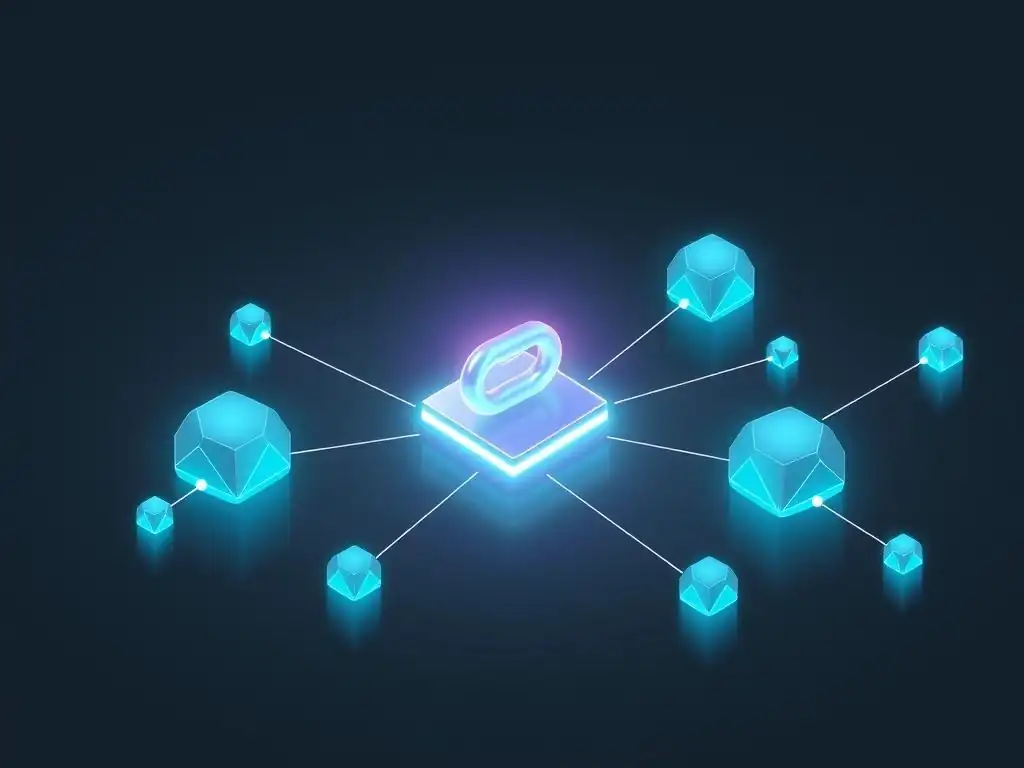
Expanding the User Base for NFTs through Interoperability
Beyond liquidity enhancement, cross-chain bridges significantly improve the accessibility of NFTs to a broader user base. Currently, users are often confined to the NFT ecosystems of the blockchains they are most familiar with or have assets on. For instance, a user primarily active in the Solana ecosystem might find it challenging or inconvenient to explore and participate in the vibrant NFT art scene on Ethereum, and vice versa. Cross-chain bridges break down these barriers, allowing users from different blockchain communities to seamlessly access and engage with NFTs across multiple networks.
Interoperability achieved through cross-chain bridges expands the potential user base for NFT creators and projects. By making their NFTs accessible across multiple blockchains, creators can tap into larger and more diverse audiences, increasing the visibility and potential demand for their work. Similarly, collectors gain access to a wider selection of NFTs, regardless of which blockchain they were originally minted on.
This broader accessibility fosters a more inclusive and dynamic NFT ecosystem, where users are not limited by blockchain boundaries and can freely explore and participate in the entire spectrum of NFT offerings. For example, a collector who prefers the lower transaction fees of Polygon can now easily access and collect NFTs that were originally launched on Ethereum, without needing to bridge funds and navigate the complexities of the Ethereum network directly.
Reducing Barriers to Entry for New NFT Collectors
Cross-chain bridges play a vital role in reducing barriers to entry for new NFT collectors. The current NFT landscape can be daunting for newcomers. Navigating different blockchains, setting up multiple wallets, and understanding the intricacies of each ecosystem can be overwhelming. Cross-chain solutions simplify this experience by providing a more unified and user-friendly interface for interacting with NFTs across different networks. By abstracting away the underlying blockchain complexities, bridges make it easier for new users to enter the NFT space and start collecting.
Imagine a new user interested in exploring NFTs but intimidated by the technical hurdles. With cross-chain bridges and user-friendly platforms built on top of them, this user could potentially access NFTs from various blockchains using a single wallet and a simplified interface. They would no longer need to create separate wallets for each blockchain or learn the nuances of each network.
This reduced friction lowers the barrier to entry, making NFTs more accessible to a wider audience, including those who are less technically savvy. By streamlining the user experience and simplifying cross-chain interactions, bridges contribute to the democratization of NFT collecting, making it more inclusive and welcoming for newcomers to the digital asset space.
Cross-Chain Bridges and Fractionalized NFTs: Democratizing Ownership
Cross-chain bridges further democratize NFT ownership when combined with the concept of fractionalized NFTs. Fractionalization involves dividing a high-value NFT into smaller, more affordable fractions, allowing multiple individuals to own a share of a single NFT. This makes ownership of expensive NFTs accessible to a wider range of investors and collectors who might not be able to afford the entire NFT. Cross-chain bridges enhance the liquidity and accessibility of fractionalized NFTs by enabling their trading across different blockchains.
For example, a valuable digital artwork NFT, fractionalized into thousands of ERC-20 tokens, can be bridged to different blockchains. These fractional tokens can then be traded on various decentralized exchanges and platforms across multiple networks, increasing their liquidity and accessibility.
This cross-chain trading of fractionalized NFTs further democratizes ownership by allowing a global pool of investors to participate in the ownership of high-value digital assets, regardless of their preferred blockchain ecosystem. The combination of fractionalization and cross-chain bridges creates new opportunities for broader participation in the NFT market, allowing more individuals to own and trade fractions of valuable digital collectibles, art, and other NFT assets.
Security Considerations for NFT Cross-Chain Bridges
Addressing the Risks of Bridge Exploits and Vulnerabilities
While cross-chain bridges offer significant benefits for NFT liquidity and accessibility, it is crucial to acknowledge and address the inherent security risks associated with these technologies. Bridges, by their nature, are complex systems that involve interacting with multiple blockchains and managing the movement of assets across them. This complexity introduces potential vulnerabilities that malicious actors can exploit. History has shown that cross-chain bridges, in general (not just NFT-specific), have been targets for significant exploits, resulting in substantial financial losses.
One of the primary risks stems from the smart contracts that govern bridge operations. If these smart contracts contain vulnerabilities or are poorly designed, attackers can potentially drain funds or manipulate the bridge's functionality. Another risk arises from the reliance on validators or oracles that verify cross-chain transactions. If these validators are compromised or collude, they could authorize fraudulent transfers or manipulate the bridge's state.
Furthermore, the "wrapping" and "unwrapping" mechanisms used by many bridges introduce additional layers of complexity that can be exploited. Addressing these risks requires rigorous security audits, robust bridge architectures, and ongoing monitoring to detect and mitigate potential vulnerabilities. The security of cross-chain NFT bridges is paramount to ensure the safe and reliable transfer of valuable digital assets.
Best Practices for Securing Cross-Chain NFT Transfers
To mitigate the risks associated with cross-chain NFT bridges, several best practices should be implemented by both bridge developers and users. For bridge developers, rigorous security audits conducted by reputable third-party firms are essential before deploying and operating a bridge. These audits should thoroughly examine the bridge's smart contracts, architecture, and operational procedures to identify and address potential vulnerabilities.
Employing multi-signature wallets to control bridge funds and implementing decentralized governance mechanisms can also enhance security by reducing single points of failure and increasing transparency. Furthermore, robust monitoring systems and incident response plans are crucial for detecting and responding to any security breaches or anomalies promptly.
For users transferring NFTs across chains, it is important to choose reputable and well-audited bridges. Researching the bridge's security track record, team, and audit reports is a crucial step. Users should also exercise caution when interacting with new or unaudited bridges, and consider using bridges with insurance or loss mitigation mechanisms in place.
Dividing large NFT transfers into smaller transactions can also help to limit potential losses in case of a bridge exploit. Staying informed about the latest security recommendations and best practices for cross-chain interactions is essential for users to protect their valuable NFT assets when utilizing cross-chain bridges.
Audits and Security Measures for NFT Bridges
Security audits are a cornerstone of ensuring the safety and reliability of NFT cross-chain bridges. Independent security firms specializing in blockchain and smart contract security play a crucial role in thoroughly examining bridge code, architecture, and operational procedures. These audits typically involve penetration testing, vulnerability analysis, and code reviews to identify potential weaknesses and security flaws. A comprehensive security audit not only helps to uncover existing vulnerabilities but also provides recommendations for improving the bridge's security posture and mitigating potential risks.
Beyond audits, various security measures can be implemented to enhance the robustness of NFT bridges. Rate limiting and circuit breakers can be put in place to prevent large or suspicious transactions that could indicate an attack. Decentralized oracle networks can be utilized to provide reliable and tamper-proof cross-chain data verification, reducing the risk of oracle manipulation.
Formal verification techniques can be employed to mathematically prove the correctness and security of bridge smart contracts. Furthermore, insurance protocols and loss mitigation mechanisms can provide users with a safety net in case of unforeseen bridge exploits or failures. A multi-layered security approach, combining rigorous audits, robust security measures, and ongoing monitoring, is essential for building secure and trustworthy NFT cross-chain bridges that users can rely on.
Case Studies: Successful Implementations of NFT Cross-Chain Bridges
Wormhole and its Impact on Cross-Chain NFT Transfers
Wormhole is a prominent example of a generic cross-chain messaging protocol that has been widely adopted for facilitating cross-chain NFT transfers. It acts as a bridge connecting various blockchains, including Ethereum, Solana, Polygon, and Avalanche, enabling the transfer of not only tokens but also arbitrary data, which is crucial for NFT interoperability. Wormhole's architecture relies on a network of validators that observe events on connected chains and relay messages across them. This allows for relatively fast and efficient cross-chain communication, making it suitable for transferring NFTs between different ecosystems.
Wormhole has significantly impacted cross-chain NFT transfers by providing a widely used and relatively established infrastructure for bridging NFTs between major blockchains. Numerous NFT projects and platforms have integrated Wormhole to enable cross-chain functionality for their NFTs. For instance, certain NFT collections initially launched on Solana have leveraged Wormhole to create wrapped versions of their NFTs on Ethereum, expanding their reach to the Ethereum NFT market and increasing their liquidity.
Similarly, NFTs originating on Ethereum can be bridged to other chains like Solana or Polygon using Wormhole, allowing users to access different marketplaces and communities. While Wormhole has experienced security challenges in the past, its widespread adoption and continued development demonstrate its significant role in enabling cross-chain NFT transfers and fostering greater interoperability in the NFT space.
LayerZero and Stargate Finance: Facilitating Cross-Chain NFT Trading
LayerZero is another notable interoperability protocol that, while not solely focused on NFTs, provides infrastructure that can be effectively utilized for cross-chain NFT trading. LayerZero distinguishes itself with its "ultra-light node" architecture, which aims to enhance security and efficiency in cross-chain communication. Stargate Finance is a prominent application built on top of LayerZero, focusing on cross-chain transfers of fungible tokens. While Stargate primarily deals with fungible tokens, the underlying LayerZero technology can be extended to support NFT transfers as well.
LayerZero and Stargate Finance contribute to facilitating cross-chain NFT trading indirectly by building a robust and secure foundation for cross-chain communication. The principles and technologies employed by LayerZero, such as its decentralized verification network and efficient message passing mechanisms, can be adapted and applied to develop NFT-specific cross-chain bridges.
While dedicated NFT bridges built on LayerZero might be less prevalent compared to Wormhole, the potential for LayerZero to play a significant role in the future of cross-chain NFT interoperability is substantial. As LayerZero's ecosystem continues to grow and mature, we can expect to see more NFT projects and platforms leveraging its technology to enable seamless and secure cross-chain NFT trading, further enhancing liquidity and accessibility in the NFT market.
The Future of NFT Crosschain Bridge Liquidity and Accessibility
Emerging Trends in Cross-Chain NFT Technology
The field of cross-chain NFT technology is rapidly evolving, with several emerging trends shaping its future. One key trend is the development of more secure and efficient bridge architectures. Researchers and developers are actively working on new bridge designs that aim to minimize vulnerabilities and enhance the speed and cost-effectiveness of cross-chain transfers. This includes exploring advancements in cryptographic techniques, multi-party computation, and decentralized consensus mechanisms to build more robust and trustworthy bridges.
Another trend is the increasing integration of cross-chain functionality directly into NFT marketplaces and platforms. Instead of relying solely on standalone bridges, we are seeing marketplaces incorporating cross-chain capabilities natively, allowing users to seamlessly buy, sell, and trade NFTs across different blockchains within a single platform. This integration simplifies the user experience and reduces friction for cross-chain NFT trading.
Furthermore, the rise of Layer-2 scaling solutions and multi-chain ecosystems is driving the demand for more sophisticated and interoperable cross-chain NFT solutions. As the NFT space continues to mature and expand across multiple blockchains, innovation in cross-chain bridge technology will be crucial for unlocking its full potential and fostering a truly interconnected NFT metaverse.
The Potential of Cross-Chain NFTs in the Metaverse
Cross-chain NFTs hold immense potential to revolutionize the metaverse and virtual worlds. Currently, many metaverse platforms operate as isolated ecosystems, with NFTs purchased or earned within one metaverse often being unusable in another. Cross-chain bridges can break down these silos, enabling NFTs to become truly portable assets that can be used and traded across different virtual worlds. Imagine owning a unique digital avatar or virtual land NFT that can be seamlessly transferred and utilized across multiple metaverse platforms – this is the vision that cross-chain NFTs can help realize.
The interoperability of NFTs in the metaverse will unlock new levels of user ownership and control over their digital assets. Users will no longer be locked into a single metaverse ecosystem but can freely move their NFTs between different virtual worlds, choosing the platforms and experiences that best suit their needs and preferences.
This cross-metaverse compatibility will foster a more open, decentralized, and user-centric metaverse, where digital assets are not confined to walled gardens but can flow freely and contribute to a more interconnected and vibrant virtual landscape. Cross-chain bridges are the key infrastructure that will enable this vision of a truly interoperable and open metaverse, powered by portable and universally accessible NFTs.
Regulatory Considerations for Cross-Chain NFT Trading
As cross-chain NFT trading gains momentum, regulatory considerations are becoming increasingly important. The decentralized and cross-border nature of blockchain technology and NFTs presents unique challenges for regulators worldwide. Defining the legal status of NFTs, particularly in a cross-chain context, and establishing clear regulatory frameworks for cross-chain NFT trading are complex tasks that require international cooperation and coordination.
Regulatory uncertainties surrounding cross-chain NFT trading could potentially hinder its growth and adoption. Lack of clarity on issues such as taxation, anti-money laundering (AML) compliance, and consumer protection could create risks and discourage institutional investment in the space. However, proactive and well-designed regulatory frameworks can also foster innovation and build trust in the cross-chain NFT market.
Finding a balance between fostering innovation and mitigating risks is crucial for regulators as they navigate the evolving landscape of cross-chain NFT trading. Clear and consistent regulatory guidelines will be essential to ensure the sustainable growth and responsible development of the cross-chain NFT market, enabling it to reach its full potential while protecting users and maintaining market integrity.
Conclusion: Unlocking the Full Potential of NFTs with Cross-Chain Bridges
Cross-chain bridges are not merely a technological advancement; they are a transformative force poised to unlock the full potential of the NFT marketplace. By addressing the critical issues of liquidity fragmentation and limited accessibility, these bridges pave the way for a more interconnected, efficient, and user-friendly NFT ecosystem. They dismantle the blockchain silos that have constrained the NFT market, creating a more unified and vibrant space for creators, collectors, and traders alike.
As cross-chain bridge technology matures and adoption expands, we can anticipate a future where NFTs are truly borderless assets, flowing freely across the blockchain landscape and enriching digital ownership experiences in the metaverse and beyond. The enhanced liquidity and accessibility facilitated by these bridges will not only benefit existing NFT participants but also lower the barriers to entry for new users, fostering broader participation and driving the continued growth of the NFT market.
While security considerations remain paramount, ongoing innovation and best practices in bridge development are paving the way for a more secure and interoperable NFT future, where cross-chain bridges serve as the vital infrastructure for unlocking the full potential of non-fungible tokens.
Frequently Asked Questions
What are NFT crosschain bridges, and why are they important for the NFT marketplace?
NFT crosschain bridges enable the transfer of NFTs between different blockchain networks, breaking down silos. This is crucial for increased liquidity and broader accessibility to NFTs.
How do crosschain bridges affect NFT liquidity?
By allowing NFTs to be traded on multiple blockchain platforms, crosschain bridges consolidate demand. This naturally increases NFT liquidity and potentially raises the value of individual assets.
What are some potential risks associated with using NFT crosschain bridges?
Security risks are a primary concern, as bridges can be vulnerable to smart contract exploits and hacks. Additionally, regulatory uncertainty surrounding crosschain technology adds another layer of risk.
How do NFT crosschain bridges improve the accessibility of NFTs for users?
They provide users with more options for buying, selling, and trading NFTs, regardless of the blockchain they prefer. This democratizes access to the NFT marketplace and fosters wider adoption.
What is the future outlook for NFT crosschain bridges and their impact on the NFT marketplace?
NFT crosschain bridges are expected to become increasingly vital for the growth and maturity of the NFT ecosystem. They will facilitate greater interoperability, driving increased transaction volume and innovation in the space.
Final Reflection: Bridging the NFT Divide
The exploration of cross-chain bridges and their impact on NFT marketplace liquidity reveals a fundamental shift in how we perceive digital ownership. The fragmentation that once defined the NFT space is slowly dissolving, replaced by a vision of interconnected ecosystems and enhanced accessibility. This transformation is not just a technical advancement; it's a democratization of art, collectibles, and digital assets, empowering creators and collectors alike.
The rise of NFT crosschain bridge liquidity has profoundly influenced the cultural landscape, fostering a more inclusive and dynamic environment. Witnessing the barriers between blockchains crumble has been inspiring, opening doors for artists and collectors previously confined to specific ecosystems. The future of NFTs is not about walled gardens, but about open fields where creativity and value can flow freely.
This sentiment encapsulates the potential of cross-chain technology to reshape the NFT marketplace, fostering a global community and unlocking unprecedented opportunities.
As we stand at the cusp of this new era, I invite you to reflect on the possibilities that lie ahead. Consider how you can leverage these advancements to support artists, explore new forms of digital ownership, and contribute to a more interconnected and vibrant NFT ecosystem. The future of NFTs is being built today, and your participation is essential in shaping its trajectory.
Unleash Your NFT Potential: Bridge the Gap!
Thank you for exploring how cross-chain bridges are transforming the NFT landscape and opening up new opportunities. You now have a better understanding of how these bridges improve liquidity and accessibility within the marketplace. Are you ready to take action and benefit from these advancements?
Here are some ways to get started:
- Start small: Try transferring one of your existing NFTs to a different blockchain using a trusted bridge. This hands-on approach will help you grasp the process and its advantages.
- Explore new NFT marketplaces on blockchains you haven't used before. Discover unique pieces and potentially higher returns by expanding your reach.
- Join the conversation! Share your experiences and ask questions about cross-chain NFT bridges in online forums or on social media, using the hashtag #CrossChainNFT.
What innovative NFT use case will you pursue now that cross-chain bridging is more accessible? Share your ideas in the comments below!
Leave a Reply