
The Future of Supply Chain Traceability: Innovations Driven by Blockchain Technology

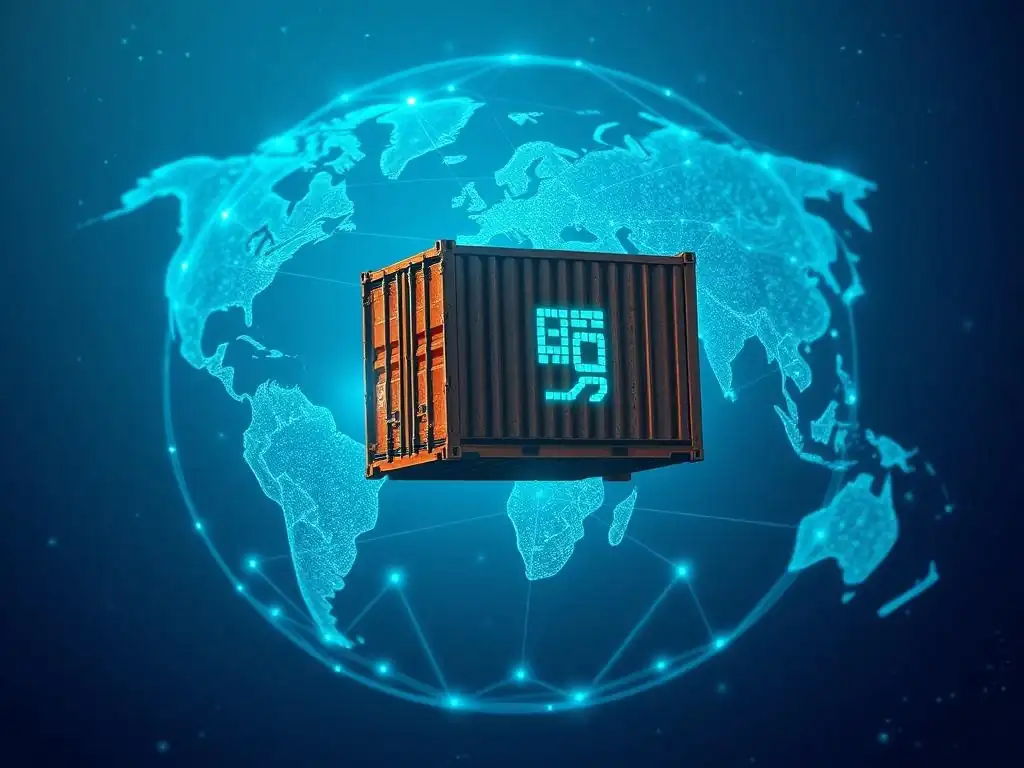
Welcome to Blockchain Trends, your compass in the ever-evolving landscape of decentralized innovation.
Delve into the transformative power of blockchain, moving beyond the hype to uncover its real-world applications. Are you ready to explore how this technology is revolutionizing industries? This month, we're focusing on a critical area: the future of supply chain traceability. Discover how blockchain supply chain traceability solutions are creating unprecedented transparency, efficiency, and trust, and what this means for businesses and consumers alike. Curious to see how blockchain can reshape entire industries? Read on and unlock the potential!
Enhancing Seafood Supply Chain Traceability: A Blockchain-Driven Approach
- Introduction: Revolutionizing Seafood Supply Chains with Blockchain Traceability
- Understanding Blockchain Seafood Supply Chain Traceability Solutions
- Current Limitations of Traditional Seafood Supply Chain Tracking Methods
- Emerging Blockchain Innovations in Seafood Supply Chain Management
- Use Cases: Real-World Applications of Blockchain Traceability in Seafood
- The Role of Blockchain in Enhancing Transparency and Accountability
- Overcoming Challenges to Blockchain Adoption in Seafood Supply Chains
- The Future of Blockchain Seafood Supply Chain Traceability Solutions: Trends and Predictions
- Conclusion: Embracing Blockchain for a More Resilient and Transparent Seafood Supply Chain Future
-
Frequently Asked Questions
- What are the primary benefits of using blockchain for supply chain traceability?
- How does blockchain enhance supply chain transparency compared to traditional methods?
- What are some real-world examples of blockchain supply chain traceability solutions being implemented?
- What are the key challenges in adopting blockchain supply chain traceability solutions?
- How will blockchain technology shape the future of supply chain traceability?
- Final Reflection: Embracing Transparency in a Connected World
- Ignite Your Supply Chain Revolution!
Introduction: Revolutionizing Seafood Supply Chains with Blockchain Traceability
The Growing Need for Enhanced Traceability in Modern Seafood Supply Chains
The global seafood market is complex, involving countless stakeholders from fishers and processors to distributors, retailers, and consumers. This intricate web makes maintaining transparency and traceability incredibly challenging. Consumers today are increasingly demanding to know the origin, sustainability, and ethical sourcing of the seafood they purchase. Reports of mislabeling, illegal fishing, and unsustainable practices erode consumer trust and harm legitimate businesses. The lack of robust traceability systems means that tainted or illegally sourced products can easily enter the supply chain, posing risks to public health and the environment.
Furthermore, regulatory bodies worldwide are implementing stricter rules for food safety and origin verification. For example, the European Union's traceability regulations require detailed information to be available at all stages of the supply chain. Without effective, verifiable tracking, businesses face significant compliance burdens, potential fines, and reputational damage. The sheer volume of transactions and data points generated daily in the seafood industry necessitates a more efficient and secure method for recording and sharing information, highlighting the urgent need for advanced blockchain supply chain traceability solutions.
How Blockchain Technology Addresses Seafood Supply Chain Challenges
Blockchain technology offers a decentralized, immutable, and transparent ledger system uniquely suited to address the inherent complexities and trust deficits in the seafood supply chain. By creating a shared, tamper-proof record of every transaction and movement of seafood products from the point of catch or harvest to the final sale, blockchain ensures data integrity. Each participant can add data relevant to their stage – location, time of catch, vessel information, processing details, temperature logs, and more – creating a comprehensive digital history for each batch or individual item.
This secure and transparent record eliminates the possibility of data manipulation by any single party, building unprecedented trust among stakeholders. It allows for rapid verification of product information, significantly reducing the time and effort required for audits and compliance checks. Moreover, in cases of recall or food safety incidents, blockchain's traceability capabilities enable swift and precise identification of affected products and their origins, minimizing public health risks and economic losses. Implementing blockchain supply chain traceability solutions provides a foundational layer of verifiable trust that is currently missing in traditional paper-based or fragmented digital systems.
Understanding Blockchain Seafood Supply Chain Traceability Solutions
Defining Blockchain-Based Traceability: Key Concepts and Principles
Blockchain-based traceability in the seafood industry refers to the application of distributed ledger technology to create a secure, transparent, and immutable record of a product's journey through the supply chain. At its core are several key concepts: decentralization, immutability, transparency (to authorized parties), and cryptographic security. Instead of a single, vulnerable database, information is distributed across a network of computers (nodes). Once data is added to a block and the block is added to the chain, it is cryptographically linked to the previous block, making it virtually impossible to alter past records without detection.
The principle is that each event or transaction involving the seafood product – from initial catch details (species, location, date, vessel ID) to handling (processing plant, date, methods), transportation (temperature logs, route), and distribution – is recorded as a transaction on the blockchain. This chain of custody provides a complete, verifiable history.
Smart contracts, self-executing contracts with the terms of the agreement directly written into code, can automate actions based on these recorded events, such as triggering payment upon verified delivery or ensuring compliance with specific handling protocols. These core principles underpin the effectiveness of blockchain supply chain traceability solutions.
Benefits of Implementing Blockchain for Seafood Supply Chain Visibility
Implementing blockchain supply chain traceability solutions in the seafood sector unlocks a range of significant benefits. Firstly, it drastically improves transparency and visibility. Consumers and businesses can access verified information about the seafood they are dealing with, fostering trust and enabling informed purchasing decisions. This enhanced visibility can help combat food fraud and mislabeling, which globally costs the food industry an estimated $10 billion to $15 billion annually, a significant portion of which affects high-value products like seafood.
Secondly, blockchain enhances efficiency and reduces costs. By providing a single source of truth, it streamlines data sharing among disparate parties, reduces administrative overhead associated with manual record-keeping, and accelerates processes like customs clearance and payment. Audits, which can be time-consuming and expensive, become faster and more accurate as auditors can quickly verify information on the blockchain. Furthermore, improved traceability allows companies to better manage inventory, reduce waste, and respond more effectively to supply chain disruptions or recalls. The ability to quickly isolate affected batches based on precise records saves time, resources, and protects public health.
Current Limitations of Traditional Seafood Supply Chain Tracking Methods
Inefficiencies and Vulnerabilities in Existing Systems
Traditional seafood supply chain tracking methods often rely on a patchwork of paper-based records, spreadsheets, and disparate, non-interoperable databases. This creates significant inefficiencies. Information is frequently siloed within individual companies, making it difficult and time-consuming to share data across the supply chain. The process of manually transferring data between systems is prone to errors and delays. For instance, a fishing vessel's logbook might be a paper record, which is then manually entered into a processor's digital system, and then perhaps into a distributor's separate inventory software. This fragmentation hinders real-time visibility and makes comprehensive tracking challenging.
These traditional systems are also highly vulnerable to manipulation and fraud. Paper records can be lost or altered, and data in centralized databases can be changed without a clear audit trail. The lack of a shared, immutable record makes it difficult to verify the authenticity of claims regarding origin, catch methods, or handling conditions. This vulnerability contributes to issues like mislabeling, where lower-value fish are sold as higher-value species, or the illegal mixing of legally caught fish with those from unauthorized sources. The inherent limitations of these systems underscore the need for more robust blockchain supply chain traceability solutions.
The Cost of Illegal, Unreported and Unregulated (IUU) Fishing
Illegal, Unreported, and Unregulated (IUU) fishing is a major global problem with devastating economic, social, and environmental consequences. It is estimated to account for up to 20% of the value of fish caught globally, representing an economic loss of $10 billion to $23 billion annually. IUU fishing undermines sustainable fisheries management efforts, depletes fish stocks, damages marine ecosystems, and often involves labor abuses, including forced labor and human trafficking.
Traditional tracking methods are largely ineffective in preventing IUU fish from entering legitimate supply chains. The lack of verifiable origin data and the ease with which documentation can be forged or omitted allows illegally caught fish to be laundered through processing plants and distribution networks.
This not only harms the environment and legitimate fishers but also exposes consumers to products from unknown sources, potentially caught using harmful practices or lacking proper safety inspections. Addressing IUU fishing requires a system that can provide verifiable, tamper-proof data from the point of catch, a capability that blockchain supply chain traceability solutions are designed to deliver.
Emerging Blockchain Innovations in Seafood Supply Chain Management
Blockchain Platforms for Seafood Tracking: A Comparative Analysis [e.g., VeChain, IBM Food Trust]
Several blockchain platforms are being adapted and utilized for seafood supply chain traceability. VeChain, for example, has partnered with companies to track seafood products, leveraging its VeChainThor blockchain to record data points like origin, processing information, cold chain logistics, and inspection results. Their platform allows for the creation of unique digital identities for products, accessible via QR codes, providing consumers and businesses with transparent access to the product's history. This level of detail helps build trust and verify sustainability claims.
IBM Food Trust, while broader than just seafood, is another significant platform. It uses a permissioned blockchain network built on Hyperledger Fabric, allowing supply chain participants to share data securely and selectively. Major players in the food industry, including some involved in seafood distribution, are piloting or using this platform to improve traceability and reduce the time taken to trace food items from days or weeks down to seconds. These platforms demonstrate the practical application of blockchain supply chain traceability solutions, offering different approaches (public vs. permissioned) to address industry needs.
IoT Integration with Blockchain for Real-Time Temperature Monitoring and Location Tracking
Integrating Internet of Things (IoT) devices with blockchain technology is revolutionizing real-time monitoring in the seafood supply chain, especially for perishable goods. IoT sensors, such as temperature loggers and GPS trackers, can be placed in fishing vessels, storage facilities, and transportation containers. These sensors automatically collect data – like the precise location of the catch, the temperature throughout transit, and humidity levels – and transmit it directly to the blockchain.
This automated, real-time data capture ensures accuracy and reduces the possibility of manual data entry errors or deliberate manipulation. For instance, maintaining the cold chain is critical for seafood safety and quality. IoT temperature sensors linked to a blockchain can provide an immutable record that the product remained within acceptable temperature ranges from catch to consumption. If the temperature deviates, this is automatically recorded, providing transparency about potential quality issues. This integration of IoT and blockchain significantly enhances the reliability and detail of blockchain supply chain traceability solutions.
Smart Contracts and Automated Payment Processes in Seafood Trade
Smart contracts are playing a crucial role in automating processes within blockchain-based seafood supply chains. Written in code and deployed on the blockchain, these self-executing contracts automatically enforce the terms of an agreement when predefined conditions are met. For example, a smart contract could be set up to automatically release payment to a fishing vessel owner once a consignment of fish arrives at the processing plant and its weight and quality (as verified by an authorized third party or IoT data) are recorded on the blockchain.
This automation reduces delays, minimizes disputes, and decreases the need for intermediaries, thereby lowering transaction costs. Smart contracts can also ensure compliance with specific trade agreements or regulatory requirements. For instance, a contract could verify that the catch data on the blockchain matches quotas or that specific sustainability certifications are recorded before allowing the next step in the supply chain to proceed. This application of smart contracts adds an layer of efficiency and trust to blockchain supply chain traceability solutions.
Use Cases: Real-World Applications of Blockchain Traceability in Seafood

Tuna Tracking: Ensuring Sustainable Sourcing and Combating Illegal Fishing
Tuna is one of the most valuable and vulnerable species in global fisheries, heavily impacted by overfishing and IUU activities. Blockchain supply chain traceability solutions are being piloted and implemented to improve tuna tracking. Projects have focused on tracking tuna from specific fishing vessels, recording details like catch location (often using GPS), fishing method, and date. This data is then linked to individual fish or batches as they move through processing and distribution.
For example, a major seafood company might use a blockchain platform to track tuna caught by their partner vessels. By scanning a QR code on the product packaging, a consumer can access verifiable data showing the vessel name, fishing ground coordinates, date of catch, and even information about the captain and crew. This level of transparency helps verify claims of sustainable sourcing, ensures the tuna wasn't caught in prohibited areas, and makes it significantly harder for illegally caught tuna to enter the legitimate supply chain under a false identity.
Shrimp Traceability: Verifying Origin and Preventing Forced Labor
The global shrimp supply chain is notoriously complex and has faced scrutiny over issues like environmental impact and labor practices, including reports of forced labor in certain regions. Blockchain traceability solutions offer a way to bring transparency to this opaque supply chain. By tracking shrimp from the farm or catch location through processing plants and exporters, companies can create a verifiable record of origin and handling.
Blockchain can integrate data points confirming compliance with labor standards, such as records from third-party audits or certifications. A pilot project might track shrimp from a specific farm in Southeast Asia, recording data about feed used, farming practices, and processing plant details. This data, verified and recorded on the blockchain, can be accessed by importers and retailers to assure them that the shrimp were sourced responsibly and free from labor abuses. This application highlights how blockchain supply chain traceability solutions can address not just product origin but also social compliance.
Salmon Supply Chain Transparency: Tracking from Farm to Fork
Salmon, whether wild-caught or farmed, has a complex journey to the consumer's plate. Ensuring transparency regarding farming practices, feed, antibiotic use (in farming), or catch location and handling (for wild salmon) is vital for consumer trust and food safety. Blockchain technology is being applied to create end-to-end traceability for salmon.
A company farming salmon in Norway, for instance, might use a blockchain system to record details about the smolt (young fish), feed batches, vaccination records, water quality parameters, and harvesting date. When the fish is processed and shipped, details about the processing plant, transportation temperature, and distribution route are added to the same blockchain record. Retailers and consumers can then scan a code on the package to access this complete history, verifying claims about sustainable farming, freshness, and origin. This farm-to-fork tracking capability demonstrates the power of blockchain supply chain traceability solutions in providing comprehensive product histories.
The Role of Blockchain in Enhancing Transparency and Accountability
Building Trust and Collaboration Among Seafood Supply Chain Participants
One of the most significant impacts of blockchain in the seafood industry is its ability to build trust and foster collaboration among traditionally siloed participants. In a conventional supply chain, each party often operates with limited visibility into the stages before and after their own. This lack of shared information breeds mistrust and inefficiency. By implementing blockchain supply chain traceability solutions, a shared, immutable ledger becomes the single source of truth accessible (with appropriate permissions) to all participants.
This shared visibility allows fishers to see how their catch is handled downstream, processors to verify the origin and quality data provided by fishers, and distributors and retailers to have confidence in the product's journey. This transparency encourages better communication and collaboration, as all parties are working from the same verified data set. Disagreements over product quality, handling, or origin can be quickly resolved by referencing the immutable blockchain record, leading to stronger partnerships and a more resilient supply chain.
Streamlining Audits and Regulatory Compliance (e.g., MSC Certification)
Regulatory compliance and third-party certifications (like the Marine Stewardship Council - MSC - certification for sustainable wild fisheries or aquaculture certifications) are critical for market access and consumer confidence in the seafood industry. However, the auditing process for these standards can be lengthy and resource-intensive, requiring auditors to sift through vast amounts of paper documents and disparate digital records from multiple entities.
Blockchain supply chain traceability solutions significantly streamline audits and compliance. By having all relevant data – catch records, processing logs, transport details, certification status, and even sensor data – immutably recorded and easily accessible on the blockchain, auditors can quickly verify compliance requirements. For example, an MSC audit could rapidly confirm that fish originated from a certified fishery by checking the blockchain record linked to the product. This reduces the burden on businesses, lowers auditing costs, and increases the accuracy and frequency with which compliance can be verified, reinforcing the value of blockchain supply chain traceability solutions.
Overcoming Challenges to Blockchain Adoption in Seafood Supply Chains
Data Standardization and Interoperability Between Fishing Fleets and Processors
A major challenge in implementing blockchain supply chain traceability solutions in the seafood industry is the lack of data standardization and interoperability across the diverse participants. Fishing fleets, particularly smaller vessels, may use vastly different methods for recording catch data, from paper logbooks to basic digital systems. Processors, distributors, and retailers also utilize various software systems that often cannot easily communicate with each other.
For blockchain to be effective, data needs to be captured and formatted in a consistent manner that can be uploaded to the ledger. This requires establishing common data standards for information like species codes, location formats, date/time stamps, and handling methods. Furthermore, developing Application Programming Interfaces (APIs) or middleware is necessary to enable seamless data exchange between existing legacy systems used by different stakeholders and the blockchain platform. Addressing this data fragmentation is crucial for successful blockchain supply chain traceability solutions.
While transparency is a key benefit of blockchain, certain data points, particularly precise fishing locations, can raise privacy and security concerns for fishing operators. Revealing exact coordinates could potentially expose proprietary fishing grounds to competitors or even illegal fishing operations. Therefore, implementing blockchain supply chain traceability solutions requires careful consideration of data privacy.
Solutions involve using permissioned blockchain networks where data access is restricted to authorized parties based on their role in the supply chain. Techniques like zero-knowledge proofs or data anonymization can also be employed to verify certain aspects of the data (e.g., confirming a catch occurred within a legal fishing zone) without revealing the exact, sensitive coordinates to all network participants. Balancing the need for transparency with the requirement to protect commercially sensitive information is vital for gaining buy-in from fishing communities.
Educating Stakeholders on Blockchain Technology
The seafood supply chain involves participants with varying levels of technological understanding and access. From traditional fishers in remote coastal communities to large multinational corporations, educating stakeholders about what blockchain is, how it works, and its benefits is a significant hurdle. Many may be skeptical of new technologies, wary of the costs involved, or intimidated by the perceived complexity.
Successful adoption of blockchain supply chain traceability solutions requires comprehensive training and support programs tailored to different user groups. This includes demonstrating the practical benefits – such as reduced paperwork, faster payments, access to premium markets, or simplified compliance – in a clear and accessible way. Building trust in the technology and ensuring users feel comfortable and capable of using the new systems is paramount for widespread implementation.
Addressing Regulatory Uncertainty and Compliance in International Waters
The global nature of the seafood industry means that supply chains often cross multiple international jurisdictions, each with its own set of regulations regarding fisheries management, food safety, and data privacy. The legal and regulatory landscape surrounding blockchain technology itself is also still evolving in many parts of the world. This creates uncertainty for businesses looking to implement global blockchain supply chain traceability solutions.
Ensuring that a blockchain system complies with diverse regulations across different countries and international waters (where specific rules apply to fishing activities) is complex. This includes navigating data sovereignty laws, ensuring legal recognition of blockchain records, and aligning with various fisheries management requirements. Collaboration between industry, technology providers, and regulatory bodies is essential to develop frameworks that support the widespread adoption of blockchain supply chain traceability solutions while ensuring compliance and legal certainty.
The Future of Blockchain Seafood Supply Chain Traceability Solutions: Trends and Predictions
The Rise of Decentralized Seafood Supply Chain Networks
Looking ahead, the trend is towards more decentralized seafood supply chain networks built on blockchain technology. Rather than relying on a single company or platform to host the traceability data, future systems may involve consortia of industry players or even open, public blockchain networks where data is shared more broadly (while respecting privacy needs). This decentralization further enhances resilience and reduces reliance on any single point of control.
Decentralized networks can empower smaller players, such as independent fishers or small processors, by giving them direct control over their data and access to the same verified information as larger companies. This could level the playing field and foster more equitable participation in the supply chain. The development of open standards and protocols specifically for seafood traceability on blockchain will likely accelerate the adoption and interoperability of these decentralized blockchain supply chain traceability solutions.
AI and Machine Learning Integration with Blockchain for Predictive Analytics on Fish Stocks
The combination of blockchain's robust, immutable data records with Artificial Intelligence (AI) and Machine Learning (ML) offers powerful future possibilities for the seafood industry, particularly concerning sustainability and resource management. As blockchain platforms accumulate vast amounts of verified data on catch locations, volumes, species, and environmental conditions (via IoT), AI and ML algorithms can analyze this data to provide predictive insights.
For example, ML models could analyze blockchain-verified catch data from multiple sources, combined with environmental data, to predict fish stock levels in certain areas, identify potential overfishing hotspots in near real-time, or forecast the impact of climate change on fisheries. This predictive analytics, based on reliable blockchain data, can inform better fisheries management decisions, improve quota setting, and help prevent IUU fishing by identifying anomalies in reported catches. Integrating AI with blockchain supply chain traceability solutions moves beyond simple tracking to enable proactive sustainability efforts.
Consumer Adoption of Blockchain-Verified Seafood Products
Ultimately, the success of blockchain supply chain traceability solutions in seafood will be driven, in part, by consumer demand and willingness to engage with the technology. As consumers become more aware of the issues surrounding seafood sourcing – sustainability, ethical labor, and food safety – they are increasingly seeking verifiable information.
The future will likely see wider adoption of consumer-facing applications that allow easy access to a product's blockchain-verified history, perhaps simply by scanning a QR code on the packaging. As trust in these systems grows, consumers may be more willing to pay a premium for seafood products that offer this level of transparency and assurance. This consumer pull will incentivize more businesses throughout the supply chain to adopt blockchain technology, making blockchain supply chain traceability solutions a standard expectation rather than a niche offering.
Conclusion: Embracing Blockchain for a More Resilient and Transparent Seafood Supply Chain Future
Key Takeaways: The Transformative Power of Blockchain Traceability in Seafood
The seafood industry stands to gain significantly from the adoption of blockchain technology. The current system, riddled with inefficiencies, vulnerabilities to fraud, and a lack of transparency, contributes to unsustainable practices, IUU fishing, and risks to public health. Blockchain supply chain traceability solutions offer a powerful antidote by providing a secure, immutable, and transparent ledger for tracking seafood from catch to consumption.
The key takeaways are clear: blockchain enhances trust among stakeholders, combats fraud and mislabeling, streamlines compliance and audits, and enables real-time monitoring through IoT integration. Real-world use cases in tracking tuna, shrimp, and salmon demonstrate the practical feasibility and benefits. While challenges remain, such as data standardization and stakeholder education, the trajectory towards wider adoption of blockchain supply chain traceability solutions is evident.
The Path Forward: Implementing Blockchain Seafood Supply Chain Solutions for Long-Term Sustainability
Implementing blockchain supply chain traceability solutions requires a collaborative effort across the entire seafood ecosystem. The path forward involves establishing industry-wide data standards, developing user-friendly and accessible technology platforms, and providing education and training to fishers, processors, and other participants. Addressing regulatory complexities and ensuring data privacy are also critical steps.
By embracing blockchain, the seafood industry can move towards a future characterized by unprecedented transparency, accountability, and sustainability. This technology is not just about tracking products; it's about building a more resilient, ethical, and environmentally responsible global seafood supply chain that benefits everyone, from the fishers at sea to the consumers at the table. The journey to fully realize the potential of blockchain supply chain traceability solutions is ongoing, but the benefits for the seafood industry and the health of our oceans are profound.
Frequently Asked Questions
What are the primary benefits of using blockchain for supply chain traceability?
Blockchain offers enhanced security and transparency in tracking goods. This leads to increased consumer trust and reduced counterfeiting. It also improves efficiency in supply chain operations.
How does blockchain enhance supply chain transparency compared to traditional methods?
Blockchain creates an immutable record of transactions, making it difficult to tamper with data. This provides a single source of truth accessible to authorized participants. Traditional methods often rely on disparate systems and are vulnerable to manipulation.
What are some real-world examples of blockchain supply chain traceability solutions being implemented?
Several companies are using blockchain to track products like pharmaceuticals, food, and luxury goods. This allows them to verify authenticity and ensure product quality throughout the supply chain.
What are the key challenges in adopting blockchain supply chain traceability solutions?
Scalability and interoperability are significant challenges. Integrating blockchain with existing legacy systems can also be complex and costly. Data privacy and regulatory compliance are also crucial considerations.
How will blockchain technology shape the future of supply chain traceability?
Blockchain will enable more efficient and secure supply chains, leading to greater transparency and accountability. It will also foster collaboration and trust among stakeholders. This will ultimately benefit both businesses and consumers.
Final Reflection: Embracing Transparency in a Connected World
The journey through the future of supply chain traceability, illuminated by the transformative power of blockchain, underscores a critical truth: transparency is no longer a luxury, but a necessity. In a world increasingly demanding ethical sourcing and verifiable product journeys, the insights explored within this article resonate with an urgency that cannot be ignored. The convergence of blockchain technology and supply chain management is not merely a technological advancement; it's a paradigm shift towards building trust and accountability in global commerce.
This shift profoundly impacts our cultural and social landscape, fostering a new era of conscious consumerism and responsible business practices. The ability to trace a product's origin, verify its authenticity, and understand its environmental impact empowers individuals to make informed choices and hold corporations accountable. This is more than just data; it's about building a more equitable and sustainable future. The future of supply chains is not just about efficiency; it's about resilience, transparency, and trust.
- Unknown
As we stand at the cusp of this technological revolution, let us not simply observe, but actively participate in shaping its trajectory. Consider how you, as a consumer, a business leader, or a technology enthusiast, can champion the adoption of blockchain supply chain traceability solutions. Reflect on the power you hold to demand transparency, support ethical practices, and contribute to a world where every product tells a story of integrity and sustainability. The future of supply chains is in our hands; let us build it with vision, purpose, and a commitment to a more transparent and trustworthy world.
Ignite Your Supply Chain Revolution!
Thank you for exploring the future of supply chain traceability. We hope you've gained valuable insights into how blockchain technology is transforming industries worldwide. Now, it's time to turn that knowledge into action and become a pioneer in this innovative field!
Here are a few steps you can take today:
- Identify a specific product in your supply chain and brainstorm how blockchain could improve its traceability. This is your first step toward practical implementation!
- Research different blockchain platforms designed for supply chain management. Compare their features, security measures, and scalability to find the best fit for your needs.
- Share this article with your network and start conversations about the potential of blockchain in traceability.
What innovative application of blockchain-driven supply chain traceability excites you the most? Share your thoughts in the comments below!
Leave a Reply