
Navigating the Counterfeit Landscape: Blockchain as Your Strategic Compass

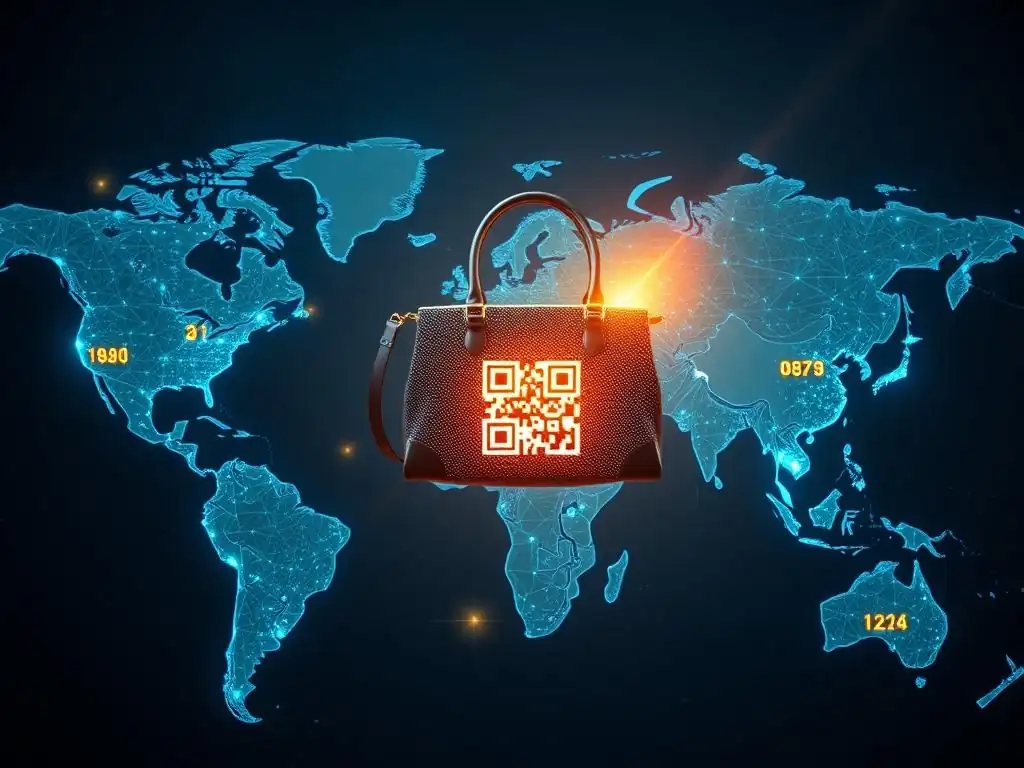
Welcome to Blockchain Trends, your guide to understanding the revolutionary impact of blockchain technology beyond the digital currency realm.
Ever wondered how blockchain can secure our global supply chains and combat the pervasive problem of counterfeit goods? Dive into our in-depth analysis on Blockchain supply chain authentication and discover how this transformative technology offers a powerful strategic compass for navigating the counterfeit landscape. Explore the possibilities and unlock the potential of a more transparent and trustworthy future. Ready to learn more?
- Navigating the Counterfeit Landscape: Blockchain as Your Strategic Compass
- The Pervasive Problem of Counterfeit Goods and Supply Chain Vulnerabilities
- Blockchain Supply Chain Authentication: A Powerful Weapon Against Counterfeiting
- Key Features of Blockchain for Anti-Counterfeiting in Supply Chains
-
Implementing Blockchain for Supply Chain Authentication: A Step-by-Step Approach
- 1. Assessing Your Supply Chain's Vulnerabilities to Counterfeiting
- 2. Selecting the Right Blockchain Platform for Your Needs [e.g., Public, Private, Consortium]
- 3. Integrating Blockchain with Existing Supply Chain Systems
- 4. Defining Data Standards and Governance Policies for Blockchain Authentication
- 5. Training and Education: Empowering Stakeholders with Blockchain Knowledge
- Real-World Applications of Blockchain in Anti-Counterfeiting
- Benefits of Using Blockchain for Supply Chain Product Authentication
-
Overcoming Challenges in Blockchain Implementation for Anti-Counterfeiting
- Scalability Issues: Addressing the Volume of Data in Large Supply Chains
- Interoperability Challenges: Integrating with Existing Systems and Different Blockchains
- Data Privacy Concerns: Protecting Sensitive Information on the Blockchain
- Cost Considerations: Balancing Implementation Costs with Long-Term Benefits
-
The Future of Blockchain and Anti-Counterfeiting: Trends and Innovations
- Integration with IoT Devices for Real-Time Tracking and Authentication
- Advancements in Smart Contracts for Automated Compliance and Verification
- The Role of AI and Machine Learning in Enhancing Blockchain Security
- Increased Adoption of Zero-Knowledge Proofs for Enhanced Privacy
- Development of Blockchain-Based Digital Product Passports
- Conclusion: Embracing Blockchain for a Secure and Authentic Supply Chain
-
Frequently Asked Questions
- How can blockchain technology specifically help with supply chain authentication?
- What are some of the key benefits of using blockchain for supply chain authentication compared to traditional methods?
- How does blockchain ensure product traceability in the supply chain?
- What are some common challenges in implementing blockchain for supply chain authentication?
- What is the future outlook for blockchain supply chain authentication, and what trends are emerging?
- Final Reflection: Embracing Transparency in a World of Deception
- Unveil Your Anti-Counterfeit Strategy!
Blockchain Trends: Anti-Counterfeiting with Blockchain Solutions
The proliferation of counterfeit goods poses a significant global threat, undermining economies, jeopardizing consumer safety, and eroding brand trust. This complex challenge necessitates robust and innovative solutions capable of providing immutable proof of origin and journey. As supply chains become increasingly intricate and globalized, traditional authentication methods often fall short, leaving vulnerabilities ripe for exploitation by counterfeiters.
Blockchain technology emerges as a powerful contender in this fight, offering a decentralized, transparent, and tamper-proof ledger that can track products from creation to consumption. Specifically, blockchain supply chain authentication provides a novel way to verify the legitimacy of goods by creating a secure digital history. This subcategory within blockchain applications for supply chain management is gaining traction as businesses seek more reliable methods to secure their value chains against illicit activities.
The Pervasive Problem of Counterfeit Goods and Supply Chain Vulnerabilities
Understanding the Scope of Counterfeiting: A Global Challenge
Counterfeiting is not merely a nuisance; it's a vast, sophisticated global enterprise. Estimates from various bodies, such as the OECD and EUIPO, suggest that the trade in counterfeit and pirated goods accounts for a substantial portion of international trade, potentially reaching hundreds of billions of dollars annually. This illicit activity spans virtually every sector, from luxury goods and pharmaceuticals to electronics, automotive parts, and food products, impacting both developed and developing economies.
The sheer scale of this problem highlights the urgent need for effective countermeasures. Counterfeiters operate across borders, leveraging complex networks that exploit weaknesses in global trade systems and supply chain visibility. The economic impact is staggering, but the threat extends beyond finances, often compromising health and safety, particularly in sectors like pharmaceuticals where fake medications can have fatal consequences. Addressing this requires a coordinated, technologically advanced approach.
The Impact of Counterfeits: Economic Losses and Brand Damage
The financial repercussions of counterfeiting for legitimate businesses are profound. Companies suffer direct revenue losses from diverted sales, incur costs related to anti-counterfeiting efforts (legal fees, investigations, product recalls), and face potential liabilities from faulty or dangerous fake products. For example, a single major counterfeit incident can cost a large corporation millions in lost sales and remediation efforts. Beyond immediate financial hits, the long-term damage to a brand's reputation and consumer trust can be even more devastating and difficult to rebuild.
When consumers unknowingly purchase counterfeit goods, their negative experience directly reflects on the legitimate brand, eroding loyalty and confidence. This loss of trust can lead to decreased sales and market share over time. Furthermore, the presence of counterfeits can devalue authentic products and force legitimate businesses to lower prices or increase marketing spend to differentiate themselves. Effective blockchain supply chain authentication is crucial for protecting both the bottom line and the invaluable asset of brand integrity.
Weaknesses in Traditional Supply Chain Tracking Methods
Traditional supply chain tracking relies heavily on centralized databases, paper trails, barcodes, and RFID tags. While useful, these methods have inherent vulnerabilities. Centralized databases are susceptible to hacking or manipulation by malicious insiders. Paper documentation can be easily forged or lost. Barcodes and standard RFID tags are relatively easy to copy or tamper with, allowing counterfeit products to be introduced into the supply chain undetected.
The lack of a single, shared, immutable record across all participants in the supply chain makes it difficult to definitively prove the provenance and authenticity of a product at any given point. Information silos between different stakeholders (manufacturers, distributors, logistics providers, retailers) create blind spots where counterfeits can enter or genuine products can be swapped. These weaknesses underscore the necessity for a more secure, transparent, and verifiable system like blockchain supply chain authentication.
Blockchain Supply Chain Authentication: A Powerful Weapon Against Counterfeiting
What is Blockchain Supply Chain Authentication? A Definition.
Blockchain supply chain authentication refers to the application of blockchain technology to verify the legitimacy and track the journey of goods within a supply chain. It involves creating a digital, tamper-proof record for each product or batch as it moves through various stages, from manufacturing to delivery to the end consumer. This record typically includes information about the product's origin, manufacturing details, handling, transportation, and ownership transfers.
By leveraging the blockchain's distributed ledger technology, this system ensures that once data about a product's authenticity or movement is recorded, it cannot be altered or deleted without consensus from the network participants. This immutability provides a high degree of trust in the recorded information. The primary goal of blockchain supply chain authentication is to provide irrefutable proof that a product is genuine and has followed its intended path, thereby making it significantly harder for counterfeit goods to infiltrate the legitimate supply chain.
How Blockchain Technology Enhances Supply Chain Transparency and Traceability
Blockchain technology fundamentally enhances supply chain transparency by providing a shared, single source of truth accessible to authorized participants. Every transaction or event related to a product's journey—such as manufacturing completion, shipment, customs clearance, or receipt at a warehouse—can be recorded as a block on the chain. This creates a detailed, chronological, and auditable history. Participants can view the relevant details of these transactions, increasing visibility across the network.
The enhanced traceability offered by blockchain allows stakeholders to pinpoint the exact location and status of a product at any time, and crucially, to trace its lineage back to its origin. If a counterfeit is suspected, or if a quality issue arises, the entire history of the product can be quickly and reliably reviewed on the blockchain. This level of granular traceability, powered by blockchain supply chain authentication, is far superior to traditional methods and is essential for identifying points of compromise and verifying authenticity.
Immutable Records and Enhanced Security: The Foundation of Trust
The core strength of blockchain technology lies in its cryptographic security and the distributed nature of the ledger. Each block of data is cryptographically linked to the previous one, forming a chain. Any attempt to tamper with the data in a block would break this cryptographic link, alerting the network to the attempted alteration. Because copies of the ledger are distributed across multiple nodes, successfully altering the record would require compromising a majority of the network, which is computationally infeasible for most blockchain implementations.
This immutability ensures that the records pertaining to a product's authenticity and journey are trustworthy and cannot be retrospectively changed by a single party. This inherent security makes blockchain an ideal foundation for blockchain supply chain authentication. It provides a level of trust and verification that is difficult, if not impossible, to achieve with traditional centralized databases, which are more vulnerable to single points of failure or malicious attacks aimed at altering records.
Key Features of Blockchain for Anti-Counterfeiting in Supply Chains
Enhanced Product Traceability: From Origin to Consumer
Blockchain provides unparalleled end-to-end traceability for products. Unlike fragmented traditional systems, a blockchain ledger can capture the complete lifecycle of a product, starting from the sourcing of raw materials, through manufacturing, packaging, shipping, distribution, and finally, sale to the consumer. Each step is recorded as a transaction on the blockchain, creating a permanent, verifiable digital thread.
This detailed trail allows any authorized party, including regulators, businesses, and potentially even consumers (via a QR code on the product), to access information about the product's history. For instance, a consumer could scan a code and verify the product's manufacturing date, location, and distribution path, confirming it matches the expected journey of an authentic item. This level of transparency achieved through blockchain supply chain authentication makes it extremely difficult to introduce fake products without detection.
Tamper-Proof Data: Ensuring Product Authenticity
The cryptographic hashing and distributed consensus mechanisms of blockchain ensure that data recorded on the ledger is virtually tamper-proof. Once a record is added—for example, a manufacturer certifying a product's authenticity or a distributor logging receipt of a shipment—that record becomes part of the immutable chain. Any attempt to change this historical data would be immediately evident to the network.
This feature is critical for anti-counterfeiting efforts. It means that the digital identity and history associated with a genuine product cannot be easily copied or altered by counterfeiters to mimic legitimate goods. By linking a physical product to its unique, tamper-proof digital record on the blockchain, businesses can provide definitive proof of authenticity. This enhanced security is a cornerstone of effective blockchain supply chain authentication.
Improved Supply Chain Visibility: Identifying and Preventing Counterfeit Entry Points
Blockchain significantly improves visibility across complex, multi-party supply chains. By providing a shared, distributed ledger, it breaks down the information silos that exist between different companies involved in the supply chain. All authorized participants can access the same real-time, verified information about product movements and status.
This increased visibility allows businesses to monitor the entire flow of goods with greater precision. Anomalies, such as unexpected delays, deviations from planned routes, or discrepancies in product counts, can be quickly flagged. More importantly, it helps identify potential weak points or entry points where counterfeit goods might be introduced. Proactive monitoring through blockchain supply chain authentication enables businesses to strengthen security measures at vulnerable nodes and prevent counterfeits from entering the legitimate distribution channels in the first place.
Smart Contracts for Automated Verification: Streamlining Authentication Processes
Smart contracts, self-executing contracts with the terms of the agreement directly written into code, can automate verification processes within a blockchain-based supply chain. These contracts can be programmed to automatically trigger actions or verify conditions based on the data recorded on the blockchain.
For example, a smart contract could be set up to automatically verify that a product has passed quality control checks at a manufacturing facility before allowing it to be logged as "ready for shipment" on the blockchain. Another application could involve automatically triggering a payment release only after the blockchain confirms that a shipment has arrived at its destination and been authenticated. This automation streamlines the authentication workflow, reduces the need for manual checks, minimizes human error, and speeds up the overall supply chain process, making blockchain supply chain authentication more efficient and reliable.
Implementing Blockchain for Supply Chain Authentication: A Step-by-Step Approach
1. Assessing Your Supply Chain's Vulnerabilities to Counterfeiting
The first critical step in deploying blockchain supply chain authentication is to conduct a thorough assessment of your current supply chain's susceptibility to counterfeiting. This involves mapping out the entire chain, identifying all participants, and pinpointing potential weak points where illicit goods could enter or where genuine products could be compromised. Analyze historical data on counterfeit incidents, if available, to understand common methods and locations.
This assessment should cover various aspects, including supplier verification processes, manufacturing controls, logistics and transportation security, warehousing procedures, and retail distribution channels. Understanding where the risks lie allows you to prioritize which parts of the supply chain need blockchain-based authentication most urgently and helps define the scope and requirements for your blockchain solution. A typical assessment might reveal that certain international shipping routes or specific third-party logistics partners represent higher risks.
2. Selecting the Right Blockchain Platform for Your Needs [e.g., Public, Private, Consortium]
Choosing the appropriate blockchain platform is a crucial decision that impacts the feasibility and effectiveness of your blockchain supply chain authentication solution. Options include public blockchains (like Ethereum or VeChain, often used for consumer-facing transparency), private blockchains (controlled by a single entity), or consortium blockchains (managed by a group of organizations). Each type has different characteristics regarding permissioning, speed, scalability, and cost.
For supply chain authentication, consortium blockchains are often favored as they allow a defined group of supply chain partners to participate and validate transactions, balancing the need for shared trust with necessary access controls and performance. Private blockchains might be suitable for internal tracking within a single large organization. The selection process should consider factors like the number of participants, required transaction speed, data privacy needs, regulatory compliance, and the level of decentralization desired.
3. Integrating Blockchain with Existing Supply Chain Systems
Implementing blockchain supply chain authentication rarely means starting from scratch. It requires integrating the blockchain platform with your existing enterprise systems, such as Enterprise Resource Planning (ERP), Warehouse Management Systems (WMS), and Internet of Things (IoT) devices used for tracking. This integration is key to ensuring a seamless flow of data from physical world events into the digital ledger.
Integration involves developing APIs or middleware to connect legacy systems with the blockchain network. Data captured by existing systems—like product serial numbers, batch information, sensor readings (temperature, location), and transaction records—needs to be securely and reliably fed onto the blockchain. This step is technically complex and requires careful planning to ensure data accuracy and consistency across disparate systems, minimizing disruption to ongoing operations.
4. Defining Data Standards and Governance Policies for Blockchain Authentication
For a blockchain supply chain authentication system to be effective, all participating parties must agree on common data standards and governance policies. Data standards dictate the format and type of information that will be recorded on the blockchain for each product or event (e.g., how a product ID is structured, what metadata is included for a shipment). Consistency in data entry is paramount for accurate traceability and verification.
Governance policies define the rules for participation, data access permissions, consensus mechanisms (if applicable), dispute resolution, and how updates or changes to the system are managed. Establishing clear governance ensures trust and collaboration among supply chain partners using the shared ledger. These policies are often defined in legal agreements and enforced through smart contracts, providing a framework for operating the joint blockchain network.
5. Training and Education: Empowering Stakeholders with Blockchain Knowledge
Successful adoption of blockchain supply chain authentication hinges on the understanding and participation of all stakeholders across the supply chain, from factory floor workers scanning items to logistics managers monitoring shipments and retail staff verifying products. Providing adequate training and education is essential to ensure that participants understand how the blockchain system works, its benefits, and their role in accurately recording data.
Training should cover how to interact with the blockchain interface (whether via mobile apps, web portals, or integrated systems), the importance of data integrity, and how to utilize the system for verification and authentication checks. Educating stakeholders about the value proposition—how blockchain helps combat counterfeits, improves efficiency, and builds consumer trust—can drive adoption and ensure the system is used effectively. A well-informed network is critical for the success of any distributed ledger implementation.
Real-World Applications of Blockchain in Anti-Counterfeiting

Case Study 1: Blockchain for Pharmaceutical Supply Chain Authentication
The pharmaceutical industry faces a critical challenge with counterfeit drugs, which pose severe health risks. Blockchain provides a robust solution for ensuring the authenticity and integrity of medications. By assigning a unique digital identifier to each drug package, manufacturers can record its journey on a blockchain from production through distribution to the pharmacy or hospital. Data points like manufacturing date, batch number, expiry date, and handling conditions are logged immutably.
For example, a system could require each handler (wholesaler, distributor) to scan the product's identifier upon receipt and shipment, creating a verifiable chain of custody. Regulators and healthcare providers could then scan the product's code using a mobile app to instantly access its full history on the blockchain and confirm its legitimacy, preventing fake drugs from reaching patients. This application of blockchain supply chain authentication directly contributes to patient safety and regulatory compliance, such as meeting serialization requirements.
Case Study 2: Protecting Luxury Goods with Blockchain Traceability
Luxury goods, such as high-end fashion, jewelry, and watches, are prime targets for counterfeiters due to their high value and brand prestige. Blockchain offers a sophisticated way to prove the authenticity and ownership of these items, preserving their value and combating the illicit market. By embedding NFC tags or secure QR codes linked to a blockchain record on each product, brands can create a digital twin.
This digital record can store details like materials used, craftsmanship, date of manufacture, and even ownership history for resale markets. A consumer purchasing a luxury watch, for instance, could scan a code to verify its unique serial number against the blockchain record, confirming it's not a fake and potentially accessing warranty information or even tracking its previous owners if applicable. This application of blockchain supply chain authentication enhances brand exclusivity and provides consumers with confidence in their purchase, protecting brand value.
Case Study 3: Ensuring the Authenticity of Food Products Using Blockchain
Ensuring the authenticity and safety of food products, especially those with specific origin claims (like organic produce, regional specialties, or ethically sourced goods), is vital for consumer trust and public health. Blockchain can provide transparency throughout the food supply chain, from farm to fork. By tracking produce, meat, or seafood using blockchain, businesses can verify origin, processing steps, cold chain maintenance, and handling.
For instance, a company specializing in olive oil might record details about the grove where the olives were grown, the date of harvest, the pressing facility, and bottling information on a blockchain. When a consumer buys a bottle, they could scan a QR code to see this verified history, ensuring the oil is genuinely from the claimed region and producer. This use of blockchain supply chain authentication helps combat food fraud, verifies sustainability claims, and allows for rapid tracing in case of contamination or recall events, significantly improving food safety and consumer confidence.
Benefits of Using Blockchain for Supply Chain Product Authentication
Reduced Counterfeiting Rates: Protecting Revenue and Brand Reputation
One of the most significant benefits of implementing blockchain supply chain authentication is the direct impact on reducing the incidence of counterfeiting. By creating a secure, verifiable, and transparent record for each genuine product, blockchain makes it significantly harder for counterfeit goods to pass as authentic. The difficulty in replicating or tampering with the blockchain data acts as a powerful deterrent to counterfeiters.
As businesses adopt blockchain-based authentication, they can expect to see a measurable decrease in the number of counterfeit products found in their distribution channels and on the market. This reduction directly protects revenue streams that would otherwise be lost to illicit sales. Furthermore, by ensuring that consumers receive genuine products, brands can safeguard their reputation and reinforce the quality and authenticity associated with their name, building stronger customer relationships.
Increased Consumer Trust: Building Loyalty and Confidence
In an era where consumers are increasingly concerned about product origin, safety, and authenticity, providing verifiable proof is a major advantage. Blockchain supply chain authentication allows businesses to share transparent, reliable information about their products' journey and legitimacy directly with consumers, often through simple interfaces like scanning a QR code on the packaging.
This transparency builds significant trust. When consumers can easily verify that a product is genuine and has been handled properly throughout its supply chain, it instills confidence in their purchase decision and in the brand itself. This increased trust fosters customer loyalty, encourages repeat business, and can serve as a key differentiator in competitive markets. Empowering consumers with the ability to authenticate products directly shifts the dynamic and strengthens the brand-consumer relationship.
Improved Supply Chain Efficiency: Streamlining Processes and Reducing Costs
While the primary goal is anti-counterfeiting, implementing blockchain supply chain authentication can also lead to notable improvements in overall supply chain efficiency. The enhanced transparency and real-time visibility provided by the shared ledger can streamline operations. For example, disputes over shipment contents or delays can be resolved faster by referring to the immutable blockchain record.
Automated processes via smart contracts can speed up verification steps, reduce manual data entry, and minimize administrative overhead. Furthermore, the ability to quickly identify the source of issues, whether a quality problem or a suspected counterfeit entry point, allows for faster response times and targeted interventions, reducing the costs associated with investigations, recalls, or product authentication checks. This operational efficiency is a valuable secondary benefit.
Enhanced Regulatory Compliance: Meeting Industry Standards and Requirements
Many industries, particularly pharmaceuticals, food and beverage, and increasingly others, face stringent regulatory requirements regarding product traceability, serialization, and safety standards. Traditional record-keeping methods can make demonstrating full compliance challenging and time-consuming, often involving manual audits of fragmented data sources.
Blockchain supply chain authentication provides a robust, auditable, and easily accessible record of a product's journey and compliance status. Regulatory bodies can potentially gain authorized access to the relevant blockchain data, significantly simplifying audits and demonstrating adherence to regulations like the US Drug Supply Chain Security Act (DSCSA) or similar requirements in other regions. This proactive approach to compliance through reliable data management reduces regulatory risk and streamlines reporting processes for businesses.
Overcoming Challenges in Blockchain Implementation for Anti-Counterfeiting
Scalability Issues: Addressing the Volume of Data in Large Supply Chains
One significant challenge in implementing blockchain supply chain authentication for large, complex global supply chains is scalability. Recording every single product unit's movement and associated data onto a blockchain can generate an enormous volume of transactions. Public blockchains, while highly decentralized, can sometimes struggle with transaction throughput and incur high fees (though this is improving with new technologies). Private or consortium blockchains offer better performance but require careful management.
Addressing scalability involves selecting a blockchain platform designed for high transaction volumes, potentially utilizing layer-2 scaling solutions, or employing strategies like recording batch-level data rather than individual item data for certain goods, while retaining item-level detail for high-value or high-risk products. Careful data management, including deciding what data must be on-chain versus off-chain, is crucial to ensure the system can handle the scale of global commerce efficiently.
Interoperability Challenges: Integrating with Existing Systems and Different Blockchains
Integrating a new blockchain platform with existing legacy supply chain management systems (ERPs, WMS, etc.) is a complex technical undertaking. These older systems may not be designed for real-time data sharing or interaction with distributed ledgers. Data mapping, transformation, and secure API development are required to ensure accurate and reliable data flow from physical operations to the blockchain.
Furthermore, as different companies or industries adopt different blockchain platforms, interoperability between these networks becomes a challenge. A product might move from a manufacturer using one blockchain to a distributor using another. Standards and protocols for cross-chain communication or inter-platform data exchange are still evolving. Overcoming these interoperability hurdles is essential for creating a truly connected and efficient blockchain supply chain authentication ecosystem across the entire value chain.
Data Privacy Concerns: Protecting Sensitive Information on the Blockchain
While transparency is a key benefit of blockchain, businesses are often concerned about sensitive commercial data being visible on a shared ledger. Information such as pricing, customer details, proprietary manufacturing processes, or specific logistics routes might be considered confidential. Placing all supply chain data directly onto a public or even consortium blockchain raises privacy concerns.
Solutions to address data privacy in blockchain supply chain authentication include using private or consortium blockchains with restricted access permissions, encrypting sensitive data on the chain and providing decryption keys only to authorized parties, or storing sensitive data off-chain in secure databases while placing only cryptographic hashes or proofs of that data onto the blockchain. Advanced cryptographic techniques like Zero-Knowledge Proofs (ZKPs) are also being explored to allow verification of data authenticity without revealing the underlying sensitive information.
Cost Considerations: Balancing Implementation Costs with Long-Term Benefits
Implementing a blockchain solution for supply chain authentication requires significant upfront investment. Costs include platform selection and licensing (if applicable), integration with existing systems, development of smart contracts and user interfaces, infrastructure setup (for private/consortium chains), data migration, and extensive training for personnel across the supply chain. These costs can be substantial, especially for large-scale deployments.
Businesses must carefully evaluate the potential return on investment, balancing the implementation costs against the long-term benefits. These benefits include reduced losses from counterfeiting, protection of brand value, increased sales due to consumer trust, improved operational efficiency, and reduced costs associated with compliance and authentication processes. A thorough cost-benefit analysis is crucial to justify the investment and demonstrate the value of blockchain supply chain authentication.
The Future of Blockchain and Anti-Counterfeiting: Trends and Innovations
Integration with IoT Devices for Real-Time Tracking and Authentication
A key trend shaping the future of blockchain supply chain authentication is the deeper integration with Internet of Things (IoT) devices. Sensors attached to products, packaging, or shipping containers can collect real-time data on location, temperature, humidity, and other environmental factors critical for product integrity (e.g., in cold chains). This data can be automatically fed onto the blockchain.
This integration creates a powerful synergy: IoT provides real-time physical data, and blockchain provides a secure, immutable ledger to store and verify that data. This allows for continuous monitoring and authentication throughout the journey. For example, temperature sensors could log data points onto the blockchain, and a smart contract could automatically flag a shipment if temperatures exceed a certain threshold, indicating potential spoilage or tampering that affects authenticity.
Advancements in Smart Contracts for Automated Compliance and Verification
Smart contracts are becoming increasingly sophisticated and will play a larger role in automating complex verification and compliance checks within blockchain supply chain authentication. Future smart contracts could automatically verify adherence to regulatory requirements at various checkpoints, trigger alerts based on predefined conditions (like deviations from planned routes or unusual handling events), or even automate payments upon verified delivery and authentication.
These advancements will streamline operations further, reduce the reliance on manual checks, and minimize the potential for human error or intentional fraud. As smart contract capabilities evolve, they will enable more dynamic and responsive supply chain management, where authentication and compliance are not just recorded but actively enforced and verified automatically based on the immutable data on the blockchain.
The Role of AI and Machine Learning in Enhancing Blockchain Security
Artificial Intelligence (AI) and Machine Learning (ML) are being increasingly explored to enhance the security and effectiveness of blockchain-based anti-counterfeiting solutions. AI/ML algorithms can analyze the vast amounts of data recorded on the blockchain and from integrated sources (like IoT sensors) to identify patterns indicative of fraudulent activity or potential counterfeit entry points that might not be obvious through simple monitoring.
For example, ML could detect unusual patterns in transaction volumes, shipment routes, or product authentication requests that deviate from normal behavior, flagging them for investigation. AI could also be used to improve the accuracy of data input from various sources or to predict potential risks in specific parts of the supply chain. The combination of AI's analytical power with blockchain's secure and immutable data provides a formidable defense against sophisticated counterfeiting operations, strengthening blockchain supply chain authentication.
Increased Adoption of Zero-Knowledge Proofs for Enhanced Privacy
As mentioned regarding privacy concerns, Zero-Knowledge Proofs (ZKPs) are a cryptographic technique allowing one party to prove that a statement is true to another party, without revealing any information beyond the validity of the statement itself. This technology is gaining traction as a way to enhance privacy on blockchains used for supply chains.
With ZKPs, a business could prove to a regulator or partner that a product meets certain criteria (e.g., originated from a specific verified supplier, was manufactured on a certain date) without revealing the specific supplier name or exact manufacturing details on the shared ledger. This allows for verification and authentication while protecting sensitive commercial information. Increased adoption of ZKPs will make blockchain supply chain authentication solutions more palatable for businesses concerned about data confidentiality in collaborative networks.
Development of Blockchain-Based Digital Product Passports
The concept of a "Digital Product Passport" (DPP), often driven by regulatory initiatives (like those in the EU), envisions a digital record for each product containing information about its origin, composition, repairability, and end-of-life options. Blockchain is an ideal technology to underpin these DPPs due to its ability to store immutable, verifiable data accessible throughout the product's lifecycle and by various stakeholders.
These blockchain-based DPPs will serve as comprehensive digital identities for products, significantly aiding in authentication efforts by providing a complete, trustworthy history. They will not only help combat counterfeiting but also support sustainability goals by tracking materials and promoting circular economy practices. The widespread adoption of blockchain-based digital product passports represents a significant future direction for blockchain supply chain authentication, integrating authenticity with broader product information and compliance.
Conclusion: Embracing Blockchain for a Secure and Authentic Supply Chain
Blockchain's Transformative Potential in Combating Counterfeiting
The battle against counterfeit goods is an ongoing and evolving challenge, requiring innovative and robust solutions. Traditional methods, while still having their place, are increasingly insufficient to secure complex global supply chains against sophisticated counterfeiters. Blockchain technology offers a transformative approach, providing a decentralized, immutable, and transparent ledger that can verify the authenticity and track the journey of products with unprecedented reliability.
By enabling blockchain supply chain authentication, businesses can create a secure digital history for their goods, making it significantly harder for fake products to infiltrate legitimate channels. The core features of blockchain—immutability, transparency, and enhanced security—directly address the weaknesses inherent in traditional tracking systems. Embracing this technology represents a strategic move towards building more resilient and trustworthy supply chains capable of standing up to the challenge of counterfeiting.
The Importance of Strategic Implementation and Collaboration
Implementing blockchain supply chain authentication is not a simple plug-and-play process. It requires careful planning, a thorough understanding of the supply chain's vulnerabilities, selection of the right technology platform, seamless integration with existing systems, and the establishment of clear data standards and governance policies. Success hinges on strategic implementation that considers the specific needs and complexities of the business and its industry.
Crucially, effective blockchain supply chain authentication often requires collaboration among multiple parties in the supply chain. Manufacturers, suppliers, logistics providers, distributors, and retailers must work together to contribute data and utilize the shared ledger. Building consensus, fostering trust, and ensuring participation across the network are vital components of a successful deployment. A collaborative approach maximizes the network effect and the overall effectiveness of the anti-counterfeiting solution.
Building a Future of Trust and Transparency in Global Supply Chains through Blockchain
Ultimately, the widespread adoption of blockchain supply chain authentication holds the promise of fundamentally changing how we perceive and verify the authenticity of products in global commerce. By creating a foundation of trust and transparency based on verifiable, immutable data, blockchain empowers businesses to protect their brands, safeguard their revenues, and most importantly, ensure the safety and confidence of consumers.
While challenges related to scalability, interoperability, privacy, and cost must be addressed, ongoing technological advancements and increasing industry adoption are paving the way for more accessible and effective solutions. The future of global supply chains is likely to be one where blockchain plays a central role in verifying product legitimacy, creating a more secure, efficient, and trustworthy ecosystem for everyone involved. Embracing blockchain supply chain authentication is a critical step towards achieving this future.
Frequently Asked Questions
How can blockchain technology specifically help with supply chain authentication?
Blockchain provides a immutable and transparent ledger to track products throughout the entire supply chain. This helps verify product origin and authenticity, making it difficult for counterfeit goods to enter the market.
What are some of the key benefits of using blockchain for supply chain authentication compared to traditional methods?
Traditional methods often rely on centralized databases which can be vulnerable to manipulation. Blockchain's decentralized and tamper-proof nature offers enhanced security and transparency, making it a more reliable solution.
How does blockchain ensure product traceability in the supply chain?
Each step of the product journey, from manufacturing to delivery, is recorded as a unique transaction on the blockchain. This creates a comprehensive audit trail, enabling easy tracking and verification of the product's history.
What are some common challenges in implementing blockchain for supply chain authentication?
Challenges include data standardization, integrating with existing systems, and ensuring participation from all stakeholders within the supply chain. Overcoming these requires careful planning and collaboration.
What is the future outlook for blockchain supply chain authentication, and what trends are emerging?
The future looks promising, with increasing adoption driven by growing concerns about counterfeiting. Emerging trends include integration with IoT devices for real-time tracking and increased focus on interoperability between different blockchain platforms.
Final Reflection: Embracing Transparency in a World of Deception
The proliferation of counterfeit goods underscores a stark reality: trust is a fragile commodity in today's global marketplace. Our exploration of blockchain's potential in supply chain authentication reveals not just a technological solution, but a paradigm shift towards verifiable transparency. The ability to trace a product's journey from origin to consumer, immutably recorded on a decentralized ledger, offers a powerful antidote to the pervasive deception that undermines consumer confidence and economic stability.
The fight against counterfeiting is more than just protecting brands; it's about safeguarding consumers, ensuring ethical labor practices, and fostering a sustainable future. The increasing sophistication of counterfeiters demands equally sophisticated countermeasures, and blockchain offers a compelling framework for achieving this. Trust, but verify.
This old adage resonates deeply in the context of supply chains, and blockchain provides the tools to verify claims with unprecedented accuracy and efficiency.
As we conclude this journey through the counterfeit landscape, consider the power you possess as a consumer, a business owner, or simply an informed citizen. Embrace the potential of blockchain to demand greater transparency, support ethical practices, and contribute to a world where authenticity prevails. The future of supply chains hinges on our collective commitment to building a more trustworthy and verifiable ecosystem. Let us all be strategic compasses, guiding the way towards a future free from the shadows of deception.
Unveil Your Anti-Counterfeit Strategy!
Thank you for exploring the potential of blockchain in combating counterfeiting. You've now seen how this technology can offer unprecedented transparency and security in supply chains. Ready to take action and protect your brand?
- Implement a pilot blockchain project within your supply chain to track and verify the authenticity of your most vulnerable products.
- Share this article with your colleagues and spark a discussion about how blockchain can revolutionize your industry's fight against counterfeits.
- Explore unconventional tracking methods, like embedding scannable NFC tags powered by blockchain into your product packaging, for an extra layer of security.
What's one immediate step you can take this week to begin integrating blockchain into your anti-counterfeiting strategy? Share your ideas in the comments below!
Leave a Reply