
The Future of Plasma: Development, Adoption, and the Evolution of Layer2 Scaling


Welcome to Blockchain Trends, your guide to navigating the revolutionary world of blockchain technology. Beyond the buzzwords and hype, we delve deep into the real-world applications and transformative potential of this groundbreaking innovation. Intrigued by the promise of faster, cheaper, and more efficient transactions? Then, let's explore the future together, starting with a look at the Plasma scaling solutions benefits that are poised to revolutionize the blockchain landscape. What possibilities await as we unlock the full potential of Layer2 scaling?
The Future of Layer-2 Scaling: Plasma and Beyond
- Introduction to Plasma Scaling Solutions and Their Benefits
- Plasma's Core Principles: A Deep Dive
- Development Landscape: Key Projects and Innovations in Plasma
- Adoption Barriers and Real-World Use Cases of Plasma Chains
- The Evolution of Layer-2 Scaling: Plasma and Beyond
- The Future of Layer-2 Scaling: Trends and Predictions
- Conclusion: Layer-2 Scaling Solutions Benefits and the Future of Blockchain Scalability
-
Frequently Asked Questions
- What are the key benefits of Plasma scaling solutions?
- How does Plasma achieve scalability on Layer 2?
- What are some of the challenges hindering wider Plasma adoption?
- How does Plasma relate to other Layer 2 scaling solutions like rollups?
- What is the future outlook for Plasma development and its role in blockchain scaling?
- Final Reflection: Embracing the Potential of Plasma Scaling
- Level Up Your Understanding: Dive Deeper into Plasma!
Introduction to Plasma Scaling Solutions and Their Benefits
Understanding Layer-2 Scaling: Addressing Blockchain Limitations
Blockchain technology, while revolutionary, faces inherent scalability challenges. First-generation blockchains like Bitcoin and Ethereum, designed for decentralization and security, struggle to process a high volume of transactions quickly. Bitcoin, for instance, typically handles around 7 transactions per second (TPS), while Ethereum manages approximately 15 TPS.
These figures are significantly lower than traditional payment processors like Visa, which can handle thousands of TPS. This limitation creates bottlenecks, leading to slow transaction times and high transaction fees, especially during periods of network congestion. To overcome these limitations and unlock the full potential of blockchain for mass adoption, Layer-2 scaling solutions have emerged as a crucial area of innovation, offering pathways to increase transaction throughput without compromising the security and decentralization of the underlying Layer-1 blockchain.
Layer-2 scaling solutions operate on top of the main blockchain (Layer-1), providing a secondary framework for transaction processing. These solutions aim to offload a significant portion of transaction processing from the main chain, thereby reducing congestion and increasing overall network capacity. By handling transactions off-chain and only interacting with the main chain for crucial operations like dispute resolution and final settlement, Layer-2 solutions offer a pathway to achieve significantly higher transaction throughput and lower fees.
This approach allows blockchains to scale to meet the demands of a growing user base and a wider range of applications, from decentralized finance (DeFi) to supply chain management, without sacrificing the fundamental principles of blockchain technology. The benefits of Plasma scaling solutions, as a prominent Layer-2 approach, directly address these limitations by offering a specific architecture designed for high-throughput and low-cost transactions.
The Promise of Plasma: Enhancing Transaction Throughput and Scalability
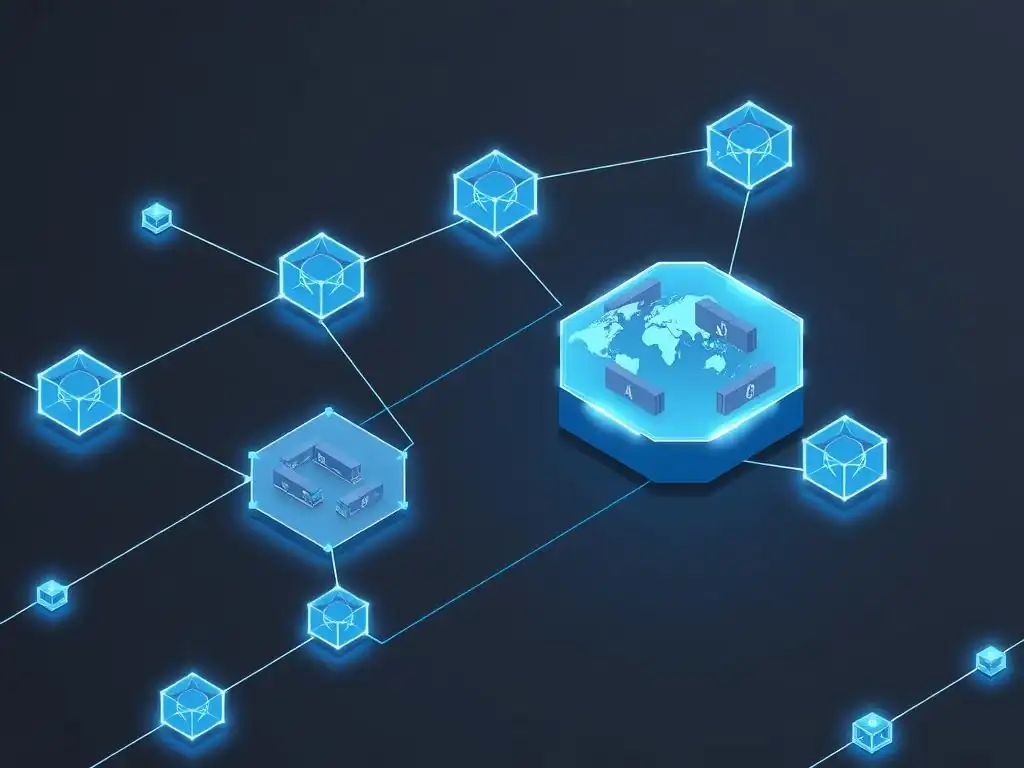
Plasma, as a Layer-2 scaling solution, presents a compelling approach to significantly enhance transaction throughput and scalability for blockchains. Conceived as a framework for creating "child chains" that operate independently yet are anchored to a root blockchain (typically Ethereum), Plasma aims to process a vast number of transactions off-chain. This off-chain processing drastically reduces the load on the main blockchain, allowing for faster transaction confirmations and significantly lower transaction fees.
The promise of Plasma lies in its potential to enable blockchains to handle thousands or even millions of transactions per second, a substantial leap from the limitations of Layer-1 alone. This enhanced throughput is crucial for supporting applications requiring high transaction volumes, such as decentralized exchanges (DEXs), micro-payment systems, and blockchain-based gaming platforms.
The core benefit of Plasma scaling solutions is the ability to achieve scalability without compromising security. Plasma chains inherit the security of the root chain through fraud proofs. This mechanism allows users to challenge invalid transactions on the Plasma chain by submitting proofs to the root chain, ensuring that the integrity of the system is maintained.
Furthermore, Plasma is designed to be highly customizable and adaptable, allowing developers to tailor Plasma chains to specific application needs. Different Plasma architectures, such as Plasma MVP and Plasma Cash, offer varying trade-offs between complexity, functionality, and scalability, providing developers with a range of options to optimize for their specific use cases. The potential for Plasma to deliver both high scalability and strong security makes it a valuable approach in the ongoing evolution of blockchain technology and its quest for mainstream adoption.
Plasma's Core Principles: A Deep Dive
The Mechanics of Plasma Chains: Root Chain Interaction
Plasma chains operate as independent blockchains that are linked to a main chain, commonly Ethereum. This link is crucial for security and data availability. The fundamental mechanism of Plasma involves the creation of child chains that inherit the security of the root chain.
Users can deposit assets from the root chain into a Plasma chain and then transact within this child chain environment with significantly faster speeds and lower costs. These transactions are primarily processed and validated by the Plasma chain operators, reducing the burden on the main Ethereum network. Periodically, or at certain checkpoints, the Plasma chain state is anchored back to the root chain through Merkle roots, ensuring that the root chain has a verifiable record of the Plasma chain's history.
The interaction between a Plasma chain and the root chain is carefully orchestrated to maintain security and allow for dispute resolution. When a user wants to withdraw their assets from a Plasma chain back to the root chain, they initiate a withdrawal process. This process involves a challenge period, during which anyone can submit a fraud proof to the root chain if they detect an invalid transaction or state transition in the Plasma chain history related to that withdrawal.
If a fraud proof is successfully submitted and validated by the root chain, the invalid transaction is reverted, and the user's withdrawal is protected. This fraud-proof mechanism is the cornerstone of Plasma's security model, ensuring that even though transactions are processed off-chain, the overall system remains secure and trustworthy, leveraging the robust security of the underlying Layer-1 blockchain.
Data Availability and Security Considerations in Plasma Architectures
Data availability is a paramount concern in Plasma architectures, directly impacting security and trust. In Plasma, transaction data is primarily held by the Plasma chain operators, not directly on the root chain. Therefore, ensuring that this data remains available and accessible for verification is crucial for the fraud-proof system to function effectively.
If transaction data becomes unavailable, users may be unable to generate fraud proofs in case of malicious activity, potentially jeopardizing the security of their assets on the Plasma chain. Different Plasma implementations employ various techniques to address data availability, such as data withholding game mechanisms and data availability sampling.
Security in Plasma is intrinsically linked to the fraud-proof system and data availability. The fraud-proof mechanism relies on the assumption that at least one honest participant is monitoring the Plasma chain and is capable of submitting a valid fraud proof to the root chain if necessary. This "one honest participant" assumption is a key security principle in Plasma. Furthermore, the security of a Plasma chain is also dependent on the security of the root chain itself.
If the root chain's security is compromised, the security of all connected Plasma chains could also be at risk. Developers and users must carefully consider the data availability solutions and security assumptions inherent in specific Plasma implementations to ensure the chosen solution aligns with their security requirements and risk tolerance. Robust data availability solutions and a well-designed fraud-proof mechanism are essential for realizing the full security potential of Plasma scaling solutions.
Plasma Cash vs. Plasma MVP: Comparing Different Plasma Implementations
Plasma encompasses various implementations, each with its own set of trade-offs and design choices. Two prominent early implementations are Plasma Minimum Viable Product (MVP) and Plasma Cash. Plasma MVP, as the name suggests, was designed as a simplified version of Plasma to demonstrate the core concepts.
It focuses on simple transfer transactions of fungible tokens. In Plasma MVP, users are responsible for monitoring the entire history of the Plasma chain to detect fraud, which can be computationally intensive for users with a long transaction history. This design simplicity made Plasma MVP easier to implement and understand, serving as a foundational stepping stone for further Plasma development.
Plasma Cash, on the other hand, introduces the concept of Non-Fungible Tokens (NFTs) to represent coins in the Plasma chain. Each coin has a unique ID and transaction history, making it easier for users to track their specific coins and verify their history. This per-coin history simplifies fraud proofs for users, as they only need to monitor the history of their own coins, not the entire Plasma chain.
However, Plasma Cash introduces challenges related to token fungibility and increased data storage requirements due to the per-coin history tracking. While Plasma MVP prioritized simplicity and ease of implementation, Plasma Cash aimed to improve user experience and simplify fraud proofs, albeit at the cost of increased complexity in other areas. The choice between Plasma MVP, Plasma Cash, or other Plasma variants depends on the specific application requirements and the desired balance between simplicity, user experience, and functionality.
Development Landscape: Key Projects and Innovations in Plasma
Prominent Plasma Projects: OMG Network and Matic Network (Polygon)
Several projects have been instrumental in advancing the development and adoption of Plasma scaling solutions. OMG Network (formerly OmiseGO) was one of the pioneering projects focused on building a general-purpose Plasma implementation, known as MoreVP. OMG Network aimed to provide a scalable and low-cost payment platform using Plasma, targeting use cases such as payments, remittances, and digital asset exchange. While the project has evolved and shifted its focus, OMG Network's early work significantly contributed to the understanding and development of Plasma technology, particularly in demonstrating the feasibility of general-purpose Plasma chains.
Matic Network, now rebranded as Polygon, also heavily utilized Plasma in its early stages as a core scaling solution. Polygon initially gained traction by offering a Plasma-based sidechain for Ethereum, providing developers with a platform to deploy decentralized applications (dApps) with significantly higher throughput and lower fees compared to Ethereum mainnet. Polygon's commitment to Plasma helped showcase the real-world applicability of Plasma scaling solutions and contributed to its wider adoption within the blockchain ecosystem.
While Polygon has since expanded its scaling solutions beyond just Plasma to include other Layer-2 technologies like rollups and validium, its early adoption and promotion of Plasma played a crucial role in popularizing and validating Plasma as a viable scaling approach. These projects, OMG Network and Polygon, represent key milestones in the development and practical application of Plasma scaling solutions.
Innovations in Plasma: Exploring New Approaches and Techniques
Beyond the foundational Plasma MVP and Plasma Cash implementations, ongoing research and development have explored various innovations to enhance Plasma's capabilities and address its limitations. One area of innovation is focused on improving data availability solutions. Techniques like data availability sampling, where nodes randomly sample portions of transaction data instead of downloading the entire dataset, are being explored to reduce the data burden on Plasma chain participants while maintaining data availability guarantees. These advancements aim to make data availability verification more efficient and scalable, enhancing the overall practicality of Plasma.
Another area of innovation involves exploring different Plasma chain architectures and consensus mechanisms. Researchers are investigating hybrid approaches that combine Plasma with other Layer-2 technologies, such as rollups, to leverage the strengths of each approach and mitigate their weaknesses. Furthermore, exploring alternative consensus mechanisms within Plasma chains, beyond Proof-of-Authority (PoA) often used in early implementations, could enhance decentralization and security.
Innovations also extend to improving the user experience of Plasma, making it easier for users to interact with Plasma chains and manage their assets. These ongoing efforts to innovate and refine Plasma technology demonstrate the continued evolution and potential of Plasma scaling solutions in the broader Layer-2 landscape.
Challenges and Bottlenecks in Current Plasma Development
Despite the promise and progress in Plasma development, several challenges and bottlenecks remain that hinder its widespread adoption. One significant challenge is the complexity of implementing and deploying Plasma chains. Developing robust and secure Plasma implementations requires significant technical expertise and careful consideration of various design choices, particularly around data availability and fraud-proof mechanisms. This complexity can make it challenging for developers to build and maintain Plasma-based applications.
Another bottleneck is the user experience associated with Plasma withdrawals and potential fraud disputes. The challenge period for withdrawals, while crucial for security, can be time-consuming and may deter some users. Furthermore, the process of submitting fraud proofs can be technically demanding and may require users to actively monitor the Plasma chain and possess technical knowledge.
Improving the user experience of Plasma, particularly in areas like withdrawals and dispute resolution, is crucial for broader adoption. Additionally, the fragmentation of the Plasma ecosystem, with various implementations and projects, can make it difficult for developers to choose the right solution and can hinder interoperability. Addressing these challenges and bottlenecks is essential to unlock the full potential of Plasma and facilitate its more widespread use in real-world applications.
Adoption Barriers and Real-World Use Cases of Plasma Chains
Overcoming Adoption Hurdles: Addressing Security and Usability Concerns
While Plasma scaling solutions offer significant benefits, several adoption hurdles need to be addressed to facilitate their wider use. Security concerns remain a primary barrier. Although Plasma is designed to be secure through fraud proofs, the complexity of the fraud-proof mechanism and the reliance on data availability can create perceived or real security risks in the minds of users and developers. Clearly communicating the security model of Plasma and demonstrating its robustness through audits and real-world deployments is crucial to build trust and overcome security concerns.
Usability is another significant hurdle. Interacting with Plasma chains can be more complex than interacting directly with the main chain. Users may need to understand concepts like child chains, deposits, withdrawals, and fraud proofs, which can be unfamiliar to average users.
Simplifying the user experience through intuitive interfaces, user-friendly wallets, and educational resources is essential to make Plasma more accessible to a broader audience. Furthermore, the development of robust developer tools and frameworks can lower the barrier to entry for developers wanting to build Plasma-based applications. Addressing both security perceptions and usability challenges is critical for driving wider adoption of Plasma scaling solutions.
Real-World Applications: Where Plasma Excels
Plasma scaling solutions are particularly well-suited for applications that require high transaction throughput and low transaction costs, while still benefiting from the security of a main blockchain. Payment systems and micro-payment platforms are prime examples where Plasma's scalability and low fees can be highly advantageous. For applications involving frequent, small-value transactions, such as micropayments for content or services, the low transaction costs offered by Plasma can be a game-changer, making such applications economically viable.
Decentralized exchanges (DEXs) can also greatly benefit from Plasma. The high transaction throughput of Plasma can enable faster order matching and improved trading experiences on DEXs, making them more competitive with centralized exchanges. Furthermore, blockchain-based gaming and NFT marketplaces are emerging use cases where Plasma's scalability is highly valuable.
Games often involve a high volume of in-game transactions, and NFT marketplaces require efficient and low-cost trading of digital assets. Plasma can provide the necessary scalability to support these applications without incurring prohibitive transaction fees. These real-world applications demonstrate the potential of Plasma to unlock new possibilities and improve the user experience in various blockchain-based domains.
Case Study: Using Polygon Plasma for NFT Marketplaces
Polygon (formerly Matic Network) has been actively used to support NFT marketplaces, leveraging its Plasma implementation to provide a scalable and cost-effective platform for NFT trading. One notable example is the use of Polygon Plasma by various NFT marketplaces to reduce gas fees and improve transaction speed for users. On Ethereum mainnet, minting, buying, and selling NFTs can be expensive due to high gas fees, particularly during periods of network congestion. By using Polygon Plasma, NFT marketplaces can offer users significantly lower transaction fees, making NFT trading more accessible and affordable.
For instance, consider an NFT marketplace built on Polygon Plasma. When a user mints, buys, or sells an NFT on this marketplace, the transactions are processed on the Polygon Plasma chain, resulting in significantly lower gas fees compared to performing the same operations directly on Ethereum mainnet. This cost reduction can be substantial, potentially reducing transaction fees by orders of magnitude.
Moreover, Polygon Plasma offers faster transaction confirmation times, improving the overall user experience on NFT marketplaces. This case study highlights the practical benefits of using Plasma scaling solutions in real-world applications like NFT marketplaces, demonstrating how Plasma can address scalability and cost challenges, making blockchain technology more user-friendly and accessible for specific use cases.
The Evolution of Layer-2 Scaling: Plasma and Beyond
Plasma's Contribution to the Broader Layer-2 Ecosystem
Plasma, as one of the early and prominent Layer-2 scaling solutions, has significantly contributed to the broader Layer-2 ecosystem. It has played a crucial role in shaping the understanding of off-chain scaling techniques and demonstrating the feasibility of enhancing blockchain scalability without compromising security. Plasma's emphasis on fraud proofs and data availability considerations has influenced the design and development of other Layer-2 solutions. The concepts pioneered by Plasma, such as child chains and root chain anchoring, have served as foundational building blocks for subsequent Layer-2 innovations.
Furthermore, the development efforts and practical implementations of Plasma by projects like OMG Network and Polygon have provided valuable insights and lessons for the entire Layer-2 community. These projects have helped identify the strengths and weaknesses of Plasma, highlighting areas for improvement and inspiring further research and development in the Layer-2 space. Plasma's contribution extends beyond its direct implementation; it has fostered a deeper understanding of Layer-2 scaling principles and paved the way for the emergence of more advanced and diverse Layer-2 solutions, contributing to the overall progress of blockchain scalability.
Emerging Alternatives: Validium, Optimistic Rollups, and ZK-Rollups
While Plasma has been a significant advancement, the Layer-2 landscape has continued to evolve, with new and promising alternatives emerging. Validium is another Layer-2 scaling solution that shares similarities with Plasma but differs primarily in its data availability approach. In Validium, data availability is typically handled by a committee or data availability providers, rather than being assumed to be available to all participants. This can offer different security and performance trade-offs compared to Plasma.
Optimistic Rollups and ZK-Rollups represent another major category of Layer-2 scaling solutions gaining significant traction. Optimistic Rollups operate by "optimistically" assuming transactions are valid and only running fraud proofs when a transaction is challenged. ZK-Rollups, on the other hand, use zero-knowledge proofs to cryptographically prove the validity of off-chain transactions before submitting them to the main chain.
Both Rollup approaches offer different scalability and security characteristics compared to Plasma and Validium, providing a diverse range of Layer-2 options to address various application needs and scalability requirements. The emergence of these alternatives reflects the ongoing innovation and diversification within the Layer-2 scaling ecosystem.
Comparing Plasma to Other Layer-2 Solutions: Trade-offs and Advantages
Plasma vs. Rollups: A Detailed Comparison
Comparing Plasma to Rollups, particularly Optimistic Rollups and ZK-Rollups, reveals distinct trade-offs and advantages. Plasma typically offers higher theoretical throughput potential than Optimistic Rollups, as Plasma chains can be more independent and less constrained by the root chain's processing capacity for fraud proofs. However, Plasma implementations can be more complex to develop and deploy, especially regarding data availability solutions and withdrawal mechanisms. Optimistic Rollups, while potentially having lower throughput than Plasma in some scenarios, often offer simpler development and easier interoperability with the main chain, as they inherit the security of the main chain more directly.
ZK-Rollups, known for their strong security guarantees due to cryptographic validity proofs, generally offer lower withdrawal times compared to both Plasma and Optimistic Rollups. ZK-Rollups, however, can be computationally intensive and may have higher gas costs for proof generation compared to other Layer-2 solutions. The choice between Plasma, Optimistic Rollups, and ZK-Rollups depends heavily on the specific application requirements, desired throughput levels, security priorities, development complexity considerations, and user experience preferences. There is no one-size-fits-all solution, and each Layer-2 approach offers a unique set of trade-offs.
State Channels vs. Plasma: Use Case Suitability
Comparing Plasma to State Channels highlights differences in their use case suitability and operational mechanisms. State Channels are Layer-2 solutions designed for frequent interactions between a small, known set of participants. They work by locking funds on the main chain and then conducting multiple transactions off-chain within a channel, only settling the final state back on the main chain. State Channels are well-suited for applications like payment channels and real-time gaming where there are frequent interactions between specific parties.
Plasma, in contrast, is designed for more general-purpose scaling, aiming to handle a broader range of transactions and a larger number of participants. Plasma chains are more like independent blockchains anchored to the root chain, suitable for applications requiring higher throughput and lower fees for a wider user base.
While State Channels excel in scenarios with frequent, direct interactions between a limited number of participants, Plasma is better suited for applications requiring scalability for a larger and more dynamic user base, such as decentralized exchanges or NFT marketplaces. The choice between State Channels and Plasma depends on the specific application's interaction patterns, scalability needs, and user base characteristics.
The Future of Layer-2 Scaling: Trends and Predictions
The Convergence of Layer-2 Technologies: Hybrid Solutions
The future of Layer-2 scaling is likely to be characterized by a convergence of different technologies, leading to the emergence of hybrid solutions that combine the strengths of various approaches. We may see Plasma integrated with Rollups or Validium to leverage the benefits of each. For example, a hybrid solution might use Plasma for high-throughput transaction processing while incorporating ZK-Rollups for enhanced data availability and faster finality in certain critical operations. This convergence could lead to more versatile and optimized Layer-2 solutions that address a wider range of scalability challenges and application requirements.
Furthermore, interoperability between different Layer-2 solutions is becoming increasingly important. In the future, we can expect to see more efforts focused on enabling seamless communication and asset transfer between different Layer-2 networks, regardless of their underlying technology. This interoperability will be crucial for creating a more unified and user-friendly Layer-2 ecosystem, allowing users to move freely between different Layer-2 platforms and applications without friction. The trend towards convergence and interoperability is poised to shape the next generation of Layer-2 scaling solutions.
Plasma's Role in Decentralized Finance (DeFi) Scalability
Plasma, despite the emergence of newer Layer-2 solutions, is expected to continue playing a role in scaling Decentralized Finance (DeFi) applications. While Rollups have gained significant traction in the DeFi space, Plasma's potential for high throughput and low fees remains relevant, particularly for specific DeFi use cases. For DeFi applications requiring a very high volume of transactions, such as high-frequency trading on decentralized exchanges or micro-lending platforms, Plasma's scalability advantages could be particularly valuable.
Moreover, ongoing innovations and refinements in Plasma technology may address some of its earlier limitations and enhance its competitiveness in the DeFi landscape. As hybrid Layer-2 solutions emerge, Plasma components could be integrated into broader DeFi scaling strategies, working in conjunction with other Layer-2 technologies to provide comprehensive scalability solutions for the rapidly growing DeFi ecosystem. Plasma’s specific strengths in certain areas of scalability ensure its continued relevance and potential contribution to the future of DeFi.
Regulatory Considerations for Layer-2 Scaling
Regulatory considerations are increasingly relevant for Layer-2 scaling solutions, including Plasma, as they become more widely adopted and handle larger volumes of transactions and assets. Regulators are beginning to pay closer attention to the Layer-2 space, seeking to understand its implications for compliance, security, and user protection. Clarity and guidance from regulatory bodies on the legal and compliance frameworks applicable to Layer-2 solutions are needed to foster responsible innovation and adoption.
Issues such as data privacy, anti-money laundering (AML), and know-your-customer (KYC) compliance need to be carefully considered in the design and operation of Layer-2 solutions. Plasma projects and developers need to proactively engage with regulators and incorporate compliance considerations into their development roadmaps.
A clear and supportive regulatory environment will be crucial for the long-term success and mainstream adoption of Layer-2 scaling solutions, ensuring that these technologies can be deployed and utilized in a compliant and responsible manner. Navigating the evolving regulatory landscape will be a key factor in shaping the future trajectory of Layer-2 scaling and its impact on the broader blockchain ecosystem.
Conclusion: Layer-2 Scaling Solutions Benefits and the Future of Blockchain Scalability
The Enduring Value of Plasma in the Blockchain Ecosystem
Despite the rapid evolution of the Layer-2 landscape and the emergence of alternative scaling solutions, Plasma retains enduring value within the blockchain ecosystem. Plasma’s pioneering role in demonstrating the feasibility of off-chain scaling and its emphasis on security through fraud proofs have been foundational for the development of the entire Layer-2 space.
The concepts and techniques pioneered by Plasma continue to influence and inform the design of newer Layer-2 solutions. While other solutions like Rollups may have gained more recent traction, Plasma's unique architecture and potential for high throughput remain relevant and valuable for specific use cases and application requirements.
Furthermore, the ongoing research and development efforts focused on refining Plasma technology and addressing its limitations demonstrate its continued relevance and potential for future contributions. Plasma’s legacy as a pioneering Layer-2 solution and its ongoing evolution ensure its place as a significant technology within the broader blockchain scaling landscape. The Plasma scaling solutions benefits, particularly in terms of potential throughput and security, continue to be recognized and explored within the blockchain community.
The Path Forward: Continued Development and Refinement of Layer-2 Solutions
The path forward for Layer-2 scaling involves continued development and refinement across various approaches, including Plasma, Rollups, Validium, and State Channels. Each solution offers a unique set of trade-offs, and the optimal approach will often depend on the specific application requirements and priorities. Further research and development are needed to address the remaining challenges and bottlenecks in Layer-2 scaling, such as improving user experience, enhancing interoperability, and optimizing security and data availability.
Collaboration and standardization within the Layer-2 community are also crucial for accelerating progress and fostering wider adoption. Sharing knowledge, best practices, and open-source implementations can help to streamline development efforts and promote interoperability between different Layer-2 solutions. The continued evolution and refinement of Layer-2 technologies are essential for unlocking the full potential of blockchain and enabling its mainstream adoption across a wide range of industries and applications.
Final Thoughts: Impact on Blockchain's Scalability Challenges
Layer-2 scaling solutions, including Plasma, are critical for addressing blockchain's inherent scalability challenges and paving the way for its mass adoption. By enabling significantly higher transaction throughput and lower fees without compromising security, Layer-2 technologies unlock new possibilities for blockchain applications and make blockchain technology more accessible and user-friendly. The ongoing innovation and diversification within the Layer-2 ecosystem demonstrate the commitment of the blockchain community to overcoming scalability limitations and realizing the full transformative potential of blockchain technology.
The benefits of Plasma scaling solutions and other Layer-2 approaches are becoming increasingly evident as they are deployed in real-world applications and contribute to the growth of the blockchain ecosystem. As Layer-2 technologies continue to mature and evolve, they will play an increasingly important role in shaping the future of blockchain scalability and driving its broader adoption across industries and society. The journey towards a truly scalable blockchain future is ongoing, and Layer-2 solutions are at the forefront of this transformative evolution.
Frequently Asked Questions
What are the key benefits of Plasma scaling solutions?
Plasma aims to increase transaction throughput by moving transactions off the main chain. This leads to faster transaction speeds and lower transaction fees compared to the main blockchain. It can significantly improve the user experience.
How does Plasma achieve scalability on Layer 2?
Plasma creates child chains that operate independently of the main blockchain. These child chains handle most of the transactions, only interacting with the main chain for dispute resolution and security.
What are some of the challenges hindering wider Plasma adoption?
Complexity in implementation and potential data availability issues are significant hurdles. Ensuring security across all child chains also requires careful design and execution.
How does Plasma relate to other Layer 2 scaling solutions like rollups?
While both are Layer 2 solutions, Plasma uses child chains with their own consensus mechanisms, whereas rollups bundle transactions before submitting them to the main chain, using the main chain for data and validity.
What is the future outlook for Plasma development and its role in blockchain scaling?
While its development has slowed compared to other Layer 2 solutions, Plasma's concepts have influenced other scaling approaches. Its principles around off-chain computation and fraud proofs remain relevant.
Final Reflection: Embracing the Potential of Plasma Scaling
The journey through the development and adoption of Plasma scaling solutions reveals a landscape ripe with potential, yet still navigating its complexities. The promise of significantly enhanced transaction throughput and reduced fees on the Ethereum blockchain remains a powerful driver, especially as the demand for decentralized applications continues to surge. Understanding the benefits of Plasma scaling solutions is no longer just an academic exercise; it's a crucial step towards building a more accessible and scalable decentralized future.
The evolution of Layer 2 scaling solutions like Plasma has profoundly influenced the discourse surrounding blockchain scalability. It's impossible to ignore the impact these technologies have had on fostering innovation and pushing the boundaries of what's possible within the decentralized space. The ongoing refinement and adaptation of Plasma, despite its challenges, underscores the unwavering commitment to achieving true scalability. The future belongs to those who believe in the beauty of their dreams.
- Eleanor Roosevelt. This quote resonates deeply with the spirit of innovation driving Plasma development, a testament to the belief in a more efficient and accessible blockchain ecosystem.
As we stand at the cusp of widespread adoption, let us not only celebrate the advancements made in Plasma scaling solutions but also reflect on the responsibility we share in shaping their future. Consider how you can contribute to the ongoing dialogue, whether through research, development, or simply by advocating for the benefits of these technologies. The future of Plasma, and indeed the future of blockchain scalability, is not predetermined; it is a future we build together, one transaction, one block, one innovative solution at a time.
Level Up Your Understanding: Dive Deeper into Plasma!
Thank you for exploring the fascinating world of Plasma with us! You now have a solid understanding of its development and potential within the evolving landscape of Layer 2 scaling. Now, it's time to put that knowledge into action.
Are you ready to take the next step? Here are some ways to further engage with Plasma and the broader blockchain community:
- Become a Plasma Pioneer: Start exploring existing Plasma implementations and test networks. Hands-on experimentation is the best way to truly understand the technology.
- Spark the Conversation: Share this article with your network and discuss how Plasma could influence the future of blockchain scalability.
- Contribute to the Community: Visit blockchain forums such as Reddit and actively participate by sharing insightful comments about Plasma technology.
Which Plasma projects are you most excited about, and how do you think they will shape the future of blockchain? Share your thoughts in the comments below!
Leave a Reply