
Digital Supply Chains: Blockchain as the Backbone for Modern Logistics Networks


Welcome to Blockchain Trends, your trusted source for unraveling the transformative power of blockchain beyond the buzz. Are you ready to discover how this groundbreaking technology is revolutionizing industries far beyond cryptocurrency? In this article, we delve into the tangible blockchain supply chain logistics benefits, exploring how decentralized systems are reshaping the future of modern logistics networks. Prepare to unlock the potential of digital supply chains and see how blockchain is becoming the backbone of efficiency and transparency. What if you could track every step of your product's journey with unparalleled accuracy? Read on to find out!
- Blockchain Supply Chain Logistics Benefits: A Deep Dive
-
Frequently Asked Questions
- How does blockchain technology enhance supply chain visibility?
- What are the key benefits of using blockchain in supply chain logistics?
- How can blockchain improve the tracking and tracing of goods in a supply chain?
- What are some of the major challenges in implementing blockchain for supply chain logistics?
- How does blockchain help with regulatory compliance in supply chains?
- Final Reflection: Embracing Transparency in Tomorrow's Logistics
- Ignite Your Supply Chain Revolution!
Blockchain Supply Chain Logistics Benefits: A Deep Dive
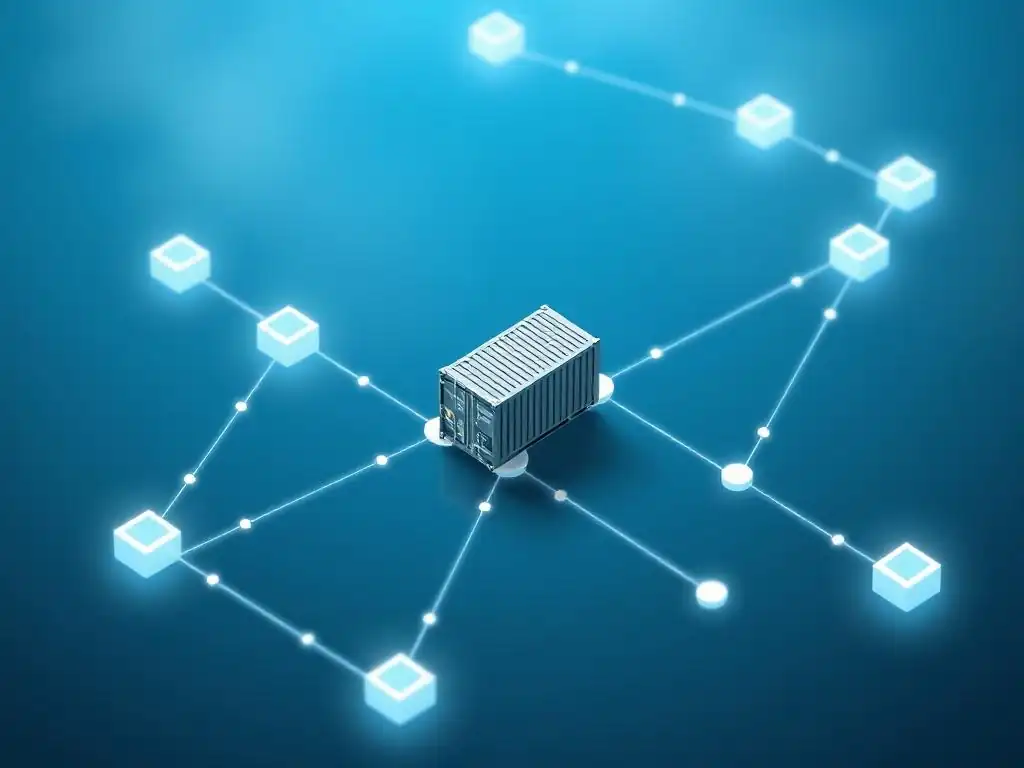
Blockchain technology is fundamentally reshaping how goods move around the world, offering a suite of compelling blockchain supply chain logistics benefits. By providing a shared, immutable record of transactions and events, blockchain addresses many of the long-standing pain points in traditional logistics networks. The advantages span from operational improvements to enhanced trust among participants, ultimately leading to more resilient and responsive supply chains. Exploring these benefits reveals why organizations across various sectors are increasingly looking to integrate decentralized ledger solutions.
The adoption of blockchain in supply chain logistics is driven by the clear potential for significant returns on investment. These benefits are not merely theoretical; pilot projects and early implementations have demonstrated tangible improvements in key performance indicators such as delivery times, administrative overhead, and loss prevention. Understanding these core advantages is crucial for businesses considering the digital transformation of their logistics operations.
Enhanced Transparency and Traceability with Blockchain
One of the most significant blockchain supply chain logistics benefits is the unprecedented level of transparency and traceability it provides. Every transaction, movement, or status change of a product recorded on a blockchain is visible to all authorized participants in the network. This creates a single, shared source of truth about a product's journey from its origin to its final destination. This eliminates information silos and reduces the reliance on manual record-keeping, which is prone to errors and delays.
Enhanced traceability means that stakeholders can pinpoint the exact location, condition, and history of goods at any point in time. For instance, in the food industry, tracing the origin of a contaminated product that might have previously taken weeks can now be reduced to a matter of minutes or hours. This capability is critical for rapid recalls, ensuring food safety, and building consumer trust. Similarly, tracking high-value goods or sensitive materials becomes far more reliable, minimizing disputes and improving accountability across the entire logistics chain.
Increased Efficiency and Reduced Costs in Logistics Operations
Blockchain significantly boosts efficiency in logistics by streamlining processes and automating manual tasks, directly contributing to reduced operational costs – a key blockchain supply chain logistics benefit. Traditional logistics often involve extensive paperwork, multiple intermediaries, and delayed payment settlements. Smart contracts, a core component of blockchain, can automate these processes. For example, payments can be automatically released upon verifiable proof of delivery or successful quality inspection, accelerating cash flow and reducing administrative burdens.
The automation of documentation and verification processes can drastically cut down on the time and resources required for customs clearance, freight auditing, and supplier reconciliation. Estimates suggest that digitizing and automating these steps through blockchain could reduce administrative costs by 10-25% in complex international shipping scenarios. Furthermore, increased efficiency in tracking and managing inventory leads to better resource utilization, reduced waste, and optimized routing, all contributing to a leaner and more cost-effective logistics network.
Improved Security and Data Integrity Across the Supply Chain
Security and data integrity are paramount in logistics, and blockchain offers robust improvements in these areas, representing a vital blockchain supply chain logistics benefit. The decentralized and cryptographic nature of blockchain makes it inherently secure. Each block of data is linked to the previous one using cryptographic hashes, creating an immutable chain. Once data is recorded on the blockchain, it is extremely difficult, if not impossible, to alter or tamper with it without being detected by the network.
This immutability ensures that the historical record of a product's journey is reliable and trustworthy, significantly reducing the risk of fraud, counterfeiting, and data manipulation. For example, tracking pharmaceuticals on a blockchain helps combat the trade of counterfeit drugs by providing an unalterable record of their authenticity and handling.
Similarly, recording ownership transfers and conditions of goods on a distributed ledger prevents disputes and enhances trust among parties who may not have previously transacted with each other. The enhanced security also extends to protecting sensitive supply chain data from cyber threats, as the decentralized architecture eliminates single points of failure often targeted by malicious actors.
Frequently Asked Questions
How does blockchain technology enhance supply chain visibility?
Blockchain provides immutable records of each transaction, offering end-to-end traceability of goods. This transparency reduces fraud and counterfeiting.
What are the key benefits of using blockchain in supply chain logistics?
Blockchain offers improved efficiency, reduced costs, and enhanced security through its decentralized and transparent nature. These benefits directly impact supply chain performance.
How can blockchain improve the tracking and tracing of goods in a supply chain?
Each item's journey is recorded on the blockchain, creating a tamper-proof history. This allows for real-time tracking and verification of authenticity.
What are some of the major challenges in implementing blockchain for supply chain logistics?
Scalability issues, lack of standardization, and integration with existing systems are significant hurdles. Furthermore, data privacy concerns need careful consideration.
How does blockchain help with regulatory compliance in supply chains?
The immutable record provided by blockchain ensures adherence to regulations. This transparent audit trail simplifies compliance and reduces risk.
Okay, here's a final reflection crafted for your article "Digital Supply Chains: Blockchain as the Backbone for Modern Logistics Networks," optimized for the keyword "Blockchain supply chain logistics benefits," and following the structure you provided:
Final Reflection: Embracing Transparency in Tomorrow's Logistics
The promise of enhanced efficiency and security within supply chains, once a distant aspiration, is now tangibly within reach thanks to blockchain technology. The insights explored throughout this article underscore the profound Blockchain supply chain logistics benefits that are reshaping how goods are tracked, verified, and delivered across the globe.
This technological shift is not merely about optimizing processes; it's about fostering a new era of trust and accountability. The ability to trace a product's journey from origin to consumer with immutable accuracy has the potential to revolutionize industries, empowering both businesses and consumers with unprecedented transparency. The future of supply chains is not just about speed and efficiency; it's about building resilient and trustworthy networks that can adapt to an ever-changing world.
This quote encapsulates the core value proposition of blockchain in logistics – a future where trust is not assumed, but verified.
As we stand on the cusp of this digital revolution, let us not be passive observers. Consider how you can leverage the principles of transparency and decentralization, whether in your professional endeavors or personal life. Embrace the potential of blockchain to build more resilient, ethical, and efficient systems. The future of logistics, and indeed, many other industries, hinges on our willingness to explore and implement these transformative technologies.
Here's a CTA draft following your instructions for an article titled "Digital Supply Chains: Blockchain as the Backbone for Modern Logistics Networks" on the website "Blockchain Trends" (blockchaintrends.org):
Ignite Your Supply Chain Revolution!
Thank you for diving into the potential of blockchain to transform digital supply chains. Now that you understand how this technology can revolutionize logistics, it's time to take the next step and unlock its benefits for your organization or industry.
Here's how you can get started:
- Embark on a pilot project: Identify a critical pain point within your supply chain, and launch a small-scale blockchain implementation to track and trace your products. This hands-on experience is invaluable!
- Explore collaborative consortiums: Join or research existing blockchain consortiums focused on supply chain management. Collaboration can help standardize processes and accelerate adoption.
- Share your insights: Discuss this article with your network and colleagues. What are some unexpected applications of blockchain in supply chain logistics that you envision?
Leave a Reply