
Blockchain and the Metaverse: Exploring Immersive Supply Chain Experiences

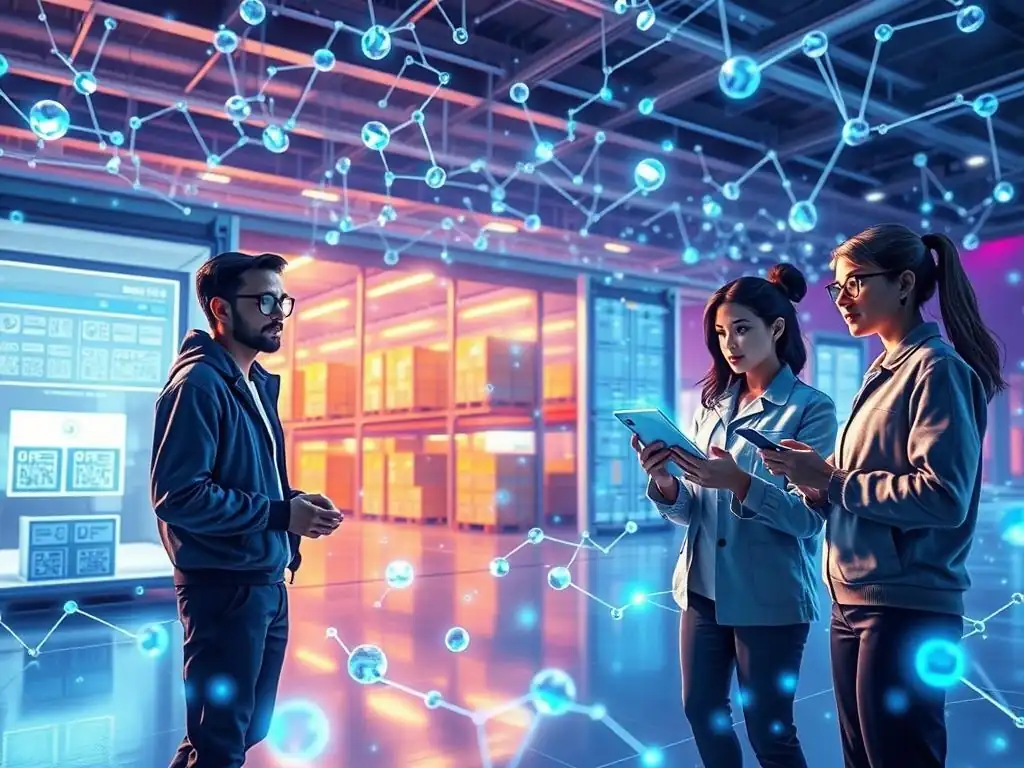
Welcome to Blockchain Trends, where we delve into the transformative potential of blockchain technology beyond the realm of cryptocurrencies. In our featured article, "Blockchain and the Metaverse: Exploring Immersive Supply Chain Experiences," we invite you to discover how the convergence of these groundbreaking technologies is reshaping supply chain management. Are you curious about how the metaverse can revolutionize the way we experience supply chains? Join us on this journey to uncover the innovative intersections of blockchain and immersive technologies, and prepare to rethink everything you thought you knew about the future of decentralized systems. Your exploration starts here!
Blockchain and the Metaverse: Revolutionizing Supply Chain Management
- Introduction: The Convergence of Technologies
- The Problem: Inefficiencies in Traditional Supply Chains
- Blockchain's Role in Enhancing Supply Chain Transparency
- The Metaverse: A New Frontier for Visualization and Interaction
- Blockchain Metaverse Supply Chain Applications
- Benefits of Blockchain-Powered Metaverse Supply Chains
- Challenges and Considerations for Implementation
- Real-World Examples and Case Studies
- The Future of Blockchain and Metaverse in Supply Chain
- Conclusion: Embracing Immersive Experiences
-
Frequently Asked Questions
- How can blockchain technology enhance supply chain experiences in the metaverse?
- What role does the metaverse play in transforming traditional supply chain management?
- What are the key benefits of integrating blockchain with metaverse supply chains?
- What are the potential challenges of implementing blockchain-based metaverse supply chains?
- How will regulation impact the development of blockchain metaverse supply chain experiences?
- Final Reflection: Embracing Transparency in the Metaverse
- Unlock the Future: Step into the Metaverse Supply Chain Revolution!
Introduction: The Convergence of Technologies
Core Concepts: Blockchain, Metaverse, and Supply Chain
Blockchain technology, at its core, is a decentralized, distributed ledger that records transactions across many computers. This structure makes the data stored on it highly secure, transparent, and immutable, meaning once a transaction is recorded, it's extremely difficult to alter or delete. Initially popularized by cryptocurrencies, its potential quickly became apparent for tracking assets and data across complex networks where trust among participants is paramount, such as supply chains. Its ability to create a single, shared source of truth for information makes it a powerful tool for enhancing visibility and accountability.
The Metaverse refers to persistent, interactive, and interoperable virtual worlds where users, represented by avatars, can interact with each other, digital objects, and AI agents. While still evolving, it envisions a future where digital and physical realities are seamlessly blended, enabling immersive experiences for work, social interaction, commerce, and more. For industries, the metaverse offers a new dimension for visualization, simulation, and collaboration, allowing for the creation of digital twins of physical assets or entire processes and providing novel ways to engage with data and systems.
The Potential of Immersive Supply Chain Experiences
The confluence of blockchain and the metaverse presents a transformative opportunity for supply chain management. By leveraging blockchain's inherent transparency and security to underpin data, and the metaverse's capability for immersive visualization and interaction, businesses can create entirely new ways to understand, manage, and optimize their operations. This synergy moves beyond traditional dashboards and reports, offering stakeholders intuitive, real-time access to verifiable information within a spatial, 3D environment.
Imagine walking through a virtual representation of your global supply network, visually tracing the journey of a specific product from raw material to final consumer, or inspecting a virtual replica of a warehouse thousands of miles away. These kinds of immersive blockchain metaverse supply chain experiences promise to make complex processes more understandable, facilitate quicker decision-making, and foster a deeper level of trust and collaboration among all parties involved.
The Problem: Inefficiencies in Traditional Supply Chains
Lack of Transparency and Traceability
Traditional supply chains are often characterized by significant opacity. Goods pass through numerous intermediaries – suppliers, manufacturers, distributors, logistics providers, retailers – each using their own disparate systems and databases. This creates information silos where data is fragmented, inconsistent, and often inaccessible to parties beyond the immediate transaction. For example, a retailer might know their immediate supplier, but have little to no visibility into the origin of raw materials or conditions during earlier stages of production.
This lack of end-to-end visibility makes it incredibly difficult to trace the journey of a product accurately and efficiently. Identifying the source of a problem, such as a quality issue or a delay, can involve days or weeks of phone calls, emails, and sifting through paperwork across multiple companies. This opacity hinders accountability and makes it challenging to verify ethical sourcing, sustainability claims, or compliance with regulations across the entire chain.
Inefficiencies and Delays in Tracking
Manual processes, paper-based documentation, and outdated electronic data interchange (EDI) systems plague many traditional supply chains, leading to significant inefficiencies and delays in tracking goods. Updating the status of a shipment, verifying customs documents, or confirming receipt of goods often involves manual data entry, faxing, emailing scanned documents, or relying on periodic updates from logistics partners. This creates a substantial time lag between the physical movement of goods and the digital information reflecting that movement.
These delays can have cascading effects, holding up subsequent steps in the supply chain, such as inventory updates, payment processing, or onward transportation. For instance, customs clearance can be delayed by days if paperwork is incomplete or needs manual verification. Errors in manual data entry are also common, leading to discrepancies that require time-consuming reconciliation. These inefficiencies not only add costs but also reduce the agility and responsiveness of the supply chain to disruptions or changing demand.
Counterfeiting and Authentication Issues
Counterfeiting is a pervasive problem that traditional supply chains struggle to combat effectively. Fake goods, ranging from luxury items and electronics to pharmaceuticals and automotive parts, can easily infiltrate complex global distribution networks, often appearing alongside legitimate products. The OECD and EUIPO estimated that trade in counterfeit and pirated goods amounted to as much as 2.5% of world trade, or $464 billion, in 2013 alone, and the problem has only grown since. These illicit products harm brand reputation, erode consumer trust, and in the case of pharmaceuticals or food, pose serious health and safety risks.
Current authentication methods, such as holograms, serial numbers, or special packaging, can often be replicated by sophisticated counterfeiters. Furthermore, verifying authenticity typically requires physical inspection or access to centralized databases that can be vulnerable to hacking or manipulation. It is difficult for consumers or even downstream businesses to definitively prove the provenance and authenticity of a product with high certainty across its entire lifecycle in a traditional setup.
Blockchain's Role in Enhancing Supply Chain Transparency
Improving Traceability with Blockchain
Blockchain technology fundamentally enhances supply chain traceability by creating an immutable and shared record of every transaction or event in a product's journey. As a product moves from one party to the next – from raw material supplier to manufacturer, then to distributor and retailer – each handover or transformation can be recorded as a transaction on the blockchain. This creates a verifiable audit trail that tracks the product's provenance from its origin to its final destination.
Unlike traditional systems where each party holds its own separate records, a blockchain allows permissioned participants across the supply chain network to access the same, consistent, and up-to-date information. This shared ledger eliminates information silos and provides true end-to-end visibility. For example, retailers or even consumers could potentially trace a food item back to the specific farm it came from, viewing details about its cultivation and handling recorded at each step on the distributed ledger.
Securing Data with Decentralized Ledgers
The security features inherent in blockchain technology make it significantly more robust for storing sensitive supply chain data compared to centralized databases. Transactions are grouped into blocks, which are then cryptographically linked together in a chain. Any attempt to alter data in a historical block would break the cryptographic link, immediately alerting the network to the tampering. Furthermore, new blocks are added only after being validated by a consensus mechanism across the network participants, making it extremely difficult for any single party to fraudulently alter information.
This decentralized and cryptographically secured structure ensures data integrity and protects against unauthorized changes or fraud. Parties in the supply chain network can trust the data recorded on the blockchain even if they don't necessarily trust each other, as the integrity is maintained by the network itself rather than a single authority. This enhanced security is crucial for sensitive information like product specifications, quality control results, or ownership transfers.
Enhancing Product Authentication
Blockchain provides a powerful mechanism for enhancing product authentication by linking a unique digital identity to a physical product. This can be achieved by assigning a unique identifier, such as a serial number, QR code, or NFC tag, to each item or batch at the point of manufacture and registering this identifier along with product details on the blockchain. This creates a permanent, tamper-proof digital record associated with the physical item.
This blockchain record serves as a verifiable certificate of authenticity. Consumers, retailers, or anyone with permission can scan the code on the product and verify its details against the immutable record on the blockchain, confirming its origin, manufacturing date, and journey through the supply chain. This significantly reduces the risk of counterfeit products entering the legitimate supply chain and provides consumers with confidence in the authenticity of their purchases. The concept of using NFTs for unique product identities will be explored further in the context of blockchain metaverse supply chain experiences.
The Metaverse: A New Frontier for Visualization and Interaction
Metaverse Potential Applications
While often associated with gaming and social networking, the metaverse has significant potential for enterprise applications, particularly in areas requiring complex data visualization, simulation, and remote interaction. Businesses are exploring its use for virtual training environments, collaborative design spaces, remote operations management, and creating digital twins of physical assets and infrastructure. It offers a platform for users to interact with data and systems in a way that feels more intuitive and engaging than traditional 2D interfaces.
In a supply chain context, the metaverse could host virtual replicas of factories, warehouses, logistics hubs, or even entire global networks. This allows stakeholders to virtually visit and interact with these environments from anywhere in the world. Potential applications include virtual site tours for potential partners, collaborative planning sessions within a shared virtual space, or monitoring real-time operational data represented spatially within a 3D model of a facility.
Creating Immersive Experiences
Immersive experiences in the metaverse go beyond simply viewing data on a screen; they involve placing the user within a virtual environment where they can interact with information and digital objects in a spatial manner. Using technologies like virtual reality (VR) or augmented reality (AR), users can navigate 3D spaces, manipulate digital twins, and experience data visualization in a more intuitive way. This contrasts sharply with analyzing complex spreadsheets or dashboards.
For supply chains, this means moving from abstract data representations to tangible, albeit virtual, interactions. Instead of looking at a line item indicating inventory in a warehouse, a user could virtually walk through a 3D model of the warehouse and see the actual inventory levels represented visually. This level of immersion can lead to a deeper understanding of complex data, quicker identification of issues, and more engaging ways to interact with the supply chain network, contributing to richer blockchain metaverse supply chain experiences.
Virtual Twins and Digital Assets
A key component of the metaverse's potential for supply chains is the concept of digital twins. A digital twin is a virtual replica of a physical object, process, or system that is kept updated with real-time data from sensors and other sources. In a supply chain, digital twins could represent individual products, containers, vehicles, warehouse layouts, manufacturing lines, or even entire distribution networks. These twins provide a dynamic, virtual representation of the physical world.
The metaverse provides the environment where these digital twins can exist, be visualized, and interacted with by multiple users simultaneously. For instance, a logistics manager could view the digital twin of a shipping container on a virtual map, seeing its real-time location and contents. Furthermore, the metaverse can host digital assets that represent physical goods or associated documentation, allowing for virtual handling or inspection of these assets.
Blockchain Metaverse Supply Chain Applications
Use Case 1: Immersive Product Provenance
Tracking Products in a Metaverse
One powerful application of combining blockchain and the metaverse is creating immersive experiences for tracking product provenance. Imagine a consumer or a retailer wanting to verify the origin and journey of a specific high-value item, like a piece of art, a luxury good, or ethically sourced coffee.
In a metaverse environment, they could interact with a digital twin of the product and visually trace its path. This might involve seeing a 3D representation of the farm where the coffee beans were grown, following them through a virtual processing plant, onto a digital container ship crossing a virtual ocean, and finally arriving at a virtual store shelf.
This visual journey is powered by the underlying blockchain data. Each step recorded on the immutable ledger – harvesting, processing, packaging, shipping, customs clearance, delivery – is reflected as an event or location update in the metaverse visualization. The user isn't just seeing abstract data; they are virtually experiencing the product's history, grounded in the verifiable truth provided by the blockchain. This makes the provenance story much more engaging and trustworthy.
NFTs for Authentication and Ownership
Non-Fungible Tokens (NFTs) play a crucial role in enabling immersive product provenance within the blockchain metaverse supply chain context. An NFT can be minted for each unique physical product or batch of goods, acting as its distinct digital twin and certificate of authenticity on the blockchain. This NFT can contain metadata about the product's origin, materials, manufacturing details, and a link to its full history recorded on the blockchain.
Holding or verifying the NFT for a physical product provides irrefutable proof of its authenticity and ownership history, all secured on the decentralized ledger. Within the metaverse, interacting with the digital twin of a product could involve verifying its associated NFT, instantly accessing its immutable history and proving it's not a counterfeit. This creates a seamless link between the physical item, its digital representation in the metaverse, and its verifiable record on the blockchain, significantly enhancing trust and reducing fraud in blockchain metaverse supply chain experiences.
Use Case 2: Virtual Inspections and Quality Control
Remote Inspections in a Metaverse
The metaverse enables a new paradigm for quality control and inspections by allowing them to be conducted remotely in an immersive virtual environment. Quality managers or auditors can enter a metaverse space representing a factory floor, a storage facility, or a port terminal. Within this virtual space, they can interact with digital twins of products, machinery, or environments, reviewing real-time data feeds from sensors, cameras, or IoT devices connected to the physical assets.
For example, a quality inspector could virtually examine a batch of goods before shipment, checking temperature logs, humidity levels, or even viewing high-resolution images or video feeds from cameras in the physical location, all within the immersive metaverse environment. This capability drastically reduces the need for costly and time-consuming travel for physical inspections, allowing for more frequent checks and faster responses to potential quality issues, improving efficiency in blockchain metaverse supply chain experiences.
Improving Quality Assurance
By integrating these virtual inspections with blockchain technology, businesses can significantly improve their quality assurance processes. The results of metaverse-based inspections – including sensor data, visual evidence, and the inspector's sign-off – can be recorded directly onto the blockchain. This creates an immutable, verifiable record of the quality check associated with the specific product or batch identifier.
This permanent record is then linked to the product's overall provenance history on the blockchain. Downstream parties, including distributors, retailers, and consumers, can access this trusted information to verify that the product met quality standards at various stages. This enhances accountability, provides transparency regarding quality checks, and builds confidence in the product's integrity throughout its journey, leveraging the combined power of blockchain and metaverse for robust quality assurance.
Use Case 3: Enhanced Collaboration
Facilitating Collaboration in a Virtual Space
Complex global supply chains involve numerous stakeholders located in different geographies, time zones, and organizations. The metaverse offers a powerful platform to facilitate enhanced collaboration among these disparate parties by providing a shared, immersive virtual space. Teams can meet as avatars in a virtual conference room, a simulated warehouse, or a 3D representation of their entire supply network.
In this collaborative metaverse environment, participants can jointly view and interact with digital twins of assets, analyze real-time data feeds, and collaboratively brainstorm solutions to problems like disruptions or bottlenecks. For instance, procurement teams, logistics managers, and manufacturing supervisors from different continents could meet in a virtual replica of a distribution center to plan inventory allocation or troubleshoot a shipment delay, fostering a greater sense of presence and shared understanding than traditional video calls.
Real-Time Data Sharing
Effective collaboration in supply chains relies on all parties having access to accurate, up-to-date information. By underpinning the metaverse environment with data sourced from a blockchain, businesses can ensure that all collaborators are working from a single source of truth. Real-time supply chain data – such as shipment locations, inventory levels, transaction records, and quality reports – is securely recorded on the blockchain and then seamlessly integrated into the metaverse visualization.
This eliminates the problem of conflicting data sets held by different parties and ensures that discussions and decisions made within the virtual collaborative space are based on verified, immutable information. This transparency and data integrity provided by the blockchain, combined with the immersive collaborative environment of the metaverse, significantly improves coordination, trust, and efficiency among supply chain partners, leading to more effective blockchain metaverse supply chain experiences.
Use Case 4: Gamified Education and Training
Immersive Training Simulations
Training employees in complex supply chain procedures can be challenging, expensive, and sometimes risky in the physical world. The metaverse provides an ideal platform for creating immersive training simulations that offer realistic, hands-on learning experiences in a safe and controlled virtual environment. New hires can practice tasks like operating virtual forklifts in a warehouse replica, following complex assembly instructions on digital twin machinery, or managing inventory in a simulated distribution center.
These simulations can accurately replicate real-world scenarios, including potential hazards or disruptions, allowing employees to gain practical experience and develop problem-solving skills without impacting live operations. For example, trainees could practice handling a simulated rush order, navigating customs procedures in a virtual border crossing scenario, or responding to a sudden disruption in a virtual logistics network.
Gamification for Engagement
Gamification elements can be integrated into metaverse training modules to increase engagement, motivation, and knowledge retention. This might include earning points for completing tasks accurately, unlocking badges for mastering skills, competing on leaderboards for performance metrics, or tackling challenges within the virtual environment. These game-like mechanics make learning about potentially dry or complex supply chain processes more interactive and enjoyable.
Furthermore, blockchain can be used to record and verify training completion, performance achievements, and acquired certifications. These could be issued as verifiable digital credentials on the blockchain, providing employees with a secure and portable record of their skills and qualifications gained through the immersive training. This application of blockchain within metaverse training enhances the value and trustworthiness of the training outcomes in blockchain metaverse supply chain experiences.
Benefits of Blockchain-Powered Metaverse Supply Chains
Increased Transparency and Trust
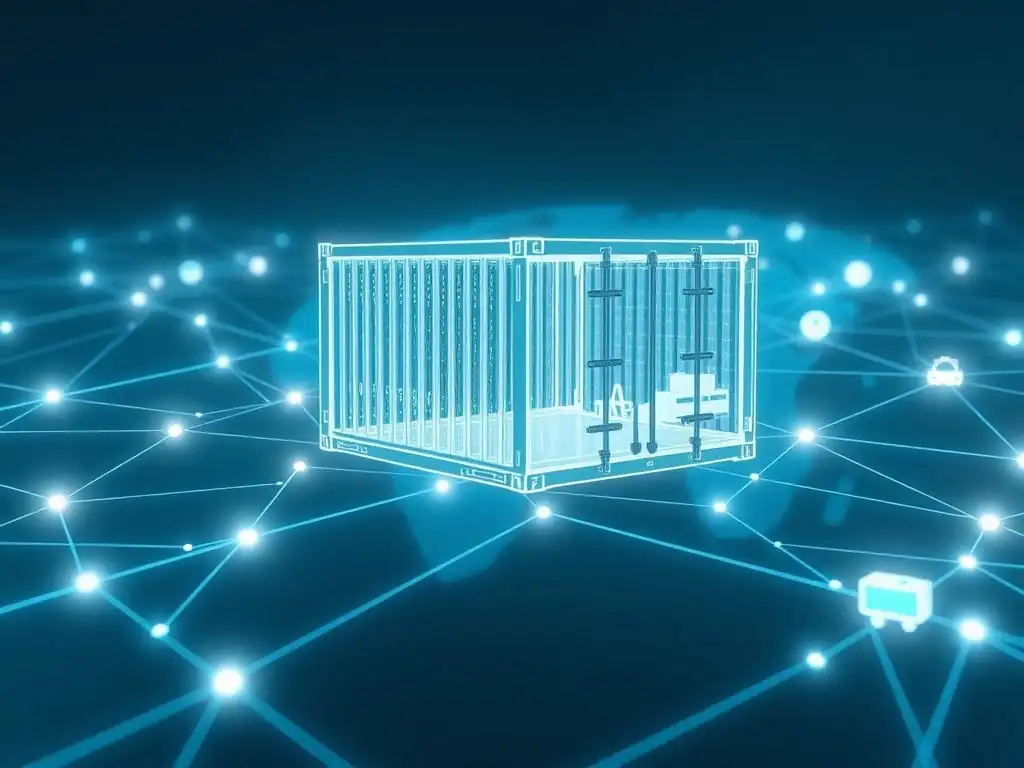
The convergence of blockchain and the metaverse fundamentally enhances transparency and trust throughout the supply chain. Blockchain provides the verifiable, immutable ledger that tracks every step and transaction, ensuring that data is accurate and cannot be tampered with. The metaverse provides an intuitive, visual interface to access and explore this data in an immersive way. Together, they create an unprecedented level of visibility for all permissioned stakeholders, from raw material suppliers to end consumers.
This shared, transparent view of the supply chain journey, grounded in verifiable data, eliminates information asymmetry and fosters trust among parties who may not have prior relationships. Participants can rely on the accuracy of the information presented in the metaverse environment because they know it is securely recorded on the underlying blockchain, reducing disputes and building stronger collaborative relationships.
Improved Efficiency and Reduced Costs
Blockchain-powered metaverse supply chains promise significant improvements in efficiency and reductions in operational costs. Real-time, accurate data from the blockchain, visualized effectively in the metaverse, enables faster and more informed decision-making. Automating data entry and verification via blockchain reduces manual processes and the errors associated with them.
Furthermore, capabilities like virtual inspections reduce the need for expensive business travel. Streamlined data flow across the network, enabled by blockchain, can speed up processes like customs clearance, inventory management, and payment reconciliation. While initial investment in these technologies can be substantial, the long-term gains from reduced waste, lower administrative overhead, faster lead times, and improved resource allocation contribute to overall cost reduction in blockchain metaverse supply chain experiences.
Enhanced Security and Reduced Risk
Leveraging blockchain's inherent security features significantly enhances the security of supply chain data and reduces risks like fraud and counterfeiting. The immutable nature of the blockchain ledger makes it extremely difficult for malicious actors to alter transaction histories or product records. Cryptography protects data integrity, and decentralization removes single points of failure.
Combining this with the metaverse for visualization and interaction, especially through the use of NFTs for product authentication, provides a robust defense against counterfeit goods entering the supply chain. Stakeholders can easily verify the authenticity and legitimate provenance of products by interacting with their digital twins and associated blockchain records in the metaverse, protecting brand reputation and consumer safety.
Better Collaboration
The metaverse provides a powerful platform for enhancing collaboration among geographically dispersed supply chain partners. Its immersive, shared virtual environments allow teams to interact with data and digital assets in a more natural and engaging way than traditional tools. This fosters a sense of shared presence and facilitates more effective communication and brainstorming.
Crucially, by drawing data from a blockchain, the metaverse environment ensures that all collaborators are viewing the same, verified, and up-to-date information. This shared source of truth eliminates confusion and disputes arising from inconsistent data, enabling more streamlined and effective collaborative planning, problem-solving, and decision-making across the entire network, leading to more productive blockchain metaverse supply chain experiences.
Challenges and Considerations for Implementation
Scalability and Performance
One significant challenge for implementing blockchain metaverse supply chain solutions at scale is the current limitations in the scalability and performance of some blockchain networks. Tracking millions or billions of individual items moving through a global supply chain in real-time could generate an enormous volume of transactions. While enterprise-focused blockchain solutions and Layer 2 scaling technologies are addressing this, ensuring the network can handle the required throughput and maintain low transaction costs remains a key consideration.
Furthermore, rendering and interacting with complex, detailed metaverse environments populated with numerous digital twins and real-time data streams requires substantial computing power, high bandwidth, and low latency. Ensuring a smooth and responsive user experience for a large number of concurrent users across different geographical locations with varying internet infrastructure is a non-trivial technical challenge.
Interoperability
Implementing a truly end-to-end blockchain metaverse supply chain requires seamless interoperability between various technologies and systems. This includes ensuring different blockchain networks (if multiple are used across the chain or for different purposes) can communicate and share data effectively. Standards for cross-chain communication are still evolving.
Equally challenging is the integration of metaverse platforms with existing legacy supply chain IT systems (such as ERP, WMS, TMS) and the chosen blockchain network. Data needs to flow accurately and efficiently between physical assets (via IoT sensors), the blockchain ledger, and the metaverse visualization layer. Achieving this requires complex integration work and the development of standardized protocols for data exchange between these disparate systems.
Data Privacy and Security
While blockchain enhances data security through immutability and cryptography, the nature of a shared, distributed ledger raises important data privacy considerations. Sensitive commercial data, such as pricing information, supplier contracts, or proprietary manufacturing processes, needs to be shared only with authorized parties. Implementing robust permissioning, access controls, and potentially zero-knowledge proofs or private transactions on the blockchain is crucial to balance transparency with confidentiality requirements.
Furthermore, the emerging nature of metaverse platforms introduces new security risks. These environments could be targets for hacking, data breaches, or unauthorized access to sensitive supply chain information or digital assets (like product NFTs). Ensuring strong authentication mechanisms for users, securing digital wallets holding NFTs, and protecting the metaverse platform itself from cyber threats are critical security considerations for blockchain metaverse supply chain experiences.
Regulatory Uncertainty
The regulatory landscape for both blockchain technology and the metaverse is still developing in many parts of the world. This uncertainty can pose challenges for implementing global supply chain solutions that span multiple jurisdictions. Questions around the legal status of digital assets like NFTs, the enforceability of smart contracts across borders, data sovereignty laws (e.g., GDPR), and potential taxation of virtual transactions within the metaverse need to be addressed.
Businesses adopting these technologies must navigate this evolving legal environment, which can vary significantly from country to country. Lack of clear regulations can create risks and complexities, potentially slowing down widespread adoption until more standardized and predictable legal frameworks are established for blockchain metaverse supply chain applications.
Real-World Examples and Case Studies
While fully integrated, end-to-end blockchain metaverse supply chains are still largely in pilot phases or conceptual development, real-world examples of the foundational technologies demonstrate their potential. In blockchain for supply chain, companies like Walmart have famously used Hyperledger Fabric (an enterprise blockchain) to improve traceability in its leafy greens supply chain, reducing the time to trace a product from a farm to a store from days or weeks to seconds.
Maersk and IBM collaborated on TradeLens, a blockchain-based platform aimed at increasing transparency and efficiency in global container logistics by creating a shared record of shipping data among carriers, ports, and customs authorities (though the platform was later discontinued, it showcased the concept's viability). These examples highlight blockchain's power in providing verifiable traceability and data sharing.
In the realm of the metaverse and digital twins for enterprise, companies like NVIDIA are developing platforms such as Omniverse, enabling industrial companies to create digital twins of factories and simulations for optimization. BMW has used NVIDIA Omniverse to create a digital twin of its factory, allowing for better planning and optimization of production lines in a virtual environment. Similarly, companies are increasingly using VR/AR for employee training, simulating complex tasks or environments.
While these examples don't yet fully combine blockchain and metaverse for supply chain management in a single, widespread application, they showcase the building blocks: blockchain for trusted data and digital asset management, and the metaverse for immersive visualization, interaction, and simulation. Consulting firms and technology providers are actively exploring and piloting combined blockchain metaverse supply chain experiences, pointing towards future implementations.
The Future of Blockchain and Metaverse in Supply Chain
Emerging Trends and Technologies
The future of blockchain and the metaverse in supply chain management will be shaped by ongoing advancements in both core technologies. For blockchain, we can expect improvements in scalability and performance through Layer 2 solutions like rollups and sharding, making it more feasible to handle the high transaction volumes of global supply chains. Interoperability solutions and cross-chain bridges will become more mature, allowing for seamless tracking of goods across different networks and industries. Furthermore, advancements in privacy-preserving technologies like zero-knowledge proofs will enable selective data sharing while maintaining confidentiality.
In the metaverse space, hardware is becoming more accessible and capable, with lighter VR headsets and improved AR glasses. Haptic feedback technology will become more sophisticated, allowing for more realistic interactions within virtual environments. The integration of artificial intelligence (AI) will make metaverse simulations more dynamic and intelligent, enabling more complex scenarios for training and planning. These technological trends will make immersive blockchain metaverse supply chain experiences more practical, accessible, and powerful.
Potential for Innovation
The convergence of these technologies opens up vast potential for innovation in supply chain management. Imagine fully autonomous supply chains managed by AI and smart contracts operating within a metaverse environment, where disruptions are identified through real-time data from digital twins and resolved automatically or through collaborative intervention in the virtual space before they significantly impact the physical world.
Decentralized Autonomous Organizations (DAOs) could potentially govern certain aspects of supply chain networks, enabling more democratic decision-making among stakeholders. Tokenized incentives within the metaverse could be used to reward participants for sustainable practices, efficient logistics, or verified quality control, driving desired behaviors across the network. The ability to create, manage, and interact with tokenized assets (like NFTs representing goods or documents) in an immersive environment will likely lead to entirely new business models and financial flows within supply chains, pushing the boundaries of blockchain metaverse supply chain experiences.
Long-Term Impact
In the long term, widespread adoption of blockchain and metaverse technologies could fundamentally transform global supply chains. They have the potential to make supply chains significantly more resilient to disruptions, highly transparent to all stakeholders, and dramatically more efficient. This could lead to reduced waste across the value chain, faster delivery times, and lower operational costs.
The impact on consumer engagement is also profound. Consumers could gain unprecedented visibility into the products they purchase, verifying ethical sourcing, sustainability claims, and authenticity through immersive metaverse experiences powered by blockchain data. The metaverse could become a standard channel for post-purchase support, product information, or even interactive recall notifications, creating a deeper connection between brands and consumers through rich blockchain metaverse supply chain experiences.
Conclusion: Embracing Immersive Experiences
Transformative Potential
The traditional supply chain, often opaque, inefficient, and vulnerable to fraud, is ripe for disruption. The convergence of blockchain technology, with its inherent transparency, security, and immutability, and the metaverse, with its capacity for immersive visualization and interaction, offers a powerful solution. This synergy has the transformative potential to overcome long-standing challenges, creating supply chains that are not only more efficient and secure but also more trustworthy and engaging for all participants.
From enhancing product provenance and enabling remote quality inspections to fostering global collaboration and delivering immersive training, the applications of blockchain and the metaverse in supply chains are diverse and impactful. These technologies pave the way for a future where understanding and managing complex global networks is intuitive, data is reliable, and interactions are rich and meaningful, ushering in a new era of blockchain metaverse supply chain experiences.
Call to Action
While the journey towards fully integrated blockchain metaverse supply chains is still underway, the foundational technologies are mature and the potential benefits are clear. Businesses and supply chain professionals should begin exploring how these innovations can be applied to their specific operations. Starting with targeted pilot programs focused on specific use cases, such as improving traceability for high-value goods or implementing immersive training modules, can provide valuable insights and build internal expertise.
Embracing education and staying informed about the rapid developments in both blockchain and metaverse technologies is crucial. The future of supply chain management is likely to be decentralized, digital, and deeply immersive, and those who start exploring blockchain metaverse supply chain experiences today will be best positioned to lead in this evolving landscape.
Frequently Asked Questions
How can blockchain technology enhance supply chain experiences in the metaverse?
Blockchain enables transparent and immutable tracking of products, ensuring authenticity and origin. This builds trust and enhances the overall user experience within the metaverse supply chain. It also facilitates secure data sharing among stakeholders.
What role does the metaverse play in transforming traditional supply chain management?
The metaverse offers a virtual environment for simulating and optimizing supply chain operations. This allows for improved visibility, collaboration, and decision-making. It can also create immersive training experiences for supply chain professionals.
What are the key benefits of integrating blockchain with metaverse supply chains?
Integrating blockchain ensures data integrity and security, critical for metaverse transactions. It fosters greater transparency and traceability across the supply chain. This leads to improved efficiency and reduced fraud.
What are the potential challenges of implementing blockchain-based metaverse supply chains?
Challenges include the lack of standardized protocols, scalability issues with blockchain technology, and the need for interoperability between different metaverse platforms and blockchain networks. Data privacy concerns also require attention.
How will regulation impact the development of blockchain metaverse supply chain experiences?
Clear regulatory frameworks are needed to address data protection, intellectual property rights, and consumer protection within the metaverse. Regulations will influence the adoption and implementation of blockchain solutions in this space, potentially fostering or hindering innovation. Compliance will be key for businesses.
Final Reflection: Embracing Transparency in the Metaverse
The exploration of blockchain metaverse supply chain experiences reveals a transformative potential, one that extends far beyond mere technological advancement. Today, as businesses grapple with increasing demands for transparency and ethical sourcing, the integration of these technologies offers a tangible pathway towards building trust and accountability within complex global networks. This is not just about efficiency; it's about fundamentally reshaping how we interact with the products and services that underpin our daily lives.
The ongoing convergence of blockchain and the metaverse is not merely a trend, but a paradigm shift that has deeply influenced the cultural landscape of commerce and consumer expectations. Witnessing the potential for verifiable provenance and immersive product journeys has ignited a desire for greater connection and understanding. The future of supply chains is not just about moving goods; it's about moving information and building trust.
This quote encapsulates the essence of what we've explored, highlighting the critical role of transparency in fostering a more sustainable and ethical future.
As we stand on the cusp of this new era, I invite you to reflect on the power of these technologies to revolutionize not only supply chains, but also our understanding of value and responsibility. Consider how you can champion transparency in your own sphere of influence, whether as a consumer, a business leader, or simply a conscious citizen. The future of supply chains, and indeed, the future of commerce, is in our hands. Let us build it together, brick by digital brick, with integrity and vision.
Unlock the Future: Step into the Metaverse Supply Chain Revolution!
Thank you for exploring the exciting potential of blockchain technology within the metaverse and its influence on supply chains. Now that you've gained insight into the possibilities, it's time to take action.
Here are some ways you can participate in this transformative movement:
- Explore Platforms: Begin investigating current metaverse environments to identify ways they can improve supply chain transparency and efficiency. Experience the technology firsthand and see what’s possible.
- Share and Discuss: Distribute this article with colleagues and initiate conversations about how blockchain and the metaverse could revolutionize your company's supply chain strategies.
- Innovate: Think creatively about new applications—could decentralized autonomous organizations manage logistics virtually, or could digital tokens serve as proof of product origin? Let your ideas flow.
Are you ready to dive into the metaverse and rethink your supply chain approach? What innovative project will you start with?
Leave a Reply