
Blockchain Security Auditing for Metaverse Applications: Securing Virtual Worlds and Digital Experiences


Welcome to Blockchain Trends, your go-to source for unraveling the evolving landscape of blockchain technology. Beyond the hype surrounding cryptocurrencies, we delve into the real-world applications that are reshaping industries. Ever wondered how secure your virtual presence truly is? In this article, we explore the critical importance of blockchain metaverse security audits, a vital step in safeguarding our digital futures. Discover how these audits are protecting virtual worlds and digital experiences, and why they are essential for a thriving metaverse. Read on to learn more about the vulnerabilities and solutions shaping this exciting new frontier.
Blockchain Security Auditing for Metaverse Applications: Securing Virtual Worlds and Digital Experiences
- Introduction: The Growing Need for Metaverse Security Audits
- The Unique Security Challenges in Blockchain-Based Metaverses
-
Blockchain Metaverse Security Audit Methodologies and Best Practices
- Defining the Scope of a Blockchain Metaverse Security Audit
- Static Analysis for Smart Contract Vulnerabilities in Metaverse Applications
- Dynamic Analysis and Penetration Testing of Metaverse Platforms
- Security Code Review for Metaverse Blockchain Projects
- Formal Verification for Critical Metaverse Smart Contracts
- Key Areas of Focus for Blockchain Metaverse Security Audits
- Tools and Technologies for Blockchain Metaverse Security Auditing
- Case Studies: Real-World Examples of Blockchain Metaverse Security Audits
- The Future of Blockchain Metaverse Security Auditing
- Conclusion: Investing in Blockchain Metaverse Security for Long-Term Success
-
Frequently Asked Questions
- What exactly are Blockchain Metaverse Security Audits, and why are they necessary?
- How do Blockchain Metaverse Security Audits differ from traditional web application security audits?
- What are the key areas typically covered in a Blockchain Metaverse Security Audit?
- What are the potential risks of not conducting Blockchain Metaverse Security Audits?
- How often should Blockchain Metaverse Security Audits be performed?
- Final Reflection: Fortifying the Metaverse Frontier
- Elevate Your Metaverse Security Today!
Introduction: The Growing Need for Metaverse Security Audits
Understanding the Convergence of Blockchain and the Metaverse
The metaverse, envisioned as immersive, shared virtual worlds, is increasingly leveraging blockchain technology to enhance its functionalities and user experiences. Blockchain's inherent characteristics—decentralization, transparency, and immutability—offer solutions for digital ownership, secure transactions, and user-driven economies within metaverse environments.
This convergence allows for the creation of persistent digital identities, verifiable ownership of virtual assets like NFTs (Non-Fungible Tokens), and decentralized governance models within these virtual realms. The integration of blockchain into metaverses is not merely about adding cryptocurrency payments; it's about fundamentally reshaping how users interact, own, and transact within these digital spaces, fostering a more user-centric and secure virtual experience.
The potential of this synergy is immense, promising to revolutionize industries from gaming and entertainment to commerce and social interaction. However, this powerful combination also introduces a new layer of complexity and potential vulnerabilities. As metaverses become more intertwined with blockchain, the security of these platforms becomes paramount.
The value exchanged within these virtual worlds—digital assets, personal data, and even real-world financial transactions—necessitates robust security measures to protect users and maintain the integrity of these burgeoning digital economies. The increasing adoption of blockchain in metaverse applications highlights the critical need for specialized security practices, particularly blockchain metaverse security audits, to ensure the safety and trustworthiness of these virtual environments.
Why Blockchain Metaverse Security Audits are Crucial
Blockchain metaverse security audits are not merely a best practice; they are becoming an essential requirement for the sustainable growth and user trust in these platforms. Given the decentralized and often permissionless nature of blockchain systems, vulnerabilities can have far-reaching consequences, potentially impacting a large number of users and causing significant financial losses.
A compromised smart contract governing virtual land ownership in a metaverse, for example, could lead to the unauthorized transfer of valuable digital assets, eroding user confidence and disrupting the entire virtual economy. The proactive identification and mitigation of security risks through rigorous audits are, therefore, crucial to preventing such catastrophic events.
Furthermore, the novelty of blockchain-based metaverses means that traditional security approaches may not be entirely sufficient. The unique combination of virtual reality interfaces, decentralized systems, and complex economic models requires a specialized understanding of both blockchain security and metaverse-specific vulnerabilities. Blockchain metaverse security audits provide this tailored assessment, examining the smart contracts, decentralized applications (dApps), and underlying infrastructure that power these virtual worlds.
These audits ensure that the security mechanisms are robust, up-to-date with evolving threats, and effectively protect users and their assets within these increasingly important digital ecosystems. Investing in comprehensive blockchain metaverse security audits is an investment in the long-term viability and trustworthiness of these virtual worlds.
The Unique Security Challenges in Blockchain-Based Metaverses
Decentralized Infrastructure and Smart Contract Vulnerabilities in Metaverse Platforms
Metaverse platforms built on blockchain leverage decentralized infrastructure to ensure resilience and censorship resistance. However, this decentralization also introduces unique security challenges. Smart contracts, the self-executing agreements that govern many metaverse functionalities, including asset ownership and in-world transactions, are a primary target for attackers.
Vulnerabilities in these contracts, such as reentrancy bugs or integer overflows, can be exploited to drain funds, manipulate asset ownership, or disrupt platform operations. For example, the infamous DAO hack in 2016, which resulted in the theft of millions of dollars worth of Ether, demonstrated the devastating consequences of smart contract vulnerabilities on a decentralized platform. Metaverse platforms, often dealing with even more complex economic interactions and user data, face similar, if not amplified, risks.
The immutability of blockchain, while a strength in terms of data integrity, becomes a challenge when vulnerabilities are discovered in deployed smart contracts. Once a flawed smart contract is live on the blockchain, patching it is not straightforward. Mitigation often involves complex and potentially disruptive workarounds, such as deploying new contracts and migrating assets, which can still be vulnerable during the transition period.
Therefore, rigorous pre-deployment security audits, including static analysis, dynamic testing, and formal verification, are critical to identify and remediate vulnerabilities before they can be exploited in live blockchain metaverse environments. The decentralized nature, coupled with smart contract complexity and immutability, demands a proactive and thorough approach to blockchain metaverse security audits.
Identity and Access Management Risks in Virtual Worlds
Identity and access management (IAM) in metaverse environments presents a unique set of security challenges, especially when blockchain technology is involved. While blockchain can offer decentralized identity solutions, the integration with immersive virtual worlds introduces complexities related to user authentication, authorization, and privacy. Traditional IAM systems often rely on centralized databases, which become single points of failure and potential targets for large-scale data breaches.
In contrast, blockchain-based identity solutions aim to empower users with self-sovereign identity, giving them greater control over their digital identities and data. However, the implementation of secure and user-friendly decentralized IAM in metaverses is still evolving.
Risks in metaverse IAM include phishing attacks targeting users' private keys, session hijacking in virtual reality environments, and vulnerabilities in the smart contracts managing user identities and permissions. For instance, if a user's private key is compromised, an attacker could gain complete control over their metaverse avatar, digital assets, and identity. Furthermore, the immersive nature of metaverses can make users more susceptible to social engineering attacks.
Security audits for blockchain metaverses must thoroughly examine the IAM mechanisms, focusing on the robustness of authentication protocols, the security of private key management, and the resilience of authorization systems to prevent unauthorized access and identity theft within these virtual worlds. Ensuring secure and user-centric IAM is crucial for building trust and fostering widespread adoption of blockchain-based metaverses.
Data Privacy and Security Concerns in Metaverse Environments
Metaverses, by their nature, collect and process vast amounts of user data, ranging from biometric information for avatar customization to behavioral data tracking user interactions within virtual worlds. When these metaverses are built on blockchain, data privacy and security concerns become even more intricate. While blockchain itself offers transparency and immutability, it does not inherently guarantee data privacy. Data stored directly on a public blockchain is, by definition, publicly accessible. Metaverse platforms must therefore implement careful strategies for data management to comply with privacy regulations like GDPR and CCPA, while also ensuring the security and confidentiality of user information.
Challenges arise in balancing the transparency of blockchain with the need for user privacy in metaverse environments. Solutions like zero-knowledge proofs and homomorphic encryption are being explored to enable privacy-preserving data processing on blockchain. However, these technologies are still maturing, and their practical implementation in complex metaverse applications requires careful security considerations.
Furthermore, the decentralized nature of blockchain can complicate data governance and compliance. Blockchain metaverse security audits must extend beyond smart contract vulnerabilities and infrastructure security to encompass data privacy practices, data encryption methods, and compliance with relevant data protection regulations. Audits should assess how user data is collected, stored, processed, and protected throughout the metaverse ecosystem, ensuring that privacy is not compromised in the pursuit of immersive virtual experiences.
Economic Security Risks: NFTs, Virtual Assets, and Metaverse Economies
The economies of blockchain-based metaverses are often driven by virtual assets, particularly NFTs, representing ownership of digital land, avatars, in-game items, and other unique digital collectibles. This reliance on virtual assets introduces a significant layer of economic security risks. NFTs, while representing ownership on the blockchain, are still susceptible to vulnerabilities in smart contracts, marketplaces, and user wallets.
Exploits targeting NFT smart contracts can lead to unauthorized minting, burning, or transfer of valuable digital assets, resulting in substantial financial losses for users and undermining the metaverse economy. The high value often associated with NFTs in popular metaverses makes them prime targets for malicious actors.
Furthermore, the decentralized nature of metaverse economies can make it challenging to regulate and mitigate economic risks. Market manipulation, wash trading, and rug pulls are potential threats in decentralized NFT marketplaces. Security audits in this context must not only focus on the technical security of smart contracts and infrastructure but also consider the economic security aspects of the metaverse ecosystem.
This includes assessing the mechanisms in place to prevent market manipulation, protect users from fraudulent activities, and ensure the fair and stable functioning of the virtual economy. Blockchain metaverse security audits should encompass a holistic approach, addressing both technical and economic security risks to safeguard the value and integrity of these emerging digital economies.
Blockchain Metaverse Security Audit Methodologies and Best Practices
Defining the Scope of a Blockchain Metaverse Security Audit
Defining the scope of a blockchain metaverse security audit is the foundational step to ensure a comprehensive and effective assessment. The scope should be tailored to the specific architecture, functionalities, and risk profile of the metaverse platform being audited. This involves identifying all critical components that need to be examined, including smart contracts governing asset ownership and transactions, decentralized applications (dApps) providing metaverse functionalities, the underlying blockchain infrastructure, and any centralized elements interacting with the decentralized system. A well-defined scope prevents overlooking crucial areas and ensures that the audit effort is focused on the most critical security aspects.
The scoping process should involve stakeholders from both the metaverse development team and the security audit firm. It requires a thorough understanding of the metaverse's architecture, business logic, and intended user interactions.
Factors to consider when defining the scope include the complexity of smart contracts, the volume and value of virtual assets managed by the platform, the sensitivity of user data processed, and the potential impact of security breaches on users and the metaverse ecosystem. A clear and well-documented scope serves as a roadmap for the audit process, guiding the selection of appropriate methodologies, tools, and the allocation of resources to achieve a thorough and valuable blockchain metaverse security audit.
Static Analysis for Smart Contract Vulnerabilities in Metaverse Applications
Static analysis is a crucial methodology for identifying potential vulnerabilities in smart contracts powering metaverse applications without actually executing the code. This technique involves examining the source code of smart contracts for common security flaws, such as reentrancy vulnerabilities, integer overflows, gas limit issues, and insecure randomness. Static analysis tools can automatically scan smart contract code and flag potential issues based on predefined rules and patterns. These tools often leverage symbolic execution and formal methods to reason about the behavior of smart contracts and identify vulnerabilities that might be missed by manual code review alone.
For blockchain metaverse security audits, static analysis is particularly valuable due to the complexity and criticality of smart contracts governing virtual assets and in-world economies. Tools like Slither, Mythril, and Oyente are commonly used for static analysis of Solidity smart contracts, the prevalent language for Ethereum-based metaverses. While static analysis is effective in detecting many types of vulnerabilities, it is not a silver bullet.
It may produce false positives or miss certain types of vulnerabilities that are context-dependent or require dynamic execution to uncover. Therefore, static analysis should be complemented by other security audit methodologies, such as dynamic analysis and manual code review, to achieve a more comprehensive and robust blockchain metaverse security assessment.
Dynamic Analysis and Penetration Testing of Metaverse Platforms
Dynamic analysis and penetration testing are essential methodologies for evaluating the security of a live blockchain metaverse platform by simulating real-world attack scenarios. Dynamic analysis involves executing the metaverse application and its smart contracts in a controlled environment to observe their behavior and identify vulnerabilities that may only manifest during runtime. This can include fuzzing, which involves feeding unexpected or malformed inputs to the application to trigger errors or crashes, and monitoring system logs and network traffic for suspicious activity.
Penetration testing, often referred to as "ethical hacking," takes a more proactive approach. Security experts simulate attacks against the metaverse platform to identify weaknesses in its defenses and assess the potential impact of successful exploits. This can include testing for vulnerabilities in web interfaces, APIs, smart contract interactions, and the underlying blockchain infrastructure.
For blockchain metaverses, penetration testing might involve attempting to exploit smart contract vulnerabilities, bypass access controls in virtual environments, or manipulate in-world economies. Dynamic analysis and penetration testing provide valuable insights into the real-world security posture of a metaverse platform, complementing static analysis and code review to offer a more complete security assessment.
Security Code Review for Metaverse Blockchain Projects
Security code review is a fundamental practice in blockchain metaverse security audits, involving a manual, line-by-line examination of the smart contract and application code by experienced security auditors. This methodology goes beyond automated tools and leverages human expertise to identify subtle vulnerabilities, business logic flaws, and potential security weaknesses that might be missed by static or dynamic analysis. Code reviewers bring a deep understanding of common security patterns, attack vectors, and secure coding best practices to the audit process.
For metaverse blockchain projects, code review is particularly crucial due to the complex interactions between smart contracts, decentralized applications, and virtual world environments. Auditors carefully examine the code for logical flaws, improper input validation, insecure cryptographic implementations, and deviations from secure coding standards. They also assess the overall architecture and design of the metaverse platform to identify potential systemic security risks.
Effective code review requires not only technical expertise but also a thorough understanding of the metaverse's business logic and intended functionality. Combining automated tools with expert manual code review provides the most comprehensive and robust approach to blockchain metaverse security auditing, ensuring a high level of confidence in the security of these virtual worlds.
Formal Verification for Critical Metaverse Smart Contracts
Formal verification is a rigorous mathematical technique used to prove the correctness and security properties of critical smart contracts in metaverse applications. Unlike testing or code review, which can only demonstrate the absence of known vulnerabilities in specific scenarios, formal verification aims to mathematically prove that a smart contract behaves as intended under all possible conditions and is free from certain classes of vulnerabilities. This methodology utilizes formal specifications and mathematical models to represent the smart contract's behavior and then applies automated theorem provers or model checkers to verify that the contract satisfies the specified security properties.
For blockchain metaverses, formal verification is particularly valuable for high-stakes smart contracts that govern core functionalities, such as asset ownership, token issuance, and critical economic mechanisms. While formal verification can be resource-intensive and requires specialized expertise, it provides the highest level of assurance in the security of these critical components.
It can uncover subtle vulnerabilities that might be missed by other audit methodologies and significantly reduce the risk of catastrophic exploits. Formal verification is often applied selectively to the most critical smart contracts in a metaverse platform, complementing other audit techniques to achieve a layered and comprehensive blockchain metaverse security assurance strategy.
Key Areas of Focus for Blockchain Metaverse Security Audits
NFT Security Audits: Protecting Digital Assets in the Metaverse
NFT security audits are a crucial component of blockchain metaverse security, focusing specifically on the vulnerabilities and risks associated with Non-Fungible Tokens within virtual worlds. These audits examine the smart contracts that mint, manage, and trade NFTs, ensuring they are free from vulnerabilities that could lead to unauthorized minting, theft, or manipulation of these valuable digital assets. NFT audits also assess the security of NFT marketplaces and platforms where users buy, sell, and interact with their digital collectibles within the metaverse environment.
Key areas of focus in NFT security audits include: smart contract vulnerabilities such as reentrancy, integer overflows, and access control issues; metadata security to prevent tampering or manipulation of NFT attributes; marketplace security to protect against fraud, phishing, and market manipulation; and wallet security to ensure users can securely store and manage their NFTs. Given the significant economic value often associated with NFTs in metaverses, robust NFT security audits are essential to protect user investments, maintain trust in the virtual economy, and ensure the long-term viability of blockchain-based virtual worlds.
These audits are a specialized area within blockchain metaverse security, requiring expertise in both smart contract security and the unique characteristics of NFT ecosystems.
Smart Contract Security Audits for Metaverse Applications
Smart contract security audits for metaverse applications are a core component of ensuring the overall security of these virtual worlds. Given that smart contracts govern critical functionalities such as asset ownership, in-world transactions, governance mechanisms, and economic systems, their security is paramount. These audits go beyond just NFT contracts and encompass all smart contracts within the metaverse ecosystem, including those managing virtual land, in-game items, avatars, and decentralized autonomous organizations (DAOs).
Key focus areas for smart contract security audits in metaverses include: vulnerability identification using static analysis, dynamic analysis, and code review techniques; business logic verification to ensure smart contracts function as intended and prevent unintended consequences; gas optimization to minimize transaction costs and prevent denial-of-service attacks; and access control mechanisms to ensure only authorized users can perform specific actions. These audits are tailored to the specific functionalities and complexities of metaverse smart contracts, addressing the unique security challenges introduced by virtual world environments and decentralized economies.
Thorough smart contract security audits are fundamental to building secure and trustworthy blockchain metaverses.
Data Security and Privacy Audits in Virtual Environments
Data security and privacy audits in metaverse environments are increasingly important as these virtual worlds collect and process vast amounts of user data. These audits focus on ensuring that metaverse platforms handle user data responsibly, securely, and in compliance with relevant privacy regulations like GDPR and CCPA. The scope of these audits extends beyond traditional cybersecurity to encompass the unique data privacy challenges posed by immersive virtual environments and blockchain technology.
Key areas of focus include: data minimization to ensure only necessary data is collected; data encryption to protect user data at rest and in transit; access control to limit data access to authorized personnel; privacy policy review to ensure transparency and compliance; and security measures to prevent data breaches and unauthorized data access. Given the sensitive nature of data collected in metaverses, including biometric data, behavioral patterns, and personal interactions, robust data security and privacy audits are critical for building user trust and fostering responsible development of blockchain-based virtual worlds.
These audits are essential for navigating the complex intersection of data privacy, cybersecurity, and the immersive nature of metaverse environments.
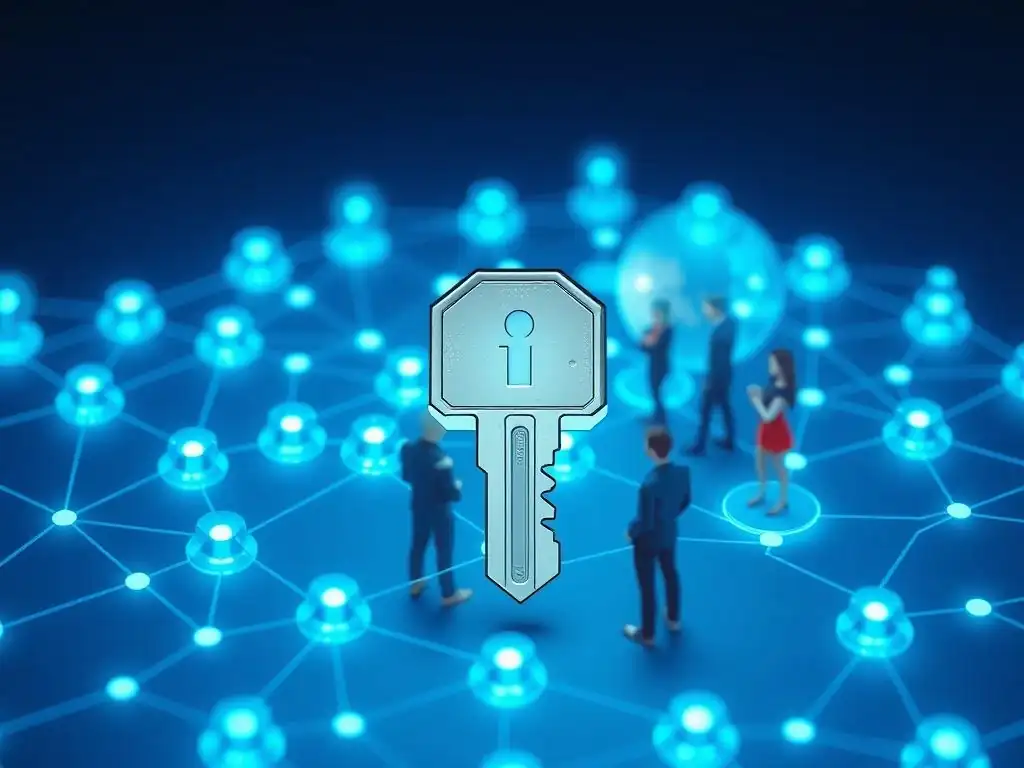
Authentication and authorization security audits are vital for ensuring secure access and identity management within blockchain metaverses. These audits focus on verifying that only legitimate users can access metaverse platforms and that users are granted appropriate permissions based on their roles and privileges. The decentralized and often pseudonymous nature of blockchain introduces unique challenges to traditional authentication and authorization models, requiring specialized audit approaches.
Key areas of focus include: authentication mechanism review to assess the security of login processes, password management, and multi-factor authentication; authorization control testing to verify that access permissions are correctly enforced and prevent privilege escalation; session management security to protect against session hijacking and unauthorized access; and decentralized identity (DID) integration security to ensure secure and privacy-preserving identity management. Robust authentication and authorization are fundamental to preventing unauthorized access to metaverse platforms, protecting user accounts and digital assets, and maintaining the integrity of virtual world environments. These audits are crucial for building secure and user-friendly blockchain metaverses.
Infrastructure Security Audits for Metaverse Platforms
Infrastructure security audits for metaverse platforms examine the underlying technological infrastructure that supports these virtual worlds, ensuring its resilience, security, and stability. This includes assessing the security of servers, networks, databases, and other critical infrastructure components that host and operate the metaverse platform. Infrastructure audits are crucial for preventing denial-of-service attacks, data breaches, and other security incidents that could disrupt metaverse operations or compromise user data.
Key areas of focus include: server security hardening to ensure servers are configured securely and protected against vulnerabilities; network security assessment to examine firewalls, intrusion detection systems, and network segmentation; database security audit to review database access controls, encryption, and backup procedures; cloud security assessment if the metaverse platform is hosted on cloud infrastructure; and disaster recovery and business continuity planning to ensure platform resilience in the event of outages or attacks. A secure and robust infrastructure is the foundation for a reliable and trustworthy metaverse experience.
Comprehensive infrastructure security audits are essential for mitigating risks and ensuring the long-term stability and security of blockchain-based virtual worlds.
Tools and Technologies for Blockchain Metaverse Security Auditing
Smart Contract Analysis Tools for Metaverse Security
Several specialized tools and technologies are available to aid in smart contract analysis for blockchain metaverse security audits. These tools automate various aspects of the audit process, from vulnerability detection to code visualization, enhancing efficiency and comprehensiveness. Static analysis tools like Slither, Mythril, and Oyente are widely used to automatically scan Solidity smart contracts for common vulnerabilities, such as reentrancy, integer overflows, and gas limit issues. These tools provide detailed reports highlighting potential security flaws and their locations in the code.
Beyond static analysis, dynamic analysis tools like Echidna and Harvey allow for fuzzing and property-based testing of smart contracts. These tools generate a large number of test cases to explore different execution paths and uncover unexpected behavior or vulnerabilities. Symbolic execution tools, such as Manticore, enable deeper analysis by exploring all possible execution paths of a smart contract, helping to identify complex vulnerabilities that might be missed by simpler tools.
Furthermore, integrated development environments (IDEs) like Remix and Hardhat offer built-in security analysis features and plugins that can be used during smart contract development and auditing. The effective utilization of these smart contract analysis tools is crucial for conducting thorough and efficient blockchain metaverse security audits.
Fuzzing Tools for Metaverse Application Security
Fuzzing tools are valuable assets in metaverse application security, enabling the discovery of vulnerabilities by automatically feeding unexpected or malformed inputs to the application and monitoring for crashes or errors. For metaverse applications, fuzzing can be applied to various components, including smart contracts, APIs, web interfaces, and even virtual reality clients. By systematically testing different input combinations, fuzzing can uncover edge cases and vulnerabilities that might not be apparent through manual testing or code review alone.
Tools like American Fuzzy Lop (AFL) and LibFuzzer are general-purpose fuzzers that can be adapted for metaverse application security testing. For smart contract fuzzing, tools like Echidna and Harvey, specifically designed for Solidity, are highly effective. Web application fuzzers can be used to test the security of metaverse web interfaces and APIs.
Furthermore, specialized fuzzing tools may be developed or adapted to target specific metaverse functionalities or protocols. Fuzzing is a powerful technique for proactively identifying vulnerabilities in metaverse applications and improving their overall security posture. Integrating fuzzing into the security testing process is a best practice for blockchain metaverse development and auditing.
Security Information and Event Management (SIEM) for Metaverse Monitoring
Security Information and Event Management (SIEM) systems play a crucial role in continuously monitoring blockchain metaverse platforms for security threats and anomalies. SIEM solutions collect and analyze security logs and events from various sources across the metaverse infrastructure, including servers, networks, applications, and smart contracts. By correlating events and applying security rules and analytics, SIEM systems can detect suspicious activities, security incidents, and potential breaches in real-time.
For metaverse monitoring, SIEM systems can ingest logs from blockchain nodes, smart contract event logs, application logs, and network traffic data. They can be configured to alert security teams to suspicious transactions, unauthorized access attempts, smart contract anomalies, and other security events. SIEM systems also provide valuable insights for incident response and forensic analysis, enabling security teams to quickly investigate and remediate security incidents.
Choosing and implementing an appropriate SIEM solution is essential for maintaining continuous security monitoring and incident response capabilities for blockchain metaverse platforms. Real-time threat detection and incident response are critical for protecting metaverse users and assets.
Blockchain Explorers for Transaction Analysis in Metaverse Audits
Blockchain explorers are indispensable tools for transaction analysis during blockchain metaverse security audits. These web-based interfaces provide a user-friendly way to browse and inspect blockchain data, including transactions, blocks, addresses, and smart contracts. For metaverse audits, blockchain explorers enable auditors to examine on-chain transactions related to virtual asset transfers, smart contract interactions, and other metaverse activities. By analyzing transaction data, auditors can verify the integrity of smart contract executions, track asset flows, and identify suspicious or malicious transactions.
Popular blockchain explorers like Etherscan (for Ethereum-based metaverses) and Blockchair offer powerful search and filtering capabilities, allowing auditors to quickly locate relevant transactions and addresses. Auditors can use blockchain explorers to trace the history of NFT ownership, verify smart contract deployments, and analyze gas usage patterns. Furthermore, some blockchain explorers offer APIs that allow auditors to programmatically access blockchain data for automated analysis and reporting. Blockchain explorers are essential tools for gaining visibility into on-chain activities and conducting thorough transaction analysis as part of blockchain metaverse security audits.
Case Studies: Real-World Examples of Blockchain Metaverse Security Audits
Case Study 1: Decentraland Metaverse Security Audit Results
Decentraland, one of the pioneering blockchain-based metaverses, has undergone several security audits to ensure the integrity and security of its virtual world. While specific detailed audit reports are not always publicly disclosed for security reasons, summaries and general findings often become available through community discussions and blog posts. Publicly available information indicates that audits for Decentraland have focused on smart contract security, particularly concerning LAND (virtual land NFTs), MANA token contracts, and the marketplace smart contracts. Audits have likely identified and addressed common smart contract vulnerabilities such as reentrancy, access control issues, and potential gas limit vulnerabilities.
While precise vulnerabilities and remediation details are typically kept confidential to prevent exploitation before patches are deployed, general lessons from Decentraland's security journey highlight the importance of proactive security measures in metaverse development. Regular audits, bug bounty programs, and community involvement in security testing are likely key components of Decentraland's security strategy. The continuous evolution of the metaverse platform also necessitates ongoing security assessments to address new features and potential attack vectors. Decentraland's commitment to security, demonstrated through consistent audits, sets a positive example for other blockchain metaverse projects aiming to build trustworthy virtual worlds.
Case Study 2: The Sandbox Vulnerability Assessment and Remediation
The Sandbox, another prominent blockchain metaverse platform, has also prioritized security through vulnerability assessments and remediation efforts. Similar to Decentraland, detailed public reports of specific vulnerabilities found and fixed through audits are generally not released for security reasons. However, The Sandbox has publicly emphasized its commitment to security and has likely engaged in security audits focusing on its smart contracts, including those related to LAND NFTs (LAND tokens), ASSET NFTs (in-game items), and the SAND token. Audits would likely have covered areas such as smart contract logic, access control, and potential economic exploits within the metaverse ecosystem.
Vulnerability assessments for The Sandbox would likely have employed a combination of methodologies, including static analysis, dynamic testing, and penetration testing, to identify and address potential security weaknesses. Remediation efforts would have involved patching smart contracts, updating application code, and implementing security best practices. The Sandbox's proactive approach to security, including vulnerability assessments and continuous monitoring, demonstrates a commitment to building a secure and trusted metaverse environment for its users. This proactive stance on security is crucial for fostering user confidence and ensuring the long-term success of blockchain-based virtual worlds.
Lessons Learned from Metaverse Security Audit Engagements
Several key lessons emerge from real-world blockchain metaverse security audit engagements, providing valuable insights for developers and security professionals in this nascent field. Firstly, proactive security is paramount. Identifying and addressing vulnerabilities early in the development lifecycle, through regular security audits, is far more cost-effective and less disruptive than reacting to security breaches after deployment. Secondly, a layered security approach is essential. No single security methodology is sufficient; a combination of static analysis, dynamic testing, code review, and formal verification provides the most comprehensive security assurance.
Thirdly, understanding the specific context of metaverse applications is crucial. Generic blockchain security practices need to be adapted to the unique challenges and complexities of virtual world environments, including virtual asset economies, immersive user interfaces, and decentralized governance models. Fourthly, continuous monitoring and incident response are vital.
Security is not a one-time effort; ongoing monitoring, security updates, and incident response capabilities are necessary to maintain a secure metaverse environment over time. Finally, transparency and community engagement are beneficial. While detailed vulnerability reports may be kept confidential, publicly communicating a commitment to security and engaging the community in bug bounty programs can foster trust and strengthen the overall security posture of blockchain metaverses.
The Future of Blockchain Metaverse Security Auditing
Emerging Threats and Security Challenges in the Metaverse
The future of blockchain metaverse security auditing will be shaped by emerging threats and evolving security challenges within these virtual worlds. As metaverses become more sophisticated and interconnected, new attack vectors and vulnerabilities are likely to emerge. One key area of concern is the increasing complexity of metaverse economies and decentralized finance (DeFi) integrations within virtual worlds. Exploits targeting DeFi protocols within metaverses could have significant financial consequences. Another emerging threat is the potential for social engineering and phishing attacks within immersive VR/AR environments, where users may be more susceptible to manipulation.
Furthermore, the increasing use of AI and machine learning in metaverses could introduce new security risks, such as adversarial attacks on AI models or the misuse of AI for malicious purposes. Data privacy concerns will also intensify as metaverses collect more biometric and behavioral data. The interoperability of metaverses and the cross-chain transfer of assets will create new attack surfaces and require security audits to address inter-platform vulnerabilities. The future of blockchain metaverse security auditing must adapt to these evolving threats, focusing on emerging technologies, complex economic models, and the unique security challenges of immersive virtual environments.
The Role of AI and Machine Learning in Metaverse Security Audits
Artificial intelligence (AI) and machine learning (ML) are poised to play an increasingly significant role in the future of blockchain metaverse security audits. AI/ML techniques can enhance the efficiency and effectiveness of various audit methodologies. For static analysis, AI/ML can be used to develop more sophisticated vulnerability detection tools that can identify subtle and complex vulnerabilities that might be missed by rule-based systems. In dynamic analysis and fuzzing, AI/ML can guide the generation of test cases to more effectively explore the attack surface and uncover vulnerabilities faster.
AI/ML can also be used for anomaly detection and threat intelligence in metaverse monitoring. By analyzing vast amounts of security logs and event data, AI/ML models can identify suspicious patterns and anomalies that may indicate security incidents or attacks in real-time.
Furthermore, AI/ML can assist in automating certain aspects of security code review, helping auditors to prioritize areas of code that are more likely to contain vulnerabilities. While AI/ML is not a replacement for human expertise in security auditing, it can be a powerful tool to augment and enhance the audit process, making it more efficient, comprehensive, and proactive in identifying and mitigating metaverse security risks.
The Importance of Continuous Monitoring and Security Updates
Continuous monitoring and security updates are paramount for maintaining the long-term security of blockchain metaverse platforms. Security threats are constantly evolving, and new vulnerabilities are discovered regularly. A one-time security audit is not sufficient to guarantee ongoing security. Metaverse platforms must implement continuous security monitoring to detect and respond to security incidents in real-time. This involves deploying SIEM systems, intrusion detection systems, and other security monitoring tools to track network traffic, system logs, and application behavior for suspicious activity.
Furthermore, metaverse platforms must establish a robust security update process to promptly patch vulnerabilities and deploy security fixes. Smart contracts, applications, and infrastructure components should be regularly updated to address known security flaws and keep pace with evolving threats. Security updates should be thoroughly tested before deployment to avoid introducing new vulnerabilities. Proactive vulnerability scanning and penetration testing should be conducted periodically to identify new security weaknesses and ensure that security measures remain effective. Continuous monitoring and security updates are essential for maintaining a resilient and secure blockchain metaverse environment and protecting users and assets over the long term.
Conclusion: Investing in Blockchain Metaverse Security for Long-Term Success
Prioritizing Security in Metaverse Development
Prioritizing security from the outset is crucial for the long-term success and sustainability of blockchain metaverse development. Security should not be an afterthought but rather an integral part of the entire development lifecycle, from initial design and architecture to ongoing maintenance and updates. "Security by design" principles should be adopted, ensuring that security considerations are embedded into every stage of the metaverse development process. This includes secure coding practices, thorough testing, regular security audits, and proactive vulnerability management.
Investing in security early on is significantly more cost-effective than addressing security breaches after they occur. Security incidents can lead to financial losses, reputational damage, and erosion of user trust, all of which can severely impact the long-term viability of a metaverse platform. By prioritizing security, metaverse developers can build more robust, resilient, and trustworthy virtual worlds, fostering user confidence and attracting wider adoption. A security-first approach is not just a technical necessity but also a strategic imperative for building successful and sustainable blockchain metaverses.
The Benefits of Regular Blockchain Metaverse Security Audits
Regular blockchain metaverse security audits offer numerous benefits, contributing significantly to the long-term success and trustworthiness of these virtual worlds. Audits proactively identify vulnerabilities and security weaknesses before they can be exploited by malicious actors, preventing costly security breaches and protecting user assets. Security audits enhance user trust and confidence in the metaverse platform, demonstrating a commitment to security and building a reputation for safety and reliability. This trust is essential for attracting and retaining users, particularly as metaverses handle increasingly valuable digital assets and personal data.
Audits also help metaverse platforms comply with evolving security standards and regulations. As the metaverse space matures, security audits are likely to become a regulatory requirement or industry best practice. Furthermore, security audits provide valuable insights for improving security practices and processes within metaverse development teams. By identifying areas for improvement and implementing audit recommendations, metaverse platforms can continuously strengthen their security posture and reduce their overall risk profile. Investing in regular blockchain metaverse security audits is a strategic investment in the long-term security, sustainability, and success of these virtual worlds.
Ensuring a Secure and Trusted Metaverse Experience
Ensuring a secure and trusted metaverse experience is the ultimate goal of blockchain metaverse security auditing. A secure metaverse is one where users can confidently interact, transact, and engage without fear of security breaches, data theft, or economic exploitation. Trust is the foundation upon which successful metaverses are built. Users need to trust that their digital assets are safe, their personal data is protected, and the virtual environment is fair and reliable. Blockchain metaverse security audits play a critical role in building this trust by verifying the security of the underlying technology and processes.
By proactively addressing security risks, metaverse platforms can create a safer and more enjoyable experience for users. A secure and trusted metaverse environment fosters greater user engagement, economic activity, and overall growth of the virtual world. Ultimately, investing in blockchain metaverse security is an investment in the future of these transformative technologies. By prioritizing security and building trust, we can unlock the full potential of metaverses to create engaging, immersive, and secure digital experiences for everyone.
Frequently Asked Questions
What exactly are Blockchain Metaverse Security Audits, and why are they necessary?
They are comprehensive assessments of the security posture of metaverse applications built on blockchain. They are necessary to identify vulnerabilities and protect user data and assets within virtual worlds.
How do Blockchain Metaverse Security Audits differ from traditional web application security audits?
While some principles overlap, blockchain audits focus on smart contract vulnerabilities, consensus mechanisms, and decentralized infrastructure, which are not present in traditional web applications. Metaverse audits also consider unique aspects like virtual asset ownership.
What are the key areas typically covered in a Blockchain Metaverse Security Audit?
Audits usually examine smart contracts, decentralized identity management, virtual asset security, data privacy, and the overall architecture of the metaverse platform, ensuring robust security.
What are the potential risks of not conducting Blockchain Metaverse Security Audits?
Failure to audit can lead to critical vulnerabilities being exploited, resulting in theft of virtual assets, data breaches, reputational damage, and loss of user trust.
How often should Blockchain Metaverse Security Audits be performed?
Audits should be conducted regularly, especially after significant updates or changes to the metaverse platform's code or infrastructure. Ideally, a continuous security approach is best.
Final Reflection: Fortifying the Metaverse Frontier
The exploration of blockchain security auditing within metaverse applications is not merely an academic exercise; it's a critical imperative for the future of digital interaction. As we've seen, the vulnerabilities inherent in these nascent virtual worlds pose real threats to user data, digital assets, and the very integrity of the metaverse experience. Understanding and implementing robust blockchain metaverse security audits is the cornerstone of building trust and fostering sustainable growth in this exciting new frontier.
The rise of the metaverse is inextricably linked to the security measures we put in place today. My own fascination with this technology stems from its potential to revolutionize how we connect, create, and transact, but this potential is contingent on our ability to safeguard these virtual spaces. As the metaverse becomes increasingly integrated into our daily lives, the need for proactive security measures becomes paramount. Security is not a product, but a process.
- Bruce Schneier. This quote underscores the ongoing and evolving nature of security, particularly within the rapidly changing landscape of the metaverse.
Now, as you step away from this article, consider your own role in shaping the future of the metaverse. Are you a developer, an investor, or simply an enthusiastic user? Regardless, you have a part to play in advocating for robust security practices. Let us all commit to demanding transparency, accountability, and rigorous auditing within these virtual worlds, ensuring that the metaverse remains a safe, secure, and empowering space for everyone.
Elevate Your Metaverse Security Today!
Thank you for exploring blockchain security auditing for virtual worlds and digital experiences. We hope you’ve gained valuable insights into the importance of safeguarding these emerging digital spaces. Now, it’s time to put that knowledge into action.
Take the next step by:
- Prioritizing a comprehensive security audit for your metaverse project to protect your users and assets.
- Exploring the latest advancements in blockchain security auditing beyond traditional methods and sharing your findings with others.
- Participating in community discussions about potential vulnerabilities within different metaverse platforms to foster collaborative solutions.
What are the biggest security challenges you see facing the metaverse, and what proactive steps are you taking to address them in your own projects?
Leave a Reply