
Demystifying Blockchain for Supply Chain Managers: A Practical Guide for Beginners


Welcome to Blockchain Trends, your compass in the rapidly evolving world of decentralized technologies!
Are you ready to unlock the true potential of blockchain, far beyond the hype of cryptocurrencies? This isn't just about digital coins; it's about revolutionizing industries. Dive in to discover how blockchain is reshaping finance, enterprise solutions, and even the very fabric of the internet.
Intrigued? Then you're in the right place! Our latest deep dive, the " Blockchain Supply Chain Management Guide," demystifies this powerful technology, offering a practical roadmap for beginners and seasoned professionals alike. Explore how blockchain can streamline your operations, enhance transparency, and build trust within your supply chain. Let's begin!
- Introduction to Blockchain Supply Chain Management Guide for Beginners
-
Frequently Asked Questions
- What exactly is blockchain and why is it relevant to supply chain management?
- How can blockchain improve the traceability of products in my supply chain?
- What are some real-world examples of blockchain being used in supply chain management?
- What are the main challenges to implementing blockchain in a supply chain?
- How do I get started with implementing blockchain solutions in my supply chain?
- Final Reflection: Embracing Transparency in the Supply Chain
- Unlock Your Supply Chain Potential Now!
Introduction to Blockchain Supply Chain Management Guide for Beginners
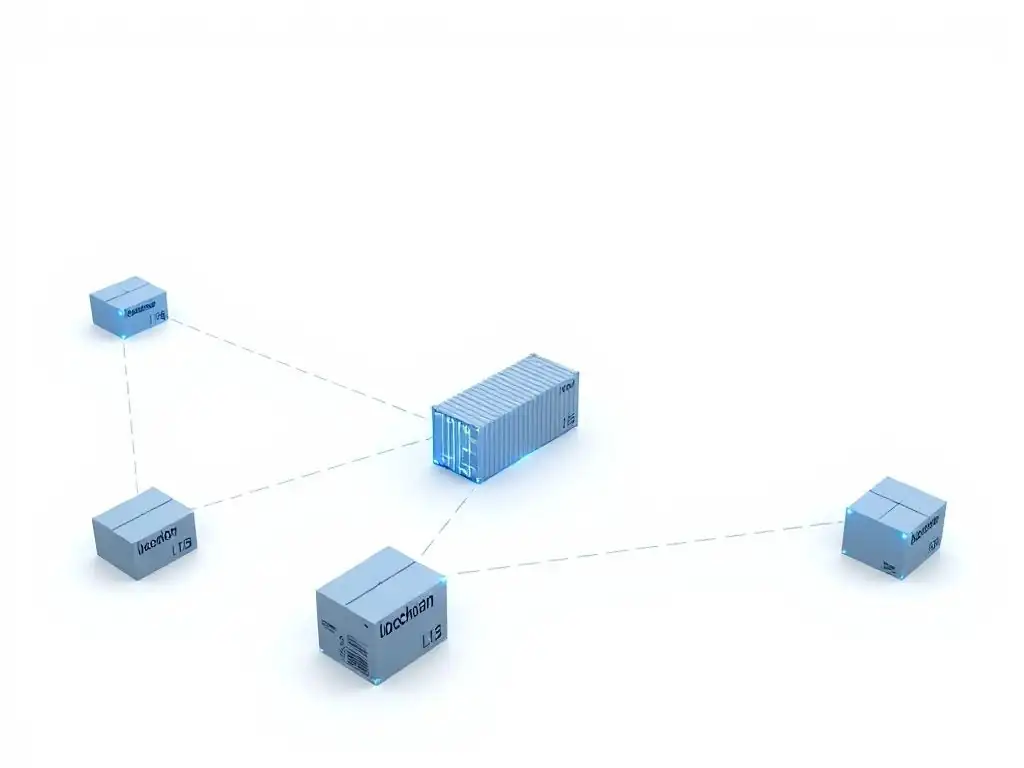
Understanding Blockchain Technology in Supply Chain Context
Blockchain technology, often associated with cryptocurrencies like Bitcoin, is fundamentally a distributed, immutable ledger that records transactions across many computers. In the context of supply chain management, this means creating a shared, tamper-proof record of every movement, transformation, and transaction a product undergoes, from its raw materials to the end consumer.
Unlike traditional centralized databases where information is siloed within individual companies, a blockchain network allows authorized participants – suppliers, manufacturers, distributors, regulators, and retailers – to access a single, consistent version of the truth regarding a product's journey. This shared visibility is a paradigm shift, moving away from fragmented data systems that often lead to delays, disputes, and inefficiencies.
Consider a complex supply chain for a consumer electronic device, involving components sourced from multiple countries, assembled in another, and distributed globally. Traditionally, tracing a specific component's origin or verifying compliance at each step is a manual, time-consuming process relying on paper trails and disparate digital systems. Blockchain provides a digital thread that links all these steps.
Each transaction or event (e.g., component shipment, quality check, customs clearance) is recorded as a 'block' linked cryptographically to the previous one, forming an unbreakable chain. This inherent structure makes it incredibly difficult and computationally expensive to alter past records without detection, ensuring data integrity throughout the chain.
Why Supply Chain Managers Should Care About Blockchain
Supply chain managers face constant pressure to improve efficiency, reduce costs, mitigate risks, and meet increasing demands for transparency from consumers and regulators. Traditional supply chain systems often suffer from poor visibility, manual processes prone to error, and a lack of trust among participants.
This leads to challenges like counterfeit goods entering the market, difficulties in tracing contamination sources during recalls, disputes over payment terms, and inefficient inventory management due to delayed information. A comprehensive blockchain supply chain management guide highlights how this technology directly addresses these pain points by creating a single source of truth accessible to all relevant parties.
Implementing blockchain can lead to tangible benefits. For instance, enhanced traceability can drastically reduce the time and cost associated with product recalls. A study by IBM and Maersk found that using blockchain could reduce the time taken to trace a container from days to seconds.
Furthermore, automating processes through smart contracts can streamline transactions and reduce administrative overhead. While specific cost savings vary widely depending on the industry and implementation scope, early adopters report potential reductions in administrative costs by 10-15% and significant improvements in settlement times from weeks to days. For any supply chain manager looking to modernize operations, improve resilience, and build greater trust within their network, understanding blockchain is becoming not just advantageous, but essential.
Frequently Asked Questions
What exactly is blockchain and why is it relevant to supply chain management?
Blockchain is a decentralized, distributed ledger that records transactions across many computers. It's relevant to supply chain management because it provides transparency, security, and traceability throughout the entire process.
How can blockchain improve the traceability of products in my supply chain?
Blockchain creates an immutable record of each product's journey, from origin to consumer. This allows for easy tracking and verification, reducing the risk of counterfeit goods or supply chain disruptions.
What are some real-world examples of blockchain being used in supply chain management?
Companies are using blockchain to track food safety, verify the authenticity of diamonds, and manage the flow of pharmaceuticals. These applications demonstrate enhanced transparency and efficiency in different industries.
What are the main challenges to implementing blockchain in a supply chain?
Challenges include interoperability with existing systems, the lack of standardized regulations, and the need for collaboration among all stakeholders in the supply chain.
How do I get started with implementing blockchain solutions in my supply chain?
Start by identifying specific pain points in your current supply chain processes. Then, research pilot projects and blockchain platforms that address those issues, and consider consulting with blockchain experts.
Final Reflection: Embracing Transparency in the Supply Chain
The journey through blockchain's potential in supply chain management reveals a profound truth: enhanced transparency is no longer a luxury, but a necessity. As global supply chains become increasingly complex and vulnerable, the need for verifiable, immutable records has never been greater. This guide has aimed to demystify the technology, empowering supply chain managers to navigate the blockchain landscape with confidence and explore its transformative possibilities.
The impact of blockchain on supply chains extends far beyond simple tracking and tracing. It's about building trust, fostering collaboration, and ultimately, creating a more resilient and ethical global economy. Witnessing the growing adoption of blockchain solutions across various industries underscores its potential to revolutionize how we source, produce, and distribute goods. The supply chain is the only thing that connects everything. Blockchain is the only thing that connects the supply chain.
- Vinny Lingham, Civic CEO. This quote encapsulates the profound interconnectedness that blockchain can facilitate, creating a seamless flow of information and value.
Now, as you stand at the threshold of this technological frontier, consider the power you hold to shape the future of your supply chain. Embrace the principles of transparency, collaboration, and innovation. Explore the possibilities that blockchain offers, and be a catalyst for positive change in your organization and the wider world. The future of supply chain management is here, and it is built on the foundation of trust and verifiable truth.
Unlock Your Supply Chain Potential Now!
Thank you for exploring the fundamentals of blockchain and its potential to transform supply chain management. You've gained valuable insights into how this technology can improve transparency, security, and efficiency. Now, it's time to take actionable steps!
Consider identifying a specific challenge in your current supply chain that blockchain could help resolve. Sharing this article with a colleague in logistics or operations can spark meaningful discussions and collaborative efforts. Additionally, explore resources from industry leaders to find detailed case studies and strategies for implementation.
What is the first small step you can take today to explore how blockchain might benefit your supply chain? Share your ideas in the comments below!
Leave a Reply