
Fighting the Shadow Market: Blockchain's Impact on Counterfeit Goods Trade


Welcome to Blockchain Trends, your gateway to understanding the profound impact of decentralized technology. Beyond the hype, we delve into real-world applications that are reshaping industries. Curious about how blockchain is making a tangible difference? Our feature article, "Fighting the Shadow Market: Blockchain's Impact on Counterfeit Goods Trade," uncovers how this innovative technology is being deployed to combat counterfeit goods, offering a powerful solution to a global problem. Discover the future of secure and transparent supply chains – read on to learn more!
- Blockchain's Role in Combating Counterfeit Goods: A Deep Dive
-
Frequently Asked Questions
- How can blockchain technology help combat counterfeit goods?
- What are the main advantages of using blockchain for supply chain management in the context of counterfeiting?
- What industries are most likely to benefit from blockchain solutions to tackle counterfeit goods?
- What regulatory hurdles might hinder the widespread adoption of blockchain for fighting counterfeit goods?
- What is the future outlook for blockchain in combating counterfeit goods trade?
- Final Reflection: Blockchain's Promise Against Deception
- Empower Authenticity: Reclaim Control with Blockchain!
Blockchain's Role in Combating Counterfeit Goods: A Deep Dive
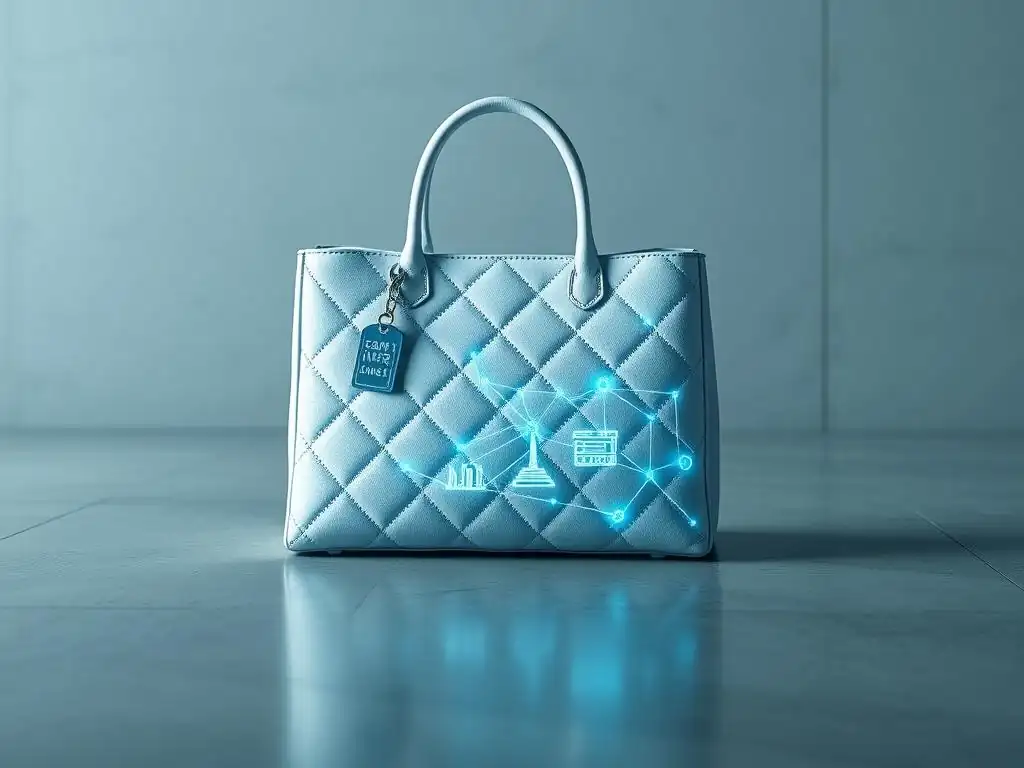
Transparency and Traceability: Key Features of Blockchain for Supply Chains
One of the most compelling aspects of blockchain technology in the fight against counterfeit goods is its ability to provide unprecedented transparency and traceability throughout the supply chain. By creating a distributed ledger that records every transaction or movement of a product, from its origin to its final destination, blockchain makes it significantly harder for fake items to enter the legitimate flow.
Each step in the supply chain – manufacturing, packaging, shipping, distribution, and even retail – can be logged as a transaction on the blockchain. This creates a comprehensive, digital trail that can be accessed and verified by authorized parties.
For instance, a pharmaceutical company could track a specific batch of medication from the raw material supplier, through production facilities, distribution centers, and ultimately to the pharmacy. This level of visibility makes it easier to pinpoint where a counterfeit product might have been introduced or where a legitimate product was diverted.
This enhanced visibility is crucial for industries heavily impacted by counterfeiting, such as luxury goods, pharmaceuticals, and electronics. A blockchain-based system allows brands to assign a unique digital identity (often linked to a physical identifier like a QR code or NFC tag) to each individual product. As the product moves through the supply chain, its status and location are updated on the blockchain.
This robust tracking mechanism provides a clear history for every item, enabling stakeholders, including consumers, to verify its journey. When a potential counterfeit is suspected, this traceable history provides the evidence needed to investigate and isolate the source of the problem, significantly boosting the effectiveness of Blockchain combatting counterfeit goods initiatives.
Immutable Records: Preventing Tampering and Fraudulent Activities
A fundamental characteristic of blockchain that makes it exceptionally suited for anti-counterfeiting efforts is the immutability of its records. Once data is added to a block and that block is added to the chain, it is extremely difficult, if not practically impossible, to alter or delete that information without the consensus of the network.
This tamper-proof nature means that the provenance data recorded on the blockchain cannot be fraudulently changed by malicious actors attempting to disguise counterfeit items as genuine ones or alter the history of legitimate goods for illicit purposes. For example, a record showing that a product was manufactured in a certified facility on a specific date, or that it passed a quality inspection, is permanently stored and verifiable.
This immutability directly addresses one of the core challenges in traditional supply chains: the ease with which paper records or centralized digital databases can be forged or altered. By using blockchain, companies can create a secure, unchangeable history for each product. If a counterfeit product is later found, its lack of a verifiable, complete, and untampered history on the blockchain is a clear indicator of its illegitimacy.
This capability is vital for Blockchain combatting counterfeit goods, providing a reliable foundation of truth about a product's identity and journey that cannot be undermined by fraud. The integrity of the data ensures that authentication checks are based on reliable information, significantly hindering the proliferation of fake products.
Decentralized Verification: Enhancing Trust and Accountability
Blockchain's decentralized nature distributes the ledger across multiple nodes or participants in the network, rather than relying on a single, centralized authority. This distribution enhances trust and accountability because no single entity has complete control over the data, reducing the risk of collusion or single points of failure that could be exploited to introduce counterfeit items or manipulate records.
In a decentralized system, multiple parties – potentially including manufacturers, distributors, retailers, and even third-party auditors – can participate in validating transactions and accessing the transparent ledger. This shared responsibility and visibility build a higher level of trust among all stakeholders involved in the supply chain.
Furthermore, decentralized verification allows for greater accountability. Since each transaction is recorded and linked to the participant who initiated it (or was involved in it), there is a clear audit trail. If a counterfeit product is traced back to a specific point in the supply chain recorded on the blockchain, the responsible party can be more easily identified.
This distributed model empowers different actors to verify the authenticity and history of a product independently, removing the need to solely rely on the brand or a single intermediary. This collective oversight is a powerful tool for Blockchain combatting counterfeit goods, creating a network effect where the authenticity of products is continuously and transparently validated by a distributed group, making it much harder for fakes to slip through the cracks undetected.
Frequently Asked Questions
How can blockchain technology help combat counterfeit goods?
Blockchain provides a transparent and immutable ledger to track a product's journey from origin to consumer. This traceability makes it significantly harder for counterfeiters to introduce fake items into the supply chain. Ultimately, verifying authenticity becomes much easier.
What are the main advantages of using blockchain for supply chain management in the context of counterfeiting?
The key advantages include enhanced transparency, enabling stakeholders to see the product's entire history. It also ensures data integrity, as records cannot be altered after being added to the chain. Finally, it allows for improved collaboration among supply chain partners.
What industries are most likely to benefit from blockchain solutions to tackle counterfeit goods?
Industries such as pharmaceuticals, luxury goods, and electronics are particularly vulnerable to counterfeiting and stand to gain the most. These sectors often face high financial losses and reputational damage due to fake products.
What regulatory hurdles might hinder the widespread adoption of blockchain for fighting counterfeit goods?
The lack of clear global standards and regulations for blockchain technology is a significant challenge. Concerns regarding data privacy and legal jurisdiction also need to be addressed to foster broader adoption.
What is the future outlook for blockchain in combating counterfeit goods trade?
The future looks promising, with blockchain solutions becoming more sophisticated and integrated. Expect to see increased adoption across various industries, leading to a significant reduction in counterfeit products and enhanced consumer trust.
Final Reflection: Blockchain's Promise Against Deception
The fight against counterfeit goods, as we've explored, is a relentless battle, and blockchain technology offers a powerful new weapon in this ongoing war. The potential to revolutionize supply chain transparency and verification, as detailed throughout this article, is not just theoretical; it's a rapidly evolving reality with the power to reshape global commerce and protect consumers from harmful and fraudulent products.
The pervasive nature of counterfeit goods has deeply impacted consumer trust and brand integrity, creating a landscape where authenticity is increasingly valued and increasingly difficult to guarantee. The promise of blockchain lies in its ability to restore that trust, offering a secure and immutable record of a product's journey from origin to consumer. The best way to predict the future is to create it.
- Peter Drucker. This quote resonates deeply with the potential of blockchain to not only combat counterfeit goods but to actively build a more transparent and trustworthy future for global trade.
As we conclude this exploration, consider the implications of a world where authenticity is easily verifiable and counterfeit goods are significantly diminished. What role can you play in supporting the adoption of blockchain solutions in your own industry or community? Let us all strive to embrace the transformative power of this technology and contribute to a future where trust and transparency prevail, ensuring that consumers receive the genuine products they deserve.
Empower Authenticity: Reclaim Control with Blockchain!
Thank you for exploring how blockchain technology is transforming the fight against counterfeit goods. We hope you now have a clearer understanding of its potential to restore trust and transparency in global supply chains. It's time to put this knowledge into action and become part of the solution.
Here's how you can get involved:
- Champion Blockchain Adoption: Share this article with your network to raise awareness about the power of blockchain in combating counterfeiting. Let's amplify the message and encourage a broader understanding of this vital technology.
- Explore Further: Investigate specific blockchain platforms designed for supply chain management. Research companies leading in this space and examine how their solutions are being applied in real-world scenarios.
- Speak Up: Engage with brands and companies you support and ask about their anti-counterfeiting strategies. Encourage them to consider blockchain-based solutions to protect their products and consumers.
What innovative ways do you envision blockchain being used to eliminate counterfeit goods and create a more trustworthy marketplace? Share your thoughts in the comments below!
Leave a Reply