
Integrating Blockchain into Existing IoT Infrastructure: A Practical Approach


Welcome to Blockchain Trends, your go-to source for understanding the revolutionary impact of blockchain technology. Ever wondered how blockchain can move beyond cryptocurrency and revolutionize industries? Dive in to explore the cutting-edge applications in DeFi, enterprise solutions, and the evolving regulatory landscape. In this article, we'll tackle the complex subject of Blockchain IoT integration challenges, uncovering the hurdles and innovative solutions shaping the future of decentralized systems. Are you ready to unlock the potential of seamless connectivity and secure data management? Read on to discover more.
Integrating Blockchain into Smart Agriculture: A Practical Approach
- Introduction: Bridging the Gap Between IoT and Blockchain in Agriculture
- Key Considerations for Blockchain IoT Integration in Smart Agriculture
-
Practical Steps for Integrating Blockchain into Smart Agriculture Infrastructure
- Step 1: Assessing Existing IoT Infrastructure: Sensor Networks, Gateways, and Data Storage
- Step 2: Selecting a Suitable Blockchain Architecture: Consortium Blockchain for Farmer Cooperatives
- Step 3: Implementing Secure Data Transmission and Storage: Encrypted Data Logs on the Blockchain
- Step 4: Developing Smart Contracts: Automated Payments Based on Crop Quality and Delivery Time
- Step 5: Testing and Optimizing the Integrated Blockchain IoT Solution: Pilot Program with Select Farms
-
Overcoming Common Blockchain IoT Integration Challenges in Agriculture
- Addressing Interoperability Issues: Standardizing Data Formats Across Different Sensor Manufacturers
- Solving Data Privacy Concerns: Protecting Farmer Data While Ensuring Supply Chain Transparency
- Managing the Complexity of Integration: Training Farmers and Agricultural Staff
- Ensuring Regulatory Compliance: Food Safety Modernization Act (FSMA) Compliance
- Real-World Applications of Blockchain Integrated with IoT in Agriculture
- Future Trends in Blockchain IoT Integration in Agriculture
- Conclusion: Embracing the Future of Secure and Transparent Agriculture with Blockchain
-
Frequently Asked Questions
- What are the main Blockchain IoT integration challenges?
- How can blockchain enhance the security of IoT networks?
- What practical steps can organizations take to integrate blockchain into their IoT infrastructure?
- What are some enterprise applications of Blockchain IoT integration beyond supply chain management?
- How does regulation impact the adoption of Blockchain IoT solutions?
- Final Reflection: Bridging the Divide Between Blockchain and IoT
- Ignite Your IoT Revolution: Secure, Scale, Succeed!
Introduction: Bridging the Gap Between IoT and Blockchain in Agriculture
The Synergistic Potential of Blockchain and IoT: Enhanced Traceability and Trust in Food Supply Chains
The integration of blockchain and the Internet of Things (IoT) presents a transformative opportunity for various industries, and agriculture is no exception. IoT devices, such as sensors and drones, are already revolutionizing farming practices by collecting vast amounts of data on soil conditions, weather patterns, and crop health. However, the challenge lies in ensuring the integrity, security, and transparency of this data.
This is where blockchain technology comes into play, offering a decentralized and immutable ledger system to record and verify data from IoT devices. By combining these technologies, we can create a robust ecosystem that enhances traceability and trust throughout the food supply chain, from farm to consumer.
For instance, imagine consumers scanning a QR code on a product to instantly access verified information about its origin, farming practices, and journey through the supply chain, all secured by blockchain. This synergy not only builds consumer confidence but also empowers farmers with data-driven insights and streamlined processes.
Furthermore, the combination of blockchain and IoT can significantly reduce food fraud and improve food safety. According to a report by the Grocery Manufacturers Association, food fraud costs the global food industry an estimated \$10-15 billion annually. By leveraging blockchain's immutable record-keeping capabilities, every step in the agricultural supply chain, from planting seeds to delivering produce to retailers, can be securely logged and verified.
This level of transparency makes it significantly harder for fraudulent activities to occur and provides a clear audit trail in case of food safety incidents. For example, in the event of a foodborne illness outbreak, a blockchain-based system can quickly trace the source of contamination, enabling faster recalls and minimizing the impact on public health.
Understanding the Challenges of Blockchain IoT Integration in Agricultural Settings
While the potential of blockchain IoT integration in agriculture is immense, realizing this potential is not without its hurdles. One of the primary blockchain IoT integration challenges in agricultural settings stems from the diverse and often fragmented nature of the agricultural industry. Farms vary greatly in size, technological adoption, and resources.
Implementing sophisticated technologies like blockchain and IoT across such a heterogeneous landscape requires careful consideration of scalability, cost, and ease of use for farmers. Many farmers, especially in developing regions, may lack the technical expertise or infrastructure to effectively manage and utilize these advanced systems. Therefore, solutions must be designed to be user-friendly, affordable, and adaptable to different farming environments.
Another significant blockchain IoT integration challenge is the need for robust and reliable connectivity in often remote agricultural locations. IoT sensors rely on consistent network access to transmit data, and blockchain networks require stable internet connections to maintain consensus and record transactions. However, many rural farming areas suffer from limited or unreliable internet infrastructure.
Bridging this connectivity gap is crucial for successful blockchain IoT deployments in agriculture. Solutions might involve leveraging low-power wide-area networks (LPWANs) like LoRaWAN or satellite communication technologies to ensure reliable data transmission from remote farms. Moreover, addressing the blockchain IoT integration challenges effectively requires a collaborative approach involving technology providers, agricultural experts, policymakers, and farmers themselves to create solutions that are truly tailored to the specific needs and realities of the agricultural sector.
Key Considerations for Blockchain IoT Integration in Smart Agriculture
Identifying IoT Data Requirements: Soil Moisture, Temperature, and Crop Yield
Before embarking on blockchain IoT integration, a crucial first step is to clearly define the specific data requirements for the agricultural application. In smart agriculture, IoT sensors can capture a wide array of environmental and operational data. For instance, soil moisture sensors provide real-time information on soil hydration levels, enabling farmers to optimize irrigation and conserve water.
Studies have shown that precision irrigation based on soil moisture data can reduce water usage by up to 30% while maintaining or even increasing crop yields. Temperature sensors, both air and soil, are vital for monitoring growing conditions and detecting potential frost risks or heat stress, allowing for timely interventions to protect crops. Furthermore, sensors can track other critical parameters like humidity, light intensity, and nutrient levels, providing a comprehensive environmental profile of the farm.
Beyond environmental data, IoT can also collect operational data directly related to crop yield and farm management. Yield monitoring systems mounted on combine harvesters can precisely measure the amount of harvested crop across different areas of a field, generating valuable yield maps. These maps highlight areas of high and low productivity, enabling farmers to optimize fertilizer application, seed planting density, and other inputs in subsequent seasons.
For example, precision agriculture techniques utilizing yield data have been shown to increase crop yields by an average of 5-10%. Furthermore, IoT devices can track equipment usage, fuel consumption, and labor hours, providing insights into operational efficiency and cost management. By carefully identifying the specific data points relevant to their needs, agricultural stakeholders can ensure that their blockchain IoT integration efforts are focused and deliver tangible benefits.
Choosing the Right Blockchain Platform: Permissioned vs. Public for Data Access Control
Selecting an appropriate blockchain platform is a critical decision in the integration process, heavily influenced by data access control and privacy requirements within the agricultural context. Public blockchains, like Ethereum or Bitcoin, are characterized by their open and permissionless nature, where anyone can participate in the network and access all transaction data.
While offering maximum transparency and decentralization, public blockchains may not be ideal for sensitive agricultural data, such as farm-specific yield information or contractual agreements between farmers and buyers. The open accessibility of data on public blockchains could raise concerns about competitive disadvantage or data privacy violations for farmers.
In contrast, permissioned blockchains, also known as consortium or private blockchains, offer a more controlled environment suitable for agricultural applications. In a permissioned blockchain, access to the network and data is restricted to authorized participants, such as members of a farmer cooperative, agricultural supply chain partners, or regulatory bodies. This approach allows for selective data sharing and ensures that sensitive information is only accessible to trusted parties.
For instance, a consortium blockchain could be established by a group of farmers, processors, distributors, and retailers within a specific agricultural supply chain. This platform would enable secure and transparent data sharing among these stakeholders, facilitating traceability and building trust while safeguarding confidential business information. Choosing between permissioned and public blockchains necessitates a careful evaluation of the specific data privacy and access control needs of the agricultural application, balancing the desire for transparency with the imperative to protect sensitive information.
Addressing Scalability Issues: Handling Large Volumes of Sensor Data from Multiple Farms
Scalability represents a significant blockchain IoT integration challenge, particularly in agricultural settings involving numerous farms and a multitude of IoT sensors generating continuous data streams. Blockchain networks, especially public blockchains, can face limitations in transaction throughput and processing speed, especially when dealing with high volumes of data from distributed IoT devices.
Consider a scenario where thousands of farms are equipped with sensors monitoring various parameters like soil moisture, temperature, and humidity, all transmitting data to a blockchain network in near real-time. The sheer volume of data transactions could overwhelm a blockchain network, leading to delays in data recording, increased transaction costs, and potentially compromising the real-time nature of the IoT data.
To address these scalability concerns, several strategies can be employed. One approach is to utilize layer-2 scaling solutions, such as state channels or rollups, which process transactions off-chain and periodically commit aggregated data to the main blockchain. This reduces the burden on the main blockchain and significantly increases transaction throughput.
Another strategy involves employing data aggregation and edge computing techniques. Instead of transmitting raw sensor data directly to the blockchain, data can be pre-processed and aggregated at the edge, closer to the data source (e.g., on a farm gateway device). Only relevant summarized or analyzed data is then recorded on the blockchain, reducing the volume of on-chain transactions.
Furthermore, choosing a blockchain platform specifically designed for high-throughput applications, such as platforms utilizing sharding or directed acyclic graph (DAG) architectures, can also mitigate scalability issues. Addressing blockchain IoT integration challenges related to scalability is crucial for ensuring the practical viability and long-term performance of blockchain-based smart agriculture solutions.
Practical Steps for Integrating Blockchain into Smart Agriculture Infrastructure
Step 1: Assessing Existing IoT Infrastructure: Sensor Networks, Gateways, and Data Storage
The first practical step towards integrating blockchain into smart agriculture is a thorough assessment of the existing IoT infrastructure. This involves mapping out the current sensor networks deployed across farms, the communication gateways used to collect and transmit data, and the existing data storage and processing systems. Many farms today already utilize IoT devices for various purposes, such as weather monitoring, automated irrigation, or livestock tracking.
Understanding the capabilities and limitations of this existing infrastructure is crucial for determining the scope of blockchain integration and identifying potential points of compatibility or modification. For example, the type of sensors deployed (e.g., soil moisture, temperature, GPS), their data output formats, and communication protocols (e.g., WiFi, LoRaWAN, cellular) will influence the design of the blockchain integration layer.
Furthermore, the assessment should evaluate the capacity and architecture of existing data storage systems. Farms may be storing IoT data locally on servers, in cloud platforms, or using a combination of both. Understanding the data storage infrastructure helps determine how blockchain will interact with existing data repositories. Will blockchain serve as a new layer for immutable data logging alongside existing systems, or will it become the primary data repository for certain critical data points?
The assessment should also consider the data processing capabilities currently in place. Are there existing analytics platforms or farm management software that utilize IoT data? The blockchain integration strategy should aim to complement and enhance these existing systems, rather than replacing them entirely. A comprehensive assessment of the current IoT infrastructure provides a solid foundation for planning and executing a successful blockchain integration process.
Step 2: Selecting a Suitable Blockchain Architecture: Consortium Blockchain for Farmer Cooperatives
Based on the assessed infrastructure and the identified data requirements, the next crucial step is selecting a suitable blockchain architecture. For many agricultural applications, particularly those involving farmer cooperatives or regional agricultural groups, a consortium blockchain often emerges as the most appropriate choice. As discussed earlier, consortium blockchains offer a balance between the transparency of public blockchains and the control of private blockchains.
In the context of a farmer cooperative, a consortium blockchain can be established and governed by the cooperative members themselves. This distributed governance model ensures that no single entity has unilateral control over the blockchain network and its data, fostering trust and collaboration among cooperative members.
A consortium blockchain for a farmer cooperative can facilitate various applications, such as shared supply chain traceability, collective purchasing of agricultural inputs, or transparent distribution of cooperative profits. For instance, farmers can record data about their produce – origin, planting date, harvesting date, quality certifications – onto the shared consortium blockchain. This information becomes readily accessible to other members of the cooperative, as well as to authorized downstream partners like processors and retailers.
The transparent and auditable nature of the blockchain enhances trust and accountability within the cooperative ecosystem. Moreover, using a consortium blockchain allows the cooperative to define specific access permissions, ensuring that sensitive data is only accessible to authorized members and partners, addressing data privacy concerns while promoting transparency where needed.
Step 3: Implementing Secure Data Transmission and Storage: Encrypted Data Logs on the Blockchain
Ensuring secure data transmission and storage is paramount in blockchain IoT integration, especially when dealing with sensitive agricultural data. Data transmitted from IoT sensors to the blockchain network must be protected from unauthorized access and tampering. Implementing encryption protocols, such as Transport Layer Security (TLS) or Datagram Transport Layer Security (DTLS), for data transmission is crucial.
These protocols encrypt data in transit, preventing eavesdropping and ensuring data confidentiality. Furthermore, data stored on the blockchain itself should also be secured using cryptographic techniques. While blockchain inherently provides data immutability, additional encryption layers can be implemented to protect the confidentiality of the data at rest.
One approach is to encrypt the actual data payload before recording it onto the blockchain. This can be achieved using symmetric or asymmetric encryption algorithms, depending on the specific security requirements and key management strategy. For example, farmers could encrypt their farm-specific data using their private keys before it's recorded on the consortium blockchain. Only authorized parties with the corresponding decryption keys would be able to access and decrypt the data.
Another security measure involves implementing robust access control mechanisms within the blockchain platform itself. Permissioned blockchains inherently provide access control, but further granularity can be achieved through role-based access control (RBAC) or attribute-based access control (ABAC) models. These mechanisms ensure that only authorized users or applications can read, write, or modify data on the blockchain, enhancing data security and integrity.
Step 4: Developing Smart Contracts: Automated Payments Based on Crop Quality and Delivery Time
Smart contracts, self-executing agreements encoded on the blockchain, offer significant potential for automating processes and enhancing efficiency in agricultural supply chains. In the context of blockchain IoT integration, smart contracts can be triggered by real-time data from IoT sensors, enabling automated actions based on predefined conditions. A compelling application of smart contracts in agriculture is automated payments based on crop quality and delivery time.
Imagine a scenario where a farmer enters into a contract with a buyer to supply a certain quantity of produce of a specified quality by a certain date. IoT sensors monitoring storage conditions and transportation logistics can provide verifiable data on crop quality and delivery timelines.
Smart contracts can be designed to automatically execute payment upon verification of these conditions. For instance, sensors in refrigerated trucks can monitor temperature and humidity levels during transportation. If the temperature remains within the agreed-upon range throughout the journey, as verified by the IoT data recorded on the blockchain, the smart contract automatically triggers payment to the farmer upon delivery confirmation. Similarly, quality assessment sensors can be used to measure parameters like fruit ripeness or grain moisture content.
If the quality metrics meet the contractually agreed standards, the smart contract automatically releases payment. This automation eliminates manual processes, reduces payment delays, and fosters trust between farmers and buyers by ensuring transparent and data-driven contract execution. According to a study by McKinsey, smart contracts can reduce transaction costs in supply chains by up to 30%.
Step 5: Testing and Optimizing the Integrated Blockchain IoT Solution: Pilot Program with Select Farms
Before full-scale deployment, rigorous testing and optimization are essential for ensuring the performance and reliability of the integrated blockchain IoT solution in real-world agricultural settings. A pilot program involving a select group of farms provides a valuable opportunity to validate the system's functionality, identify potential issues, and fine-tune parameters. The pilot program should involve deploying the integrated solution in a representative sample of farms, encompassing different farm sizes, crop types, and geographical locations. This allows for testing the system under diverse operational conditions and identifying any location-specific challenges.
During the pilot phase, key performance indicators (KPIs) should be tracked and monitored. These KPIs could include data latency, transaction throughput, data accuracy, system uptime, and user feedback from farmers and agricultural staff. Performance testing should be conducted under varying data loads and network conditions to assess the system's scalability and resilience. User feedback is crucial for identifying usability issues and areas for improvement in the user interface and overall system design.
The pilot program should also include training and support for farmers and staff to ensure they can effectively use the new blockchain IoT system. The data and insights gathered from the pilot program should be used to optimize system parameters, refine workflows, and address any identified blockchain IoT integration challenges. A successful pilot program significantly increases the likelihood of a smooth and effective full-scale deployment of the blockchain IoT solution across the wider agricultural ecosystem.
Overcoming Common Blockchain IoT Integration Challenges in Agriculture
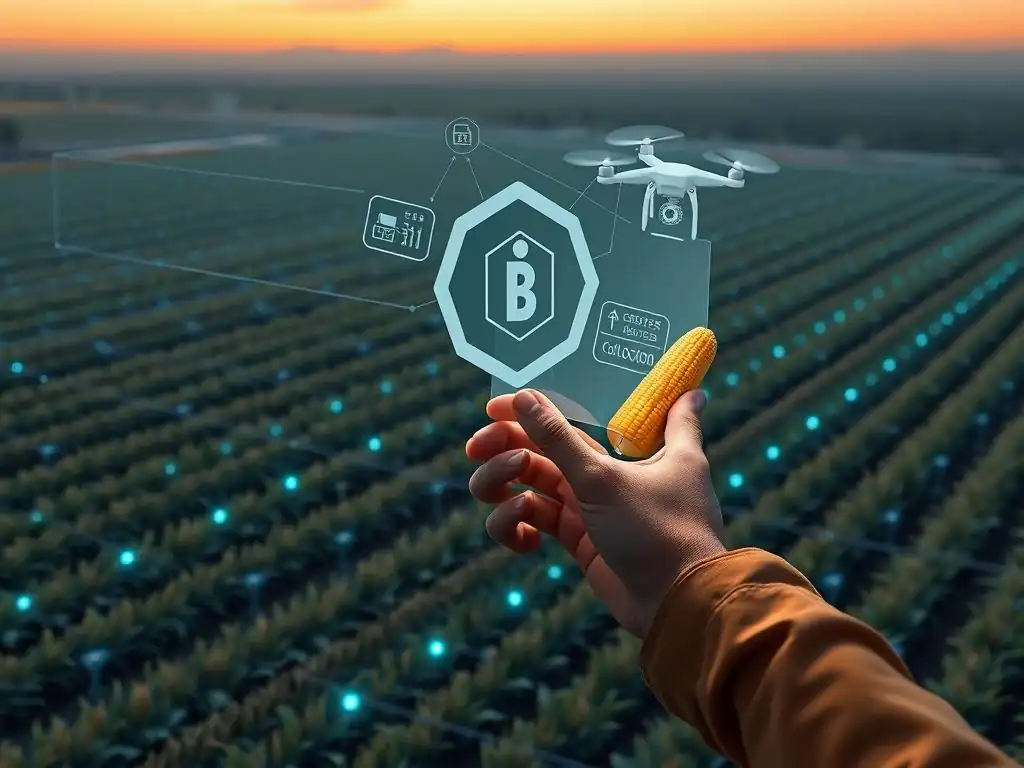
Addressing Interoperability Issues: Standardizing Data Formats Across Different Sensor Manufacturers
Interoperability stands out as a significant blockchain IoT integration challenge in agriculture due to the heterogeneous landscape of IoT devices and data formats. Farms often utilize sensors from various manufacturers, each potentially employing different data protocols and output formats. This lack of standardization can create silos of data and hinder seamless integration with blockchain platforms.
Imagine a scenario where a farm uses soil moisture sensors from one vendor, weather stations from another, and drone imagery from a third. Each of these systems might generate data in different formats (e.g., JSON, XML, CSV) and use different communication protocols (e.g., MQTT, CoAP, HTTP). Integrating this disparate data into a unified blockchain system requires significant effort in data transformation and harmonization.
To address these interoperability issues, promoting and adopting open data standards within the agricultural IoT ecosystem is crucial. Organizations like GS1 and the Open Geospatial Consortium (OGC) are working on developing standards for data exchange in agriculture and related sectors. Adhering to these standards ensures that data from different IoT devices can be easily exchanged and processed by different systems, including blockchain platforms. Furthermore, middleware solutions and data gateways can play a vital role in bridging interoperability gaps.
These solutions can act as intermediaries, translating data from different sensor formats into a standardized format compatible with the blockchain network. For example, a gateway device could receive data from various sensors using different protocols, convert it to a common format like JSON, and then transmit it to the blockchain. Addressing blockchain IoT integration challenges related to interoperability is essential for creating a truly interconnected and efficient smart agriculture ecosystem.
Solving Data Privacy Concerns: Protecting Farmer Data While Ensuring Supply Chain Transparency
Data privacy is a paramount concern in blockchain IoT integration in agriculture. While blockchain promotes transparency in supply chains, it's crucial to ensure that sensitive farmer data is protected and not publicly exposed. Farmers may be hesitant to share their data on a blockchain if they fear it could be used against them or provide a competitive disadvantage.
For instance, farm-specific yield data, input costs, or contractual agreements are sensitive business information that farmers may not want to be publicly accessible. Balancing the need for supply chain transparency with the imperative to protect farmer data privacy is a key blockchain IoT integration challenge.
Several techniques can be employed to address data privacy concerns in blockchain-based agricultural systems. As discussed earlier, permissioned blockchains offer a fundamental level of data access control, restricting access to authorized participants. Furthermore, data anonymization and pseudonymization techniques can be used to protect farmer identity while still enabling data sharing for supply chain tracking and analysis. For example, instead of recording farm names or farmer IDs directly on the blockchain, unique pseudonyms or anonymized identifiers can be used.
Confidential computing technologies, such as secure enclaves or homomorphic encryption, offer advanced privacy-preserving capabilities. These technologies allow data to be processed and analyzed within secure environments without revealing the underlying raw data, even to the processing entity. Applying these privacy-enhancing technologies is crucial for building trust and encouraging farmer participation in blockchain-based smart agriculture initiatives.
Managing the Complexity of Integration: Training Farmers and Agricultural Staff
The complexity of integrating blockchain and IoT technologies can be a significant barrier to adoption in agriculture, particularly for farmers and agricultural staff who may lack specialized technical expertise. Implementing and managing blockchain IoT systems requires a certain level of technical understanding and skills, ranging from sensor deployment and network configuration to blockchain platform operation and data analysis.
Many farmers, especially in smaller operations or developing regions, may not have the resources or training to effectively manage these complex technologies. This blockchain IoT integration challenge related to complexity needs to be addressed through user-friendly system design and comprehensive training programs.
Solutions should be designed with simplicity and ease of use in mind. User interfaces should be intuitive and tailored to the needs of farmers and agricultural staff, minimizing technical jargon and complexity. Mobile applications and web-based dashboards can provide user-friendly interfaces for accessing data, managing system settings, and interacting with the blockchain network. Crucially, comprehensive training programs are essential to equip farmers and staff with the necessary skills to operate and maintain the blockchain IoT system effectively.
Training should cover topics such as sensor installation and maintenance, data interpretation, blockchain basics, and troubleshooting common issues. Training programs should be tailored to different skill levels and delivered through various formats, including on-site workshops, online tutorials, and user manuals. Providing ongoing technical support and accessible help resources is also vital for ensuring successful long-term adoption.
Ensuring Regulatory Compliance: Food Safety Modernization Act (FSMA) Compliance
Regulatory compliance is a critical consideration for blockchain IoT integration in agriculture, particularly in sectors subject to stringent food safety regulations. In the United States, the Food Safety Modernization Act (FSMA) mandates preventative controls and enhanced traceability throughout the food supply chain. Blockchain and IoT technologies can play a significant role in facilitating FSMA compliance by providing transparent and auditable records of food production and handling processes.
However, integrating these technologies must be done in a way that aligns with regulatory requirements and demonstrates compliance to food safety authorities. This represents a crucial blockchain IoT integration challenge from a regulatory perspective.
To ensure regulatory compliance, blockchain IoT systems must be designed to capture and record relevant data points required by regulations like FSMA. This includes data on farm origin, processing steps, handling conditions, temperature monitoring, and traceability information at each stage of the supply chain. The immutability and auditability of blockchain records can provide strong evidence of compliance to regulatory bodies.
Furthermore, blockchain systems can facilitate data sharing with regulatory agencies in a secure and controlled manner, streamlining audits and inspections. However, it's essential to work closely with regulatory experts and legal counsel to ensure that the blockchain IoT system is designed and implemented in accordance with all applicable regulations.
Documentation and record-keeping processes must be aligned with regulatory requirements, and the system should be auditable by both internal and external parties. Addressing regulatory compliance proactively is crucial for building trust with both consumers and regulatory authorities and ensuring the long-term viability of blockchain IoT solutions in agriculture.
Real-World Applications of Blockchain Integrated with IoT in Agriculture
Supply Chain Management: Tracking Produce from Farm to Consumer
One of the most compelling real-world applications of blockchain integrated with IoT in agriculture is supply chain management, particularly for tracking produce from farm to consumer. Consider the journey of a head of lettuce from a farm in California to a supermarket shelf in New York. Using IoT sensors and blockchain, every step of this journey can be recorded and verified. Sensors in the field track planting date, irrigation, and pesticide application.
Upon harvest, IoT devices record harvest date, batch number, and initial quality metrics. During transportation, sensors in refrigerated trucks monitor temperature and humidity, ensuring optimal storage conditions. At processing facilities, IoT systems track washing, cutting, and packaging processes.
All this data is securely recorded on a blockchain, creating an immutable and transparent record of the lettuce's journey. Consumers can then scan a QR code on the packaging at the supermarket to access this information, verifying the lettuce's origin, freshness, and journey through the supply chain. This level of transparency builds consumer trust and allows for rapid traceability in case of food safety issues.
For example, Walmart has implemented a blockchain-based system to track leafy greens, enabling them to trace the origin of produce back to the farm in seconds, compared to days or weeks using traditional methods. This enhanced traceability significantly reduces the time and cost associated with food recalls and minimizes the impact of foodborne illness outbreaks. According to IBM Food Trust, blockchain-based supply chain solutions can reduce foodborne illness investigation times by up to 80%.
Smart Irrigation: Optimizing Water Usage and Reducing Waste
Smart irrigation systems leveraging blockchain and IoT are revolutionizing water management in agriculture, addressing water scarcity and promoting sustainable farming practices. IoT soil moisture sensors deployed across fields provide real-time data on soil hydration levels. This data is fed into a blockchain-based irrigation management system. Smart contracts can be programmed to automatically trigger irrigation systems based on predefined soil moisture thresholds. For example, if soil moisture levels fall below a certain point, the smart contract automatically initiates irrigation for a specific duration, ensuring optimal water delivery to crops only when needed.
This data-driven approach to irrigation significantly reduces water wastage compared to traditional time-based irrigation schedules. Farmers can monitor water usage in real-time through blockchain-based dashboards, gaining insights into irrigation efficiency and identifying areas for improvement. Furthermore, blockchain can facilitate water usage tracking and reporting for regulatory compliance and water rights management.
In regions with water scarcity, such as California, smart irrigation systems are crucial for conserving water resources and ensuring the long-term sustainability of agriculture. Companies like Netafim are developing smart irrigation solutions that integrate IoT sensors and data analytics to optimize water usage and improve crop yields, demonstrating the practical benefits of this application.
Crop Insurance: Automating Claim Processing Based on Weather Data
Blockchain and IoT integration offers innovative solutions for automating crop insurance claim processing, making it faster, fairer, and more efficient for farmers. Traditional crop insurance claims often involve lengthy manual processes, including farm visits, data verification, and subjective assessments, leading to delays and potential disputes. By leveraging IoT weather data and blockchain-based smart contracts, claim processing can be automated and made more objective. IoT weather stations deployed in agricultural regions provide real-time data on rainfall, temperature, humidity, and other weather parameters. This data is recorded on a blockchain, creating an immutable and verifiable record of weather events.
Smart contracts can be designed to automatically trigger claim payouts based on predefined weather thresholds. For example, if rainfall falls below a certain level during a critical growing period, as verified by the IoT weather data on the blockchain, the smart contract automatically initiates a claim payout to the farmer. Similarly, extreme weather events like droughts or floods, as recorded by IoT sensors and verified on the blockchain, can trigger automated claim settlements.
This automation eliminates manual claim assessments, reduces fraud, and ensures faster payouts to farmers, providing timely financial relief in case of crop losses due to adverse weather conditions. Insurance companies like Etherisc are pioneering blockchain-based crop insurance platforms, demonstrating the potential of this technology to transform the agricultural insurance sector.
Livestock Monitoring: Ensuring Animal Welfare and Traceability
Blockchain and IoT are also transforming livestock management, enhancing animal welfare, improving traceability, and optimizing farm operations. IoT sensors attached to livestock, such as GPS trackers, health monitors, and activity sensors, collect real-time data on animal location, body temperature, heart rate, and activity levels. This data is recorded on a blockchain, providing a comprehensive and transparent record of each animal's health and well-being. Farmers can monitor animal health remotely through blockchain-based dashboards, receiving alerts for any anomalies or potential health issues. Early detection of health problems allows for timely interventions, improving animal welfare and reducing livestock losses.
Blockchain-based livestock tracking systems also enhance traceability throughout the meat supply chain. Consumers can scan QR codes on meat products to access information about the animal's origin, rearing conditions, and journey through the supply chain, verifying animal welfare and food safety claims. Furthermore, IoT data and blockchain can optimize livestock farm operations.
GPS tracking data can be used to manage grazing patterns and optimize pasture utilization. Activity sensors can monitor animal behavior and identify patterns related to feeding, breeding, and health. Companies like HerdX are using blockchain and IoT to provide end-to-end traceability and transparency in the beef supply chain, enhancing consumer trust and promoting sustainable livestock farming practices.
Future Trends in Blockchain IoT Integration in Agriculture
The Rise of Decentralized Autonomous Organizations (DAOs) for Farmer Cooperatives
Decentralized Autonomous Organizations (DAOs) represent a future trend with significant potential for transforming farmer cooperatives through blockchain IoT integration. DAOs are blockchain-based organizations governed by code and community consensus, eliminating the need for traditional hierarchical structures. In the context of farmer cooperatives, DAOs can enable more democratic and transparent governance models. Imagine a farmer cooperative managed as a DAO, where decision-making processes, resource allocation, and profit distribution are governed by smart contracts and voted on by cooperative members. Blockchain-based voting systems ensure transparency and immutability of voting records, fostering trust and accountability among members.
IoT data can play a crucial role in DAO operations. For example, data from IoT sensors monitoring crop yields or market prices can be used to inform DAO decisions related to crop planning, resource allocation, and marketing strategies. Smart contracts can automate the execution of DAO decisions based on pre-defined rules and IoT data triggers.
DAOs can also facilitate decentralized funding mechanisms for farmer cooperatives, allowing members to collectively invest in shared infrastructure or new technologies. The rise of DAOs has the potential to empower farmer cooperatives, enhance their efficiency, and promote more equitable and sustainable agricultural practices. Projects like Aragon and Colony are providing platforms for building and managing DAOs, making this technology increasingly accessible to agricultural organizations.
The Role of AI and Machine Learning: Predictive Analytics for Crop Yield and Disease Prevention
The convergence of Artificial Intelligence (AI), Machine Learning (ML), blockchain, and IoT is opening up new frontiers in smart agriculture, particularly in predictive analytics for crop yield and disease prevention. IoT sensors generate vast amounts of agricultural data, including environmental parameters, crop health indicators, and operational data. This data can be fed into AI and ML algorithms to develop predictive models for crop yield forecasting, disease outbreak prediction, and pest infestation alerts. Blockchain provides a secure and transparent platform for storing and sharing this data, ensuring data integrity and provenance.
For instance, ML models trained on historical weather data, soil data, and crop yield data can predict future crop yields with increasing accuracy. Farmers can use these predictions to optimize planting decisions, fertilizer application, and harvesting schedules. AI algorithms can analyze images from drones and satellites, combined with sensor data, to detect early signs of plant diseases or pest infestations, enabling timely interventions and reducing crop losses.
Blockchain can be used to verify the accuracy and reliability of AI-driven predictions, enhancing trust in these decision-support systems. Furthermore, blockchain can facilitate data sharing and collaboration among farmers and researchers, accelerating the development and deployment of AI-powered smart agriculture solutions. Companies like Microsoft and Google are actively researching and developing AI and ML solutions for agriculture, highlighting the growing importance of this technology in the future of farming.
Exploring the Potential of Edge Computing: Real-time Data Processing at the Farm Level
Edge computing, which involves processing data closer to the source rather than in centralized cloud servers, holds significant promise for enhancing the efficiency and responsiveness of blockchain IoT applications in agriculture. In traditional cloud-based models, IoT sensor data is transmitted to remote cloud servers for processing, which can introduce latency and bandwidth constraints, especially in remote agricultural locations with limited connectivity.
Edge computing brings data processing closer to the farm level, enabling real-time data analysis and faster response times. Edge devices, such as farm gateways or edge servers, can perform local data processing, filtering, and aggregation before transmitting relevant data to the blockchain network.
This reduces the volume of data transmitted to the blockchain, improving scalability and reducing communication costs. Edge computing also enables real-time control and automation of agricultural processes. For example, edge devices can analyze soil moisture sensor data in real-time and automatically adjust irrigation systems based on local conditions, without relying on constant communication with cloud servers.
In scenarios where internet connectivity is intermittent or unreliable, edge computing allows for continued operation of smart agriculture systems, ensuring data collection and local control even when cloud connectivity is lost. Exploring the potential of edge computing is crucial for overcoming blockchain IoT integration challenges related to latency, bandwidth, and reliability, particularly in remote agricultural environments. Companies like Dell and HPE are offering edge computing solutions tailored for agricultural applications, demonstrating the growing adoption of this technology in the sector.
Conclusion: Embracing the Future of Secure and Transparent Agriculture with Blockchain
The Benefits of Blockchain IoT Integration for Farmers, Consumers, and the Environment
The integration of blockchain and IoT technologies in agriculture offers a multitude of benefits that extend across the entire food ecosystem, positively impacting farmers, consumers, and the environment. For farmers, blockchain IoT integration can enhance operational efficiency, reduce costs, and increase profitability. Smart irrigation systems optimize water usage, lowering water bills and conserving precious water resources.
Precision agriculture techniques, enabled by IoT data and blockchain-based analytics, optimize fertilizer and pesticide application, reducing input costs and minimizing environmental impact. Automated crop insurance claim processing provides faster payouts and financial security in case of crop losses. Enhanced supply chain traceability allows farmers to differentiate their products based on quality and origin, potentially commanding premium prices.
For consumers, blockchain IoT integration brings greater transparency and trust in the food they consume. Verified origin information, traceability through the supply chain, and quality certifications, all secured by blockchain, empower consumers to make informed purchasing decisions and build confidence in food safety and authenticity. Reduced food fraud and faster recall times in case of foodborne illness outbreaks enhance consumer safety and public health.
Environmentally, blockchain IoT integration promotes sustainable agricultural practices. Optimized water usage, reduced chemical inputs, and efficient resource management contribute to environmental conservation and a more sustainable food system. By embracing blockchain IoT integration, the agricultural sector can move towards a future of secure, transparent, efficient, and environmentally responsible food production.
Key Takeaways for Successful Blockchain IoT Implementation in Agricultural Practices
Successful blockchain IoT implementation in agricultural practices requires careful planning, a phased approach, and a focus on addressing key blockchain IoT integration challenges. Firstly, a thorough assessment of existing IoT infrastructure and clear definition of data requirements are crucial starting points. Secondly, selecting the right blockchain platform, considering data privacy and access control needs, is essential.
For many agricultural applications, consortium blockchains offer a balanced approach. Thirdly, addressing scalability concerns through layer-2 solutions, edge computing, and efficient blockchain architectures is vital for handling large volumes of sensor data. Fourthly, interoperability issues must be tackled through standardization efforts and middleware solutions to ensure seamless data exchange between diverse IoT devices.
Fifthly, data privacy must be prioritized through permissioned blockchains, data anonymization techniques, and confidential computing technologies. Sixthly, managing the complexity of integration requires user-friendly system design, comprehensive training programs, and ongoing technical support for farmers and agricultural staff. Seventhly, regulatory compliance, particularly with food safety regulations like FSMA, must be proactively addressed throughout the implementation process.
Finally, a phased approach, starting with pilot programs and iterative optimization based on real-world feedback, is crucial for ensuring successful and sustainable blockchain IoT adoption in agriculture. By addressing these key considerations and challenges, the agricultural sector can unlock the transformative potential of blockchain and IoT integration, paving the way for a more efficient, transparent, and sustainable food future.
Frequently Asked Questions
What are the main Blockchain IoT integration challenges?
The main challenges involve scalability, security vulnerabilities in IoT devices, and the high computational cost associated with blockchain processing on resource-constrained devices.
How can blockchain enhance the security of IoT networks?
Blockchain provides immutable data records and decentralized authentication, making it harder for malicious actors to tamper with data or compromise devices. This increases overall trust within the network.
What practical steps can organizations take to integrate blockchain into their IoT infrastructure?
Start with pilot projects to test the integration, focus on data provenance and integrity, and choose a blockchain solution that aligns with their specific IoT needs and infrastructure.
What are some enterprise applications of Blockchain IoT integration beyond supply chain management?
Beyond supply chains, Blockchain IoT can be used in smart cities for secure data sharing, in healthcare for tracking medical devices, and in energy for decentralized energy grids.
How does regulation impact the adoption of Blockchain IoT solutions?
Unclear regulatory frameworks can hinder adoption due to uncertainty around data privacy, security, and compliance. Clear guidelines are needed to foster innovation and responsible deployment.
Final Reflection: Bridging the Divide Between Blockchain and IoT
The exploration of integrating blockchain into existing IoT infrastructure, while technically complex, is fundamentally about building trust and security in a world increasingly reliant on interconnected devices. The challenges we've outlined – scalability, interoperability, and security vulnerabilities – are not merely academic hurdles; they represent real-world obstacles to realizing the full potential of a truly decentralized and secure IoT ecosystem. Overcoming these challenges is crucial for fostering innovation and ensuring the responsible growth of this transformative technology.
The impact of successful Blockchain IoT integration extends far beyond technological advancements. It promises to reshape industries, empowering individuals with greater control over their data and fostering a more transparent and accountable digital landscape. My own fascination with this intersection stems from the belief that it holds the key to unlocking a future where data ownership is democratized and trust is built into the very fabric of our connected world. The future of IoT is not just about connecting devices, but about connecting them securely and transparently. Blockchain provides the missing link.
- Unknown.
As we conclude this exploration of Blockchain IoT integration challenges, I urge you to consider the implications of this technology in your own life and work. How can you contribute to building a more secure and trustworthy IoT ecosystem? What steps can you take to advocate for responsible innovation and ethical data practices? The future of the Internet of Things is not predetermined; it is a future we are actively shaping. Let us strive to build a future where technology empowers us all, rather than concentrating power in the hands of a few.
Ignite Your IoT Revolution: Secure, Scale, Succeed!
Thank you for exploring the potential of blockchain within your IoT infrastructure! We hope this article provided valuable insights and practical strategies for a successful integration. Now, it's time to take the next step and unlock the transformative power of this technology.
Ready to get started? Here's how:
- Prioritize one IoT device category for a proof of concept: Focus on a specific area such as supply chain tracking or smart home security to implement a small-scale blockchain integration. This approach allows you to test and refine your methods before scaling up.
- Explore existing blockchain-as-a-service providers to reduce development overhead. Consider evaluating platforms that specialize in IoT applications to streamline the integration process.
- Share this article with a colleague who is also exploring blockchain and IoT. Collaboration is key in this rapidly evolving space!
What IoT challenge are you most excited to address with blockchain technology? Share your thoughts in the comments below!
Leave a Reply