
Blockchain Platforms Compared: Choosing the Right Solution for Your Supply Chain Needs

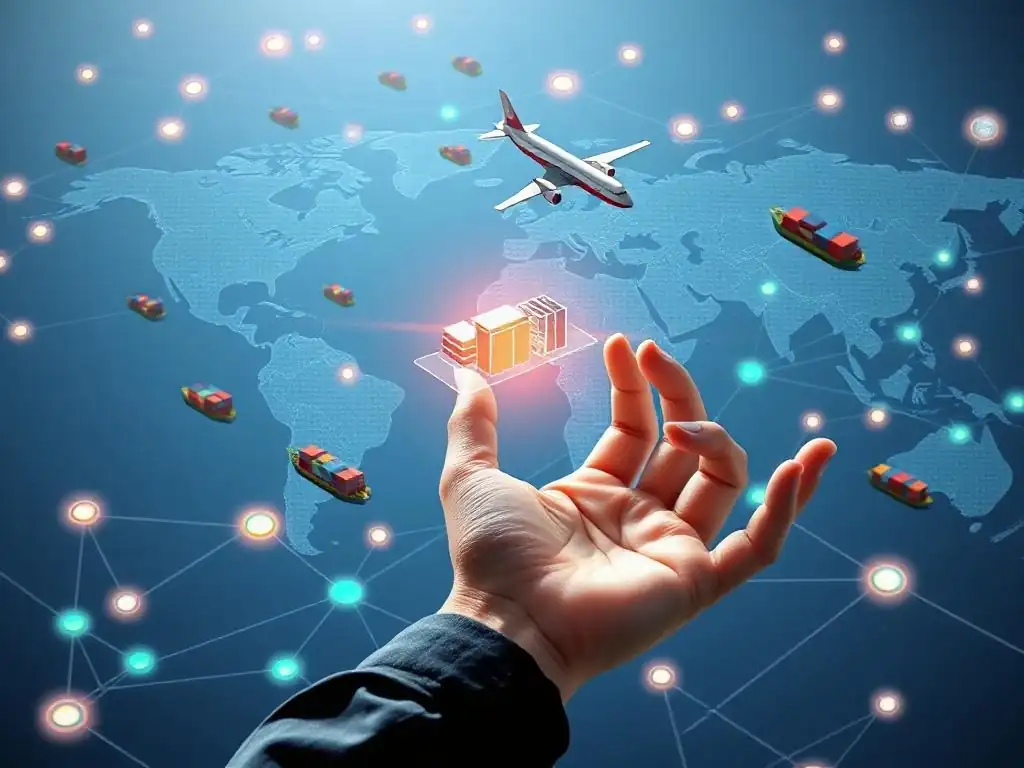
Welcome to Blockchain Trends, your guide to navigating the revolutionary world of blockchain technology. Beyond the hype, lies a universe of possibilities. Are you ready to unlock the power of decentralized solutions? Today, we dive deep into blockchain for supply chain management, specifically exploring the landscape of blockchain supply chain comparison tools. Discover how these platforms are reshaping industries and creating unprecedented transparency. But which one is right for you? Let's find out...
Blockchain Platforms Compared: Choosing the Right Solution for Your Supply Chain Needs
- Introduction: Leveraging Blockchain for Supply Chain Optimization
- Key Blockchain Platforms for Supply Chain Management: An Overview
- Blockchain Supply Chain Comparison: Detailed Platform Analysis
-
Factors to Consider When Choosing a Blockchain Platform for Your Supply Chain
- Defining Your Supply Chain Needs and Objectives
- Assessing Platform Compatibility with Existing Systems
- Evaluating the Blockchain Platform's Security and Compliance Features
- Understanding Smart Contract Capabilities for Supply Chain Automation
- Considering the Total Cost of Ownership (TCO) for Each Platform
- Blockchain Supply Chain Use Cases: Real-World Examples
- The Future of Blockchain in Supply Chain: Trends and Predictions
- Conclusion: Selecting the Optimal Blockchain Platform for Your Supply Chain
-
Frequently Asked Questions
- What are the key advantages of using blockchain technology in supply chain management?
- How do "Blockchain Supply Chain Comparison Tools" help businesses choose the right platform?
- What are some of the main factors to consider when evaluating blockchain platforms for supply chain applications?
- What role does DeFi (Decentralized Finance) play in the broader blockchain ecosystem, especially in relation to supply chains?
- How are regulations impacting the adoption and implementation of blockchain technology in supply chain management?
- Final Reflection: Embracing Transparency in the Supply Chain
- Unlock Your Supply Chain's Potential: Start Building Today!
Introduction: Leveraging Blockchain for Supply Chain Optimization
The Growing Need for Transparency and Efficiency in Supply Chains
Modern supply chains are complex, global networks involving numerous parties, from raw material suppliers to manufacturers, distributors, and end consumers. This inherent complexity often leads to significant challenges, including a lack of transparency, inefficient processes, and difficulties in tracking the origin and journey of goods. For instance, a single product might cross multiple borders, handled by dozens of entities, with information recorded in disparate, often incompatible, systems. This fragmentation makes it incredibly difficult to gain end-to-end visibility, leading to delays, increased costs, and vulnerability to disruptions like counterfeiting or errors in handling.
The demand for greater transparency isn't just internal; consumers and regulators are increasingly requiring proof of ethical sourcing, sustainability, and product authenticity. Recent studies indicate that supply chain disruptions can cost companies up to 45% of a year's profits. Moreover, the inability to quickly trace affected products during a recall can lead to significant financial losses and reputational damage. The traditional paper-based or siloed digital systems are simply not equipped to handle the volume, velocity, and veracity of data needed for a truly efficient and transparent global supply chain in the 21st century.
How Blockchain Technology Addresses Supply Chain Challenges
Blockchain technology offers a fundamentally new approach to managing supply chain data by providing a shared, immutable, and distributed ledger. Instead of each participant maintaining their own separate records, key information about a product's journey – such as its origin, manufacturing date, shipment details, and ownership transfers – can be recorded on a blockchain.
This creates a single, verifiable source of truth accessible to authorized parties across the network. The cryptographic nature of blockchain ensures that once data is recorded, it cannot be altered or deleted without the consensus of the network, dramatically improving data integrity and trust among participants who may not otherwise trust each other.
Furthermore, blockchain enables the use of smart contracts, self-executing agreements with the terms directly written into code. These contracts can automate processes based on predefined conditions being met, such as automatically triggering payment upon successful delivery verification or updating inventory records when a shipment is received. This automation reduces manual effort, minimizes errors, and speeds up transactions. By providing unprecedented visibility and automation capabilities, blockchain technology promises to enhance traceability, reduce fraud, streamline logistics, and ultimately create more resilient and efficient supply chains, tackling issues that cost the global economy trillions annually due to inefficiencies and fraud.
Understanding the Role of Blockchain Supply Chain Comparison Tools
Given the variety of blockchain platforms available today, selecting the most suitable one for specific supply chain needs can be a daunting task. Different platforms offer varying architectures (permissioned vs. permissionless), consensus mechanisms, smart contract capabilities, scalability limits, and cost structures. A platform ideal for tracking high-value luxury goods might not be the best fit for managing the vast volume of transactions in a fast-moving consumer goods (FMCG) supply chain. This is where Blockchain supply chain comparison tools become invaluable resources.
These tools and resources help organizations analyze and contrast the features, performance metrics, security protocols, and implementation complexities of various blockchain platforms. They provide structured information that allows businesses to evaluate which platform aligns best with their specific requirements, such as the need for privacy among trading partners, the volume of transactions anticipated (e.g., potentially millions per day in large networks), integration capabilities with existing ERP or WMS systems, and long-term maintenance costs.
Utilizing effective Blockchain supply chain comparison tools is a critical first step in navigating the complex landscape and making an informed decision that will support the desired level of transparency and efficiency improvements.
Key Blockchain Platforms for Supply Chain Management: An Overview
Exploring Permissioned vs. Permissionless Blockchains for Supply Chain
When considering blockchain for supply chain management, a fundamental distinction lies between permissioned and permissionless networks. Permissionless blockchains, like the public Bitcoin or Ethereum networks, are open to anyone to join, participate in consensus, and transact. They prioritize decentralization and censorship resistance, with data typically being publicly visible.
While their transparency is high, the public nature and variable transaction fees (gas costs) and speeds can be challenging for business-to-business supply chain operations requiring privacy and predictable performance. The transaction throughput can also be a limiting factor; for example, Ethereum's current capacity is significantly lower than enterprise requirements, although Layer 2 solutions are improving this.
In contrast, permissioned blockchains restrict participation to known and authorized entities. Access to the network and the ability to validate transactions (act as nodes) are controlled by the governing body or consortium. This model allows for greater privacy, faster transaction speeds (often thousands per second), and predictable transaction costs, as consensus is typically achieved among a smaller, trusted group of participants.
For supply chain applications, where sensitive business data is exchanged and participants are known trading partners, permissioned blockchains are often preferred. They offer the necessary control and privacy while still providing the core benefits of immutability and shared truth. Many enterprise-grade blockchain solutions for supply chain are built on permissioned frameworks.
Evaluating Blockchain Platforms Based on Scalability, Security, and Cost
Choosing the right blockchain platform for supply chain necessitates a rigorous evaluation based on key technical and economic factors. Scalability is paramount, as a supply chain network must handle potentially millions of transactions daily, including tracking individual items, recording transfers of ownership, and executing smart contracts. A platform's ability to maintain performance (transaction speed and latency) as the number of participants and transactions grows is a critical differentiator. For instance, some platforms boast theoretical throughputs exceeding 10,000 transactions per second, while others might struggle beyond a few dozen in real-world enterprise deployments.
Security is non-negotiable. The platform must protect sensitive supply chain data from unauthorized access and ensure the integrity of recorded information. This involves evaluating the platform's consensus mechanism, encryption methods, access control features (especially in permissioned networks), and resilience against common blockchain attacks.
Finally, the total cost of ownership (TCO) is a significant factor. This includes not just initial setup and development costs but also ongoing operational expenses, transaction fees (if any), and the cost of integrating the platform with existing enterprise systems. A thorough Blockchain supply chain comparison must weigh these factors against the specific needs and budget of the organization.
Blockchain Supply Chain Comparison: Detailed Platform Analysis
Platform 1: Hyperledger Fabric - Features and Use Cases in Supply Chain
Hyperledger Fabric, an open-source project hosted by the Linux Foundation, is a leading permissioned blockchain framework designed for enterprise use. Its architecture is highly modular and configurable, making it well-suited for complex supply chain environments. Key features include a pluggable consensus mechanism, support for private transactions via "channels" (allowing subsets of network participants to have separate ledgers), and smart contracts written in general-purpose programming languages like Go, Node.js, and Java ("chaincode"). This flexibility allows businesses to tailor the network to their specific requirements, including defining participant roles and permissions.
Hyperledger Fabric has seen significant adoption in various supply chain use cases. For example, it powers IBM Food Trust, a network used by major retailers and food producers to improve food traceability. Participants on the network can trace a product's journey from farm to store shelf in seconds, a process that previously took days or weeks.
This drastically reduces the time needed to identify contaminated products during recalls, potentially saving lives and minimizing financial losses. Other use cases include tracking shipping containers, managing trade finance documentation, and verifying the authenticity of goods in industries like automotive and manufacturing. Its permissioned nature ensures that sensitive business data remains private among relevant parties.
Hyperledger Fabric Key Features for Supply Chain Tracking
Hyperledger Fabric's channel architecture is particularly powerful for supply chain tracking. Channels allow participants in a specific relationship (e.g., a supplier and a manufacturer) to transact and share data privately on their own dedicated ledger partition, separate from other participants on the broader network. This addresses the common business requirement for data confidentiality between trading partners. Combined with granular access control lists, companies can control exactly who sees what data.
Another crucial feature is its pluggable consensus mechanism. While many deployments use Kafka or Raft for ordering transactions, alternatives can be implemented. This allows organizations to choose a consensus model that best fits their trust assumptions and performance needs. The ability to write smart contracts (chaincode) in familiar languages also lowers the barrier to entry for enterprise developers. For instance, chaincode can automate the update of asset ownership records upon confirmation of shipment receipt, or trigger notifications when goods arrive at a specific checkpoint, enhancing efficiency and reducing manual data entry errors common in traditional systems.
Hyperledger Fabric Advantages and Disadvantages for Supply Chain Adoption
A major advantage of Hyperledger Fabric for supply chain is its enterprise-grade design, offering the privacy, scalability, and flexibility required by large organizations. Its modularity allows for customization, and the support for multiple programming languages makes it accessible to a wider pool of developers. The vibrant open-source community and backing by major corporations like IBM also contribute to its stability and ongoing development. Its permissioned nature ensures data privacy, a critical requirement for most businesses.
However, Hyperledger Fabric's complexity can be a disadvantage. Setting up and managing a Fabric network requires significant technical expertise in distributed systems and blockchain architecture. While flexible, the need to define channels, chaincode, and network policies adds to the initial complexity. Compared to more opinionated platforms, Fabric requires more upfront design decisions. Furthermore, while transaction costs are typically much lower and more predictable than public networks, there are still infrastructure and maintenance costs associated with running the necessary nodes and services, which must be factored into the total cost of ownership when conducting a Blockchain supply chain comparison.
Platform 2: Corda - Strengths and Weaknesses for Supply Chain
Corda, developed by R3, is another prominent permissioned distributed ledger technology (DLT) platform specifically designed for regulated industries, particularly financial services, but also increasingly applied to supply chain. Unlike traditional blockchains that structure data into blocks linked over time, Corda uses a "state object" model, where data is recorded as a series of agreements or facts between parties. Transactions are only shared directly between the involved parties and relevant regulators, not broadcast to the entire network. This unique approach prioritizes privacy and legal enforceability, aligning well with complex business contracts.
Corda's focus on peer-to-peer transactions and legal prose integration into smart contracts (CorDapps) makes it particularly suitable for supply chain scenarios involving complex agreements, trade finance, and asset tokenization. Use cases include tracking the transfer of ownership of physical assets, managing digital identities of participants, automating complex multi-party contracts related to shipping or warehousing, and facilitating supply chain finance by tokenizing invoices or purchase orders. Its design allows for a high degree of data privacy, as information is only shared on a need-to-know basis, a significant advantage in competitive business environments.
Corda's Unique Approach to Supply Chain Visibility
Corda's distinct "point-to-point" transaction model provides a different kind of supply chain visibility compared to platforms where all (or channeled) transactions are visible to a group. In Corda, visibility is based on explicit agreements and data sharing between specific parties.
When an asset (like a product batch) changes hands, the transaction is shared only between the buyer, seller, and potentially a notary service that validates the transaction's uniqueness and finality. This means that while not everyone on the network sees every transaction, the parties involved in a specific leg of the supply chain have an indisputable, shared view of the relevant state objects (the facts about the asset).
This approach enhances privacy significantly, preventing competitors on the same network from inferring business relationships or transaction volumes by observing public or semi-public ledger data. CorDapps can be designed to reveal specific, limited information to auditors or regulators without exposing full transaction histories to unrelated network participants. For a global supply chain involving sensitive commercial data, this granular control over information flow is a major benefit. The legal grounding of CorDapps, designed to map onto real-world legal agreements, also simplifies dispute resolution and ensures contracts are enforceable.
Corda Considerations for Integration and Implementation
Implementing Corda for supply chain applications requires careful consideration of its integration capabilities and development model. Corda's smart contracts (CorDapps) are typically written in Kotlin or Java, which are widely used enterprise languages, potentially easing development for companies with existing Java expertise. Its architecture is designed to interoperate with legacy systems through APIs and connectors, recognizing that businesses won't rip and replace all their existing infrastructure. This focus on integration is crucial for smoothly incorporating Corda into complex supply chain IT landscapes that include ERP, WMS, and TMS systems.
However, the peer-to-peer nature means that setting up the network involves onboarding each counterparty individually to establish direct connections or shared flows, which can be complex in a vast, multi-tier supply chain. While Corda Enterprise offers enhanced features and support, the platform is commercial, which impacts the cost structure compared to purely open-source alternatives. Organizations performing a Blockchain supply chain comparison must evaluate the development effort for CorDapps, the cost of licenses (if using Corda Enterprise), and the complexity of onboarding numerous trading partners onto a network based on direct connections.
Platform 3: VeChainThor - A Focus on Product Authentication
VeChainThor is a public blockchain platform specifically designed to enhance supply chain management and product lifecycle management, with a strong emphasis on product authentication, tracking, and data transparency. While it is a public blockchain, it utilizes a Proof-of-Authority (PoA) consensus mechanism, which relies on a smaller set of approved authority nodes to validate transactions. This allows for higher transaction throughput and lower, more predictable transaction costs compared to public Proof-of-Work or Proof-of-Stake chains, making it more suitable for enterprise-scale operations.
VeChainThor's unique selling proposition lies in its integrated suite of tools and services aimed directly at supply chain use cases. This includes the use of unique digital identities for products (often linked via IoT devices like RFID tags or NFC chips), smart contracts (written in Solidity, compatible with Ethereum's Virtual Machine), and a two-token system (VET for value transfer and VTHO for transaction costs) designed to separate the cost of using the network from speculative token price volatility.
Major use cases include anti-counterfeiting for luxury goods, food safety and traceability, automotive lifecycle management, and tracking carbon emissions in supply chains.
VeChainThor's Specialization in Product Authentication
VeChainThor is particularly strong in the area of product authentication and anti-counterfeiting. By assigning a unique digital identity to each physical item – for example, a bottle of wine, a luxury handbag, or a car part – and linking it to the blockchain via a secure physical tag, VeChainThor creates an immutable record of the product's origin, manufacturing details, and ownership history. Consumers or businesses can scan the tag (e.g., using a mobile app) to verify the product's authenticity and view its journey along the supply chain, providing unprecedented transparency and trust.
This capability is critical in industries plagued by counterfeiting, which costs the global economy hundreds of billions of dollars annually. VeChainThor's integrated approach, combining blockchain with IoT devices and user-friendly applications, makes it easier for businesses to implement and for consumers to verify. For instance, partnerships with companies in the luxury goods sector allow customers to scan products and instantly verify their legitimacy and provenance, building brand trust and protecting against fraudulent items entering the market.
VeChainThor Scalability and Performance in Real-World Supply Chains
VeChainThor's PoA consensus mechanism allows it to achieve higher transaction speeds and handle a larger volume of transactions than many other public blockchains. While exact figures vary based on network load, it is designed to process hundreds or even thousands of transactions per second, which is a significant improvement over early public chains and more aligned with the demands of active supply chain tracking. The separation of the VET and VTHO tokens also provides cost stability for network usage, making it easier for businesses to budget for transaction fees, unlike the fluctuating gas prices on platforms like Ethereum.
However, as a public blockchain (albeit permissioned at the authority node level), data recorded on VeChainThor is generally visible to anyone. While sensitive business details can be encrypted or hashed, the transaction patterns themselves might be observable, which could be a concern for some businesses requiring maximum privacy. Organizations conducting a Blockchain supply chain comparison must weigh the benefits of its integrated features and performance against the inherent transparency of a public ledger and evaluate if the level of privacy meets their requirements.
Factors to Consider When Choosing a Blockchain Platform for Your Supply Chain
Defining Your Supply Chain Needs and Objectives
Before evaluating any blockchain platform, it is crucial to have a clear understanding of the specific problems you are trying to solve within your supply chain and the objectives you aim to achieve. Are you primarily focused on improving traceability for regulatory compliance or food safety? Is the goal to reduce counterfeiting and enhance brand trust?
Or is it about streamlining trade finance and payment processes? Each objective might lend itself better to certain platform features or architectures. For example, stringent privacy requirements might point towards permissioned networks like Hyperledger Fabric or Corda, while a focus on consumer-facing product authenticity might favor platforms like VeChainThor with integrated authentication tools.
Consider the scale and complexity of your supply chain network. How many participants will be involved? What is the anticipated volume of transactions per day, week, or month? Do you need to track individual items or batches? The answers to these questions will heavily influence the scalability requirements of the platform you choose. A detailed analysis of your current supply chain processes, pain points, and desired outcomes is the foundational step in selecting the right blockchain solution and leveraging Blockchain supply chain comparison tools effectively.
Assessing Platform Compatibility with Existing Systems
Integrating a new blockchain platform into your existing IT ecosystem is a critical factor for successful adoption. Most businesses operate with established Enterprise Resource Planning (ERP), Warehouse Management Systems (WMS), Transportation Management Systems (TMS), and other legacy systems. The chosen blockchain platform must be able to seamlessly exchange data with these systems. Evaluate the platform's API availability, documentation, and support for standard integration protocols. Some platforms, like Corda, are specifically designed with enterprise integration in mind, offering robust API layers.
Consider the technical expertise required for integration. Does your internal IT team have the necessary skills, or will you need external development resources? The ease of integration directly impacts implementation time, cost, and potential disruption to ongoing operations. A thorough Blockchain supply chain comparison should include an assessment of the integration effort and potential compatibility issues with your specific technology stack. A platform that requires extensive custom development to connect with your existing systems might be less cost-effective or practical than one designed for easier interoperability.
Evaluating the Blockchain Platform's Security and Compliance Features
Security is paramount when dealing with sensitive supply chain data. The chosen blockchain platform must offer robust security features to protect against data breaches, tampering, and unauthorized access. This includes evaluating the strength of its cryptographic algorithms, the security of its consensus mechanism, and the availability of granular access control features, especially in permissioned networks where controlling who sees what data is essential. Consider how the platform handles identity management and authentication of participants.
Furthermore, compliance with relevant industry regulations and data privacy laws (like GDPR or industry-specific traceability mandates) is crucial. Does the platform provide features that support compliance, such as data segregation, audit trails, and mechanisms for handling potentially sensitive information? While blockchain offers immutability, there might be requirements to manage or even redact certain data under specific legal circumstances, and the platform's capabilities in this regard should be assessed. A comprehensive Blockchain supply chain comparison must prioritize security features and regulatory compliance capabilities to ensure the platform meets legal and business requirements.
Understanding Smart Contract Capabilities for Supply Chain Automation
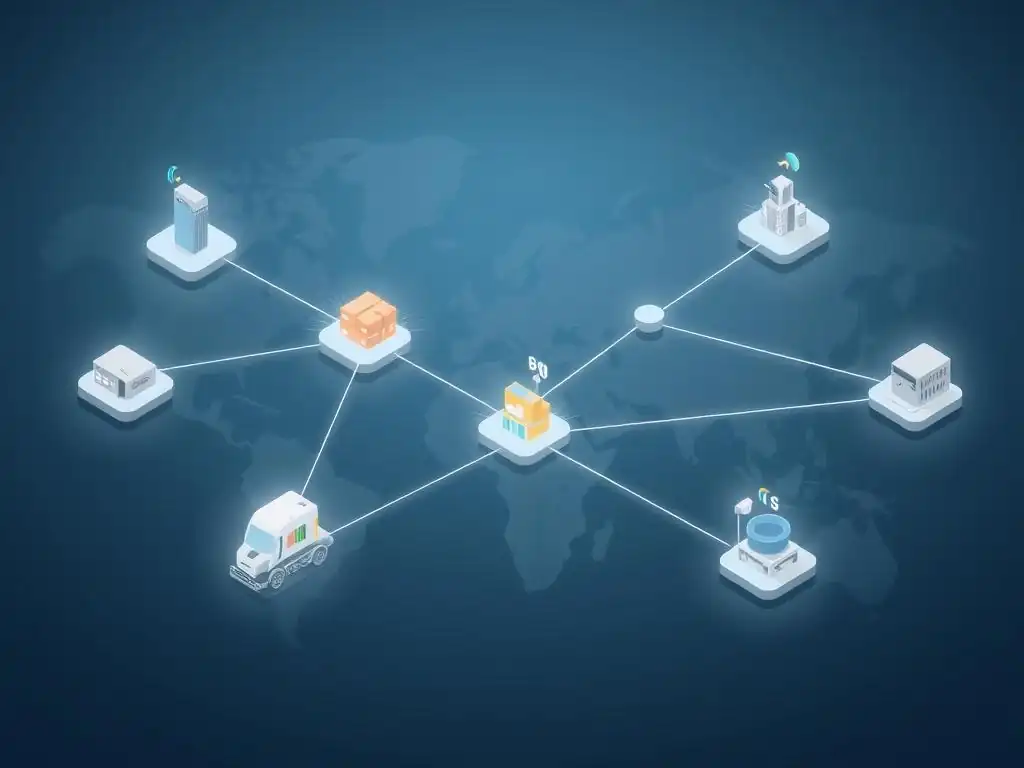
Smart contracts are a key enabler of automation within blockchain-based supply chains. They can automate processes such as triggering payments upon delivery verification, updating inventory levels based on shipment data, or executing warranty claims based on product tracking information. The power and flexibility of the platform's smart contract language and execution environment are important considerations. Are smart contracts easy to develop, test, and deploy? Do they support the complexity of your business logic and contractual agreements?
Evaluate the programming languages supported (e.g., Java, Kotlin, Go, Solidity). Using languages familiar to your development team can significantly reduce development time and costs. Also, consider the security of smart contracts; vulnerabilities in smart contract code can lead to significant losses. Look for platforms that offer tools for smart contract auditing and secure development practices. The ability to automate key supply chain processes through reliable smart contracts is a major benefit of blockchain, and assessing this capability is a vital part of any Blockchain supply chain comparison.
Considering the Total Cost of Ownership (TCO) for Each Platform
The total cost of ownership (TCO) extends beyond the initial platform setup or potential licensing fees. It includes ongoing operational costs such as network infrastructure (running nodes), transaction fees (if applicable), development and maintenance costs for smart contracts and integration layers, and the cost of managing participants on the network. Permissioned networks typically have infrastructure costs associated with running validator nodes, while public networks have transaction fees that can fluctuate or require managing a token balance (like VTHO on VeChainThor).
Factor in the cost of potential external dependencies, such as oracle services (to bring off-chain data onto the blockchain) or identity verification services. Also, consider the cost of training personnel to manage and operate the blockchain solution. A thorough TCO analysis provides a realistic financial picture beyond initial pilot costs. Comparing these costs across different platforms is a critical component of a comprehensive Blockchain supply chain comparison, ensuring the chosen solution is not only technically suitable but also financially viable for long-term deployment.
Blockchain Supply Chain Use Cases: Real-World Examples
Case Study 1: Tracking Coffee Bean Origins with Blockchain Technology
One compelling real-world application of blockchain in the supply chain is tracking the origin and journey of coffee beans. Companies like Bext360 (using Hyperledger Fabric in some implementations) and others (using various platforms) have implemented solutions that allow consumers to trace their coffee from the farm to the cup. Using mobile apps, consumers can scan a QR code on the coffee packaging to access an immutable record on the blockchain showing details about the specific farm where the beans were grown, the harvest date, processing methods, export details, and even information about fair trade certifications or farmer payments.
This level of transparency builds trust with ethically conscious consumers and helps combat fraud in the coffee industry, where origins and certifications can be easily faked in traditional systems. By recording each step of the process on the blockchain, stakeholders gain verifiable proof of provenance and quality. For example, a project might track a specific lot of beans from a cooperative in Ethiopia, through washing, drying, export, roasting in Europe, and finally to a cafe. The blockchain record provides an auditable trail, benefiting farmers (proof of origin for fair prices), roasters (verified quality), and consumers (trust in sustainability claims).
Case Study 2: Enhancing Pharmaceutical Supply Chain Security
The pharmaceutical supply chain is particularly vulnerable to counterfeiting, which poses serious health risks. Blockchain technology is being deployed to create secure, transparent tracking systems for prescription drugs. Initiatives like the U.S. Drug Supply Chain Security Act (DSCSA) are driving the industry towards greater traceability, and blockchain offers a robust solution. Platforms like Hyperledger Fabric have been used in pilot programs to track individual drug packages from manufacturer to dispenser.
By serializing each package and recording its movement, ownership changes, and handling conditions (like temperature) on an immutable ledger, blockchain makes it incredibly difficult to introduce counterfeit products into the supply chain without detection. If a product's recorded journey on the blockchain doesn't match its physical location or expected chain of custody, it can be flagged as potentially fraudulent.
This enhances patient safety, reduces financial losses from counterfeiting (estimated at tens of billions annually), and improves recall efficiency by quickly identifying affected batches and their locations. Projects have shown the ability to trace specific drug packages through multiple hops in minutes, a vast improvement over traditional methods.
Case Study 3: Improving Transparency in the Diamond Industry
The diamond industry has historically faced challenges regarding the provenance of stones, particularly concerns about "blood diamonds." Blockchain is being used to create a digital, immutable record for diamonds, tracking them from mine to retail. Companies like De Beers with their Tracr platform (built on an enterprise blockchain) assign a unique digital ID to each rough diamond and record its journey, including cutting, polishing, certification, and sales.
This creates a verifiable history for each diamond, providing assurance to consumers about its origin and ethical sourcing. The blockchain record can include details about the mine, cutters, and jewelers involved, adding a layer of transparency that was previously difficult to achieve.
By recording key events and transfers of ownership on the ledger, the platform helps prevent illicit diamonds from entering the legitimate supply chain and provides proof of authenticity. This not only addresses ethical concerns but also enhances the value and trustworthiness of genuine diamonds in the market, offering a stark contrast to the opacity of traditional tracking methods.
The Future of Blockchain in Supply Chain: Trends and Predictions
The Evolution of Blockchain Supply Chain Comparison Tools
As the blockchain landscape matures and more platforms become available, the sophistication of Blockchain supply chain comparison tools is expected to increase significantly. Currently, many comparison resources provide high-level feature lists. The future will likely see tools that offer more granular, data-driven comparisons, perhaps incorporating performance benchmarks from real-world deployments, detailed cost calculators factoring in specific usage patterns, and compatibility assessments with major ERP and WMS systems.
These tools may also integrate user reviews and case study data directly, providing insights into the actual implementation experience and realized benefits on different platforms. Expert systems or AI could potentially analyze a company's specific supply chain requirements and recommend the most suitable platforms based on a vast database of platform capabilities, industry benchmarks, and use case successes. The evolution of Blockchain supply chain comparison tools will be crucial in helping businesses navigate the growing complexity and make informed decisions more efficiently.
The Impact of IoT and AI on Blockchain Supply Chain Solutions
The combination of blockchain with other emerging technologies like the Internet of Things (IoT) and Artificial Intelligence (AI) is poised to revolutionize supply chain management further. IoT devices (sensors, RFID tags, GPS trackers) can automatically collect real-time data about a product's location, condition (temperature, humidity), and status.
This data can then be automatically fed into the blockchain, providing a continuous, verifiable stream of information about the physical world. For instance, temperature sensors in a refrigerated container can record data directly onto the blockchain, triggering a smart contract alert if the temperature deviates from the required range, creating an immutable record for insurance or compliance purposes.
AI can analyze the vast amounts of data collected via IoT and stored on the blockchain to identify patterns, predict potential disruptions, optimize routes, and improve demand forecasting. AI algorithms could process historical blockchain data to detect anomalies indicative of fraud or inefficiency. The synergy between these technologies creates highly intelligent, automated, and transparent supply chains. Blockchain provides the secure, shared ledger for trust and data integrity, IoT provides the real-time physical data, and AI provides the intelligence to act upon that data, moving beyond simple tracking to predictive and prescriptive supply chain management.
Addressing Challenges and Overcoming Barriers to Adoption
Despite the significant potential, several challenges and barriers still need to be addressed for widespread blockchain adoption in supply chains. One major hurdle is the need for industry-wide collaboration and standardization. A blockchain network is most effective when all participants in a supply chain (or a significant portion) join and agree on data standards and governance rules. This requires overcoming competitive barriers and establishing consortiums, which can be a slow and complex process.
- [ ] Establishing common data standards (e.g., for product identifiers, location data, transaction types)
- [ ] Developing clear legal and regulatory frameworks for blockchain-based transactions and smart contracts
- [ ] Addressing technical complexities related to integration with legacy systems
- [ ] Building trust and educating supply chain participants about the benefits and operation of blockchain
- [ ] Ensuring the scalability and cost-effectiveness of platforms for handling massive transaction volumes
Overcoming these barriers requires ongoing efforts from technology providers, industry bodies, regulators, and businesses themselves. As pilot programs mature into production deployments and successful case studies become more common, the path to wider adoption will become clearer. The role of resources that facilitate a Blockchain supply chain comparison will remain vital in helping individual companies navigate the options and contribute to the overall ecosystem growth.
Conclusion: Selecting the Optimal Blockchain Platform for Your Supply Chain
Summarizing the Key Considerations for Blockchain Platform Selection
Choosing the right blockchain platform for your supply chain is a strategic decision that requires careful evaluation of multiple factors. Key considerations include defining your specific supply chain needs and objectives, as this dictates the necessary features and capabilities. Assessing the platform's architecture – permissioned versus permissionless – is crucial, particularly concerning data privacy and performance requirements. Evaluating technical aspects like scalability, security features, and the robustness of the consensus mechanism is non-negotiable, as these directly impact the reliability and capacity of the solution.
Furthermore, practical considerations like the ease of integration with existing IT systems, the flexibility and security of smart contract capabilities, and the total cost of ownership over time are vital for successful implementation and long-term viability. The technical expertise required for development and maintenance should also factor into the decision. Utilizing resources like Blockchain supply chain comparison tools can help structure this evaluation process by providing organized information and highlighting the strengths and weaknesses of different platforms against these criteria.
Emphasizing the Importance of Due Diligence and Pilot Programs
Given the complexity and transformative nature of implementing blockchain in a supply chain, thorough due diligence is essential before committing to a specific platform. This involves not just reviewing technical specifications and cost estimates but also understanding the platform's governance model, the vibrancy of its ecosystem, and the level of support available. Engage with platform providers, seek demonstrations, and talk to other companies that have implemented similar solutions.
Crucially, conducting a pilot program with the chosen platform is highly recommended. A pilot allows you to test the platform's capabilities in a real-world, albeit limited, scenario involving a subset of your supply chain participants and processes. This provides invaluable hands-on experience, helps identify potential integration challenges, validates performance assumptions, and allows stakeholders to gain familiarity with the technology.
The insights gained from a pilot are critical for refining the implementation strategy and confirming that the selected platform is indeed the optimal solution for achieving your desired supply chain improvements. A well-executed pilot, informed by a detailed Blockchain supply chain comparison, significantly increases the chances of a successful full-scale deployment.
Frequently Asked Questions
What are the key advantages of using blockchain technology in supply chain management?
Blockchain offers enhanced transparency and improved traceability throughout the supply chain. This leads to greater efficiency and reduced risk of fraud or counterfeiting.
How do "Blockchain Supply Chain Comparison Tools" help businesses choose the right platform?
These tools provide a side-by-side analysis of different blockchain platforms. They allow businesses to compare features, costs, and scalability options to find the best fit for their needs.
What are some of the main factors to consider when evaluating blockchain platforms for supply chain applications?
Businesses should consider factors like scalability, security, integration capabilities with existing systems, and the platform's compliance with relevant regulations.
What role does DeFi (Decentralized Finance) play in the broader blockchain ecosystem, especially in relation to supply chains?
While not directly used in every supply chain application, DeFi can offer alternative financing options and more efficient payment solutions for participants in the supply chain network.
How are regulations impacting the adoption and implementation of blockchain technology in supply chain management?
Regulatory uncertainty remains a challenge, but increasing regulatory clarity around data privacy and security is crucial. Compliance is essential for long-term adoption and success.
Final Reflection: Embracing Transparency in the Supply Chain
The exploration of blockchain platforms for supply chain management reveals a critical truth: transparency and efficiency are no longer optional, but essential for survival in today's interconnected world. The comparisons we've made highlight the diverse tools available, each offering unique strengths to address the complex challenges of modern supply chains. The potential for enhanced traceability, reduced fraud, and improved collaboration is undeniable, promising a future where goods move with greater speed and accountability.
The impact of blockchain on the supply chain extends far beyond mere technological upgrades. It's about fostering trust and building more resilient ecosystems. Witnessing the evolution of these technologies has been inspiring, reminding us that innovation can drive positive change across industries. The supply chain is the backbone of global commerce, and blockchain has the potential to revolutionize it, making it more transparent, efficient, and secure.
- Don Tapscott, Blockchain Revolution. This quote encapsulates the transformative power we've explored, urging us to consider the broader implications of adopting these technologies.
As you navigate the complexities of choosing the right blockchain solution for your supply chain needs, remember that the journey is as important as the destination. Consider not only the technical specifications but also the values and principles that underpin your organization. Let the insights gained from this comparison guide you towards a future where your supply chain is not just efficient, but also ethical, sustainable, and truly transparent. Embrace the power of blockchain to build a better, more connected world.
Unlock Your Supply Chain's Potential: Start Building Today!
Thank you for exploring the world of blockchain and its applications for supply chain management. We hope this article has provided you with valuable insights into choosing the right platform for your needs. Now, it’s time to turn knowledge into action and transform your operations.
Here’s how you can get started:
- Prioritize your project: Dive into a proof of concept with our interactive tool to begin developing a transformative blockchain solution.
- Explore new horizons: Investigate a platform that aligns with your goals, conduct further research, and consider reaching out to their support teams for personalized guidance.
- Spread the word: Share this article with colleagues and industry peers who are also exploring blockchain solutions for their supply chains. Together, we can build a more transparent and efficient future!
What specific challenge in your supply chain are you most eager to address with blockchain technology? Share your thoughts in the comments below!
Leave a Reply