
Time is Money: Blockchain's Role in Streamlining Logistics for Faster Delivery


Welcome to Blockchain Trends, your gateway to understanding the revolutionary impact of blockchain technology! Beyond the hype of cryptocurrencies lies a world of transformative applications. Dive into our latest article, which explores how blockchain logistics is streamlining delivery times and reshaping the future of supply chain management. Intrigued by the potential for faster, more efficient operations? Discover how this groundbreaking technology is revolutionizing the way goods move around the world and what it means for your business. Read on and unlock the power of decentralized solutions!
Blockchain's Role in Streamlining Logistics for Faster Delivery
- Introduction: The Need for Faster Delivery in Modern Logistics
- Understanding Blockchain Technology for Logistics
- Blockchain Logistics: Core Benefits for Faster Delivery
- Use Cases: Blockchain Applications for Faster Delivery
- Overcoming Challenges in Blockchain Logistics Adoption
- The Future of Blockchain in Logistics: Efficiency and Transparency
- Conclusion: Embracing Blockchain for Logistics Transformation
-
Frequently Asked Questions
- How can blockchain technology improve logistics?
- What are the key benefits of using blockchain in logistics for delivery times?
- How does blockchain help ensure the authenticity of goods in transit?
- What role does smart contracts play in streamlining logistics with blockchain?
- What are some potential challenges to implementing blockchain in logistics?
- Final Reflection: Embracing Efficiency in a Time-Sensitive World
- Unleash Logistics Potential: Take Control Now!
Introduction: The Need for Faster Delivery in Modern Logistics
Rising E-commerce Expectations and Demand for Speed
The digital age has fundamentally reshaped consumer behavior, particularly within the e-commerce landscape. Customers now expect rapid, often next-day or even same-day delivery as a standard offering, not a premium service. This shift is driven by the convenience of online shopping and the instant gratification associated with digital interactions, creating immense pressure on logistics providers to accelerate their operations.
This escalating demand for speed is evidenced by global e-commerce growth, which reached an estimated \$5.8 trillion in 2023 and is projected to exceed \$8 trillion by 2027. With such vast volumes of goods moving through supply chains, the ability to fulfill orders quickly and reliably has become a critical competitive differentiator. Meeting these heightened expectations necessitates a fundamental rethinking of traditional logistics processes to eliminate bottlenecks and inefficiencies that delay delivery.
Limitations of Traditional Logistics Systems
Traditional logistics systems, often reliant on fragmented data, manual processes, and disparate communication channels, struggle to keep pace with the demand for faster delivery. Information is frequently siloed across different stakeholders—carriers, warehouses, customs, and customers—leading to delays, errors, and a lack of real-time visibility. Paperwork remains a significant hurdle, with complex documentation required for shipping, customs clearance, and proof of delivery.
These inherent limitations result in significant inefficiencies, including prolonged transit times, increased administrative costs, and a higher risk of goods being lost, damaged, or delayed. The lack of a single, verifiable source of truth makes tracking goods accurately across multiple handoffs challenging. This opacity prevents timely decision-making and proactive problem-solving, directly impacting the ability of logistics providers to achieve blockchain logistics streamlining delivery times.
Blockchain: A Solution for Improving Logistics Efficiency?
Amidst the challenges faced by traditional systems, blockchain technology has emerged as a potential game-changer for the logistics sector. Its core attributes—decentralization, transparency, security, and immutability—offer a compelling framework for overcoming long-standing inefficiencies. By providing a shared, tamper-proof ledger accessible to authorized parties, blockchain can create a unified view of the supply chain.
The application of blockchain goes beyond simple record-keeping; it enables the automation of processes through smart contracts and enhances trust among participants who may not otherwise have a direct relationship. This technological shift promises to reduce reliance on intermediaries, minimize paperwork, improve tracking accuracy, and ultimately accelerate the movement of goods. Exploring how blockchain logistics streamlining delivery times works in practice is key to understanding its transformative potential.
Understanding Blockchain Technology for Logistics
Blockchain Explained: A Decentralized, Distributed Ledger
At its heart, a blockchain is a type of distributed ledger technology (DLT) that records transactions across a network of computers. Unlike traditional databases stored in a central location, a blockchain distributes copies of the ledger to all participants in the network. Each transaction is grouped into a "block," which is then cryptographically linked to the previous block, forming a chain. Once a block is added, it is extremely difficult to alter retroactively without the consensus of the network.
This decentralized and distributed nature ensures that no single entity controls the data, reducing the risk of manipulation or single points of failure. Participants typically share a common protocol for adding and validating transactions, ensuring data consistency and integrity across the network. This fundamental structure provides a foundation of trust and transparency essential for complex, multi-party environments like logistics.
Transparency, Security, and Immutability in Logistics
Transparency is a key benefit of blockchain in logistics. Authorized network participants can view transaction histories and relevant data points, such as shipment status, location updates, and ownership transfers, in near real-time. This shared visibility reduces information asymmetry and fosters collaboration among supply chain partners.
Security is inherent in the cryptographic principles used to link blocks and validate transactions. Each transaction is secured with digital signatures, and the chain's structure makes tampering with past records computationally infeasible. This immutability ensures that once data is recorded on the blockchain, it provides a reliable and verifiable history of the goods' journey, significantly reducing fraud and disputes. This combination of transparency, security, and immutability is crucial for building trust and efficiency, directly contributing to blockchain logistics streamlining delivery times.
Smart Contracts: Automating Agreements and Processes
Smart contracts are self-executing contracts with the terms of the agreement directly written into code. They reside on the blockchain and automatically execute predefined actions when specific conditions are met. In logistics, smart contracts can automate various processes, such as payments, freight releases, and status updates, based on verifiable events recorded on the ledger (e.g., goods arriving at a specific location, successful customs clearance).
For instance, a smart contract could automatically trigger payment to a carrier upon confirmation of delivery verified by an IoT sensor reporting to the blockchain. This automation eliminates manual checks, reduces administrative overhead, and accelerates transaction settlements. By automating these conditional processes, smart contracts minimize delays caused by paperwork, human intervention, and waiting for confirmation, playing a vital role in blockchain logistics streamlining delivery times.
Blockchain Logistics: Core Benefits for Faster Delivery
Enhanced Supply Chain Visibility and Traceability
Real-time Tracking and Location Data
One of the most significant contributions of blockchain to speeding up deliveries is its ability to provide enhanced, near real-time tracking and location data. By integrating blockchain with IoT devices like GPS trackers or sensors, the physical location and condition of goods can be recorded directly onto the distributed ledger as transactions. This creates a continuous, verifiable record of the item's journey from origin to destination.
This level of granular, real-time visibility allows logistics managers, carriers, and even customers (with appropriate permissions) to know exactly where a shipment is at any given moment and understand potential delays or issues as they arise. This proactive insight enables faster decision-making, quicker rerouting if necessary, and more accurate estimated times of arrival, all contributing directly to blockchain logistics streamlining delivery times.
Combating Counterfeit Goods and Ensuring Authenticity
Beyond location tracking, blockchain's immutable ledger provides a powerful tool for verifying the authenticity of goods as they move through the supply chain. By creating a digital twin on the blockchain that is linked to a physical product (e.g., via a QR code, RFID tag, or unique serial number), every transfer of ownership or handling event can be recorded. This creates a transparent history that proves the origin and legitimacy of the product.
This capability is particularly critical in industries dealing with high-value goods, pharmaceuticals, or luxury items, where counterfeiting is a significant problem. By ensuring that only verified, authentic products are moving through the chain, blockchain reduces the risk of delays caused by inspections for fakes or the costly process of handling returns and recalls of counterfeit items. This streamlined flow of verified goods helps improve blockchain logistics streamlining delivery times.
Improved Efficiency and Reduced Operational Costs
Automated Documentation and Reduced Paperwork
Traditional logistics relies heavily on paper documentation—bills of lading, customs forms, invoices, and certificates. Handling, verifying, and transmitting this paperwork is time-consuming, error-prone, and a major source of delays. Blockchain, combined with smart contracts, allows for the digitization and automation of many of these processes. Digital documents linked to blockchain transactions provide a single, shared source of truth that all parties can access and verify.
Smart contracts can trigger the automatic generation or validation of digital documents based on predefined conditions, eliminating manual data entry and reducing the risk of errors. Estimates suggest that digitizing and automating trade documentation could cut processing times significantly, potentially reducing the time goods spend waiting for paperwork from days to hours. This reduction in administrative burden is a direct contributor to blockchain logistics streamlining delivery times.
Optimized Route Planning and Delivery Management
While not solely a blockchain function, the enhanced data visibility provided by a blockchain ledger can significantly improve route planning and delivery management systems. With accurate, real-time data on shipment location, status, and potential delays available on a shared platform, logistics providers can make more informed decisions about routing, scheduling, and resource allocation.
Furthermore, smart contracts can automate the execution of delivery instructions or trigger alternative plans based on real-time events (e.g., route obstruction detected). This dynamic management, powered by verifiable data from the blockchain, allows for greater agility in responding to unforeseen circumstances, optimizing routes on the fly, and ensuring that deliveries proceed as efficiently as possible, thereby improving blockchain logistics streamlining delivery times.
Streamlined Customs Clearance and Border Crossing
Secure Data Sharing with Regulatory Agencies
Customs and border control processes are often bottlenecks in international logistics, involving complex documentation and verification procedures. Blockchain provides a secure and transparent platform for sharing necessary shipment data with customs authorities and other regulatory agencies. Instead of relying on physical documents or disparate electronic systems, agencies can be granted permissioned access to relevant data directly on the blockchain.
This secure, verifiable data sharing reduces the need for extensive manual checks and accelerates the verification process. Authorities can trust the integrity and origin of the data recorded on the immutable ledger, leading to faster processing times. This streamlined interaction with regulatory bodies is crucial for expediting shipments across borders.
Expedited Inspections and Reduced Border Delays
With enhanced visibility and verified data available via the blockchain, customs officials can perform risk assessments more efficiently and target inspections more effectively. Knowing the complete, verifiable history of a shipment—including its origin, contents, and handling—reduces uncertainty and the need for blanket physical inspections.
Smart contracts can also facilitate automated pre-clearance processes based on verified data, allowing eligible shipments to pass through borders with minimal delay. By reducing the time goods spend waiting for clearance or inspection at borders, blockchain technology directly tackles one of the most significant causes of delay in international logistics, enabling faster transit times and contributing to blockchain logistics streamlining delivery times.
Use Cases: Blockchain Applications for Faster Delivery
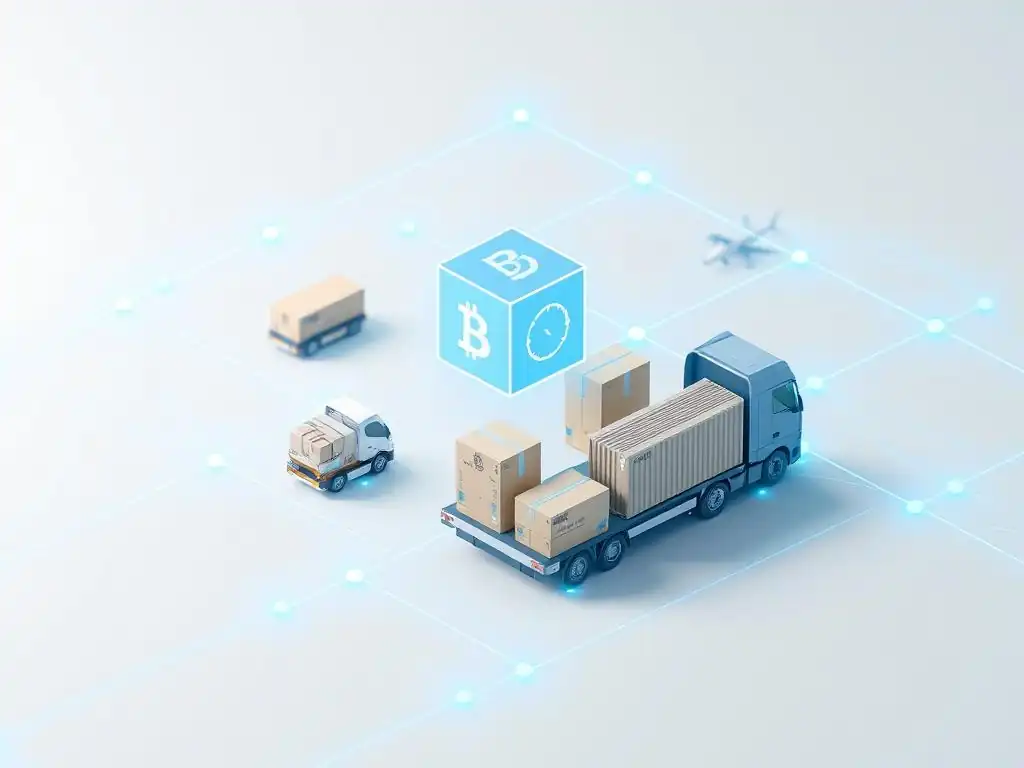
Maersk and IBM's TradeLens Platform for Global Trade
TradeLens, a platform developed by Maersk and IBM, is a prominent example of blockchain being applied to global container shipping. It aims to improve efficiency and transparency by digitizing and connecting the global supply chain ecosystem, including carriers, ports, customs authorities, and logistics providers. The platform uses blockchain to create a shared, immutable record of transactions and events across the shipping process.
Users of TradeLens have reported significant reductions in documentation processing times, with some estimates citing a decrease of up to 40%. The ability to share and access verifiable documents and real-time shipment data on a single platform accelerates the flow of information, which in turn accelerates the physical movement of goods. This real-world application demonstrates blockchain logistics streamlining delivery times in the complex world of international trade.
Walmart's Blockchain Initiative for Food Traceability
Walmart pioneered the use of blockchain for food traceability, initially focusing on pork in China and later expanding to leafy greens in the United States. The goal was to improve food safety by rapidly tracing the origin of produce in the event of an outbreak. Traditional tracing methods could take days or even weeks to track a product back to its farm of origin.
By requiring suppliers to upload data about their produce onto a Hyperledger Fabric-based blockchain, Walmart reduced the tracing time from days to mere seconds. While primarily focused on safety, this rapid traceability also has implications for logistics efficiency. Knowing the exact journey and origin of goods instantly allows for quicker identification and isolation of affected products, preventing broader supply chain disruptions and ensuring the faster movement of unaffected goods.
MediLedger Network for Pharmaceutical Supply Chain Security
The MediLedger Network is a blockchain-based solution developed to meet regulatory requirements for tracing prescription drugs in the United States, specifically the Drug Supply Chain Security Act (DSCSA). The network allows pharmaceutical companies, wholesalers, and dispensers to verify the authenticity and ownership history of drug packages as they change hands.
By providing a secure, decentralized system for tracking ownership and verifying product identifiers, MediLedger helps prevent counterfeit drugs from entering the legitimate supply chain. This enhances security and trust but also improves logistics efficiency by reducing the need for manual verification processes and minimizing delays associated with suspect products. Ensuring the integrity of the supply chain through blockchain directly supports the reliable and timely delivery of critical medications.
Overcoming Challenges in Blockchain Logistics Adoption
Scalability and Throughput Limitations
One significant challenge for widespread blockchain adoption in logistics is scalability. Public blockchains, while highly decentralized, can face limitations in transaction throughput (the number of transactions processed per second). While enterprise-focused private or permissioned blockchains used in logistics networks like TradeLens offer higher performance than public chains like Bitcoin or Ethereum (pre-Eth 2.0), they still need to handle the immense volume of transactions generated by global logistics operations, which involve millions of shipments daily.
Addressing scalability requires advancements in blockchain architecture, such as sharding, layer-2 solutions, or optimizing consensus mechanisms for private networks. Ensuring the network can handle peak loads without performance degradation is crucial for maintaining the speed benefits promised by blockchain logistics streamlining delivery times. Development efforts are ongoing within the industry to enhance the underlying technology's capacity.
Interoperability with Legacy Systems
The logistics industry relies on a vast ecosystem of legacy systems, including warehouse management systems (WMS), transportation management systems (TMS), enterprise resource planning (ERP) software, and various port and customs systems. Integrating new blockchain platforms with these existing, often decades-old, systems presents a significant technical hurdle. Data formats, communication protocols, and system architectures vary widely.
Achieving seamless interoperability is essential for blockchain data to flow freely and be utilized effectively across the entire supply chain. This often requires developing robust APIs, middleware, or data transformation layers to bridge the gap between the blockchain network and legacy infrastructure. Without effective integration, the benefits of blockchain visibility and automation cannot be fully realized, hindering efforts towards blockchain logistics streamlining delivery times.
Regulatory Compliance and Legal Frameworks
Implementing blockchain in logistics involves navigating a complex web of national and international regulations governing data privacy, electronic signatures, digital documents, and cross-border data flow. The legal status of smart contracts and the enforceability of agreements executed automatically on a blockchain are still evolving in many jurisdictions.
Ensuring compliance with diverse regulations, such as GDPR for data privacy or specific customs requirements in different countries, requires careful design of blockchain solutions and collaboration with legal experts and authorities. The lack of globally harmonized standards for blockchain adoption in logistics can create uncertainty and slow down implementation, impacting the pace at which companies can leverage blockchain logistics streamlining delivery times.
Security Vulnerabilities and Data Protection
While blockchain's inherent cryptographic features provide strong security, the technology is not immune to vulnerabilities, particularly at the edges of the network or within associated applications. Smart contract bugs, private key compromises, or vulnerabilities in the integration layers connecting blockchain to external systems can pose risks. Protecting sensitive commercial data shared on the network is paramount.
Implementing robust security practices, including regular audits of smart contract code, secure key management, and strong access controls for permissioned networks, is critical. While the blockchain ledger itself is immutable, ensuring the accuracy and security of the data before it is written to the chain is also vital. Addressing these security considerations is necessary to build trust and ensure the safe and reliable adoption of blockchain for logistics efficiency.
The Future of Blockchain in Logistics: Efficiency and Transparency
Emerging Trends in Blockchain-Enabled Supply Chains
The future of blockchain in logistics is marked by several emerging trends aimed at further enhancing efficiency and transparency. One trend is the increasing focus on creating industry-wide, permissioned networks that connect multiple stakeholders across complex supply chains, moving beyond single-company or bilateral initiatives. These networks aim to establish common standards and protocols for data sharing and process automation.
Another trend is the exploration of tokenization of assets, where physical goods or documents are represented by digital tokens on the blockchain. This can simplify ownership transfer and financing within the supply chain. Furthermore, advancements in privacy-preserving technologies, such as zero-knowledge proofs, are being integrated into blockchain solutions to allow verification of data or transactions without revealing sensitive underlying information, addressing privacy concerns while maintaining transparency where needed.
IoT and AI Integration with Blockchain for Enhanced Logistics
The true power of blockchain in logistics is amplified when combined with other cutting-edge technologies like the Internet of Things (IoT) and Artificial Intelligence (AI). IoT devices (sensors, trackers) can feed real-time, verifiable data about location, temperature, humidity, and other conditions directly onto the blockchain, creating an immutable record of the goods' journey and state.
AI algorithms can then analyze this rich, secure dataset from the blockchain to optimize routes, predict potential delays or issues, automate decision-making processes, and improve demand forecasting. For example, AI could analyze blockchain-recorded sensor data to predict when a shipment might deviate from its planned schedule and trigger a smart contract to alert relevant parties or initiate an alternative action. This synergistic integration promises even greater levels of automation and predictive capabilities, further contributing to blockchain logistics streamlining delivery times.
Future Predictions for Delivery Times with Blockchain
Predicting exact future delivery times is challenging, as it depends on widespread adoption and integration levels, but the potential impact of blockchain is significant. With mature blockchain networks, integrated IoT, and AI-driven analytics, many of the current sources of delay—paperwork, manual checks, lack of visibility, and slow dispute resolution—could be drastically reduced.
Industry analysts and pilot programs suggest that end-to-end transit times for international shipments could be reduced by up to 10-25% or even more in specific corridors or for certain types of goods. The time spent on documentation and administrative tasks could potentially be cut by 40-80%. While eliminating all delays is unrealistic, blockchain's ability to create a faster, more transparent, and automated flow of information and goods holds the potential to significantly improve blockchain logistics streamlining delivery times across various modes of transport and supply chain stages.
Conclusion: Embracing Blockchain for Logistics Transformation
Key Benefits of Blockchain in Streamlining Logistics
Blockchain technology offers a compelling suite of benefits poised to transform the logistics industry, particularly in the crucial area of accelerating delivery times. The core advantages lie in establishing a foundation of trust and transparency through a decentralized, immutable ledger. This enables enhanced visibility and traceability of goods, providing near real-time location and status updates that were previously unattainable.
Key benefits include:
- Improved supply chain visibility, allowing for proactive management and faster response to disruptions.
- Reduced administrative burden through the digitization and automation of documentation via smart contracts.
- Streamlined customs and border processes by enabling secure, verifiable data sharing with authorities.
- Enhanced security and authenticity verification, reducing delays caused by fraud or counterfeit goods.
- Increased efficiency and reduced operational costs across the supply chain.
These improvements collectively contribute directly to blockchain logistics streamlining delivery times, meeting the escalating demands of the modern e-commerce driven economy.
Long-Term Impact of Blockchain on Supply Chain Efficiency
The long-term impact of blockchain on supply chain efficiency extends beyond just faster deliveries. By creating a single source of truth and automating complex processes, blockchain fosters greater collaboration and trust among disparate supply chain partners. This increased trust can lead to more efficient planning, reduced need for intermediaries, and lower transaction costs.
Furthermore, the rich, verifiable data collected on the blockchain provides unprecedented insights into supply chain performance. This data can be leveraged for continuous process improvement, risk management, and building more resilient supply chains. The foundational shift towards a transparent, automated, and secure ecosystem promises sustained improvements in efficiency and reliability across global trade networks.
Exploring Blockchain Solutions for Logistics Optimization
For logistics companies and supply chain stakeholders, exploring and piloting blockchain solutions is no longer a futuristic endeavor but a necessity for staying competitive. Identifying specific pain points within their operations—whether it's customs delays, tracking inaccuracies, or excessive paperwork—can help determine where blockchain implementation can yield the most significant benefits.
While challenges related to scalability, interoperability, and regulation exist, ongoing advancements and successful pilot programs demonstrate the technology's viability. By strategically adopting blockchain, integrating it with existing systems and emerging technologies like IoT and AI, companies can unlock new levels of efficiency, transparency, and speed, ultimately achieving significant improvements in blockchain logistics streamlining delivery times and transforming their supply chain operations.
Frequently Asked Questions
How can blockchain technology improve logistics?
Blockchain creates a shared, immutable ledger that enhances supply chain visibility and traceability. This increased transparency helps streamline processes and reduce delays.
What are the key benefits of using blockchain in logistics for delivery times?
It facilitates faster verification of goods, reduces paperwork, and automates processes like payments and customs clearance, all contributing to quicker delivery times.
How does blockchain help ensure the authenticity of goods in transit?
By recording information about a product's origin and journey on a secure, tamper-proof ledger, blockchain prevents counterfeiting and ensures product provenance, building consumer trust.
What role does smart contracts play in streamlining logistics with blockchain?
Smart contracts automate agreements between parties (e.g., suppliers, carriers, customers), triggering actions like payments or notifications automatically upon fulfilling pre-defined conditions, leading to faster and more efficient transactions.
What are some potential challenges to implementing blockchain in logistics?
Challenges include integration with existing systems, scalability concerns, and the need for industry-wide collaboration to establish common standards and protocols for blockchain adoption.
Final Reflection: Embracing Efficiency in a Time-Sensitive World
The exploration of blockchain's transformative power in logistics, as detailed throughout this article, underscores a critical truth: time is, indeed, money, and efficiency is the key to unlocking unprecedented value. The integration of blockchain technology isn't just a futuristic concept; it's a present-day solution to the pervasive challenges of supply chain inefficiencies, offering tangible benefits in terms of reduced delivery times, enhanced transparency, and ultimately, a more competitive global marketplace.
This shift towards blockchain-enabled logistics is profoundly impacting the cultural and social landscape, reshaping our expectations of speed and reliability in the delivery of goods. The ability to track products with unparalleled accuracy and security, from origin to destination, fosters a new level of trust and accountability within the supply chain. This, in turn, influences consumer behavior and business strategies alike. The future of logistics is not just about moving goods; it's about moving information. Blockchain provides the infrastructure to do that securely and efficiently.
This quote encapsulates the essence of the revolution we're witnessing, a revolution driven by the need for greater transparency and faster delivery times.
As we conclude this exploration, I invite you to reflect on the implications of blockchain logistics streamlining delivery times for your own life and work. Consider how embracing innovative solutions, like blockchain, can unlock new levels of efficiency and create a more seamless, connected world. The future of logistics is being written now, and your understanding and adoption of these technologies will play a crucial role in shaping that future. Let us all strive to be pioneers in this new era of efficiency, where time is truly valued and every delivery is a testament to the power of innovation.
Unleash Logistics Potential: Take Control Now!
Thank you for exploring how blockchain technology can transform logistics to achieve faster delivery and greater efficiency. Now that you've gained valuable insights, it’s time to take action and implement these ideas to improve your operations.
Here are some steps you can start today:
- Identify a key challenge in your current logistics process that blockchain could help resolve. Focus on one specific area to begin with.
- Research different blockchain platforms or solutions tailored for supply chain management. Compare features and suitability for your needs.
- Share your ideas with your team. Collaborate to brainstorm innovative ways to incorporate blockchain into your logistics workflows.
What is the first step you plan to take this week to explore blockchain’s potential for your logistics operations? Share your plan in the comments below!
Leave a Reply