
Advanced Sharding Concepts: Exploring Dynamic Sharding and Adaptive Solutions

Welcome to Blockchain Trends, your compass in the rapidly evolving world of decentralized technology. Beyond the hype, we delve into the real-world applications and future possibilities of blockchain. Ever wondered how to unlock the full potential of blockchain scalability? Dive in and explore the core principles behind dynamic blockchain sharding implementation strategies and discover how adaptive solutions are revolutionizing transaction throughput. The future of blockchain is here – are you ready to explore it?
- Understanding the Limitations of Traditional Blockchain Sharding
-
Frequently Asked Questions
- What is dynamic blockchain sharding, and how does it differ from static sharding?
- Why is dynamic sharding considered an advanced sharding concept?
- How does dynamic sharding contribute to improved blockchain scalability?
- What are some of the challenges associated with implementing dynamic blockchain sharding?
- How does dynamic sharding relate to the future of decentralized systems?
- Final Reflection: Embracing the Future of Scalable Blockchains
- Revolutionize Your Understanding: Embrace the Future of Blockchain Scalability!
Understanding the Limitations of Traditional Blockchain Sharding
Static Sharding Challenges: Limitations in Handling Uneven Data Distribution
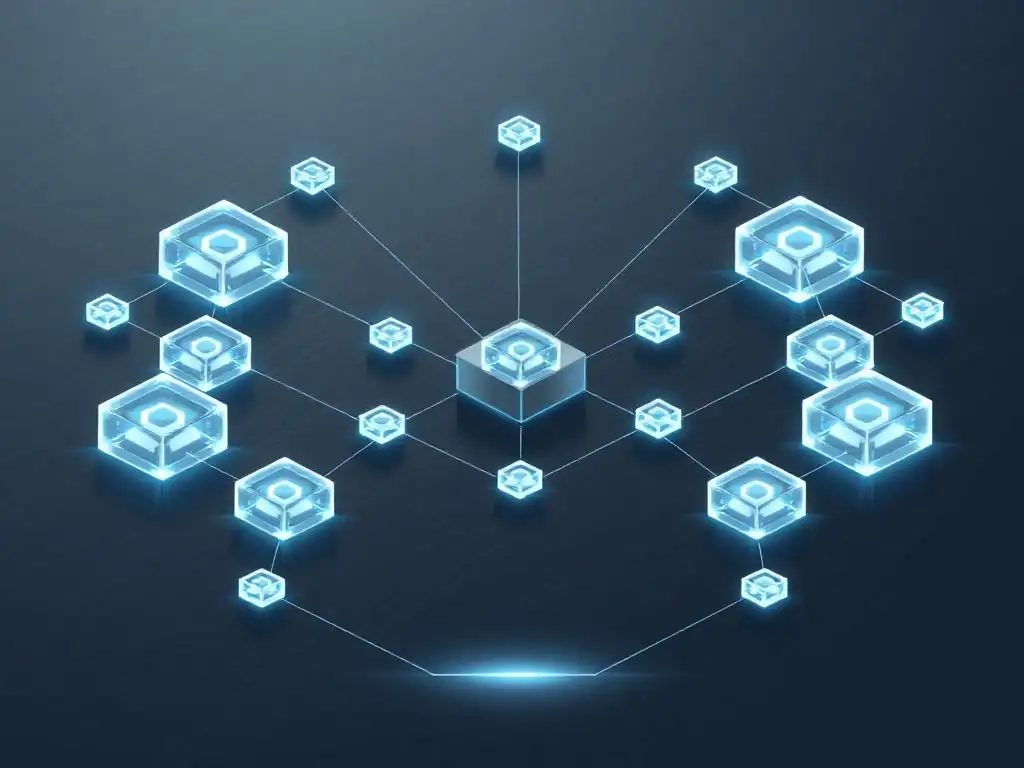
Static sharding, a foundational approach to blockchain scalability, divides the blockchain network into fixed shards, each responsible for processing a subset of transactions and data. While this initial partitioning significantly boosts transaction throughput by parallelizing processing, it encounters inherent limitations when faced with real-world, dynamic data distribution. In a static sharding model, the assignment of accounts and data to specific shards remains constant over time.
This rigidity becomes problematic when transaction load or data access patterns become unevenly distributed across the network. For example, a shard assigned to handle popular decentralized applications (dApps) or high-volume accounts may become overloaded, leading to bottlenecks and reduced performance for users within that shard. Conversely, other shards might remain underutilized, wasting valuable network resources.
This static allocation cannot adapt to shifts in network activity, making it inefficient and potentially leading to performance degradation under fluctuating conditions. The inability to dynamically rebalance the load among shards is a significant drawback of static sharding, hindering its effectiveness in maintaining consistently high performance in a dynamic blockchain environment.
The challenges of static sharding extend beyond mere load imbalance. Consider a scenario where a sudden surge in popularity for a specific non-fungible token (NFT) collection occurs. If the accounts associated with this NFT collection are primarily located within a single static shard, that shard will experience a dramatic increase in transaction volume.
This localized surge can lead to congestion, increased transaction fees, and slower confirmation times for users interacting with that specific NFT collection, even if the rest of the network is operating smoothly. Static sharding, in this case, fails to isolate and manage these localized hotspots effectively. Furthermore, static sharding can be vulnerable to security risks if a shard becomes compromised.
Since shard assignments are fixed, attackers could potentially target specific shards known to hold high-value assets or critical network functions, exploiting the predictable nature of static partitioning. These limitations highlight the critical need for more adaptive and dynamic sharding solutions that can overcome the inherent inflexibility of static approaches and ensure consistent performance and security in evolving blockchain ecosystems.
The Need for Dynamic Sharding Solutions in Modern Blockchains
The evolution of blockchain technology towards broader adoption and more complex applications necessitates scalability solutions that are not only efficient but also adaptable to the ever-changing demands of decentralized networks. Static sharding, while a valuable first step, proves inadequate in meeting these dynamic requirements. Modern blockchains require dynamic sharding solutions that can intelligently adjust to fluctuating transaction loads, evolving data distributions, and varying network conditions.
The core need for dynamic sharding stems from the inherent unpredictability of real-world blockchain usage. Transaction volumes can spike unexpectedly due to viral dApps, market fluctuations, or unforeseen events. Data access patterns are rarely uniform, with certain accounts or smart contracts experiencing significantly higher activity than others.
Network conditions themselves are not static; node availability, network latency, and even geographical distribution of users can change over time. Static sharding, with its fixed shard assignments, is ill-equipped to handle these dynamic shifts, leading to potential performance bottlenecks, resource underutilization, and even security vulnerabilities.
Dynamic sharding solutions address these challenges by introducing flexibility and adaptability into the sharding architecture. Unlike static sharding, dynamic approaches allow for the redistribution of data and transaction processing responsibilities across shards in response to changing network conditions. This adaptability is crucial for maintaining optimal performance and resource utilization.
For instance, if a particular shard becomes overloaded due to a sudden surge in transaction volume, a dynamic sharding system can automatically reassign some of the load to less utilized shards, preventing congestion and ensuring consistent transaction processing speeds across the entire network. Furthermore, dynamic sharding enhances security by making it more difficult for attackers to predict shard assignments and target specific parts of the network.
By constantly reshuffling data and responsibilities, dynamic sharding creates a more resilient and robust blockchain infrastructure capable of scaling effectively to meet the demands of future blockchain applications. The shift towards dynamic blockchain sharding implementation strategies is therefore not merely an incremental improvement but a necessary evolution to unlock the full potential of blockchain technology in a dynamic and unpredictable world.
Frequently Asked Questions
What is dynamic blockchain sharding, and how does it differ from static sharding?
Dynamic sharding involves adjusting shard assignments and sizes automatically based on network conditions. Unlike static sharding, it offers greater flexibility and resilience to fluctuating workloads and potential attacks. This adaptability is crucial for scaling blockchain networks efficiently.
Why is dynamic sharding considered an advanced sharding concept?
Dynamic sharding is advanced because it requires complex algorithms for real-time shard management and data redistribution. Implementing it also demands sophisticated consensus mechanisms to maintain data consistency and security across dynamically changing shards.
How does dynamic sharding contribute to improved blockchain scalability?
By dynamically adjusting shard sizes and assignments, dynamic sharding can optimize resource allocation and prevent bottlenecks. This leads to increased transaction throughput and overall improved scalability compared to static or no sharding approaches.
What are some of the challenges associated with implementing dynamic blockchain sharding?
Challenges include the complexity of implementing and verifying dynamic shard assignments, ensuring data consistency during shard splits and merges, and mitigating potential attack vectors that exploit shard reconfigurations.
How does dynamic sharding relate to the future of decentralized systems?
Dynamic sharding represents a crucial step towards building truly scalable and robust decentralized systems. It enables blockchains to handle a greater volume of transactions and data, paving the way for wider adoption and diverse applications.
Final Reflection: Embracing the Future of Scalable Blockchains
The exploration of dynamic sharding and adaptive solutions underscores a critical truth: blockchain technology must evolve to meet the demands of a rapidly expanding digital landscape. As we've seen, static sharding approaches fall short in the face of fluctuating network conditions and uneven data distribution. The future hinges on our ability to implement dynamic blockchain sharding implementation strategies that can intelligently adapt and optimize performance in real-time.
The journey through these advanced concepts has not only illuminated the technical complexities but also highlighted the profound impact of scalability on the broader blockchain ecosystem. The ability to process transactions efficiently and securely is paramount to realizing the full potential of decentralized applications and fostering widespread adoption. The only limit to our realization of tomorrow will be our doubts of today.
- Franklin D. Roosevelt. This quote resonates deeply as we consider the challenges and opportunities that lie ahead in the pursuit of truly scalable blockchain solutions.
As you navigate the ever-evolving world of blockchain technology, remember that innovation is a continuous process. Embrace the principles of dynamic sharding and adaptive solutions, and let them guide your exploration of new and innovative approaches. Let us all strive to build a future where blockchain technology can seamlessly support the needs of a global, interconnected world.
Revolutionize Your Understanding: Embrace the Future of Blockchain Scalability!
Thank you for exploring the intricacies of dynamic sharding and adaptive solutions. We hope you've gained valuable insights into how these advanced concepts are shaping the future of blockchain technology and addressing critical scalability challenges. Now, it's time to put that knowledge into action:
- Dive deeper: Experiment with setting up a simulated sharded blockchain network using open-source tools to gain hands-on experience with these concepts. This will help you fully grasp their potential.
- Explore related projects: Research blockchain initiatives that are actively implementing sharding techniques and analyze their approaches. What challenges are they facing? How are they overcoming them?
- Share your findings: Start a discussion on blockchain forums or social media, sharing your insights on dynamic sharding and adaptive solutions. Help spread the word and foster innovation!
What specific aspect of dynamic sharding interests you most, and what experiments are you planning to explore its potential?
Leave a Reply