
The Competitive Advantage of Blockchain in Supply Chain: Early Adopters vs. Laggards

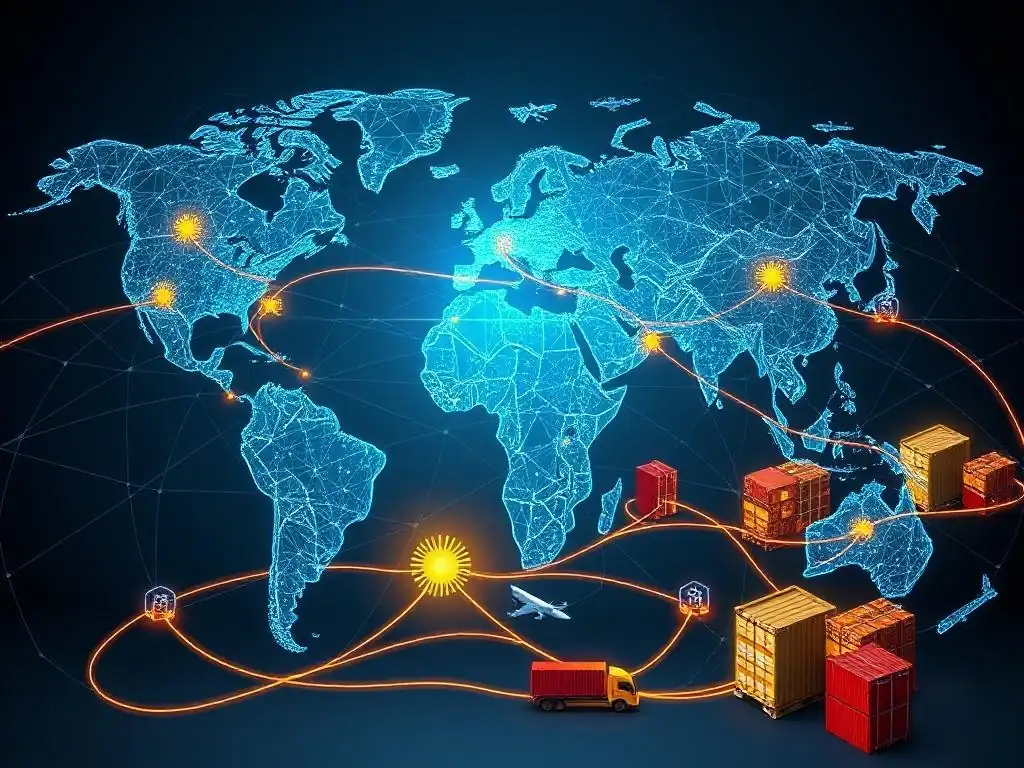
Welcome to Blockchain Trends, your compass in the rapidly evolving world of decentralized technology!
Are you ready to unlock the true potential of blockchain, far beyond the hype of cryptocurrencies? In today's landscape, securing a blockchain supply chain competitive advantage is no longer a future possibility, but a present necessity. Discover the crucial differences between early adopters and those lagging behind, and learn how to leverage this transformative technology to revolutionize your operations. Intrigued? Let's dive in.
- Blockchain Supply Chain Implementation Challenges and Considerations
-
Frequently Asked Questions
- How does blockchain technology provide a competitive advantage in supply chains?
- What are the key differences between early adopters and laggards in implementing blockchain for supply chain management?
- What are some practical examples of blockchain use cases in supply chain that lead to competitive advantage?
- What regulatory considerations should companies be aware of when implementing blockchain in their supply chain?
- How can companies measure the ROI of blockchain implementation in their supply chain to demonstrate a competitive advantage?
- Final Reflection: Embracing the Blockchain Revolution in Supply Chains
- Unleash Your Supply Chain Potential: Join the Blockchain Revolution!
Blockchain Supply Chain Implementation Challenges and Considerations

Overcoming Barriers to Blockchain Adoption in Supply Chain
Implementing blockchain technology within complex, established supply chains presents significant hurdles that early adopters must navigate to secure a blockchain supply chain competitive advantage. One primary barrier is the inherent resistance to change within large organizations, often rooted in unfamiliarity with the technology and concerns about disrupting existing workflows. Legacy systems, which are often disparate and lack interoperability, pose another major challenge.
Integrating blockchain with these older systems requires substantial technical effort and investment, potentially ranging from tens of thousands to millions of dollars depending on the complexity and scale of the supply chain network. Furthermore, there is a notable skills gap in the workforce; finding professionals with expertise in both supply chain operations and blockchain development or implementation is difficult, leading to high demand and recruitment challenges.
Addressing these barriers requires a multi-faceted approach. Companies must invest in comprehensive training programs to upskill their existing staff and foster a culture of innovation. Pilot projects, starting with specific, contained use cases (like high-value goods tracking or specific compliance reporting), can demonstrate the technology's value and build internal champions before a full-scale rollout.
Collaboration across the supply chain ecosystem is also crucial. Since blockchain's power lies in shared trust and data, engaging partners, suppliers, and customers early in the process helps align expectations and build the necessary network effect. While the initial investment and effort are substantial, successfully overcoming these hurdles is essential for unlocking the long-term blockchain supply chain competitive advantage.
Addressing Data Integration Challenges in Blockchain Supply Chain Solutions
A critical technical challenge in leveraging blockchain for supply chains is the seamless and accurate integration of data from various sources into the decentralized ledger. Supply chains generate vast amounts of data from diverse systems, including Enterprise Resource Planning (ERP), Warehouse Management Systems (WMS), Internet of Things (IoT) sensors, and manual entries. Ensuring this data is standardized, clean, and correctly formatted before being written to the blockchain is paramount.
Inaccurate or inconsistent data entered into an immutable ledger can undermine the very benefits of transparency and trust that blockchain promises. This often necessitates significant data cleansing and transformation efforts, which can be time-consuming and resource-intensive, sometimes requiring specialized middleware or integration platforms.
Moreover, connecting existing operational systems to the blockchain requires developing or adopting robust Application Programming Interfaces (APIs) and connectors. For instance, integrating real-time temperature data from an IoT sensor on a refrigerated truck with a blockchain ledger documenting the shipment's journey demands reliable data streams and secure API endpoints.
The complexity increases when integrating with systems belonging to numerous different partners across the supply chain, each potentially using different software or data standards. Successfully tackling these data integration complexities is a key determinant in realizing the full potential of a blockchain supply chain competitive advantage by ensuring the ledger provides a single, trustworthy source of truth for all participants.
Implementing blockchain solutions in supply chains must carefully consider and comply with evolving data privacy regulations worldwide, such as GDPR in Europe, CCPA in California, and similar laws emerging globally. These regulations grant individuals rights over their personal data, including the right to access, rectify, and, critically, the "right to be forgotten" or erasure. This presents a fundamental challenge for public or permissionless blockchains designed for immutability, where data, once recorded, is extremely difficult or impossible to alter or remove. Storing sensitive personal data directly on such chains can lead to non-compliance issues and significant legal risks.
To navigate these regulations while still leveraging blockchain's benefits, supply chain implementations often utilize permissioned or private blockchains where access and participation are controlled. Alternatively, a common strategy is to store sensitive or personally identifiable information off-chain in traditional databases, while only storing a cryptographic hash or a unique identifier of that data on the blockchain.
This allows participants to verify the integrity and existence of the off-chain data record without storing the sensitive details immutably on the ledger. Designing systems with data minimization principles and carefully structuring what information is recorded on-chain versus off-chain is vital for achieving a compliant and secure blockchain supply chain competitive advantage.
Frequently Asked Questions
How does blockchain technology provide a competitive advantage in supply chains?
Blockchain enhances supply chain transparency by creating a shared, immutable ledger. This allows for improved tracking and tracing of goods, reducing fraud and increasing trust.
What are the key differences between early adopters and laggards in implementing blockchain for supply chain management?
Early adopters proactively invest in blockchain infrastructure and pilot projects, gaining a first-mover advantage. Laggards face challenges in adapting to new technologies and may miss out on crucial market opportunities.
What are some practical examples of blockchain use cases in supply chain that lead to competitive advantage?
Examples include verifying product authenticity, improving traceability of food sources, and streamlining cross-border payments. These applications lead to increased efficiency and customer satisfaction.
What regulatory considerations should companies be aware of when implementing blockchain in their supply chain?
Regulations surrounding data privacy, cybersecurity, and cross-border transactions are crucial. Compliance is essential to avoid legal issues and maintain a reputable brand image.
How can companies measure the ROI of blockchain implementation in their supply chain to demonstrate a competitive advantage?
ROI can be measured through metrics like reduced operational costs, improved supply chain efficiency, and increased customer loyalty. These metrics quantify the tangible benefits.
Final Reflection: Embracing the Blockchain Revolution in Supply Chains
The insights shared throughout this article highlight a critical juncture for businesses navigating the complexities of modern supply chains. The competitive advantage offered by blockchain technology is no longer a distant promise, but a tangible reality for early adopters. The stark contrast between those leveraging blockchain's transparency and efficiency and those lagging behind underscores the urgency for businesses to embrace this transformative technology.
The impact of blockchain on supply chain management extends far beyond mere efficiency gains. It's reshaping trust, accountability, and sustainability within global networks. Witnessing the evolution of blockchain from a theoretical concept to a practical solution has been profoundly impactful, revealing its potential to revolutionize industries. The future of supply chains is not just about moving goods; it's about moving information, trust, and value in a secure and transparent manner.
This quote encapsulates the essence of blockchain's transformative power and its potential to create a more equitable and resilient global economy.
As we conclude this exploration of blockchain's competitive advantages, I invite you to consider your own role in this revolution. Are you ready to be a pioneer, shaping the future of supply chains with transparency and innovation? Or will you risk being left behind, clinging to outdated systems in an increasingly interconnected world? The choice is yours. Embrace the potential of blockchain, and together, let's build a more efficient, transparent, and sustainable future for all.
Unleash Your Supply Chain Potential: Join the Blockchain Revolution!
Thank you for exploring the transformative role of blockchain in supply chain management. You've seen how early adopters are gaining a competitive edge by integrating this innovative technology. Now, it's time to take the next step and discover how blockchain can enhance your own supply chain operations.
Here’s how to get started:
- Become a Blockchain Supply Chain Pioneer: Identify a key area in your supply chain where blockchain implementation could deliver the most significant improvements in efficiency or security. Start with a small pilot, evaluate the results, and learn from the experience.
- Explore case studies: Visit the case studies section on blockchaintrends.org to learn from real-world blockchain applications across various industries.
- Share your thoughts: Join the conversation on our discussion forums to connect with others interested in blockchain’s potential.
What is the first action you'll take this week to explore blockchain solutions for your supply chain? Share your plan in the comments below!
Leave a Reply