
The Challenges and Opportunities of Blockchain in AntiCounterfeiting


Welcome to Blockchain Trends, your definitive source for understanding the evolution of blockchain technology beyond the hype. Dive deep into the world of decentralized finance, enterprise solutions, and regulatory landscapes shaping the future. Are you curious about how blockchain can revolutionize industries beyond cryptocurrency? Our latest article explores the challenges and opportunities of blockchain anticounterfeiting solutions. Discover the hurdles and potential rewards of leveraging this technology to combat fraud and secure supply chains. Intrigued? Read on to unravel the complex landscape of blockchain's role in protecting authenticity.
- Introduction: Blockchain Revolutionizing Anti-Counterfeiting Strategies
- Understanding Blockchain Anticounterfeiting Solutions
- Challenges of Implementing Blockchain Anticounterfeiting Solutions
- Opportunities and Benefits of Blockchain in Combating Counterfeiting
- Overcoming the Challenges: Strategies for Successful Blockchain Anticounterfeiting Implementation
- The Future of Blockchain Anticounterfeiting
- Conclusion: Embracing Blockchain for a Secure and Authentic Future
-
Frequently Asked Questions
- What are the primary challenges in implementing blockchain for anticounterfeiting?
- How can blockchain enhance supply chain transparency to combat counterfeiting?
- What are some examples of successful blockchain-based anticounterfeiting solutions currently in use?
- What regulatory hurdles need to be addressed to facilitate wider adoption of blockchain anticounterfeiting solutions?
- What is the potential future impact of blockchain on the global fight against counterfeiting?
- Final Reflection: Securing Authenticity in a Digital Age
- Uncover the Future: Become a Blockchain Anti-Counterfeiting Pioneer!
Introduction: Blockchain Revolutionizing Anti-Counterfeiting Strategies
The Growing Threat of Counterfeit Goods and the Need for Innovative Solutions
The proliferation of counterfeit goods represents a significant and escalating global threat, impacting nearly every industry, from luxury goods and pharmaceuticals to electronics and automotive parts. Estimates suggest that the global trade in counterfeit goods could reach $2.8 trillion by 2022, according to some reports, a staggering figure that highlights the scale of the problem.
This illicit trade not only causes substantial financial losses for businesses, estimated to be in the hundreds of billions annually through lost sales and damage to brand reputation, but also poses serious health and safety risks to consumers, particularly in sectors like medicine and food.
Traditional anti-counterfeiting measures, such as holograms, security labels, and serial numbers, have proven increasingly insufficient against sophisticated counterfeiters. These methods can often be replicated or bypassed, leaving supply chains vulnerable. The complexity and opacity of modern global supply chains further exacerbate the issue, making it difficult to track products from origin to consumer and verify their authenticity at each step. This critical gap in traceability and verification necessitates the adoption of more robust, secure, and transparent solutions to protect both brands and consumers.
How Blockchain Technology Offers a New Paradigm for Product Authentication
Blockchain technology, initially known for its role in cryptocurrencies like Bitcoin, offers a fundamentally new approach to product authentication and supply chain integrity. At its core, blockchain is a distributed, immutable ledger that records transactions chronologically and publicly (or semi-publicly, depending on the network type). Once data is added to the blockchain, it is extremely difficult and computationally expensive to alter or remove, creating a tamper-evident history.
This inherent security and transparency provide a powerful framework for creating verifiable digital identities for physical products. By assigning a unique digital token or identifier on a blockchain to an item at its point of manufacture, and then recording its journey through the supply chain – from factory floor, through distributors, customs, and retailers, to the end consumer – a complete and trustworthy provenance record is established.
This "digital twin" on the blockchain can be accessed by authorized parties, allowing for quick and reliable verification of a product's authenticity at any stage, offering a significant advantage over traditional, easily forgeable methods.
Understanding Blockchain Anticounterfeiting Solutions
Key Features of Blockchain for Fighting Counterfeiting: Transparency, Immutability, and Traceability
Blockchain technology provides three core features that are particularly valuable in the fight against counterfeit goods: transparency, immutability, and traceability. Transparency, in the context of supply chain blockchain, means that all participating parties have access to the same shared ledger of transactions. While sensitive business details can be permissioned, the record of product movements and verification events is visible and verifiable by network participants, creating a shared source of truth that is difficult to manipulate secretly.
Immutability is perhaps the most critical feature for anti-counterfeiting. Once a record is added to the blockchain, it is cryptographically linked to previous records and distributed across multiple nodes in the network. Altering a past record would require changing it on a majority of these distributed nodes simultaneously, a task that is practically impossible for a large, well-distributed network. This ensures that the history of a product recorded on the blockchain cannot be tampered with by malicious actors, guaranteeing the integrity of the provenance data. This is a significant strength of blockchain anticounterfeiting solutions.
Traceability is the direct result of transparency and immutability. By recording each step of a product's journey on the blockchain, from raw materials or manufacturing to distribution and sale, a comprehensive and unalterable trail is created. This allows stakeholders, including consumers, to trace the product back to its origin, verify its authenticity at each handoff, and identify points of potential compromise or diversion within the supply chain. This granular level of traceability is essential for effective blockchain anticounterfeiting solutions.
Examples of Blockchain-Based Anti-Counterfeiting Platforms and Use Cases
Several companies and consortia have launched blockchain anticounterfeiting solutions across various industries. One prominent example is VeChain, which provides blockchain-as-a-service platforms often used for supply chain management and anti-counterfeiting in sectors like luxury goods and food safety. VeChain's solutions utilize unique identifiers, such as NFC tags or QR codes linked to blockchain entries, allowing consumers to scan a product and instantly access its recorded history and verify its authenticity. Brands like Renji Hospital have partnered with VeChain to track medical assets, demonstrating the technology's application in critical sectors.
Another notable initiative is the use of blockchain in the wine industry to combat counterfeit bottles. Platforms like WineChain aim to create a digital passport for fine wines on the blockchain, recording provenance, storage conditions, and ownership history. This provides buyers with verifiable proof of authenticity, protecting both consumers and producers from fraud. Similarly, companies in the pharmaceuticals sector are exploring blockchain for drug traceability to prevent counterfeit medicines from entering the supply chain, a critical application given the life-threatening nature of fake drugs. These real-world applications highlight the potential of blockchain anti-counterfeiting solutions.
Challenges of Implementing Blockchain Anticounterfeiting Solutions
Technical Challenges in Blockchain Anticounterfeiting
Scalability Issues in Blockchain Networks for Supply Chain Tracking
One of the primary technical hurdles for widespread blockchain anticounterfeiting solutions is scalability. Public blockchains, like Ethereum or Bitcoin, while highly secure and decentralized, can process a limited number of transactions per second. Tracking millions or billions of individual items moving through complex global supply chains generates a massive volume of data and transactions, potentially overwhelming these networks.
While enterprise-focused or private/consortium blockchains offer higher throughput (e.g., Hyperledger Fabric, often cited as capable of thousands of transactions per second under optimal conditions), scaling these to accommodate the tracking needs of large corporations with vast inventories remains a significant challenge. Efficiently handling the transaction volume while maintaining low latency and reasonable costs is crucial for practical implementation.
Interoperability Challenges: Integrating Blockchain with Existing Systems
Integrating blockchain anticounterfeiting solutions with legacy supply chain management (SCM), enterprise resource planning (ERP), and warehouse management systems (WMS) presents significant interoperability challenges. Most companies rely on established, often siloed, systems that were not designed to interact seamlessly with distributed ledger technology. Connecting these disparate systems requires complex API development, data mapping, and middleware solutions.
Ensuring data flows accurately and securely between the legacy systems generating physical product events (like scanning a product upon shipment) and the blockchain recording those events adds layers of technical complexity and potential points of failure. Standard protocols for blockchain interaction are still evolving, complicating cross-platform integration.
Data Security and Privacy Concerns in Blockchain Anticounterfeiting Implementations
While blockchain's immutability enhances data integrity, implementing blockchain anticounterfeiting solutions introduces new data security and privacy considerations. Supply chain data can be highly sensitive, including information about suppliers, routes, quantities, and customer details. While public blockchains offer transparency, they may expose too much information. Private or consortium blockchains allow for permissioned access, but managing access controls across a network of potentially competing stakeholders is complex.
Furthermore, the initial data input onto the blockchain, typically done via oracles or system integrations, remains vulnerable to manipulation before it is recorded. Ensuring the security of off-chain data sources and the mechanisms for getting data onto the blockchain is paramount. Balancing the need for transparency with the requirement for data privacy is a delicate act.
Logistical and Operational Challenges
Supply Chain Complexity and the Need for Collaboration
Modern supply chains are inherently complex, often involving numerous parties across different geographies, regulatory environments, and technological capabilities. Implementing blockchain anticounterfeiting solutions requires agreement and participation from multiple stakeholders – manufacturers, suppliers, logistics providers, distributors, retailers, and potentially even regulators and consumers. Gaining consensus among these diverse entities, many of whom may be competitors or have conflicting interests, on adopting a single technology platform and data standards is a monumental logistical challenge. The success of a blockchain anti-counterfeiting network hinges on the willingness and ability of all key players to collaborate and contribute accurate data.
Onboarding and Training Challenges for Stakeholders
Deploying a new technology like blockchain across a complex supply chain necessitates significant effort in onboarding and training personnel at various touchpoints. From factory workers scanning items to logistics managers updating shipment details and retailers verifying product authenticity, staff need to understand how to interact with the new system and the importance of accurate data entry. This involves developing user-friendly interfaces and providing comprehensive training programs for potentially thousands of employees across different companies and locations. Overcoming resistance to change and ensuring consistent adoption across the entire network represents a substantial operational challenge.
Ensuring Data Accuracy and Integrity in Blockchain Systems
While blockchain guarantees the integrity and immutability of data once it's recorded, it cannot inherently guarantee the accuracy of the data before it enters the chain. The principle of "garbage in, garbage out" applies directly to blockchain anticounterfeiting solutions.
If counterfeit goods are introduced into the supply chain before they are tagged and recorded on the blockchain, or if erroneous or malicious data is entered at any point, the immutable record will reflect this inaccuracy. Implementing robust processes for data validation, verification, and reconciliation at the source – potentially using IoT devices or manual checks – is critical but adds complexity and cost to the operational workflow.
Economic and Financial Challenges
High Implementation Costs of Blockchain Solutions
Implementing enterprise-grade blockchain anticounterfeiting solutions can involve significant upfront costs. These expenses include platform development or licensing fees, integration costs with existing IT infrastructure, hardware (e.g., servers, scanners, IoT devices), software development for custom features, and substantial consulting and implementation services. While the costs vary greatly depending on the complexity and scale of the deployment, a large-scale implementation across a global supply chain could easily run into the hundreds of thousands or even millions of dollars. These high initial investments can be a barrier for many companies, particularly small and medium-sized enterprises (SMEs) in the supply chain.
Return on Investment (ROI) Considerations for Blockchain Anticounterfeiting
Calculating a clear and compelling return on investment (ROI) for blockchain anticounterfeiting solutions can be challenging. While the benefits like reduced counterfeit losses, improved brand reputation, and increased supply chain efficiency are real, quantifying them precisely in monetary terms over a specific timeframe requires sophisticated modeling.
Attributing direct cost savings or revenue increases solely to the blockchain implementation, separate from other operational improvements, is often difficult. Businesses need to develop robust ROI frameworks that consider both tangible benefits (e.g., reduced investigation costs, avoided fines) and intangible benefits (e.g., enhanced consumer trust, stronger brand image) to justify the investment and demonstrate the value of addressing blockchain anticounterfeiting solutions challenges.
Funding and Investment Opportunities in the Blockchain Anticounterfeiting Space
Despite the implementation costs, there are growing funding and investment opportunities in the blockchain anticounterfeiting space. Venture capital firms and strategic corporate investors are increasingly interested in solutions that leverage blockchain to solve real-world problems like counterfeiting. Grants from governmental or industry bodies focused on supply chain security or technological innovation may also be available.
Furthermore, companies implementing these solutions may find opportunities to partner with technology providers or industry consortia to share costs and risks. However, securing this funding often requires a clear business case, a well-defined implementation strategy, and a demonstration of the potential impact of the blockchain anticounterfeiting solution.
Opportunities and Benefits of Blockchain in Combating Counterfeiting
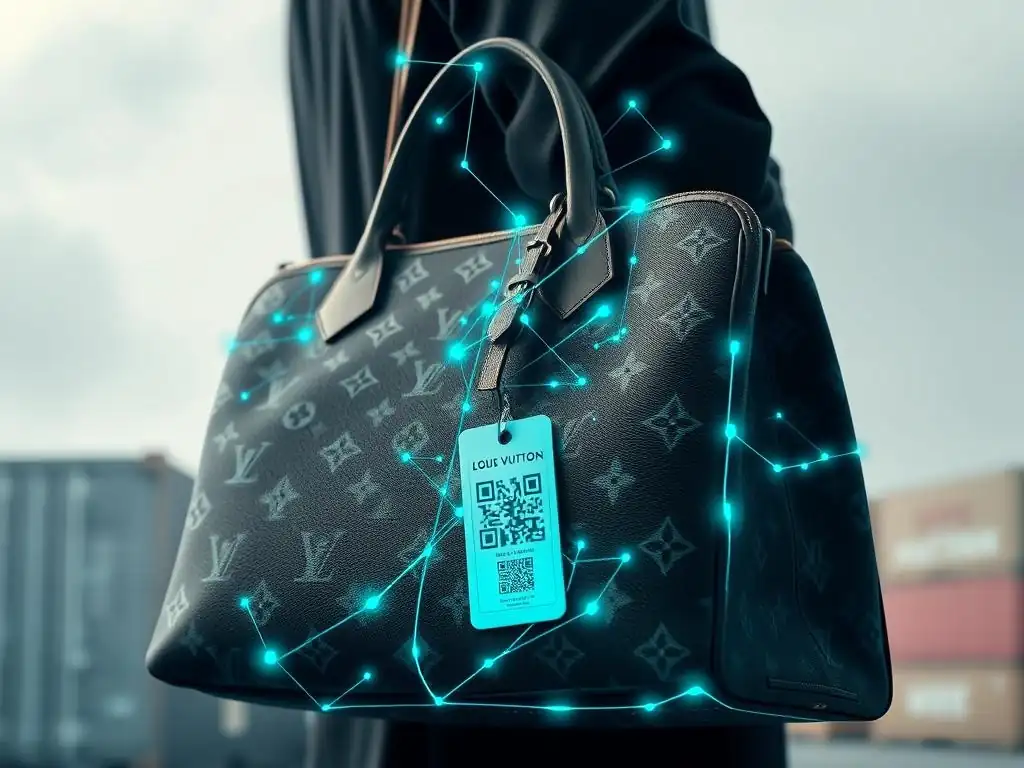
Enhancing Product Authenticity and Traceability
Real-Time Tracking of Products Throughout the Supply Chain
One of the most immediate benefits of blockchain anti-counterfeiting solutions is the ability to achieve near real-time tracking of products as they move through the supply chain. Each time a product is scanned or interacts with a registered point in the network, that event is recorded on the blockchain, creating a timestamped, immutable record of its location and status.
This granular visibility allows brands to monitor the journey of individual items from manufacturing to point of sale, providing unprecedented insight into their distribution channels. This capability is vital for identifying suspicious diversions or bottlenecks that could indicate the introduction of counterfeit goods.
Verification of Product Origin and Manufacturing History
Blockchain enables the definitive verification of a product's origin and manufacturing history. By recording details about the raw materials, production facility, manufacturing date, and quality control checks directly onto the blockchain at the point of creation, a verifiable digital birth certificate is generated. This record, linked to the physical product via a secure tag or identifier, allows anyone with permission (from supply chain partners to end consumers) to trace the item back to its source and confirm that it was produced legitimately. This level of transparency builds confidence in the authenticity of the product.
Building Consumer Trust and Confidence
In an era where consumers are increasingly concerned about the authenticity and ethical sourcing of the products they buy, providing verifiable proof of origin and authenticity through blockchain can significantly build trust and confidence. Empowering consumers to scan a QR code on packaging and instantly see a product's journey and history on a blockchain ledger demonstrates a brand's commitment to transparency and quality. This direct engagement and verifiable proof can differentiate legitimate products from fakes and foster stronger loyalty towards brands that adopt such measures.
Improving Supply Chain Efficiency and Transparency
Reducing Counterfeit Goods Entering the Market
By creating a secure, transparent, and traceable supply chain, blockchain anticounterfeiting solutions directly contribute to reducing the volume of counterfeit goods entering the legitimate market. The difficulty in forging or altering blockchain records makes it significantly harder for counterfeiters to inject fake products into the supply chain undetected. Any attempt to introduce an item without a corresponding, verifiable blockchain entry, or to alter a legitimate product's history, would be immediately visible to network participants, enabling quicker detection and intervention.
Streamlining Supply Chain Processes and Reducing Costs
Beyond anti-counterfeiting, the transparency and single source of truth provided by a shared blockchain ledger can streamline various supply chain processes. Automated verification steps reduce the need for manual checks and paperwork. Improved visibility helps optimize inventory management, reduce disputes over shipments, and potentially speed up customs clearance processes if relevant data is shared securely. While there are initial implementation costs, these operational efficiencies can lead to long-term cost reductions across the supply chain, contributing to the ROI of blockchain anticounterfeiting solutions.
Facilitating Collaboration Among Stakeholders
A blockchain network serves as a shared, neutral platform where different supply chain participants can securely exchange information and collaborate. This shared ledger fosters greater trust and coordination among stakeholders who might otherwise operate in silos or be hesitant to share sensitive data. By providing a common, verifiable record of product movements and transactions, blockchain enables more effective collaboration in identifying and addressing issues, whether they relate to counterfeiting, supply chain disruptions, or quality control.
Strengthening Brand Protection and Intellectual Property Rights
Combating Trademark Infringement and Product Piracy
Counterfeiting is a direct form of trademark infringement and product piracy. By enabling definitive proof of authenticity and origin, blockchain anticounterfeiting solutions provide brands with powerful tools to combat these violations. The verifiable record on the blockchain can serve as strong evidence in legal proceedings against counterfeiters. Furthermore, by making it harder for fakes to circulate undetected, blockchain helps protect the brand's intellectual property embodied in its products and packaging.
Protecting Brand Reputation and Value
Counterfeit goods, often of inferior quality, damage a brand's reputation and erode consumer trust. A single incident involving a faulty or dangerous counterfeit product can have devastating consequences for a brand's image and market value. Implementing visible and verifiable blockchain anti-counterfeiting measures demonstrates a brand's commitment to quality and customer safety, helping to protect its reputation. By proactively addressing the threat of fakes, brands can safeguard the significant value they have built in their name and products.
Securing Intellectual Property through Blockchain
Beyond product authentication, blockchain can also be used to timestamp and record intellectual property assets, such as designs, patents, or trademarks, on an immutable ledger. While this doesn't prevent infringement directly, it provides verifiable proof of the date of creation or ownership, which can be valuable in legal disputes. In the context of anti-counterfeiting, securing related IP on the blockchain adds another layer of defense, helping brands to assert their rights against those who would copy their designs or products.
Overcoming the Challenges: Strategies for Successful Blockchain Anticounterfeiting Implementation
Addressing Technical Challenges Through Innovation
Exploring Layer-2 Scaling Solutions for Blockchain Anticounterfeiting
To overcome the scalability challenges for blockchain anticounterfeiting solutions, exploring Layer-2 scaling solutions is essential. These technologies operate on top of a base blockchain layer and are designed to handle a high volume of transactions off-chain, settling the final results on the main chain. Examples include payment channels (like Lightning Network concepts adapted for data), sidechains, and various forms of zero-knowledge proofs (ZK-proofs). Implementing such solutions can dramatically increase transaction throughput for supply chain tracking data without sacrificing the security and immutability of the underlying blockchain, making large-scale deployments more feasible.
Developing Standardized Protocols for Interoperability
Addressing interoperability requires the development and adoption of standardized protocols for how different systems and blockchain platforms communicate. Initiatives are underway in various industries to define common data formats, APIs, and communication standards for supply chain data on blockchain. Participation in and contribution to these standardization efforts is crucial. Additionally, middleware solutions specifically designed to connect legacy ERP/SCM systems with blockchain networks, using established data exchange standards like EDI or XML where possible, can ease the technical burden of integration.
Implementing Robust Data Security and Privacy Measures
Ensuring data security and privacy in blockchain anticounterfeiting solutions involves a multi-pronged approach. For sensitive data, utilizing permissioned blockchains or implementing privacy-enhancing technologies like zero-knowledge proofs or homomorphic encryption can allow verification of data properties without revealing the underlying information. Securing data input points is paramount; this involves implementing strict access controls, using secure IoT devices for automated data capture, and employing cryptographic signatures for data authentication at the source. Regular security audits and penetration testing of the entire blockchain ecosystem are also critical.
Addressing Logistical and Operational Challenges Through Collaboration
Building Strong Partnerships Across the Supply Chain
Successful blockchain anticounterfeiting solutions are built on strong partnerships. Brands need to actively engage with their suppliers, logistics partners, distributors, and retailers early in the process. This involves clearly communicating the benefits of the technology, addressing their concerns, and establishing a governance framework for the blockchain network that all parties agree upon. Collaborative pilots and phased rollouts can help build trust and demonstrate value, encouraging wider adoption across the complex supply chain ecosystem.
Developing User-Friendly Blockchain Platforms and Training Programs
To ensure widespread adoption and accurate data input, blockchain platforms for anti-counterfeiting must be designed with the end-user in mind. Intuitive interfaces, mobile accessibility, and streamlined workflows are crucial, especially for personnel at operational levels. Investing in comprehensive and ongoing training programs tailored to different user groups within the supply chain is equally important. Training should cover not just how to use the platform but also why it's important for combating counterfeiting and maintaining data integrity.
Implementing Data Validation and Verification Processes
To counter the "garbage in, garbage out" problem, robust data validation and verification processes are essential before data is committed to the blockchain. This can involve automated checks against predefined rules, cross-referencing data points from different sources (e.g., shipment notifications vs. received goods scans), and potentially incorporating manual review processes for high-value or high-risk items. Utilizing IoT sensors (for location, temperature, etc.) can provide objective data points that automatically trigger blockchain entries and help verify events reported by human operators or traditional systems.
Addressing Economic and Financial Challenges Through Strategic Planning
Seeking Funding and Investment Opportunities
Companies looking to implement blockchain anticounterfeiting solutions should actively seek out funding and investment opportunities. This includes pitching to venture capital firms specializing in supply chain technology or blockchain, exploring strategic partnerships with technology providers who may co-invest or offer flexible pricing models, and investigating government grants or industry association funding dedicated to supply chain security or digitalization initiatives. A well-articulated business plan highlighting the long-term value proposition is key to attracting investment.
Demonstrating the ROI of Blockchain Anticounterfeiting Solutions
Clearly demonstrating the ROI is vital for securing internal buy-in and external funding. This requires developing a robust methodology for measuring both tangible and intangible benefits. Tangible benefits might include calculated reductions in losses from counterfeiting (based on market estimates and current interception rates), reduced costs associated with investigations and legal actions, and operational efficiencies gained. Intangible benefits, such as improved brand perception, increased customer loyalty, and enhanced regulatory compliance, should also be quantified where possible or presented as significant strategic advantages. Phased rollouts can help demonstrate ROI incrementally.
Optimizing Implementation Costs Through Efficient Resource Allocation
Managing the costs of blockchain anticounterfeiting solutions requires careful planning and efficient resource allocation. This might involve starting with a pilot program in a specific product line or region before scaling up. Choosing the right blockchain platform – public, private, or consortium – based on specific needs and cost structures is critical. Leveraging existing IT infrastructure where possible, using modular software components, and potentially participating in industry consortia that share the costs of developing and maintaining a shared blockchain infrastructure can help optimize the overall investment required.
The Future of Blockchain Anticounterfeiting
Emerging Trends and Innovations in Blockchain Technology
The future of blockchain anticounterfeiting solutions is being shaped by ongoing innovations in the underlying technology. Advancements in consensus mechanisms are leading to faster, more energy-efficient, and highly scalable networks. Developments in privacy-preserving technologies like zero-knowledge proofs are enabling selective data sharing while maintaining confidentiality, crucial for sensitive supply chain information. Furthermore, the increasing maturity of smart contracts is allowing for the automation of verification processes and conditional actions within the supply chain, reducing manual intervention and potential for error.
The Role of AI and IoT in Enhancing Blockchain Anticounterfeiting
The integration of Artificial Intelligence (AI) and Internet of Things (IoT) devices is set to significantly enhance blockchain anticounterfeiting capabilities. IoT sensors can automatically collect real-time data on product location, environmental conditions (like temperature or humidity for sensitive goods), and handling events, feeding this verified data directly onto the blockchain. AI can then analyze the vast amount of immutable data stored on the ledger to identify patterns indicative of fraudulent activity, predict potential points of compromise in the supply chain, or flag anomalies that require investigation, moving from reactive detection to proactive prevention.
The Potential for Blockchain to Transform the Global Fight Against Counterfeiting
Ultimately, blockchain has the potential to fundamentally transform the global fight against counterfeiting. By creating universally verifiable, tamper-proof records of product provenance and movement, it can establish a new standard for authenticity and transparency in supply chains. This could empower consumers, strengthen regulatory oversight, and provide brands with an unprecedented level of control and visibility. While significant blockchain anticounterfeiting solutions challenges remain, the technology's core features offer a compelling path towards a more secure, trustworthy, and authentic global marketplace.
Conclusion: Embracing Blockchain for a Secure and Authentic Future
The persistent and growing threat of counterfeit goods demands innovative and robust solutions. Traditional methods are proving insufficient against increasingly sophisticated counterfeiters operating within complex global supply chains. Blockchain technology offers a powerful new paradigm, leveraging its inherent transparency, immutability, and traceability to create verifiable digital identities for products and secure their journey from origin to consumer.
While implementing blockchain anticounterfeiting solutions presents technical, logistical, and economic challenges – including scalability, interoperability, data privacy, supply chain complexity, onboarding, data accuracy, high costs, and ROI justification – these hurdles are being addressed through ongoing innovation, strategic collaboration, and careful planning. The opportunities and benefits, such as enhanced product authenticity, improved supply chain efficiency, and strengthened brand protection, are substantial and offer a compelling case for adoption. By embracing blockchain and strategically addressing the blockchain anticounterfeiting solutions challenges, businesses can move towards a more secure, transparent, and authentic future, safeguarding their brands and protecting consumers worldwide.
Frequently Asked Questions
What are the primary challenges in implementing blockchain for anticounterfeiting?
The primary challenges include scalability issues, the cost of implementation and integration with existing systems, and the need for industry-wide collaboration to ensure data accuracy and consistency.
How can blockchain enhance supply chain transparency to combat counterfeiting?
Blockchain creates an immutable and auditable record of a product's journey, enabling real-time tracking and verification at each stage, thus making it difficult for counterfeit goods to enter the supply chain.
What are some examples of successful blockchain-based anticounterfeiting solutions currently in use?
Examples include solutions used in the pharmaceutical industry to track medication authenticity and luxury goods to verify the provenance of items and prevent fraud.
What regulatory hurdles need to be addressed to facilitate wider adoption of blockchain anticounterfeiting solutions?
Clear legal frameworks and standards are needed to define the legality of blockchain-based records, address data privacy concerns, and establish liability for inaccurate or fraudulent information stored on the blockchain.
What is the potential future impact of blockchain on the global fight against counterfeiting?
Blockchain has the potential to revolutionize anticounterfeiting efforts by providing a secure, transparent, and verifiable system for tracking goods, ultimately reducing the prevalence of fake products and protecting consumers.
Final Reflection: Securing Authenticity in a Digital Age
The exploration of blockchain's role in anticounterfeiting, as detailed throughout this article, highlights a critical intersection of technology and trust. The rise of sophisticated counterfeiting demands innovative solutions, and blockchain, despite its challenges, presents a powerful tool for establishing provenance and verifying authenticity. The potential to revolutionize supply chains and protect consumers from fraudulent goods is undeniable, making the continued development and adoption of blockchain anticounterfeiting solutions paramount in today's globalized marketplace.
The impact of counterfeiting extends far beyond mere economic losses; it erodes consumer confidence, fuels illicit activities, and can even pose serious health risks. Witnessing the potential of blockchain to combat this pervasive issue underscores the importance of fostering collaboration between technologists, policymakers, and industry stakeholders. The best way to predict the future is to create it.
- Peter Drucker. This quote resonates deeply when considering the proactive steps needed to overcome the hurdles and fully realize the transformative power of blockchain in safeguarding authenticity.
As we conclude this exploration, I invite you to consider your own role in promoting authenticity and combating counterfeiting. How can you, as a consumer, a business owner, or a technology enthusiast, contribute to a future where trust is not a commodity, but a fundamental right? Let us embrace the challenges and seize the opportunities presented by blockchain, working together to build a more secure and transparent world for all.
Uncover the Future: Become a Blockchain Anti-Counterfeiting Pioneer!
Thank you for exploring how blockchain technology can transform anti-counterfeiting efforts. You now have a better understanding of the challenges involved and the innovative opportunities this technology presents. It's time to turn that knowledge into action!
- Research a particular industry affected by counterfeiting and analyze how blockchain could significantly improve authenticity verification within it. This is your primary step—delve into practical applications!
- Share your insights:Start a conversation on social media about a product that could benefit from blockchain-based anti-counterfeiting solutions. Let’s raise awareness!
- For a deeper perspective: Investigate how blockchain is being integrated with technologies like IoT to combat sophisticated counterfeit operations. Explore the potential benefits of this combination in strengthening anti-counterfeiting measures.
Are you ready to see how blockchain can safeguard consumers and brands alike? Which application of blockchain in anti-counterfeiting excites you most, and what actions will you take to learn more?
Leave a Reply